
It has been almost 25 years since Hyundai first introduced the Santa Fe. The popular SUV is now entering its fifth generation with a complete redesign. The 2024 Hyundai Santa Fe has a new look that not only represents a departure from the previous generation but also brings an all-new design language to the brand. The Santa Fe's cabin also gets an extensive makeover with more space, new display screens, and a third row of seats.
Hyundai invited me to Franklin, TN, just outside of Nashville, to test drive the new 2024 Santa Fe. I drove the high-end Calligraphy trim level on the picturesque roads south of Nashville. I also took a short trip off-road in the rugged XRT version.
Read our full 2024 Hyundai Santa Fe preview for more background and details.

Photo: Perry Stern
The 2024 Hyundai Santa Fe is available in five trims: SE, SEL, XRT, Limited, and Calligraphy. Prices range from around $35,000 for the SE to $48,000 for the luxurious Calligraphy. All 2024 Santa Fe trims come standard with front-wheel drive (FWD) with the option of all-wheel drive (AWD), except for the rugged XRT. It comes standard with AWD, increased ground clearance, and off-road tires.
For this review, Hyundai handed me the keys to a 2024 Santa Fe Calligraphy with AWD. With its long list of standard equipment, the only options on my test vehicle were the special Earthy Brass Matte paint and carpeted floor mats. The manufacturer's suggested retail price was $50,905, including the $1,395 destination charge.
Hyundai produces all Santa Fes sold in America at the company's production facility in Montgomery, Alabama.

Photo: Perry Stern
When most new-car models receive a design update, they still have some resemblance to the one they're replacing. That's not the case with the 2024 Santa Fe, which looks nothing like its predecessor. Whereas the previous-generation model had a more traditional design, the new Santa Fe has a boxy, squared-off look with a high hood and upright grille. Stylish headlights feature H-shaped running lights with a light bar that spans the grille, giving the updated SUV a wide look.
Bold wheel arches give the new Santa Fe a powerful look, enhanced by the available 21-inch wheels. The "H" theme continues at the rear with taillights that mimic the headlight's style.
The updated Santa Fe is longer and taller than its predecessor. However, according to Hyundai, even with its boxier design, the SUV is more aerodynamic than the outgoing model, achieving a 0.294 drag coefficient.
Like the exterior styling, the interior of the 2024 Santa Fe is significantly different from the previous version. The new curved panoramic screen incorporates the 12.3-inch infotainment touchscreen display and the digital gauge cluster, giving the cabin a modern, clean look.
A panel below the main display features a mix of physical and digital controls for climate functions as well as shortcuts to infotainment features and vehicle settings. I like that the temperature, volume, and tuning controls are physical knobs for easy use.
The Santa Fe's cabin has plenty of storage room, enhanced by a few innovative features. With the gear selector moved to the steering column, there's more space on the center console for the available dual phone chargers. There's also ample space underneath that can easily handle a large bag or purse.
The bin beneath the center armrest is sizable. The lid opens uniquely for front-passenger access or with a front hinge for rear-seat passengers. A storage space above the standard glove box also features a UV sterilization tray. A button on the center console activates the UV light. According to Hyundai, sterilization takes about 10 minutes.
The front seats in my top-level Santa Fe Calligraphy were stylish and comfortable. Seats feature Nappa leather trim with nice padding and bolstering. The driver's seat includes a retractable footrest, part of what Hyundai calls the Relaxation Seat. You can't use it while driving, but it is ideal for lounging while parked.
The Calligraphy comes standard with second-row captain's chairs, while other trims get a three-passenger bench seat. Either choice offers excellent legroom and headroom, both of which increase compared to the outgoing version. Elsewhere, USB ports and available heated seats add to the overall comfort.
The third-row seat is now standard on the Santa Fe, offering reasonable space for two passengers. Cupholders, USB ports, and air vents improve the space for those relegated to the back of the bus.
With its square shape, the Santa Fe's cargo opening is considerably larger than the outgoing version for easy loading and unloading. The cargo volume behind the third row can handle a few small items, but at 14.6 cubic feet, it is tight. The third row of seats folds easily from behind, increasing the space to a much more usable 40.5 cubic feet.

Photo: Perry Stern
Hyundai has one of the most intuitive infotainment systems available, which holds true for the new Santa Fe. The Home screen has partitions to show navigation, audio, and communications. A swipe to the left brings a screen of icons for quick access to other features. In addition, physical shortcut buttons are located below, with volume and tuning knobs.
Apple CarPlay and Android Auto connectivity are standard; they have a wireless interface. Connecting my Samsung Galaxy S23+ via Bluetooth was seamless. Android Auto functions perfectly, and I like that directions from the Google Maps app appear in the head-up display.
Hyundai equips all 2024 Santa Fe trims with SmartSense, the automaker's suite of advanced driver assistance systems (ADAS). They include forward-collision warning with pedestrian, cyclist, and junction turning detection; adaptive cruise control with stop-and-go capability; rear cross-traffic warning; lane-keeping assistance; lane-departure warning, and Safe Exit Assist.
The adaptive cruise control with lane-keeping assistance works smoothly, maintaining speed and distance from the vehicle ahead. The system manages curves without a problem, staying nicely in the center of the lane. It may seem like an autonomous driving system, but the driver must pay attention to the road, and hands must remain on the wheel.
For the first time in a Hyundai, the 2024 Santa Fe features a driver monitoring system with an infrared driver-facing camera to track the driver's gaze. Whenever adaptive cruise control and lane-centering assistance are in use, the system will provide a visual and audible alert if the driver's attention wavers from the road. If the driver's attention does not return after additional warnings, the system assumes the driver is unresponsive or incapacitated and will bring the vehicle to a halt, turn on the hazard lights, and unlock the doors. A planned update will also initiate an SOS call.

Photo: Perry Stern
Hyundai offers two powertrains in the new Santa Fe. My test vehicle featured the standard turbocharged 2.5-liter four-cylinder engine, which produces 277 horsepower and 311 pound-feet of torque. The SEL, Limited, and Calligraphy trims also offer a hybrid powertrain. The 2.5-liter engine has an eight-speed dual-clutch automatic transmission (DCT), while the hybrid gets a conventional six-speed automatic.
Multiple seat adjustments made getting comfortable in the new Santa Fe easy, and the new boxy shape provided excellent visibility. Even after several hours behind the wheel, the seat still felt good.
The turbocharged engine delivered solid performance with satisfying acceleration, whether from a stop or when passing a slower vehicle on a two-lane road. The DCT shifted quickly for smooth power delivery.
The steering provided good feedback, and while the Santa Fe is no sports car (nor is it trying to be), handling was decent, and the big SUV felt confident when pushed on a winding road. The ride was quiet and comfortable when cruising at highway speeds, even when the pavement wasn't smooth.
While most consumers aren't likely to venture off-road in the Santa Fe, the updated XRT is up to the task with its increased ground clearance, standard AWD, and Continental TerrainContact off-road tires.
During the evaluation, I tackled some light off-road driving in the Santa Fe XRT and found it very capable. With the AWD system locked, the Santa Fe easily climbed a steep, rocky incline, then used hill-descent control to maintain five mph while heading down a rough trail. The suspension kept the ride relatively comfortable even when traversing bumpy, rocky terrain.
I give Hyundai kudos for taking the chance to drastically change the design of one of the brand's best-selling SUVs. I think that chance will pay off. The new, squared-off design is bold and stylish, and the new shape makes for a roomier cabin.
With its comfortable seating in all three rows, a range of high-tech features, and a solid, comfortable ride with good performance, the new Santa Fe should prove to be a tough competitor against rivals like the Chevrolet Blazer, Honda Passport, Mitsubishi Outlander, Nissan Pathfinder, Subaru Ascent, and Toyota Highlander.
Perry Stern has worked in the automotive industry for over 30 years and has always been a car enthusiast. Driving almost every new car on the market, Perry has written for multiple publications in addition to his work for jdpower.com. Recently relocated to southeast Michigan, Perry is still crazy about cars, especially his 2006 Mazda MX-5 Miata.


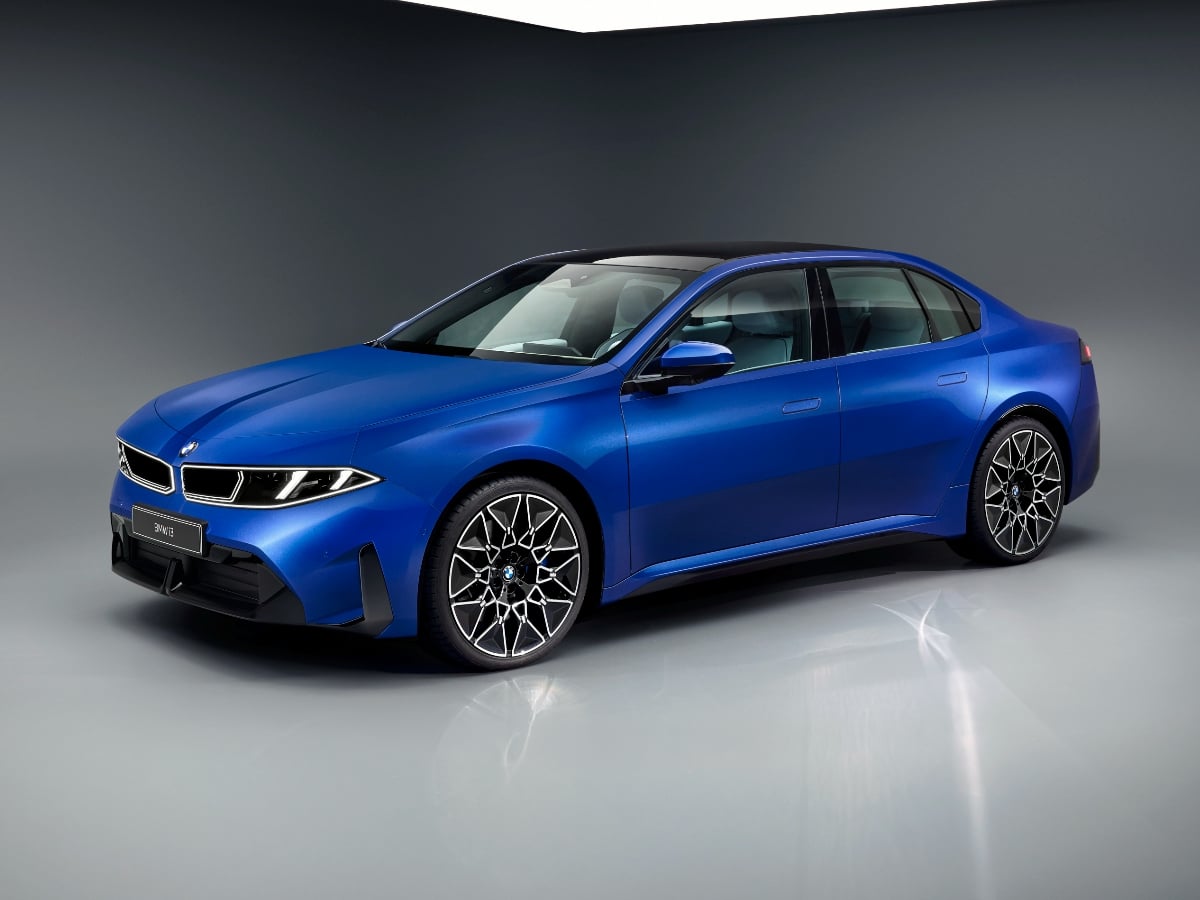
The new 2027 BMW i3 boasts an estimated range of up to 440 miles, 400-kilowatt DC fast charging capability, bidirectional charging to a home or the grid, and next-generation technology.
Read the Full Article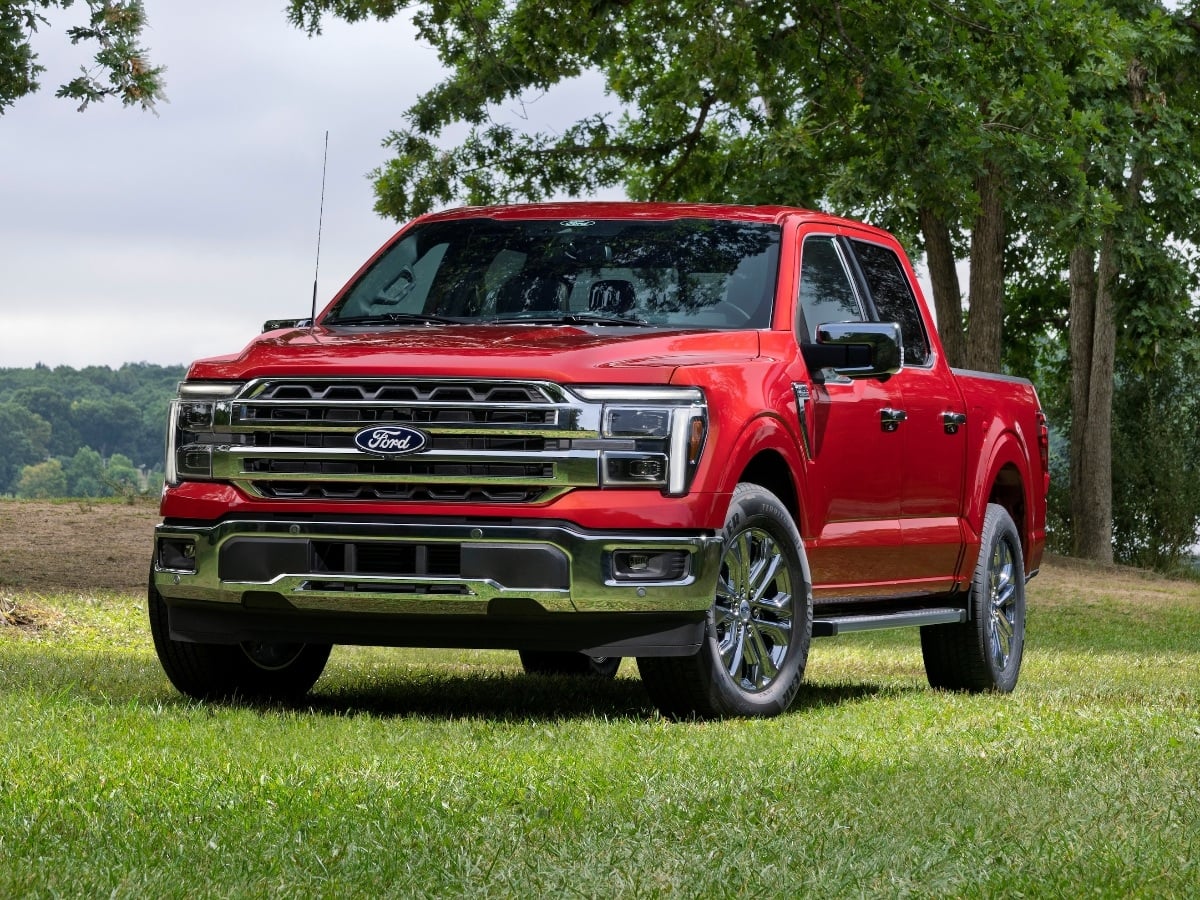
Facing renewed competition in the full-size, light duty pickup truck segment, the 2027 Ford F-150 receives subtle styling updates, a new standard engine, broader availability of its 5.0-liter V8, and ...See More
Read the Full Article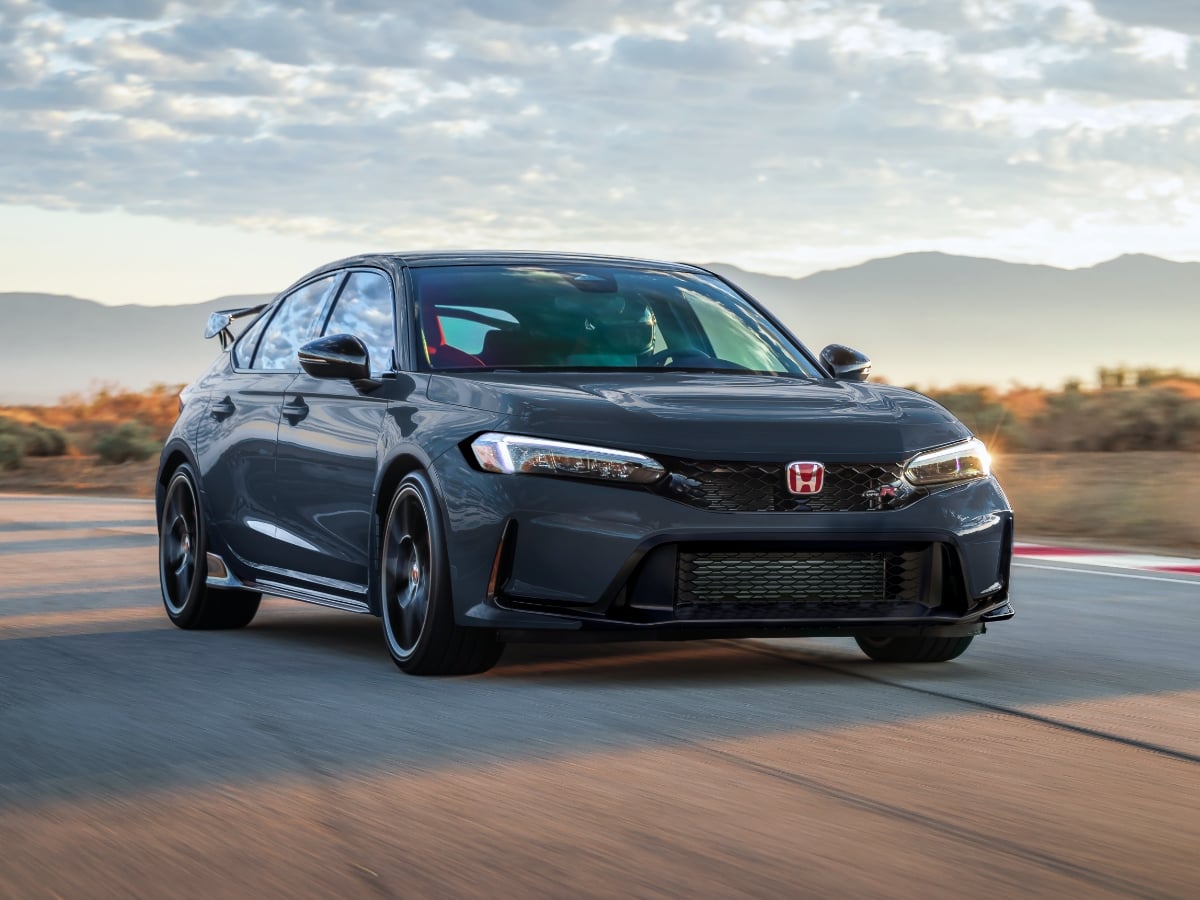
The 2027 Civic Type R goes on sale in October 2026, and it starts at $49,990, including the $1,295 destination charge.
Read the Full Article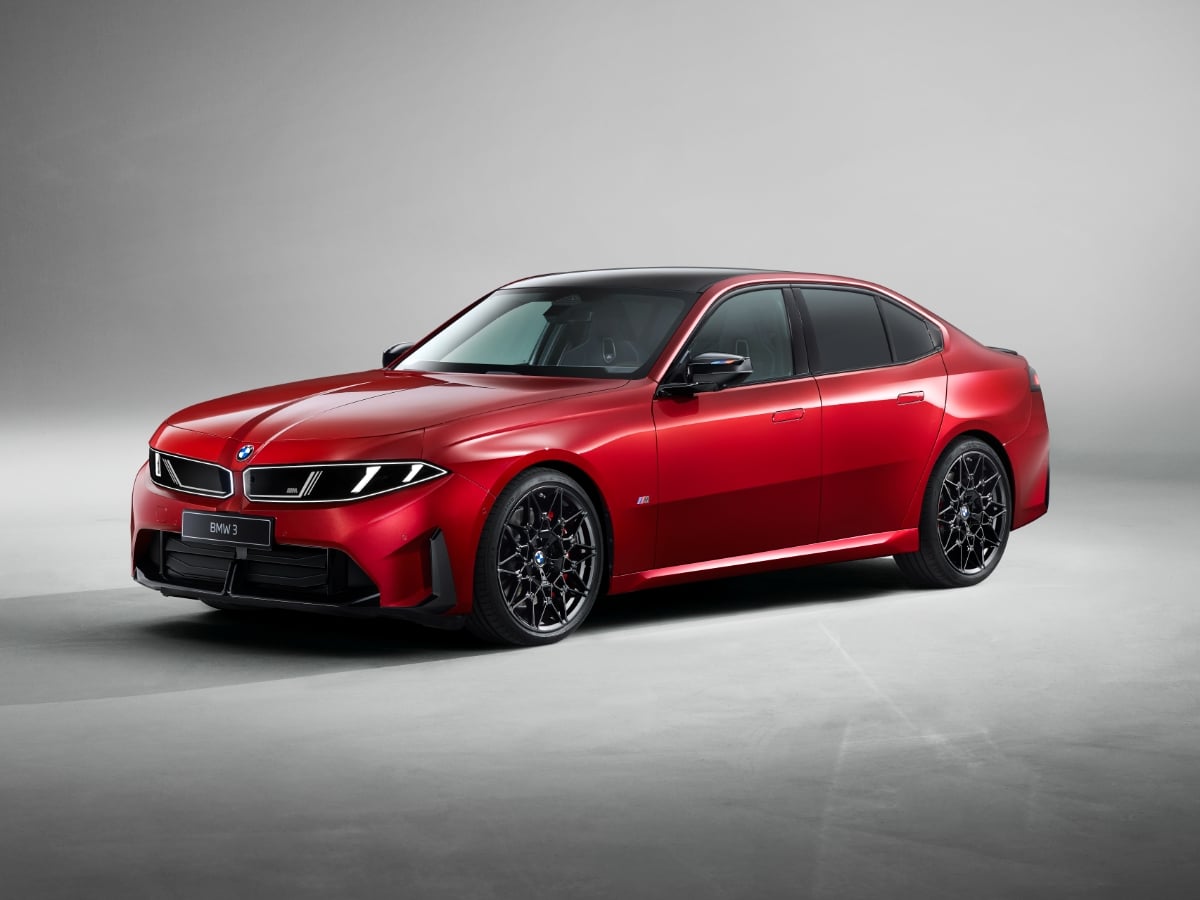
Part of BMW’s Neue Klasse (new class) rollout of redesigned models, the 2027 BMW 3 Series is all-new and goes on sale in the first quarter of 2027.
Read the Full Article