
The federal laws governing electric vehicle (EV) tax credits and other incentives changed significantly in August 2022. The Inflation Reduction Act (IRA) of 2022 changed how EVs qualify for tax incentives worth up to $7,500.

This article explains how the new EV tax incentive law works and what changes we can expect in the future.
The Department of Energy (DOE) has put together a list of all EV models that qualify for incentives under the new rules. Currently, the list includes models from Audi, BMW, Chrysler, Ford, Jeep, Lincoln, Lucid, Mercedes-Benz, Nissan, Rivian, and Volvo. Right now, electric vehicles from other automakers, including Hyundai, Kia, and Toyota, are not currently on the list of cars with final assembly in North America.
The DOE will update the list as more companies report information to the government, including when they confirm the exact assembly location for specific models. Industry observers expect a significant change after January 1, 2023, when additional provisions of the IRA go into effect and vehicles from General Motors and Tesla rejoin the list.
The most significant change in the new EV incentive rules is a shift away from a numerical limit applied to each automaker. The new rules focus on where the automaker built the vehicle and how much it costs.
Previously, once an automaker sold 200,000 electrified vehicles, the tax credits for that company would phase out, and eventually, their customers would no longer be able to claim the purchase on their taxes. The IRA removes this limit.
The change primarily affects three car companies. To date, only General Motors, Tesla, and Toyota have sold more than 200,000 qualifying vehicles. Under the new rules, their clean vehicles will again qualify if they meet other requirements. The IRA ends all EV credits on December 31, 2032.
There are plenty of changes to the new EV incentive rules. In short, expensive EVs will no longer qualify, automakers must assemble qualifying EVs in North America, and affordable used EVs will finally be eligible.
Buyers can now only use the EV tax credits on vans, trucks, and SUVs that cost less than $80,000. For all other passenger vehicles, like hatchbacks and sedans, the limit is $55,000.
Used vehicles will also qualify for a new, lower tax credit worth up to $4,000. Buyers can only apply the credit to a used EV that costs less than $25,000 and is at least two years old.
The IRA also sets personal income limits as qualifications for the new EV tax credit. Electric-vehicle buyers who make more than $150,000 yearly as a single filer ($300,000 for joint filers) will no longer be eligible. For used EVs, the income limits are $75,000 for single filers and $150,000 for joint filers.
The IRA introduced a series of new rules to encourage the domestic production of electric vehicles. Under the new regulations, a qualifying vehicle’s final assembly must occur in North America. Since automakers sometimes build the same model in different countries, the National Highway Traffic Safety Administration offers a VIN decoder to reveal where the manufacturer assembled the vehicle.
Under the IRA, qualifying EVs need at least 40 percent of the critical minerals in their batteries to come from the United States or a country with which the U.S. has a free-trade agreement. This percentage increases until it reaches 80 percent for vehicles placed in service after December 31, 2026.
There are similar levels for the manufacturing and assembly locations for other battery components, starting at 50 percent before January 1, 2024, and increasing to 100 percent in 2029.
The new IRA made the most significant changes to federal electric-vehicle tax-incentive laws since the U.S. government enacted them over a decade ago.
In the years ahead, the list of eligible models will be in flux as car companies build more manufacturing capacity in North America to ensure their products qualify.
Check out our Shopping Guides section if you’d like to learn more about new EVs.


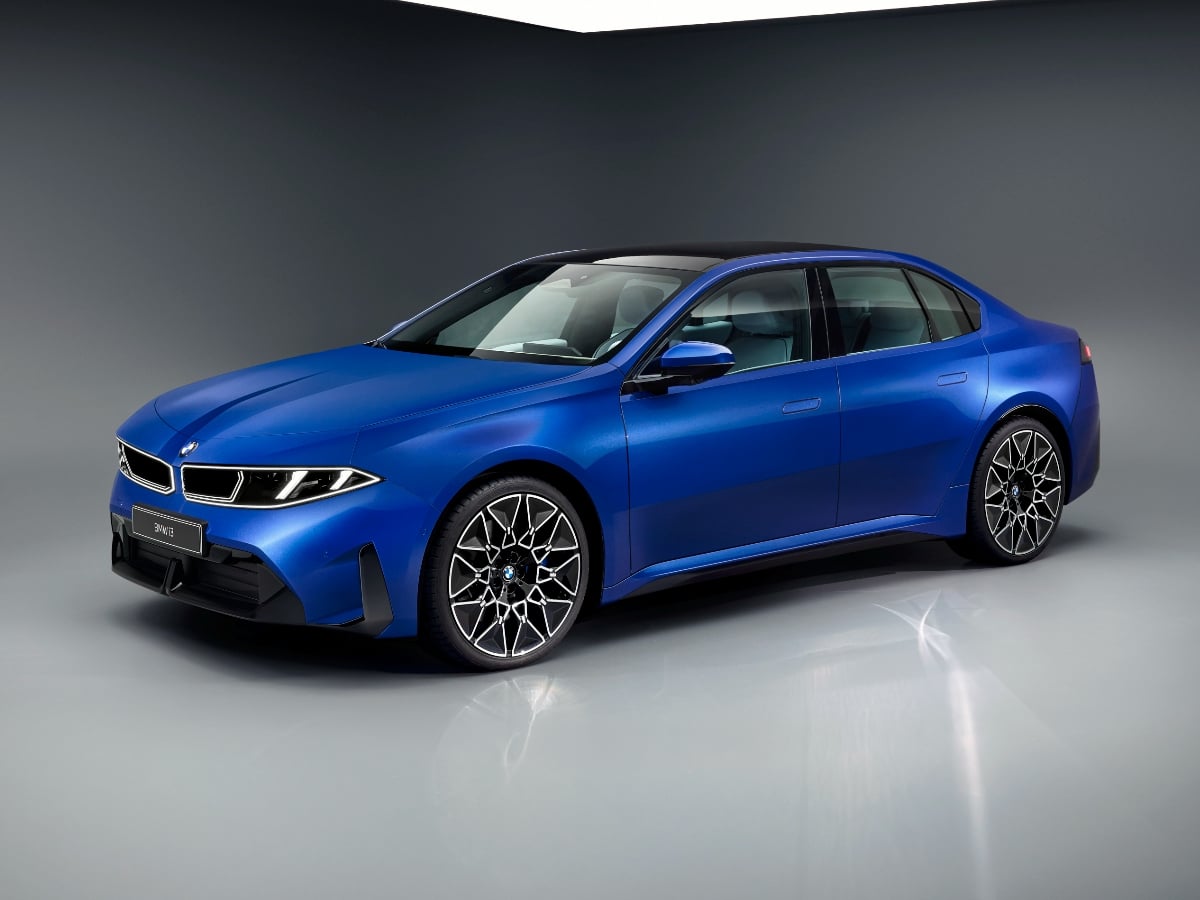
The new 2027 BMW i3 boasts an estimated range of up to 440 miles, 400-kilowatt DC fast charging capability, bidirectional charging to a home or the grid, and next-generation technology.
Read the Full Article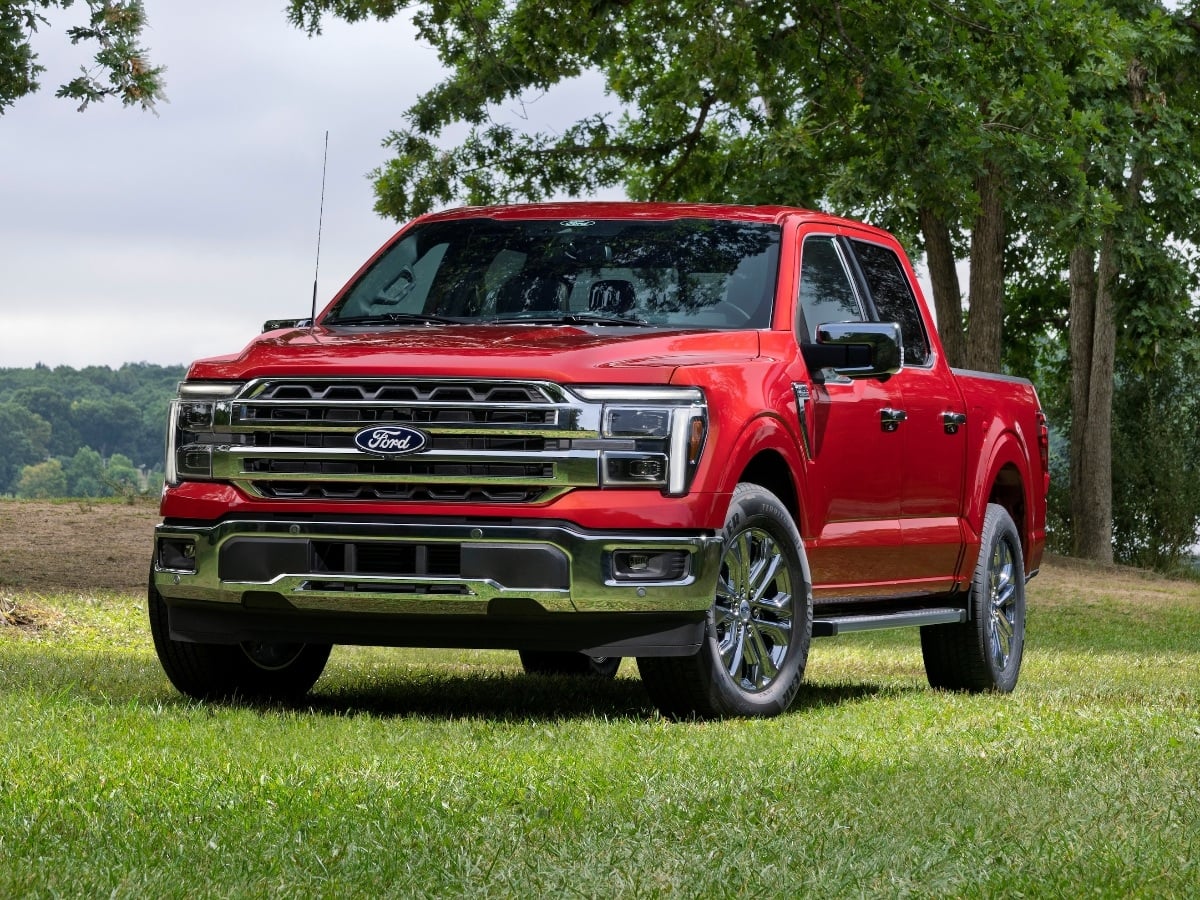
Facing renewed competition in the full-size, light duty pickup truck segment, the 2027 Ford F-150 receives subtle styling updates, a new standard engine, broader availability of its 5.0-liter V8, and ...See More
Read the Full Article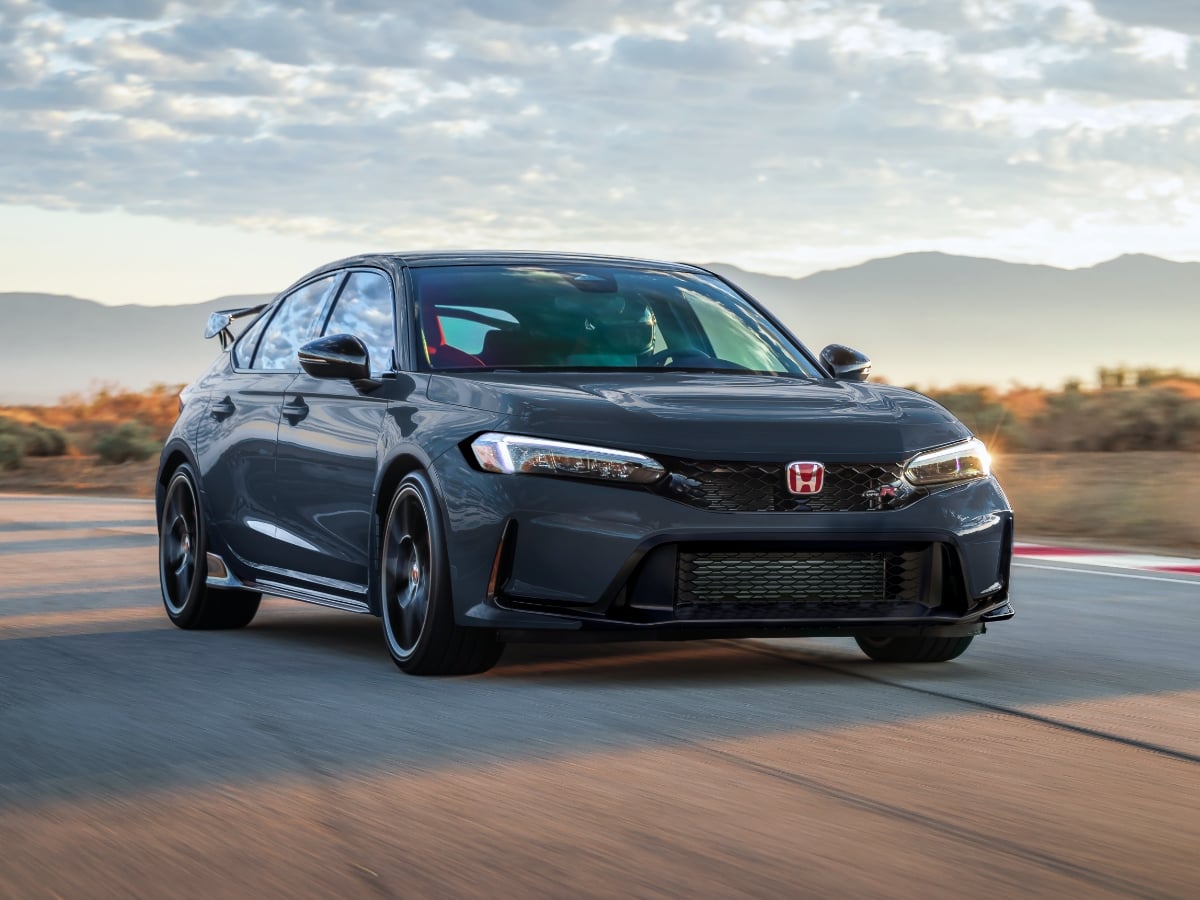
The 2027 Civic Type R goes on sale in October 2026, and it starts at $49,990, including the $1,295 destination charge.
Read the Full Article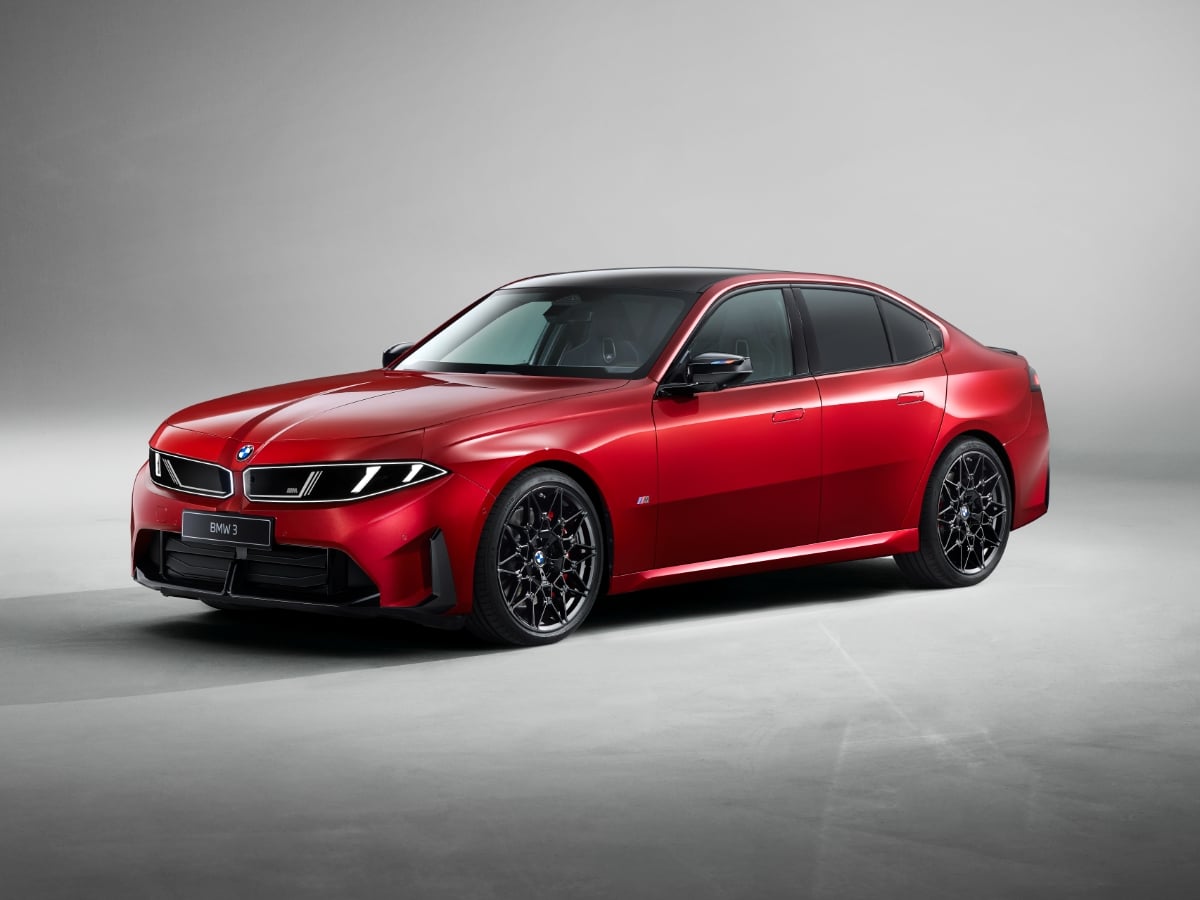
Part of BMW’s Neue Klasse (new class) rollout of redesigned models, the 2027 BMW 3 Series is all-new and goes on sale in the first quarter of 2027.
Read the Full Article