41 - 47
226 - 236
1 speed, CVT w/OD
Gas/Electric I-4
All Wheel Drive, Front Wheel Drive
The current-generation Toyota RAV4 was a radical departure from its predecessor. It was a seemingly risky gamble that paid off, though. Not only did Toyota’s compact SUV maintain its sales dominance throughout the six-year cycle, but it also became a much stronger vehicle that was easier to recommend. Now, the 2026 Toyota RAV4 introduces a new generation, and while it is not as radically different as the previous one, it appears ready to keep the momentum going.
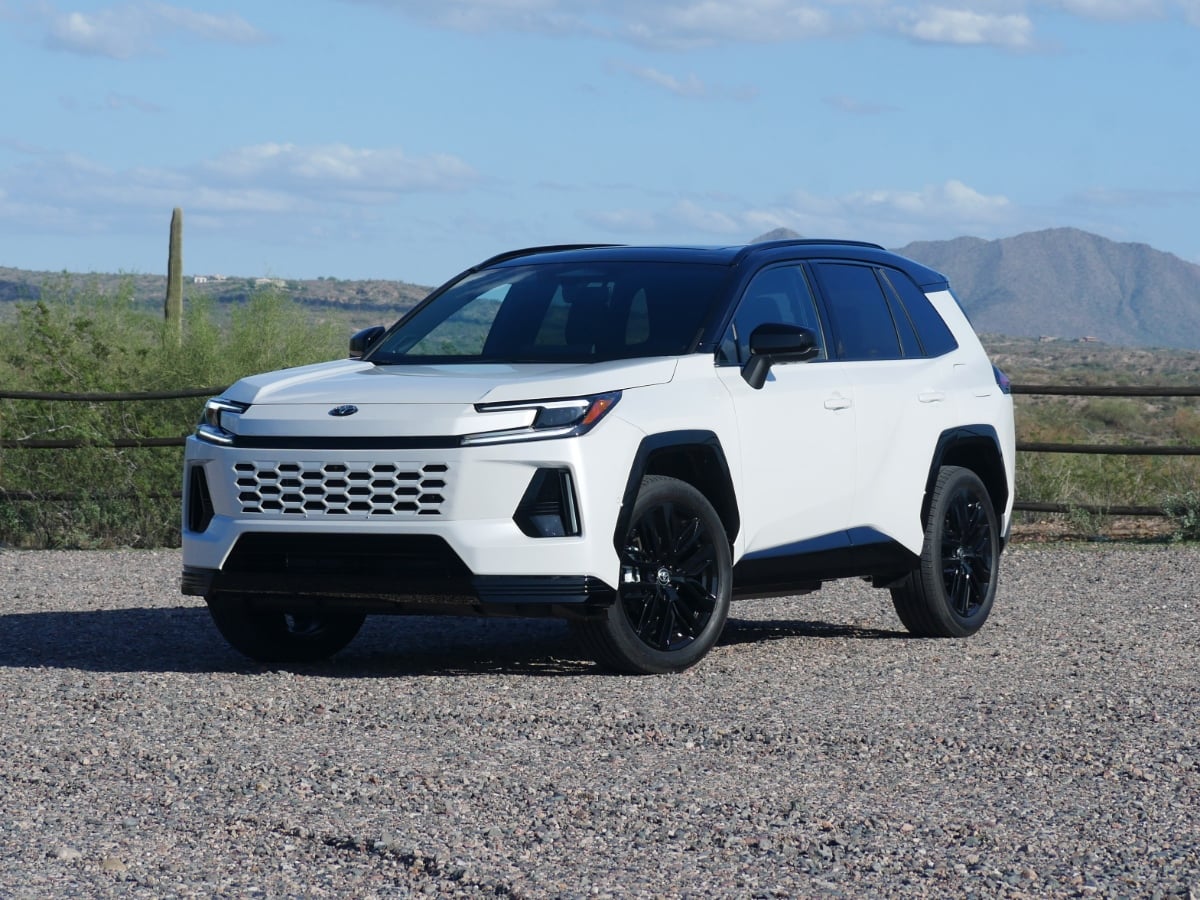
Photo: James Riswick
The 2026 RAV4 uses the same platform as its predecessor. Toyota reinforced it and improved the suspension, but there are strong similarities. The dimensions, for example, are nearly identical. The hybrid powertrain and tech interfaces are now the latest generation, and they are better for it (which is good since the hybrid is now standard). The interior features updated storage, while the redesigned exterior presents different looks for various trim levels.
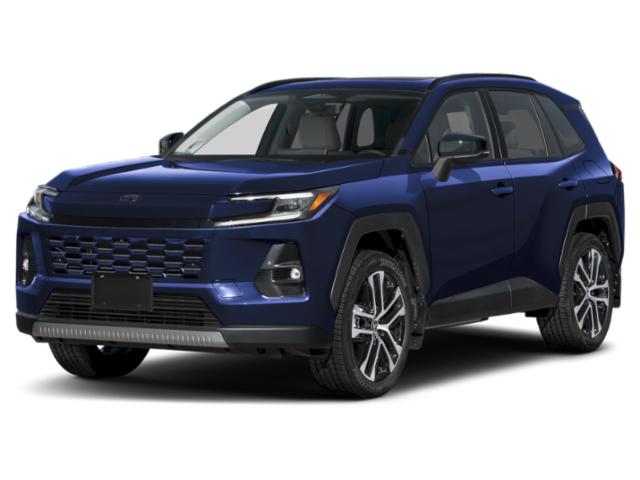
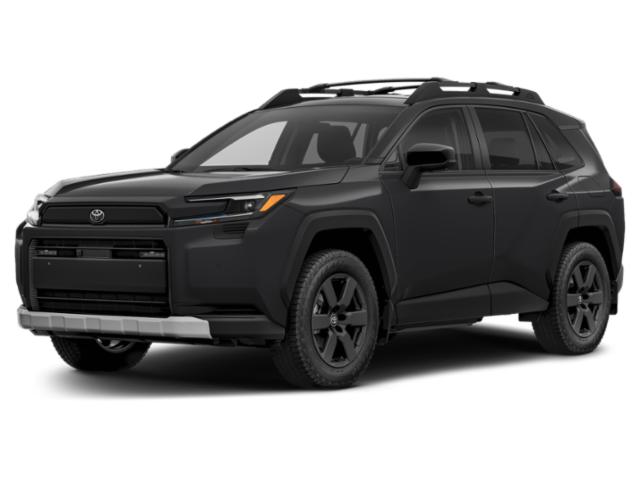
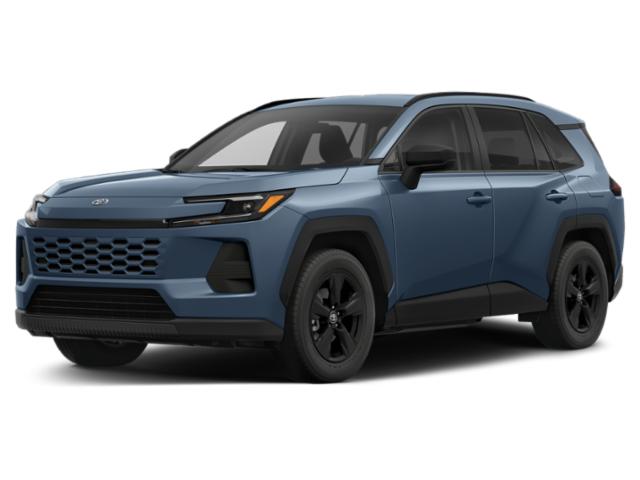
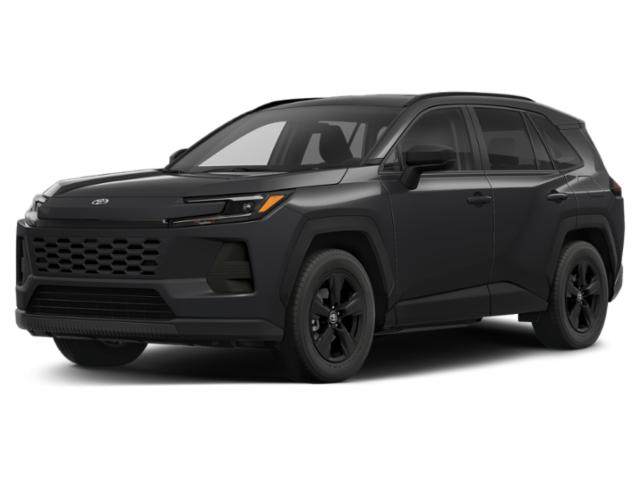
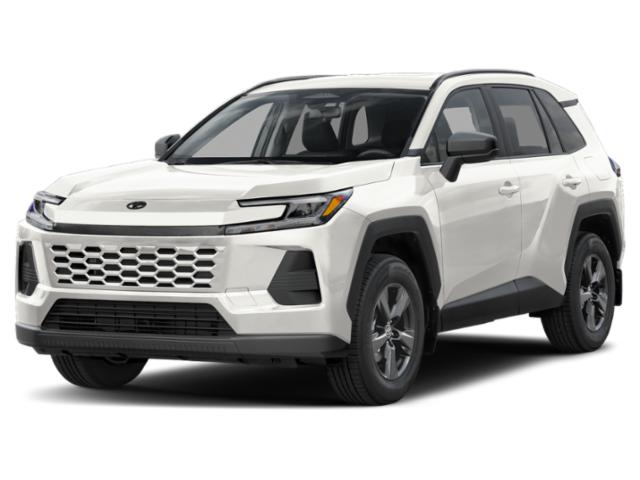
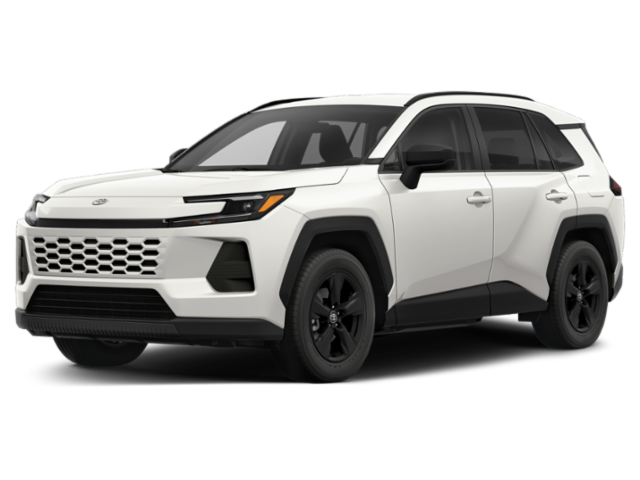
The so-called “core” trims of LE, XLE Premium, and Limited share their Crown Signia-like front-end design with the SE and XSE “sport” trims (as well as their suspension and steering tuning), but the latter features glossy black trim and sportier wheels. The “rugged” trim, the Woodland, has a 4Runner-esque front end and functional outdoor adventure upgrades. There is also the new GR Sport trim, which has its own design and chassis tuning, but is offered as a plug-in hybrid (PHEV) only. (The RAV4 with the PHEV powertrain will be reviewed separately.)
The exact pricing for the redesigned 2026 Toyota RAV4 was not available at the time of this writing. However, expect prices to rise slightly from the current 2025 Toyota RAV4, which starts at $31,250, including the destination charge.
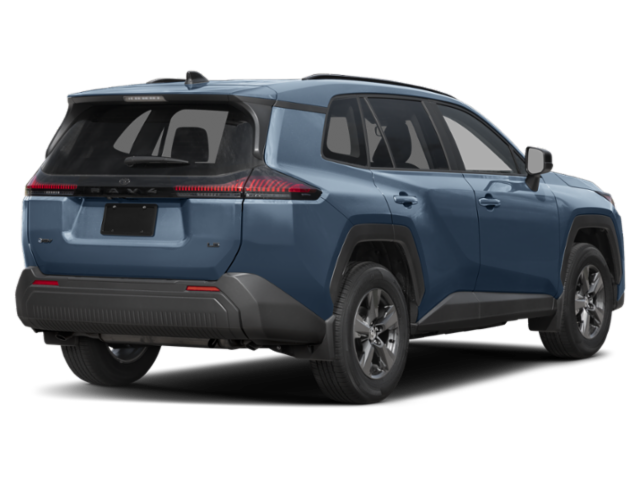
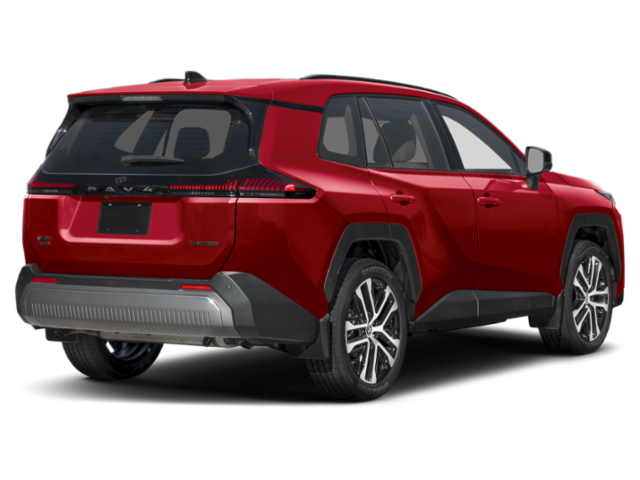
For this 2026 RAV4 review, Toyota supplied several test vehicles with various trim levels. I quickly tested an XSE (shown), a Limited, and a Woodland.
While the differences between Limited and XSE are largely cosmetic, with the Limited offering a few extra features, the Woodland has more significant differences. In addition to its unique design elements, it features all-terrain tires on 18-inch wheels, a higher ride height (8.5 inches compared to 8.1), distinctive fog lights, raised roof rails, a 2-inch tow hitch, orange interior accents, and an available pale green interior option.
Again, pricing was not available at the time of this writing, but we know the hybrid RAV4 trims (excluding the PHEV) will be built in Kentucky or one of two factories in Ontario, Canada.
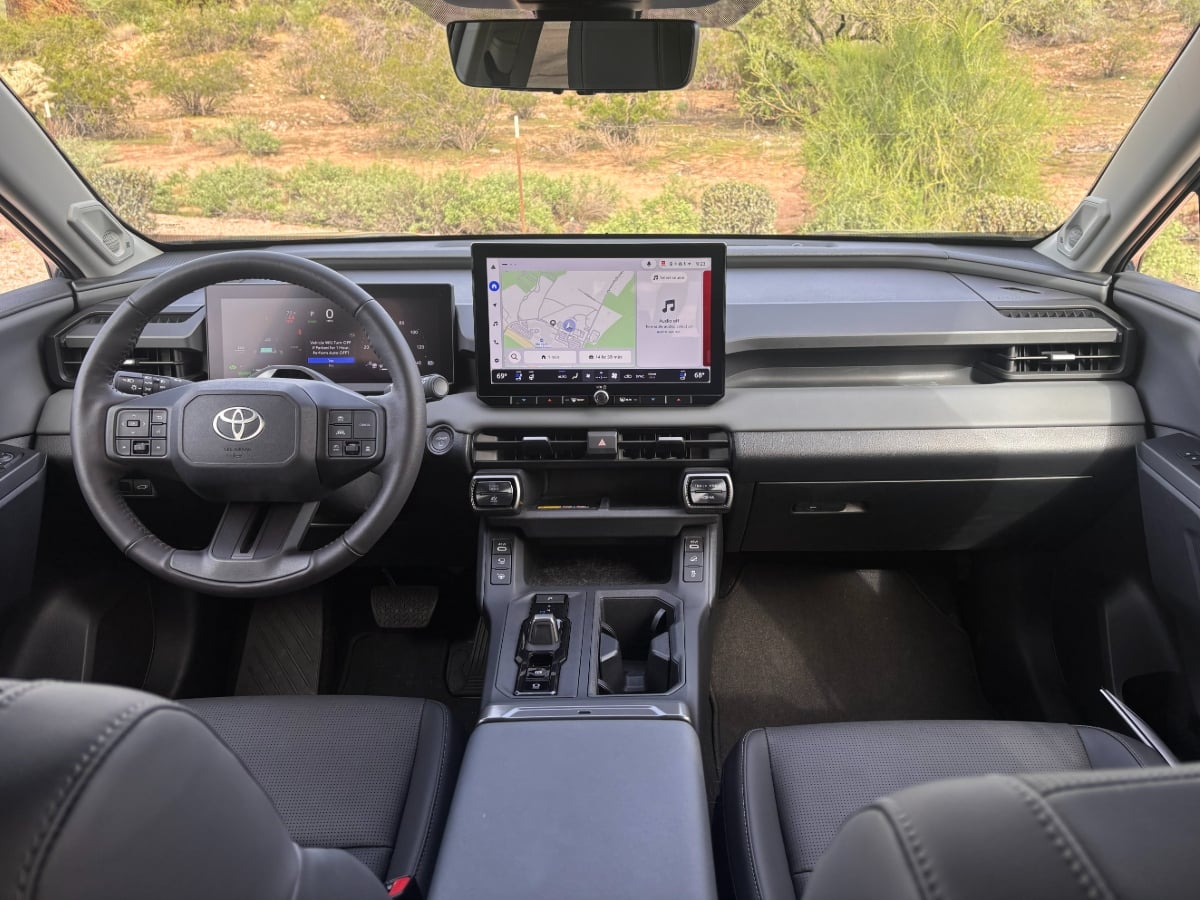
Photo: James Riswick
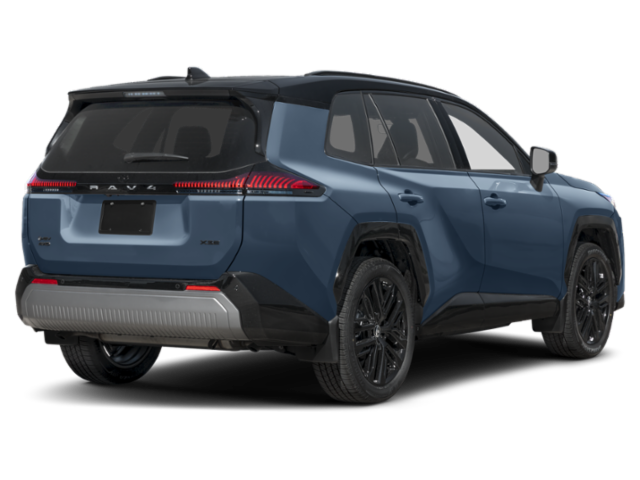
The last-generation RAV4 had a more original, cohesive design. This one looks like it’s wearing look-alike masks borrowed from different Toyotas. The back end is quite attractive, however, regardless of trim.
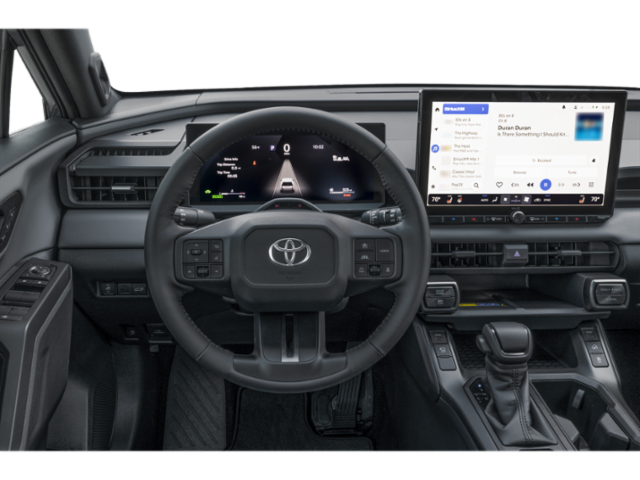
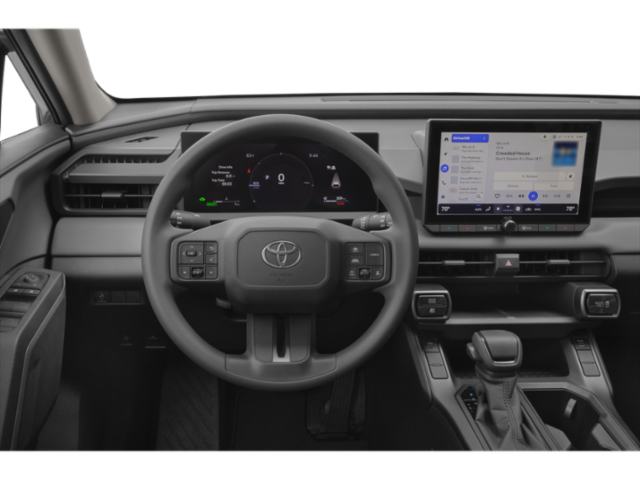
The new interior is mostly uniform across the range. It feels like a dull room of black and gray, lacking the contrasting metallic accents and colorful options available in the previous generation (even the Woodland’s distinctive green appears gray). Moving the physical climate controls to the touchscreen not only reduces functionality, as they draw your eyes away from the road, but also leaves an unattractive gap in the dashboard.
At least it is useful: it is meant for phone storage, with one wireless smartphone charging pad in the XLE Premium, XSE, and Woodland trims, and two in the Limited. The rubber-lined space below, which was previously the phone-holding bin, remains available for whatever you want. There is also a large tray in front of the passenger, deep door bins, and a new cupholder unit with a removable center partition that can be taken out to create an extra bin.
Toyota also redesigned the center armrest. Its cover is double-hinged to open towards either the driver or the passenger, or it can be removed and flipped over to reveal a hard plastic tray. The feature is interesting, but the mechanisms are awkward, and the armrest itself is a bit hard, with a somewhat rough surface finish.
“Rough” would be how I would describe some interior surfaces, but these were all pre-production vehicles, and materials quality could certainly improve once the 2026 RAV4 hybrids start showing up in dealerships, currently projected for December 2025. I hope they do.
From a space and comfort perspective, the 2026 RAV4 mostly carries over from the previous iteration, since most dimensions remain the same. This means the back seat is still smaller than that of top competitors like the Honda CR-V, Hyundai Tucson, Kia Sportage, and Subaru Forester hybrids. However, we are talking about degrees of “really big” here, and at 6-foot-3, I could still sit in the rear myself; my knees just lightly grazed the front seat.
Cargo space is essentially the same: 37.8 cubic feet behind the second row versus 37.5. The Hyundai Tucson and Kia Sportage offer more, which my previous real-world testing confirmed. Still, I expect the RAV4 to continue surpassing the CR-V, Forester, and others in the segment. The RAV4 is also equipped with a spare tire. Among the hybrid SUVs mentioned, the Sportage is the only other option that includes one.

Photo: James Riswick
The name remains the same—Toyota Audio Multimedia—but the infotainment system is completely new for the RAV4 and all of Toyota. A 10.5-inch touchscreen is standard, while the XSE and Limited versions get a 12.9-inch touchscreen (pictured). They both appear identical in terms of appearance, layout, and functionality.
This new system is not a major change from the current Toyota system, but there are some important upgrades. It now features a Home screen, for starters, fixing a curious omission. It is customizable with large shortcut tiles that the driver can rearrange in their preferred order, typically two or three on-screen. I liked that I could see the navigation map and audio information at the same time. This new feature works well with the existing column of permanently docked menu shortcuts, making system navigation easy.
Toyota says the system has better response times thanks to increased computing power, and the “Hey, Toyota” voice controls respond faster because many features no longer need an internet connection. I tested them out, and they worked for my usual queries, but I cannot say how much they improved compared to the old system.
Native navigation can be added to any 2026 RAV4 by activating a subscription. It functions like other integrated navigation systems, including the ability to display its map on the standard 12.3-inch digital instrument panel (the first Toyota to do so). Still, it actually requires an internet connection to search for an address and calculate a route. This meant I was out of luck when stranded without cell service in the middle of the Arizona desert and needed directions back to my hotel. It was therefore no more useful than using Google Maps via Apple CarPlay.
Speaking of which, wireless Apple CarPlay and Android Auto come standard. I was able to connect to both without any problem.
Also included is a new Drive Recorder feature. Using the car’s built-in exterior cameras, it offers integrated dash-cam functionality. It automatically records 20-second clips, which can be saved afterward or triggered manually. I cannot say the footage is the most exciting video content you’ll consume, but I did watch some clips on the touchscreen.

Photo: James Riswick
The 2026 RAV4 features a new fifth-generation hybrid powertrain as standard. Its transitions between electric and engine power are much smoother, and the engine’s start-up is quieter. It also still drones with a raspy sound when you accelerate heavily. Overall, this makes for a more enjoyable and refined hybrid driving experience.
It is also more powerful and efficient. With newly available and standard front-wheel drive, it delivers 226 horsepower and an estimated 44 mpg combined, according to Toyota. That’s 23 hp more and 14 mpg better than the old, gas-only four-cylinder. (Note that my test drive did not include enough miles to produce a representative as-tested mpg figure.)
The all-wheel-drive system is still achieved by adding an extra electric motor that exclusively powers the rear axle. This not only provides better traction during acceleration, cornering, and poor weather conditions, but also enhances performance. It delivers 236 hp, which is 17 more than the previous RAV4 Hybrid, while fuel economy ranges from an estimated 39 to 44 mpg depending on the trim level.
The Woodland is the least efficient version, probably due to its all-terrain tires and increased ground clearance. I also suspect it offers the worst handling for the same reasons (my test drives did not include enough cornering opportunities to be certain), but I can confirm it has the roughest ride. The hard rubber transmits sharper impacts from bumps, though it is not a huge difference. I have driven all-terrain-clad crossovers that are far less comfortable than other versions. This is not one of those.
Although Toyota carried over the RAV4’s platform from the previous generation, it has been strengthened and improved, resulting in a more composed and refined driving experience. It feels like a more sophisticated vehicle to operate. I can’t say I love the new steering—it feels numb and has an elastic quality while turning into a corner—but if that matters to you, the GR Sport PHEV features different steering that is excellent.
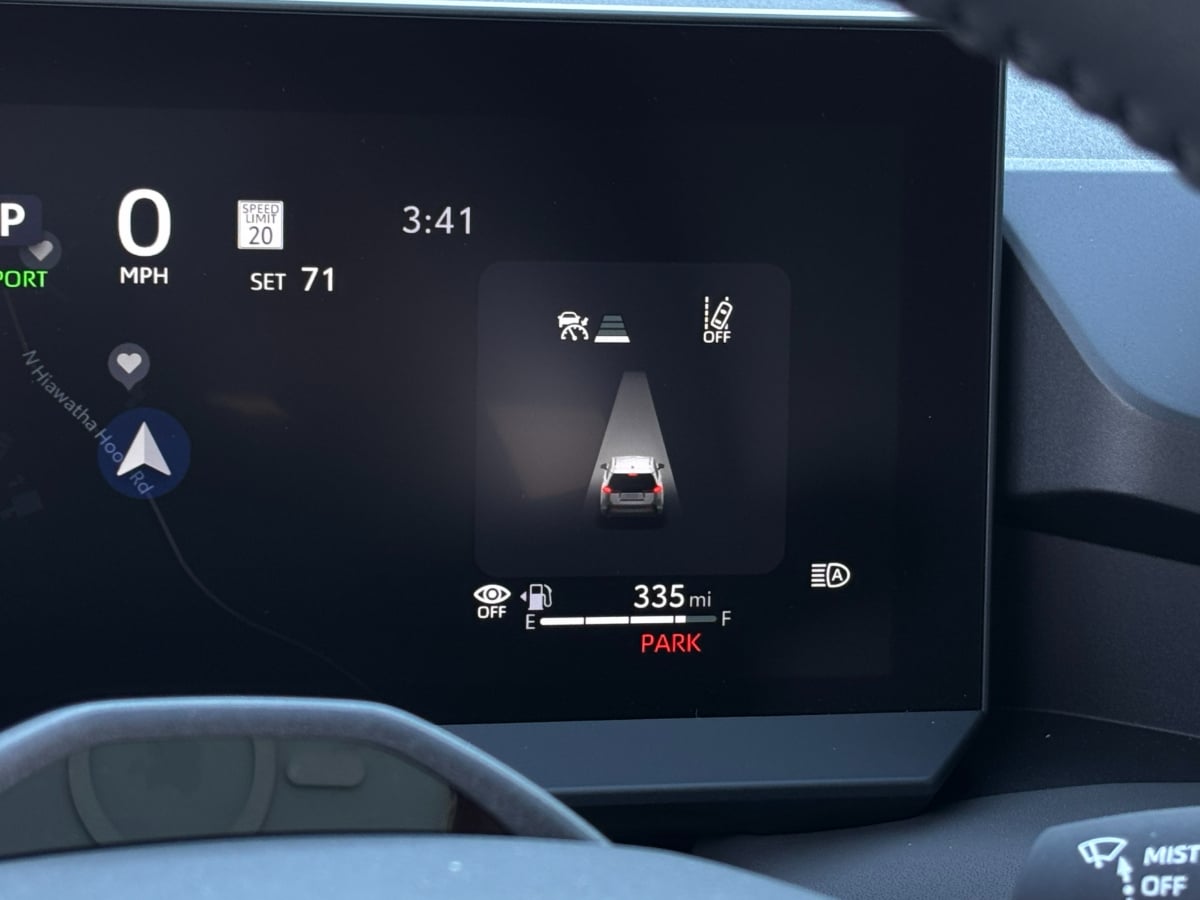
Photo: James Riswick
The 2026 RAV4 comes equipped with the latest Toyota Safety Sense 4.0 (TSS 4.0) advanced driver assistance systems (ADAS), replacing the previous TSS 2.5 version). New safety features include front cross-traffic warning and a driver monitoring system, but the overall standard feature list remains unchanged. It includes:
The XSE and Limited trims I tested also featured a panoramic parking camera system and front and rear parking sensors with rear automatic braking.
Despite the minimal changes in feature content, TSS version 4.0 includes updates to various system hardware and detection capabilities, so they should, in theory, perform better. Unfortunately, I had little opportunity to drive on the highway or in typical suburban traffic—just a lot of open desert roads outside Phoenix. I can only say that the lane-centering steering assist seemed more advanced when using ACC.
According to the JD Power 2025 Initial Quality Study (IQS), the Ford Escape ranks highest in the compact SUV segment. The Jeep Wrangler and the Nissan Rogue are the next highest-ranked models.
According to the JD Power 2025 Automotive Performance, Execution and Layout (APEAL) Study, the Nissan Rogue ranks highest in the compact SUV segment. The Buick Envision and the Mitsubishi Outlander are the next highest-ranked models.
Other 2026 RAV4 competitors include the Honda CR-V, Hyundai Tucson, Kia Sportage, and Subaru Forester.
According to verified owners, the RAV4 earns an award as the highest-ranked model in its segment in the 2025 Vehicle Dependability Study.
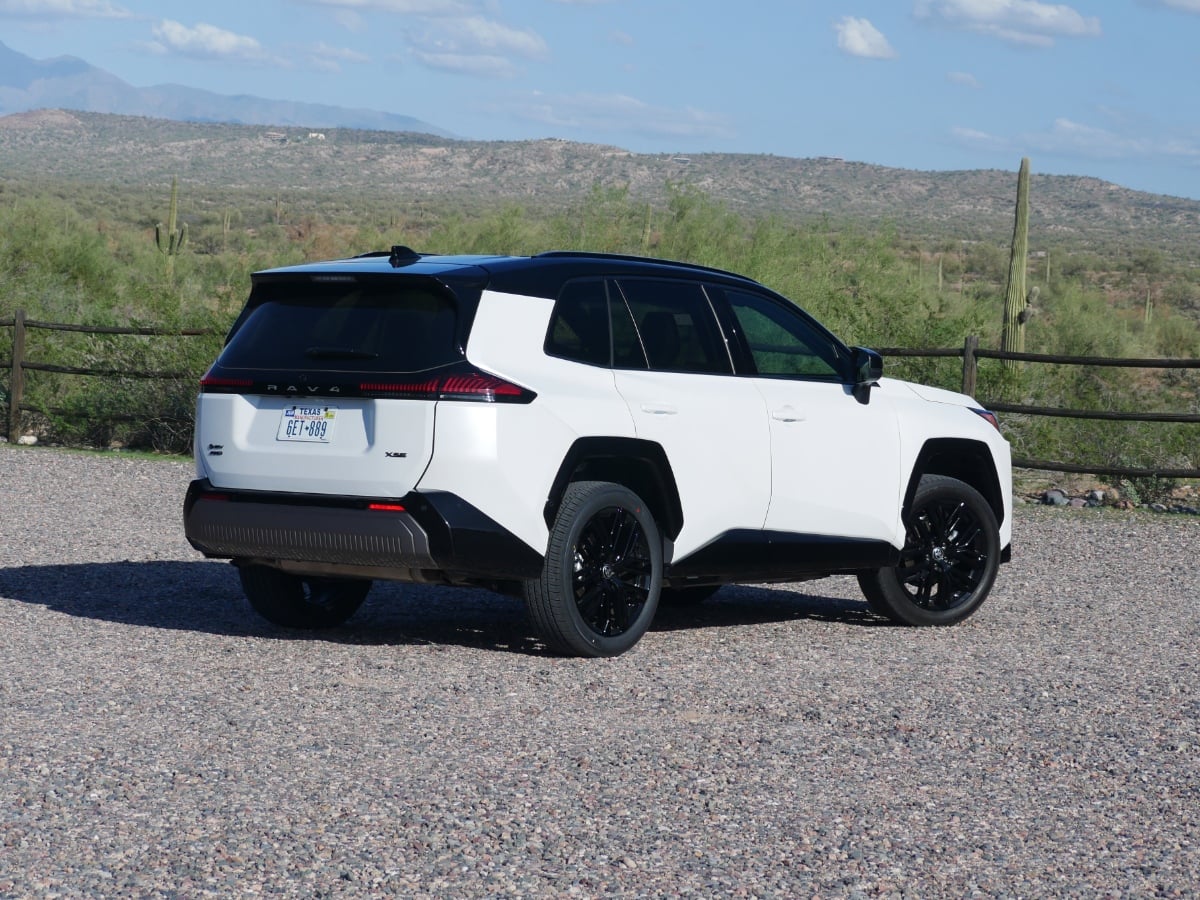
Photo: James Riswick
I am not sure if it looks better, but the 2026 RAV4 does have clear upgrades over its predecessor. It is more efficient, powerful, and refined, with improved technology and interior storage. Offering slightly different looks across trims also helps it stand out. It might not be a radical overhaul, but it is a notable update.
James Riswick has been testing and reviewing cars since 2007, serving as an editor at Edmunds.com and Autoblog. In addition to JDPower.com, he has also contributed to Autoguide Magazine, Autotrader, Capital One Auto Navigator, Car and Driver, and Hagerty. He resides in Southern California and owns a 1998 BMW Z3, a 2013 Mercedes-Benz E350 Wagon, and a 2025 Cadillac Optiq.