
The redesigned 2026 Toyota RAV4 goes full hybrid and boasts three new design styles (Core, Sport, and Rugged), each with its own trim level lineup. Most notable are the enhanced Woodland and the all-new GR Sport, which boasts handling enhancements by Toyota’s Gazoo Racing outfit. Both hybrid powertrains are new and more powerful, with the plug-in hybrid (PHEV) version boasting an estimated 50 miles of all-electric range. A new Toyota Audio Multimedia infotainment system also debuts in the 2026 RAV4.

The previous-generation RAV4 was available in a similar mix of design and capability flavors, so to speak. The new 2026 model clarifies these differences with names and common design elements. The “Core” trims consist of LE, XLE, and Limited. They feature a body-colored grille and more traditional design cues and are only available with the regular hybrid powertrain.
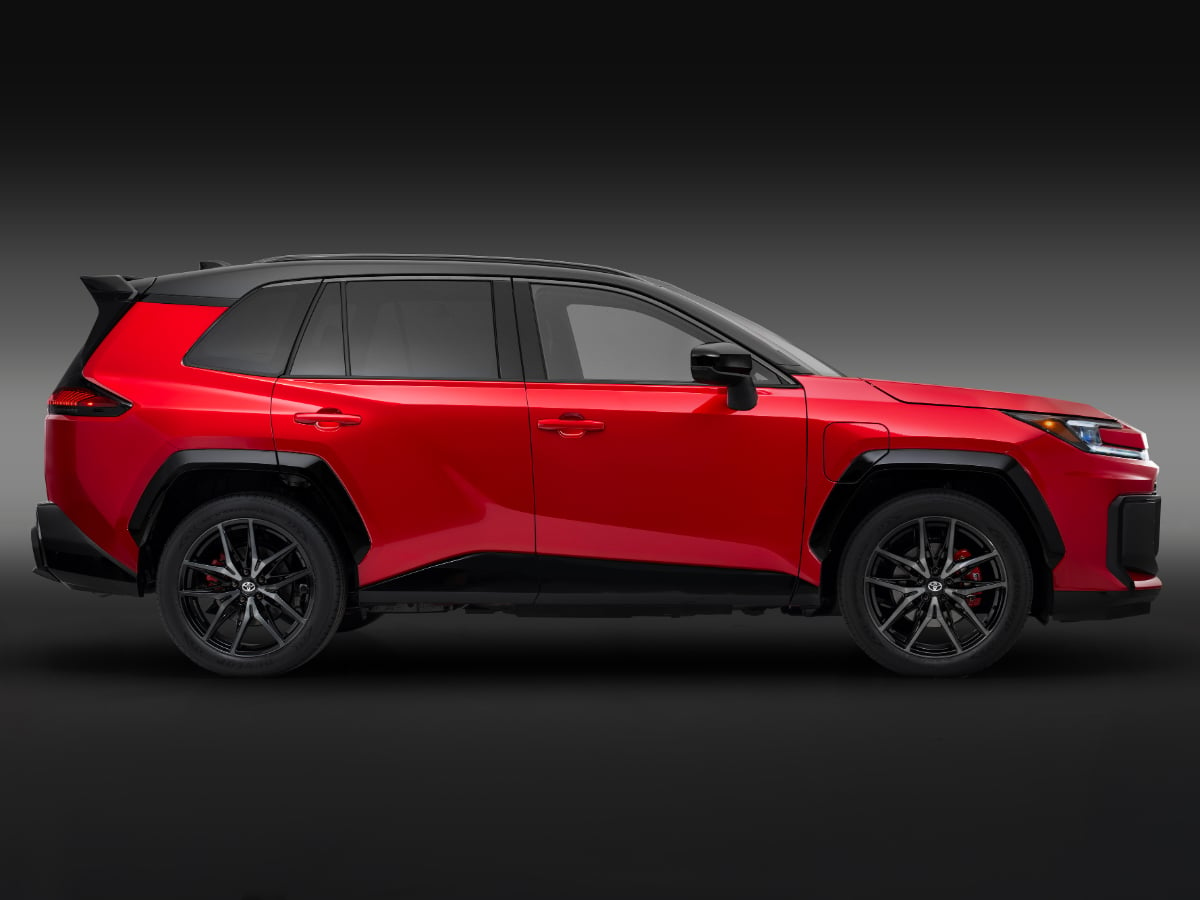
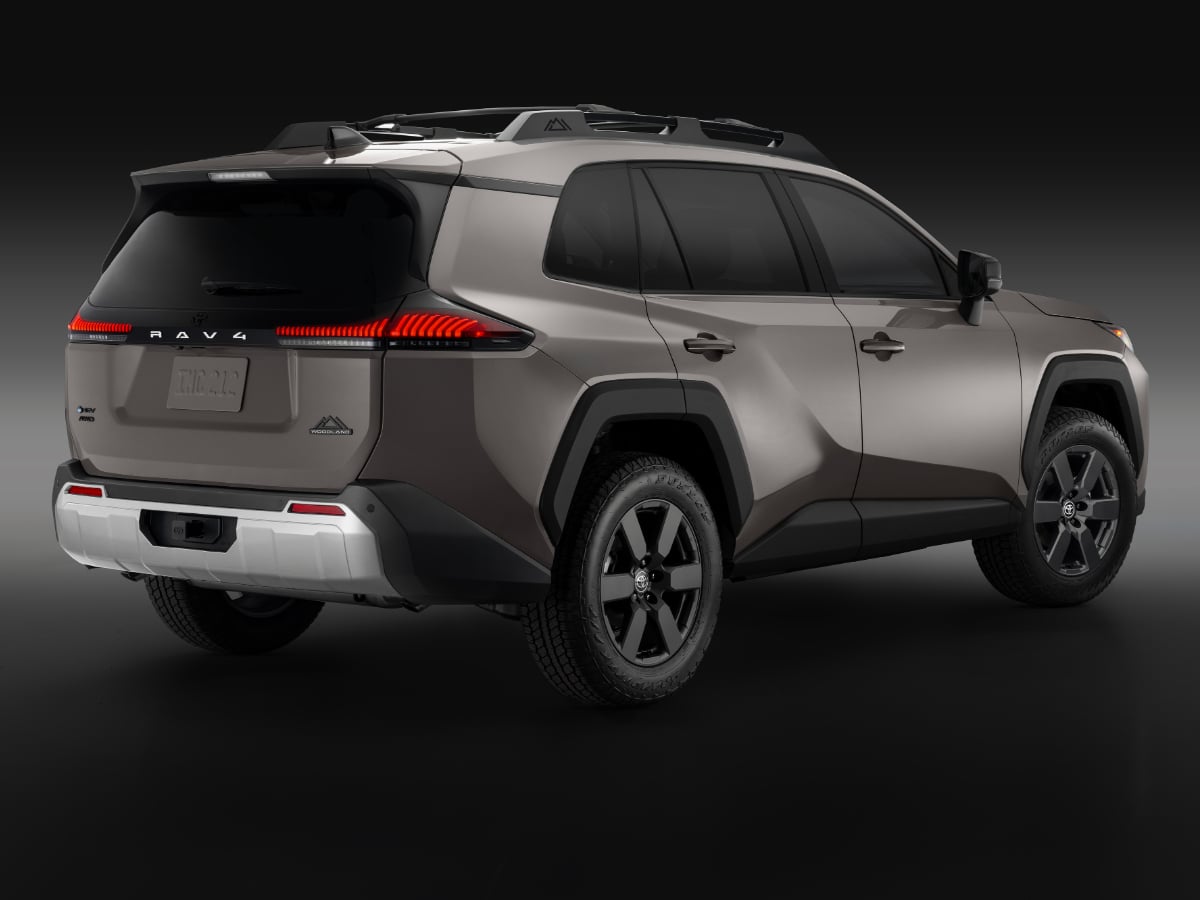
The Woodland is the only “Rugged” trim, and as the name implies, it has a more off-road-oriented look to go with its extra ground clearance, all-terrain tires, and raised roof rails. It offers both conventional hybrid and PHEV powertrains. Meanwhile, the “Sport” trims include the carryover SE and XSE, plus the new GR Sport that gets special chassis tuning, a stiffer body, and summer tires.
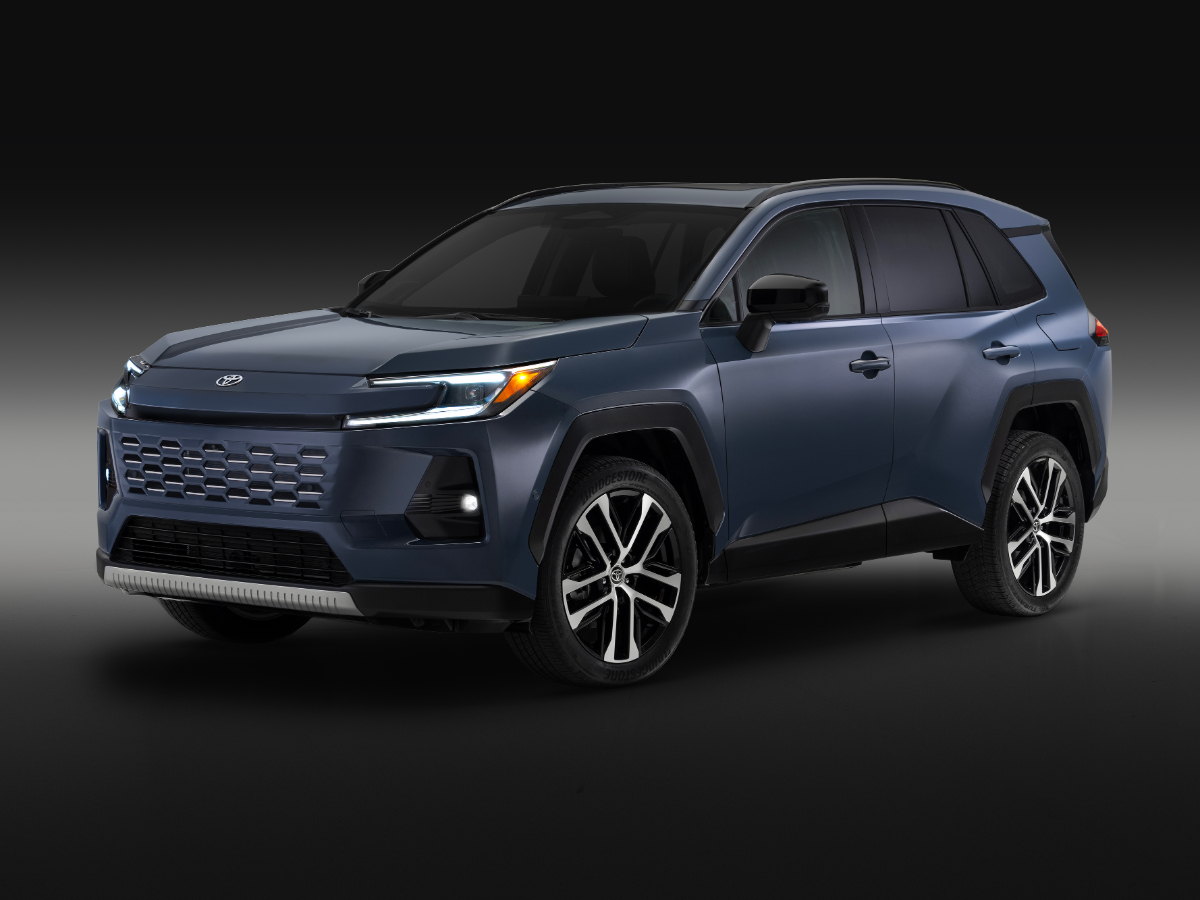
The 2026 RAV4 shares the same underlying TNGA-K vehicle platform as the 2025 model, so perhaps it’s unsurprising that most trims/grades have the same length, width, height, and wheelbase as before. The Woodland and GR Sport are just a wee bit different. In that way, the 2026 RAV4 represents more of a heavy refresh than an all-new model—and from certain angles, that appears to be the case.
I think the new Core design collection differs most from the outgoing model with its hexagonal grille details and Prius-like front lighting. The Sport trims share the lighting look but get a bigger grille in gloss black. The GR Sport adds a cool rear spoiler along with its 20-inch wheels. Meanwhile, the Woodland has a black grille and fenders. From the rear, it is awfully reminiscent of the Subaru Forester. Still, I don’t think it rises to the same rugged visual standard as the previous-generation RAV4’s TRD Off-Road version.
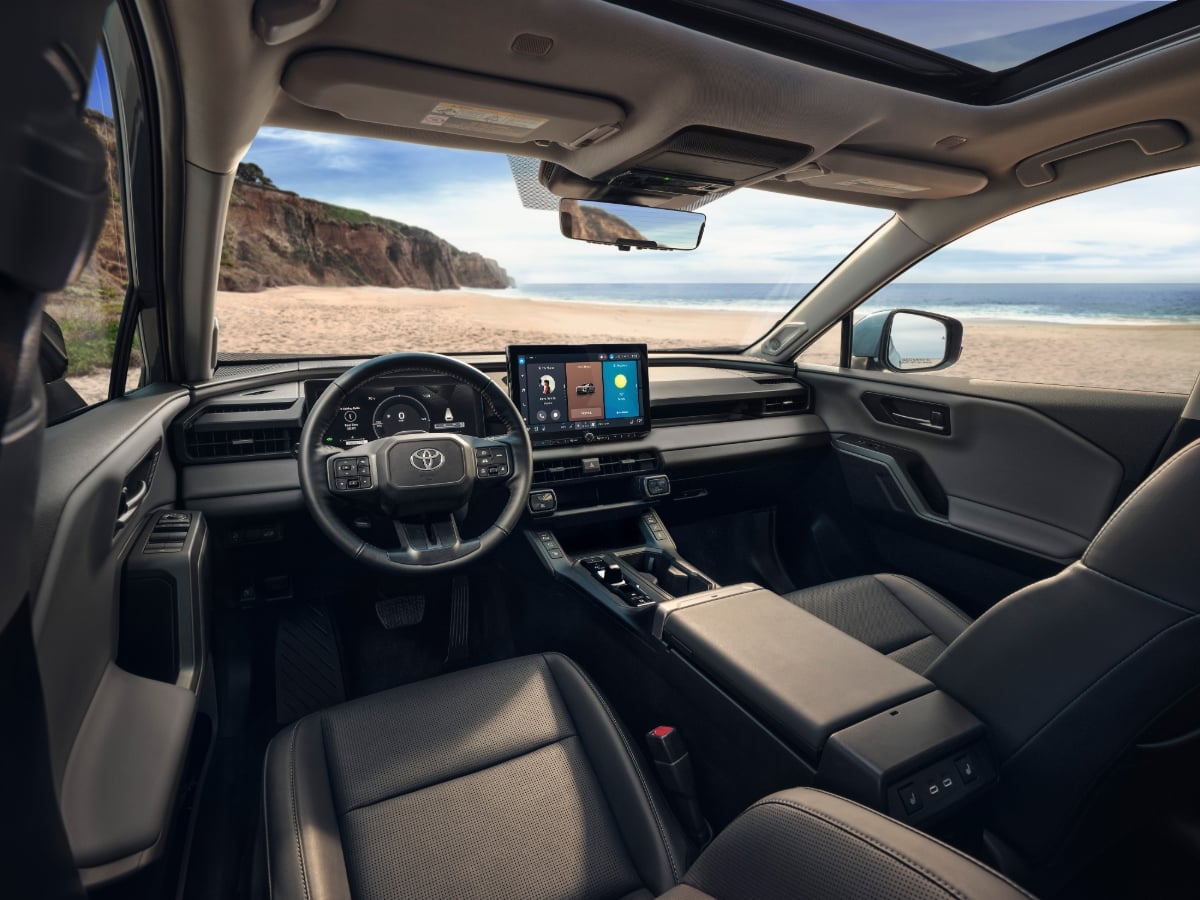
Like the exterior, you can see the previous-generation RAV4’s bones lurking beneath the many updates made for 2026; it’s not exactly a radical design departure. There are bigger screens, though, and moving the climate controls to a higher location (there are still physical buttons, hooray!) frees up space in the center stack for an extra bin. Toyota also seems to have freed up more storage space by adopting an electronic shifter.
The Woodland has arguably the most interesting interior, with a unique light green simulated upholstery and trim, along with red-orange accents. The Sport trims get pops of color too.
Starting in 2026, every new RAV4 will be a hybrid. There are two flavors available: conventional and plug-in.
The standard powertrain in the 2026 RAV4 is Toyota’s next-generation hybrid system, which has already debuted. Having experienced it in the Prius and Camry, I can report that it’s quieter and more refined, with far smoother transitions between engine and electric motor. I would expect this to also be the case in the RAV4.
Output increases over the previous-generation RAV4’s hybrid system, up to 236 horsepower from 219 when equipped with all-wheel drive (AWD). However, front-wheel drive (FWD) will now be available with the conventional hybrid powertrain. That combination will produce 226 hp—23 more than the old gas-only engine. Toyota did not provide fuel-economy estimates for the new RAV4.
Toyota’s new, sixth-generation PHEV powertrain debuts in the 2026 RAV4. It, too, is more powerful, getting a bump of 18 hp up to 320 combined system horsepower. According to Toyota, a bigger battery and new semiconductors in the front axle result in an improved electric-only range of 50 miles. The current RAV4 Prime (that name is going away) plug-in hybrid is good for an EPA-estimated 42 miles of all-electric motoring.
Toyota improves the RAV4 PHEV with faster at-home AC charging (11 kilowatts) and available DC fast-charging capability on the XSE and Woodland trims.
Beyond the powertrains, Toyota engineers increased the new RAV4’s structural rigidity with the promise of improved handling and ride comfort, while “high-damping adhesive” promises to quell noise and vibrations.
Then there’s the new GR Sport, which features unique suspension and steering tuning by Toyota’s Gazoo Racing outfit, plus an even stiffer body and summer tires wrapping 20-inch wheels. It comes only in PHEV format.
The 2026 RAV4 is the first Toyota model to receive the automaker’s all-new “Arene” software platform that powers the infotainment, safety, and connectivity systems. The most obvious element of this is an all-new infotainment system. It features a new user interface, improved voice commands, and a standard 10.5-inch touchscreen or a 12.9-inch upgrade. Wireless Apple CarPlay and Android Auto smartphone mirroring are standard.
Also new is a standard 12.3-inch digital instrument panel that the driver can customize to display the vehicle’s native navigation system map, if so equipped. A head-up display also debuts on the available features list.
In terms of safety tech, Toyota did not announce any new systems. However, the automaker says the Arene software architecture joins updated hardware and detection activities to improve the performance of the various technologies. More details will be available closer to the RAV4’s on-sale date.
Looking at the RAV4’s competition for 2026, the Honda CR-V gets its own rugged TrailSport trim level that’s hybrid-only. Honda still offers its compact SUV with a gas-only engine, but not a plug-in hybrid. The Hyundai Tucson and Kia Sportage, refreshed for 2025 and 2026, respectively, are available with gas-only, hybrid, and PHEV powertrains. They also offer off-road-oriented trims. Still, no compact SUV can match the GR Sport’s combination of PHEV powertrain and sport-tuned chassis upgrades.
Toyota is the source of information in this article. It was accurate as of May 20, 2025, but it may have changed since that date. Always confirm product details and availability with the automaker’s website or your local dealership.
James Riswick has been testing and reviewing cars since 2007, serving as an editor at Edmunds.com and Autoblog. He has also contributed to Autoguide Magazine, Autotrader, Capital One Auto Navigator, Car and Driver, and Hagerty. He resides in Southern California and owns a 1998 BMW Z3, a 2013 Mercedes-Benz E350 Wagon, and a 2023 Kia Niro EV.


With the 2027 model year upon us, automakers are looking to sell off their 2026 model inventories. Even some 2027 models have great lease deals. Check out our list for some of the best lease deals on ...See More
Read the Full Article
Are you looking for the best deals on the hottest new cars in October 2026? Look no further. We researched the latest car incentives and offers for America’s 10 top-selling cars.* Here, listed ...See More
Read the Full Article
Fall is officially here, and with the 2027 model year now upon us, automakers still have a healthy supply of 2026 models to clear out. See the list for current rebates, incentives, and loan discount ...See More
Read the Full Article
If you are searching for the best deals on the most popular new trucks in October 2026, your search ends here. We researched the latest incentives and offers for America's 10 top-selling trucks.* ...See More
Read the Full Article