See answers to common EV questions, tax incentives, charging maps & more.
Explore EV
29 - 46
31 - 39
169 - 196
10 speed, Automatic/CVT w/OD
Gas/Electric I-4, Regular Gasoline I-4
All Wheel Drive, Front Wheel Drive
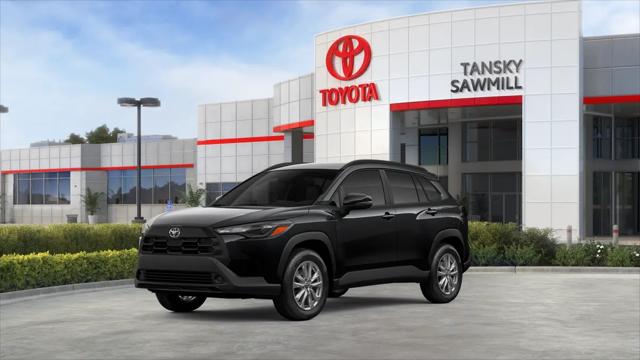
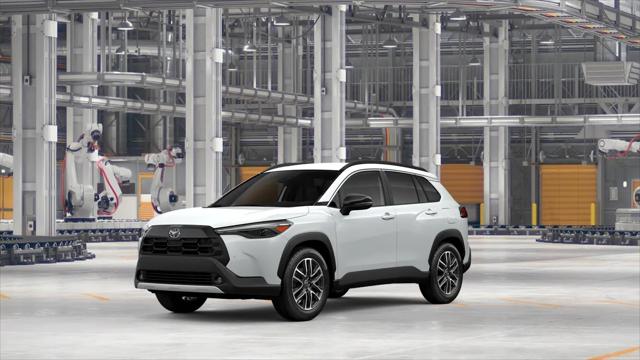
As the saying goes, let’s get straight to the point. If you are considering a 2026 Toyota Corolla Cross, the hybrid version is the one to choose. It is more efficient, more powerful, and generally more pleasant to drive. The modest price premium for the Corolla Cross Hybrid includes standard all-wheel drive (AWD). It is also much more competitive than the gas-only version. However, both versions have significant drawbacks that diminish their overall appeal.

Photo: James Riswick
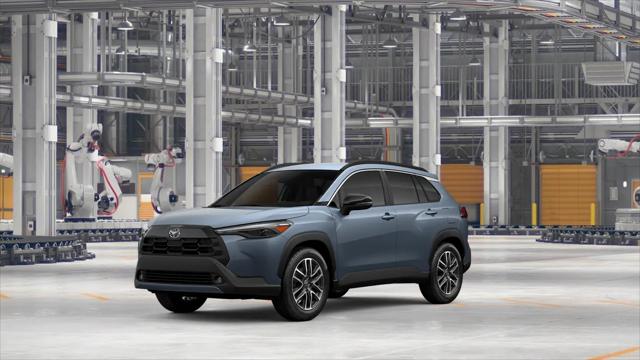
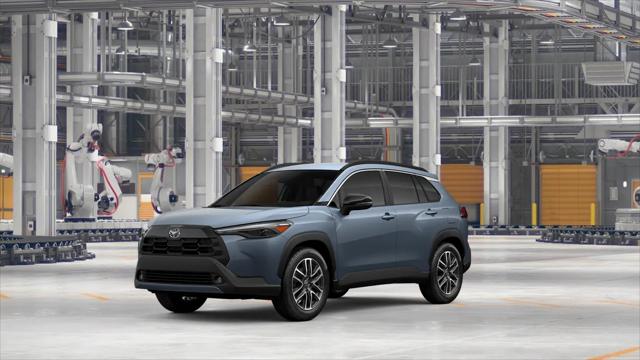
For 2026, the Toyota Corolla Cross receives an updated styling. The gas-only and hybrid versions once again have their own front end designs. The interior features improved center console storage and larger instrument panel and infotainment screens on higher trim levels. There are also new color options, including the Cavalry Blue exterior paint for the Corolla Cross Hybrid and a brown “Portobello” interior for the gas-only XLE.
As before, each powertrain is paired with its own set of trim levels, which correspond to distinct styles and chassis tuning. The features of the gas-only L, LE, and XLE trims mostly match those of the Hybrid S, SE, and XSE, although the base Hybrid offers a few more options than the L. Additionally, all Corolla Cross Hybrids come with standard AWD. For the gas-only Corolla Cross, prices vary from $26,085 to $31,010, including the $1,450 destination charge, and range from $30,445 to $34,480 for the Hybrids.
For this 2026 Corolla Cross review, Toyota provided two test vehicles during a manufacturer-sponsored press event: an AWD XLE and XSE with the same options:
The Corolla Cross XLE’s manufacturer suggested retail price (MSRP) was $35,404, including the $1,450 destination charge. The Corolla Cross XSE’s MSRP was $37,449. The prices do not reflect any current rebates, incentives, or price adjustments since Toyota manufactured the test vehicle. Toyota builds both gas and hybrid versions of the Corolla Cross in Huntsville, Alabama.
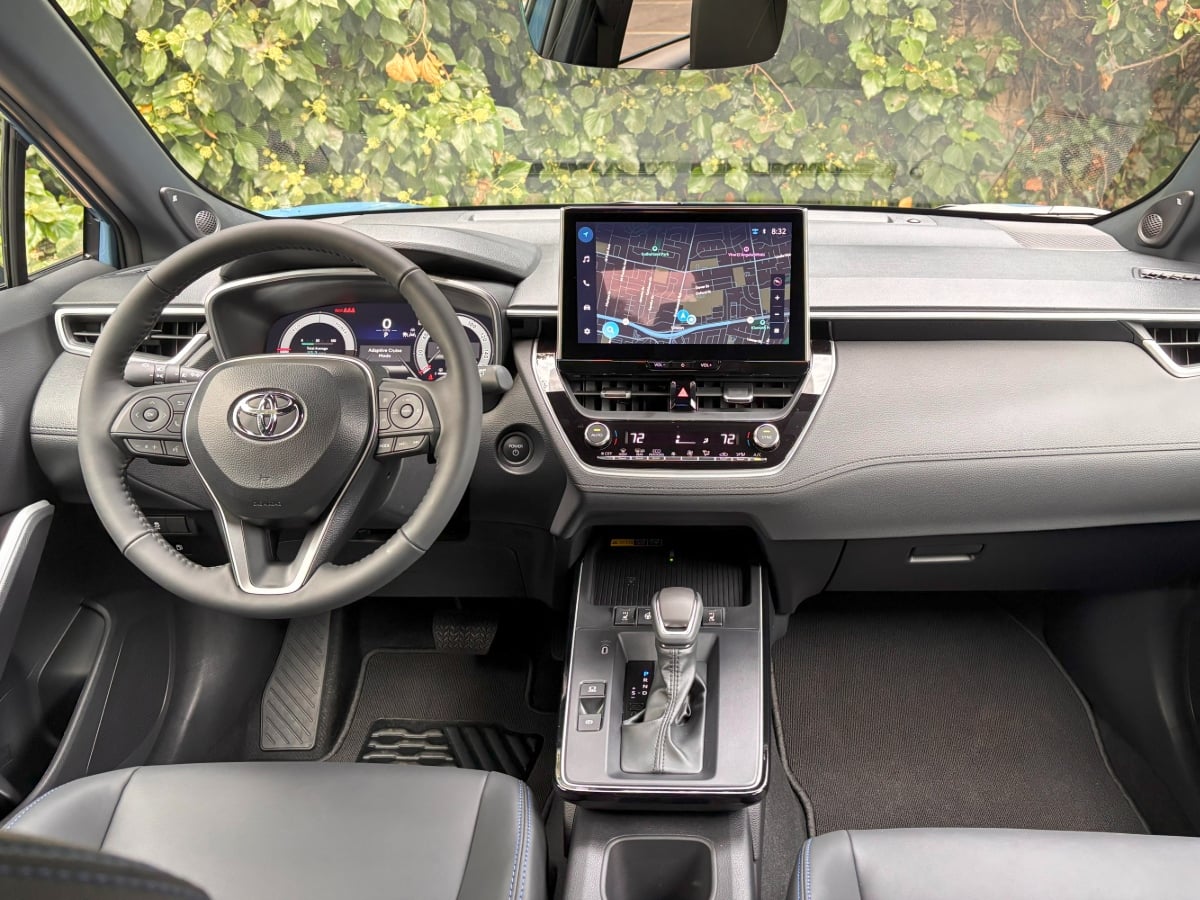
Photo: James Riswick
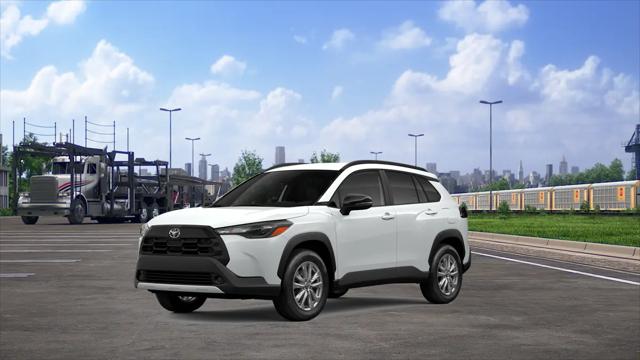
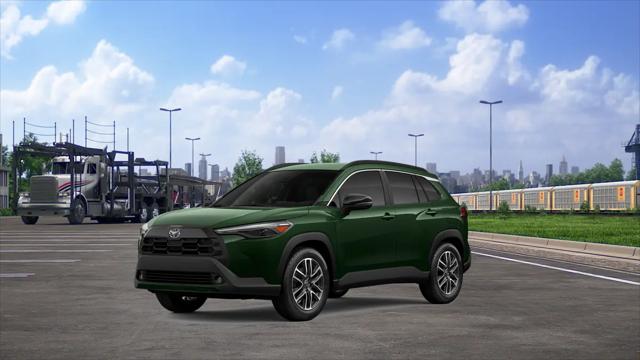
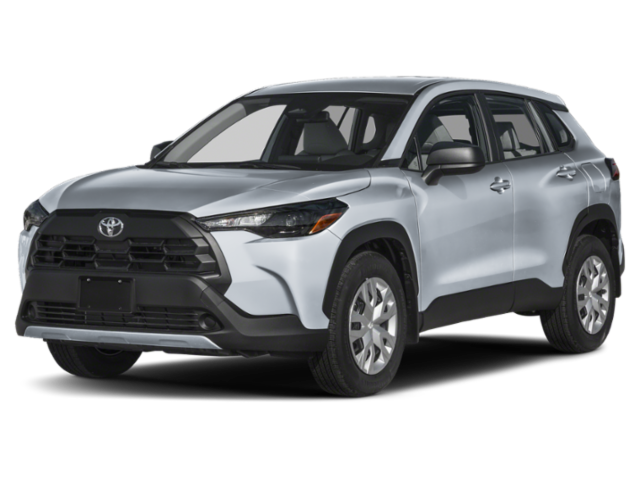
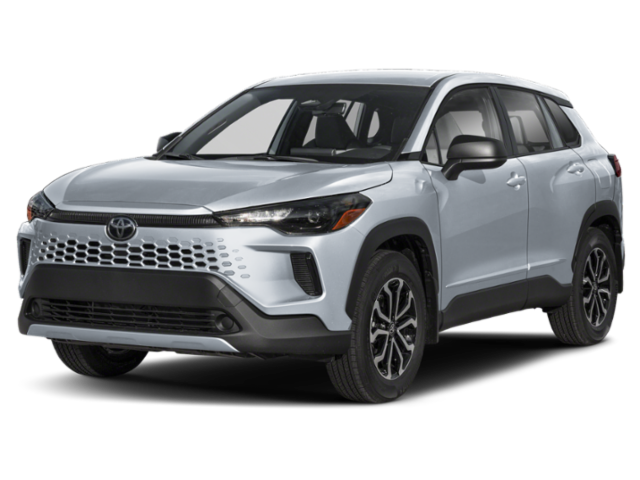
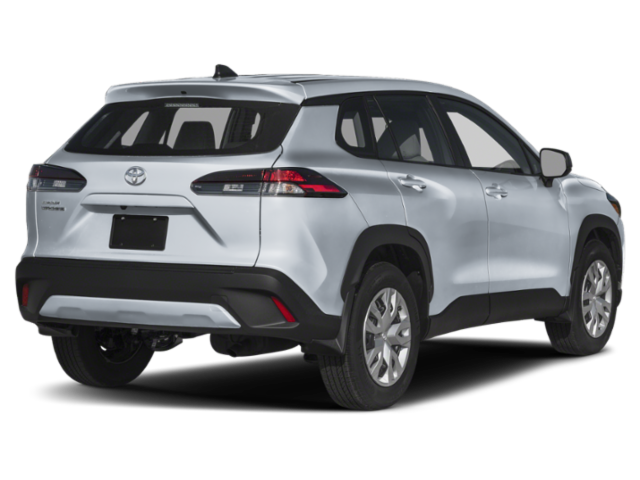
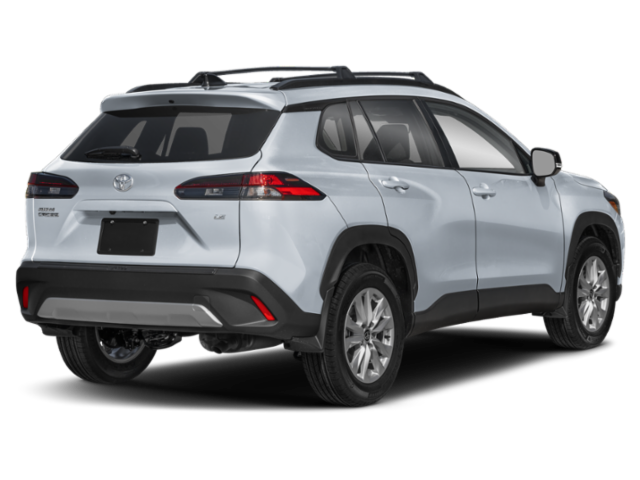
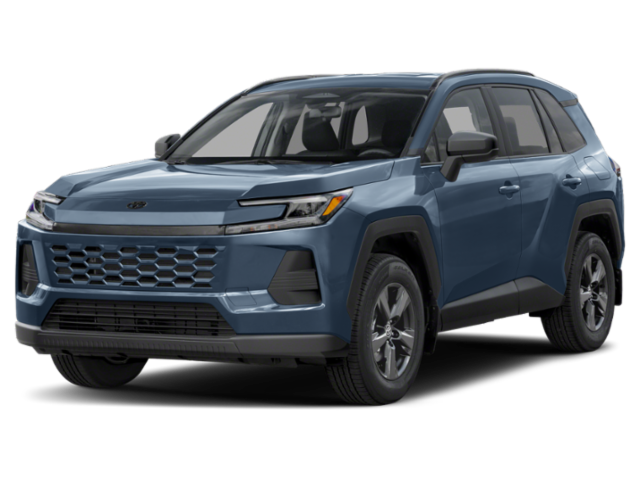
Are you trying to distinguish the standard Corolla Cross from the Hybrid? The gas-only model features a more traditional black plastic grille called “rugged” by Toyota, while the Corolla Cross Hybrid has a painted front end with small, hexagonal openings. From other angles, they are hard to tell apart, although the sporty-like Hybrid has dark exterior trim instead of bright pieces.
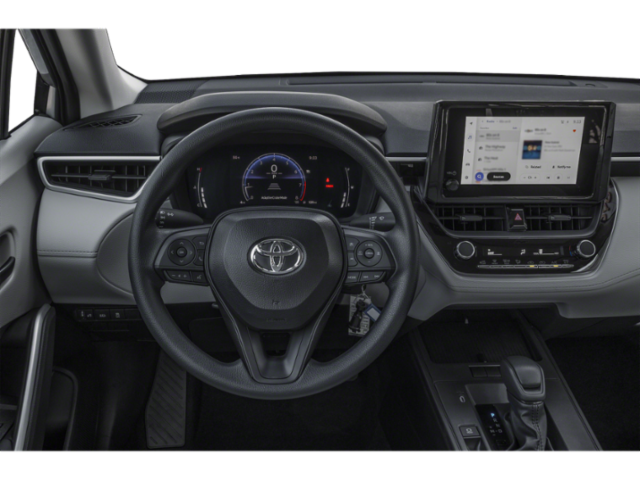
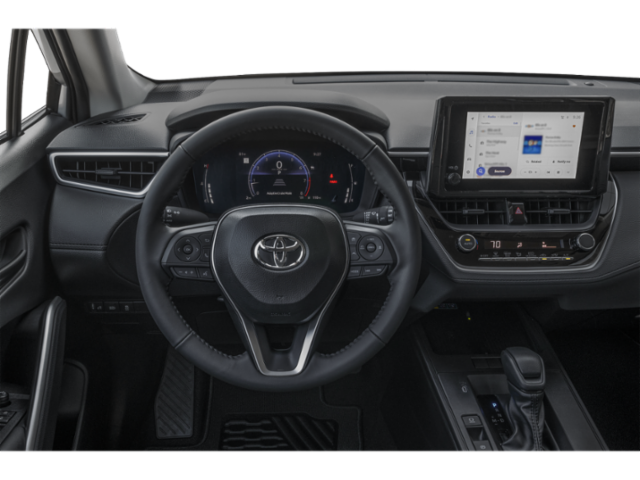
The interior design remains essentially unchanged and continues to serve as the primary visual link between the Corolla sedan and hatchback. Changes are more noticeable in higher trim levels, which receive larger screens for 2026 (more details below). However, all trims feature a redesigned center console.
The cupholders are larger and reshaped to provide a more secure hold. They are almost too deep; in fact, a standard-sized coffee cup barely rises above the surface. Toyota removed the pillars that enclosed the former phone-holding bin, making room for a bigger, grippier pad designed for two phones. The left side has a wireless charger on most trims. Overall, it is a usability upgrade.
Passenger and cargo space remain major drawbacks. The back seat offers approximately 6 to 8 inches less legroom than its subcompact SUV rivals, including the Chevrolet Trax, Honda HR-V, Hyundai Kona, and Kia Niro. That is a significant difference and is easily noticed. Even average height drivers will probably need to slide their seats forward to fit a rear passenger behind them. At 6-foot-3, there was virtually no legroom behind me. That is not the case with the competitors listed above and others.
The cargo area features a tall, boxy design that aims to maximize a storage capacity of 24 cubic feet for the standard Corolla Cross and 21.5 cubic feet for the Hybrid. However, those volumes are still less than those of the competition and other models.
In terms of material quality and ease of use, the Corolla Cross continues to perform well within its segment. The materials are reasonably solid, and everything appears well assembled. There are also many physical controls, and the touchscreen should not cause confusion, although the instrument panel might.

Photo: James Riswick
For 2026, the Corolla Cross now includes a 10.5-inch touchscreen as standard equipment on the XSE and XLE trims. It is offered as an option on the LE and SE. The previous 8-inch touchscreen remains standard on the last two trims. Both screens appear similar and have the same functionality and feature content, as shown below.
The main difference is really the screen size and volume control, which consists of a knob with the 8-inch screen, and of + and – buttons with the 10.5-inch display). Overall, this is a user friendly system that is easy to understand.
The navigation system got me to my destination with clear directions and navigation graphics. The voice controls also worked well enough for programming. Unfortunately, the navigation map defaults back to Direction Up every time you switch back from a different menu view, like audio or Apple CarPlay. If you prefer using North Up, you are out of luck. Toyota and Lexus are the only car brands I have come across that do this, and it is frustrating.
The instrument panel no longer includes analog gauge elements. The standard 7-inch screen displays everything except fuel and temperature levels, shown as digital readouts with small lights, while the available 12-inch display has everything on the screen. It is also highly customizable, offering a variety of information that can be shown in one of three selectable panes. I still find it confusing to select these options using the dedicated steering wheel buttons, despite testing multiple Toyotas with the same setup. It took me a long time to find and reset the mpg meter.

Photo: James Riswick
The gas-only Toyota Corolla Cross is equipped with a 2.0-liter four-cylinder engine that delivers 169 horsepower and 151 pound-feet of torque. It comes with a smoothly executed continuously variable automatic transmission (CVT) and standard front-wheel drive (FWD). All-wheel drive is available as an option. Toyota estimates the fuel economy at 32 mpg combined with FWD and 30 mpg with AWD. These figures are slightly better than most others in the segment.
The Toyota Corolla Cross Hybrid’s fuel economy significantly outperforms most others in its segment. Toyota estimates it gets 42 mpg combined. The Kia Niro Hybrid is even more efficient. However, among subcompact crossover SUVs, the Corolla Cross Hybrid’s main advantage is its fuel efficiency.
Its performance also surpasses most, including the hybrid Niro, with a combined system output of 196 hp. The difference between the gas-only and hybrid powertrains is clear.
While I appreciate the simulated gear shifts of the gas-only Corolla Cross’s CVT, the overall acceleration feels slow, noisy, and generally unrefined. Passing on the highway is not its strong suit. If anything, this engine appears less potent than its seemingly competitive specifications would suggest.
The Hybrid and its electric motor are much smoother and quieter, especially when driven gently around town. It simply whirs away from lights and through parking lots. The extra power of its electric motors also makes highway passing much less stressful, though the Toyota standard mooooooo droning noise when accelerating hard is far from pleasant. Compared to the gas-only engine and those of its rivals, its performance remains strong.
The Hybrid is more pleasant to drive than the gas-only version for other reasons as well. It has a “sport-tuned” suspension, which may exaggerate its capabilities. It essentially offers a more controlled and communicative chassis than the gas-only model. I also noticed the steering is more responsive and less numb at the center, especially when Sport mode is selected. Note that the gas-only version lacks selectable drive modes.
At the same time, the Hybrid’s ride quality is excellent for its segment. During my drive, it impressively isolated impacts from a surprisingly rough, patched-up stretch of pavement.
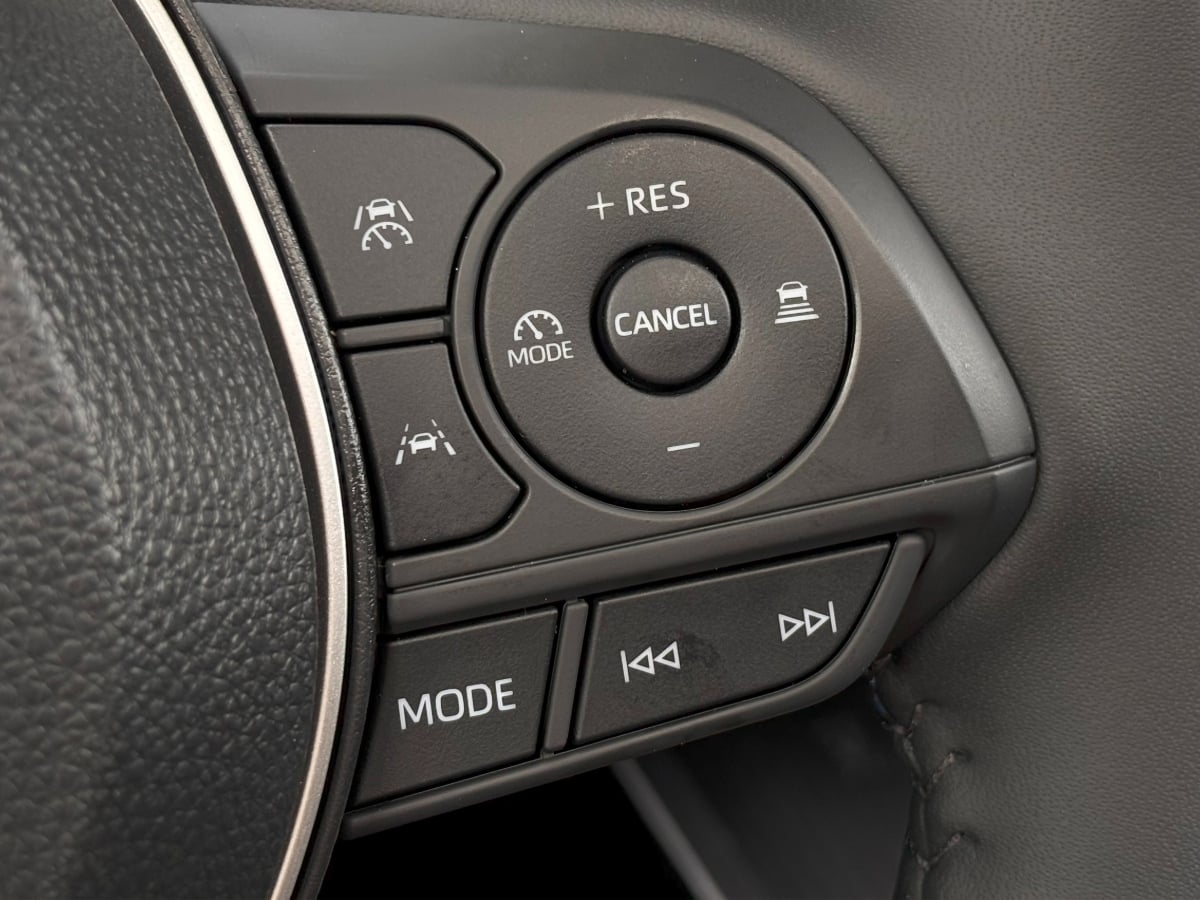
Photo: James Riswick
The 2026 Corolla Cross comes equipped with the Toyota Safety Sense 3.0 (TSS 3.0) suite of advanced driver assistance systems (ADAS) typical for the segment. It includes:
Most trim levels also include blind spot warning and rear cross-traffic warning, while the XLE and XSE add reverse automatic braking.
These systems have improved significantly from Toyota’s earlier versions, which were overly attentive and prone to false alarms. The lane keeping system, in particular, performed well; it did not constantly tug at the wheel on a tight, winding road, which I consider a sign of a smart, well designed system. The lane centering steering assist of the ACC also worked surprisingly well even on a highway with few markings.
I find that Hyundai and Kia’s driver assistance systems are superior overall, especially the ACC. However, when compared to the Honda HR-V, Mazda CX-30, or Subaru Crosstrek, Toyota has an edge.
In terms of safety ratings, the Insurance Institute for Highway Safety (IIHS) gave the 2026 Toyota Corolla Cross the highest marks of “Good” in most categories, but it received a second-highest score of “Acceptable” in the updated moderate overlap front test. As of this writing, the National Highway Traffic Safety Administration (NHTSA) has not crash tested the 2026 Corolla Cross.
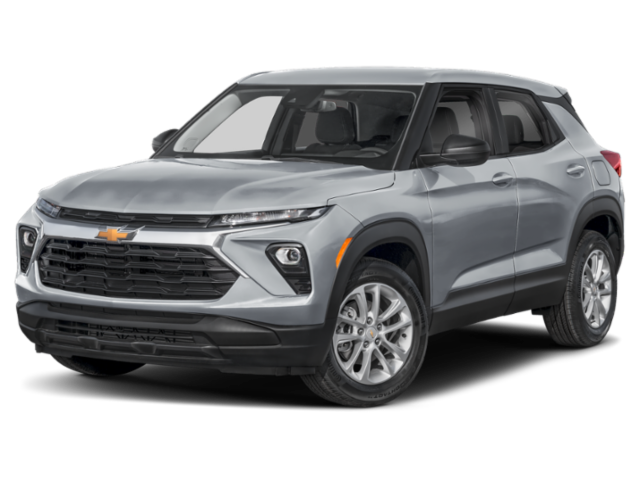
According to the JD Power 2025 Initial Quality Study (IQS), the Buick Encore GX ranks highest in the Small SUV segment. The Kia Soul ranks second, and the Chevrolet Trailblazer and Ford Bronco Sport rank third (in a tie).
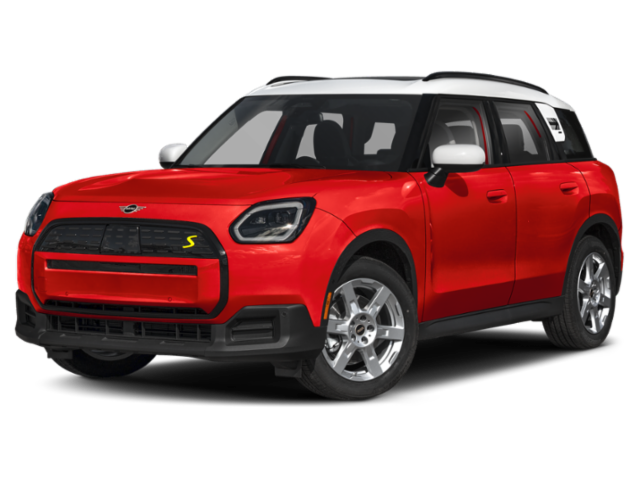
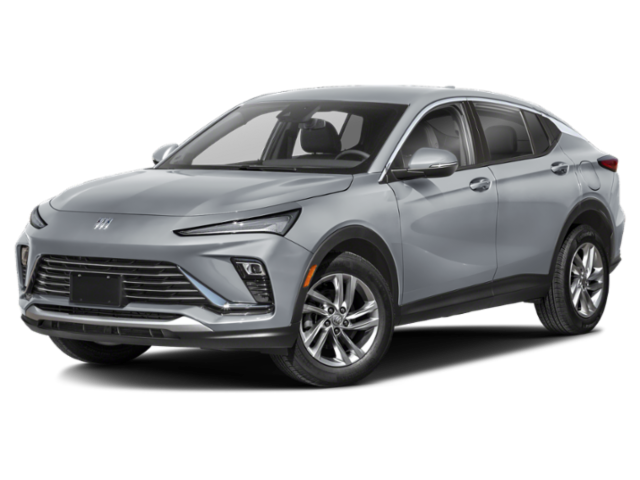
According to the JD Power 2025 Automotive Performance, Execution and Layout (APEAL) Study, the Mini Countryman ranks highest in the Small SUV segment. The Hyundai Kona and the Buick Envista are the next highest-ranked models.
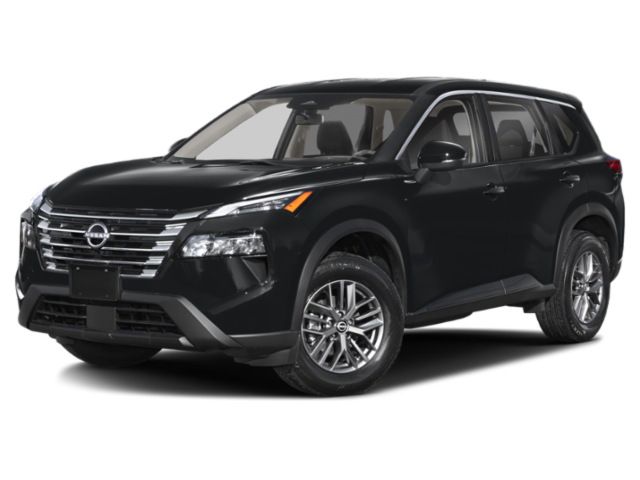
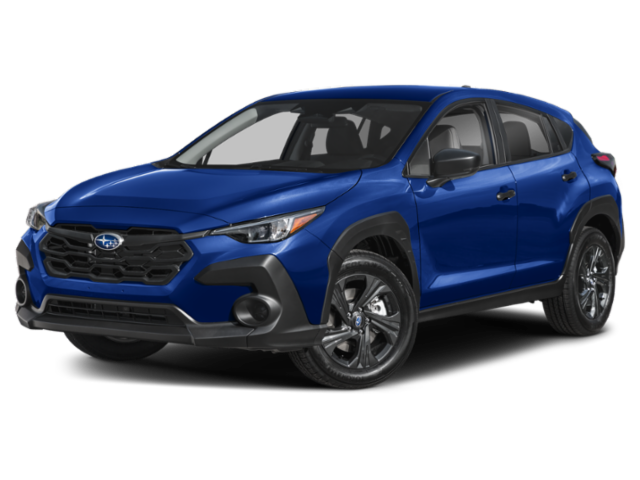
Other 2026 Corolla Cross competitors include the Honda HR-V, Mazda CX-30, Nissan Kicks, and Subaru Crosstrek.
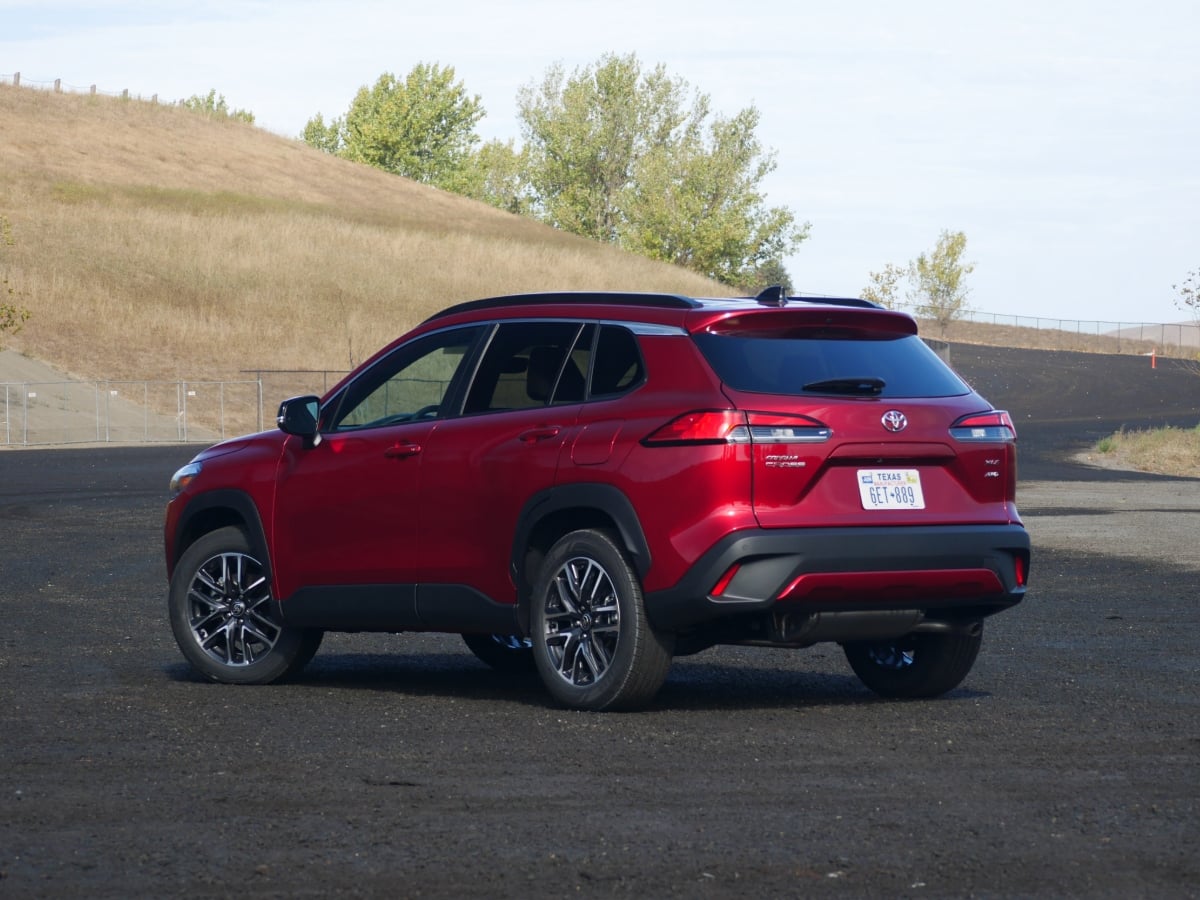
Photo: James Riswick
The standard gas-only Corolla Cross is one of the weaker options in the subcompact SUV market. It is cramped, slow, and has a numb driving feel. Furthermore, the interior is not as visually appealing as those of its competitors. The Corolla Cross Hybrid shares these space and design issues, but its performance and fuel efficiency are some of the best in the segment, and its overall driving experience is at least competitive.
James Riswick has been testing and reviewing cars since 2007, serving as an editor at Edmunds.com and Autoblog. In addition to JDPower.com, he has also contributed to Autoguide Magazine, Autotrader, Capital One Auto Navigator, Car and Driver, and Hagerty. He resides in Southern California and owns a 1998 BMW Z3, a 2013 Mercedes-Benz E350 Wagon, and a 2025 Cadillac Optiq.