
The first Hyundai Palisade, launched in 2020, demonstrated strong potential with spaciousness, a comfortable interior, a powerful V6 engine, and great value, all wrapped in the appearance of a luxury brand. In the complete redesign for 2026, the three-row SUV introduces new versions, including a hybrid and the XRT Pro tested here, designed for adventure seeking families who are not limited to paved roads.

Photo: Jim Resnick
Hyundai introduced the Palisade XRT in 2022 to address a gap in its largest SUV’s lineup. Now, with the 2026 Palisade XRT Pro, Hyundai adds more off-road features, including a limited-slip rear differential, 8.4 inches of ground clearance, all-terrain tires, standard all-wheel drive (AWD) with Mud, Sand, and Snow drive modes, recovery hooks on front and rear, and hill descent control.
The redesigned 2026 Palisade SUV offers seven trim levels and two powertrain options. The trims include SE, SEL, SEL Premium, XRT Pro, Hybrid Blue SEL Premium, Limited, and Calligraphy. Hybrid power is exclusive to the Blue HEV SEL Premium trim. All other trims feature a 3.5-liter V6 gasoline engine. Pricing ranges from around $41,000 to $58,000, including the destination charge.
For this 2026 Palisade review, Hyundai provided a test vehicle equipped with the XRT Pro trim and carpeted floor mats as the sole option. The test vehicle's manufacturer suggested retail price (MSRP) was $51,715, including the $1,600 destination charge to ship the SUV from the Ulsan, Korea, assembly plant to a local dealership. The price does not reflect any current rebates, incentives, or price adjustments since Hyundai manufactured the test vehicle.

Photo: Jim Resnick
With the 2026 redesign, Hyundai enhances the already attractive Palisade design by adding more modern details, such as stacked LED running lights and a wider, more horizontal grille. The XRT Pro test vehicle also featured red recovery hooks at the front and rear, a bolder lower grille, unique 18-inch wheels, dark exterior accents, and a distinctive rocker panel design.
Inside, the Palisade XRT Pro provides a spacious feeling up front, partly due to the dashboard's concave shape and a long, flat top with rounded ends—a design echoed by the center console, vents, and climate control panel.
The digital instruments and infotainment screens are mounted behind a slightly curved, 30-inch long (measured by the author) black glass panel. Given the XRT Pro's off-road focus, where unobstructed sightlines to the front are essential, positioning the infotainment screen below the dash top is a wise choice.
With a slightly raised ride height, the XRT Pro remains easy to access. You are greeted by H-Tex synthetic leather seats that look and feel like a good leather alternative. The front of the cabin feels cavernously spacious, with 3.2 inches more legroom than a Honda Pilot TrailSport, along with ample headroom, legroom, and shoulder room.
Second-row seating is quite spacious, offering excellent headroom and plenty of legroom thanks to individual seats rather than a bench. Third-row seating is only suitable for small people. I kept the third row folded for most of the test, which maximized the 46.3 cubic feet of cargo space behind the second row.
Hyundai's interior quality over the past five years has consistently impressed, with very few exceptions. The 2026 Palisade XRT Pro follows suit, featuring satisfyingly analog clicks from much of the switchgear, including the audio and climate controls. However, if I were designing the dashboard, I would move the climate controls above the audio functions, as they are a bit more important.
The new column-mounted shifter stalk feels strange. The stalk does not move, but it has a cap on the end that you twist to select Drive or Reverse, and you press the tip for Park.
However, the odd part is that it is located lower than the wiper stalk and just a finger's width from the upshift paddle. There is too much clutter behind the steering wheel on that right side for ergonomic cleanliness. Fingers, especially large ones, might get caught up. Also, pressing the engine start button requires a slightly awkward reach under or around the steering wheel.

Photo: Jim Resnick
The 2026 Palisade introduces a new display for its infotainment system, featuring a single long, curved glass panel that covers both the touchscreen and the instruments, each measuring 12.3 inches across. Despite the new design, the underlying technology remains similar to that of the previous Palisade, which is highly user friendly. It is intuitive and easy to navigate, with always-visible options to return to the Home screen. Standard features include:
The Palisade's infotainment system comes standard with Apple CarPlay and Android Auto, high-powered USB-C ports, and a wireless charging pad located prominently in the center console. It includes a standard Wi-Fi hotspot and an integrated dashcam that records vehicle and location data. The new Palisade can also receive over-the-air software updates.
Both the instruments and infotainment displays are sharp, straightforward, and easy to read. Additionally, while some automakers may place different engine and transmission drive modes in a tile on the touchscreen, Hyundai wisely keeps this functionality outside the infotainment system, with a simple button and lever on the dashboard.
Wireless Apple CarPlay and Android Auto integrate smoothly into the central display while maintaining Hyundai's own commands. I doubt many drivers will need to use the native system once their smartphones are connected, but voice recognition performed well during testing. Foreign language locations, like Chipotle, Fogo de Chao, and La Cucina Italiana, appeared correctly.
The native navigation system also responds quickly to input, with smooth, seamless zoom and panning. Camera views when backing up and approaching objects, as well as when they overlay navigation, appear and recede quickly.
Although I did not test it, the new Palisade features a next generation Hyundai Digital Key 2.0 Premium. This enables remote control of various car functions via your smartphone, including locking/unlocking, remote start, remote car finder, and some diagnostic features.
The Palisade XRT Pro features an upgraded 14-speaker Bose audio system that impressed me. However, I would like more clarity in the midrange and lower treble, the human vocal frequency range, especially when using the system's Centerpoint signal processing. Centerpoint appears to muddle those frequencies in the effort to create a "surround sound" effect or widen the audio soundstage.

Photo: Jim Resnick
Most Palisades come with a 3.5-liter V6 engine that delivers 287 horsepower and 260 pound-feet of torque, paired with an eight-speed automatic transmission. A turbocharged 2.5-liter hybrid system is on the way, providing an estimated 329 hp, but this will not be available in the XRT Pro trim.
Backing up the engine and transmission, Hyundai's AWD system can operate in several off-road modes, including Mud, Sand, and Snow. There is also a towing mode, along with the standard non-off-road Normal mode. Lastly, the XRT Pro's exclusive electronically controlled limited-slip rear differential can distribute power to the wheels with the most traction.
The XRT Pro performs well on pavement for everyday driving, as if it were not meant for off-road terrain. Usually, vehicles like this have knobby tires, semi-off-road suspensions, and higher ride heights that can hinder on-road behavior. Yet, the XRT Pro rolls smoothly on highways and suburban streets with little sacrifice. Still, it will not be mistaken for a sports car.
Power from the 287-hp V6 is sufficient but feels sluggish at first. In daily driving, the first upshift occurs early. The expected rush of acceleration from a standstill slows down in second gear. This encourages you to press the gas pedal harder; you might even force a downshift back to first with a jolt. Sport mode from the Drive/Terrain selector helps improve this, but does not completely eliminate it.
In the mud, sand, rocks, and the unpredictability of an off-roading environment, the XRT Pro handles most anything a cautious driver would encounter. Since the XRT is not a mountain goat on wheels for boulder climbing, you need to drive it with an understanding of its limits.
However, with 8.4 inches of ground clearance and better approach and departure angles than a Honda Pilot TrailSport, the XRT Pro can handle steeper terrain. During a full day of off-roading in muddy and standing water from recent downpours that were not typical for Arizona, the XRT Pro never got stuck, never faltered, and never scraped its underside.

Photo: Jim Resnick
The 2026 Palisade XRT Pro standard equipment includes Hyundai’s SmartSense, the automaker’s suite of advanced driver assistance systems (ADAS). It includes:
The XRT also adds other features, including side park distance warning and rear automatic braking.
Hyundai's active assists worked well in daily driving, with a few caveats. Lane centering, which Hyundai offers with Hyundai Driving Assist (HDA), bobbed between the lane lines more than those of other recently tested systems. Lane centering also struggled to follow some clearly marked lane lines on certain narrow roads. This system is not specifically designed to center itself on non-highway roads. However, many other similar systems perform better in this aspect. I am not considering this a flaw of this system, but rather a comparison with others of its exact type.
Hyundai's adaptive cruise control worked perfectly. It smoothly adjusted its speed to match the incoming vehicles changing lanes ahead. It quickly displayed a visual cue in the instruments to indicate the change.
As of this writing, neither the National Highway Traffic Safety Administration (NHTSA) nor the Insurance Institute for Highway Safety (IIHS) has rated the crashworthiness of the 2026 Hyundai Palisade.
According to the JD Power 2025 Initial Quality Study (IQS), the Kia Telluride ranks highest in the Upper Midsize SUV segment. The Subaru Ascent ranks second, and the Hyundai Palisade and the Nissan Pathfinder rank third (in a tie).
According to the JD Power 2025 Automotive Performance, Execution and Layout (APEAL) Study, the Dodge Durango and Hyundai Santa Fe rank highest (in a tie) in the Upper Midsize SUV segment. The Chevrolet Traverse is the next highest-ranked model.
Other 2026 Palisade competitors include the Ford Explorer, Honda Pilot, and Mazda CX-90.
Since its debut in 2020, the Hyundai Palisade has impressed both the public and critics with its upscale styling, spacious interior, and good value. The redesigned 2026 Palisade and the XRT Pro cater to those seeking off-road adventures in their SUVs. It is not meant for extreme boulder climbing, but the XRT Pro does not claim to be. If your family wants adventure combined with practicality, the Palisade XRT Pro should be on your list.
Jim Resnick is an author specializing in automotive, mobility, technology, and related topics. He has lectured at universities about the auto industry's relationship with government legislation, drawing on his experience as Technical Editor and Editor-in-Chief. Besides JDPower.com, his work has appeared in over 30 media outlets, including Wired, The New York Times, Car and Driver, Kelley Blue Book, and the BBC.


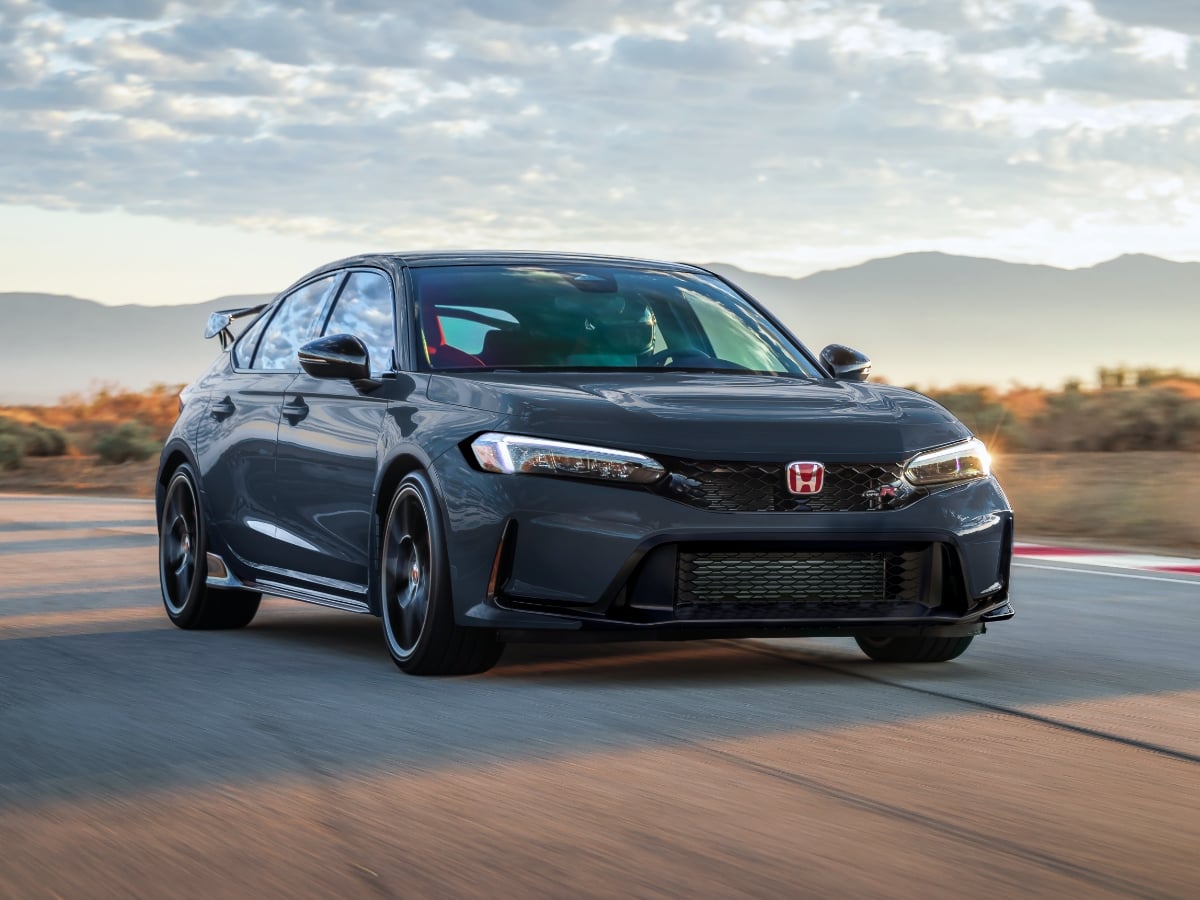
The 2027 Civic Type R goes on sale in October 2026, and it starts at $49,990, including the $1,295 destination charge.
Read the Full Article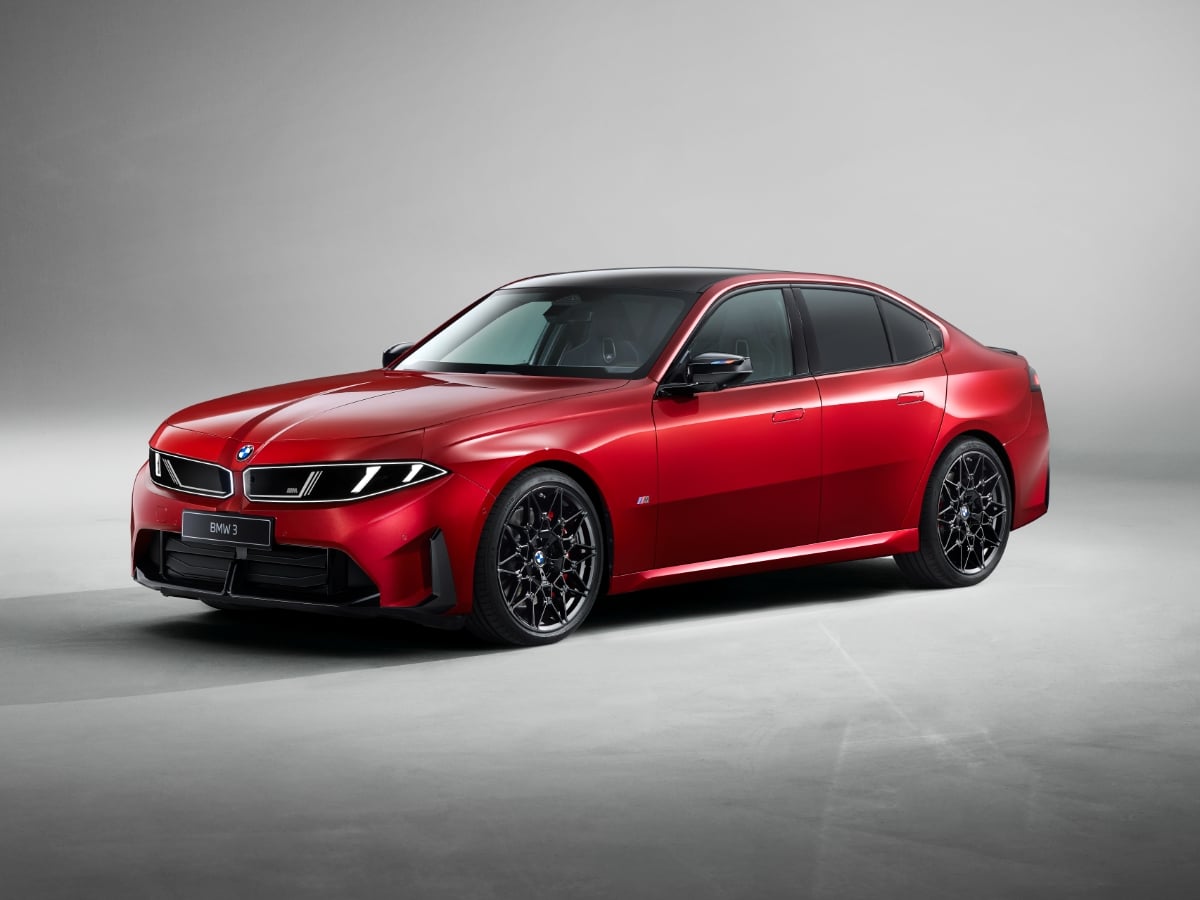
Part of BMW’s Neue Klasse (new class) rollout of redesigned models, the 2027 BMW 3 Series is all-new and goes on sale in the first quarter of 2027.
Read the Full Article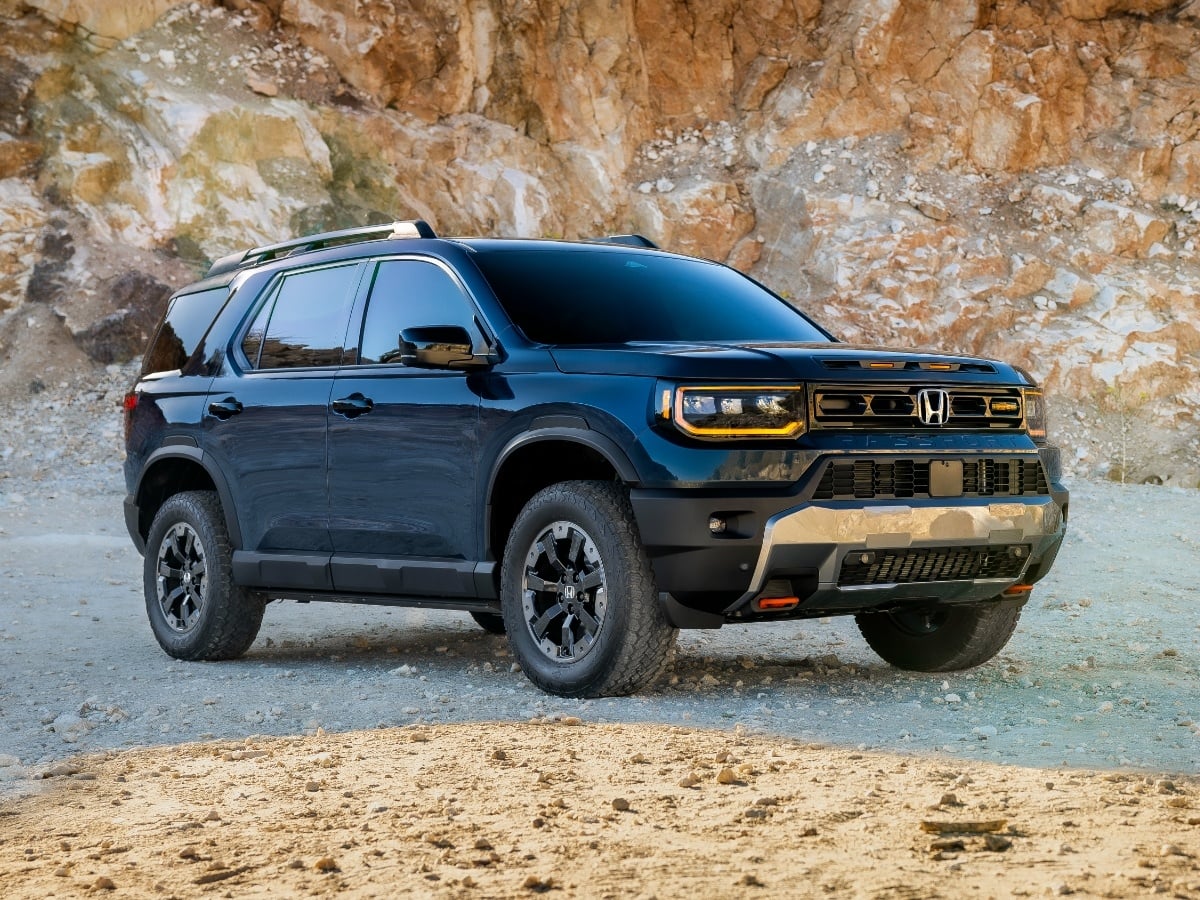
Updates to the 2027 Honda Passport TrailSport include a reworked suspension, improved steering, subtle styling enhancements, and added standard equipment.
Read the Full Article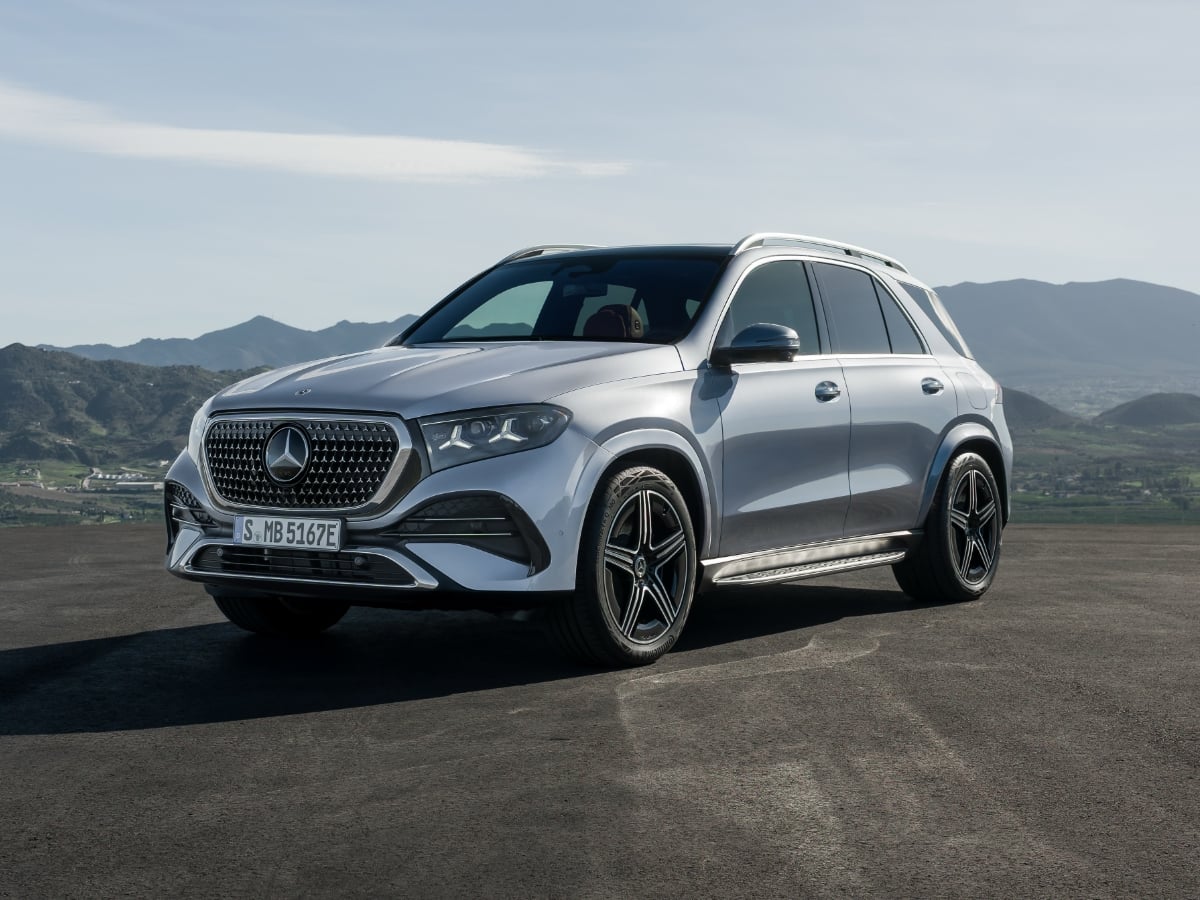
The midsize 2027 Mercedes GLE remains available in original and spicy Coupe recipes, now with standard 4Matic all-wheel drive (AWD), MBUX Superscreen technology, and a panoramic glass sunroof for ...See More
Read the Full Article