
The all-new 2023 Honda Pilot has been a long time coming. Last redesigned for the 2014 model year, the previous-generation Pilot lasted nearly a decade and, in the process, dropped to near the bottom of its class in overall appeal, according to the JD Power 2022 Automotive Performance, Execution and Layout (APEAL) Study. However, based on a week-long test drive and a family road trip to the California desert, this status deserves to change in the 2023 APEAL Study.
Driving the new 2023 Pilot is significantly more satisfying than driving the old one. For starters, it no longer looks or feels like a minivan thanks to its rugged new exterior design and an interior that adheres to SUV conventions. But from the styling to the seat comfort, and from the infotainment system to the Honda Sensing collection of advanced driver assistance systems (ADAS), the 2023 Pilot should convince existing Honda customers to get a new one while inspiring owners of alternative SUVs to consider one.
For 2023, the Pilot comes in LX, Sport, EX-L, TrailSport, Touring, and Elite trim levels. Base prices range from $35,950 to $52,030, plus a $1,345 destination charge. Each has a 3.5-liter V6 engine, a 10-speed automatic transmission, and front-wheel drive (FWD) or all-wheel drive (AWD). But, of course, if you’re planning to go off-road, you’ll want the TrailSport, which gets numerous enhancements to make it more capable where the pavement ends and the adventure begins.
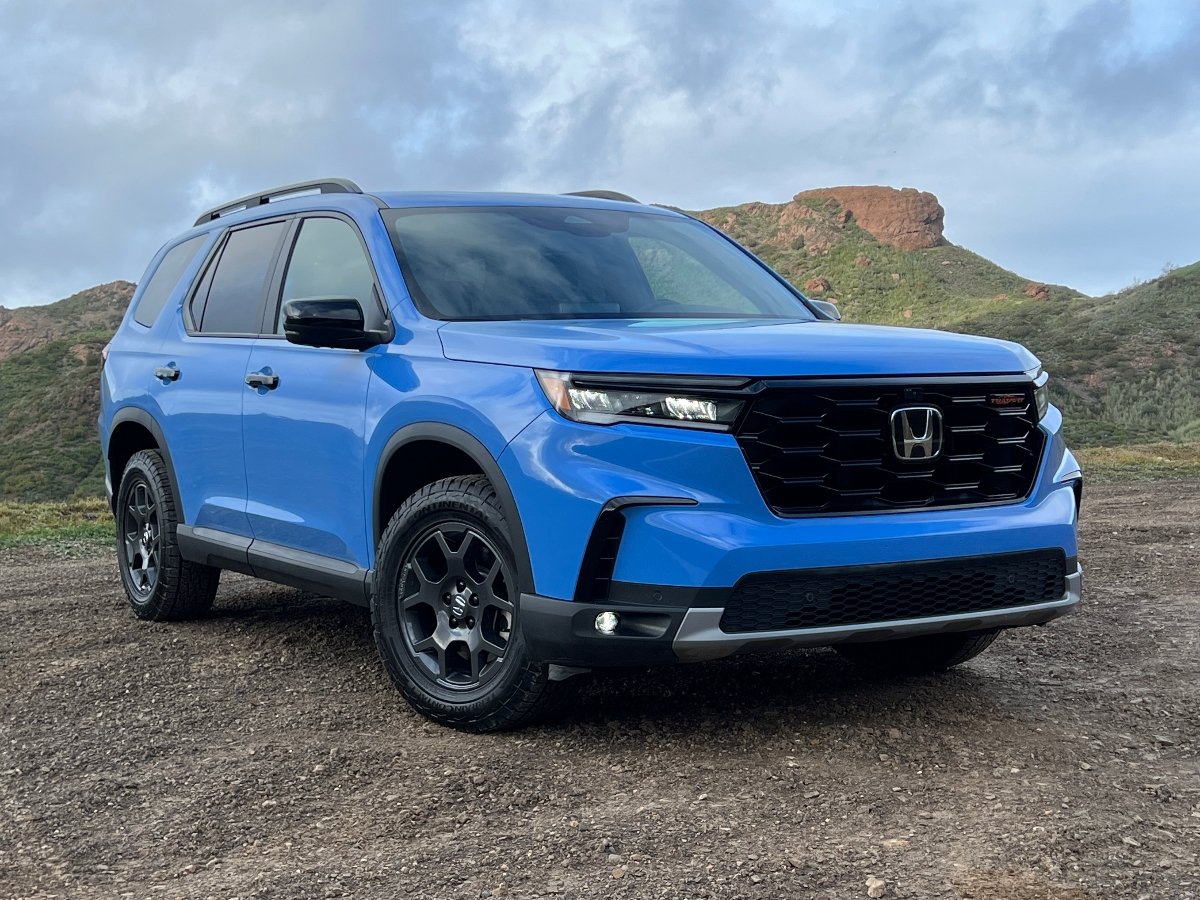
Photo: Christian Wardlaw
The Honda Pilot competes in the Upper Midsize SUV market segment. According to data collected from verified new-vehicle buyers for the 2022 APEAL Study, 50 percent of new Honda Pilot buyers are female (vs. 48 percent for the segment), and the median age of a new Pilot buyer is 55 years (vs. 52).
As part of the APEAL Study, owners rated the previous-generation Pilot in 10 primary categories. Listed below in descending order, you’ll find their preferences, from their most favorite thing about the vehicle to their least favorite:
In the 2022 APEAL Study, the previous-generation Pilot ranked 14th out of 15 Upper Midsize SUV models.
In the following sections, our independent expert analyzes a Pilot TrailSport equipped with extra-cost Diffused Sky Blue Pearl paint. The test vehicle’s price was $50,150, including the $1,345 destination charge.

Photo: Christian Wardlaw
Getting into and out of a Honda Pilot has never been difficult, which doesn’t change with the new one. During a week of driving and occasionally carrying six people at a time, nobody complained about entry or exit. Even people assigned to the Pilot’s roomier third row found it reasonably easy to climb aboard thanks to the power-release second-row captain’s chairs that fold and slide forward with the touch of a button.
Honda improved the 2023 Pilot’s comfort with redesigned seats, and the new interior layout is more like what you’ll find in other midsize SUVs. The front quarter windows, inboard armrests, and low center console that made the old Pilot feel like a minivan from the driver’s seat are gone, replaced by a new arrangement that is more conventional. Digital instrumentation and new infotainment systems complement the simple, logical control layout.
I thought the front seats were comfortable in the previous Pilot but mounted too low. In the new Pilot, driver-seat comfort is slightly better, and I can raise the seat higher, but I still cannot achieve the towering “command of the road” position I prefer. However, at least I can see the hood through the windshield now, another factor that makes the new Pilot feel less like a minivan.
Inexplicably, the 2023 Pilot still doesn’t offer a front passenger’s seat height adjuster. The seat itself is comfortable and provides good leg support, so my better half didn’t complain about this omission. But I thought that seat was still too low and close to the floor for comfort.
Every 2023 Pilot has a triple-zone automatic climate control system. Heated front seats are standard on all but the base Pilot LX, while the Pilot Elite has exclusive ventilated front seats and heated second-row seats. The Pilot also has second-row side window shades except for the LX and Sport trims.
A second-row bench seat is standard in the Pilot, and you can remove the center section to create individual seats. (It stows in the compartment under the cargo area load floor.) My TrailSport test vehicle’s second-row captain’s chairs were comfortable, and the SUV’s panoramic glass roof gave passengers a more immersive view during a road trip. However, the shallow tray between the seats has no surface coating, so items easily slide off when the vehicle stops, accelerates, and turns.
With the new 2023 Pilot, Honda claims it has improved third-row seat room and comfort. I would agree, but it merely matches instead of exceeds what most rivals offer. As far as third-row seating is concerned, my favorite in the segment remains the Volkswagen Atlas. Nevertheless, the people I assigned to this location for shorter trips in the Pilot didn’t complain much despite the lack of leg support.
Storage space is plentiful. A new shelf is on the dashboard in front of the passenger, and a large bin is underneath the center armrest. In addition, each door panel has shelves and cupholders carved into it, and they accommodate oversized water bottles. During a three-day road trip, the Pilot efficiently handled a family’s storage requirements.

Photo: Christian Wardlaw
Honda installed new digital instrumentation and infotainment systems in the 2023 Pilot but missed an opportunity to lead in this area. For example, the standard instrumentation panel pairs an analog speedometer with a 7-inch configurable display, and only the Pilot Elite offers full digital instrumentation on a comparatively small 10.2-inch screen. In addition, both the standard 7-inch and available 9-inch touchscreen infotainment systems are underwhelming.
The Pilot LX and Sport have a small 7-inch touchscreen system with simple functions. They include Bluetooth, Apple CarPlay, Android Auto, and seven stereo speakers.
Upgrade to the Pilot EX-L trim or higher, and the SUV has a 9-inch touchscreen infotainment system with wireless Apple CarPlay, wireless Android Auto, wireless smartphone charging, SiriusXM satellite radio, and nine stereo speakers.
Choose the Pilot Touring or Elite, and you’ll also get a navigation system, HondaLink connected services, access to a Wi-Fi hotspot, and a Bose Centerpoint premium sound system with 12 speakers.
My TrailSport test vehicle had the mid-grade system, so we had to rely on a paired iPhone and Apple CarPlay to navigate during our road trip. Setup proved quick and easy, and aside from Siri’s occasional stumbles, the voice recognition worked well. In addition, we effortlessly streamed internet music through the decent-sounding speakers, though road and wind noise require higher volume levels to compensate.
Honda provides stereo volume and tuning knobs in the Pilot LX and Sport. However, with all other trims, tiny buttons underneath the volume knob replace the tuning knob for the screen size to grow. That is not ideal, especially when the front passenger wants to tune the radio.
I tried out the Pilot’s Cabin Talk feature, which Honda says allows the driver to communicate with rear passengers through the stereo speakers. Unfortunately, my travel companions claimed they could not hear me. So, yelling to the back proved faster and more efficient than figuring out why Cabin Talk wasn’t working as advertised. And admittedly, it is always possible that my children were pulling a prank on their dad.

Photo: Christian Wardlaw
Honda says the 2023 Pilot uses a new 3.5-liter V6 engine making 285 horsepower at 6,100 rpm and 262 pound-feet of torque at 5,000 rpm. It pairs with a new 10-speed automatic transmission to power the front or all four wheels. The maximum towing capacity is 5,000 pounds.
So, this new aluminum V6 has five extra horsepower, the same torque, and one extra transmission ratio. Yet the official EPA fuel-economy numbers drop from 21-23 mpg in combined driving, depending on equipment, to 20-22 mpg? I fail to see the point of this engineering effort, aside from internal modifications that strengthen the block, reduce emissions, and provide more torque across wider portions of the rev range.
Furthermore, it is surprising that Honda doesn’t offer a hybrid or plug-in hybrid option for the new Pilot. Of course, one might be in the works, and a new electric SUV called the Prologue will arrive next year. Still, the omission is odd considering Honda’s strategy with the latest Accord and CR-V, where a hybrid powertrain is standard in half the lineup.
A next-generation version of Honda’s torque-vectoring intelligent Variable Torque Management (i-VTM4) AWD is available except for on the TrailSport and Elite, where it comes standard. The torque-vectoring AWD system can still put up to 70 percent of the engine’s power to a single rear wheel (75 percent with TrailSport trim). In addition, Honda says a new rear differential results in faster acceleration response.
Unsurprisingly, the new Pilot accelerates like the old one, which isn’t bad. The SUV has enough power for the task, even when you’ve loaded all three rows with passengers. The new transmission is more refined and can kick down four gears for fast access to passing power. Aside from loathing the transmission buttons on the center console, I didn’t find any reason to complain about its behavior during a week of test driving.
Drivers choose between Econ, Normal, Sport, Tow, and Snow driving modes. Add AWD to the Pilot EX-L and Touring, and Honda provides additional Trail and Sand modes, which are standard with TrailSport and Elite trim. In addition, all Pilots have hill-start assist and hill-descent control systems.
The TrailSport adds more off-roading capability to the 2023 Pilot. It comes with the following exclusive features:
Unexpectedly, the Pilot TrailSport’s departure angle is shallower than what you’ll find with other versions of the SUV, likely due to its standard trailer hitch. So, keep that in mind when you’re attempting to navigate uneven terrain.
Aside from blasting down a gravel road with a washboard surface and splashing through some mud on a short trail, I didn’t get much chance to evaluate the TrailSport off-road. Our evaluation week began the day after historic storms dumped record rain and snow on Southern California, so many unpaved desert roads to the east of Los Angeles were closed or impassable. But the 2023 Pilot TrailSport remains a crossover SUV, so you’ll still need a different tool for tackling nearly half the trails on U.S. public land, according to Honda.
As for the Pilot’s driving dynamics—and based only on my time in the TrailSport—the steering is light but linear and precise, the ride is smooth and a little too isolated, and the brake pedal is responsive and easy to modulate. Still, under a full load, I sensed vibration while using them to maintain speed on mountain descents. Honda says the new Pilot has larger front brake rotors than the old Pilot, but there remains room for improvement.
I suspect the TrailSport’s unique suspension tuning, all-terrain tire tread, and 60-series tire sidewalls contributed to what I feel is an excessively soft ride coupled with more body roll in curves and less grip in corners than is ideal. However, without having driven a Pilot with 20-inch wheels and the standard suspension setup, I cannot comment on whether these traits exist across the SUV’s lineup.
Nevertheless, like all Hondas, the Pilot TrailSport’s handling is predictable and easy to trust, making driving enjoyable. In addition, I averaged 20.1 mpg on a road trip of more than 850 miles, effectively matching the TrailSport’s official fuel-economy rating of 20 mpg.

Photo: Christian Wardlaw
Honda equips every 2023 Pilot with a next-generation version of its Honda Sensing ADAS.
The collection of technologies includes:
Upgrade to the Pilot Sport for a blind-spot warning system with rear cross-traffic warning. Starting with EX-L trim, the Pilot offers front and rear parking sensors with low-speed automatic braking. A surround-view camera system with a TrailWatch front camera is exclusive to the Pilot TrailSport and Elite.
During my family road trip, the blind-spot and rear cross-traffic warning systems proved the most useful, making it a shame they are not standard on all Pilots. Additionally, the surround-view camera system was also beneficial in several situations, so I think it should be more widely available.
As is typical with these ADAS types, the Pilot’s lane-keeping and lane-centering assistance systems proved the most troublesome and unpredictable. Whether the system unexpectedly suspended operation or got confused when lanes widened, tapered, or curved, the lane-keeping tech needed regular monitoring. Ultimately, I preferred driving the SUV with it turned off.
Still, overall, the new version of Honda Sensing proves superior to the previous version.

Photo: Christian Wardlaw
According to Honda, the Pilot’s minimum cargo area measurements are 18.6 cubic feet behind the third-row seats, 48.5 cubic feet behind the second-row seats, and 87 cubic feet behind the front seats. These figures represent plenty of cargo space and are class-competitive.
You can stow four roll-aboard suitcases upright behind the third-row seat, and a large compartment under the load floor is perfect for carrying groceries. However, as I discovered on my road trip, the straps you use to raise the third-row seats don’t stay Velcroed to the cargo floor, complicating things when you need the extra passenger capacity.
According to official EPA estimates, the 2023 Pilot gets 22 mpg in combined driving with FWD. With AWD, that rating drops to 21 mpg. The TrailSport earns a rating of 20 mpg. All Pilots have an 18.5-gallon fuel tank.
My Pilot TrailSport test vehicle averaged 20.1 mpg over 860 miles of road-tripping. That number, multiplied by the size of the fuel tank, means it has a real-world driving range of just over 370 miles. You’ll stop to refuel sooner than that, of course.
Since Honda redesigned the Pilot for 2023, the National Highway Traffic Safety Administration (NHTSA) and the Insurance Institute for Highway Safety (IIHS) must perform new crash tests on the SUV. Be sure to check the NHTSA and IIHS websites for updates.
Though 2023 Honda Pilot crash-test ratings are unavailable as I write this review, rest assured that Honda has taken steps to make its new family hauler safer than the previous version. The new Pilot has a next-generation Advanced Compatibility Engineering (ACE) vehicle architecture under the sheet metal, new airbag designs to better limit the potential for injury, and next-generation Honda Sensing technologies. These changes point to improved safety over the previous-generation model.
New Honda Pilot prices range from $35,950 for the 2023 Pilot LX to $52,030 for the 2023 Pilot Elite. Make sure you add the destination charge, which is $1,345.
In the JD Power 2022 Initial Quality Study (IQS), the Toyota 4Runner ranks highest in the Upper Midsize SUV segment. The Kia Telluride and the GMC Acadia are the next highest-ranked models.
In the 2022 APEAL Study, the Hyundai Palisade ranks highest in the Upper Midsize SUV segment. The Kia Telluride and the Jeep Grand Cherokee are the next highest-ranked models.
Other competitors to the 2023 Pilot include the Chevrolet Traverse, Ford Explorer, and Toyota Highlander.

Photo: Christian Wardlaw
Compared to the previous-generation Pilot, the redesigned model is a substantial improvement. However, compared to other midsize 3-row SUVs, the 2023 Pilot is merely up to par and, on the technology front, falls short of the segment leaders.
I have no doubt that people seeking this kind of vehicle will find plenty to like about the new Honda Pilot. But aside from its sophisticated i-VTM4 AWD system, overall sense of quality and refinement, and safety innovations related to the ACE body structure and airbag designs, it is difficult to identify a feature or function unique to the Pilot or significantly better than what rivals might offer.
As such, this redesign allows the Pilot to meet standards instead of setting new ones. And without a hybrid or plug-in hybrid powertrain option, some people won’t even consider buying one.
Christian Wardlaw is a veteran digital automotive journalist with over 25 years of experience in test-driving vehicles. In addition to JDPower.com, his work has appeared in numerous new- and used-car buying guides, newspapers, and automotive industry trade journals.


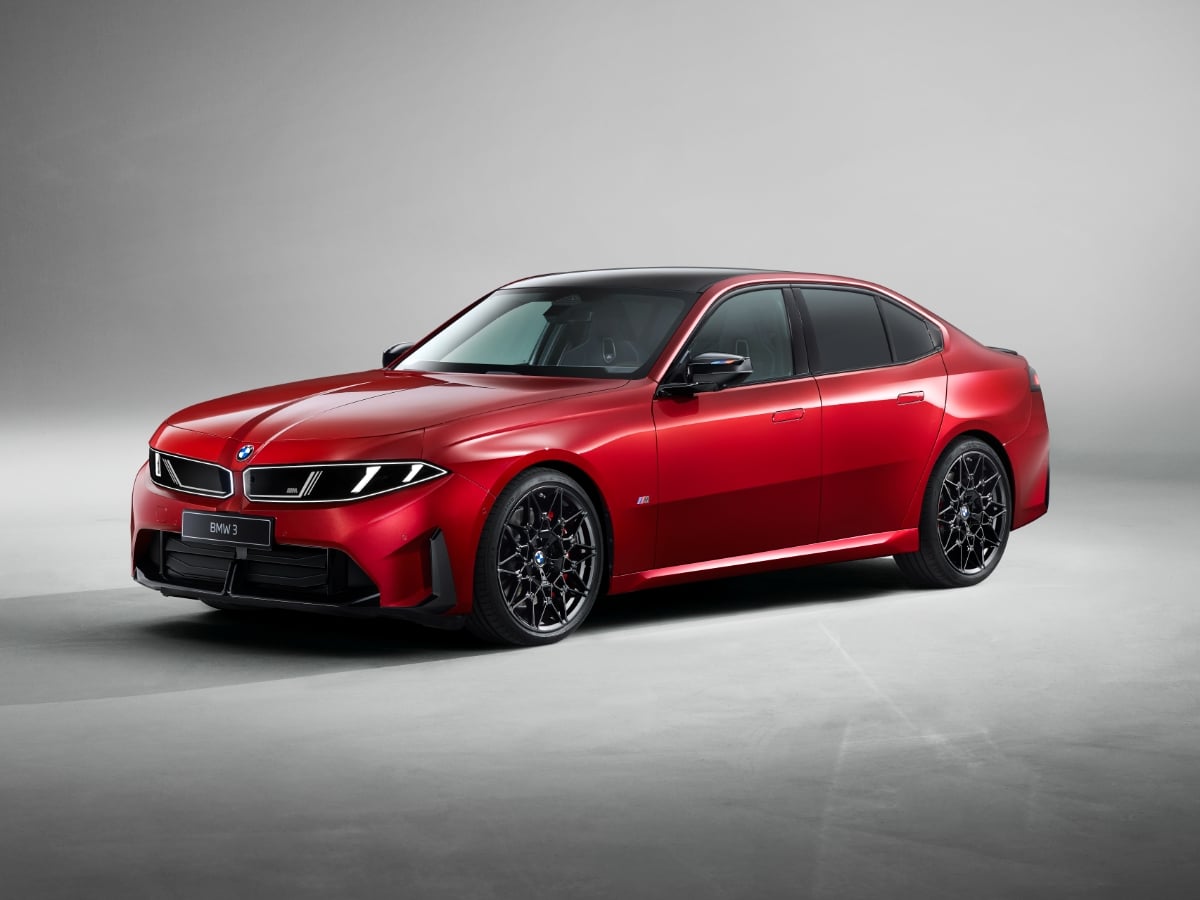
Part of BMW’s Neue Klasse (new class) rollout of redesigned models, the 2027 BMW 3 Series is all-new and goes on sale in the first quarter of 2027.
Read the Full Article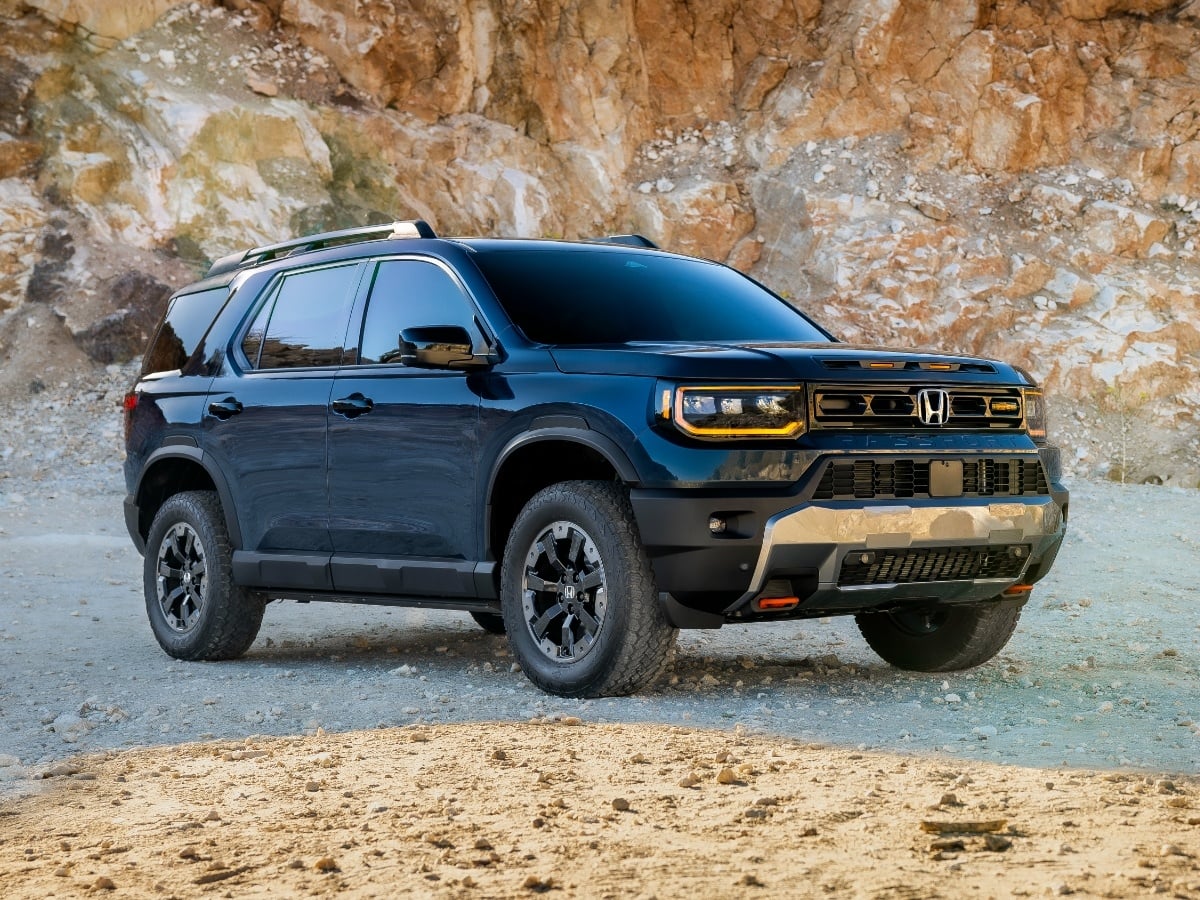
Updates to the 2027 Honda Passport TrailSport include a reworked suspension, improved steering, subtle styling enhancements, and added standard equipment.
Read the Full Article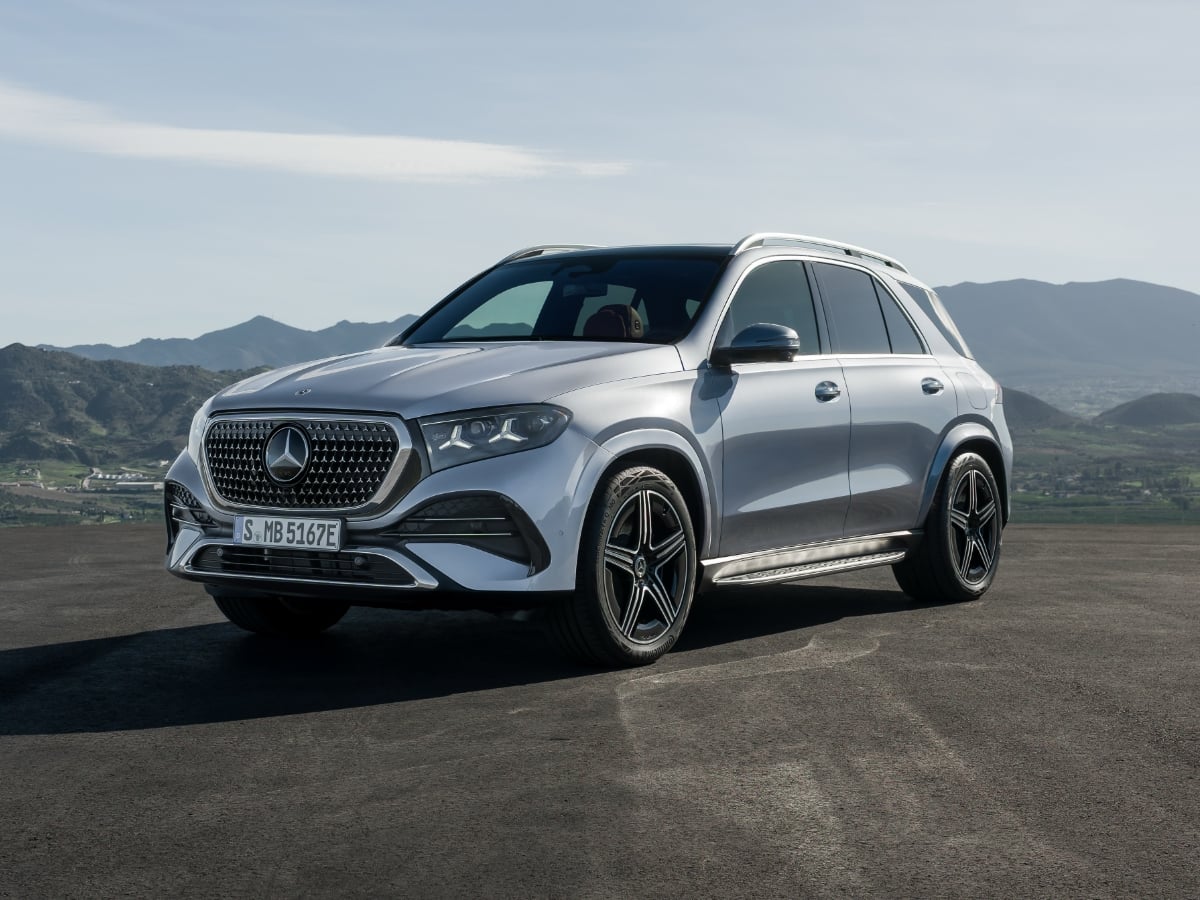
The midsize 2027 Mercedes GLE remains available in original and spicy Coupe recipes, now with standard 4Matic all-wheel drive (AWD), MBUX Superscreen technology, and a panoramic glass sunroof for ...See More
Read the Full Article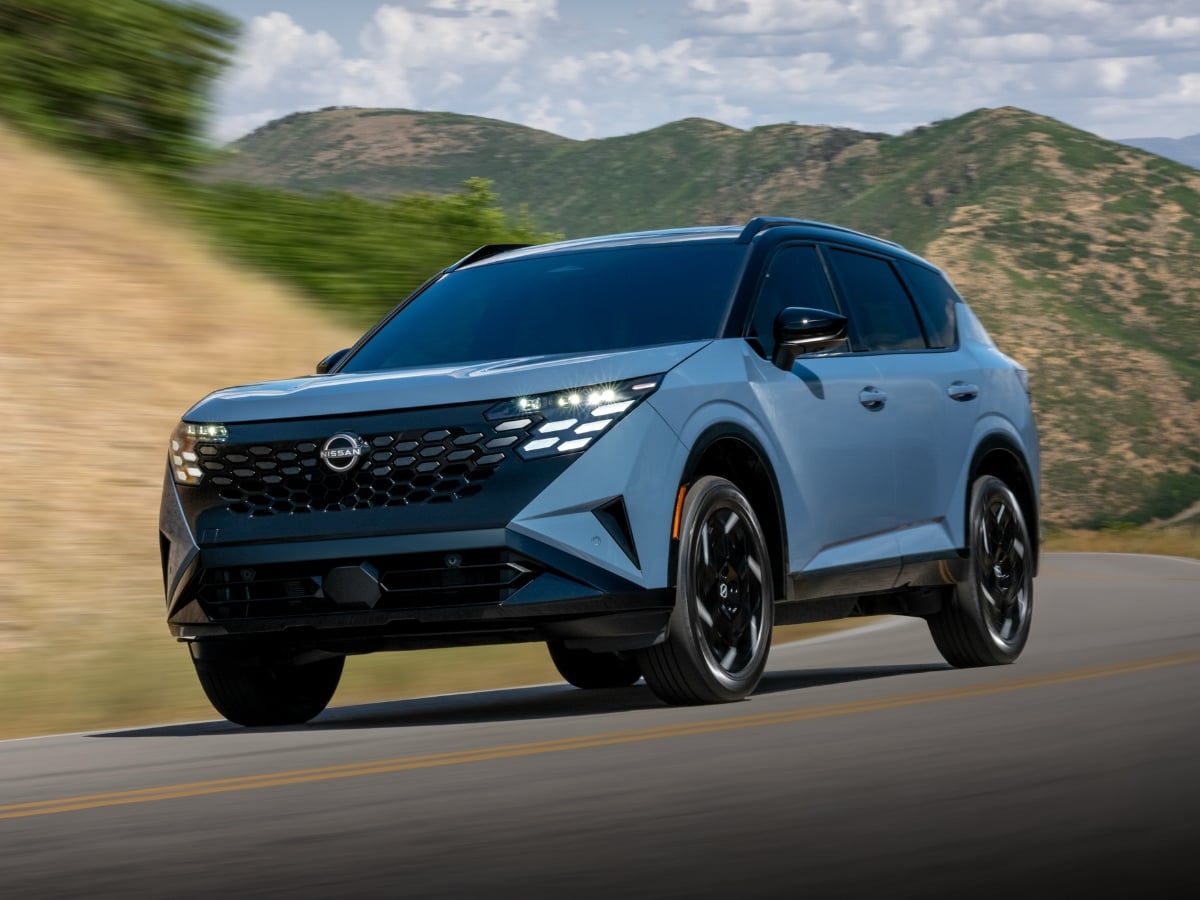
Nissan is about to introduce an innovative new SUV. The 2027 Nissan Rogue Hybrid has a gasoline engine, but it does not power the wheels. Instead, electric motors at each axle provide propulsion, ...See More
Read the Full Article