
America's appetite for big SUVs seems to keep growing, and thankfully, so does the selection of available offerings. Building on the success of the Hyundai Palisade in the three-row SUV category, the Korean automaker is adding another choice to the mix—one that runs on battery power rather than internal combustion. The 2026 Hyundai Ioniq 9 is an all-electric SUV that seats six or seven and backs up its big styling with good range, power, and value.
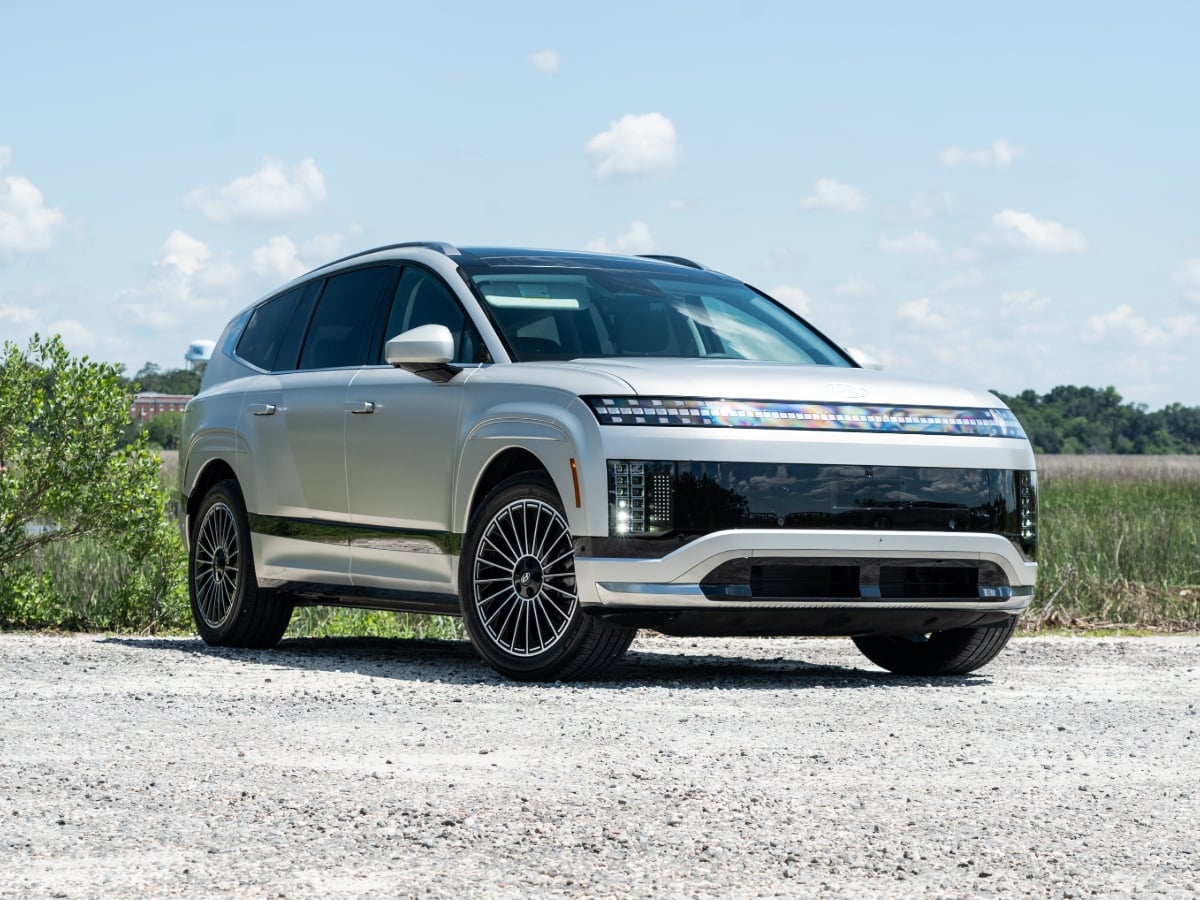
Photo: Tim Stevens
The Hyundai Ioniq 9 is the latest product to roll on the same electric-vehicle (EV) platform that underpins the Kia EV9, which is surely this SUV's biggest competition. The Ioniq 9 brings its unique style to the mix, offering a slightly more premium look and feel at a slightly higher price.
The 2026 Hyundai Ioniq 9 is available in six trim levels, with prices ranging from $60,595 to $78,090, including the destination charge. As it is built in the United States and meets all regulations regarding new-vehicle import rules, you can expect the Ioniq 9 to qualify for the full $7,500 federal income tax credit for EVs.
Read our full 2026 Hyundai Ioniq 9 preview for more background and details.
For this 2026 Ioniq 9 review, Hyundai provided a test vehicle equipped with Performance Calligraphy Design AWD trim and the following options:
The test vehicle's manufacturer's suggested retail price (MSRP) was $79,540, including the $1,600 destination charge to ship the SUV to your local dealership from the Ellabell, Georgia, assembly plant.
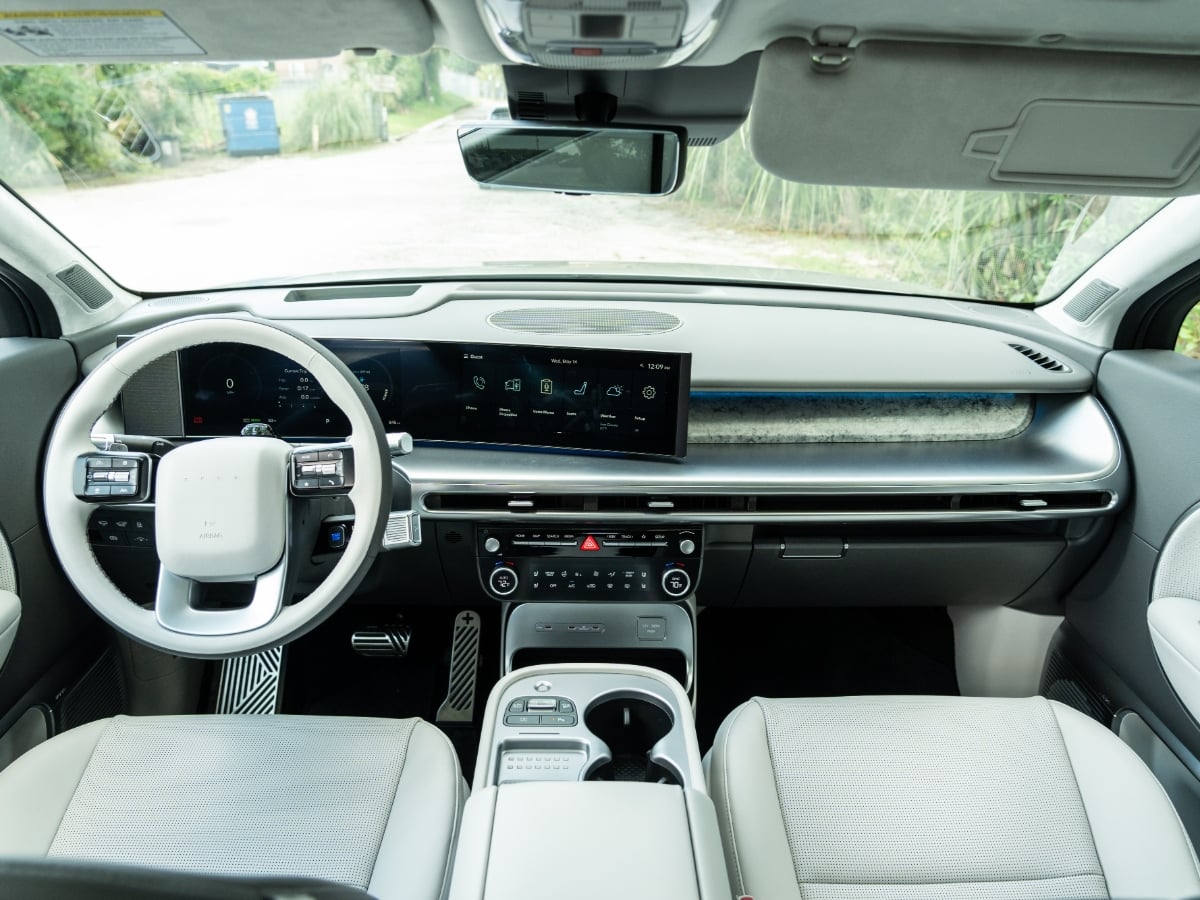
Photo: Tim Stevens
The Ioniq 9 makes an excellent first impression, especially if you approach it from the rear three-quarters view. The way the roofline tapers down and the side glass pulls in with a subtle teardrop effect creates an appealing profile. Pair that with purposeful creases on the fenders and a striking nose, and you have a big SUV that's impressive and not just for its volume.
The Ioniq 9’s interior is perhaps a little less dramatic, but no less welcoming. Hyundai offers two different interior colors: black and light gray. It may not be the best option for those with kids, but the light interior on the Calligraphy Design version I drove was quite fetching. Materials, too, are generally good, especially the soft-touch headliner.
Most of the ceiling consists of a giant, panoramic sunroof extending over the second row, with the front half tilting and sliding. It brings enough light to fill the giant cabin, which has plenty of room in all three rows.
The two seats up front are heated and ventilated, with the driver's chair adding massage to the mix. Go with the six-seat configuration, as on the Calligraphy Design I drove, and you get two more captain's chairs in the second row, again offering heat and ventilation. The seven-seat configuration on other trims has a typical split bench seat.
The way-back offers neither heating nor ventilation, but the seats have power-adjustable recline and are easy to access once the powered second-row seats have finished swinging themselves out of the way. That's a slow process, which might make you linger in the school pickup line longer than you'd like if you're carrying a full load of kids. But that's the only minor complaint I have regarding third-row access.
Speaking of the third row, there's a surprising amount of room. I'm six feet tall with short legs and had inches of headroom to spare. Legroom was a bit tighter, but you can reasonably fit a pair of adults back there without too much trouble.
The 100-watt USB-C ports in the third row will ensure devices stay fully charged to keep everyone occupied, even if those devices are incredibly power-hungry. There are more such ports in the first and second rows, plus a wireless charging pad up front.
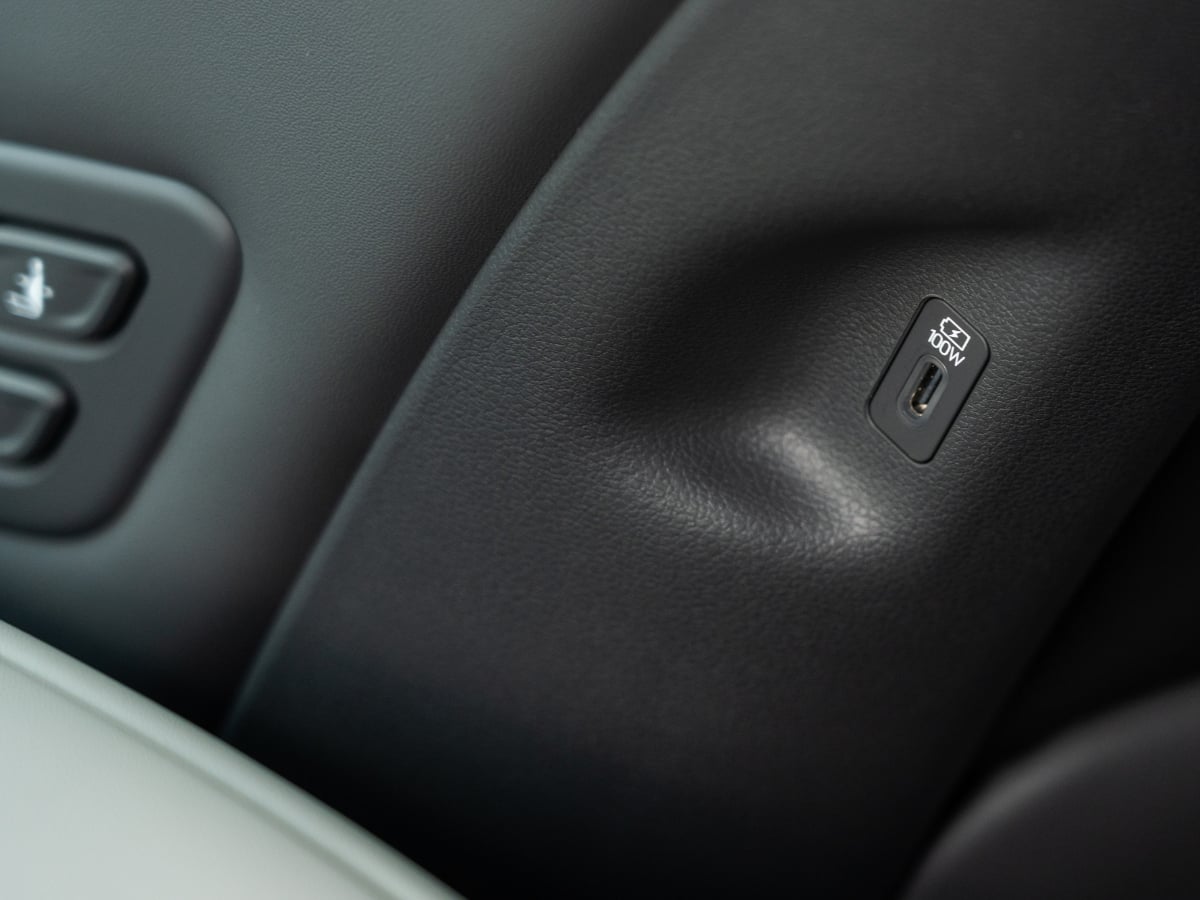
Photo: Tim Stevens
Along with that wireless charging pad, the Ioniq 9 offers wireless Android Auto and Apple CarPlay smartphone mirroring, either of which displays in the right half of a two-display pairing. The left display forms the gauge cluster. Each display measures 12.3 inches and runs Hyundai's familiar infotainment interface.
Regarding usability, the infotainment software is as unremarkable as it is intuitive and familiar, which makes it a less striking experience than the rest of the vehicle. Still, I'll take stability over style every time when it comes to software. Integrated navigation is basic, and the SUV offers all the usual media sources, plus an integrated Wi-Fi hotspot. Media is played through a Bose Premium audio system.
Given how big the Ioniq 9 is (199.2 inches long, or three inches longer than a Palisade), visibility could be an issue. Thankfully, Hyundai addresses that with a rearview camera mirror on the Calligraphy trim, which means you won't have to try to see through all your passengers' heads. The SEL trim and above also get a full surround-view camera system.
Nearly everything is standard regarding active safety, including blind-spot warning, rear cross-traffic warning, and automatic emergency braking with pedestrian and cyclist detection.
The Ioniq 9 also includes Hyundai's Highway Driving Assist 2, a hands-on driver-assistance system that does a great job of keeping the SUV centered in the lane and moving at the right speed with traffic—something I had to deal with plenty of during my time driving in and around Savannah, Georgia. The system can also automatically change lanes in traffic just by flicking the turn signal stalk. Still, changing lanes takes time, making it a feature that is best saved for light traffic.
Notably, the driver monitoring system seemed hyper vigilant, alerting me whenever my eyes lingered on the gauge cluster for more than a few seconds. If you're behind the wheel of the Ioniq 9, it will keep you paying attention.
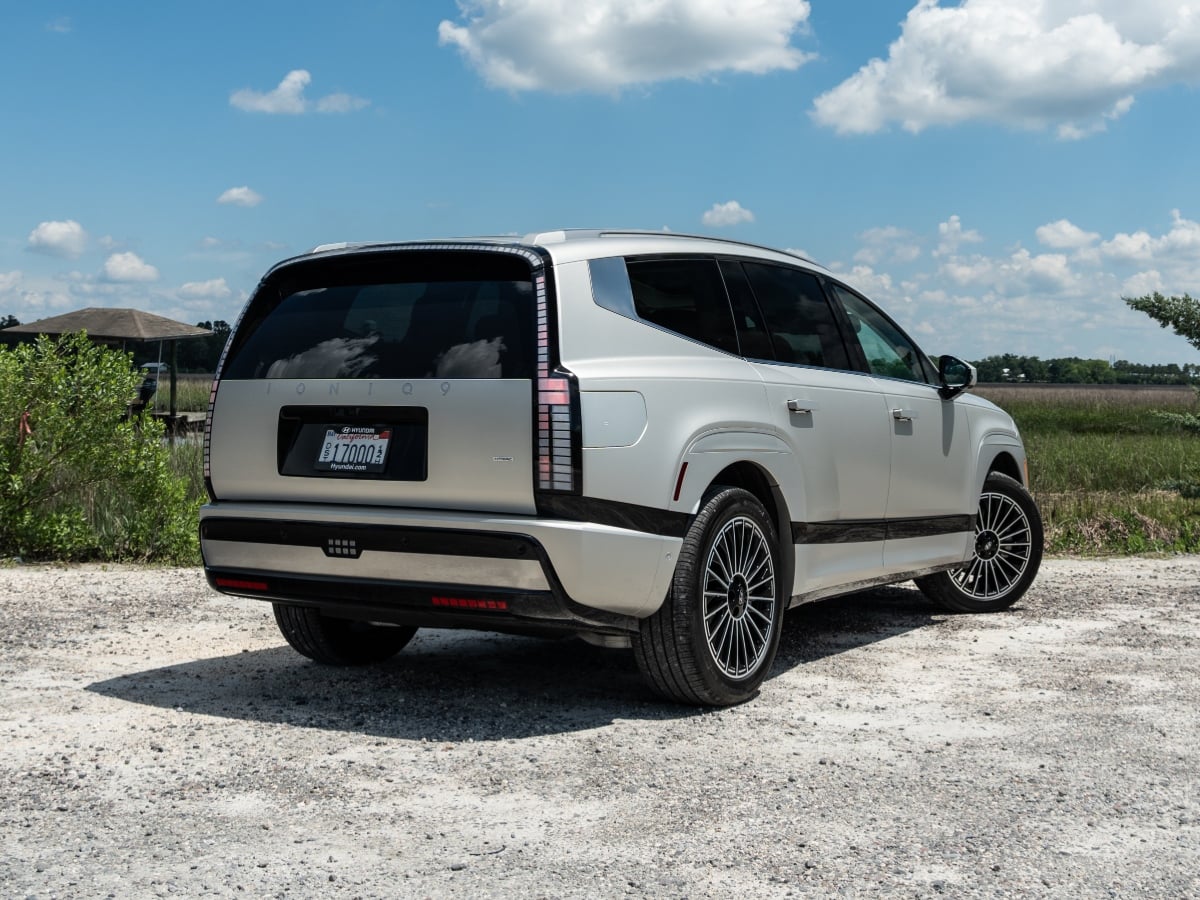
Photo: Tim Stevens
Getting started in the Ioniq 9 is as easy as in any of Hyundai's other EVs. The Start button is conveniently located on the drive selector, which protrudes from the right side of the steering column. Hit the button with your thumb, then twist the selector forward and away you go.
In Eco mode, the throttle response in the Ioniq 9 is quite relaxed. That makes it easy to get the 6,000-pound SUV moving smoothly—something back-seat passengers with weak stomachs will appreciate. Likewise, the SUV coasts nicely, with minimal regenerative braking on the default setting.
That said, with just a few taps of the left paddle mounted behind the steering wheel, you can dial up maximum regeneration, which results in some abrupt deceleration as soon as you lift off the accelerator. It is a proper one-pedal driving mode, coming to a complete stop and holding there without touching the brake pedal.
Even in Eco mode, the Ioniq 9 accelerates strongly if you push your foot far enough into the floor. Toggle up to Sport mode if you feel more sprightly. Here, the 422 horsepower from the dual-motor all-wheel-drive (AWD) Performance trim felt far more eager. If that's a little more speed than you need, Hyundai offers a lower-spec dual-motor configuration with 303 hp or a single-motor, rear-wheel-drive version with 215 hp, but the latter is only on the base S trim.
Regardless of your choice, all Ioniq 9s have the same 110.3-kilowatt-hour (kWh) battery pack. That means more range from the lowest trim, up to 335 miles on a charge. That range drops to 320 miles on the AWD trim, and 311 for the Performance AWD. According to Hyundai, the Ioniq 9 Performance Calligraphy gets 85 MPGe combined. In my testing, which included a mixture of drive modes and a fair bit of acceleration testing, I averaged 2.9 miles/kWh efficiency.
Hyundai builds the Ioniq 9 on an 800-volt architecture, providing a maximum charging speed of 350 kilowatts (kW). That means a theoretical charge from 10 to 80 percent in 24 minutes.
On the ride-quality side, the Ioniq 9's suspension made for a speed-compliant ride. The roads around Savannah are a mix of concrete, asphalt, and dirt, and the SUV handled most with aplomb. Separation joints on the highway, which can punish cars with an overly stiff suspension, passed underneath without much complaint.
The Ioniq 9 was also admirably quiet at speed. Hyundai pulled out all the tricks to keep the cabin hushed, including acoustic laminated glass for the first two rows, foam lining in the tires, and active noise cancellation that uses the sound system to deaden unwanted road noise.
However, at lower speeds, things got a bit harsh. When cruising through downtown Savannah at lower speeds, rougher stretches of road caused a bit more body movement than I'd have liked.
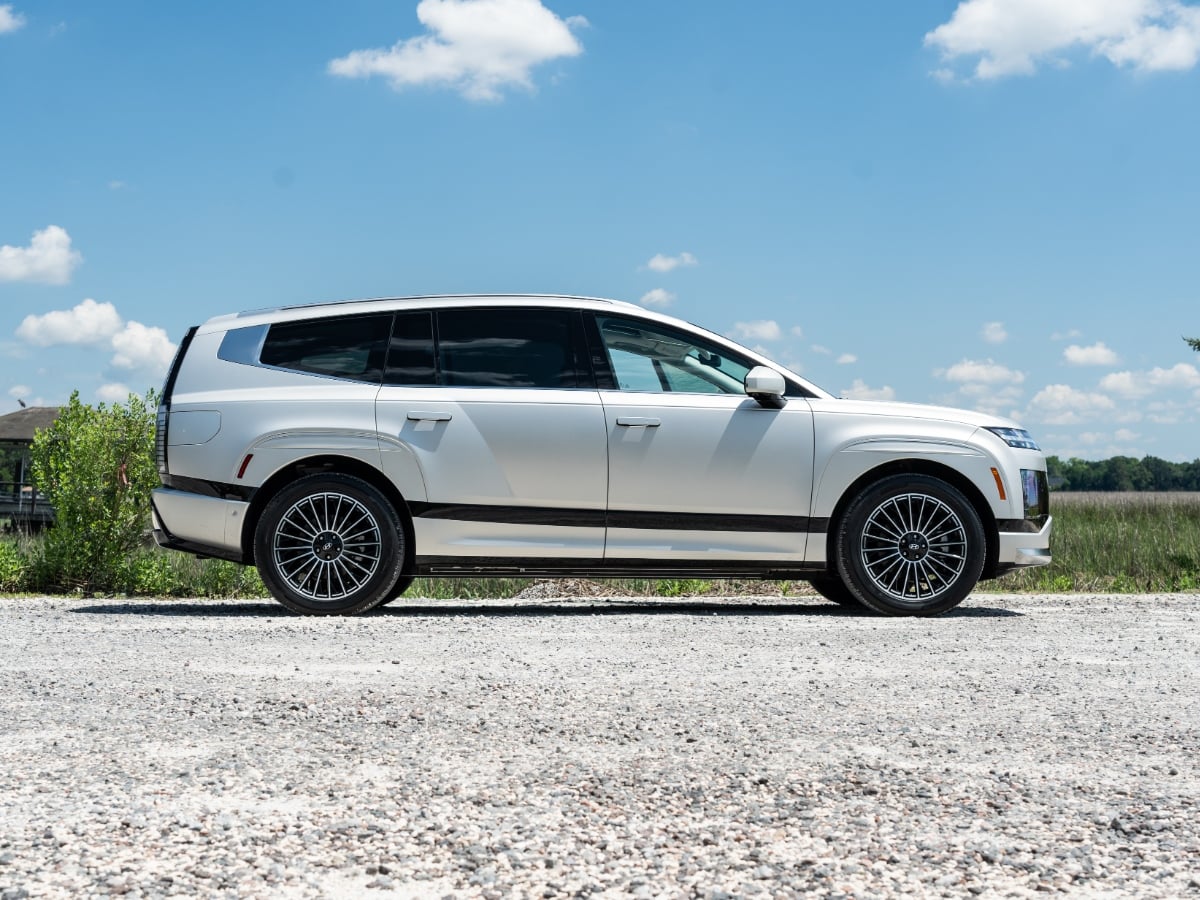
Photo: Tim Stevens
From its fetching looks to its spacious interior and powerful, efficient drive, Hyundai's Ioniq 9 is much more than an electric people-hauler. It comes at a bit of a premium over the gas-powered Palisade, but that $7,500 federal tax credit helps a lot. Compared to other three-row EV options like the Mercedes-Benz EQS SUV or Rivian R1S, the Palisade is far easier on the wallet while also being roomier and more practical, if less prestigious.
It's essentially only the Kia EV9 that can compete, and the decision comes down to a simple question: Which one will look better in your driveway?
Tim Stevens is a veteran automotive and technology journalist with over 25 years of experience covering everything from smartphones to supercars. In addition to JDPower.com, his expert perspectives have appeared in numerous national and international outlets, including print, online, and broadcast television.


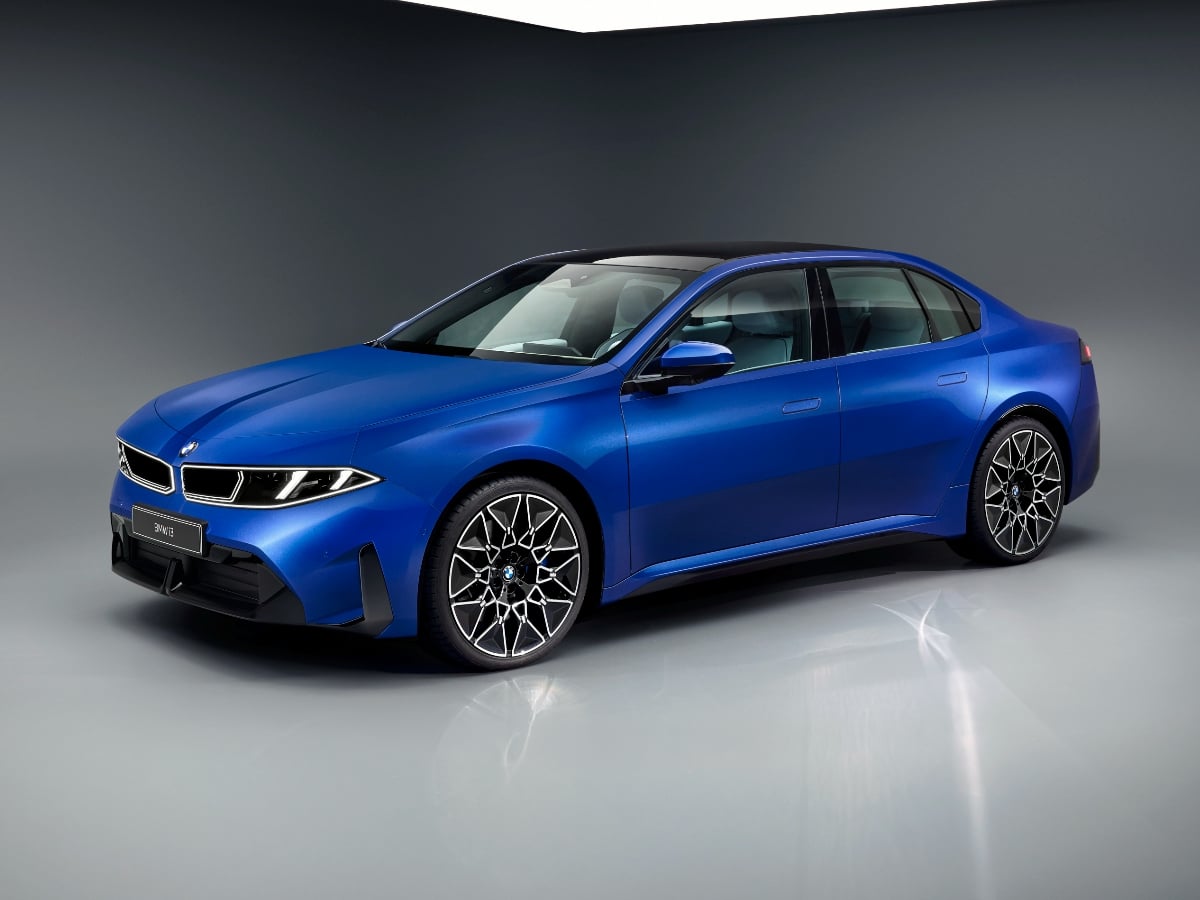
The new 2027 BMW i3 boasts an estimated range of up to 440 miles, 400-kilowatt DC fast charging capability, bidirectional charging to a home or the grid, and next-generation technology.
Read the Full Article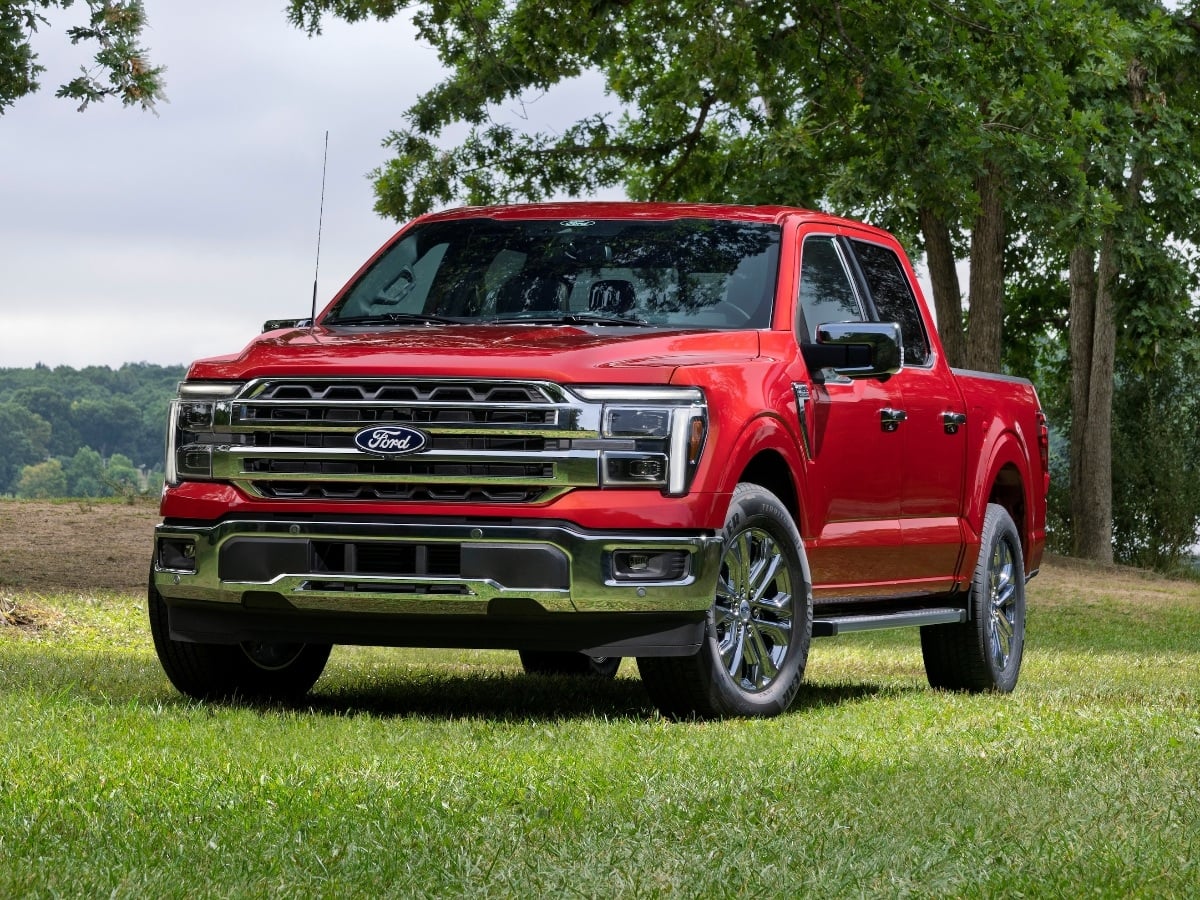
Facing renewed competition in the full-size, light duty pickup truck segment, the 2027 Ford F-150 receives subtle styling updates, a new standard engine, broader availability of its 5.0-liter V8, and ...See More
Read the Full Article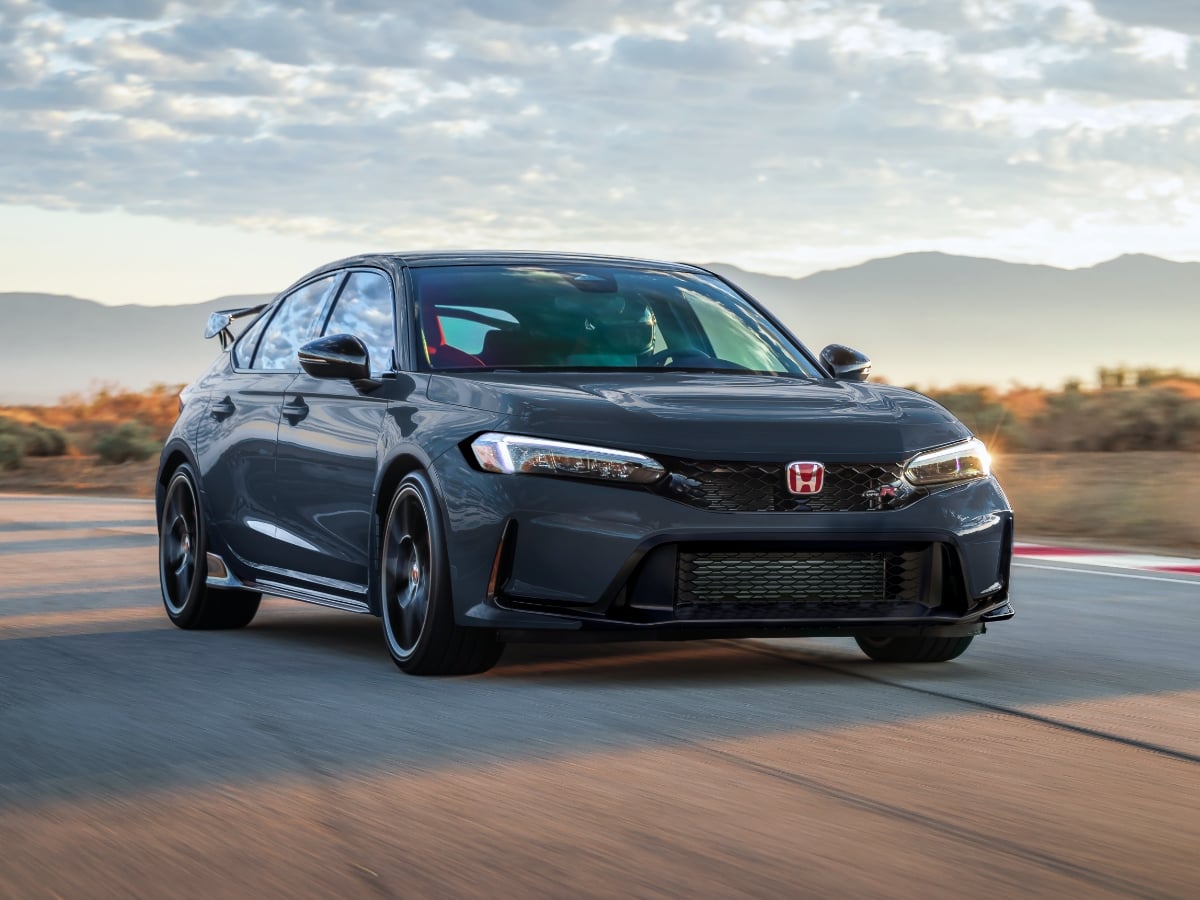
The 2027 Civic Type R goes on sale in October 2026, and it starts at $49,990, including the $1,295 destination charge.
Read the Full Article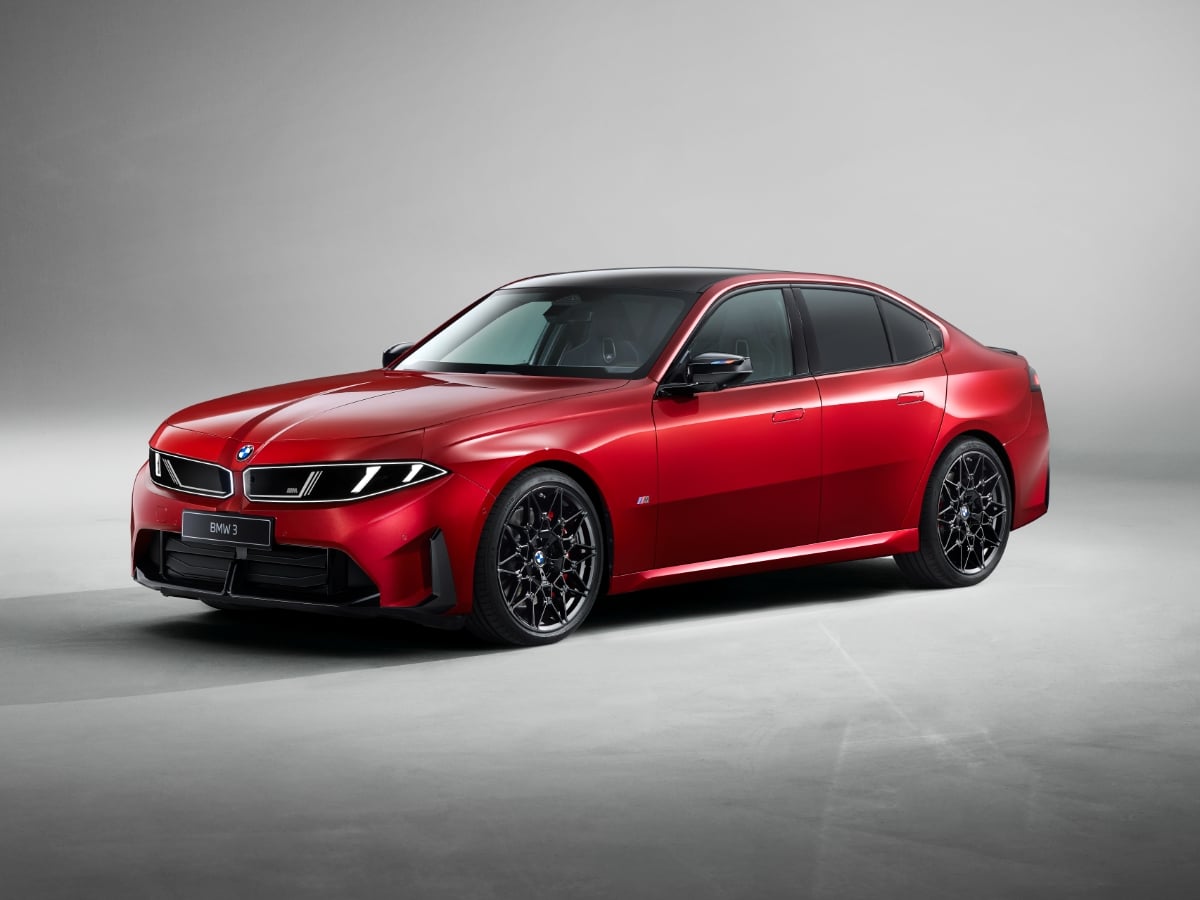
Part of BMW’s Neue Klasse (new class) rollout of redesigned models, the 2027 BMW 3 Series is all-new and goes on sale in the first quarter of 2027.
Read the Full Article