
In some cases, the sounds our vehicles make are welcome, such as the roar of a big V8 or the sound of a turbo spinning away under the hood. Not all car-related noises are as entertaining, however, and to combat them, automakers have developed technology to cancel out unwanted sounds. Known as active noise cancellation, the technology works to produce sound frequencies that "cancel out" wind, tire, and road noises.

Active noise cancellation is perfectly safe, as it doesn't block out sounds from things you need to hear, such as sirens and car horns. It also won't cancel out the happy noises. Here's a closer look at active noise cancellation and what it does.
Active noise cancellation is an in-vehicle system that helps reduce unwanted background noise. Most systems use microphones to monitor sound levels and frequencies. A processor takes that information and generates a separate signal with an inverted phase. The car's speakers then play that distinct sound, which interacts with existing sounds and partially or wholly cancels them out. Without getting too deep into the science, the resulting sound is either inaudible or less audible to the human ear.
Though they use parts of the stereo, active noise cancellation systems work regardless of whether the audio system is on. They are particularly useful for canceling or reducing sounds produced by the engine, tires, wind, and road. However, they do not hinder the driver's ability to hear exterior sounds, such as a siren or car horn.
As its name suggests, sound insulation or sound deadening is a physical material added to a vehicle to prevent sound from entering. The materials vary, but carmakers typically install sound insulation between the interior and exterior panels. It's also worth noting that some vehicles use double-paned glass or thicker glass that helps further insulate them from unwanted sounds. Where active noise cancellation works to match and negate unwanted sounds using other sounds, physical sound insulation is an indiscriminate barrier that muffles all noises.
In years past, active noise cancellation was a feature reserved for luxury and premium vehicles, but times have changed. The tech is available in cars ranging from the Honda Accord to the Cadillac Escalade. That said, noise cancellation is still more common in luxury brands. In some cases, interior solitude is a defining factor for an entire car brand. A great example is Buick. Though it's on the line between mainstream and luxury, the Detroit automaker's complete model line is available with active noise cancellation, and it's become a trademark of Buick vehicles.
If a quiet ride is a priority, finding a great vehicle with active noise cancellation is easy. Head over to our Shopping Guides section to learn more about new cars for sale and find the one with active noise cancellation that best fits your lifestyle.


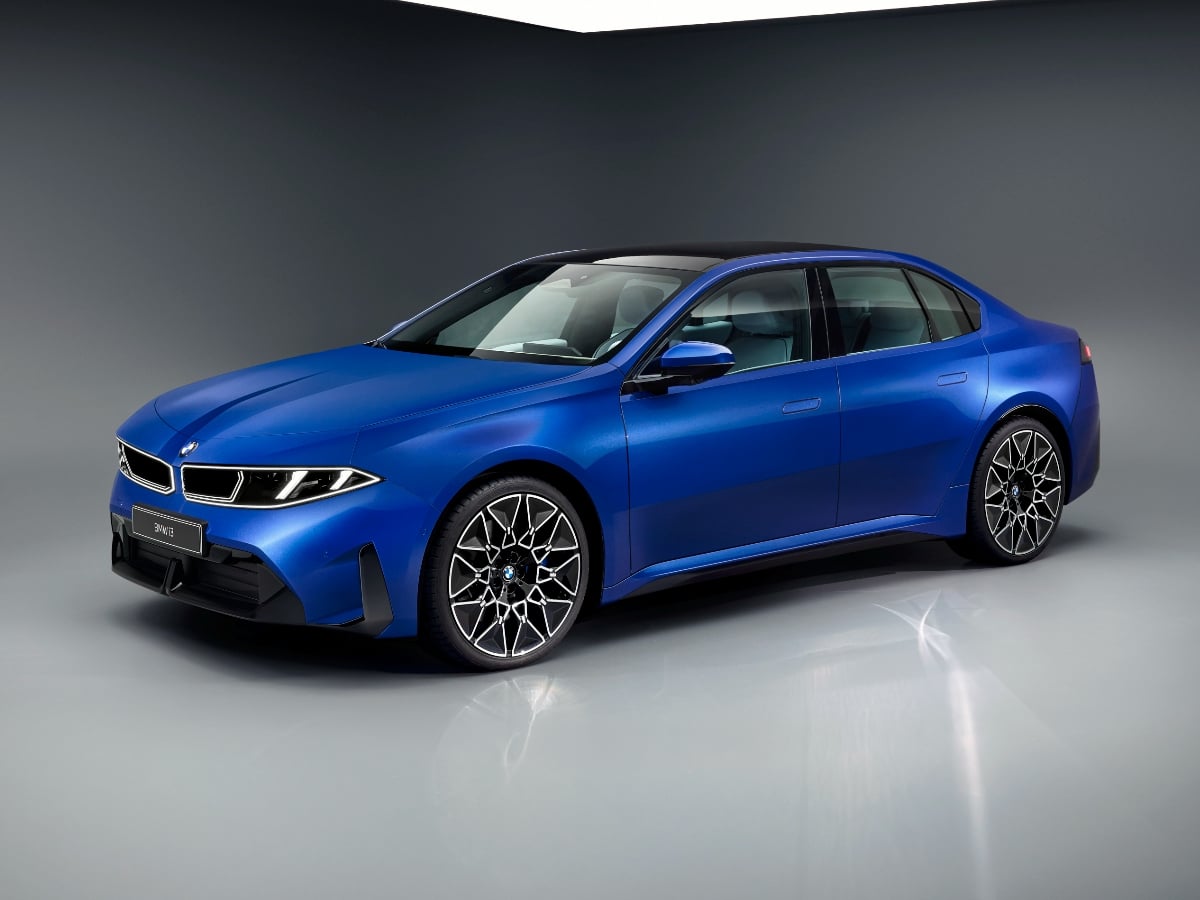
The new 2027 BMW i3 boasts an estimated range of up to 440 miles, 400-kilowatt DC fast charging capability, bidirectional charging to a home or the grid, and next-generation technology.
Read the Full Article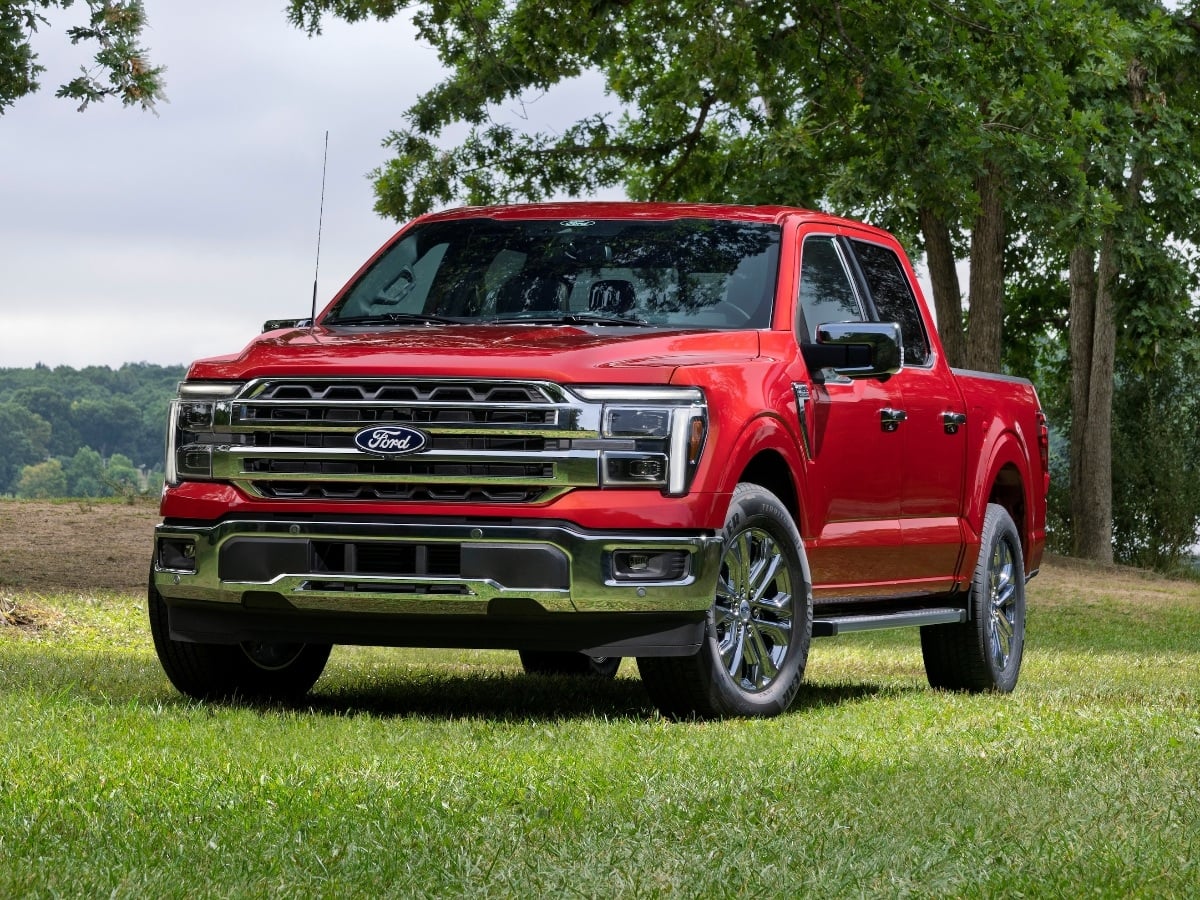
Facing renewed competition in the full-size, light duty pickup truck segment, the 2027 Ford F-150 receives subtle styling updates, a new standard engine, broader availability of its 5.0-liter V8, and ...See More
Read the Full Article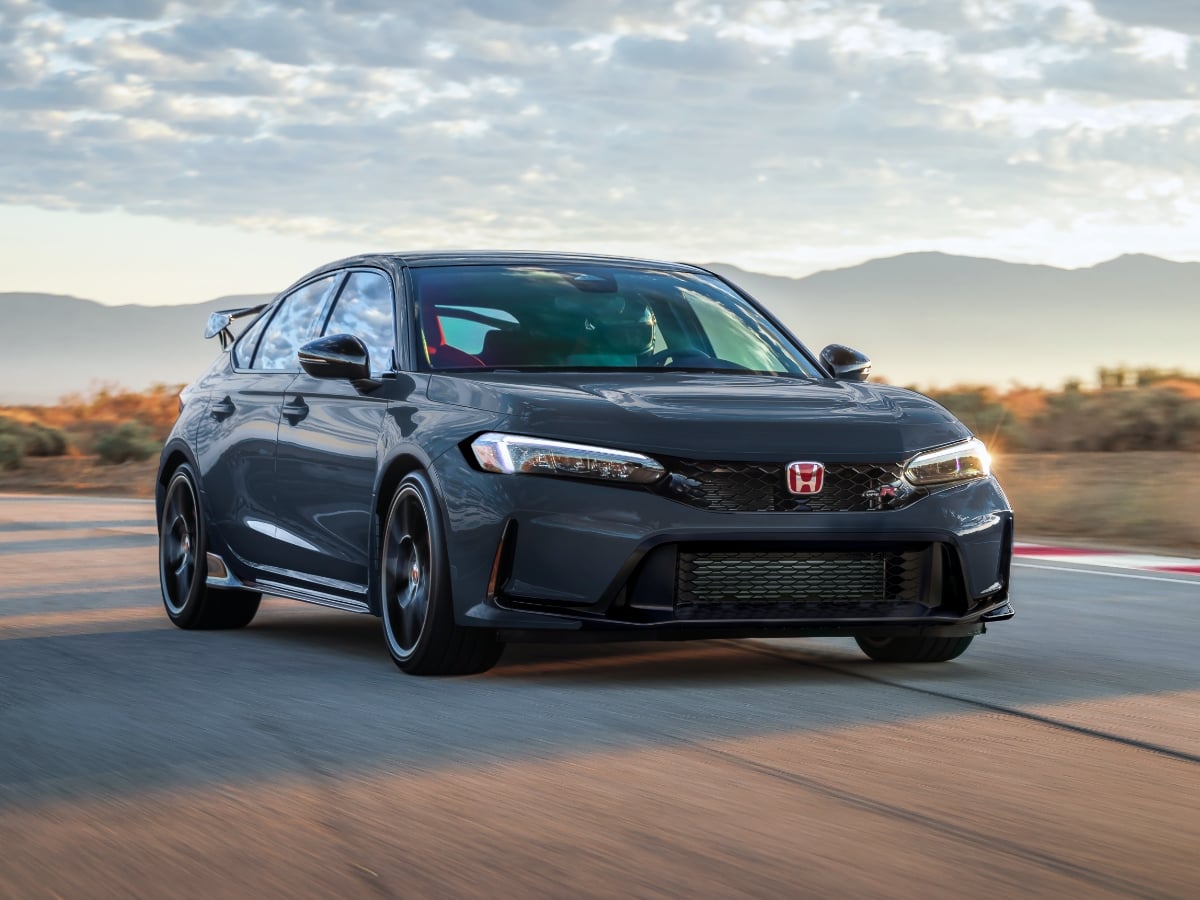
The 2027 Civic Type R goes on sale in October 2026, and it starts at $49,990, including the $1,295 destination charge.
Read the Full Article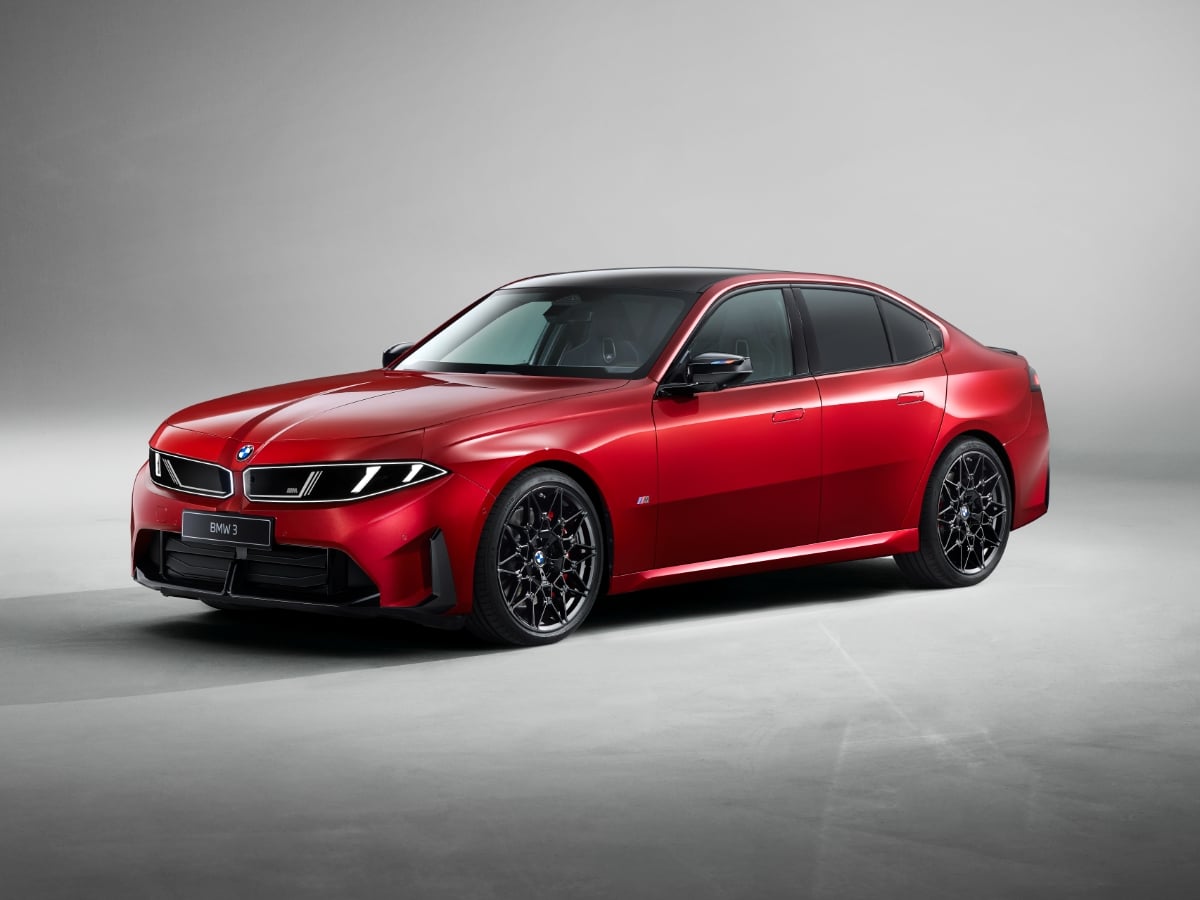
Part of BMW’s Neue Klasse (new class) rollout of redesigned models, the 2027 BMW 3 Series is all-new and goes on sale in the first quarter of 2027.
Read the Full Article