128 - 144
105 - 119
168 - 338
1 speed, Automatic
Electric
All Wheel Drive, Front Wheel Drive
When Toyota introduced the 2023 bZ4X electric crossover in late 2021, the brand announced that additional models would arrive under the "Toyota bZ" moniker. In 2026, the all-new bZ Woodland joins Toyota's growing lineup of electrified vehicles. The fully electric bZ Woodland features rugged styling and a potent dual-motor powertrain, making it a great option for a family-sized electric vehicle (EV) with adventurous capabilities.

Photo: Perry Stern
Expanding on Toyota's strong EV lineup, the bZ Woodland is the automaker’s largest all-electric model. Two powerful motors drive all four wheels, and its rugged fenders and available all-terrain tires hint at its off-road capability. Almost identical to its Subaru Trailseeker cousin, the bZ Woodland features Subaru's X-Mode, which optimizes off-road performance. At the same time, its roomy cabin and up to 281 miles of range make it a great daily driver.
The Toyota bZ Woodland is a five-passenger electric SUV available in base and Premium trim levels, with standard all-wheel drive (AWD). Base prices range from about $47,000 to $49,000, including the destination charge.
For this 2026 bZ Woodland review, Toyota provided a test vehicle equipped with Premium trim with optional all-terrain tires. The test vehicle's manufacturer suggested retail price (MSRP) was $48,850, including the $1,450 destination charge to ship the electric crossover from Subaru's Yajima assembly plant in Gunma, Japan, to a local dealership. The price does not reflect any current rebates, incentives, or price adjustments since Toyota manufactured the test vehicle.

Photo: Perry Stern
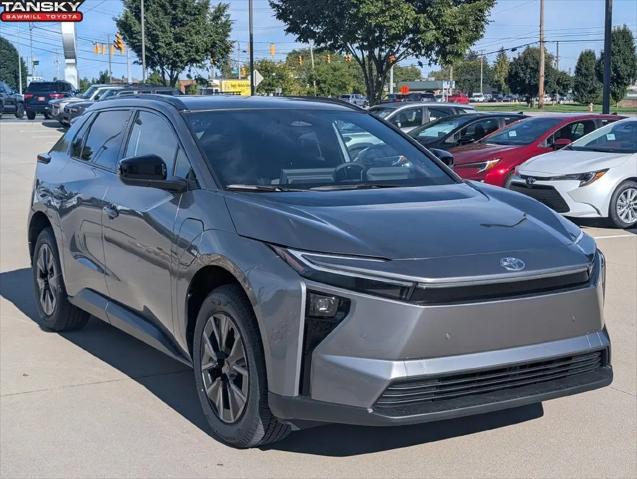
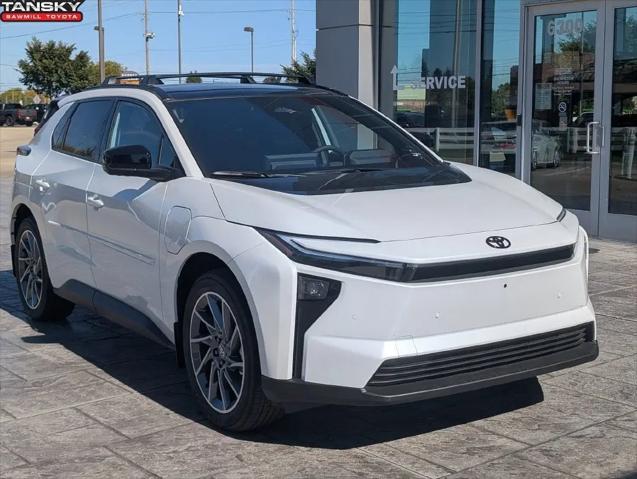
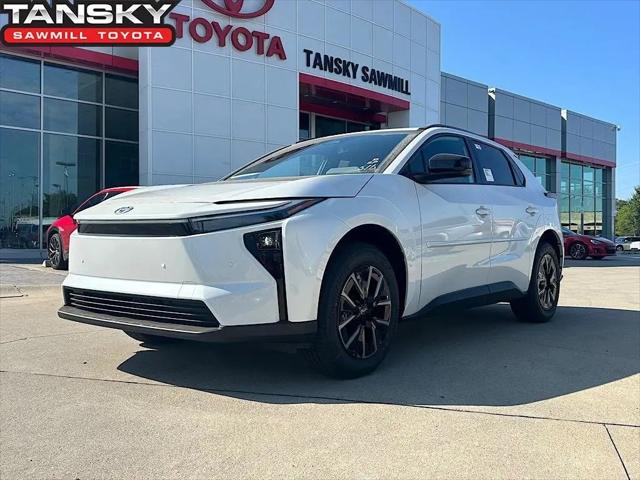
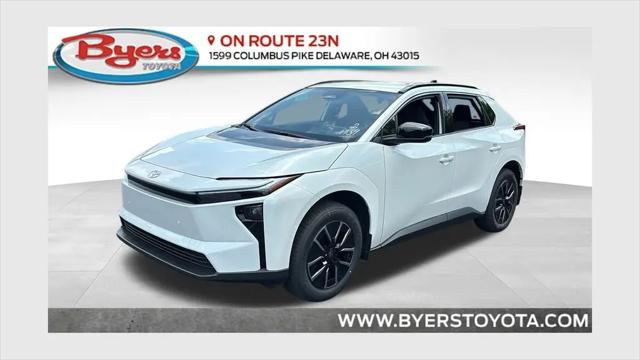
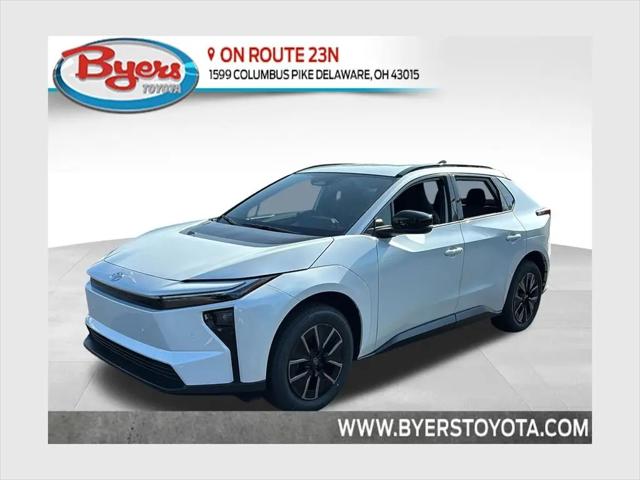
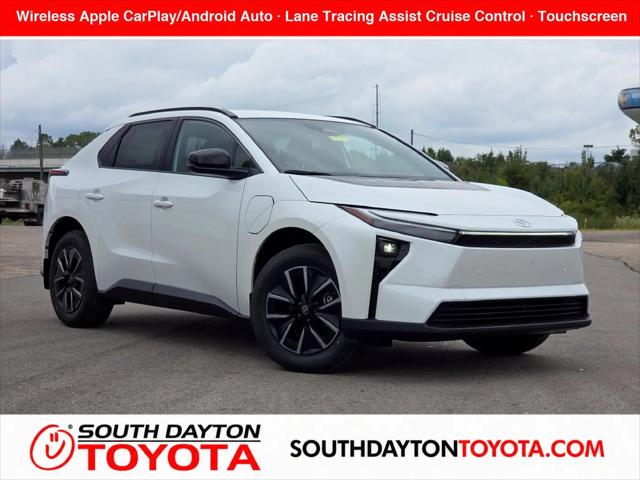
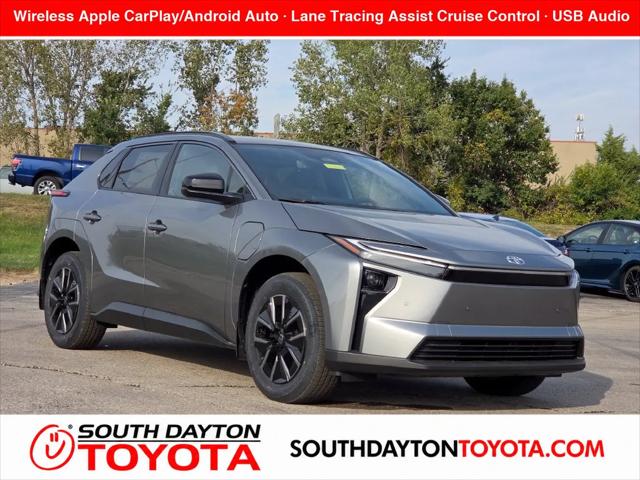
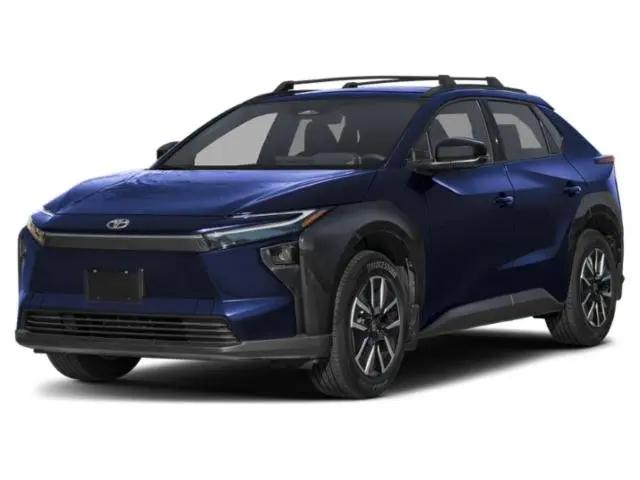
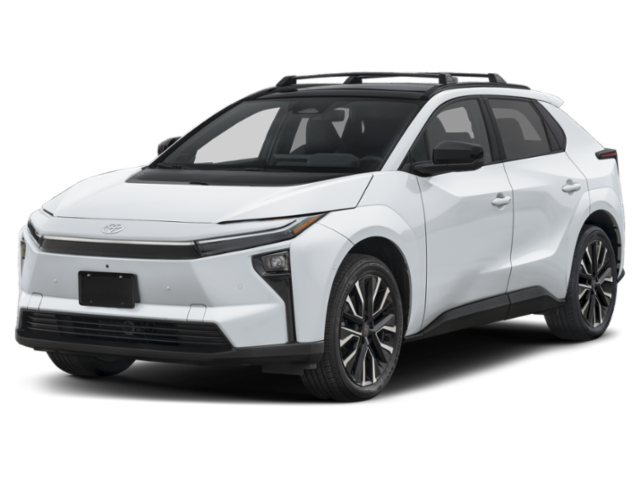
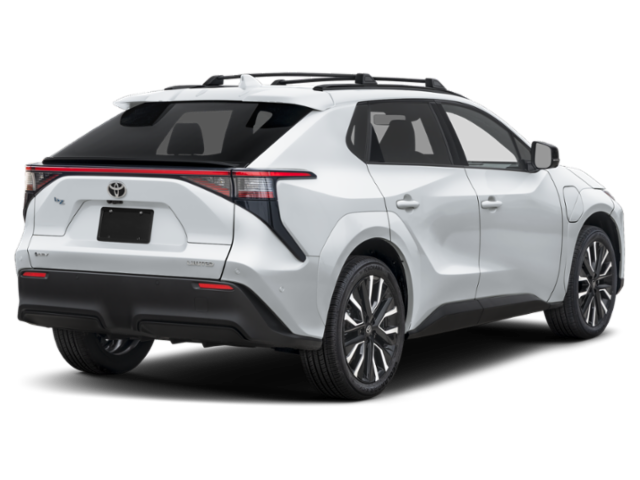
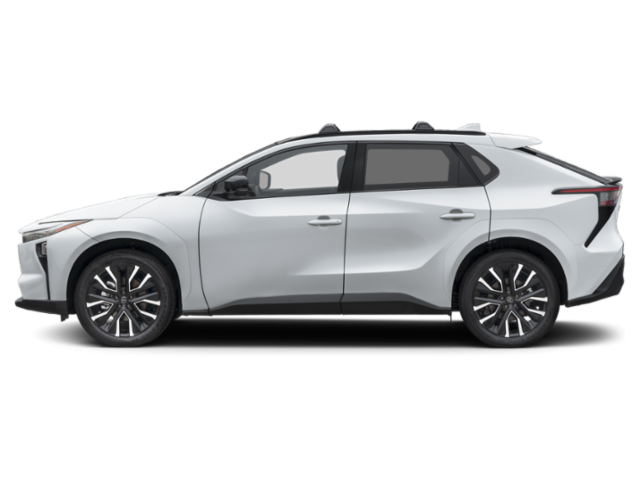
Toyota currently offers three battery-powered electric models: bZ, bZ Woodland, and C-HR. All three share the same basic front-end style with LED running lights that span the grille and feature a distinct angle at the edges. The largest of the three, the bZ Woodland, shows its adventurous nature with bold fenders and body cladding, as well as available all-terrain tires.
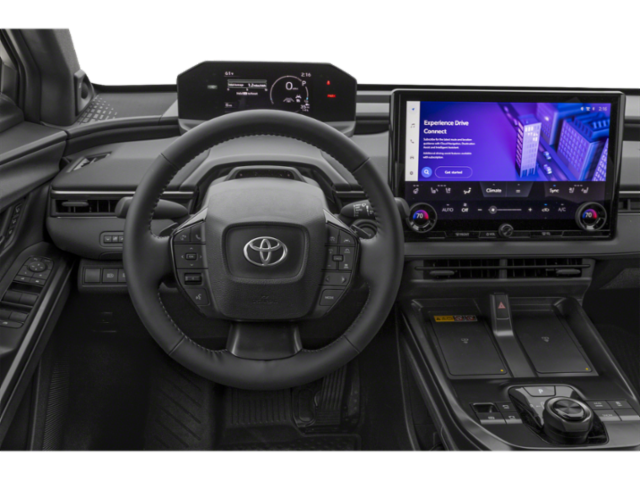
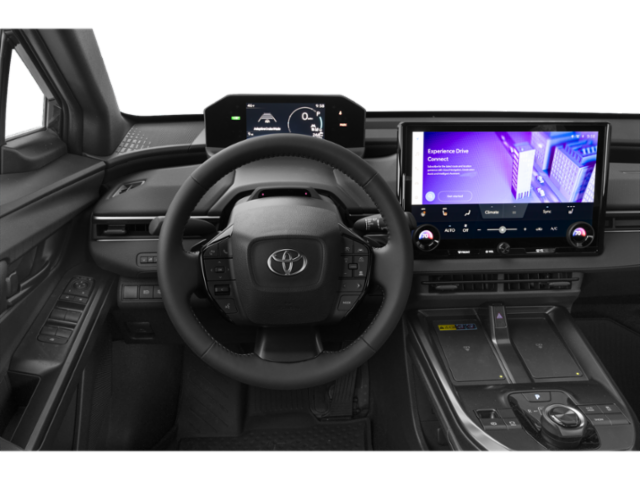
Sliding into the bZ Woodland, you will find a clean, high-tech look with a standard 14-inch touchscreen display front and center and minimal physical controls. A stylish pattern on the two-tiered dashboard adds a premium look, and the horizontal vents give the cabin a wide, open feel.
Integrated into the lower segment of the display, the climate controls are clear and easy to use. I appreciated the large physical knobs for adjusting the driver and passenger cabin temperature settings. An actual volume knob is also a plus, along with hard buttons for the front and rear defrosters.
The bZ Woodland comes standard with a 7-inch digital gauge cluster. However, unlike most new vehicles, it is mounted on the dashboard at the base of the windshield. With its position almost replicating a head-up display, the screen is viewed above the steering wheel rather than through it. I set the steering wheel to its lowest position, and it still felt like I was craning to see the gauges over the top of the wheel.
Two wireless smartphone chargers take up most of the space on the center console, along with the stylish gear selector and buttons for vehicle functions. Dual cupholders are easily accessible, and a large tray below the console provides space for larger items. A sizable bin below the center armrest features a lid that opens from either side.
SofTex synthetic leather is the standard seat trim, and both front seats feature power adjustment and heating; the top-level Premium also includes ventilated front seats. With good bolstering and padding, the seats are comfortable and supportive, even when tackling rough terrain.
The rear seats are also heated, and with impressive leg- and headroom, it is not a bad place to ride. Aside from a small hump in the middle, the floor is flat, providing reasonable space for middle seat passengers. Dual USB-C ports provide power for those in the back.
The bZ Woodland offers plenty of utility, with 33.8 cubic feet of storage behind the rear seats and additional space below the floor for smaller items. Multiple hooks and tie-downs add to the EV's versatility, as does the 120-volt power outlet. The 60/40 split rear seats fold flat via easily reached releases in the cargo area, and with the seats down, the space expands to 74.3 cubic feet.

Photo: Perry Stern
Toyota's Audio Multimedia infotainment system comes standard on both versions of the bZ Woodland. The system features a clear 14-inch touchscreen, paired with a 7-inch digital driver's display.
Standard features of the Audio Multimedia system include the following:
With its large display screen, the Toyota system is clear and easy to use. Although there is no Home screen, only one feature is visible at a time. Quick access to navigation, audio, communications, and vehicle settings is available via shortcuts on the left. The lower section of the screen features climate controls, including physical dials to adjust cabin temperature.
The bZ Woodland includes a three-year trial subscription to Drive Connect, with the Intelligent Assistant and cloud-based navigation. Activated by saying "Hey, Toyota," the Intelligent Assistant understood most of my requests. Just by asking, it can adjust the temperature, control the audio system, or find the closest coffee shop. It will also tell jokes, although not very good ones.
Rather than using the native systems, I connected my Samsung Galaxy S23+ to activate Android Auto. Android Auto takes over the entire screen for easier use, but that means the native system's shortcuts disappear. Without a Home button, you need to open the Android Auto menu to return to the native system.

Photo: Perry Stern
The 2026 Toyota bZ Woodland features a dual-motor electric AWD powertrain with front and rear motors, each producing 167 kilowatts (kW), for a total of 375 horsepower. According to Toyota, that is enough oomph to move this five-passenger crossover to 60 mph in just 4.4 seconds, which feels accurate after spending time behind the wheel. The bZ Woodland can also tow up to 3,500 pounds.
According to the Environmental Protection Agency (EPA), the bZ Woodland's 74.7-kilowatt-hour (kWh) battery delivers a range of 281 miles. However, it drops to 260 miles with all-terrain tires. According to the trip computer, my time in the bZ Woodland with all-terrain tires achieved 3.1 miles per kWh, translating to 104.5 MPGe.
The bz Woodland features a North American Charging Standard (NACS) charging port and can charge at up to 150 kW on a DC fast charger, bringing the battery from 10 to 80 percent in about 30 minutes. A public or home Level 2 charger can deliver up to 11 kW, enabling a full charge in an overnight period.
With 375 hp on tap and the instant torque of an electric powertrain, I knew the bZ Woodland would be quick off the line, but the acceleration still surprised me. Power delivery is smooth and manageable, and with its dual-motor powertrain, there is no wheel slip under hard acceleration.
I had concerns that opting for all-terrain tires would compromise the ride, but while they reduced driving range, comfort and handling did not seem to suffer. The ride remained smooth, and there was no noticeable increase in road noise compared with the all-season tires.
While quick acceleration is certainly an enjoyable attribute of the bZ Woodland, the crossover can do much more than go fast in a straight line. With its steady, consistent power delivery, the bZ Woodland is a pleasure to drive around town. It is easy to maneuver in tight spots, especially with multiple cameras that include a handy overhead view.
The bZ Woodland also performed admirably during my drive into the mountains north of Ojai, California. Its battery features a cross-framed structure that integrates into the chassis below the floor, lowering the center of gravity and improving rigidity, which helps create enjoyable driving dynamics. Steering provides good feedback, and with plenty of power and excellent grip, the bZ Woodland handled the winding mountain road with ease.
The bZ Woodland also has an adventurous side. Leaving the pavement for a rough off-road track, I set the X-Mode to Deep Snow/Mud, which optimizes AWD and adjusts the stability systems to maximize traction. As the surfaces changed from rock to dirt to mud, the bZ Woodland worked its way through without issue. Best of all, the ride remained surprisingly smooth, with the suspension absorbing all but the worst bumps. The crossover’s 8.4 inches of ground clearance provided peace of mind.

Photo: Perry Stern
Toyota Safety Sense 3.0 (TSS 3.0) is the brand's latest suite of advanced driver assistance systems (ADAS) and comes standard on both bZ Woodland trims. With no optional ADAS, all bZ variants include:
More advanced systems with hands-free operation have location restrictions, but that is not an issue for the bZ Woodland system. I set the adaptive cruise control on a two-lane back road on my way to the mountains, and with lane centering active, the system assisted without feeling intrusive.
All actions were smooth and predictable, including slowing when I approached a vehicle traveling below the speed limit and accelerating back to the set speed once that vehicle had turned off. Steering input is still required, but the lane centering did a fine job of keeping the Toyota in the lane, even in the curves.
Whether driving in city traffic or on a mountain road, the Proactive Driving Assist (PDA) proved quite useful. I lifted off the accelerator when traffic began to slow, and the system automatically slowed the bZ Woodland to match the speed of the car ahead before I had a chance to do so. It performed the same action when I was about to slow for a sharp curve. Basically, PDA did exactly what its name implies: it applied light braking or steering input when I was about to do so myself.
At the time of writing, neither the Insurance Institute for Highway Safety (IIHS) nor the National Highway Traffic Safety Administration (NHTSA) has published crash test ratings for the 2026 bZ Woodland.
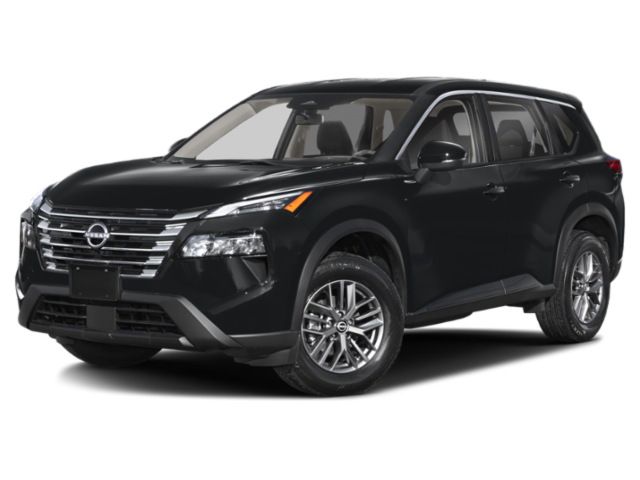
According to the JD Power 2025 Initial Quality Study (IQS), the Ford Escape ranks highest in the Compact SUV segment. The Jeep Wrangler and the Nissan Rogue are the next highest-ranked models.
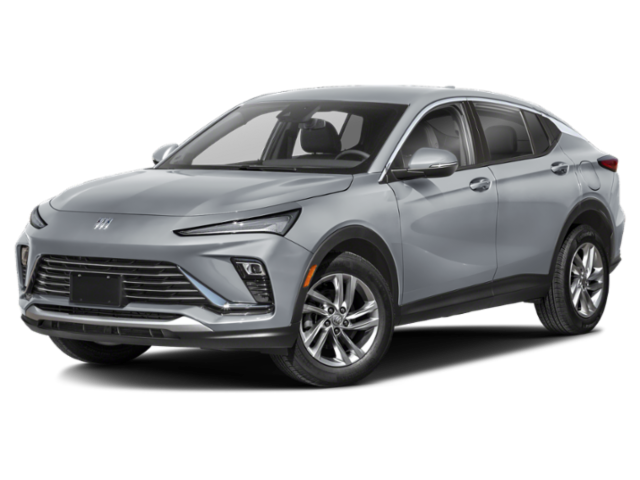
According to the JD Power 2025 Automotive Performance, Execution and Layout (APEAL) Study, the Nissan Rogue ranks highest in the Compact SUV segment. The Buick Envision and the Mitsubishi Outlander are the next highest-ranked models.
According to the JD Power 2025 U.S. Electric Vehicle Experience (EVX) Ownership Study, the Hyundai Ioniq 6 ranks highest in the Mass Market Battery Electric Vehicles segment. The Kia EV6 and the Chevrolet Equinox EV are the next highest-ranked models.
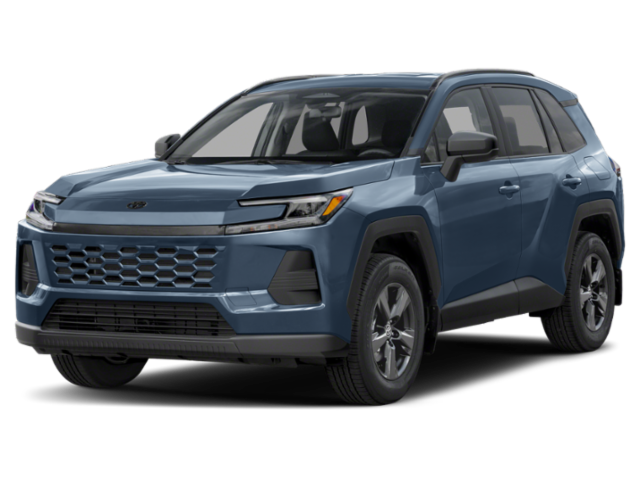
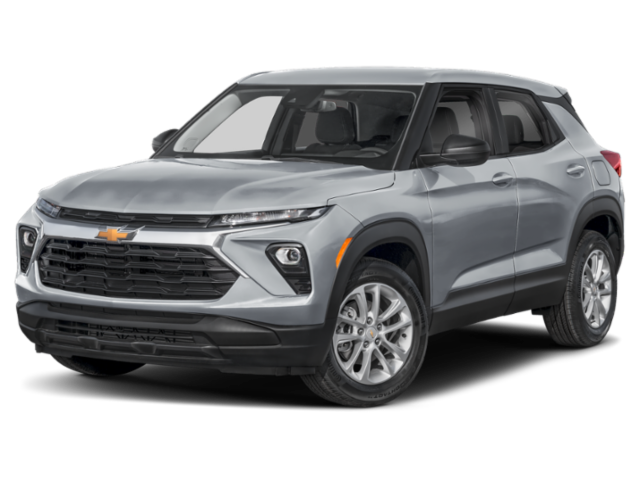
Other 2026 bZ Woodland competitors include the Chevrolet Equinox, Honda CR-V, and Toyota RAV4.