See answers to common EV questions, tax incentives, charging maps & more.
Explore EV
20
23 - 26
328
8 speed, Automatic
Gas
All Wheel Drive, Front Wheel Drive
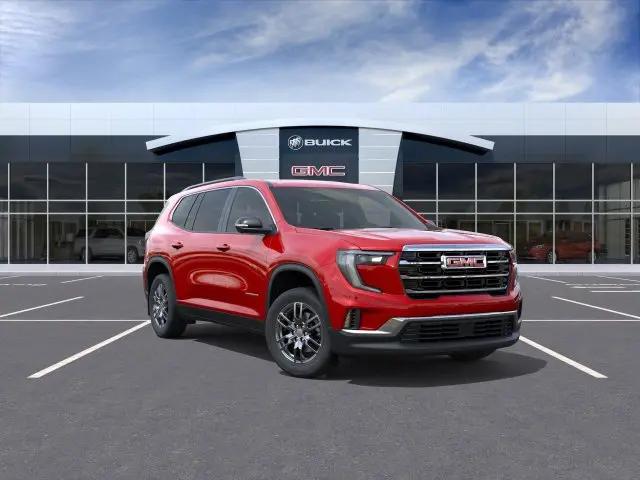
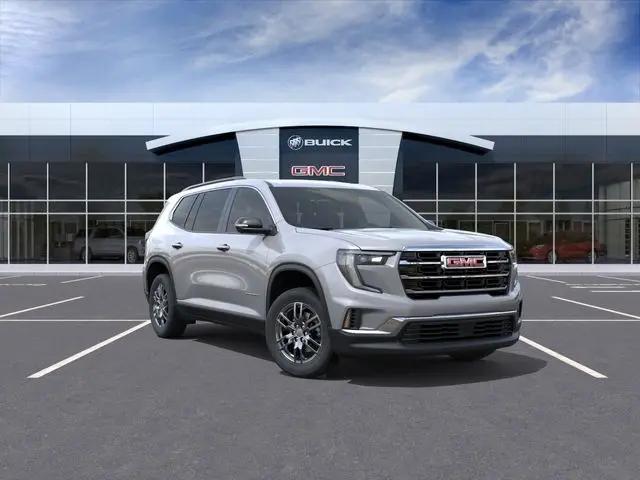
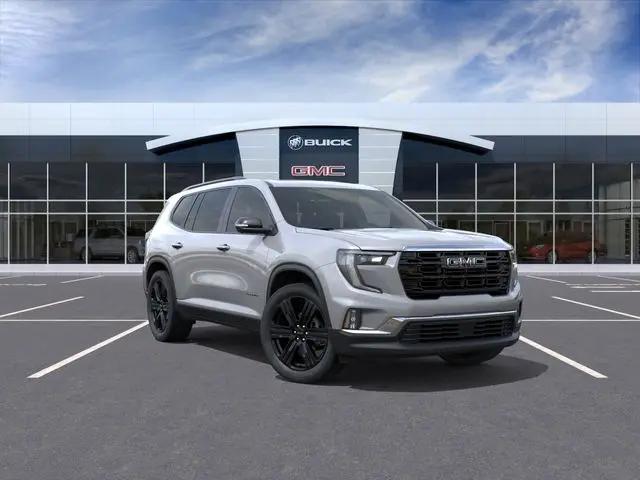
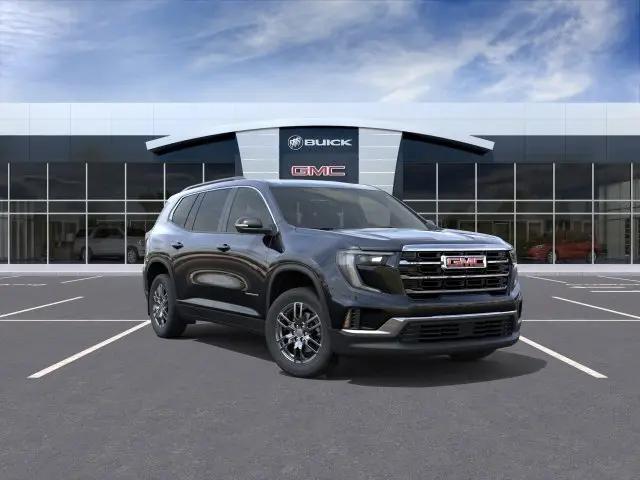
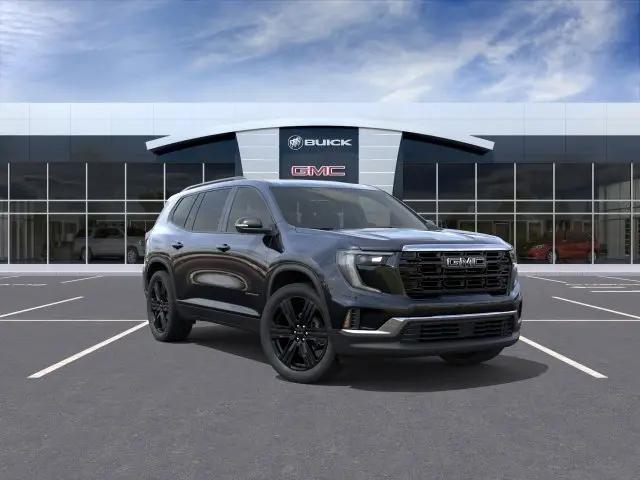
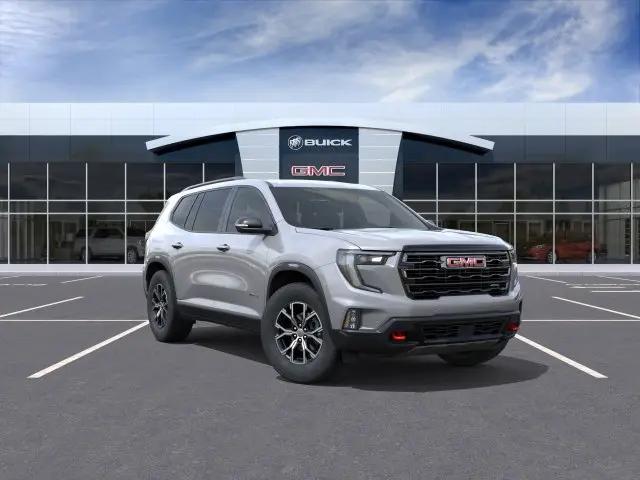
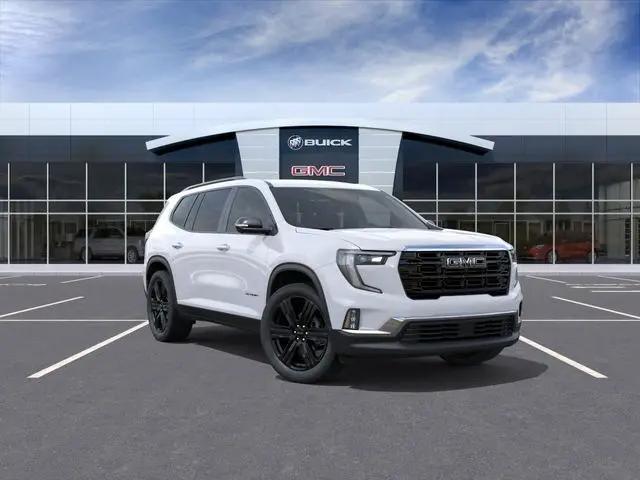
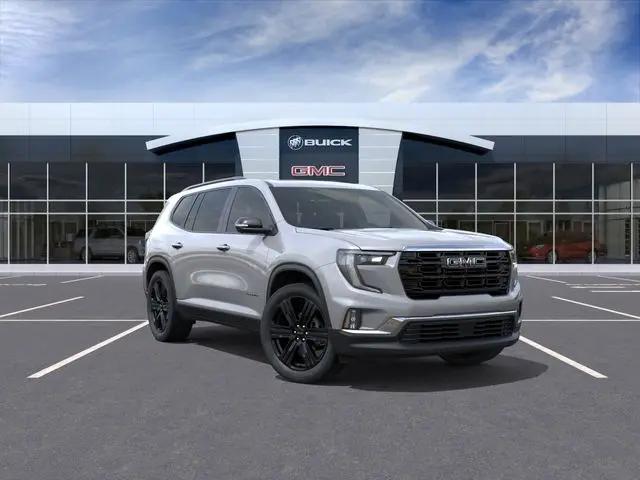
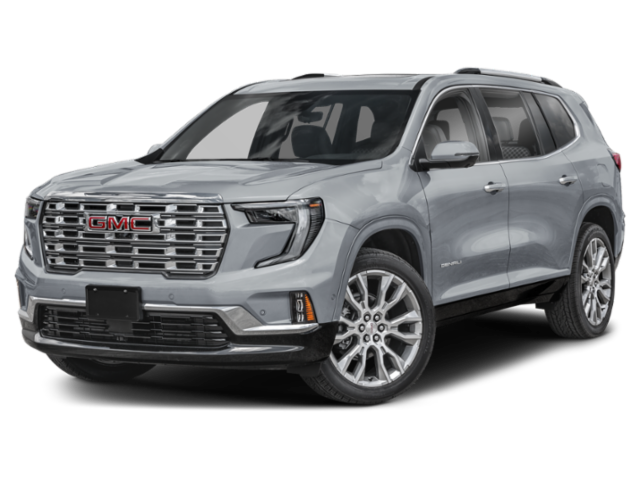
The 2026 GMC Acadia is one of General Motors’ (GM) trio of three-row crossover SUVs. Along with the Chevrolet Traverse and Buick Enclave, they share similar dimensions, engine specs, and many of the same features. They are not rebadged carbon copies of each other, though, and the Acadia’s differences make it the one to get.

Photo: James Riswick
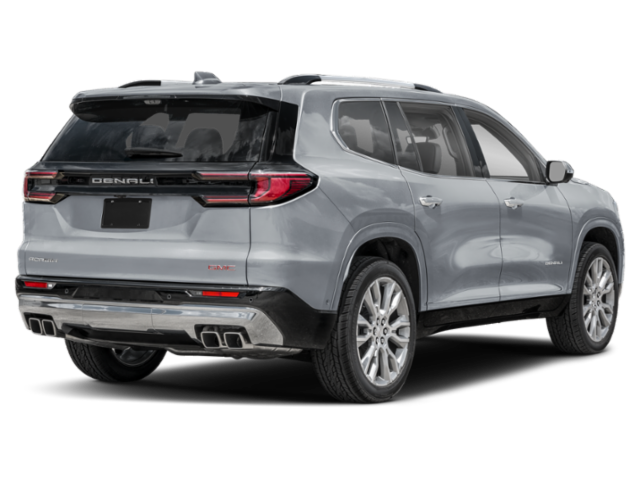
For 2026, GMC introduces the Acadia Denali Ultimate trim level. It adds special “Woodland Mahogany” leather upholstery and “Paldao” wood trim, both festooned with topographical markings of Denali (the mountain). It also features 22-inch wheels, a “Vader Chrome” grille, massaging seats, and a 19-speaker Bose sound system. It adds optional features from other trim levels, such as a “performance” suspension, Super Cruise, and a panoramic sunroof.
Other trims include the well equipped Elevation, the off-road-oriented AT4, and the regular Denali, which is not to be confused with the Denali Ultimate. Base prices, including the destination charge, range from $45,795 for the front-wheel drive (FWD) Elevation to $67,095 for the Denali Ultimate. The Denali Ultimate comes standard with all-wheel drive (AWD). It is optional on all other trims.
For this 2026 Acadia review, GMC provided a test vehicle equipped with the Denali Ultimate trim and one option: Downpour Metallic paint. The test vehicle’s manufacturer suggested retail price (MSRP) was $67,590, including the $1,995 destination charge to ship the SUV from the Lansing, Michigan, assembly plant to a local dealership. The price does not reflect any current rebates, incentives, or price adjustments since GMC manufactured the test vehicle.
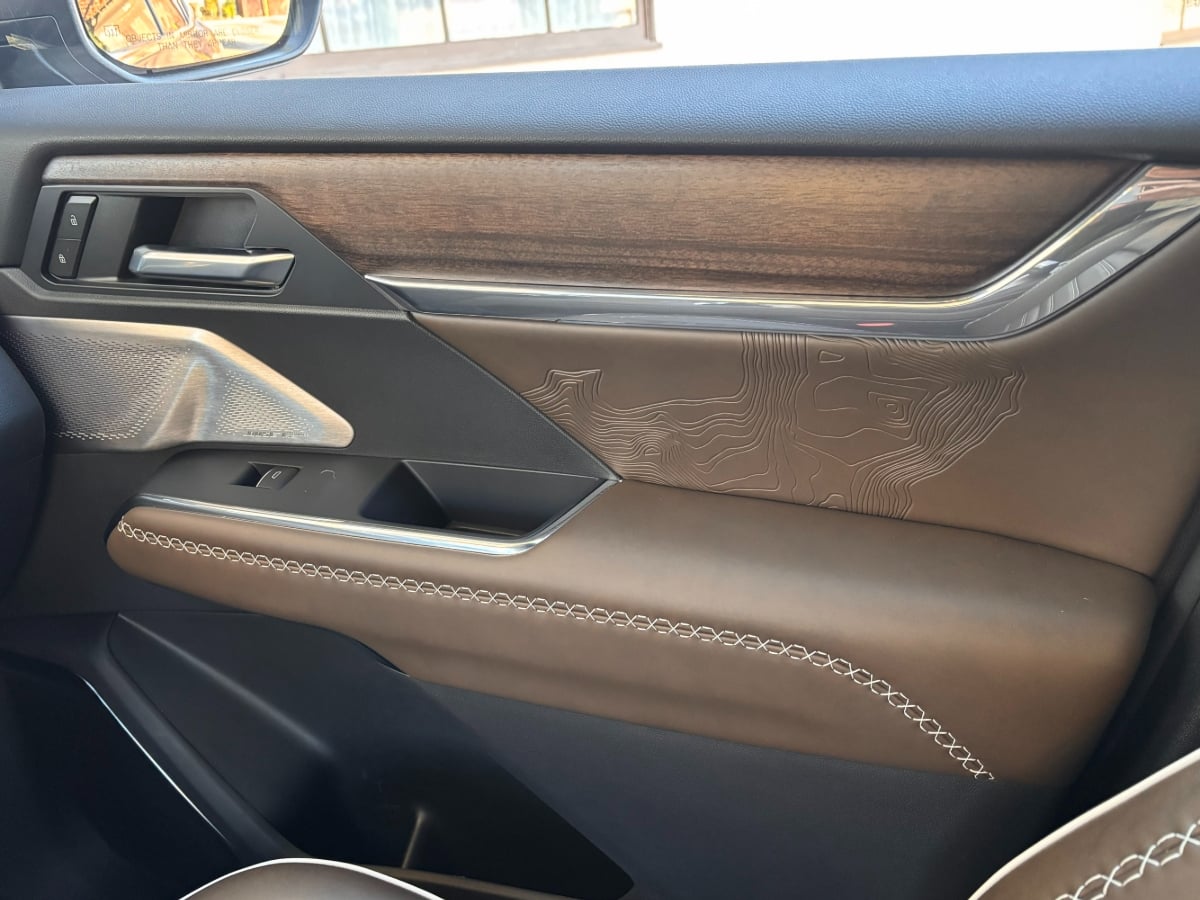
Photo: James Riswick
The Denali Ultimate’s special wheels and Vader Chrome grille (yes, that is really the name) make it the most premium-looking GMC Acadia. However, I am not sure whether it elevates this three-row SUV into full-fledged luxury territory in terms of appearance.
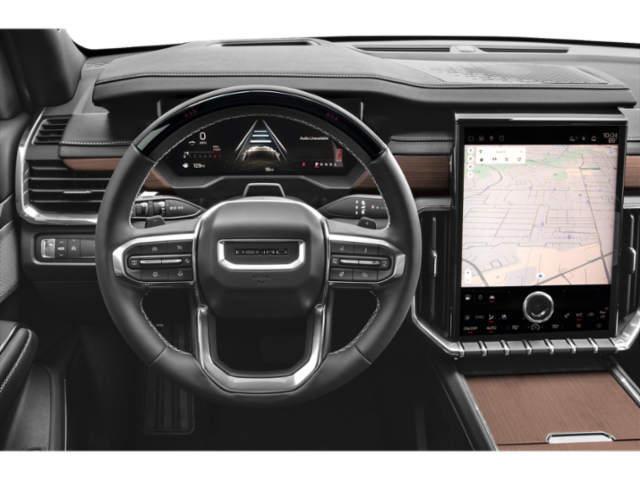
The interior comes much closer, especially with the rich-looking special leather, wood trim, and Bose speaker grilles. Setting those obvious upgrades aside, though, the Acadia’s interior quality would still be quite competitive among non-luxury competitors. Other surfaces are nicely textured and soft to the touch, and the dashboard and center console of all trims are lined with padded, stitched simulated leather.
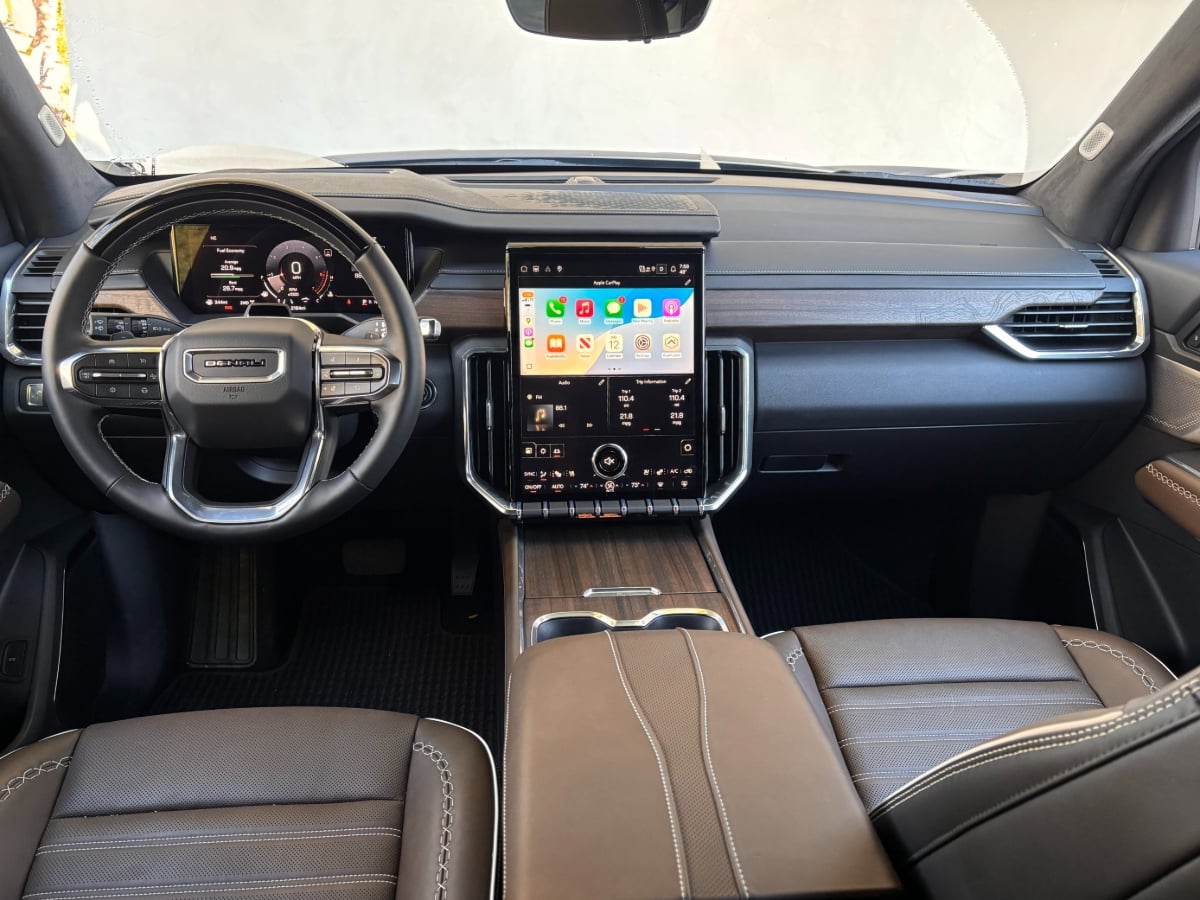
Photo: James Riswick
From a functionality standpoint, the Acadia’s interior is excellent. It all starts with the large, portrait-oriented touchscreen that is easy to reach and use (more on it later). It is accompanied by climate control toggle switches that look and feel more expensive than the buttons in the Traverse (each of GM’s big crossover SUVs has a different touchscreen, too). While much is controlled via the touchscreen, the virtual buttons are large, easily identifiable, and logically grouped.
Small item storage is good, too, though it is not as exceptional as the GMC Terrain’s. There is a large storage bin under the console, an easily accessed wireless smartphone charging pad, and an adjacent smaller bin that is just a bit too small for sunglasses. The center console cupholders accommodated a wine-bottle-sized metal water bottle and were grippy enough to secure a 40-ounce jumbo cup.
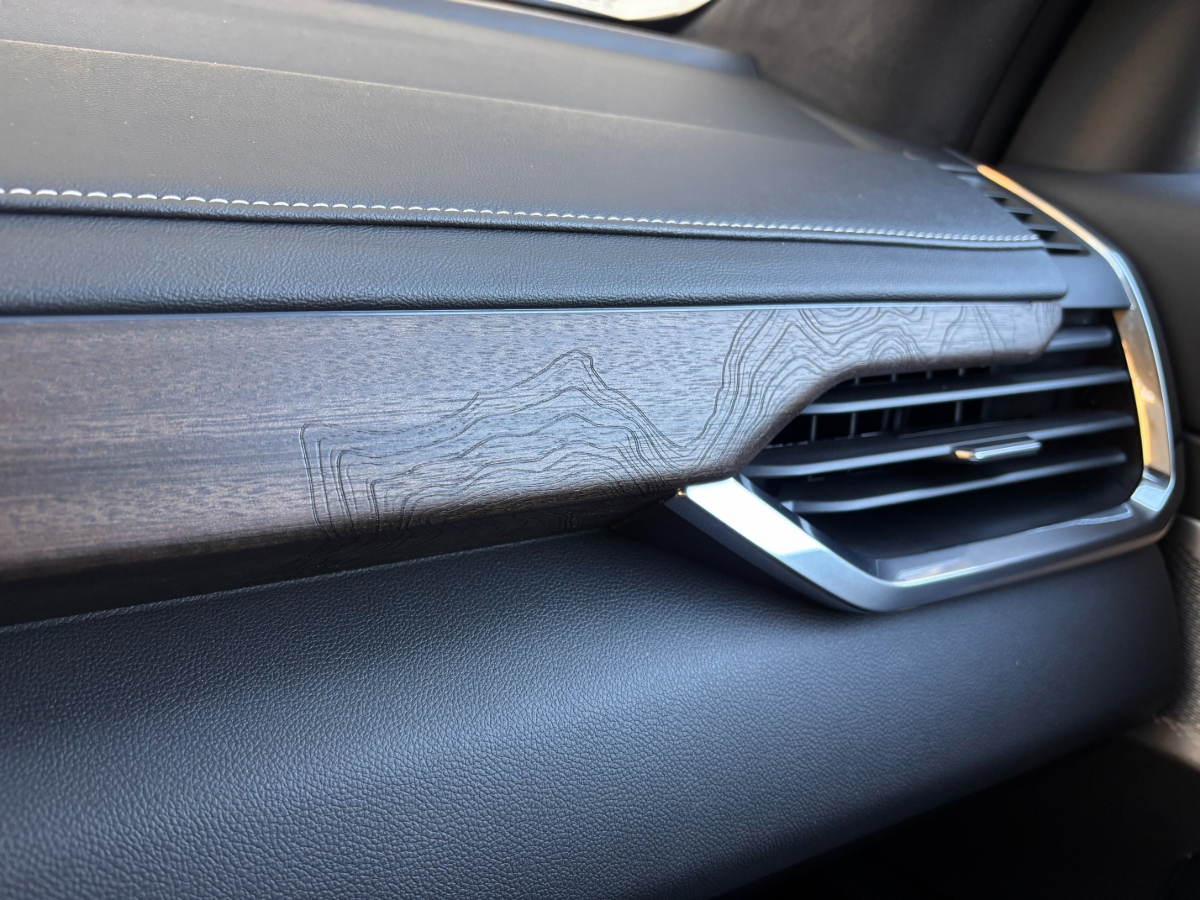
Photo: James Riswick
Storage for luggage cannot be beat among three-row crossover SUVs. Like the Traverse, I could fit more luggage behind the Acadia’s third row, eight bags, than in any of its rivals, including in GMC’s full-size Yukon. The Acadia’s enormous dimensions help, but so does a large underfloor storage area that expands the space. If you foresee routinely using all three rows and need as much cargo space, only a minivan or a full-size SUV can beat the Acadia.
It is a similar story in terms of people space. I am 6-foot-3, and I comfortably fit in the third row thanks to ample space between rows (sliding the second row forward a bit is still appreciated) and a relatively high seat bottom. I had plenty of headroom, and there are air vents back there, too. Only full-size SUVs can beat the Acadia and its twins for third-row comfort.
The second row consists of captain’s chairs in all but the base Elevation, which offers them as an optional supplement to a standard bench seat, bringing its original total capacity from eight passengers to seven. One great thing about these captain’s chairs is that I can tilt and slide them forward for third-row access without removing a LATCH-connected, forward-facing child seat. The resulting gap between the second and third rows is extra-large, too.
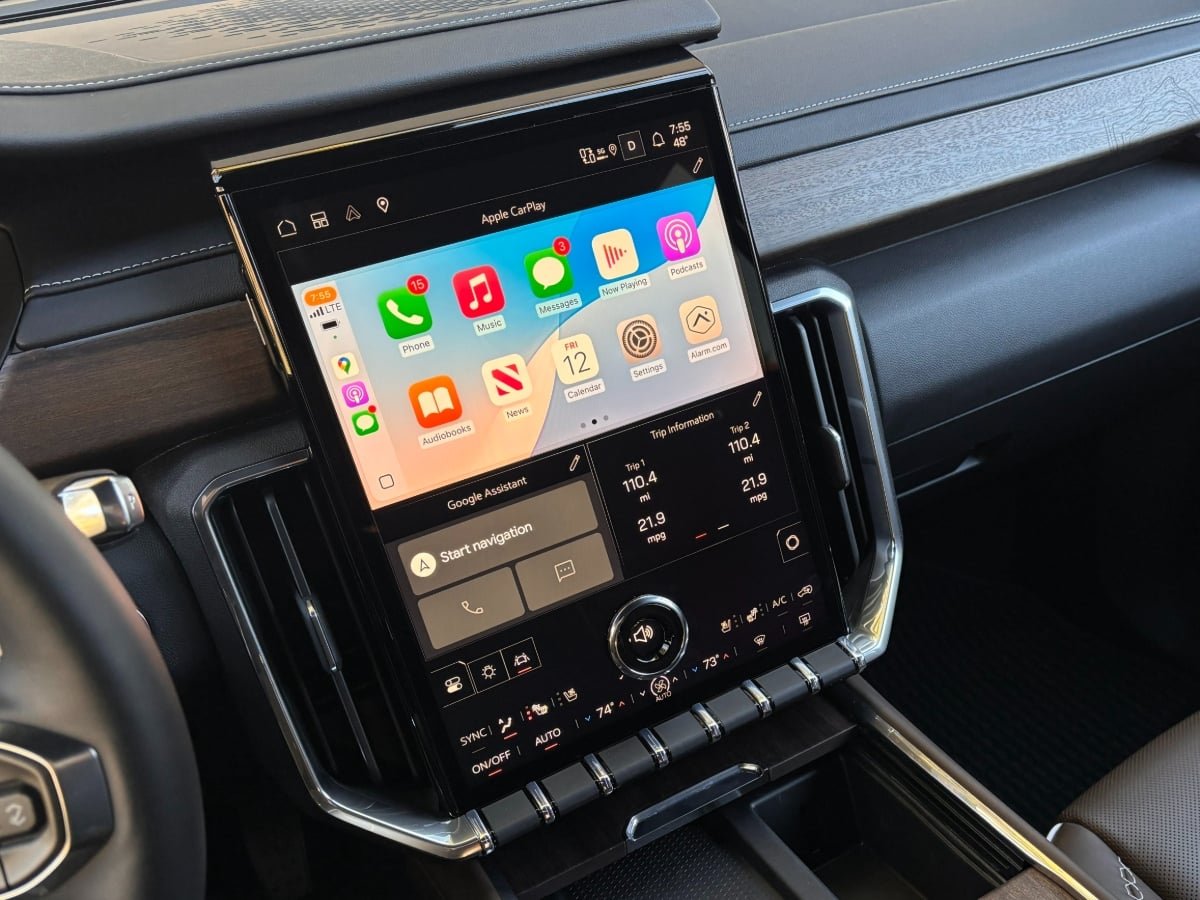
Photo: James Riswick
Every 2026 Acadia comes standard with a pair of screens that do more than just wow you with their size and crisp graphics. They genuinely enhance functionality. The 11-inch digital instrument panel offers multiple layout and content options, including a more traditional tachometer/speedometer combo.
The 15.1-inch touchscreen, meanwhile, seems at a disadvantage compared with the Traverse’s 17.7-inch unit, but the measuring tape does not tell the whole story. The two have different orientations. Normally, I prefer a widescreen format like the Traverse’s to a portrait-oriented one like GMC’s, but this is an exception. The Acadia’s is closer at hand, and its greater height translates into a larger overall surface area that is smartly utilized by big, button-like icons that are easily read.
I also like that wireless Apple CarPlay smartphone mirroring does not have to take up the entire screen. It does not need to, not when the displayed area is seemingly bigger than the entire screens of some vehicles. Restricting it to the upper half of the touchscreen still leaves room for two driver-selectable tiles below, which I used to display SiriusXM audio information and trip computer data.
Wireless Android Auto is included as well, though it is less necessary thanks to the infotainment system’s Google Built-in capability. It adds integrated Google Maps and Google Assistant voice controls, plus access to more apps via the Google Play Store. These features worked as consistently as I have come to expect, but the voice controls are limited to Google-related features, such as navigation destinations. I could not, for example, call up a SiriusXM channel.
In short, this is one of my favorite technology interfaces, and it is a major reason I would recommend the Acadia over the Traverse or the Enclave.

Photo: James Riswick
Every 2026 Acadia is powered by a turbocharged 2.5-liter four-cylinder engine that produces 328 horsepower and 326 pound-feet of torque. It is a strange engine. For whatever reason, it feels underpowered and slow when accelerating sedately around suburbia. The gravelly buzz it produces at such low rpms does not exactly scream “premium SUV,” either. Yet when revs rise, and you accelerate hard off the line or onto the highway, it sounds far smoother and feels as potent as its specs suggest.
Also weird are the transmission’s shift paddles. To use them, you must first press the “L” button on the steering wheel (rather than simply pulling a paddle). I do like the use of the letter L instead of M, though, as it suggests using the paddles to engage and hold a lower gear when going downhill (rather than just having fun with manually selected gears).
The Environmental Protection Agency (EPA) estimates fuel economy at 21 mpg combined with the Denali Ultimate’s standard AWD system and 22 mpg with FWD. I averaged 21.6 mpg on my 75-mile mixed driving route, including 21.9 mpg on the 40-mile highway portion.
The Denali Ultimate comes standard with what GMC calls the “Performance” suspension. It is also standard on the AT4 and optional on the Elevation and regular Denali. I cannot say it makes the Acadia feel remotely performance-oriented, but it does provide an impressively comfortable and controlled ride, even with the Denali Ultimate’s massive 22-inch wheels. It also handles body motions around corners adeptly.
This is in sharp contrast to the Chevrolet Traverse Z71, which suffers from ponderous steering, poor grip, and a harsh, perpetually jarring ride. Quite bluntly, it was bad to drive. The Acadia Denali Ultimate was not. I put much of the blame for the Z71’s shortcomings on its all-terrain tires. Given that the GMC Acadia AT4 has a similarly described wheel-and-tire package, I would be very hesitant to choose that trim level.
Though I found the Acadia easier to drive than GM’s other big crossovers, including the Enclave, I still could not ignore the Acadia’s immense size in parking lots and on winding roads. It definitely would not be the three-row SUV I would choose for mountain vacations. For journeys around suburbia or wide open highway stretches, it is acceptable.
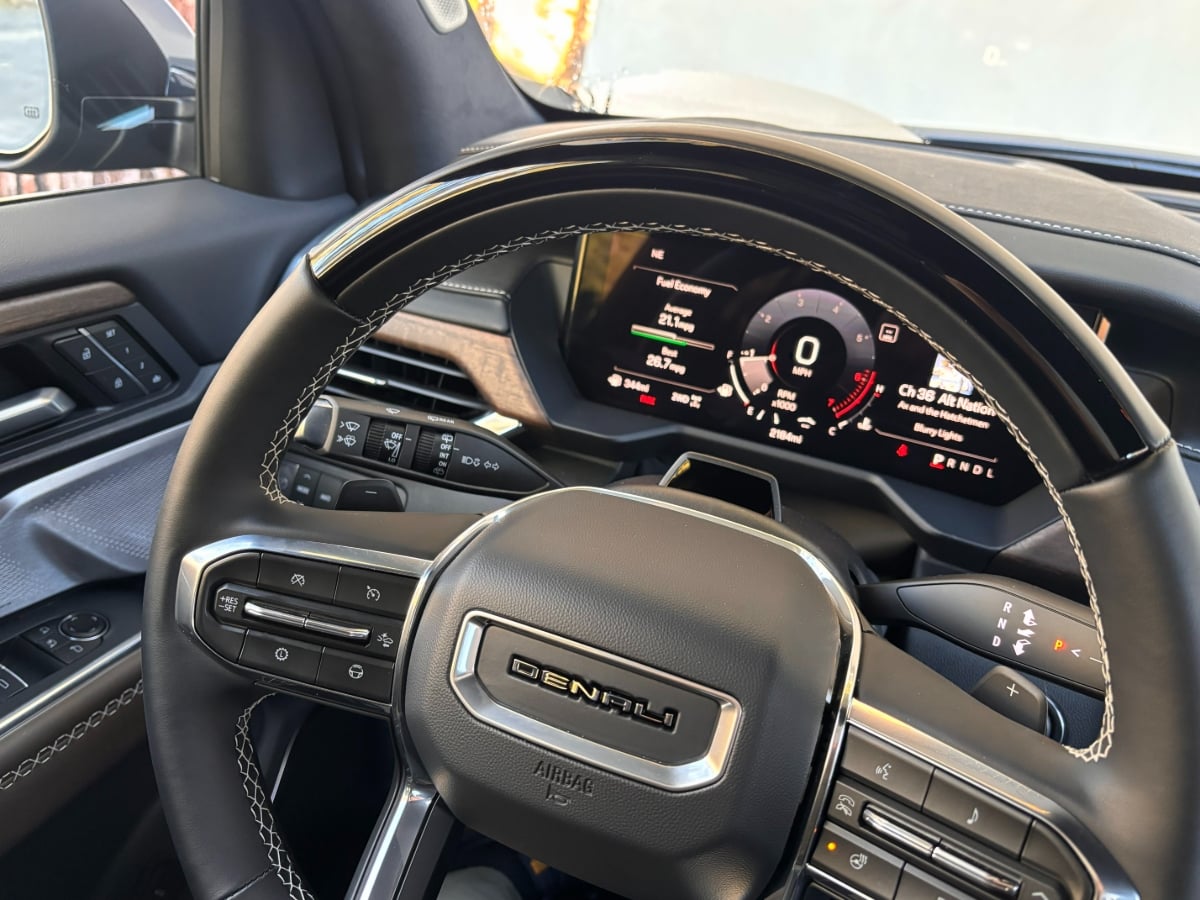
Photo: James Riswick
Such journeys on wide open highways are made even better by the Denali Ultimate’s standard Super Cruise hands-free highway driving-assist feature (optional on other trims). As in other GM vehicles, this excellent system does exactly what is promised. It effectively drives for you on controlled-access highways, but it requires you to keep your eyes on the road should you need to take over. Big lights on the wheel make it obvious when that is necessary.
Otherwise, the Denali Ultimate comes standard with the same expansive suite of well-executed advanced driver assistance systems (ADAS) as other Acadias. It includes:
There is nothing to report here. All ADAS in the test vehicle seemed to do their jobs without hyperactive alerts or false alarms. Even the lane keeping assistance was tolerable on all but the tightest mountain roads. I also appreciate that GM’s Safety Alert Seat buzzes your butt when you get too close to a line, rather than beeping or jerking the wheel. All told, this is a terrific safety tech suite.
The Insurance Institute for Highway Safety (IIHS) also named the Acadia a Top Safety Pick for the 2025 calendar year, citing its high scores in its crash protection and prevention tests. Meanwhile, the National Highway Traffic Safety Administration (NHTSA) also gave the 2026 Acadia five out of five stars for overall crash protection.
According to the JD Power 2025 Initial Quality Study (IQS), the Kia Telluride ranks highest in the Upper Midsize SUV segment. The Subaru Ascent ranks second, and the Hyundai Palisade and the Nissan Pathfinder rank third (in a tie).
According to the JD Power 2025 Automotive Performance, Execution and Layout (APEAL) Study, the Dodge Durango and Hyundai Santa Fe rank highest (in a tie) in the Upper Midsize SUV segment. The Chevrolet Traverse is the next highest-ranked model.
Other 2026 Acadia competitors include the Ford Explorer, Honda Pilot, and Mazda CX-90.
According to verified owners, the Acadia earns an award as the highest-ranked model in its segment in the 2025 Vehicle Dependability Study.