See answers to common EV questions, tax incentives, charging maps & more.
Explore EV
20
28 - 29
277
8 speed, Automatic w/OD
Intercooled Turbo Regular Gasoline I-4
All Wheel Drive, Front Wheel Drive
Changes are light for the 2026 Hyundai Santa Fe, but they are not inconsequential. A conventional eight-speed automatic transmission replaces the old automated manual, which could mean smoother operation in certain driving scenarios. The handy second wireless smartphone charger is now available down to the XRT and Limited trim levels, while the SEL and XRT gain third-row USB ports. Also, the Limited trim level now comes standard with captain’s chairs. The bench seat is now optional.

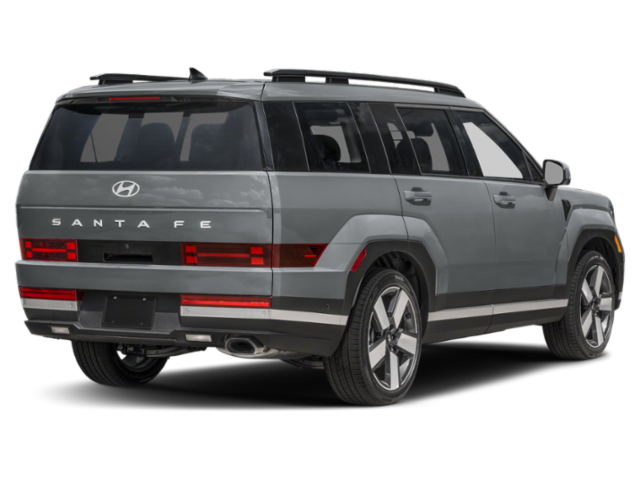
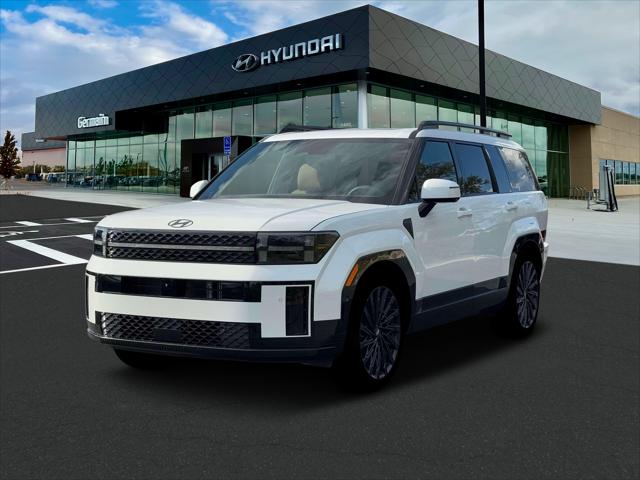
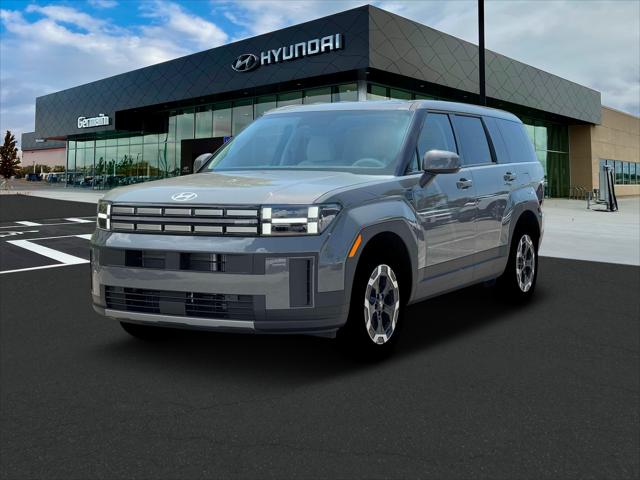
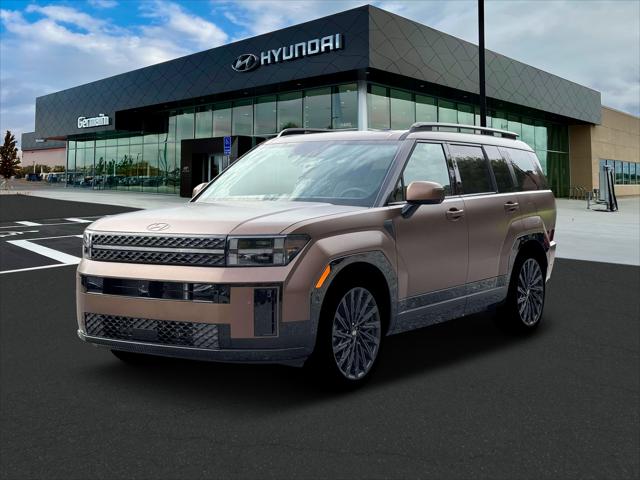
The 2026 Hyundai Santa Fe is a midsize three-row crossover SUV, but that description is a little deceptive. It is closer in length to the two-row models, yet its third row adds functionality. However, that third row is not as spacious as in other three-row SUVs. It is in the middle, and as Goldilocks taught us long ago, being in the middle could be just right for many shoppers. If you only occasionally use the third row, the Santa Fe could be a perfect choice.
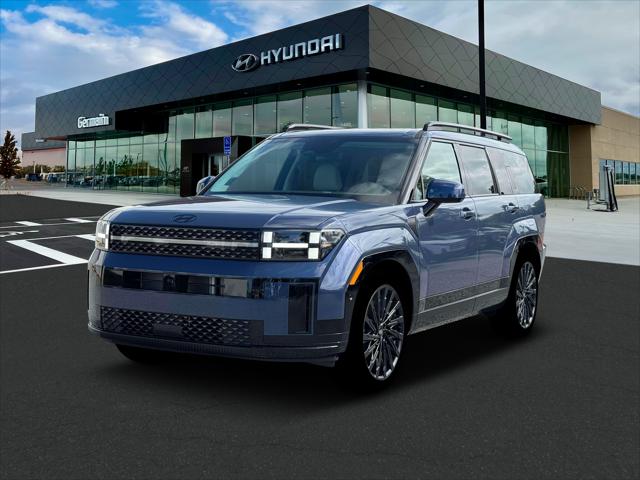
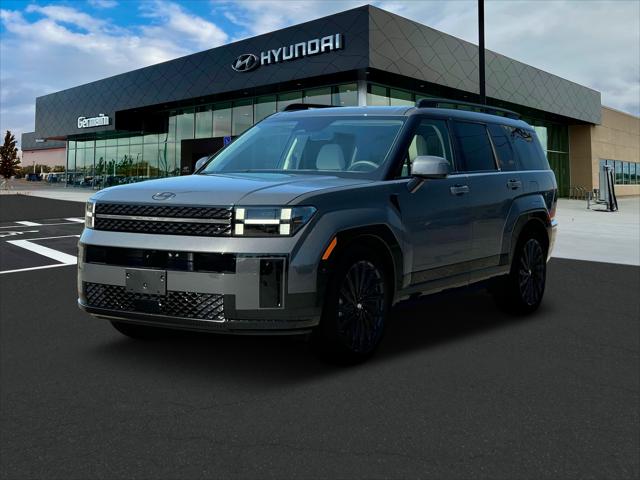
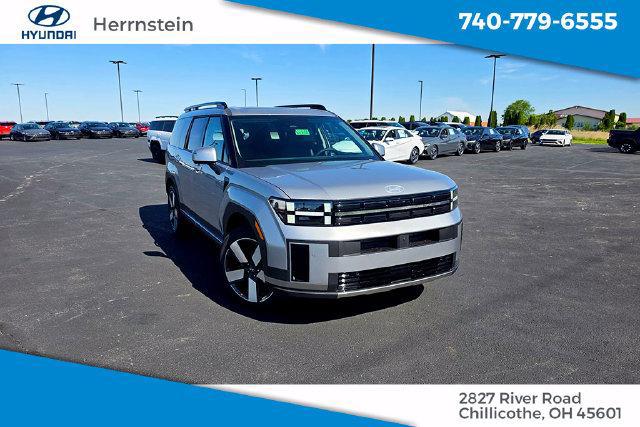
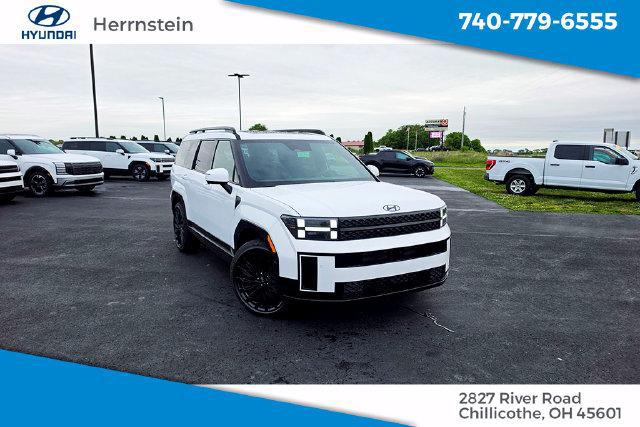
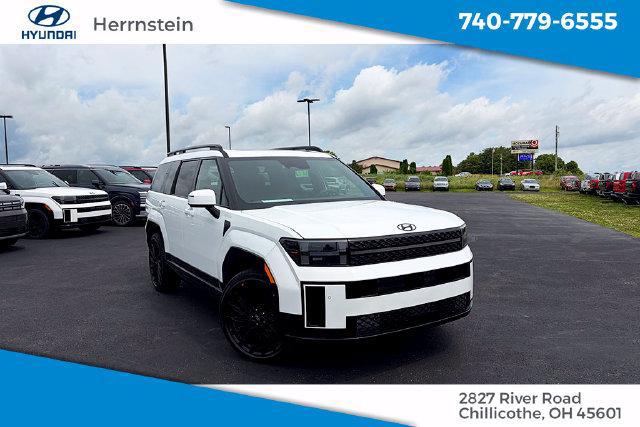
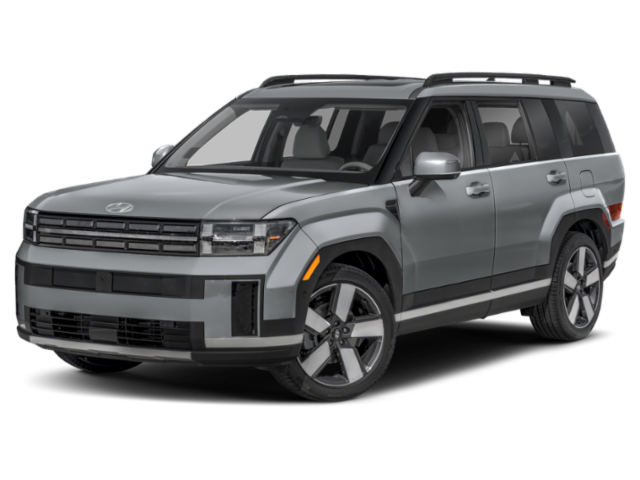
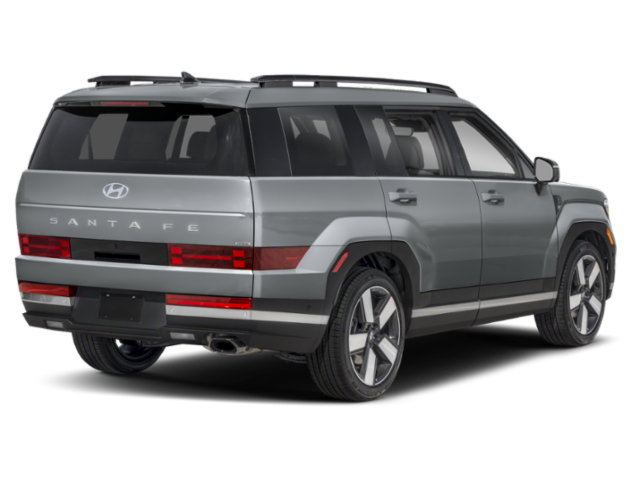
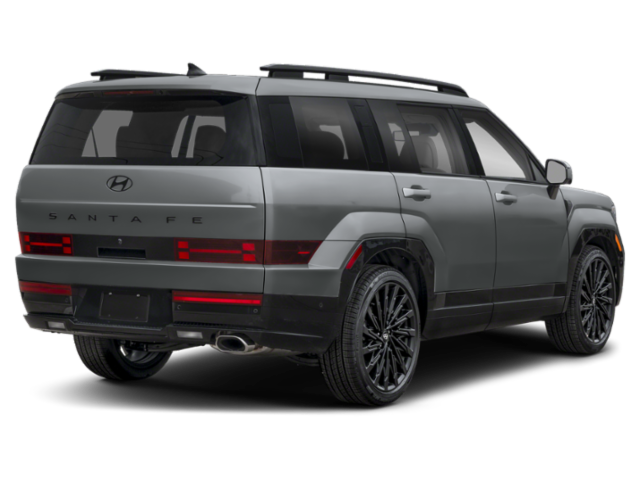
The Santa Fe is also quite boxy, which allows it to make full use of its space. It creates a distinctive look with details that vary by trim. The XRT, Limited, and Calligraphy feature different trim pieces (black or bright) in different locations, plus distinct wheel designs and grille inserts. It is also worth noting that the 2026 Santa Fe offers a refreshingly diverse selection of actual colors.
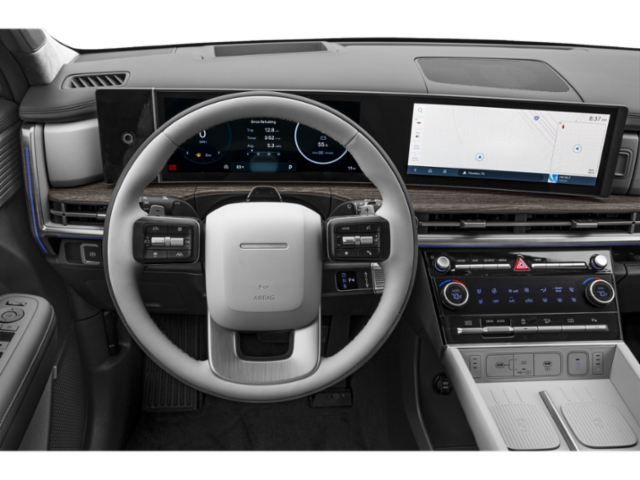
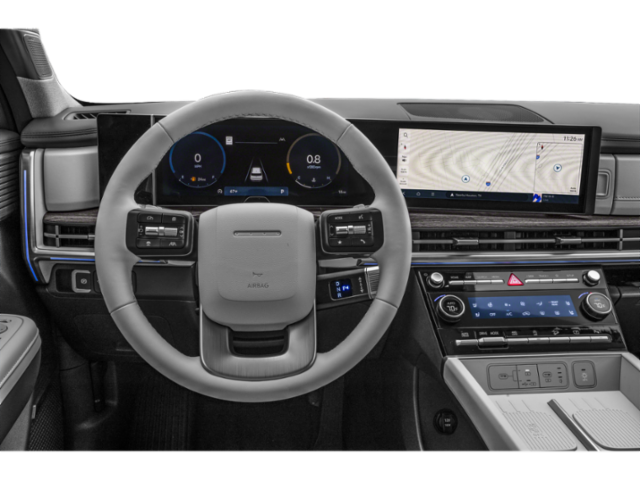
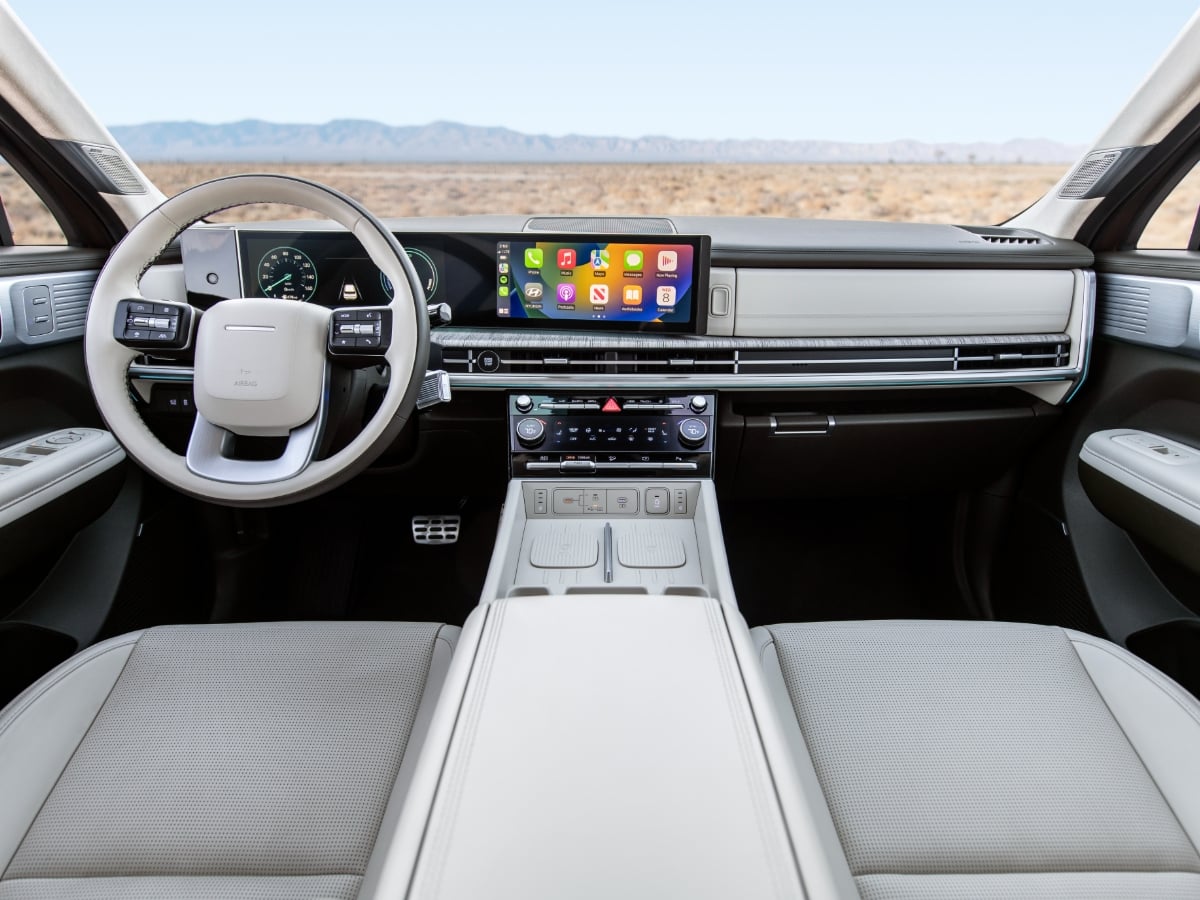
The design is clean and modern, with plenty of controls outside the touchscreen. However, many are still touch-sensitive and can be difficult to operate without looking away from the road. Feature content and cabin storage are both excellent, with the dual wireless chargers being a standout feature on both fronts (the SE trim has only one charger).
Every Santa Fe has a pair of screens in a single housing that are dedicated to the instruments and infotainment system. However, the feature content and the instrument panel’s design and functionality differ by trim level. The system is generally easy to use and benefits from physical menu shortcut buttons and from the climate controls being housed in a separate panel. Wireless Android Auto and Apple CarPlay smartphone mirroring are standard on all trims.
So is a comprehensive array of safety technology. In addition to the usual forward collision warning and lane keeping assistance features, the Santa Fe goes further with standard blind spot warning, parking sensors, a driver monitoring system, and intersection turn assistance added to the forward collision warning system.
The Santa Fe also stands out for its two powertrains: a 277-horsepower, turbocharged gas-only engine and a 231-hp turbocharged hybrid. Both are available in SE, SEL, Limited, and the fancy-pants Calligraphy trim levels, but the rugged XRT is exclusively paired with the gas-only engine and all-wheel drive (AWD). Other trims offer the choice of front-wheel drive or AWD.
If the Santa Fe’s distinctive three-row size is appealing, the best alternative to consider is the Kia Sorento. Its specs and dimensions are very similar. The Toyota Highlander is another option, and like the Santa Fe and Sorento, it is offered in gas-only and hybrid versions. If the third row is not essential, the Honda Passport is a great choice, especially if you are digging the XRT’s more rugged vibe. Among larger three-row SUVs, it is hard to go wrong with Hyundai’s own Palisade.
Hyundai is the source of information in this article. It was accurate as of December 17, 2025, but it may have changed since that date. Always confirm product details and availability with the automaker’s website or your local dealership.
James Riswick has been testing and reviewing cars since 2007, serving as an editor at Edmunds.com and Autoblog. In addition to jdpower.com, he has also contributed to Autoguide Magazine, Autotrader, Capital One Auto Navigator, Car and Driver, and Hagerty. He resides in Southern California and owns a 1998 BMW Z3, a 2013 Mercedes-Benz E350 Wagon, and a 2025 Cadillac Optiq.