See answers to common EV questions, tax incentives, charging maps & more.
Explore EV
17 - 19
17 - 24
310
8 speed, Automatic
Turbocharged Gas I4
Four Wheel Drive, Rear Wheel Drive
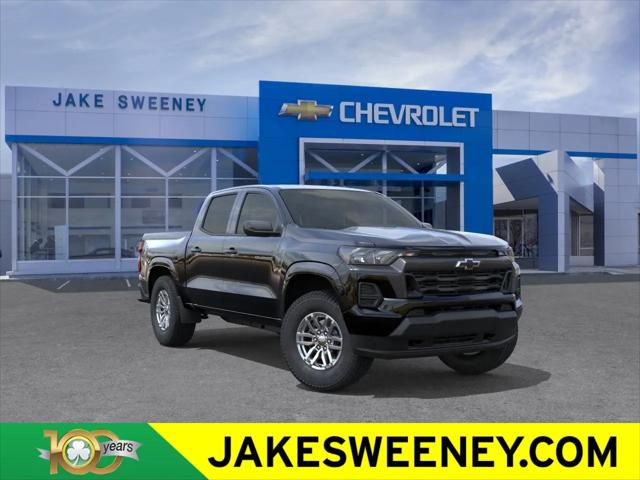
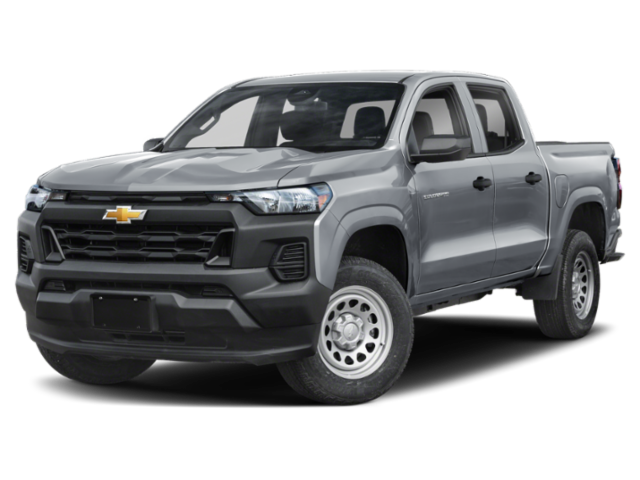
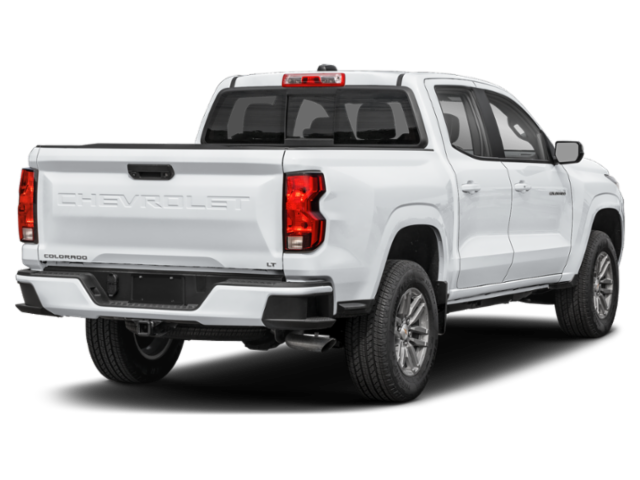
Value is the name of the game for the 2026 Chevrolet Colorado, but it comes at the expense of poor fuel economy and an overall lack of refinement and sophistication. Still, in the midsize pickup truck segment, the 2026 Colorado offers appealing design, a powerful turbocharged engine, and commendable towing and off-roading capability at a nice price.
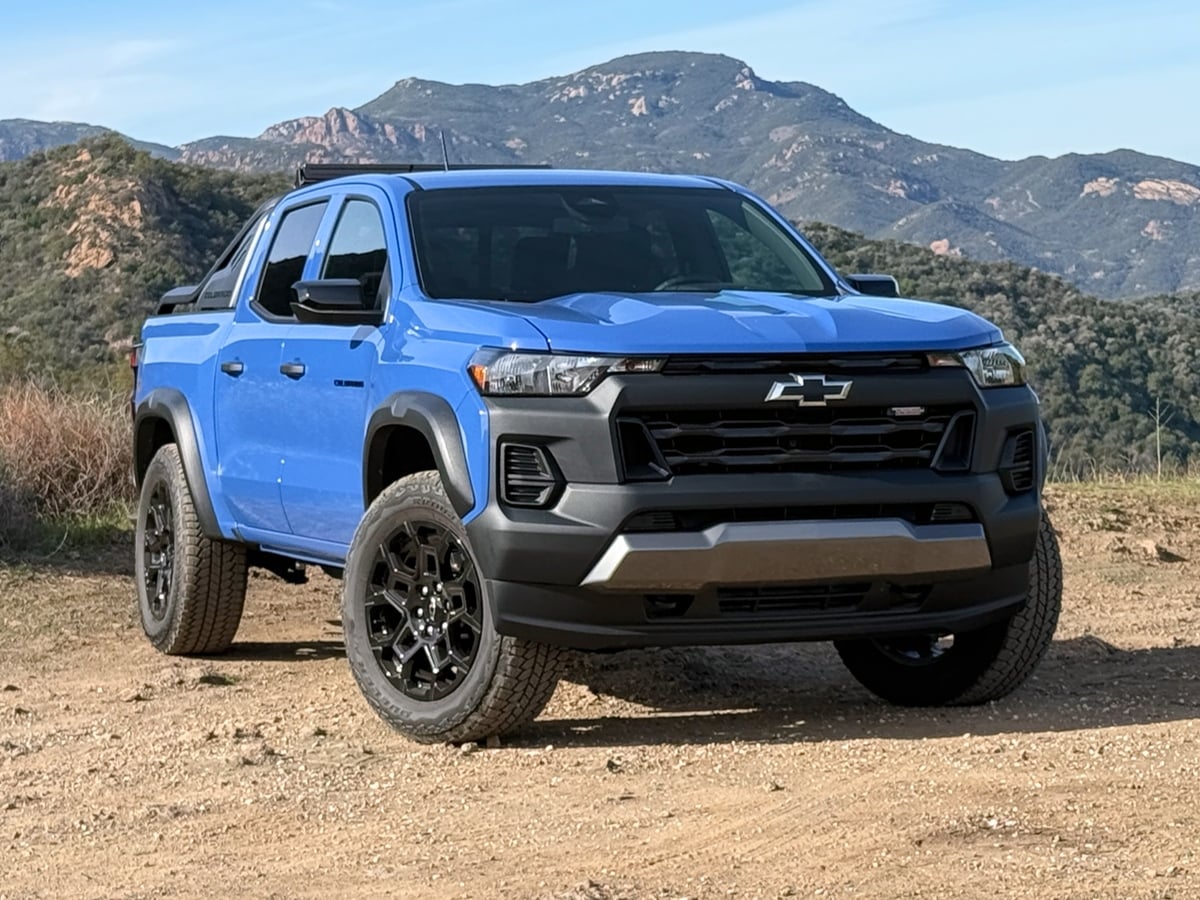
Photo: Christian Wardlaw
For the 2026 model year, the Colorado receives a few changes. A new Custom trim level adds a sporty look to the base Work Truck (WT), and Chevrolet offers a limited-production Stars & Steel special edition to commemorate the 250th anniversary of the United States. The rugged Colorado ZR2 is newly available with a suspension lift kit, while the Bison version offers a hot-stamped Boron steel underbody shield. Otherwise, the only other modification is a new White Sands paint color.
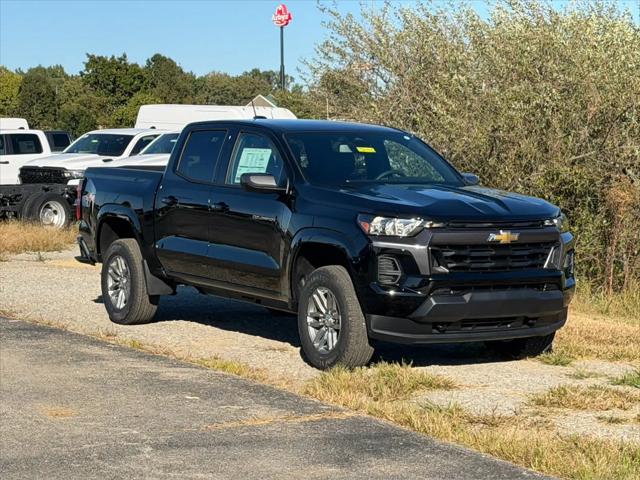
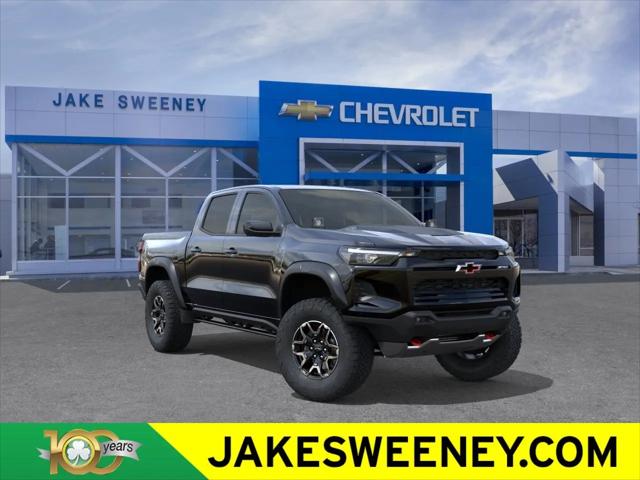
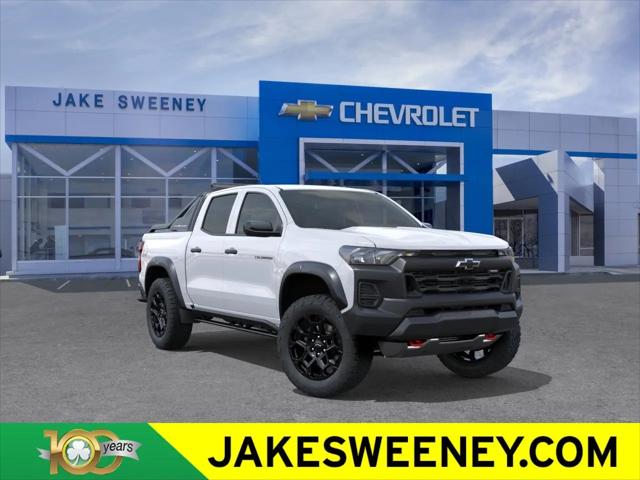
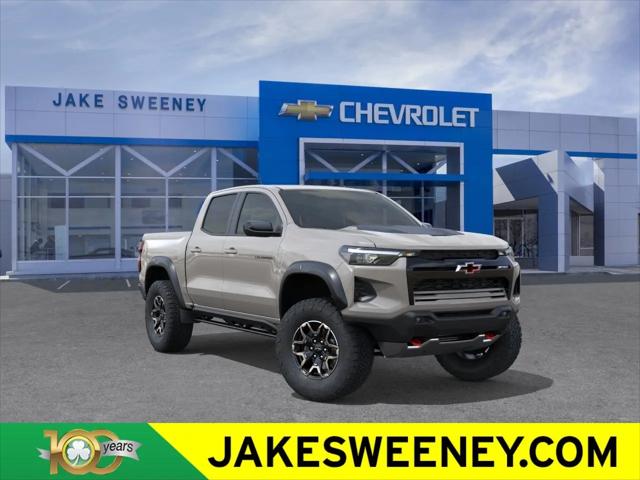
Chevy keeps the 2026 Colorado simple by offering it only as a crew cab equipped with a short cargo bed, a turbocharged four-cylinder engine, and an automatic transmission. Half the trims also have standard four-wheel drive (4WD). Those with two-wheel drive (2WD) include the base WT, new Custom, and midgrade LT. The 4x4s are the Trail Boss, Z71, and ZR2. A Bison Edition package is available for the ZR2, transforming the Colorado into an extreme off-roader. Prices range from $34,495 to $64,495, including the destination charge.
For this 2026 Colorado review, Chevrolet provided a test vehicle equipped with Trail Boss trim and the following options:
The test vehicle’s manufacturer suggested retail price (MSRP) was $50,780, including the $2,095 destination charge to ship the pickup truck from the Wentzville, Missouri, assembly plant to a local dealership. The price does not reflect any current rebates, incentives, or price adjustments since Chevrolet manufactured the test vehicle.
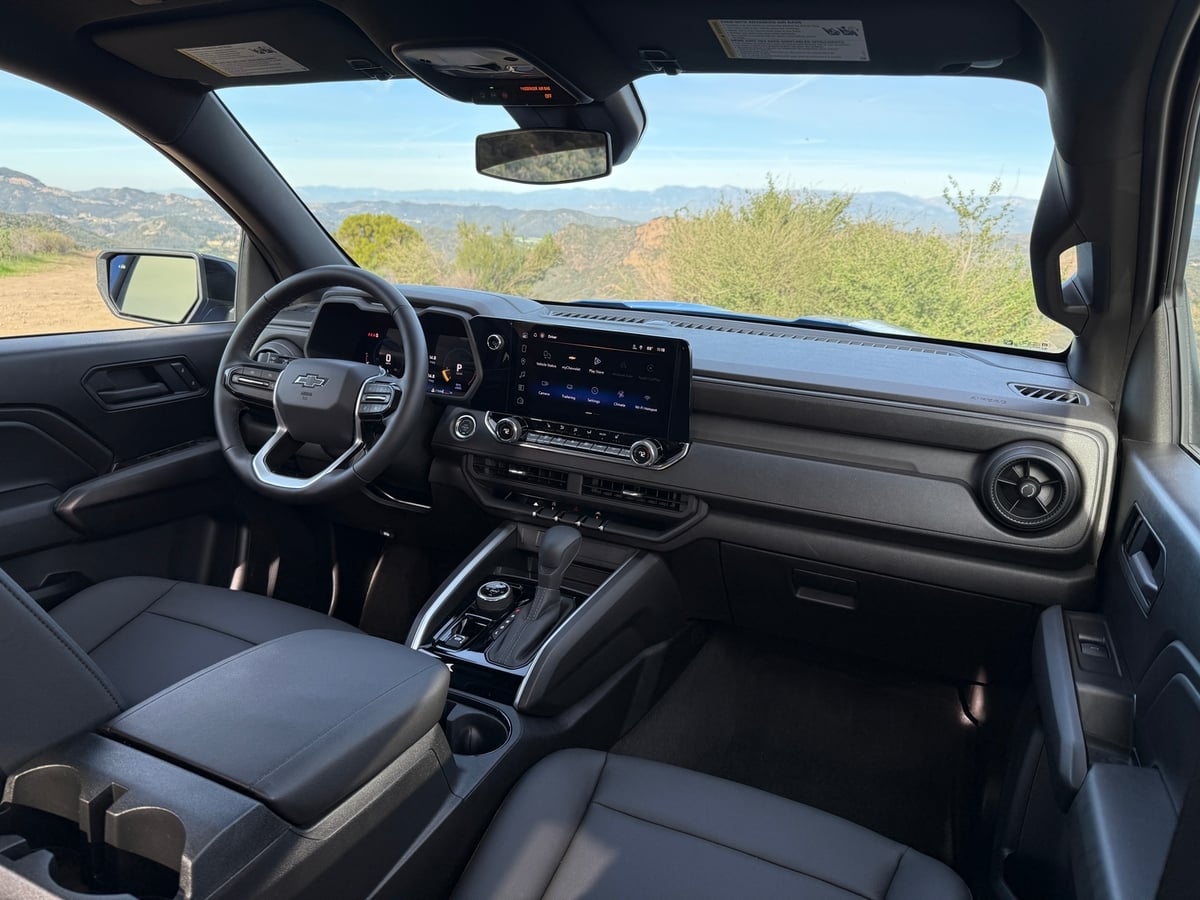
Photo: Christian Wardlaw
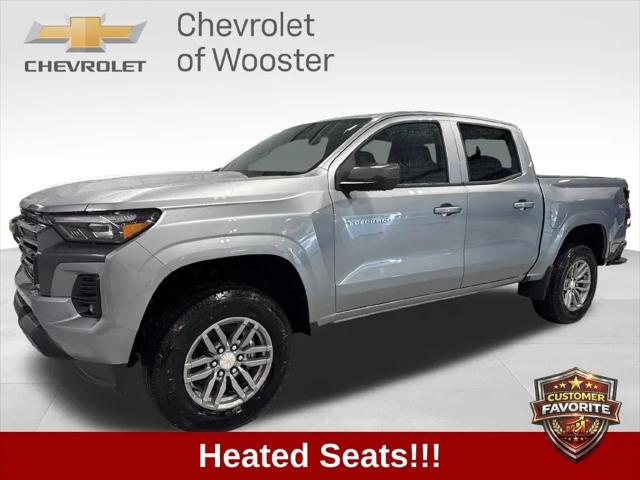
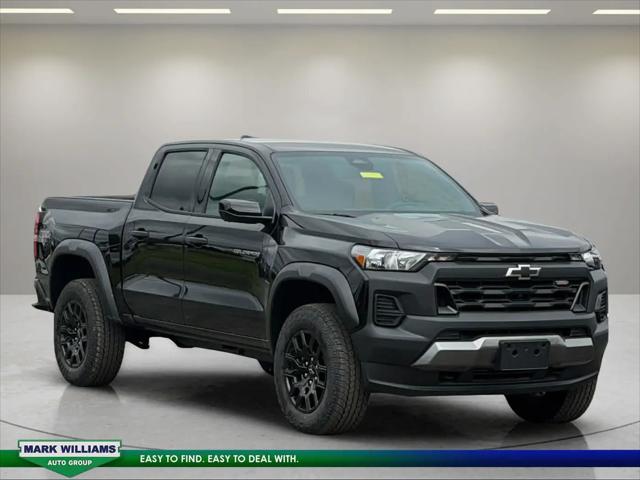
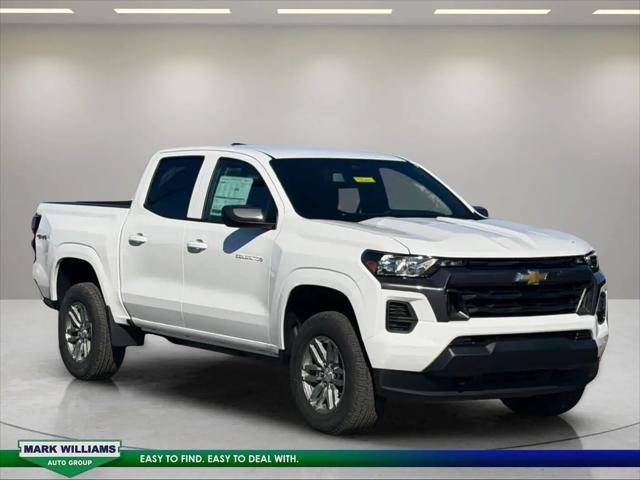
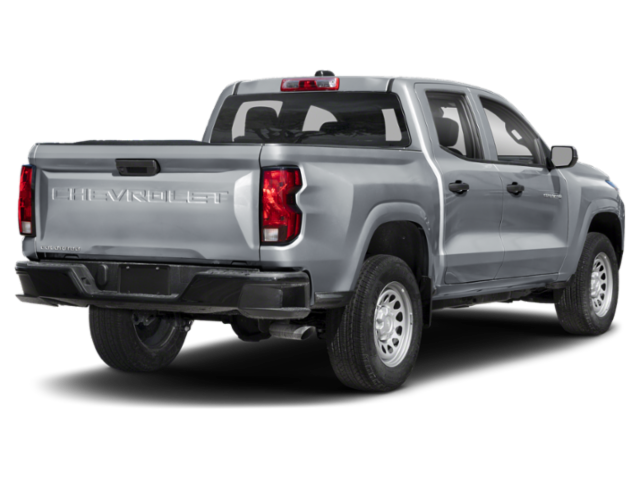
I think the Colorado is a good-looking truck. At its core are clean design and balanced proportions, dressed up with box-flared fenders, a chiseled tailgate, and, with the Trail Boss, blacked-out detailing with a side of extra ruggedness. It looks like a stylish tool, one you will not be afraid to use.
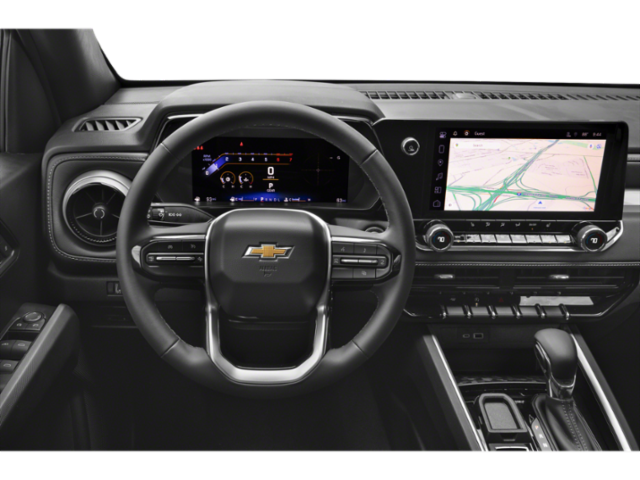
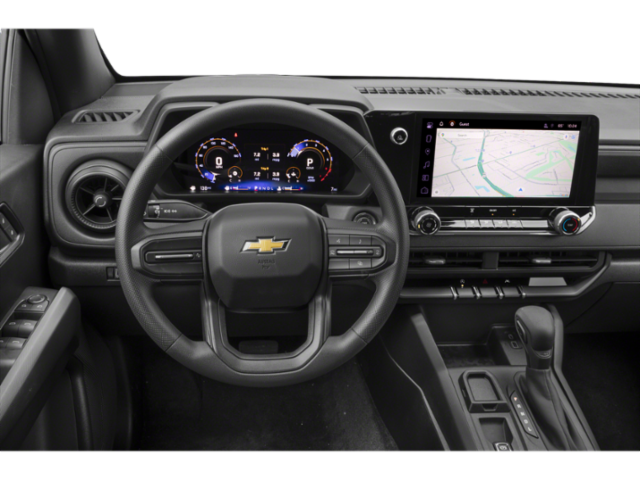
Inside, the Colorado offers more of the same, with a surprisingly high level of standard technology. The flimsy, glossy interior materials and bleak interior mood reflect the truck’s affordable price, a trade-off you will make for more affordable payments. The control layout is simple enough, but there is no headlight switch, and the wipers are hard to use with accuracy. Those odd stumbles are marring an otherwise appealing execution.
My test truck had soft and durable-feeling Evotex upholstery, which is Chevy’s artificial leather. It covered seats that included eight-way power adjustment for the driver and heated cushions that kept me warm on chilly days. The heated steering wheel was a benefit, too. Driver comfort is excellent, but the front passenger suffers from a low-mounted, four-way manually adjustable seat.
If the complaints from my teenagers are any indication, rear passengers likely will not be happy, either, and not just because the Trail Boss lacks rear charging ports. The back seat is too soft and low, and knee room is in short supply.
Carpeted floor mats are standard in the Colorado Trail Boss, a mistake given this truck’s mission as an affordable off-roader. Fortunately, the optional all-weather floor liners are not expensive. You will want them if you plan to be a boss on trails.
There is little storage space inside the Colorado. The test truck had a wireless smartphone charger located forward of the shifter and a set of decent cupholders. Still, the bin under the center armrest is not very accommodating, and Chevy does not provide a tray on the dashboard or in front of the passenger. The situation behind is worse. Also, while the rear seat cushions flip up to provide access to storage under the seat or to securely accommodate bulkier items in a locked cab, there is not much room to work with.
With its short cargo bed, there is also a lack of room for hauling stuff. At least the standard CornerStep rear bumper design makes it easier to climb aboard to secure whatever you are carrying using the eight cargo tie-downs. The Trail Boss also has a remote-locking EZ Lift-and-Lower tailgate that lowers softly, and it includes a StowFlex inner storage compartment with plastic latches that feel like they will snap off the moment the warranty expires.
Depending on the trim level, a Colorado can carry between 1,151 and 1,684 pounds of payload.
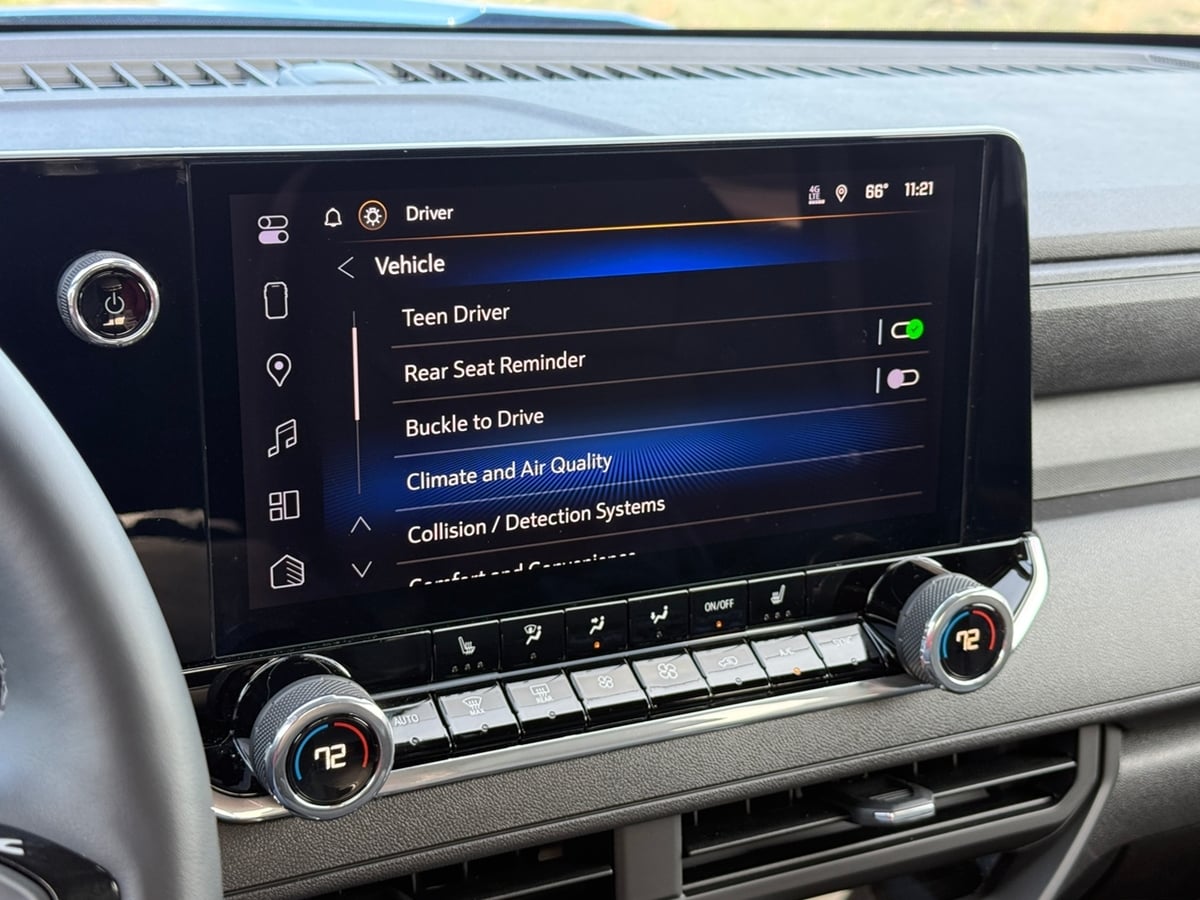
Photo: Christian Wardlaw
Every 2026 Colorado has a configurable 11-inch digital driver display paired with an 11.3-inch touchscreen infotainment system that includes:
Considering that even the bare bones Colorado WT features this technology stack, it is an impressive offering that helps to make up for the skimping on interior quality. The displays are functional rather than flashy, which makes them easy to reference and use. Unfortunately, the Trail Boss delivers distorted bass through mediocre speakers, and no factory upgrade is available.
Unexpectedly, the Google Assistant missed a couple of easy lay-ups when testing voice commands. In response to “Where is the nearest Starbucks?” and “Where is the closest Chipotle?”, the digital voice assistant said it could not understand me. Switching to “Give me directions to a Starbucks” and “Navigate to a Chipotle” produced the desired results, but the initial fail was genuinely unexpected given the Google Built-in technology.
Fortunately, Google Assistant redeemed itself for the rest of my queries and commands, except for a request to play reggae music. The goal is for the system to recognize Channel 19 on SiriusXM and play Bob Marley’s Tuff Gong Radio. Instead, it wanted me to log into a music-streaming app to listen to the genre. Most vehicles flunk this test, so I make it simpler by telling the assistant I want to listen to Bob Marley on SiriusXM. That sometimes produces the desired result, but it did not in the Colorado.
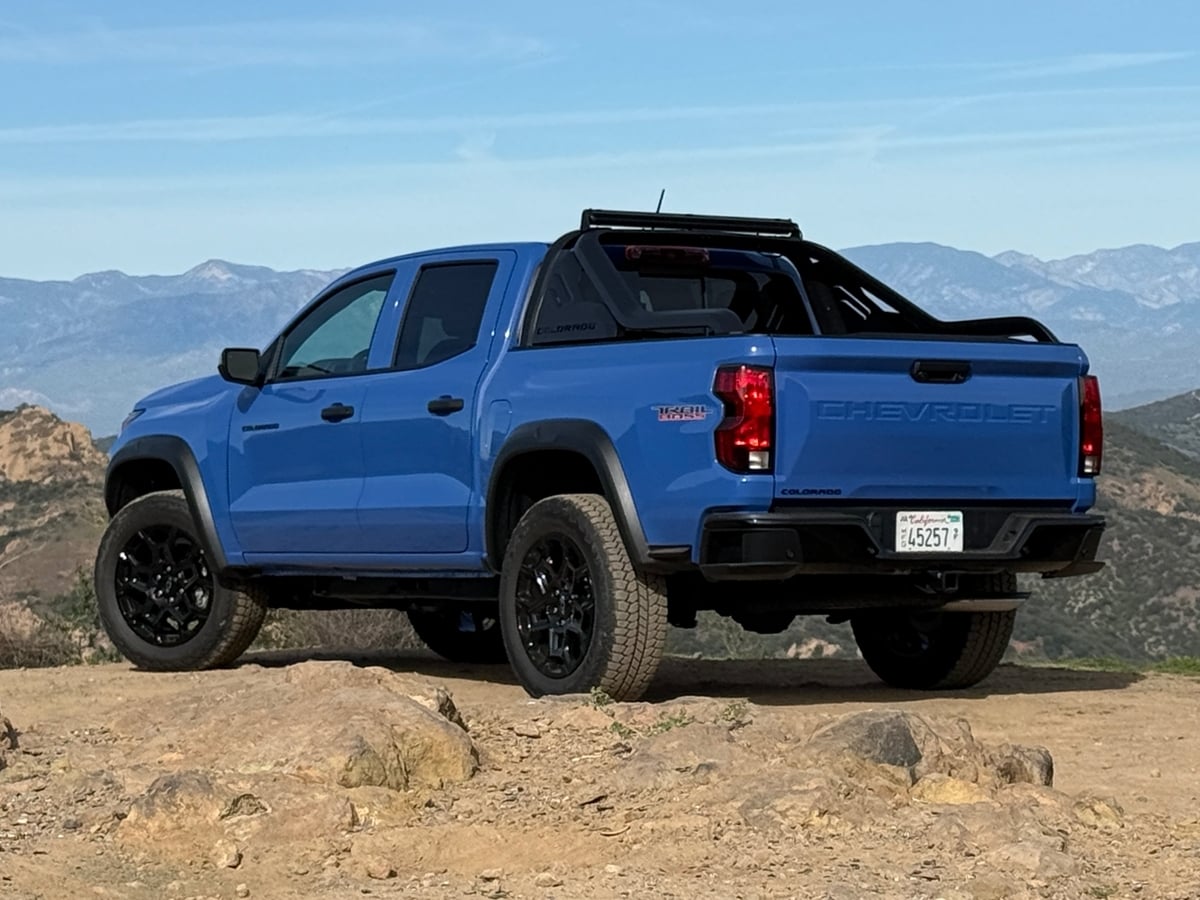
Photo: Christian Wardlaw
TurboMax is Chevy's term for its turbocharged 2.7-liter four-cylinder engine. In the Colorado, it produces 310 horsepower and 430 pound-feet of torque, and pairs with an eight-speed automatic transmission. The transmission frequently shows reluctance to downshift to deliver more power for hill climbing or passing slower vehicles. The engine and exhaust note are off-putting, too.
My bet is that Chevy tunes the automatic to keep engine revs low unless it is absolutely necessary to leverage the maximum output. Why? Unless you drive the Colorado with a light foot on the accelerator, it guzzles gas. The official Environmental Protection Agency (EPA) rating for a Trail Boss is 19 mpg. I averaged 17.5 mpg driving the truck in its automatic 4WD mode on my mountainous Southern California testing loop.
Chevrolet bases the Trail Boss on the Custom trim level, adding a more rugged appearance, standard 4WD, and an off-road suspension with a wider stance and a 2-inch lift. Hill descent control and a Terrain driving mode are also standard, along with an Advanced Trailering package. It equips the Trail Boss with upgrades such as a trailer brake controller and an automatic locking rear differential to make the most of the truck’s 7,700-pound towing capacity.
Thanks to its all-terrain tires and more generous clearances, you need not worry too much about bumps, holes, curbs, parking blocks, drainage dips, and other urban threats to your vehicle’s wheels or lower extremities. The Trail Boss mows right over everything, but it has an always stiff, often jarring, and occasionally brutal ride.
The Trail Boss is not aerodynamic, either, so it generates a fair degree of wind noise at highway speeds. And even when you are traveling on what seems to be a smooth highway, the suspension transmits nearly every nuance of the surface as a vibration, shudder, or skitter.
During testing week, the local mountain roads were frequently wet. The Colorado’s automatic 4WD setting makes a big difference and you can sense the front wheels pulling the truck forward when accelerating out of a corner. In 2WD mode, the rear wheels spin easily without delivering much forward momentum.
Even in dry conditions, the all-terrain tires do not offer much grip, so it is best to keep cornering speeds to a minimum. Also, when driving over a repaired mid-curve section of pavement on the testing loop, the Colorado became so unsettled that the stability control system activated. That is a rare occurrence.
Head off-road and the Trail Boss demonstrates its reason for being. It seems unstoppable, but stop you will unless you have upgraded the truck with the optional Technology package, which has a high definition surround view camera system. My test vehicle did not have this upgrade, leaving me to my own devices as I navigated the path ahead.
Fortunately, the Trail Boss combines 9.5 inches of ground clearance with approach, breakover, and departure angles of 30.5, 21.0, and 22.4 degrees, respectively. Add impressive wheel articulation and it easily dispatched challenges on a trail I reserve for trucks like this one.
If it sounds like I did not enjoy driving the Colorado Trail Boss, that is not true. Except on the winding roads of the Santa Monica Mountains, it was a blast most of the time because it exudes a throwback, real truck authenticity. Chevy has not tried to soften or sanitize the driving experience, and that appeals to me. However, it might not appeal to you, so if you would rather not feel every single irregularity in the road, pick something else.
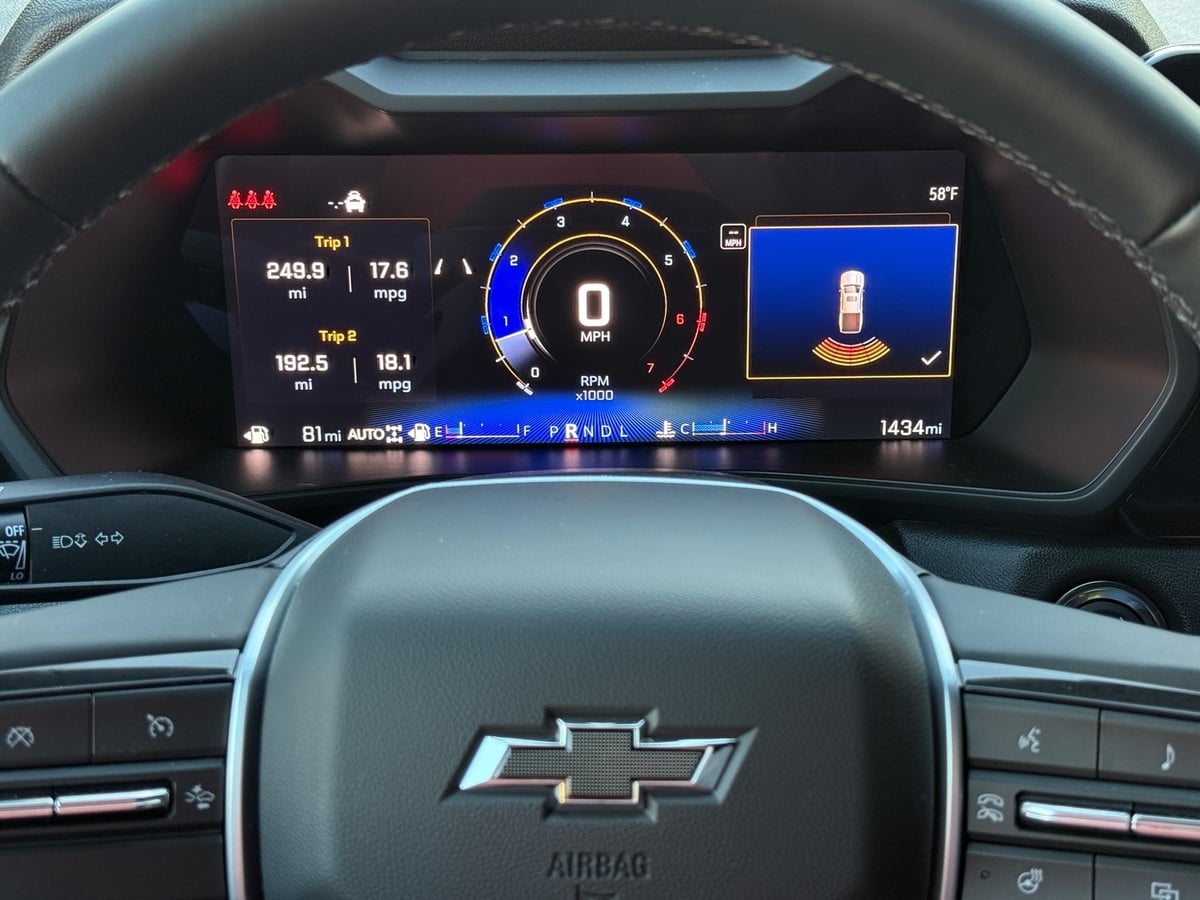
Photo: Christian Wardlaw
Chevrolet equips the 2026 Colorado with two standard safety feature packages. The first one is called Chevy Safety Assist, and it includes:
Additionally, a Safety package is standard, adding:
There are a few other standard safety-related features:
As with the in-cab technology, this is a surprisingly generous list of advanced driver assistance systems (ADAS), and both adaptive cruise control and a surround view camera system are available in an optional Technology package. Lane centering assistance is not available, and I did not miss it.
The last time I drove a current-generation Colorado, the forward collision warning system was downright hyperactive, ruining the experience. I could not travel down a sun-dappled street between my house and the nearest freeway without suffering through multiple warnings that I was about to hit something.
I am happy to report that this 2026 Colorado exhibited no such nonsense. The technology still seems overly eager to issue warnings, but not to the point that I ever dreaded driving the Colorado.
Unfortunately, the Trail Boss has truly horrible halogen headlights that cast a sickly, warm, yellowish glow after dark. For a few moments, I thought I was driving with only the running lights illuminated. Chevy offers several optional off-road lighting fixtures for the grille, hood, and roof, but proper LED headlights are not on the menu.
Crash test ratings could be better, too. The National Highway Traffic Safety Administration (NHTSA) gave the truck an overall rating of four stars out of a possible five, partly due to a mediocre three-star result for front-seat occupants in a side impact collision.
The Insurance Institute for Highway Safety (IIHS) was not impressed with the Colorado, either. The truck earned a Poor rating for its ADAS performance and a Marginal rating in the latest moderate-overlap frontal impact test.
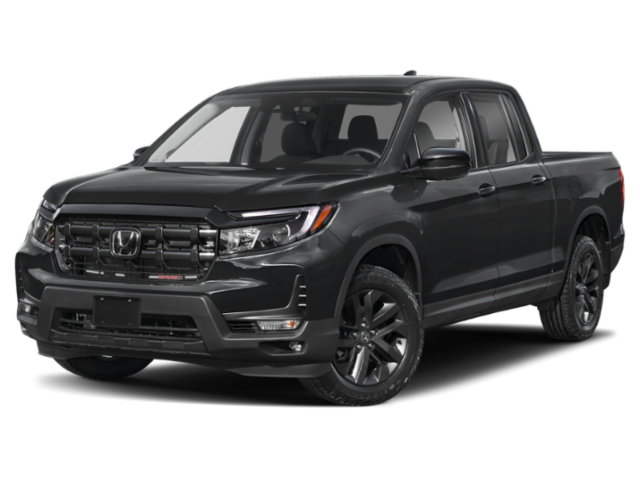
According to the JD Power 2026 Initial Quality Study (IQS), the Hyundai Santa Cruz ranks highest in the Midsize Pickup segment, with the Honda Ridgeline and Ford Maverick ranked second and third, respectively.
According to the JD Power 2025 Automotive Performance, Execution and Layout (APEAL) Study, the Hyundai Santa Cruz ranks highest in the Midsize Pickup segment, with the Chevrolet Colorado and Nissan Frontier ranked second and third, respectively.
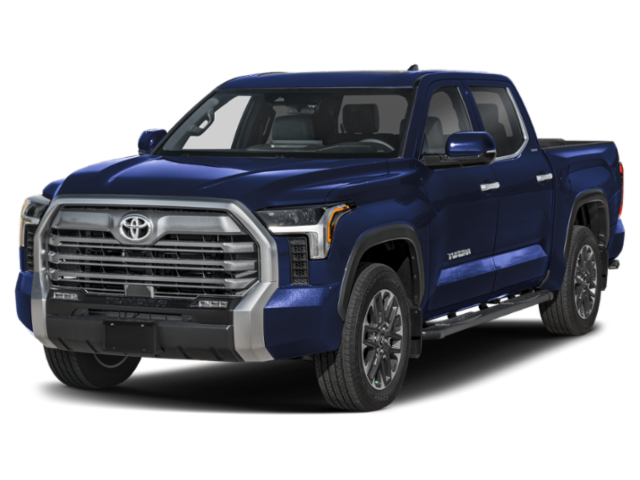
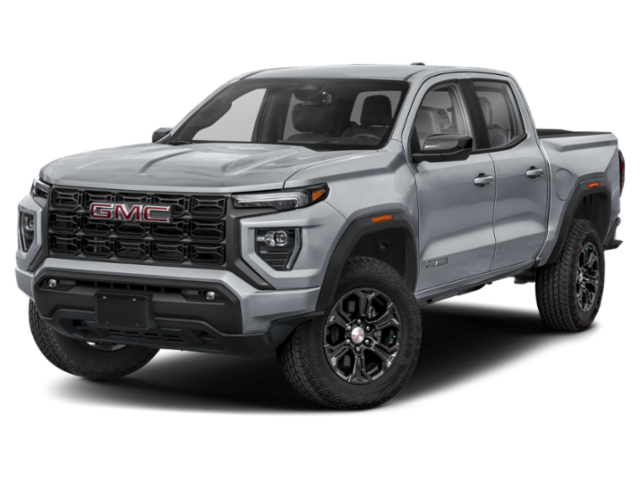
Other 2026 Colorado competitors include the Ford Ranger, GMC Canyon, and Toyota Tacoma.
This was my second test-drive of a Colorado since its most recent redesign for the 2023 model year. I liked it a lot more this time around. One reason is that the forward collision warning system was much less sensitive to shadows and other phantom alerts. But I am also having trouble warming up to the latest Ford Ranger and Toyota Tacoma, making the Colorado more appealing by default.
Still, there are some issues with Chevy’s midsize pickup truck. Fuel economy is the main problem, but the terrible halogen headlights and unimpressive safety ratings also deserve attention. The Trail Boss demands more configurability, too, like a better audio system, an LED headlight option, and upgraded interior materials. But it is easy enough to accept as-is in exchange for the reasonable prices.
Christian Wardlaw is a veteran automotive journalist with 30 years of experience in the field and has held automotive editorial leadership positions at Edmunds, JD Power, and The New York Daily News. Today, Chris owns a content agency called Speedy Daddy Media, and in addition to jdpower.com, his work appears on Capital One Auto Navigator, CarGurus, and Edmunds.