
A crew-cab truck is a pickup that has a full-size back seat and four doors. They’ve been around since the late 1950s, when International Harvester introduced the first crew cab truck, and they became popular in the 1990s as Americans increasingly bought pickups to serve as their primary vehicles.
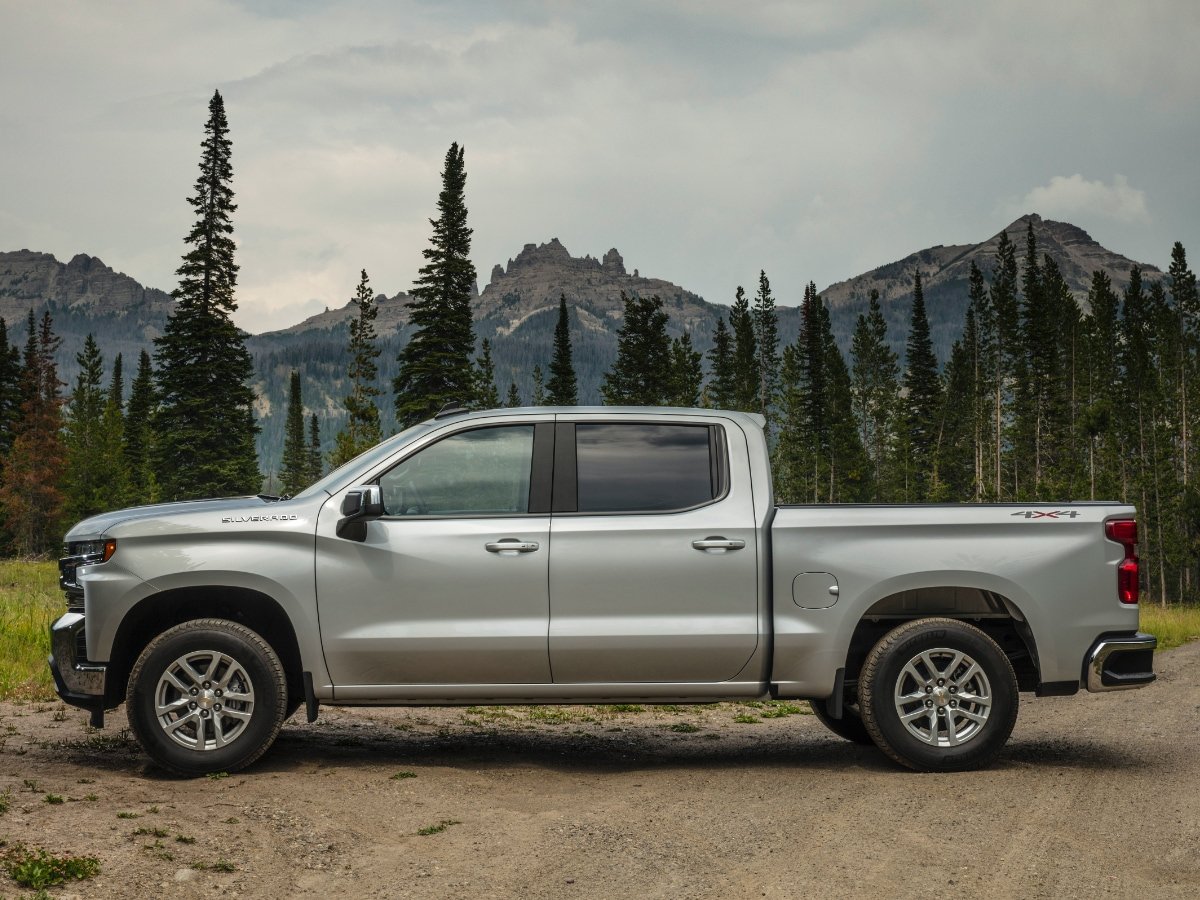
Today, crew cab trucks represent the majority of pickups sold in America, and some automakers no longer build the regular-cab trucks that defined the segment for decades.
A regular-cab truck is a pickup that has a front bench seat, or two individual bucket seats separated by a console. This type of truck can seat one or two people in addition to the driver and offers a small amount of storage space behind the seat. Chevrolet, Ford, GMC, and Ram are the only auto companies that still make regular-cab trucks.
An extended-cab truck is a pickup that has the same front seating as a regular-cab truck, but with a small bench seat or jump seats located behind them.
The rear seating in an extended-cab truck is cramped and best used for children. Adults can ride there for shorter trips, but they won’t be very happy about it. Typically, the benefit of an extended-cab truck is the extra covered and locked cargo space they provide behind the front seats. Owners access the space through rear doors that open conventionally or clamshell-style.
All of the pickup trucks on sale today come in an extended-cab style, except for the Honda Ridgeline. Chevrolet and GMC call them a Double Cab, Ford calls them a SuperCab, Nissan calls them a King Cab, Ram calls them a Quad Cab, and Toyota calls them an Access Cab.
In order to market their trucks in a unique way, some automakers call their crew-cab trucks by a different name. Crew Cab is the most common, but they also go by the names of SuperCrew (Ford), Double Cab (Toyota Tacoma), and CrewMax (Toyota Tundra).
Additionally, Ram sells a version of its Heavy Duty truck called the Mega Cab. A Ram Mega Cab has even more rear seat legroom than the company’s Crew Cab models, providing maximum passenger or interior cargo space.
Choosing a cab style for a new truck is dependent on several factors. The most obvious pertains to how many people you’ll need to carry in the truck. If you’re going to carry more than one or two passengers on a regular basis, a regular-cab truck is not going to work.
At the same time, light-duty crew-cab trucks are not offered with a long 8-foot cargo bed. They come with regular-length beds and short-length beds. Heavy-duty crew-cab trucks are available with long cargo beds, but they’re also more expensive. Therefore, if you’re on a tighter budget and need both a long cargo bed and rear seats to carry passengers on occasion, an extended-cab truck might be right for you.
The reason crew-cab trucks are so popular is because many people buy them for personal rather than professional use. They’re used for commuting, for carrying family members, for weekend do-it-yourself projects, and for towing toys to the desert or lake. Shorter cargo beds are fine for these uses and help to make a truck easier to maneuver in the suburbs where many of their owners live.


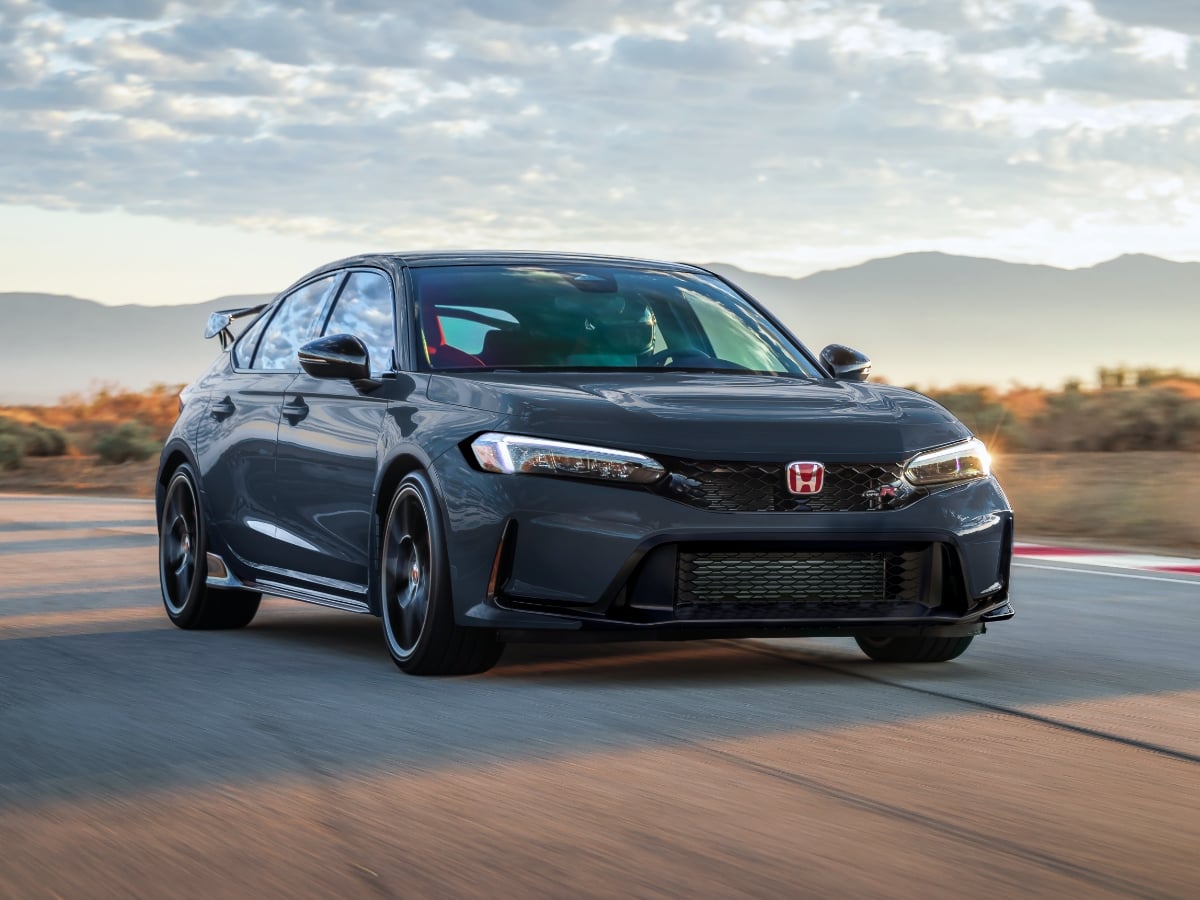
The 2027 Civic Type R goes on sale in October 2026, and it starts at $49,990, including the $1,295 destination charge.
Read the Full Article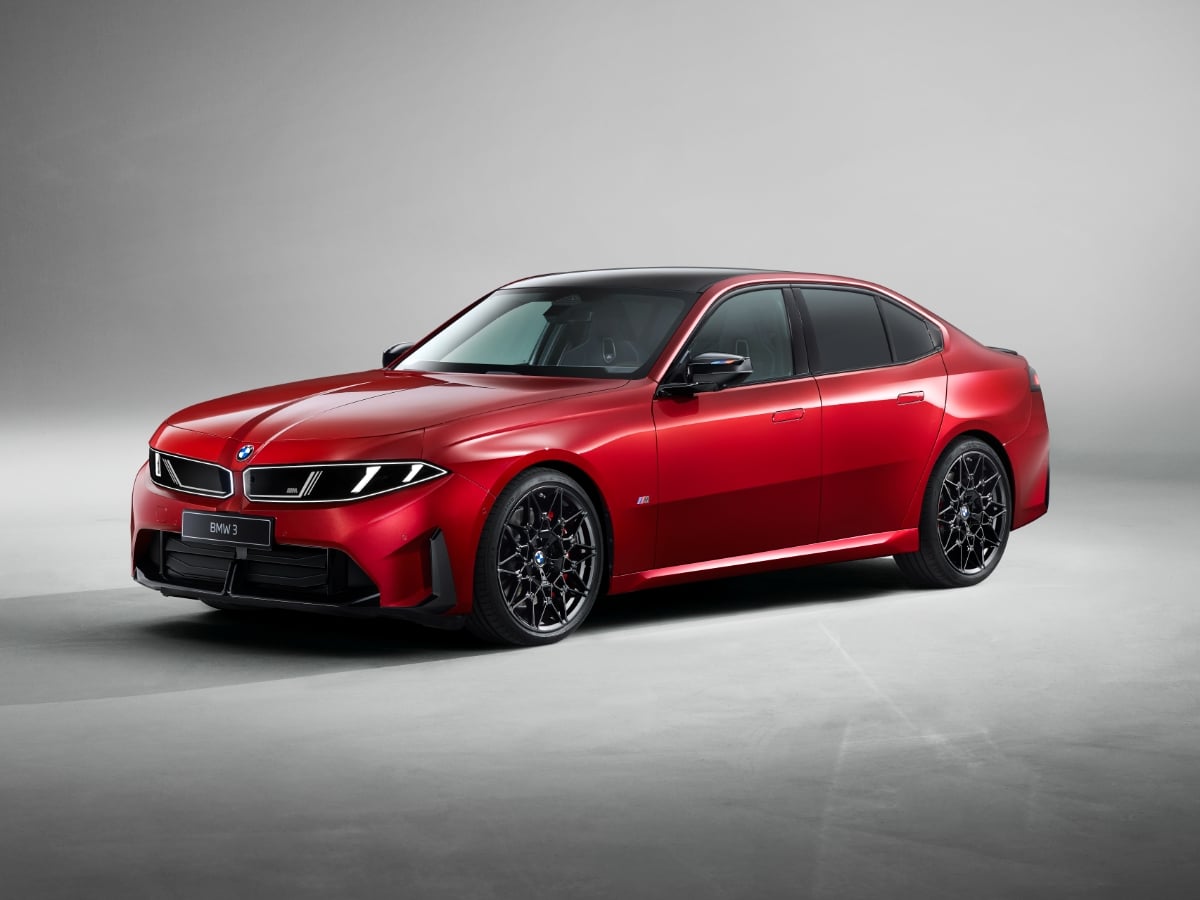
Part of BMW’s Neue Klasse (new class) rollout of redesigned models, the 2027 BMW 3 Series is all-new and goes on sale in the first quarter of 2027.
Read the Full Article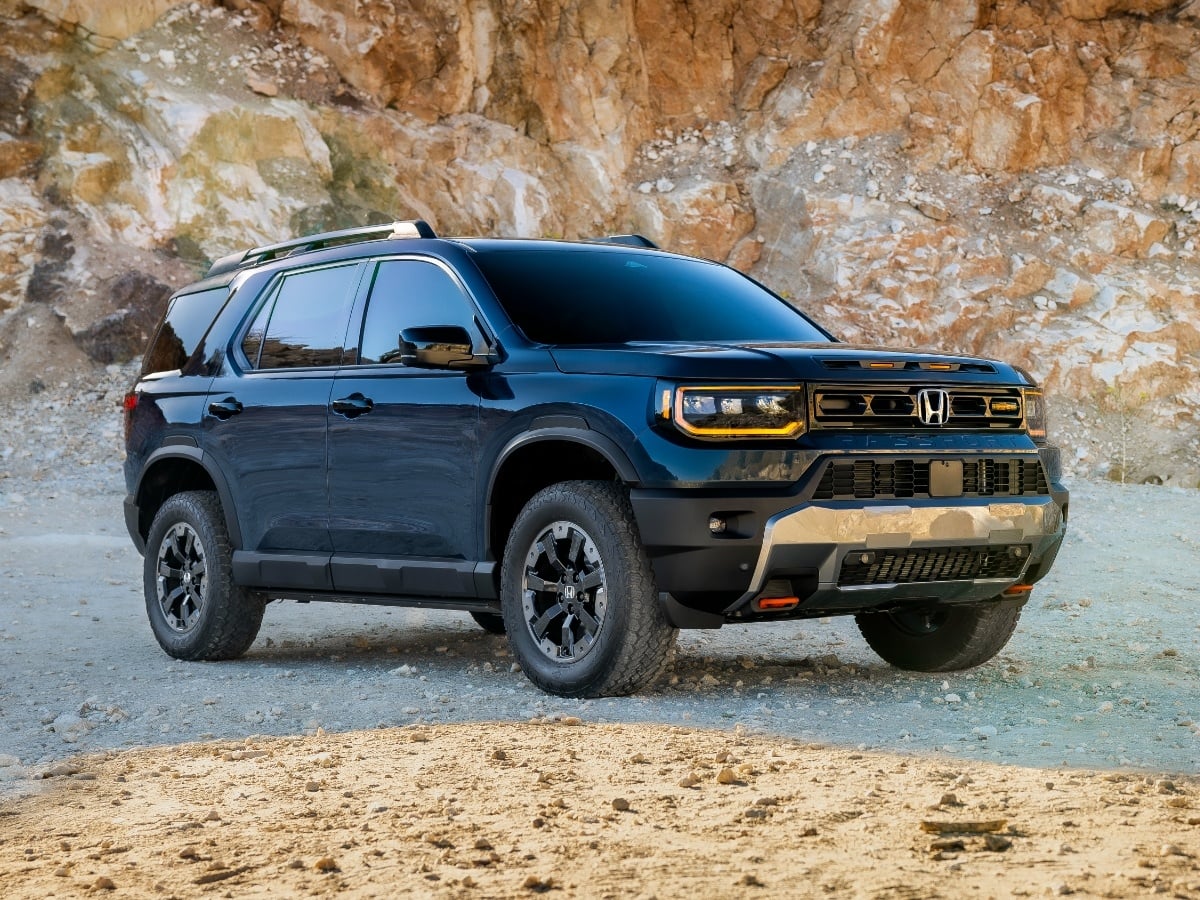
Updates to the 2027 Honda Passport TrailSport include a reworked suspension, improved steering, subtle styling enhancements, and added standard equipment.
Read the Full Article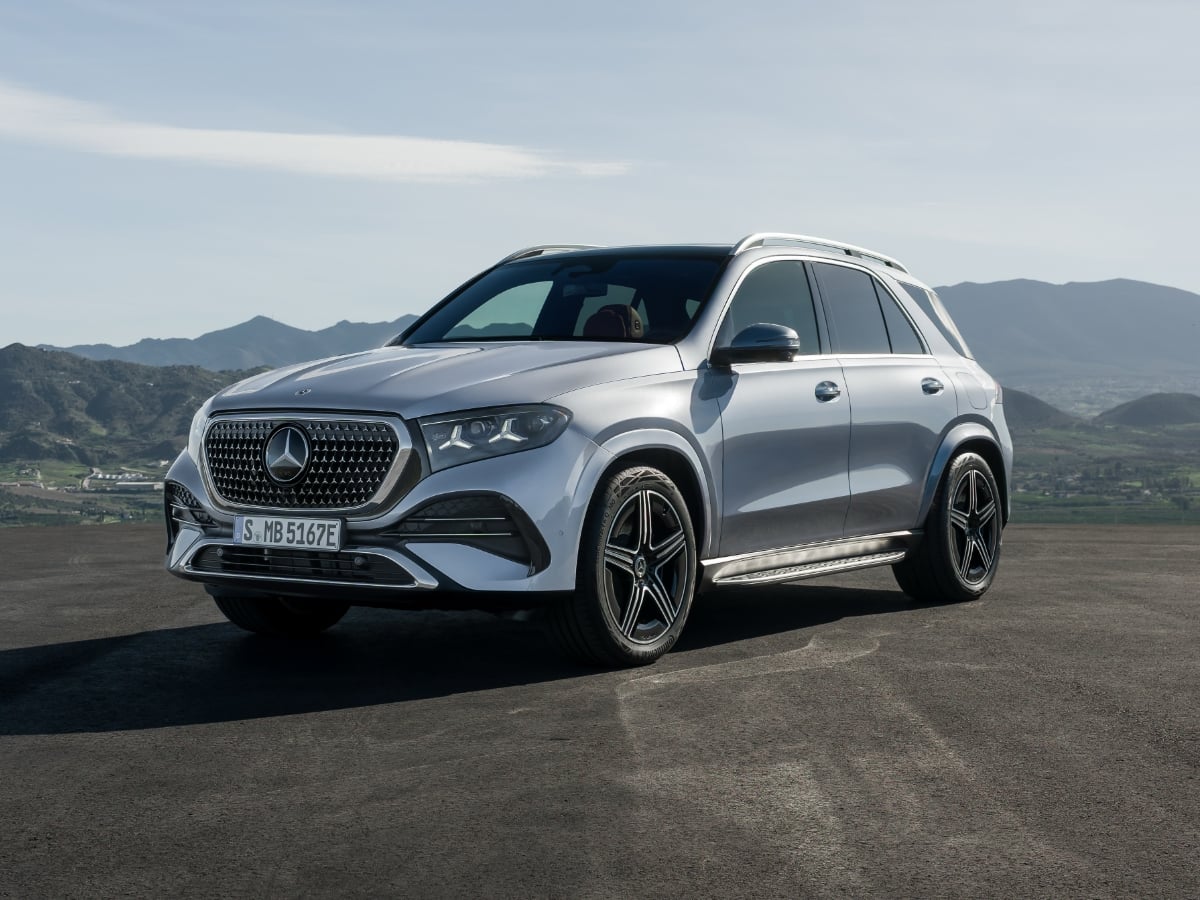
The midsize 2027 Mercedes GLE remains available in original and spicy Coupe recipes, now with standard 4Matic all-wheel drive (AWD), MBUX Superscreen technology, and a panoramic glass sunroof for ...See More
Read the Full Article