
Few rivalries in the electric-vehicle (EV) scene are as evenly matched as the one between the Tesla Model 3 and the Hyundai Ioniq 6. On the surface, these two all-electric sedans seem similar. They are sleek, efficient, and boldly futuristic. Both were built from the ground up as EVs on dedicated electric car platforms, and both aim to satisfy drivers seeking style, performance, and advanced technology. But look closer, and the subtle yet significant differences become clear.
After many years on the market, the Model 3 remains an EV benchmark, not because it is perfect, but because it continues to evolve. With its minimalist interior, thrilling acceleration, and software-first approach, Tesla keeps treating the car like a smartphone on wheels, a product that can get smarter with each update.
Hyundai has studied Tesla's strategy and responded with a car that also emphasizes technology but feels more traditional. The Ioniq 6 offers multiple configurations and a more user-friendly interface, all in a shape that clearly nods to its California-designed rival.
Of course, the devil is in the details. Both cars reflect the future of driving, but which one is best to add to your garage?

2026 Tesla Model 3
For the 2026 model year, Tesla offers the Model 3 in four versions: Standard Rear-Wheel Drive, Premium Rear-Wheel Drive, Premium All-Wheel Drive, and Performance All-Wheel Drive. The base Standard Rear-Wheel Drive (RWD) starts at $38,630, while the Performance All-Wheel Drive (AWD) is priced at $56,630. All prices include the $1,640 destination charge.
Ownership provides buyers with four years or 50,000 miles of roadside assistance. However, scheduled maintenance is not included. Each vehicle comes with a 30-day trial of Premium Connectivity, offering drivers access to live traffic updates and satellite view maps, among other features. After the trial ends, the system switches to Standard Connectivity, which includes basic navigation and free over-the-air (OTA) updates.
The 2025 Hyundai Ioniq 6 offers four trim options: SE Standard Range, SE, SEL, and Limited. Both single-motor RWD and dual-motor AWD versions are available. The RWD SE Standard Range is the most affordable trim, starting at $39,095. At the top of the lineup, the Limited AWD has a list price of $55,845. All prices include the $1,245 destination charge.
Hyundai provides free scheduled maintenance for the Ioniq 6 for three years or 36,000 miles, and offers complimentary roadside assistance for five years with no mileage limit. All 2025 Ioniq 6 models come with Hyundai Bluelink+ connected services, offering remote, charging, and maintenance features. These connected services are available to the original owner at no extra cost for the duration of ownership.
Advantage: Neither
Why? The Tesla Model 3 is slightly cheaper, but the Ioniq 6 includes three years of scheduled maintenance at no cost.
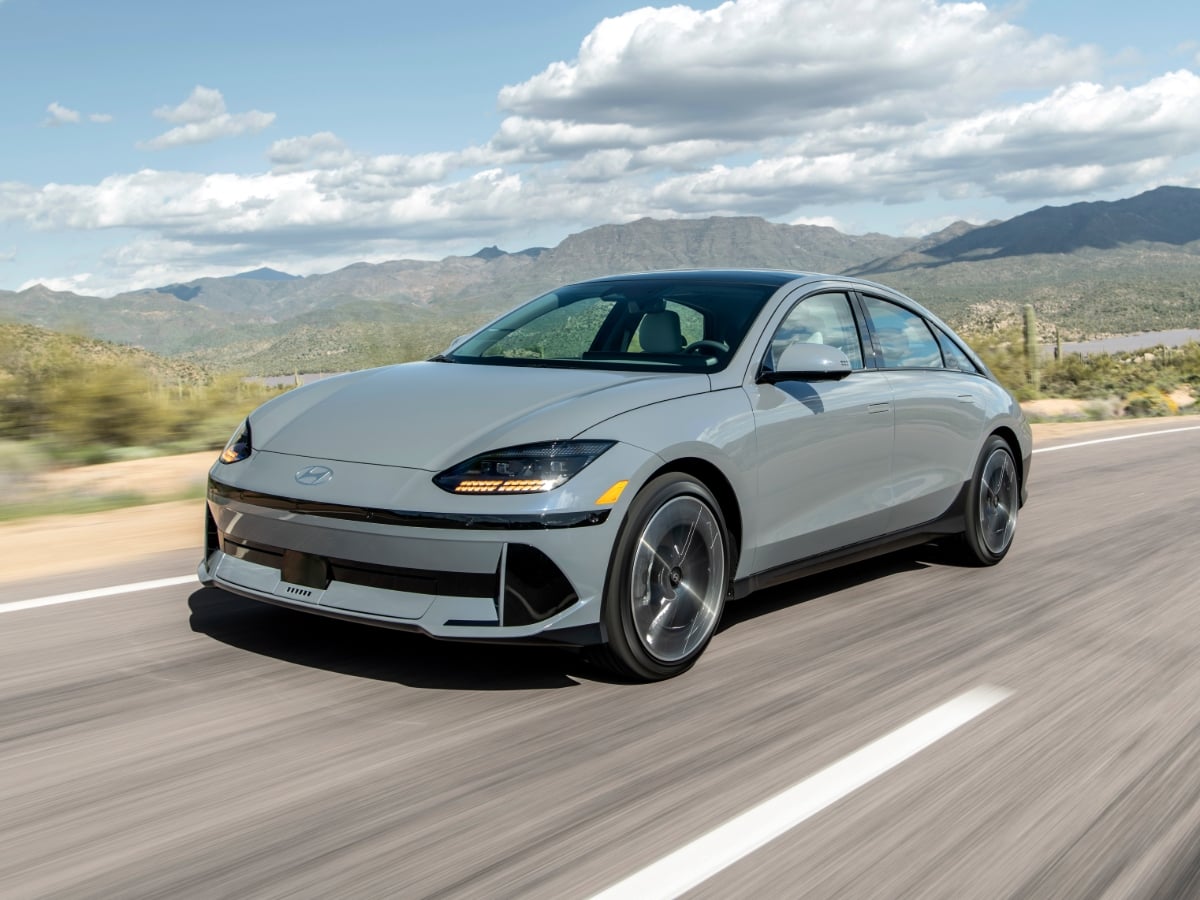
2025 Hyundai Ioniq 6 Limited
The Tesla Model 3 does not rank among the top three models in the Compact Premium Car segment in the JD Power 2025 U.S. Vehicle Dependability Study (VDS), which assesses owner-reported problems during the third year of ownership.
The Model 3 also does not rank among the top three models in its segment in the JD Power 2025 U.S. Initial Quality Study (IQS), which tracks problems experienced by owners during the first 90 days.
Additionally, the Model 3 does not rank among the top three Premium Battery Electric Vehicles (BEVs) in the 2025 U.S. Electric Vehicle Experience (EVX) Ownership Study.
The 2026 Tesla Model 3 includes a standard warranty of four years or 50,000 miles, along with an eight-year or 100,000-mile warranty for the battery and drive unit.
The Hyundai Ioniq 6 does not rank among the top three models in its segment in either the 2025 VDS or the 2025 IQS. However, it ranks highest among Mass Market BEVs in the 2025 EVX Ownership Study. The Ioniq 6 also comes with a five-year/60,000-mile standard warranty and a 10-year/100,000-mile EV powertrain and battery warranty.
Advantage: Hyundai Ioniq 6
Why? The Ioniq 6 provides a longer powertrain and battery warranty and ranks highest in its segment in the 2025 EVX Ownership Study.

2026 Tesla Model 3
The 2026 Tesla Model 3 lineup offers several distinct powertrain options, each providing a different level of performance. The entry-level Standard RWD and Premium RWD feature a single motor rated at approximately 286 horsepower to drive the rear wheels. Adding a motor to the front axle, the Premium AWD increases output to about 425 hp. For maximum performance, the dual-motor Performance AWD delivers a robust 510 hp.
The Model 3 definitely excels in range. The RWD versions lead with an EPA-estimated 363 miles and 137 MPGe. The Premium AWD offers 346 miles and 128 MPGe, while the Performance AWD is rated at 114 MPGe with a 309-mile range. All versions support DC fast charging, restoring up to 80 to 90 percent of the battery in about half an hour.
Inside, the Model 3 leaves a strong first impression with its minimalist design. A single center-mounted touchscreen controls nearly all functions, from navigation to audio, leaving the dashboard almost empty. The spacious five-passenger cabin features standard heated 60/40 split-folding rear seats, while the trunk offers 21 cubic feet of cargo space and hands-free lid operation.
The 2025 Hyundai Ioniq 6 offers multiple powertrain options, including RWD and AWD systems, along with two battery pack choices. The base SE Standard Range trim features a single-motor RWD system producing 149 hp. Hyundai says its 53.0-kilowatt-hour (kWh) lithium-ion battery can be charged from 10 to 80 percent in as little as 18 minutes using a DC fast charger. Other RWD trims are equipped with a 225-hp motor paired with a 77.4-kWh battery pack that also charges in about the same time. The AWD trims include a second motor and deliver a combined 320 hp.
The Hyundai Ioniq 6 SE Standard Range trim is EPA-rated at 135 MPGe combined, and the EPA estimates its total range on a charge at 240 miles. The RWD SE Long Range has the highest range estimate: 342 miles. With AWD, the SE offers the longest range at 316 miles.
The 2025 Ioniq 6 is a stylish five-passenger, four-door sedan with a distinctive profile. Twin digital displays and cloth or synthetic leather seats highlight its spacious interior. The Ioniq 6 has a conventional trunk lid, but its 60/40 split-folding rear seats help maximize its limited 11.7 cubic feet of trunk space. Its sloped roofline slightly reduces rear headroom, but its rear seat legroom easily surpasses the Model 3.
Advantage: Tesla Model 3
Why? In power and range, the Tesla Model 3 excels, and, as a bonus, it offers more cargo space.
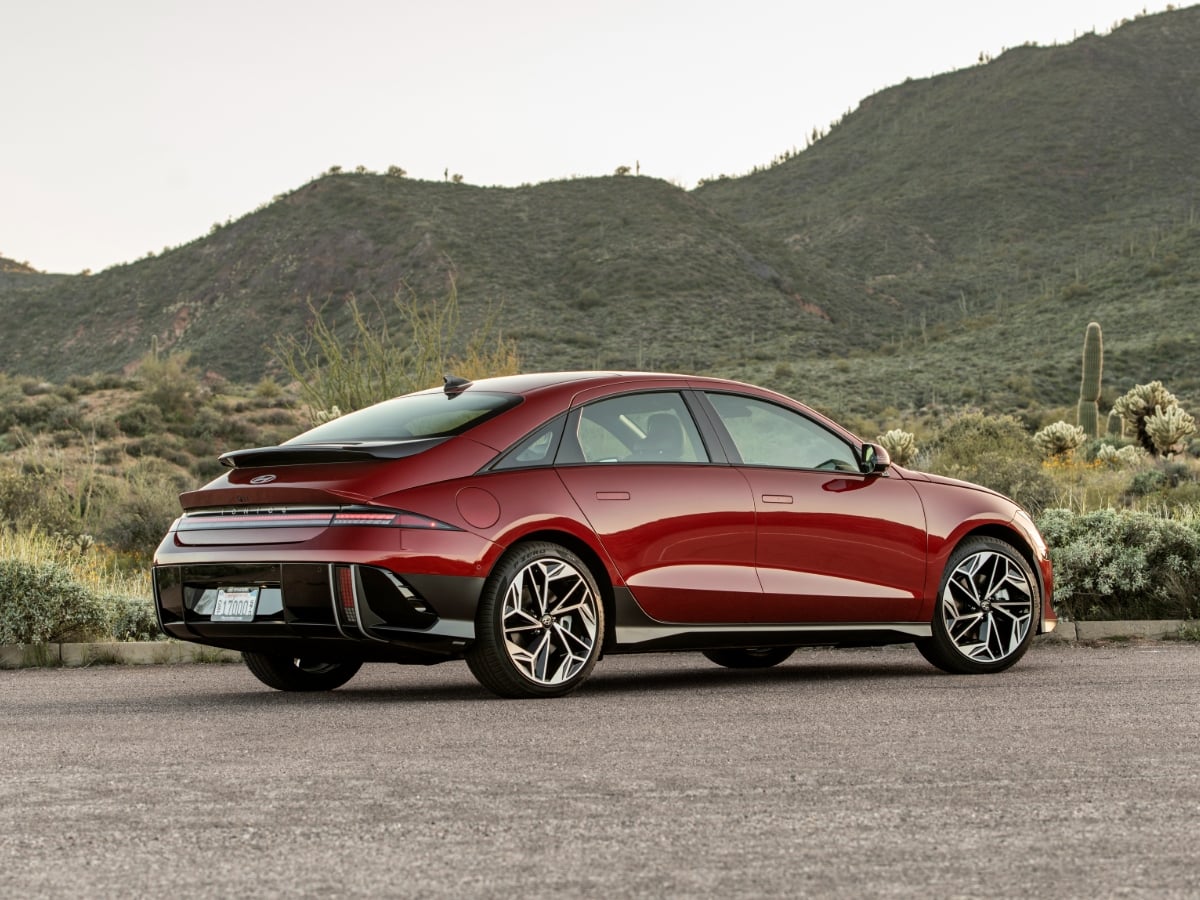
2025 Hyundai Ioniq 6 Limited
At this point, it is reasonable for any consumer to expect a brand new vehicle to include the following safety features:
So, how do the Model 3 and Ioniq 6 stack up? Let's take a look.
The 2026 Tesla Model 3 heavily relies on its reputation for innovative technology, with Autopilot at its core. Standard features include “traffic-aware” cruise control and auto-steering, while those willing to pay more can access Full Self-Driving (Supervised). This package extends highway navigation to perform lane changes and exits, recognize traffic signs and traffic lights, and even summon the car from its parking spot. Additional advanced driver assistance systems (ADAS) include the more familiar staples.
As of this writing, the National Highway Traffic Safety Administration (NHTSA) has not yet released an overall safety rating for the 2026 Tesla Model 3. Independent tests from the Insurance Institute for Highway Safety (IIHS) show a mixed picture. The similarly built 2025 Model 3 earned an Acceptable score in the updated moderate overlap front test and a Good rating in the updated side test. However, the IIHS stopped short of awarding the Model 3 its coveted Top Safety Pick or Top Safety Pick+ badge.
The 2025 Hyundai Ioniq 6’s SmartSense features a comprehensive set of ADAS. In addition to the technologies listed above, the sedan includes rear cross-traffic collision-avoidance assist, front and rear parking warnings, a driver monitoring system, safe exit assistance, adaptive cruise control (ACC), a rear seat reminder system, and Highway Driving Assist. The Limited trim adds the more advanced Highway Driving Assist 2 with lane change capability, a surround view camera, Remote Smart Parking Assist, rear and junction turning collision avoidance assist, and ACC with machine learning.
The 2025 Hyundai Ioniq 6 earned the highest five-star overall rating from the NHTSA, and the IIHS named it a Top Safety Pick+ for the 2025 calendar year, its top honor.
Advantage: Neither
Why? The Model 3 boasts advanced self-driving features, including the ability to summon your car like you would call your dog. However, the Ioniq 6 also offers a solid ADAS package and top safety ratings.
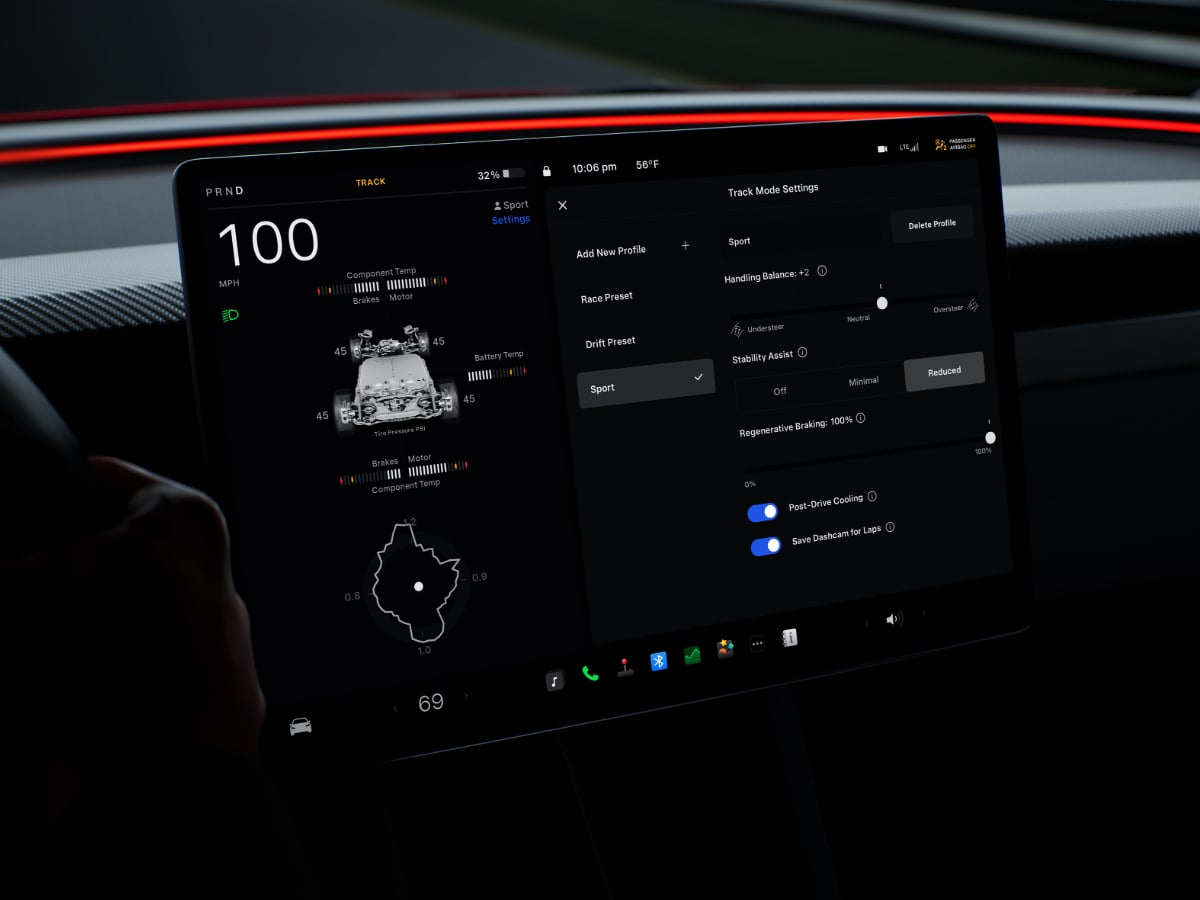
2026 Tesla Model 3
The centerpiece of the 2026 Tesla Model 3’s interior is its 15-inch central touchscreen, a control hub that manages almost every aspect of the vehicle. Besides navigation with real-time traffic updates and a built-in charging station locator, the system also functions as an entertainment platform, supporting Spotify, Tidal, and even Netflix or YouTube when the car is parked. “Caraoke,” Bluetooth connectivity, in-car games, and voice control highlight Tesla’s approach to technology. What is absent is compatibility with Apple CarPlay or Android Auto, two essentials found in nearly all competitors.
Every 2026 Model 3 includes Standard Connectivity, covering essentials like maps and navigation, Wi-Fi music streaming, Bluetooth, FM radio, USB media playback, and OTA software updates. New buyers also get a 30-day trial of Premium Connectivity, which offers live traffic visuals, satellite maps, an internet browser, and expanded streaming music.
The Model 3’s driver assistance system is built on a sensor suite that includes eight exterior cameras, 12 ultrasonic sensors, and a forward-facing radar. These work together to create a 360-degree view of the surroundings, providing data to the onboard computer. The cameras handle lane detection, blind spot monitoring, traffic sign recognition, and obstacle detection, while the ultrasonic sensors help with parking. The radar improves the system’s effectiveness in poor weather or low-visibility conditions.
The 2025 Hyundai Ioniq 6 has a 12.3-inch centrally mounted touchscreen infotainment system, along with a 12.3-inch digital instrument and driver information cluster that covers two-thirds of the dashboard. The user-friendly infotainment system includes built-in navigation and offers AM/FM/HD Radio plus SiriusXM satellite radio with a three-month trial. It also features dynamic voice recognition, support for multiple devices via Bluetooth, and Apple CarPlay and Android Auto smartphone mirroring, though phone apps require a wired connection.
The Ioniq 6’s free Bluelink+ Basic package includes key features such as automatic collision alerts to notify emergency services, SOS assistance, maintenance reminders, remote diagnostics to track vehicle health, and a vehicle locator. The Bluelink+ Advanced package, also free for new owners, adds more capabilities, including enhanced roadside assistance, stolen vehicle tracking, OTA software updates, and collision notifications.
Hyundai Pay is an in-vehicle payment system available on the Ioniq 6 that lets drivers pay for EV charging and parking directly through the car's touchscreen or via voice commands. By linking the owner's credit card information with the MyHyundai app, users can complete transactions without needing a physical card.
Advantage: Neither
Why? It is the buyer's choice in this area. Do you prefer instruments right in front of you and familiar apps like Apple CarPlay, or do you favor Tesla's all-in-the-touchscreen approach?
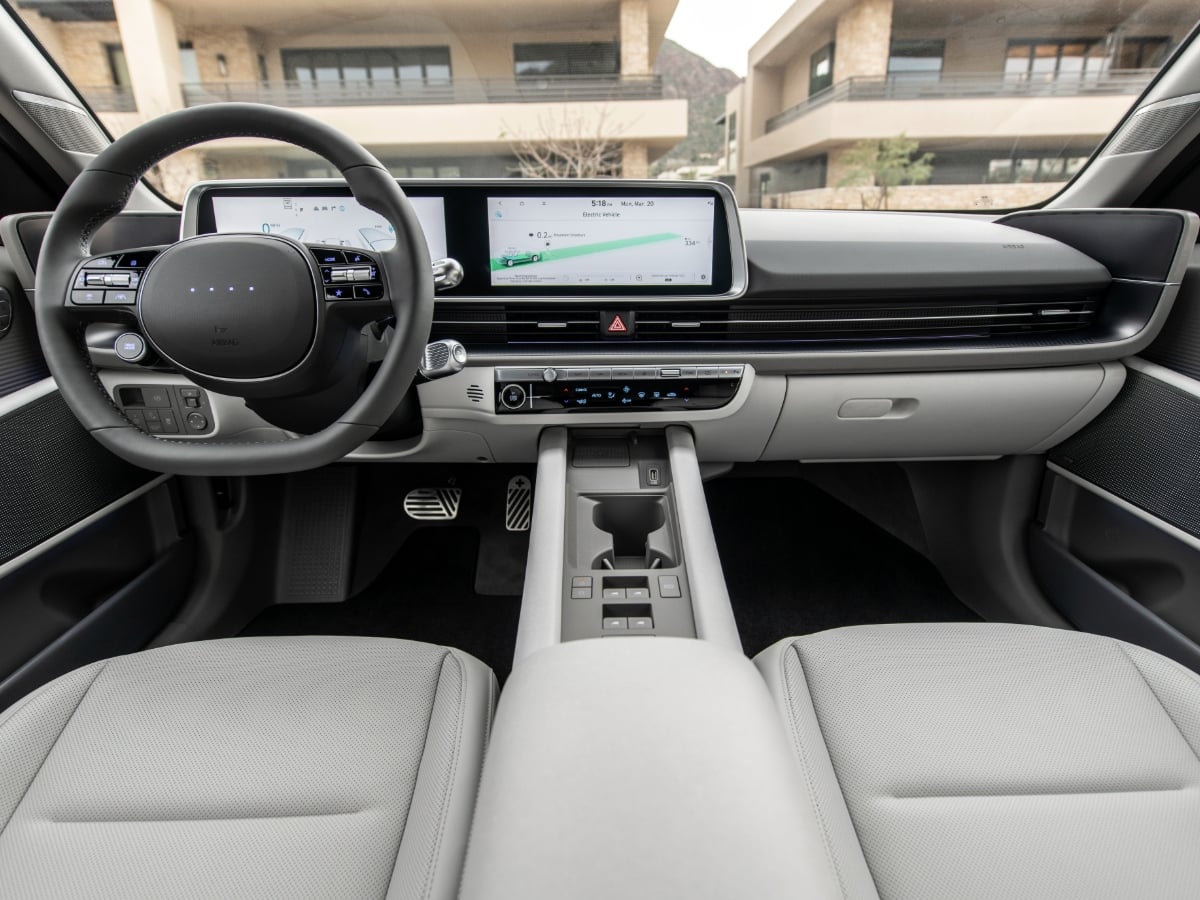
2025 Hyundai Ioniq 6 Limited
Despite its age, the Tesla Model 3 continues to excel in the EV market thanks to its combination of long range, exciting acceleration, and advanced technology. Like the Hyundai Ioniq 6, its maker designed it as a pure EV from the start, so its integrated battery pack not only strengthens the chassis but also maximizes efficiency. Drivers enjoy its lively performance, extensive driving range, and surprisingly spacious cargo area.
Enhancing the Model 3’s appeal, Tesla’s suite of driver assistance technologies is widely considered one of the most advanced on the market. From semi-autonomous driving systems to continuous improvements via OTA updates, the Model 3 feels more like constantly evolving software than just a car. Inside, its sleek, tech-driven cabin highlights Tesla’s innovative spirit.
Saying the Tesla Model 3 inspired the Hyundai Ioniq 6 is an understatement. From its sleek exterior to its advanced driving assistance features and diverse range of powertrains, the Ioniq 6 provides a real alternative for potential Tesla buyers.
Sure, there are differences between the two sedans as well. The Model 3 wins the range-on-a-charge contest, while the Ioniq 6 offers quicker recharge times on optimized fast chargers. The Ioniq is nearly 6 inches longer and provides more rear seat legroom, but the Model 3 makes up for it with significantly more cargo space. Then there is infotainment. The Ioniq 6 remains straightforward, unlike the Model 3, which ventures into its own interesting but potentially frustrating territory.
Advantage: Hyundai Ioniq 6
Why? With a higher score in the 2025 EVX Ownership Study and a more conventional infotainment and controls setup, the Ioniq 6 earns my vote.
To learn more about these EVs, read our expert reviews of the 2025 Tesla Model 3 and Hyundai Ioniq 6. To see how consumers rate these models, check out our ratings from verified vehicle owners.
Additionally, please note that while the information in this article was accurate and current as of December 3, 2025, it may have changed since then. Always verify product details and availability with the automaker’s website or your local dealership.
Jack R. Nerad has reviewed cars, trucks, vans, and SUVs for over three decades. He also managed the editorial efforts of MotorTrend, JD Power, and Kelley Blue Book. Jack currently hosts the Sports Byline Network program "America on the Road," available on Apple Podcasts, iHeartRadio, Spotify, Audacy, Amazon Music, and other platforms.


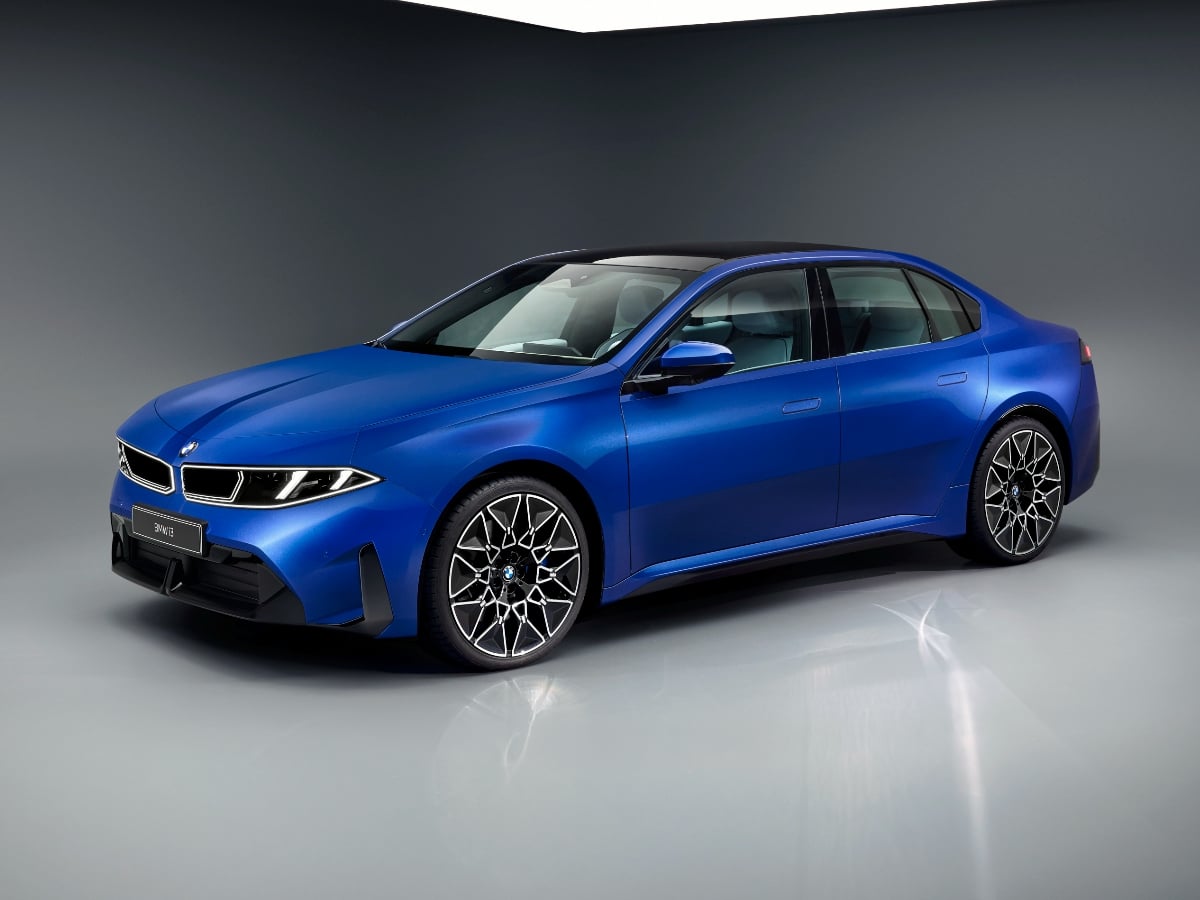
The new 2027 BMW i3 boasts an estimated range of up to 440 miles, 400-kilowatt DC fast charging capability, bidirectional charging to a home or the grid, and next-generation technology.
Read the Full Article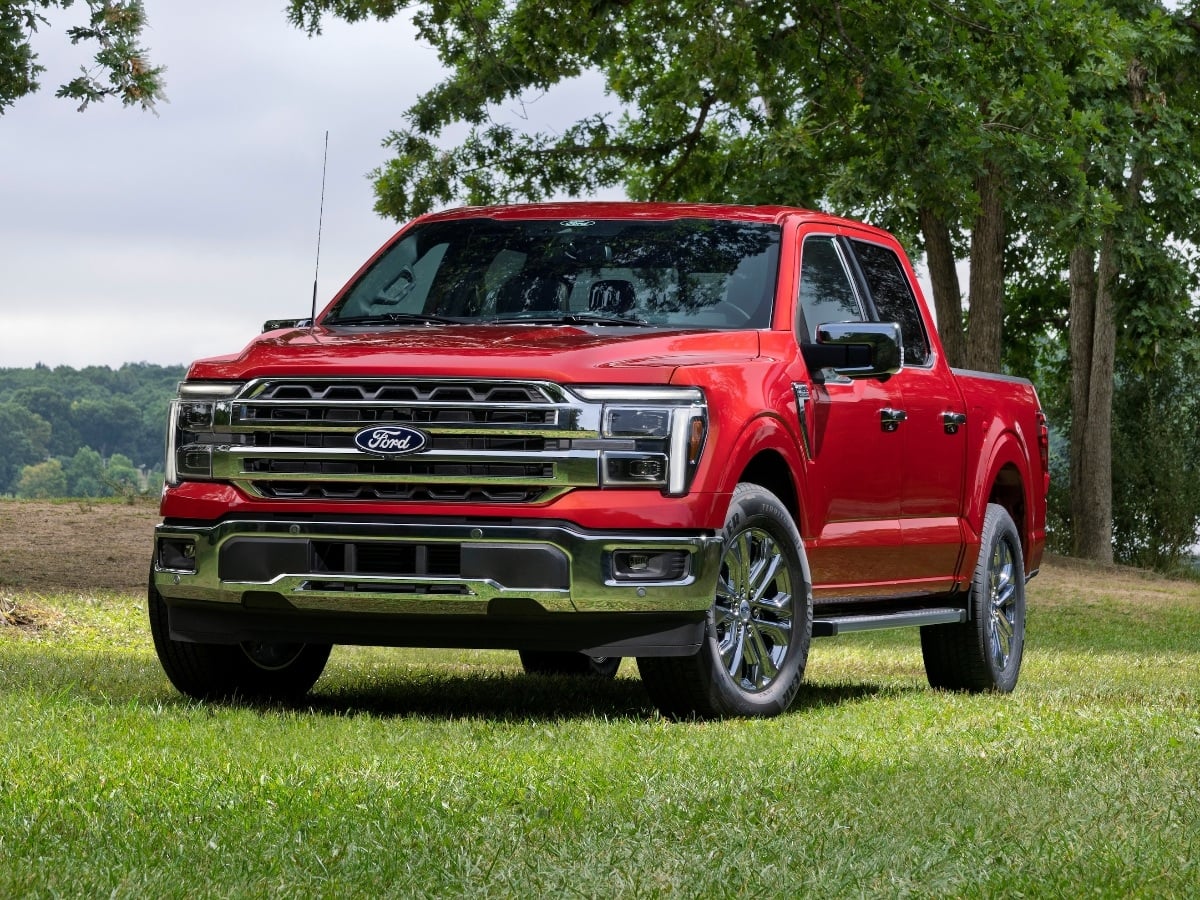
Facing renewed competition in the full-size, light duty pickup truck segment, the 2027 Ford F-150 receives subtle styling updates, a new standard engine, broader availability of its 5.0-liter V8, and ...See More
Read the Full Article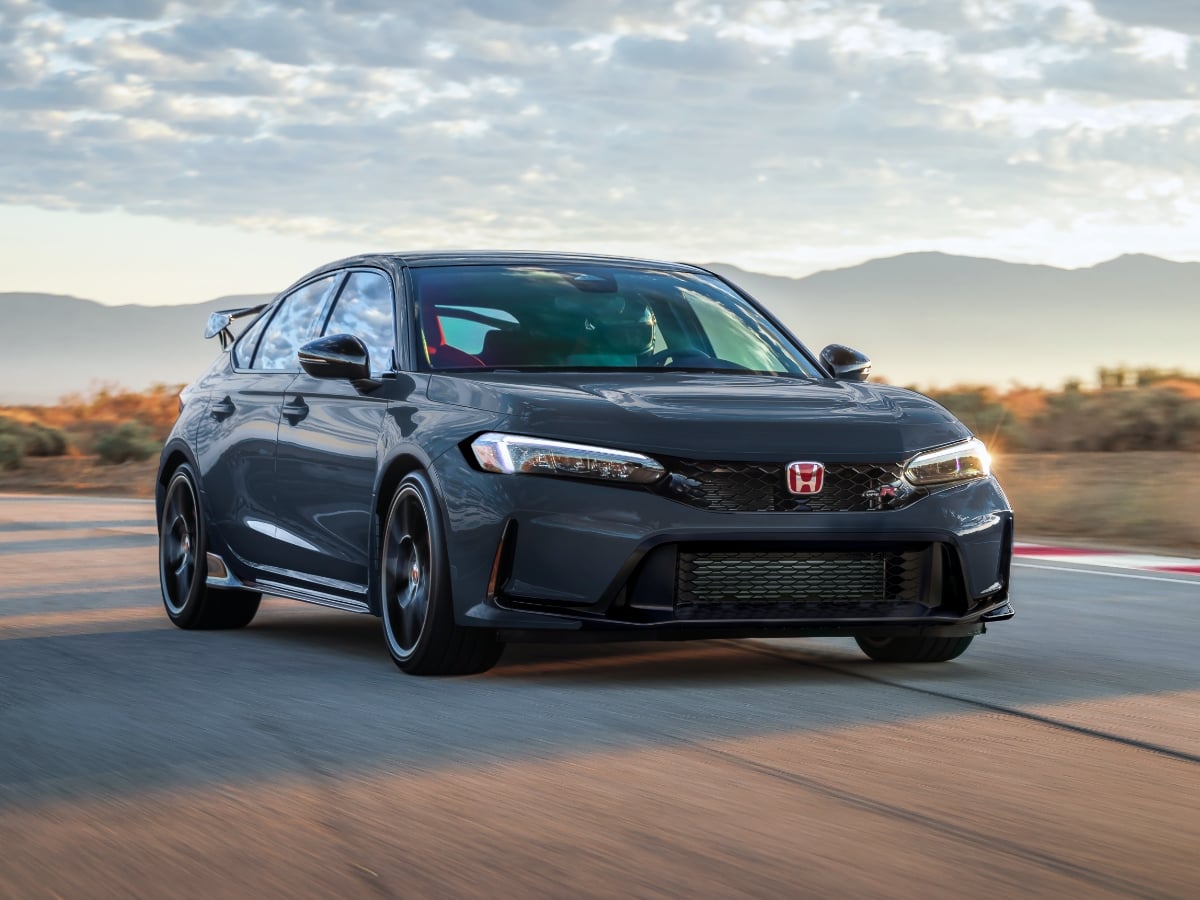
The 2027 Civic Type R goes on sale in October 2026, and it starts at $49,990, including the $1,295 destination charge.
Read the Full Article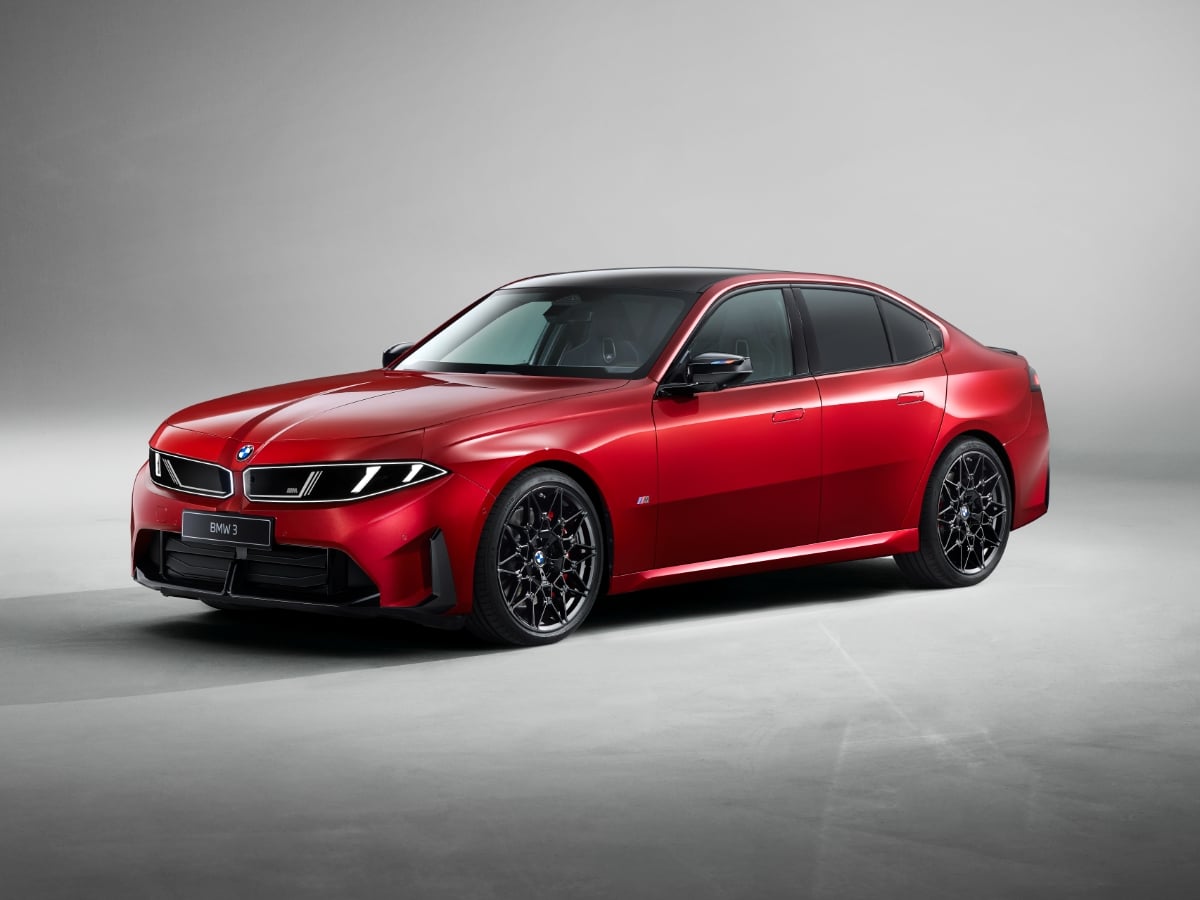
Part of BMW’s Neue Klasse (new class) rollout of redesigned models, the 2027 BMW 3 Series is all-new and goes on sale in the first quarter of 2027.
Read the Full Article