
Tesla's "Full Self-Driving" capability expands on the carmaker's Autopilot suite of advanced driving assistance systems (ADAS). While Autopilot navigates highways and performs instrument-guided maneuvers at interstate speeds, Full Self-Driving adds the ability to drive semi-autonomously on city streets and through residential areas.
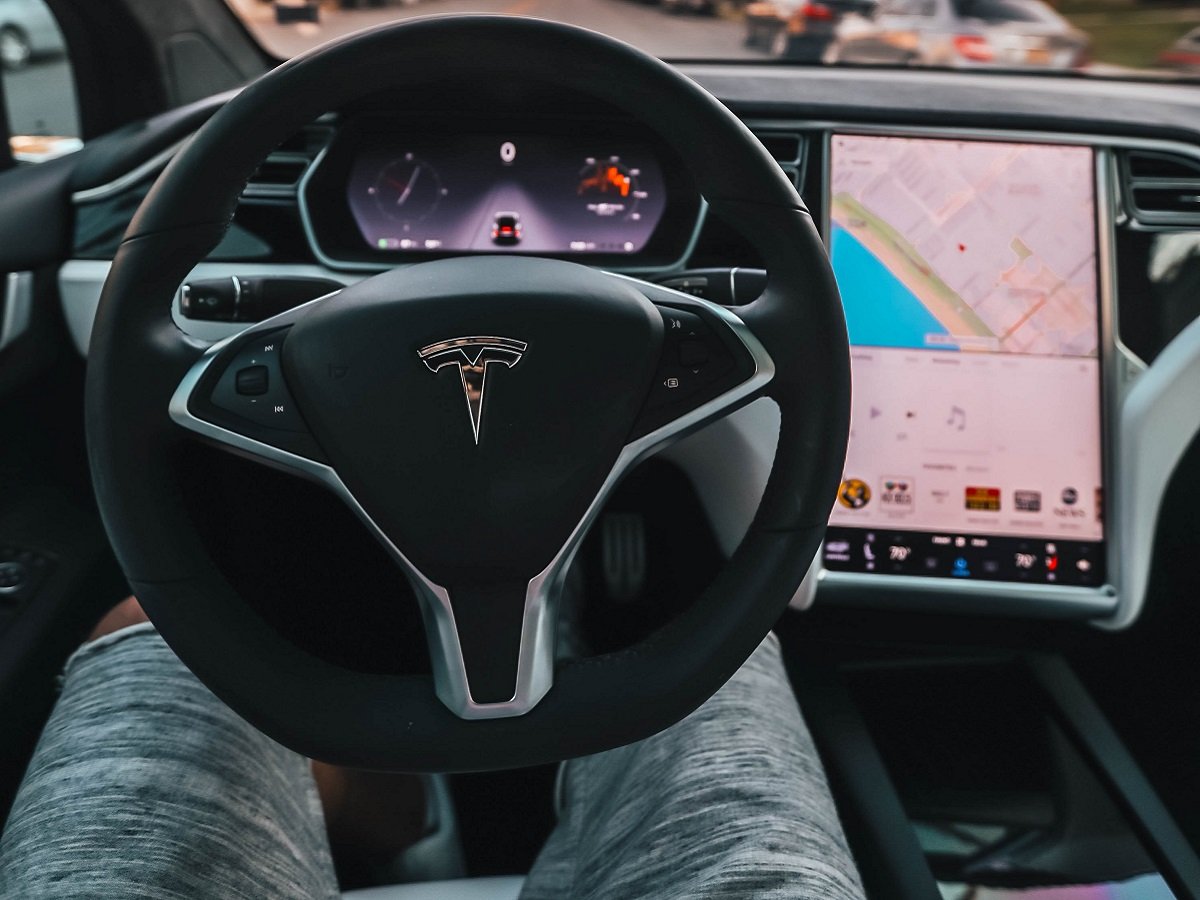
Although Tesla calls the system "Full Self-Driving," it is not, in a literal sense, fully self-driving. Instead, it is a Level 2 autonomous system that requires the driver to pay significant attention to the road ahead and have at least one hand touching the steering wheel. Full Self-Driving, despite its name, is not considered fully autonomous or hands-free by industry standards or regulatory definitions. For this reason, Full Self-Driving is under scrutiny by regulators and has received criticism from some autonomous-vehicle experts.
However, Tesla defends the Full Self-Driving name, asserting this technology will become more capable over time and is currently laying the groundwork for a fully autonomous driving experience in the future. The software is currently undergoing a phased rollout to Tesla owners that began with real-world beta testing to a limited group of drivers.
To enhance safety and convenience, Autopilot and Full Self-Driving, together, reduce the overall workload of operating a vehicle. The technology utilizes eight external cameras, 12 ultrasonic sensors, and a powerful onboard software system to enable semi-autonomous capabilities on highways, byways, and local roads alike. Tesla Model 3 and Model Y vehicles employ camera-based Tesla Vision, while Model S and Model X continue to utilize radar. Tesla does not employ Lidar as part of its ADAS strategy.
In addition to Autopilot's Traffic-Aware Cruise Control, which matches the speed of the car with that of surrounding traffic, and Autosteer, which assists in steering within a marked lane, Full Self-Driving enables these capabilities:
As Tesla's Autopilot and Full Self-Driving capabilities evolve, the systems will receive continual upgrades through over-the-air (OTA) software updates.
In addition to Autopilot and Full Self-Driving functionalities, Tesla adds these active safety features as standard equipment on all new Tesla vehicles:
Tesla Full Self-Driving offers a suite of driver-assistance features that make driving safer and less stressful. However, the current iteration requires active driver supervision and does not make the vehicle autonomous or hands-free. Before using Autopilot and Full Self-Driving, please refer to the owner's manual or Tesla consumer support for instructions and safety information.


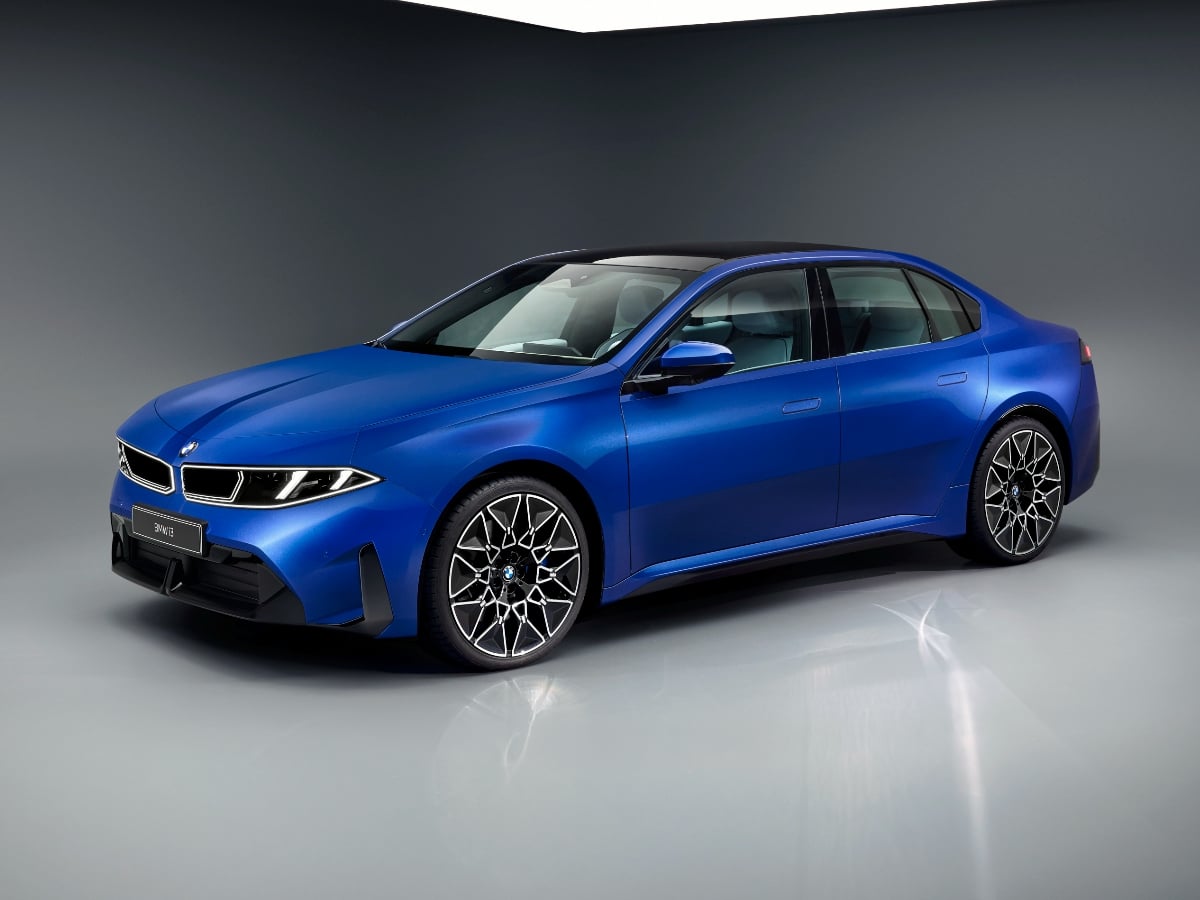
The new 2027 BMW i3 boasts an estimated range of up to 440 miles, 400-kilowatt DC fast charging capability, bidirectional charging to a home or the grid, and next-generation technology.
Read the Full Article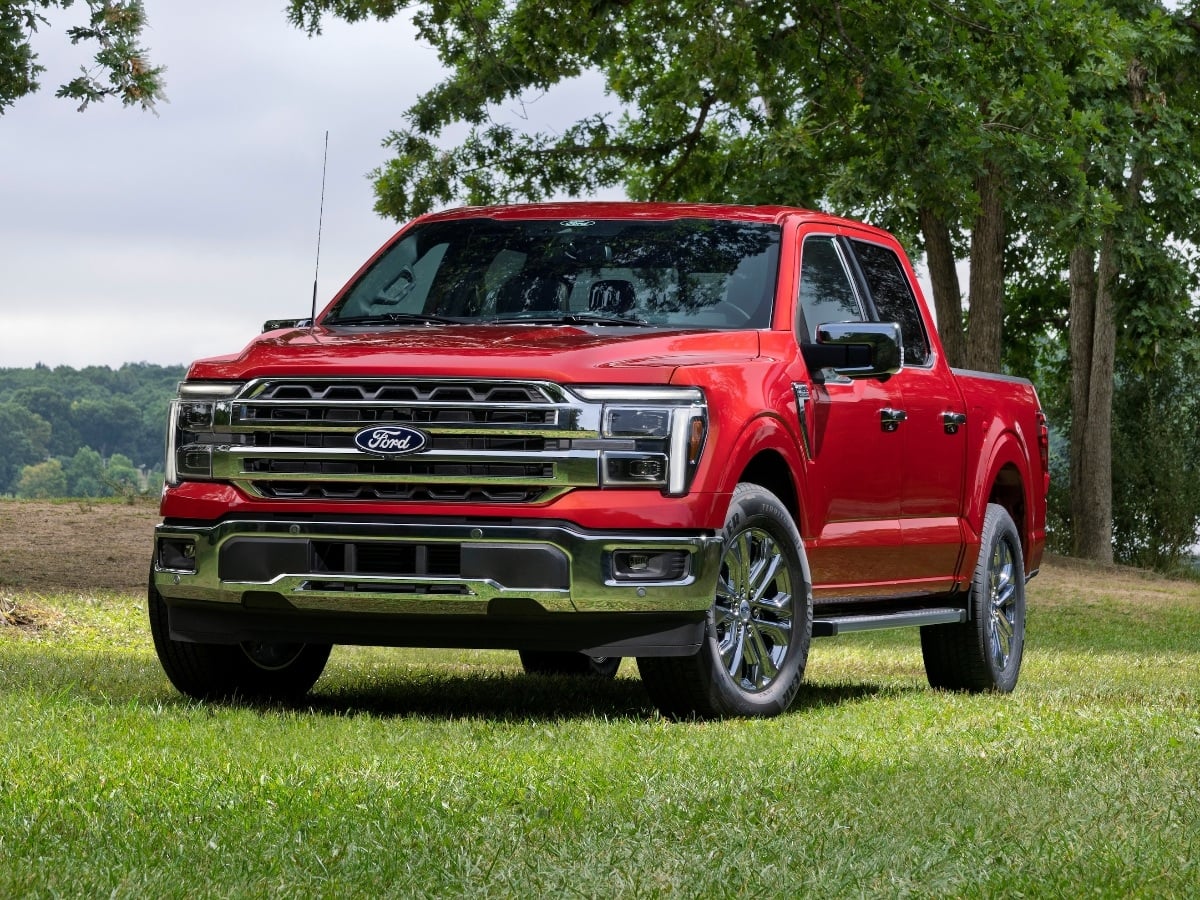
Facing renewed competition in the full-size, light duty pickup truck segment, the 2027 Ford F-150 receives subtle styling updates, a new standard engine, broader availability of its 5.0-liter V8, and ...See More
Read the Full Article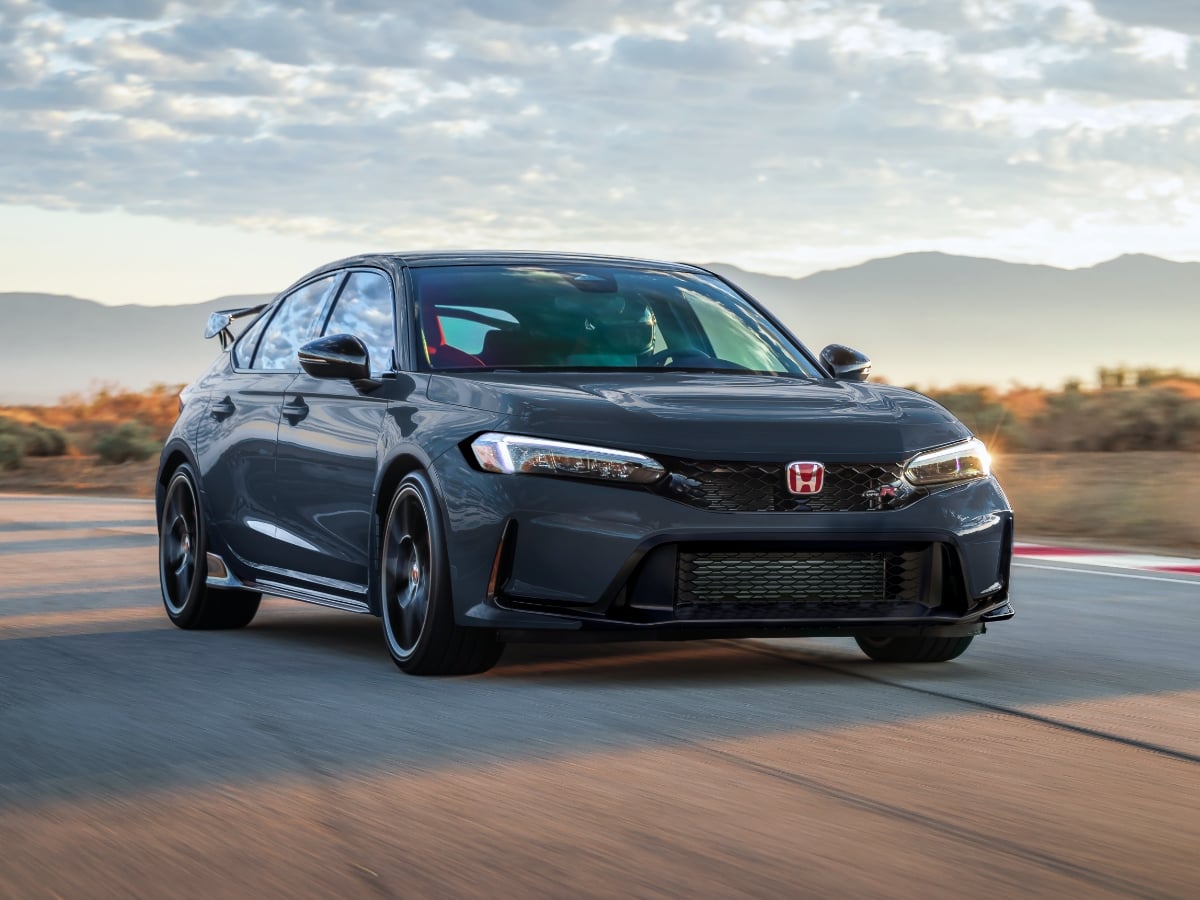
The 2027 Civic Type R goes on sale in October 2026, and it starts at $49,990, including the $1,295 destination charge.
Read the Full Article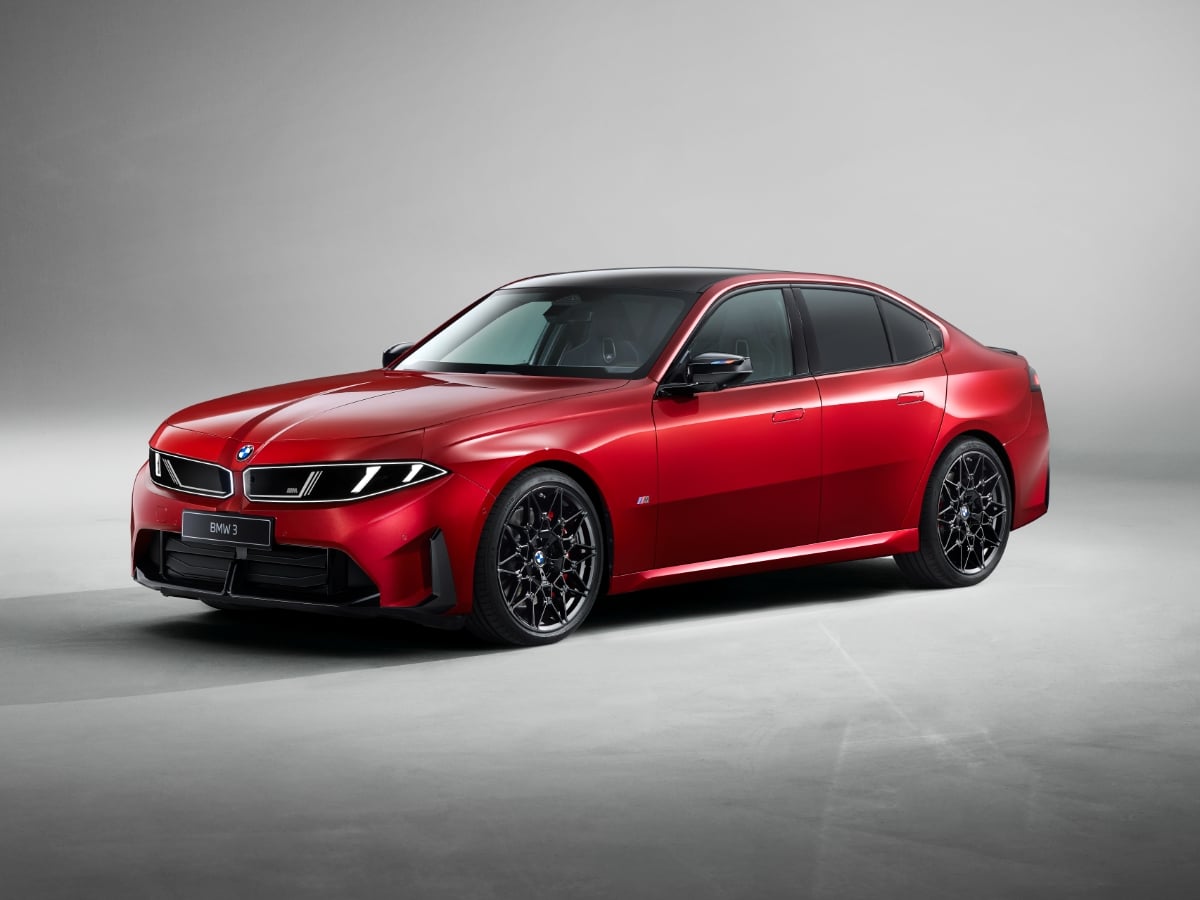
Part of BMW’s Neue Klasse (new class) rollout of redesigned models, the 2027 BMW 3 Series is all-new and goes on sale in the first quarter of 2027.
Read the Full Article