
Although electric-vehicle (EV) sales aren’t quite as robust as they once were, they are, in fact, rising, and carmakers are on the verge of satisfying that demand with new electric cars, SUVs, and trucks. Although there are even more on the horizon, this list focuses on the new EVs for 2025. That’s 2025 as in the model year—many are already on sale, with the rest arriving very soon.

The Q6 E-tron is Audi’s new midsize electric SUV, slotting between the Q4 and Q8 E-trons in the lineup. There are two Q6 E-tron versions, plus the higher-performance SQ6 E-tron, all of which share the same 100-kilowatt-hour (kWh) battery pack. The base rear-motor version produces 322 horsepower and will go an estimated 321 miles. The Quattro dual-motor all-wheel-drive (AWD) version has 456 hp and will go 307 miles. The SQ6 has 509 hp and will go 275 miles.
The Q6 E-tron and SQ6 E-tron also debut a bold new interior concept for Audi regarding design and technology interface. Specifically, a large, curved panel handles instruments, infotainment, and climate functions.
Learn more:
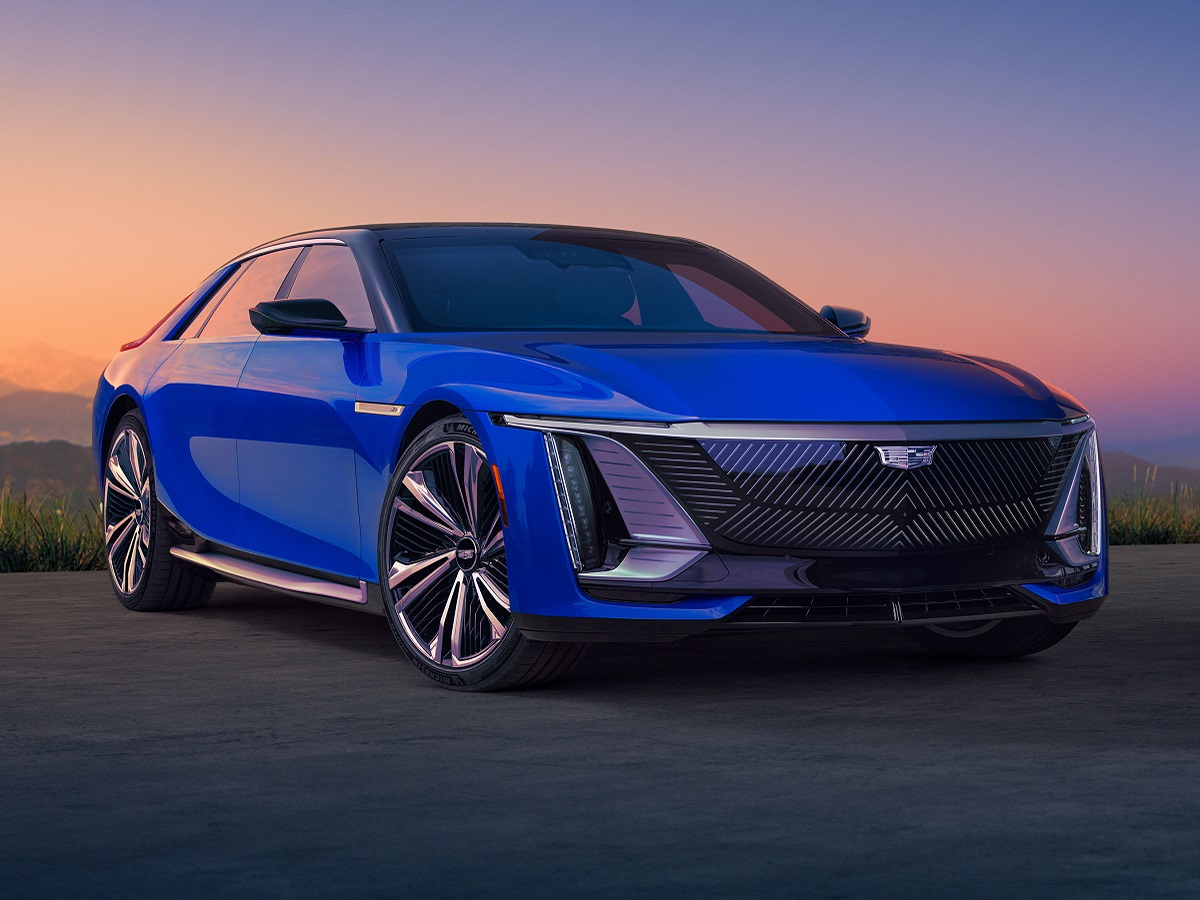
The Celestiq is a $300,000 special-order-only electric sedan representing Cadillac’s attempt at returning to its early glory years of producing the world’s finest (and priciest) cars. Each car is customizable from a style perspective, though functionally, they all will have 600 hp and travel about 300 miles on a full charge of its 111-kWh battery pack.
Learn more:

In concept, this is an electric Escalade. In practice, however, Cadillac builds them on different vehicle platforms, and they have different bodies. The Escalade IQ doesn’t have quite as much third-row legroom or cargo space, but it’s still generous. On the cargo front, there’s a 12.2-cubic-foot “frunk.” (You can’t have one of those with a 6.2-liter V8 engine under the hood!) Interior feature content and design are similar to the gas-powered 2025 Escalade, including the spectacular new pillar-to-pillar displays.
Cadillac estimates that the Escalade IQ will produce as much as 750 hp, hit 60 mph in less than five seconds, and go 460 miles on a single charge. It also offers extremely rapid 19.2-kilowatt (kW) AC home charging (11 is the norm) or 350-kW DC fast charging while providing the option of using Tesla Superchargers.
Learn more:

The Optiq is Cadillac’s new entry-level EV, slotting below the Lyriq. It is roughly the same size as Cadillac’s XT5 gas-powered SUV. The Optiq comes standard, for now at least, with a dual-motor AWD powertrain with a Cadillac-estimated 300 hp and an EPA-estimated 302 miles of range. Charging rates are nowhere near as fast as the Escalade IQ, but the Optiq is much less expensive, starting in the mid $50,000 range.
Interior design is remarkably similar in appearance to the Lyriq, which is no bad thing. It’s a clean look with a bold, curved display, but it’s not minimalist or stark. It has a classic luxury look that is appropriate for a Cadillac.
Learn more:
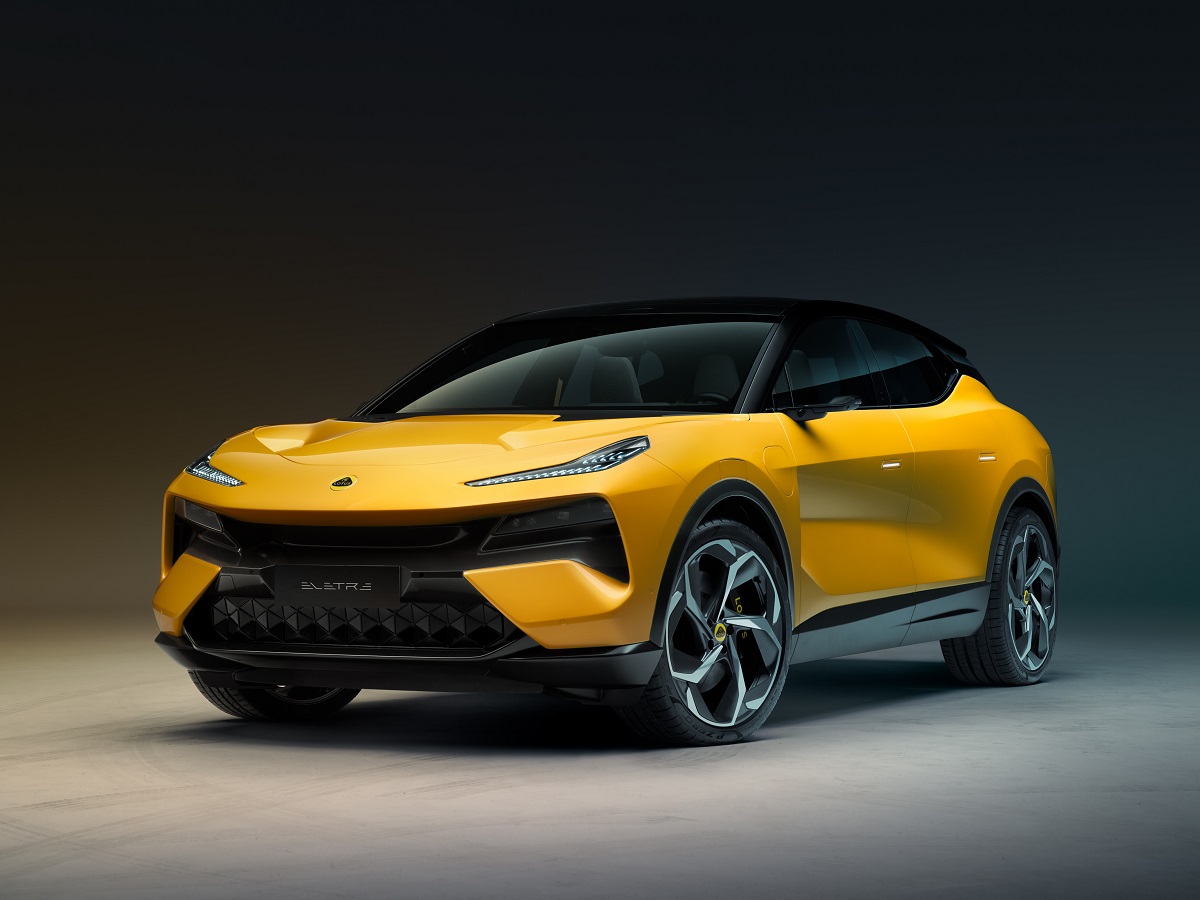
It sounds like a French verb you had to conjugate in school, but the Eletre is, in fact, the new, China-built, all-electric midsize SUV from the brand known for British-built, lightweight sports cars. It’s a bit weird. It’s also very expensive (starting at $229,900) and powerful (905 hp). The range will fall well short of 300 miles. The interior is well crafted with top-notch materials and state-of-the-art tech—something that has rarely, if ever, been said of Lotus’ old cars.
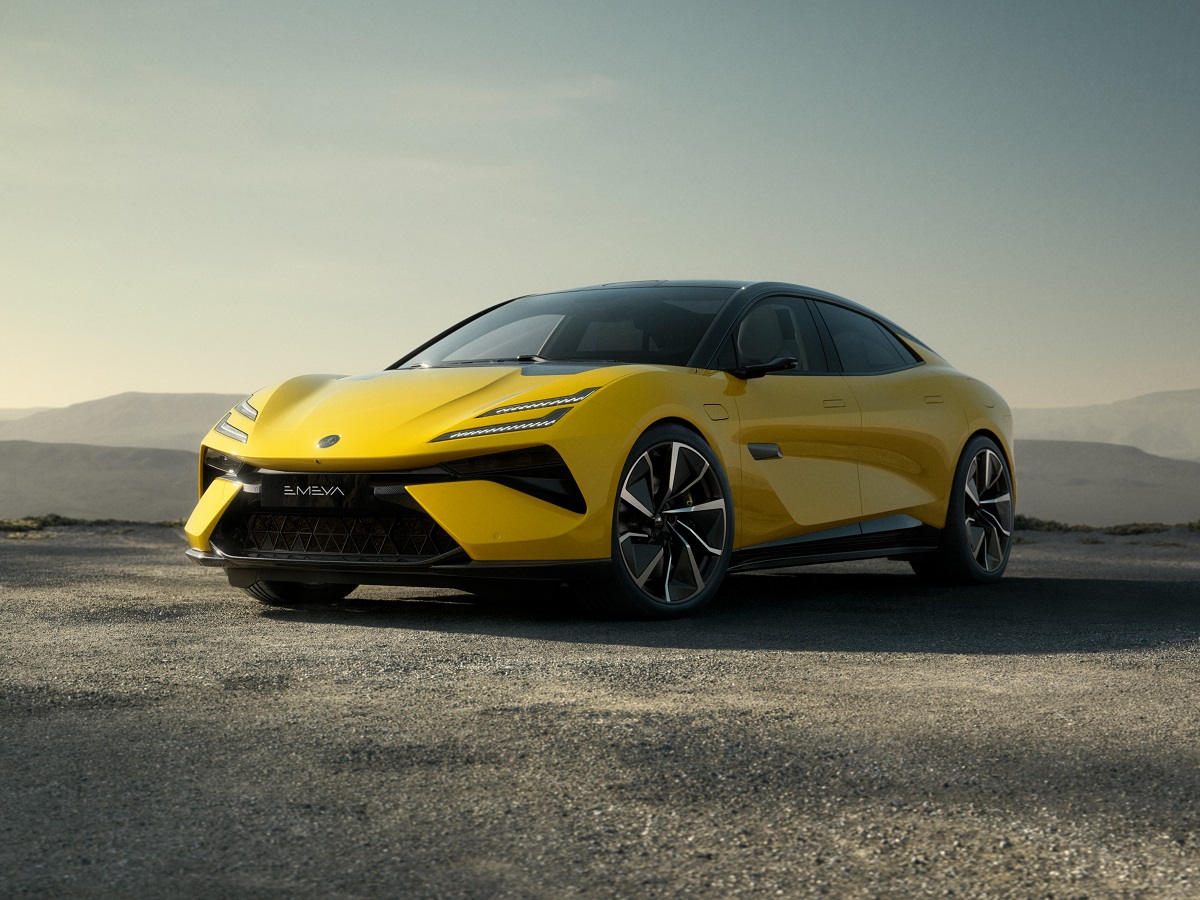
The Emeya is a new electric sedan. It is available in 603- and 905-hp versions. Lotus says the latter can hit 60 mph in well under three seconds. Given its size and body style, it promises to be more in the “GT/grand touring” mold than Lotus’ classic sports cars. An 800-volt electric architecture promises rapid charging, though range figures aren’t available at this time.
Like the Eletre, the Emeya’s interior looks top-notch, and sustainable upcycled fabrics are available to carry the eco vibe beyond the powertrain.

The Gravity is Lucid’s SUV follow-up to the Air sedan. Its aerodynamic body style is a bit minivan-like in appearance and functionality, with a family-friendly cabin big enough for seven adults (the third row is nevertheless optional). Like the Air, the Gravity has impressive EV specs. The automaker is introducing the Gran Touring trim level first; it produces 829 hp and can travel as far as 440 miles on a single charge.
The Gravity’s interior has a tech interface different from the Air, with a bigger instrument/infotainment screen and a landscape-oriented vehicle control screen on the center console. Pricing starts at $94,900 for the Grand Touring, but future lower trims will be cheaper.
Learn more:
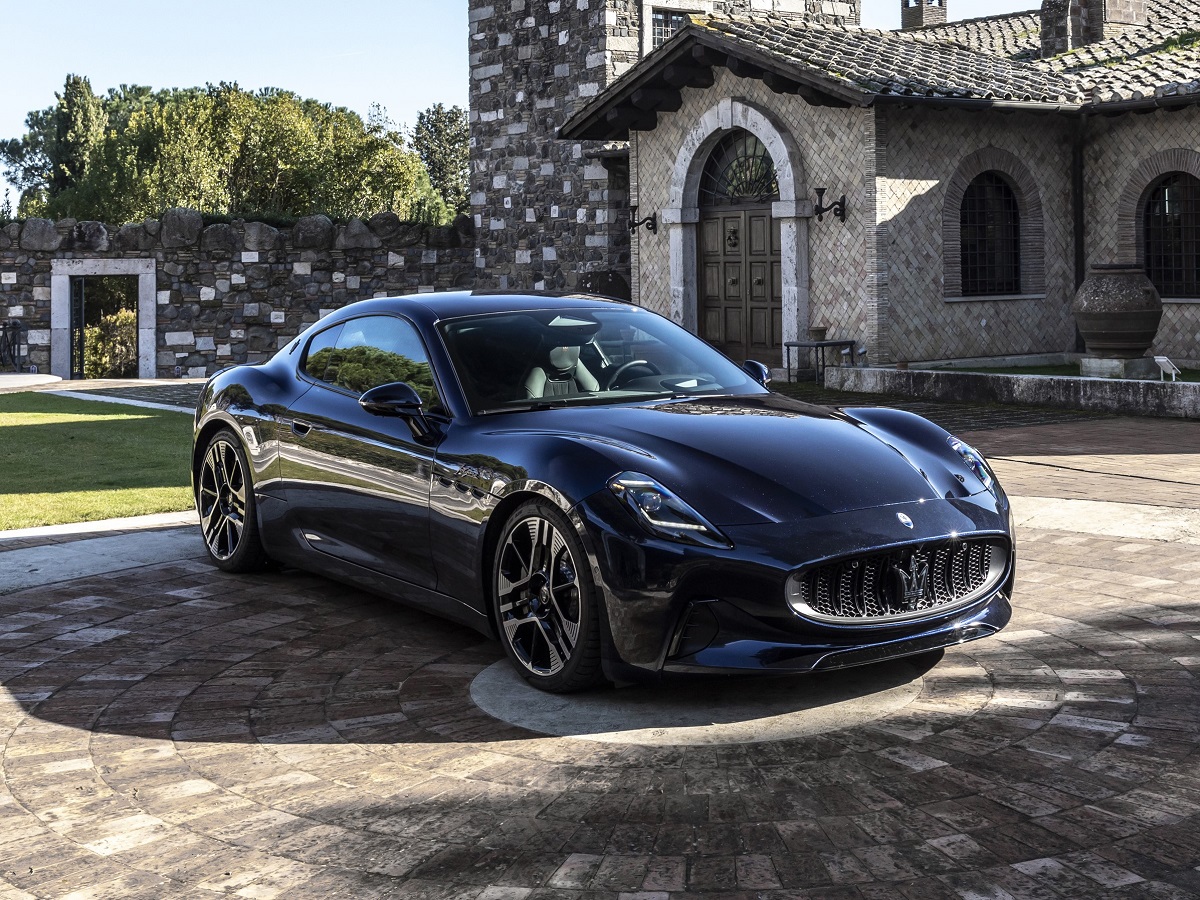
The Folgore is the all-electric version of Maserati’s next-generation GranTurismo luxury coupe. The two are indistinguishable when looking at them, apart from the electric version’s dark copper badging. The Folgore boasts three motors: one for each rear wheel and one for the front axle. Total output is 761 hp, and Maserati estimates it will reach 60 mph in 2.7 seconds.
Pricing starts at $192,000, but there are abundant customization options to raise the price further. One such option is a laser-etched upholstery crafted from recycled fishing nets and other plastics.

The Grecale is Maserati’s new midsize SUV, and the Folgore is the all-electric version. It offers one powertrain setup: a dual-motor AWD system producing 542 hp. The EPA-estimated range is a meager 245 miles with 20-inch wheels and 206 miles with 21-inch wheels.
The Grecale Folgore’s interior features a more traditional design, albeit with separate displays/touchscreens filling the slots traditionally occupied by analog gauges and buttons for the entertainment and climate systems. Pricing starts at $109,000.
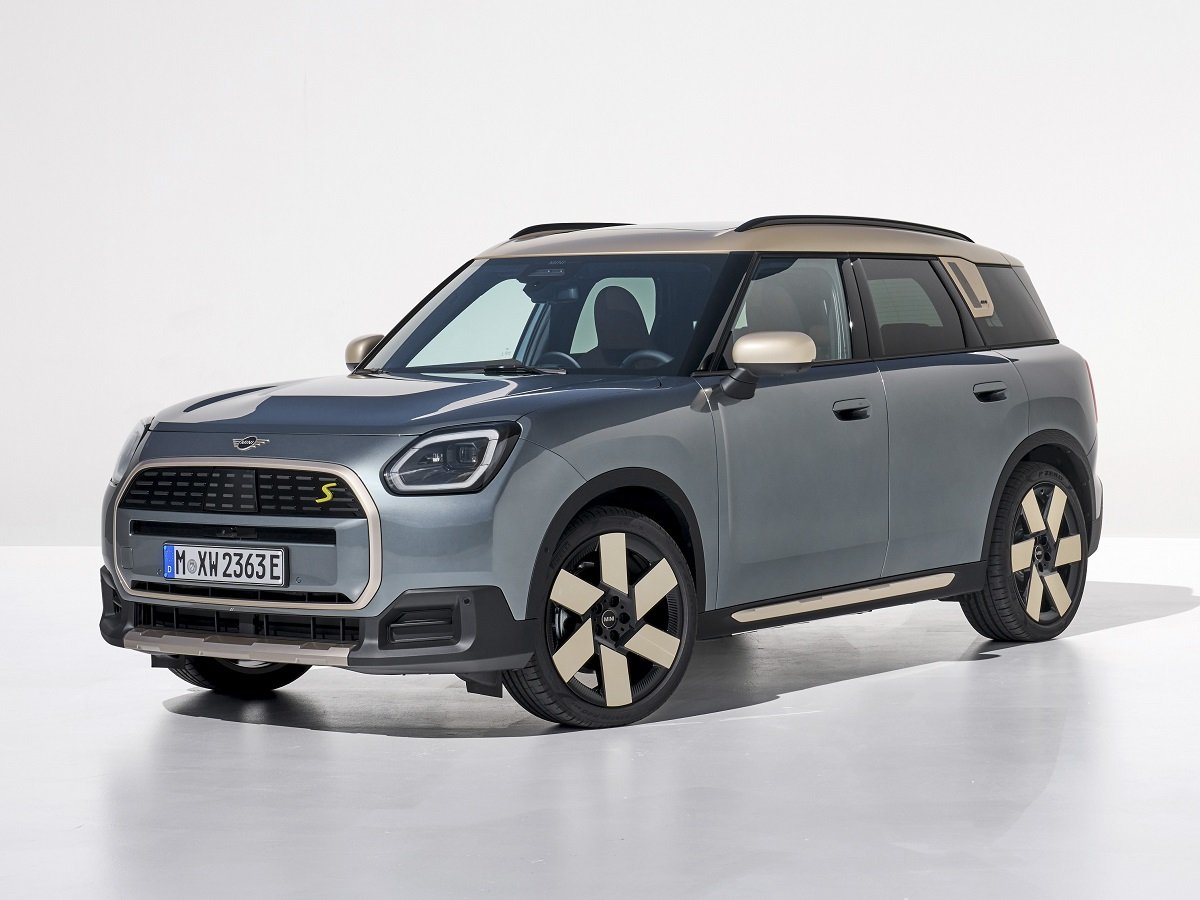
Mini gives its electric models the disappointingly dull “SE” name. Therefore, the Countryman SE would be the all-electric version of the all-new, third-generation Countryman compact SUV. Like the gas-powered version, the electric SE is far bigger than the last Countryman, boasting a surprisingly spacious back seat and cargo area.
The Countryman SE starts at $45,200, which is reasonable for a small, premium EV. It produces 308 hp, but the range is an unremarkable 212 miles. The interior is a return to Mini’s quirky, high-style form, with rich, colorful fabrics throughout and a unique, round touchscreen.
Learn more:

The name doesn’t make it clear, so we will: the G 580E is the all-electric version of the G-Class. The design is a tweaked version of the gas-powered G-Class (which received a mid-cycle refresh for 2025), and you’d be hard-pressed to tell the two Mercedes SUVs apart from afar.
Look underneath, however, and they couldn’t be more different. The G-Class with EQ technology has a 122-kWh battery pack. Each wheel has its own motor, which not only results in a total of 579 hp but also replaces the need for and capability of the G’s usual front, center, and rear locking differentials. They also allow the new G Turn function, which lets the electric G spin in place. Mercedes estimates it will go only 239 miles on a charge but boasts a quick DC fast-charging speed of 200 kW.
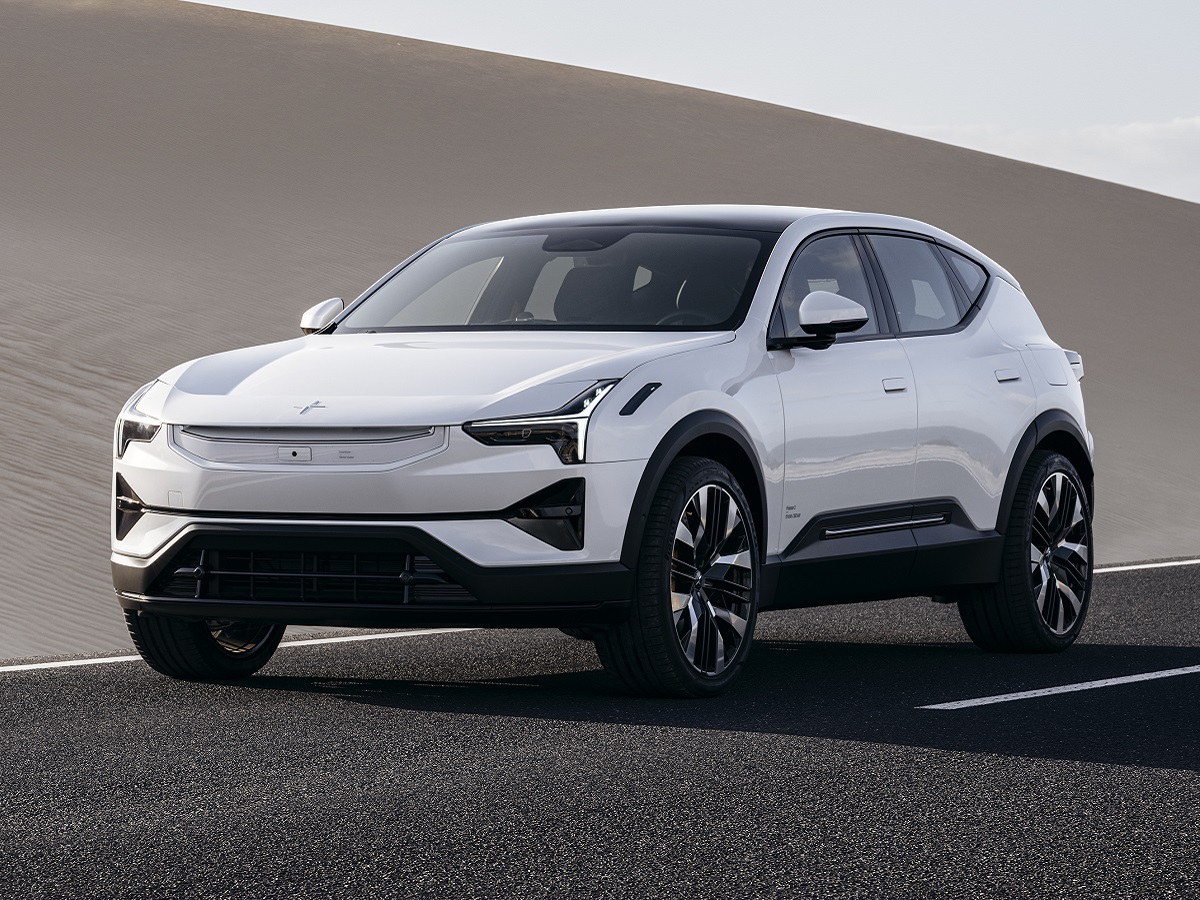
The all-electric Polestar brand introduces its first new model that did not begin life as a Volvo design. The Polestar 3 is a midsize SUV with a 111-kWh battery in all three trims: Long Range Single Motor (299 hp, Polestar-estimated 350 miles of range), Long Range Dual Motor (489 hp, 315 miles), and Long Range Dual Motor with Performance pack (517 hp, 279 miles). Its DC fast-charging maximum speed is a rapid 250 kW.
The Polestar 3 interior is spacious, and its design is free from clutter, with a sizeable portrait-oriented touchscreen operating virtually everything in the car (like a Tesla). There is a small separate instrument panel, though (unlike a Tesla).
Learn more:

Polestar markets the 4 as a performance SUV, but it’s more like an enlarged Polestar 2 in concept: a tall-ish four-door hatchback with an aerodynamically raked profile. It defies an easy label. Its rear end also defies convention as there is no back window; Polestar uses an advanced rearview camera mirror instead. Controversial, to say the least.
Two versions are available: Long Range Single Motor (272 hp, EPA-estimated 300 miles of range) and Long Range Dual Motor (544 hp, 270 miles). Polestar orients its does-everything touchscreen in a landscape format. It meets a rising center console, much like the Polestar 2. According to Polestar, ambient interior lighting schemes are inspired by and named after the planets.
Learn more:
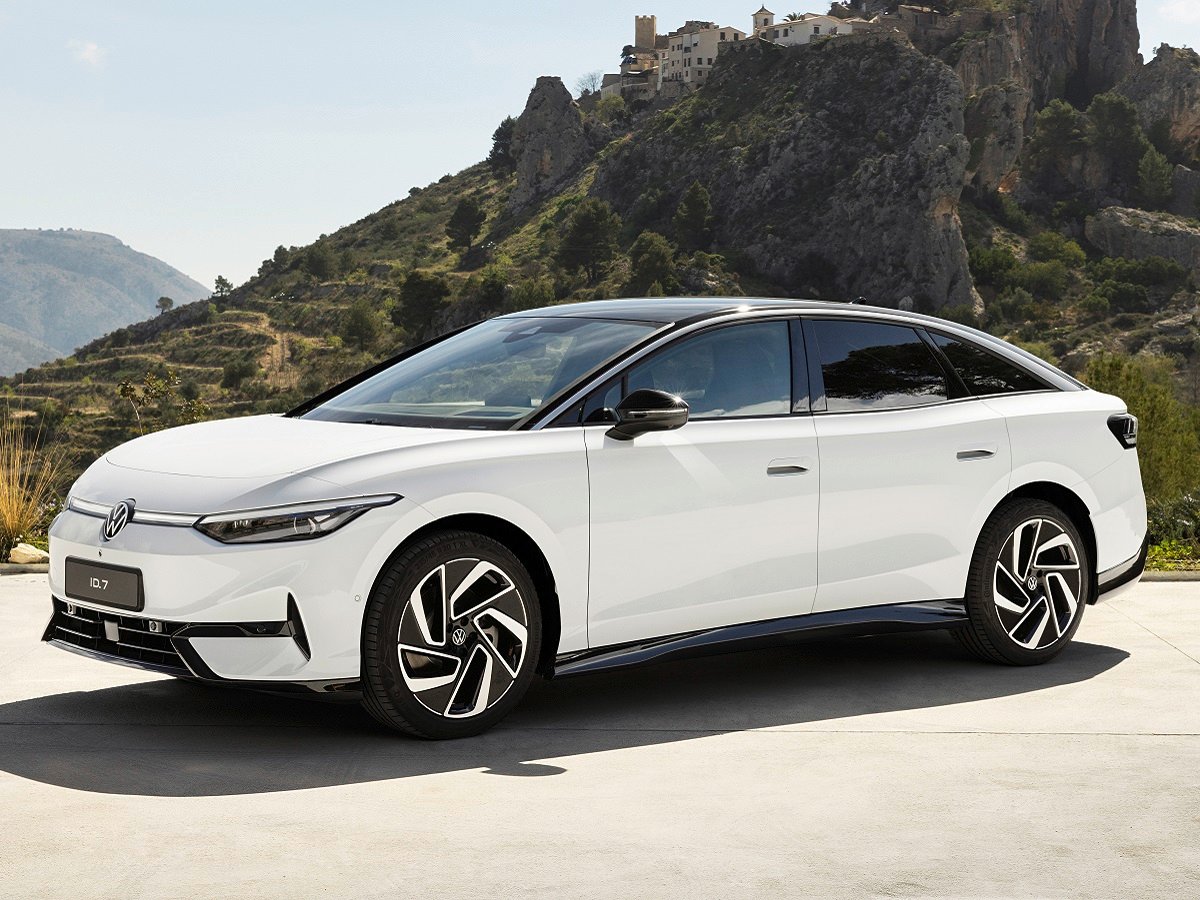
The Passat is dead. Long-live the ID.7. Volkswagen’s largest sedan in the United States is all-electric with a raked hatchback body style Audi would refer to as a “Sportback.” There are two ID.7 versions: Pro S and Pro S Plus, with an 82-kWh battery and 282-hp rear motor. The optional dual-motor AWD powertrain produces 335 hp.
The interior features the latest improvements to Volkswagen’s much-maligned tech interface and interior controls. The touchscreen measures 15 inches, and an augmented-reality head-up display is available. Besides extra feature content like massaging front seats and a Harman Kardon stereo, the Pro S Plus features an adaptive damping suspension and “dynamic” steering.
Learn more:

This retro-inspired van is a radical departure from conventional minivans like the Honda Odyssey or Toyota Sienna—not just because of its electric powertrain. Uniquely tall, boxy proportions grant the VW ID. Buzz a spaciousness that on-paper specs can’t put into context. There’s also the matter of design, although be warned that the easter egg color options aren’t available on the base trim (grayscale only for that).
The ID. Buzz has a 91-kWh battery that can recharge at a rapid maximum rate of 200 kW, but the range is only 234 miles for the rear-motor model and 231 for the 4Motion dual-motor AWD version. Pricing is also very un-Odyssey-like: $59,995 to start, $63,495 for the Pro S Plus that introduces all those fun colors and extra equipment, and $67,995 for the dual-motor version. Equipment is near-luxury on all, though, so it’s far from apples-to-apples.
Learn more:
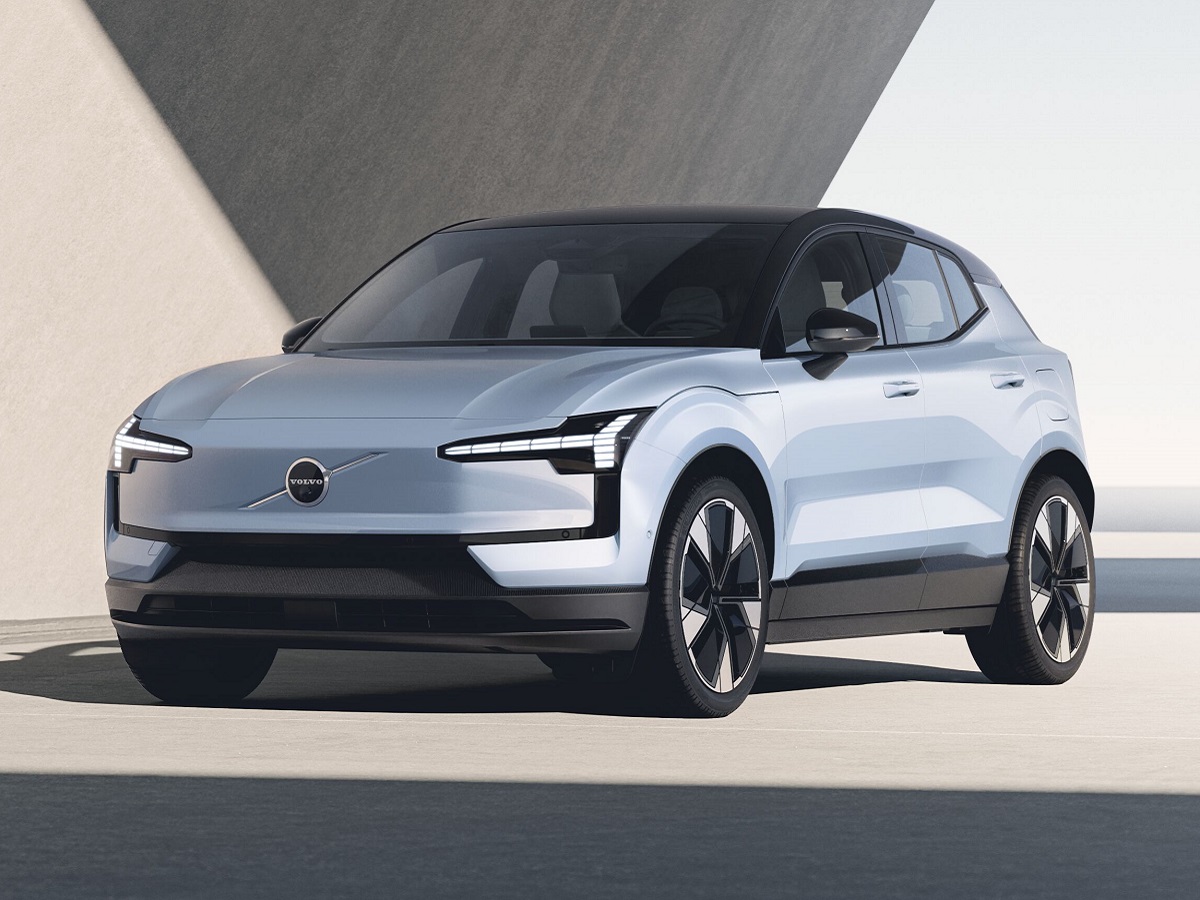
The EX30 is the first of two new electric Volvos that bookend the range. As the name suggests, the EX30 is the new entry-level model. It is eight inches shorter than the EX40 (previously known as the XC40 Recharge)—considered a subcompact model. Interior and cargo space are similarly reduced.
Despite its diminutive size, there’s nothing small about the EX30’s power output: 422 hp, which the automaker says gets the little Volvo from zero-to-60 mph in 3.4 seconds. The EPA-estimated range is between 257 and 261 miles, depending on wheel choice. The interior is highly minimalist, with everything displayed on the touchscreen (like a Tesla) and almost everything controlled with it too. Volvo uses renewable and recycled materials throughout. Pricing starts at $44,900.
Learn more:
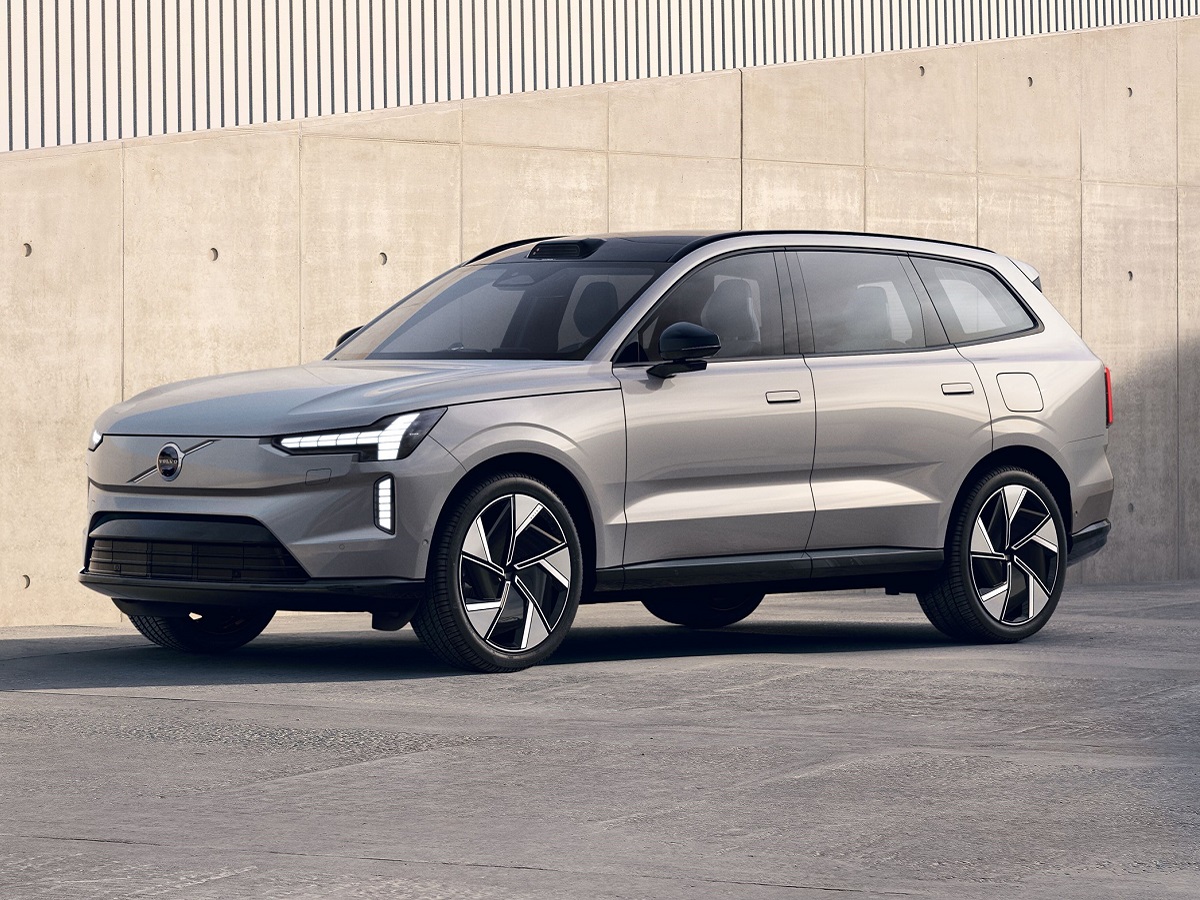
At the other end of Volvo’s electric range is the EX90. It is one of the few three-row EVs, and unlike some of the existing choices, the EX90 can fit full-size adults in its way-back seat. Two versions are available, both with dual-motor AWD: the Twin Motor (402 hp) and Twin Motor Performance (510 hp). The range of either is 300-310 miles, depending on wheel selection.
The EX90 features Volvo’s latest driver-assistance systems, which run through an Nvidia-sourced computer system and utilize a lidar sensor array mounted above the windshield. The interior features eco-friendly materials and is extremely quiet.
Learn more:
James Riswick has tested and reviewed cars since 2007, serving as an editor at Edmunds.com and Autoblog. He has attended an auto show every year since he was two and wanted to be an automotive journalist since high school. He resides in Southern California with his wife, preschooler son, and two elderly dogs. He owns a 1998 BMW Z3, a 2013 Mercedes-Benz E350 Wagon, and a 2023 Kia Niro EV.


The Ford Transit is the automaker’s full-size cargo and passenger van offering, designed to serve a wide range of commercial and lifestyle applications. With 37 available configurations, the platform ...See More
Read the Full Article
The Chevrolet Tahoe is a full-size, three-row SUV with a standard V8 engine and available diesel power. Built on the same platform as the Chevrolet Silverado 1500 pickup, the Tahoe benefits from its ...See More
Read the Full Article
It is the end of the line for the Ford Escape. After 25 years as a fixture of Ford’s lineup, 2026 will be the compact SUV’s last model year.
Read the Full Article
The Colorado is Chevrolet’s midsize pickup. It ranks among the segment’s most capable trucks for payload and towing, and can be configured for both work and off-road adventures. For 2026, the ...See More
Read the Full Article