
For those unfamiliar with the Polestar brand, which has been selling vehicles in the United States for just a few years, it's now parent automaker Volvo Group's all-electric performance/luxury division. The Polestar 2, sold here since 2021, is a 4-door hatchback electric vehicle (EV) about the size of a compact Volvo S60 sedan. Polestar will soon begin flushing out its product offerings in the U.S. market, supplanting the China-built Polestar 2 hatchback with two U.S.-assembled models: a fastback midsize Polestar 3 crossover SUV EV arriving in mid-2024 priced from the mid $80,000s, and a swoopy, low-slung Genesis GV60-like Polestar 4 SUV coupe EV for the 2025 model year.
Polestar keeps making continuous improvements to the premium hatchback EV. For 2024, it offers three versions of the Polestar 2: Long Range Single Motor, Long Range Dual Motor, and Long Range Dual Motor with Performance Pack. The dual-motor versions come standard with all-wheel drive (AWD). There is no standard-range model available for the U.S. market.
For 2024, Polestar will accomplish the rare feat of transforming the single-motor version from a front-drive layout with the electric motor at the front to a rear-drive layout with the motor at the rear. According to Polestar, moving the motor to the rear helps get some weight off the nose and helps make steering more responsive. The single motor used in the 2024 base model offers 68 more horsepower and 118 pound-feet more torque than the 2023 one, increasing to 299 hp and 361 pound-feet. The 2024 single-motor version also gets a larger-capacity 82-kWh lithium-ion battery that offers a higher 205-kW DC fast-charging rate and greater driving range (up to 320 miles).
The dual-motor AWD version also gets some tweaks for 2024. It keeps the previous 78-kWh battery but uses a new front motor that can freewheel to conserve range when power or traction demands are low. This model now sports 421 hp and 546 pound-feet of torque, while the dual-motor with the Performance Pack now has a software upgrade bumping output to 455 hp. Fast-charging the carryover 78-kW battery in the dual-motor models is limited to a maximum of 155 kW, which Polestar says can take it from 10 to 80 percent in as little as 34 minutes.
Including the $1,400 destination charge, the 2024 Polestar 2 prices are as follows:
The Dual Motor test car came with door decals detailing the battery capacity and electric motor output—the only vehicle I've ever tested with that information emblazoned on the doors for all to see.

Photo: Ron Sessions
The Polestar 2 competes in the Compact Premium Car market segment. According to data collected from verified new-vehicle buyers for the JD Power 2023 Automotive Performance, Execution and Layout (APEAL) Study, Polestar 2 owners rated their vehicles in 10 primary categories.
Listed below in descending order, you'll find their preferences, from what they like most about the Polestar 2 to what they like least:

Photo: Ron Sessions
In the sections that follow, our independent expert analyzes a 2024 Polestar 2 Dual Motor Performance Plus equipped with the following options:
The test vehicle's price was $69,650, including the $1,400 destination charge.

Photo: Ron Sessions
The Polestar 2 offers a spare, minimalist cabin with a configurable 12.3-inch color driver display and a large center screen. Overall, the interior design is architecturally clean and open, especially with the panoramic sunroof included with the Dual Motor Performance Pack model.
The dashboard is free of switch clutter, but the car retains physical switches for front and rear defrosters, hazard flashers, and audio volume and tuning controls within easy reach on the center console.
Certainly not flashy, especially with the test car's handsome Zinc and Light Ash gray color scheme, one can best describe the interior as Scandinavian Modern. With the Performance Pack, however, the Polestar 2 gets oddly juxtaposed, flashy gold seat belts reminiscent of those used by flight attendants to show airline passengers how to buckle up. We'll chalk that one up to the company's desire for the occupants in its vehicles to buckle up.
The heated, power-operated front buckets are comfortable and supportive for both the daily commute and long slogs on the highway, as you would expect in any Volvo-affiliated product, but without overly stiff bottom cushion side bolstering (as found in some other performance sedans) that could impede easy ingress and egress. Most Polestar 2 cars come with vegan-based WeaveTech fabric-covered seats. Still, one can upgrade to optional Nappa-leather that Polestar says has been animal-welfare-secured. Optional are heated windshield washer nozzles, manual front seat-bottom cushion extenders, and a heated steering wheel.
Unlike some other electric cars, the Polestar 2 has a high-mounted bridge-type center console with limited storage on top, consisting of a pair of cupholders, a small open tray for the standard wireless phone charger and other small items beneath the infotainment display screen, and a covered cubby under the center armrest. There are, however, calf-level storage slots on the console's sides and generously sized beverage holders in the doors.
The three-across, 60/40 split-folding rear bench seat can comfortably handle two adults, three in a pinch. It features a fold-down center armrest with a pair of cupholders. Optional are heated outboard rear seats.

Photo: Ron Sessions
Like other recent Volvo products, the Polestar 2 features an Android Auto operating system with Google Built-in. That means Google Maps powers the standard navigation system. Also, Google Assistant is onboard for voice requests for various convenience functions and gives direct access to Google's continuously updated database when searching for points of interest and, most importantly, functioning charging stations.
I paired my Samsung Android phone in a jiff and could send and receive calls and seamlessly stream music from my Pandora account. Not to worry, iPhone users can connect wirelessly to Apple CarPlay for all their favorite apps, including Apple Maps.
Most controls, including those for the standard dual-zone climate control system and heated seats, are on the large, 11.15-inch portrait-format touchscreen that dominates the center of the dashboard. Still, Polestar wisely kept a simple-to-use combination volume/tuning knob on the center console for quick access on the fly with minimal distraction and zero need for screen menu diving.
In addition to the wireless phone charger, there are two front and two rear USB-C ports for keeping devices charged.
Polestar equipped the test car with a substantial-sounding 13-speaker, 600-watt Harman Kardon premium audio system instead of the standard 8-speaker stereo. Both come with SiriusXM satellite radio connectivity.
The first three years of ownership include Google connectivity and Polestar Connect with roadside assistance. Over-the-air updates and the Polestar vehicle app are also onboard for the entire ownership period. You can set up the Polestar 2 with a digital key app on your smartphone to use instead of the supplied remote keyless fob.

Photo: Ron Sessions
Picture a demure Volvo S60 sedan that's about 6 inches shorter and converted to a more cargo-flexible hatchback body style, but with the S60's fossil-fuel-burning drivetrain bits removed and replaced with an all-electric powertrain that in Dual Motor AWD Performance Pack trim is good for up to 455 hp, 546 pound-feet of torque, and zero-to-60-mph sprints in just over 4 seconds. That's the electron-powered Polestar 2 that can go, depending on trim, between 247 and 320 miles without burning a drop of gasoline.
In typical Scandinavian fashion, the Polestar 2's appearance doesn't convey an overly aggressive performance persona. You open the door, sit in the driver's seat, and, once the car recognizes the key fob and initializes the system, you put a foot on the brake, select Drive or Reverse, and off you go. There is no pushbutton start.
As with all electrics, a press of the accelerator delivers instant torque, and you motor away in turbine-smooth zeal. The Polestar 2 Dual Motor with Performance Pack is one of those electrics that doesn't just feel quick out of the hole. Instead, it will push you back in the seat with a tap of the accelerator at pretty much any legal speed, which makes the Polestar 2 giddy fun for overtaking slower traffic or merging briskly into fast-moving freeway traffic.
With an electric motor sitting over each axle in the Dual Motor version and the low-slung battery inhabiting the middle of the floor, weight distribution is a claimed 50 percent front/50 percent rear, making for a low center of gravity and even weight balance for each driven wheel. The result is a car with a premium, engaging feel and precise steering that, along with the Performance Pack's Continental Sport Contact 6 245/40R20 summer performance tires, delivers the kind of fun you may have only dreamed of behind the wheel of your grandfather's Volvo.
The Polestar 2's steering ratio is quick enough but never darty, and effort is adjustable via vehicle settings in the center screen. However, I prefer the middle setting. Ride quality is on the firm side, but road impacts short of gaping potholes are never harsh. The Performance Pack's Ohlin's high-pressure single-tube shocks are adjustable as well. Keep in mind, however, that changing the settings on these dampers must be done mechanically, and that involves a trip to the dealer.
Polestar also upgrades the Dual Motor Performance Pack's brakes, with larger drilled and vented discs and Brembo 4-piston calipers installed up front and larger solid discs at the rear. The blending of mechanical and regenerative braking is very smooth and linear. Drivers can adjust the level of brake regeneration via steering wheel paddles with a choice of three levels of retardation. The middle setting offers the best balance of immediate deceleration when backing off the accelerator and is less disruptive to following traffic.

Photo: Ron Sessions
Included as standard in the 2024 Polestar 2 is a full suite of advanced driver assistance systems (ADAS). In addition to nine airbags and a 360-degree surround-view camera, these features include:
In addition, the Dual Motor with Performance Pack-equipped test car adds a standard Pilot Pack, which adds:
As with most new vehicles, I found the blind-spot and rear cross-traffic warning systems most useful. The blind-spot system was beneficial in alerting me to fast-closing interstate traffic in adjacent lanes otherwise obscured during a heavy downpour. It's an active system, so if you ignore the visual alert in the side mirror and attendant warning chime, it will apply some countersteering torque to help keep you from changing lanes into harm's way.
The rear-cross-traffic warning system also came to the rescue when I was backing the Polestar 2 out of a parking spot flanked by tall, lifted pickups. I didn't see the small hatchback that would be zooming behind me seconds later as the driver hurried to an open parking spot nearby. Still, the alert system did and promptly set off visual and audible warnings as it also applied the Polestar 2's brakes and avoided a likely fender bender.

Photo: Ron Sessions
The Polestar 2 is available solely as a 4-door hatchback. Behind the rear seat, there is 14.4 cubic feet of luggage capacity. This number includes a handy 1.5 cubic-foot concealed storage bin under the cargo floor that's roomy enough to store an airport roller bag, plus a laptop or camera case, a purse, and some shopping items.
Folding the 60/40 split rear seatbacks creates a level cargo floor and 38.7 cubic feet of storage suitable for carrying longer, bulkier items. There is also a small pass-through door between the two seatback sections to accommodate things such as skis while keeping the rear seatbacks raised to seat two outboard passengers.
The rear hatch opening is large, facilitating easy loading and unloading, and its liftgate is power-operated on all Polestar 2 models. The Dual Motor with Performance Pack test car also had a hands-free feature that let me open the lift gate with a foot wave under the rear bumper.
Under the front hood is a 1.2-cubic-foot front trunk, or "frunk," ideal for carrying the AC charging cord and other small valuables.
The Dual Motor Polestar 2 test car with the Performance Pack has an Environmental Protection Agency (EPA) energy consumption rating of 35 kWh per 100 miles and a driving range of 247 miles. Other available Polestar 2 models include the Single Motor with an EPA consumption rating of 29-32 kWh per 100 miles and a 320-mile range and a Dual Motor (without the Performance Pack) with a 32-33 kWh-per-100-miles consumption rating and 276-mile driving range.
The Polestar 2 test car arrived with 180 miles of range remaining, and after driving it 96 miles, it showed 80 miles of charge remaining. At a DC fast-charge station, I successfully recharged the test car from 37 to 82 percent in about 45 minutes at a rate of 117 kW. Polestar says you can charge the Dual Motor Polestar 2's 400-volt, 78-kWh lithium-ion battery from 10 to 80 percent at up to 155 kW in as little as 34 minutes on a DC fast charger. The charge time on a 240-volt AC power source is about 8 hours at 11 kW.
As of the posting of this review, the Insurance Institute for Highway Safety (IIHS) has not published safety ratings for the 2024 Polestar 2. However, the National Highway Traffic Safety Administration (NHTSA) has, and the 2024 Polestar 2 received a full 5 out of 5 stars for front impacts, side impacts, rollover resistance, and overall.
For the 2024 model year, Polestar 2 prices range from $49,000 for the Long Range Single Motor, $55,300 for the Long Range Dual Motor, and $63,000 for the Long Range Dual Motor with the Performance Pack. The destination charge is an additional $1,400.
In the JD Power 2023 Initial Quality Study (IQS), the Lexus IS ranks highest in the Compact Premium Car segment. The BMW 4 Series and the Cadillac CT4 are the next highest-ranked models.
In the 2023 APEAL Study, the Lexus IS ranks highest in the Compact Premium Car segment. The BMW i4 and the Mercedes-Benz C-Class are the next highest-ranked models.
Other competitors to the 2024 Polestar 2 include the Audi A4/A5, BMW 3 Series, Genesis G70, and Volvo S60. From a range and price standpoint, popular EV sedan competitors include the Hyundai Ioniq 6 and Tesla Model 3.

Photo: Ron Sessions
Courtesy of a surprisingly convincing refresh that brings lively handling and a range of trims that deliver between 299 and 455 hp and from 247 to 320 miles of range, the 2024 Polestar 2 is a worthy entry-level offering of Volvo's nascent premium EV lineup.
Ron Sessions is a seasoned vehicle evaluator with more than three decades of experience. He has penned hundreds of road tests for automotive and consumer websites, enthusiast magazines, newsletters, technical journals, and newspapers.


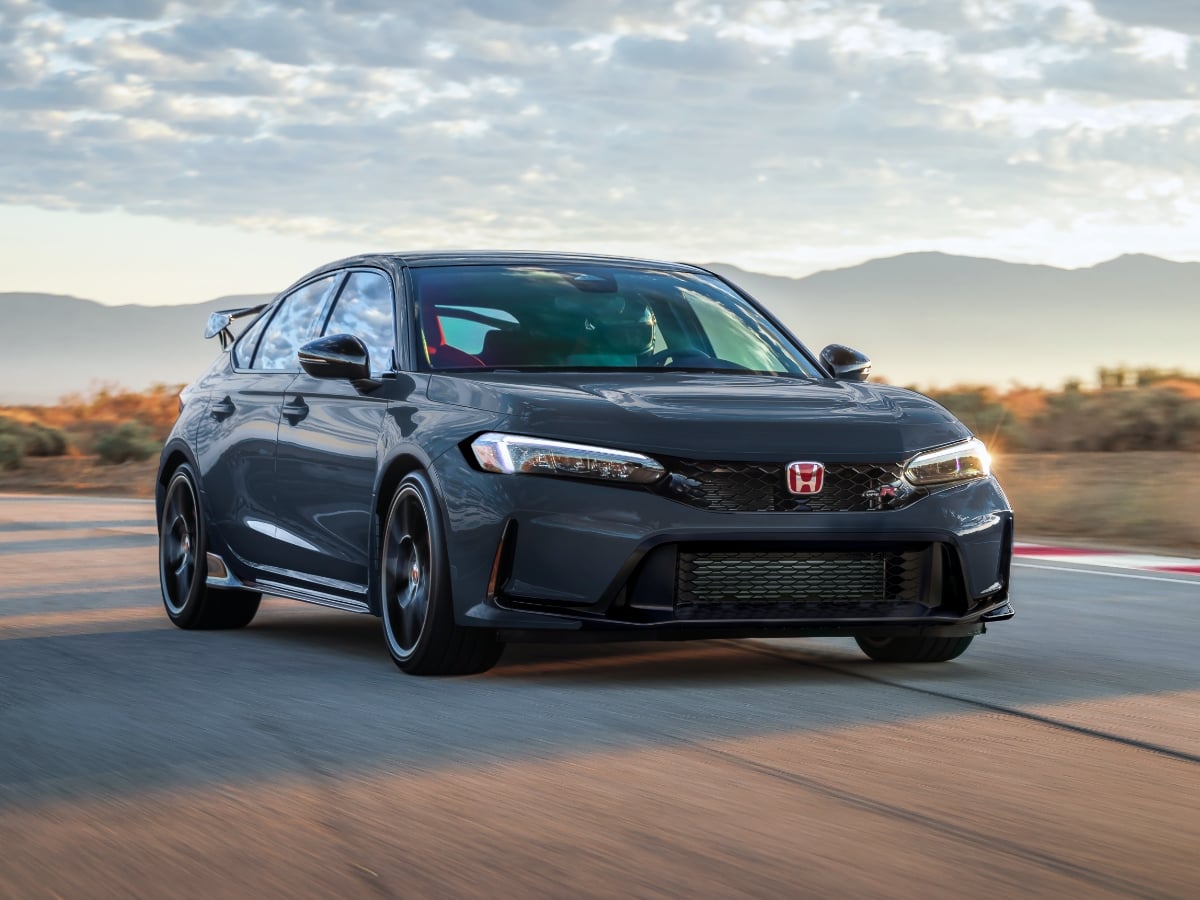
The 2027 Civic Type R goes on sale in October 2026, and it starts at $49,990, including the $1,295 destination charge.
Read the Full Article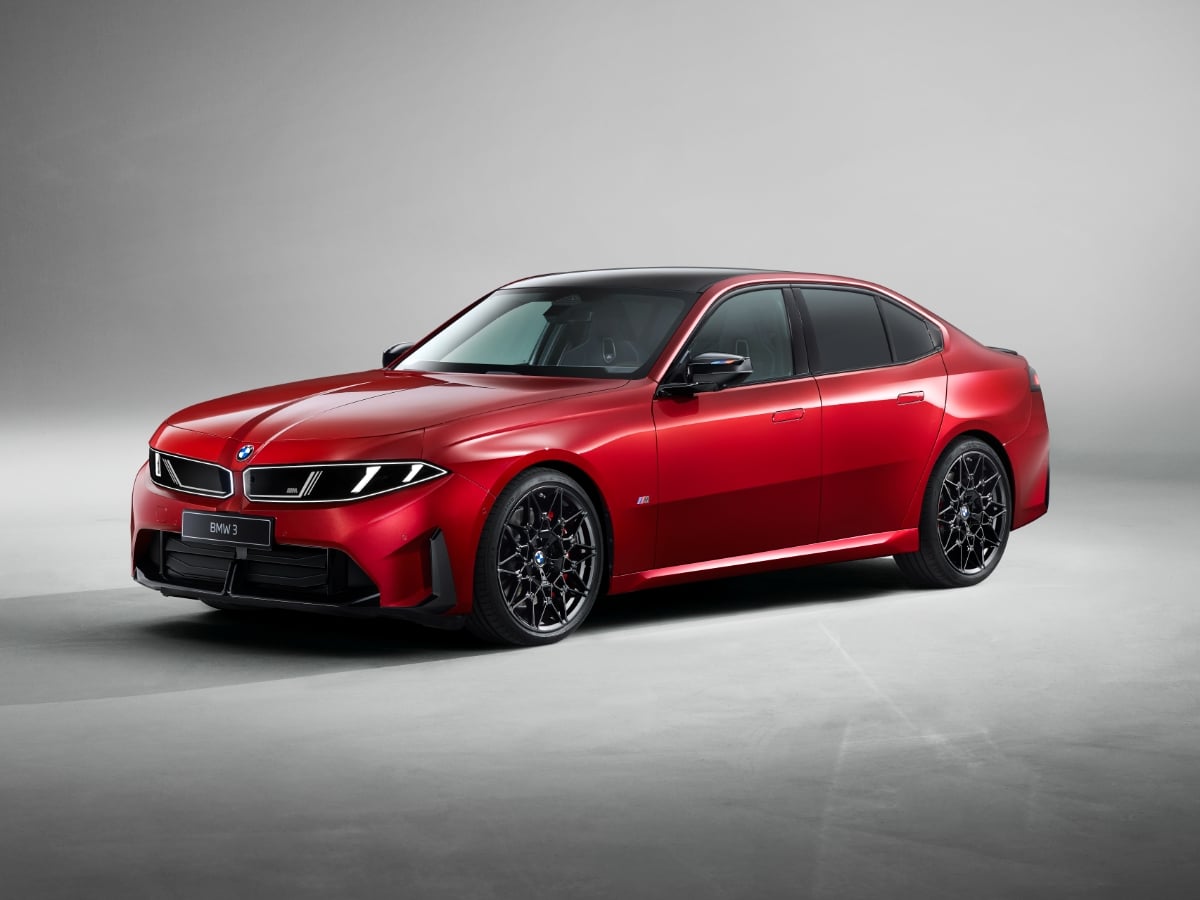
Part of BMW’s Neue Klasse (new class) rollout of redesigned models, the 2027 BMW 3 Series is all-new and goes on sale in the first quarter of 2027.
Read the Full Article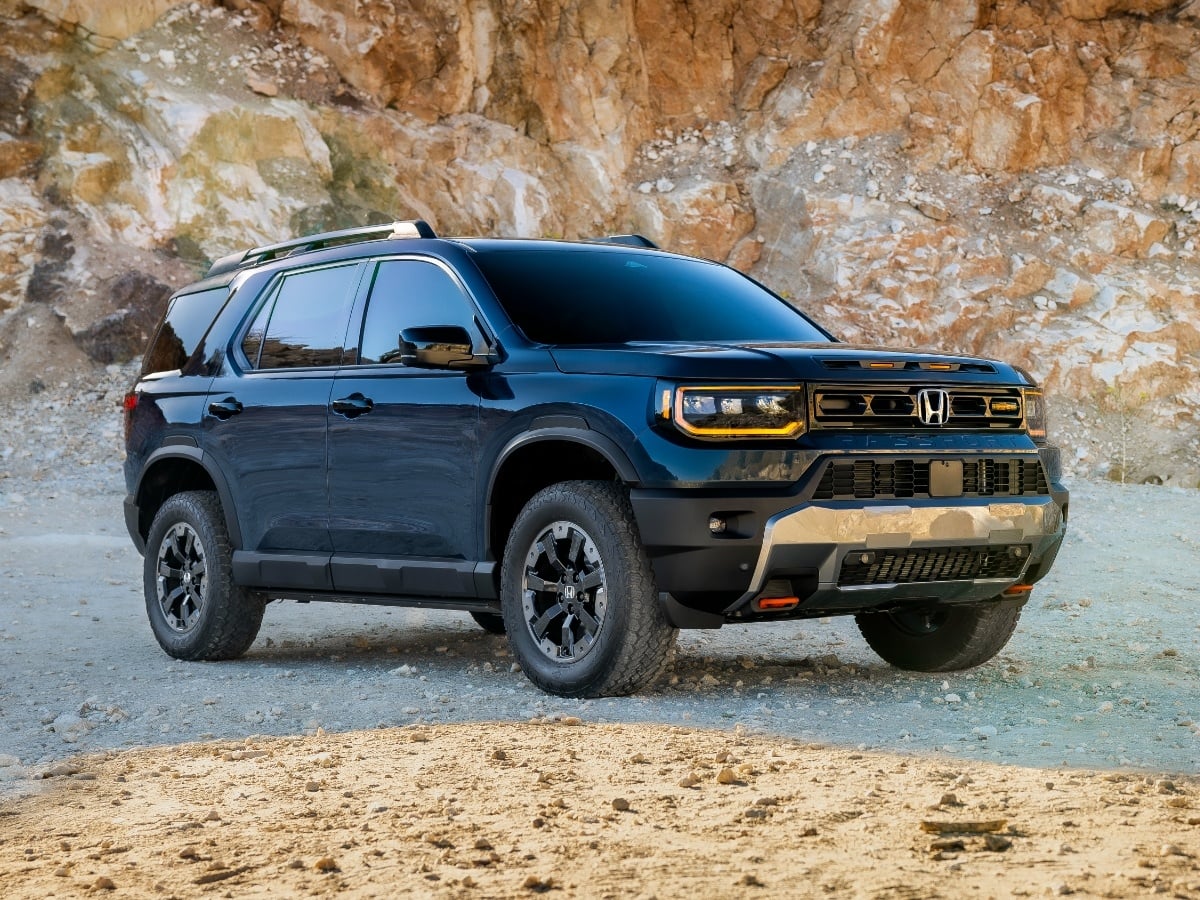
Updates to the 2027 Honda Passport TrailSport include a reworked suspension, improved steering, subtle styling enhancements, and added standard equipment.
Read the Full Article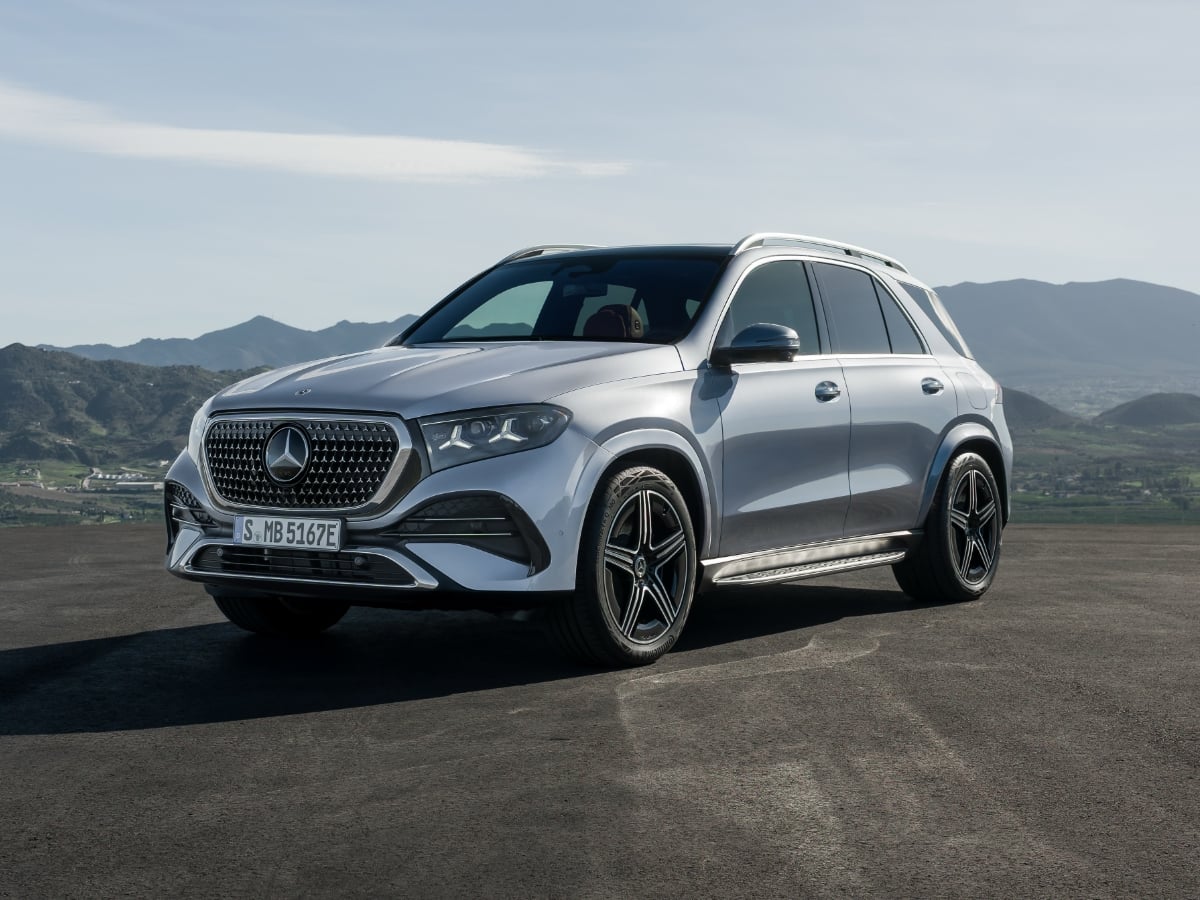
The midsize 2027 Mercedes GLE remains available in original and spicy Coupe recipes, now with standard 4Matic all-wheel drive (AWD), MBUX Superscreen technology, and a panoramic glass sunroof for ...See More
Read the Full Article