
Audi and Buick have used the name “Sportback” to describe a car or SUV that has a dramatically acute angle to its roofline, rear window, and trunk opening, combined with a wide-opening rear liftgate to access a roomy trunk. This collection of design elements tapers dramatically from just over the front seats into the rear of the vehicle, trading rear-seat passenger room for what many consider to be a stylish look.

Essentially, a sportback is 5-door hatchback with a fast roofline and a sportier design. Sportbacks offer more utility than a traditional sedan but less utility than a traditional SUV or station wagon.
Though Audi coined the term Sportback, which Buick then briefly used to describe the Regal model before its discontinuation after the 2020 model year, it is increasingly used as a proprietary eponym to reference vehicles with this type of design. As such, in some circles, Sportback is used similar to how the brand name Kleenex can describe facial tissues of any brand, and Coke references any carbonated cola drink.
With the discontinuation of the Buick Regal, Audi is the only automaker using Sportback as part of a vehicle’s official name. Models equipped with the design and name include the:
Audi’s new flagship electric car, the E-tron GT, appears to have a sportback design, but instead, it has a traditional trunk lid and fixed rear window glass. This type of design is increasingly common for its styling appeal and aerodynamic properties, and vehicles with this arrangement are better referred to as a fastback.
BMW currently sells – or has sold in the past – several models taking both approaches. Today, the company’s SUVs featuring this type of design are called Sports Activity Coupes, while the cars are known as Gran Coupes. However, within the family of Gran Coupes, only the BMW 4 Series is a true sportback with a wide-opening rear liftgate. The 2 Series Gran Coupe and 8 Series Gran Coupes have fixed rear windows and traditional trunks and are better referred to as fastbacks or, technically, sedans.
In the past, BMW has also sold Gran Turismo versions of the 3 Series, 5 Series, and 6 Series. These were also sportback models but sat higher and supplied more interior room and utility than a typical sportback.
Car companies can call their vehicles whatever they want to. Coupes aren’t just 2-door cars anymore. They can have four doors. Sedans need not feature a notchback rear window and trunk design. They can have rakish rooflines that stretch dramatically into the trunk, such as with the Honda Accord. Hatchbacks are no longer stubby versions of station wagons with vertical rear windows.
However, to keep body styles straight, some rules of the road are necessary.
JDPower.com will reference specific automaker branding for a body style in its editorial but generically restricts the term “fastback” to models with fast rooflines and a traditional trunk. In contrast, the term “sportback” references models with fast rooflines and a sizeable rear liftgate opening to reveal a roomy cargo area. Fastbacks can have two or four doors, while sportbacks have four doors.
So then, what is a Hyundai Veloster or a Porsche Panamera Sport Turismo? Let’s not further confuse the issue by adding “shooting brake” to the discussion. For now, let’s consider them outliers.
Choosing a sportback body style typically adds style and utility to a car. For example:
Additionally, the Audi A5 Sportback is, to some people, more stylish than the Audi A4 sedan.
With cars that have a sportback design, the primary cons relate to pricing and rear-seat room. Automakers typically charge more for these models, and, in most cases, the back seat is not as accommodating as an equivalent sedan. The Volkswagen Arteon is a notable exception, as compared to a Volkswagen Passat.
With SUVs, such as the Audi Q5 Sportback, BMW X4, and Mercedes-Benz GLC Coupe, these same shortcomings are true, with the added loss of cargo space. For example, each of the SUVs on which these luxury models are based (Audi Q5, BMW X3, Mercedes GLC) offers more cargo volume behind the rear seats and with the rear seats folded down. With SUVs, in every case, you are paying more and getting less, except for that sporty roofline.
When it comes to cars, sportbacks offer the best of several types of vehicles. They offer the door count and comfort of a sedan, the utility of a station wagon or SUV, and the styling of a sporty coupe.
When it comes to SUVs, sportbacks cost more and give you less. They’re positioned as a stylish alternative to a traditional 2-box SUV design, but in exchange for that sportier appearance, you give up rear-seat room and cargo space.


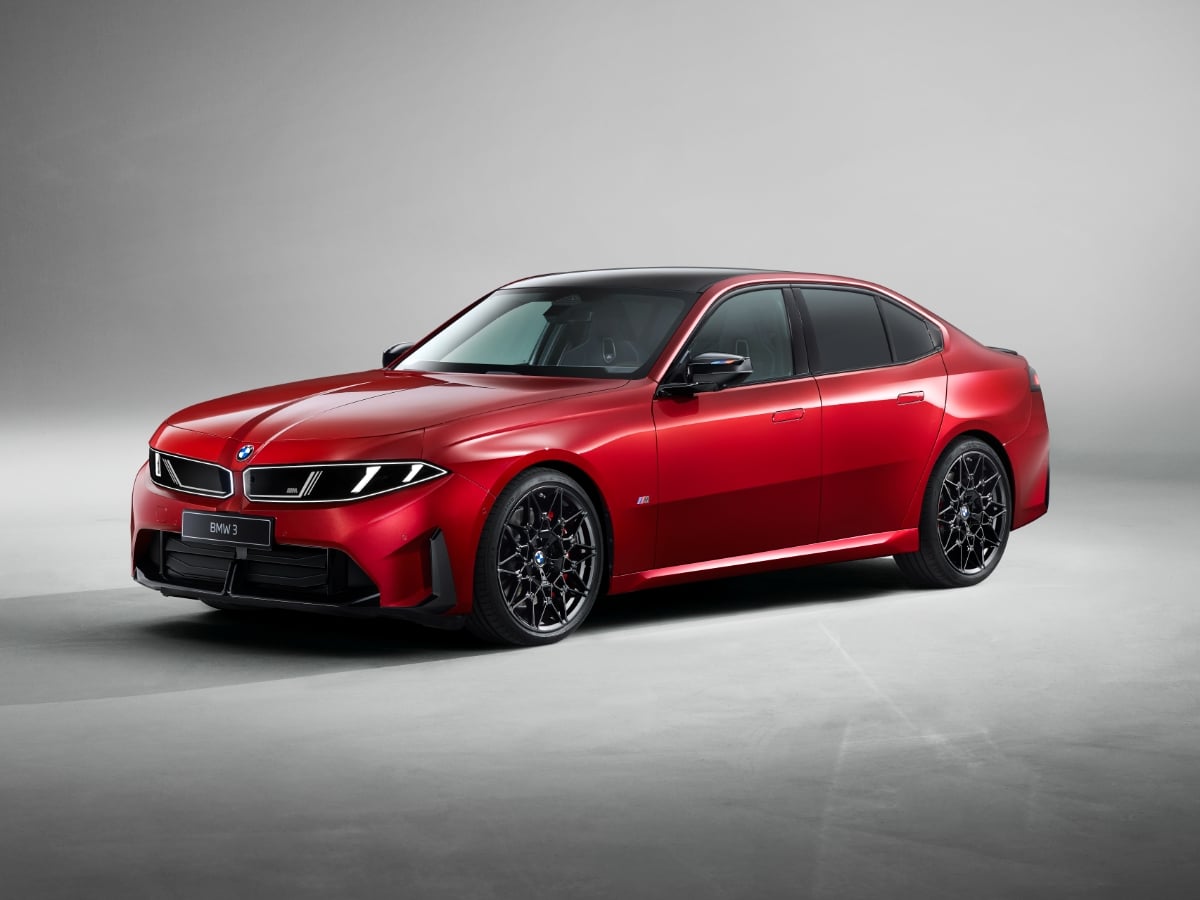
Part of BMW’s Neue Klasse (new class) rollout of redesigned models, the 2027 BMW 3 Series is all-new and goes on sale in the first quarter of 2027.
Read the Full Article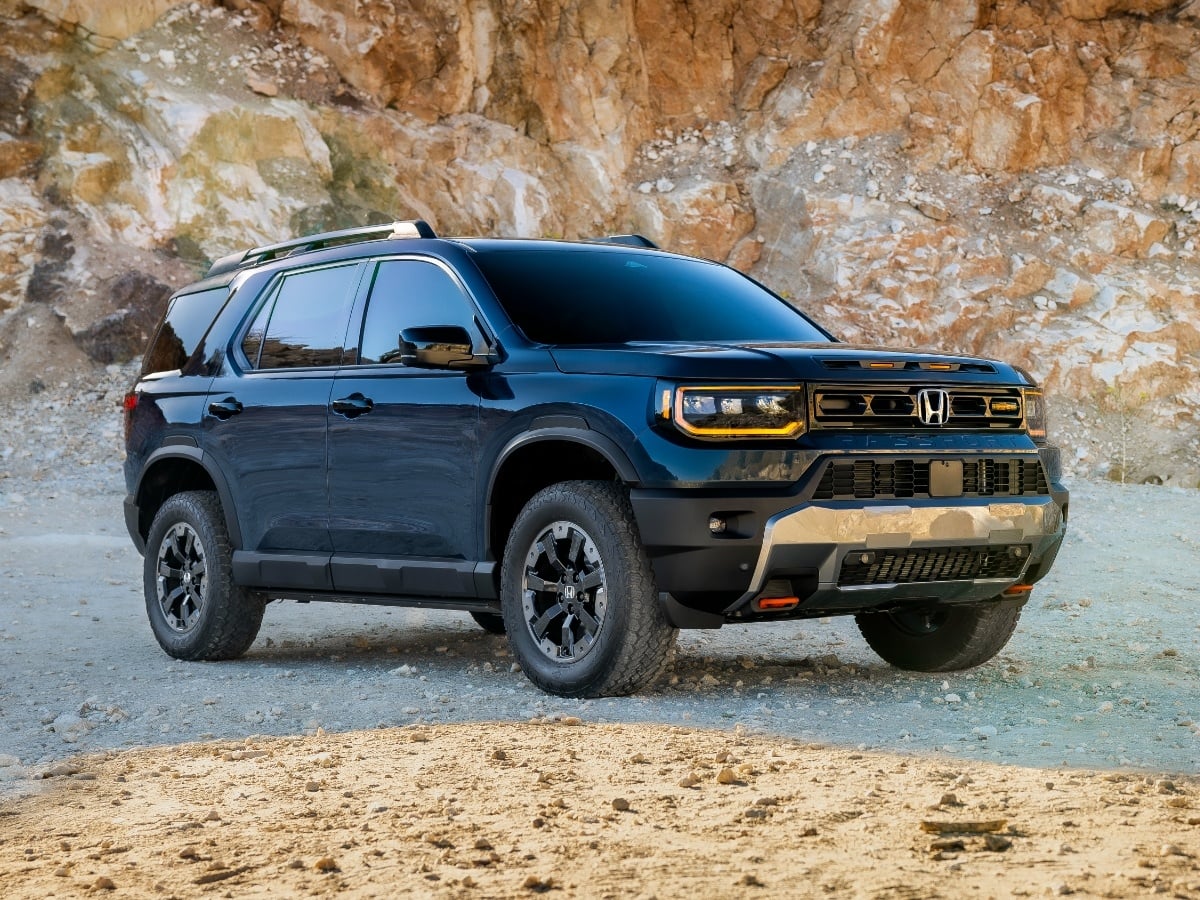
Updates to the 2027 Honda Passport TrailSport include a reworked suspension, improved steering, subtle styling enhancements, and added standard equipment.
Read the Full Article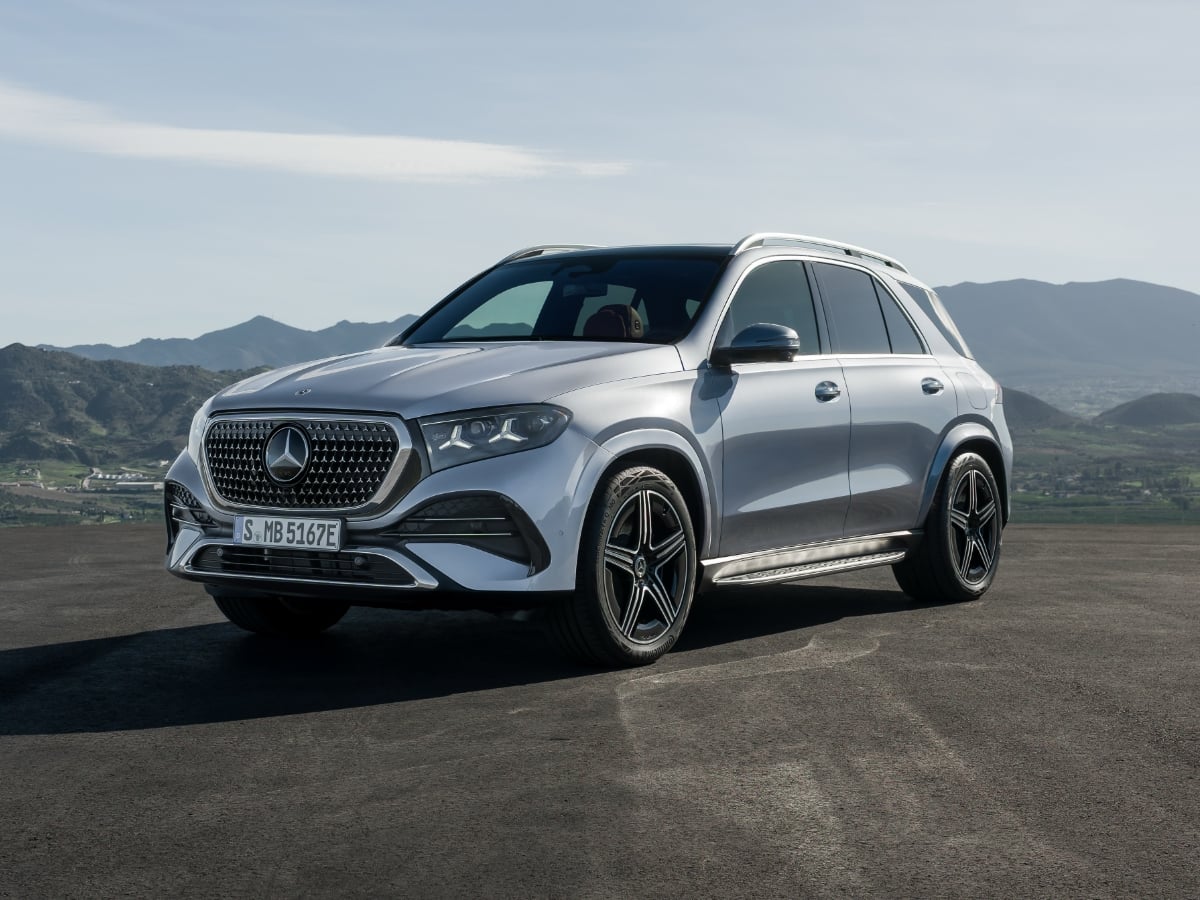
The midsize 2027 Mercedes GLE remains available in original and spicy Coupe recipes, now with standard 4Matic all-wheel drive (AWD), MBUX Superscreen technology, and a panoramic glass sunroof for ...See More
Read the Full Article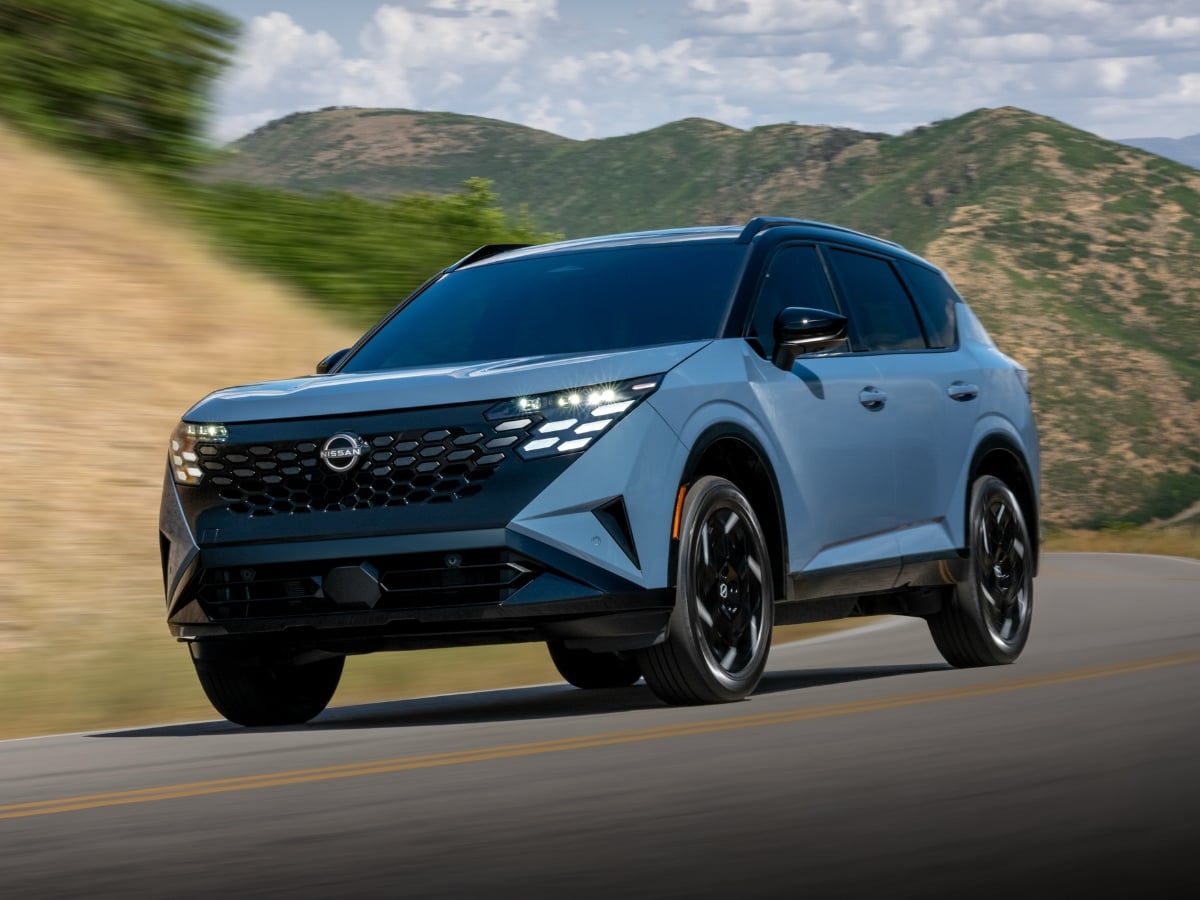
Nissan is about to introduce an innovative new SUV. The 2027 Nissan Rogue Hybrid has a gasoline engine, but it does not power the wheels. Instead, electric motors at each axle provide propulsion, ...See More
Read the Full Article