
The abbreviation “SUV” stands for Sport Utility Vehicle; a classification made to distinguish vehicles with passenger car characteristics that are capable of handling rugged, off-road terrain. By looking at the history of the SUV and its many variations, we will form a clear picture of what makes these vehicles distinguishable from the rest.

The distinctive design features of a typical SUV include high ground clearance, larger diameter tires, and a tall passenger cabin. At one point in time, 2-door SUV options were trendy, but in recent years they have been phased out in favor of 4-door versions.
The build of the body and chassis used to be the defining factor for SUV classification. A shared characteristic among many of the original SUVs was their body-on-frame construction, typically based on the chassis of a pickup truck.
Unibody construction merges both the chassis and the body into a single unit, significantly decreasing the vehicle’s weight without inherently affecting its off-road capabilities. However, SUV-shaped vehicles with front-wheel drive and no off-road capabilities dramatically increased in popularity, giving way to another segment of Sport Utility Vehicles; the CUV.
Crossover Utility Vehicles, known as a “Crossover SUV” or “CUV” for short, are exclusively built on a unibody platform focusing on ride comfort, fuel economy, and on-road handling. The off-road features of CUVs are inferior to those of SUVs, even non-existent in some cases.
Prior to the 1930s, terrain vehicles primarily employed the use of tracks to propel forward, with the exception of the farming tractor. The earliest SUVs were created shortly before and also during World War II:
Prior to World War II, installing a 4x4 powertrain would easily double the cost of a passenger vehicle, which was the primary reason why these vehicles’ production was limited. Nevertheless, demand for these components rose dramatically during the war, with Ford, Chevrolet, and Dodge increasing production 100 times to that of previous years.
By the time the war was over, manufacturing costs were substantially reduced, allowing manufacturers to continue their commercial market production. The Willys Jeep Station Wagon was equipped with optional four-wheel drive as early as 1949, followed by the Chevrolet Suburban in 1955 and International Harvester Travelall in 1956.
The rise of competition in the 1960s led to significant technological improvements in SUV design. The 1963 Jeep Wagoneer (SJ) was the first SUV to use station wagon body design, bridging the gap between SUVs and passenger cars. Toyota’s comfort-oriented Land Cruiser FJ55 was released in 1967, while the most notable European SUV was the 1970 Range Rover Classic.
Much like passenger cars, SUVs have their own classifications based mostly on the dimensions of the vehicle. The four primary types are:
As both the market and interest in SUVs has grown, so has the range of available options. A proper Sport Utility Vehicle has to be built from the ground up to tackle rough terrains, which often includes being equipped with a specially designed suspension, axle articulation, and electronic locking differentials. This arguably puts the “utility” in SUV, an acronym that is now familiar to all.


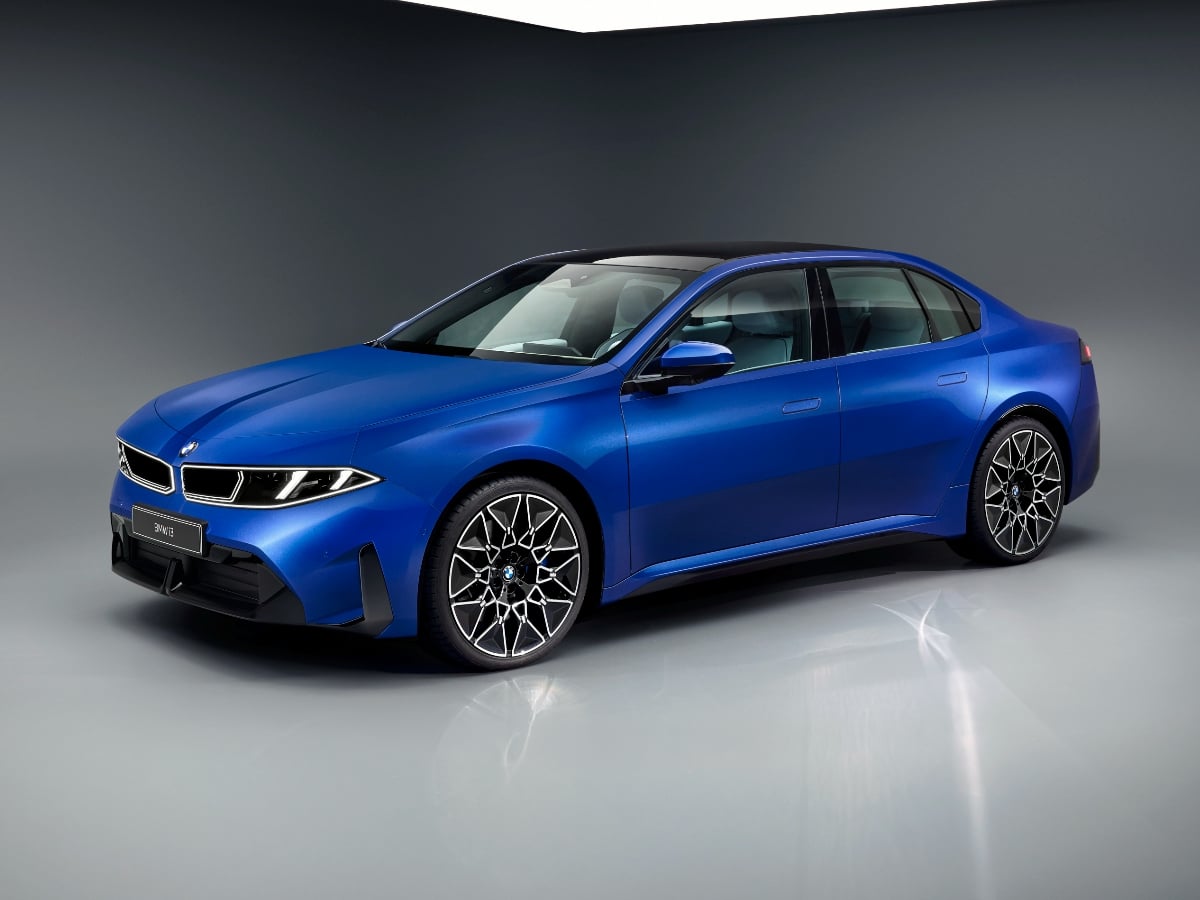
The new 2027 BMW i3 boasts an estimated range of up to 440 miles, 400-kilowatt DC fast charging capability, bidirectional charging to a home or the grid, and next-generation technology.
Read the Full Article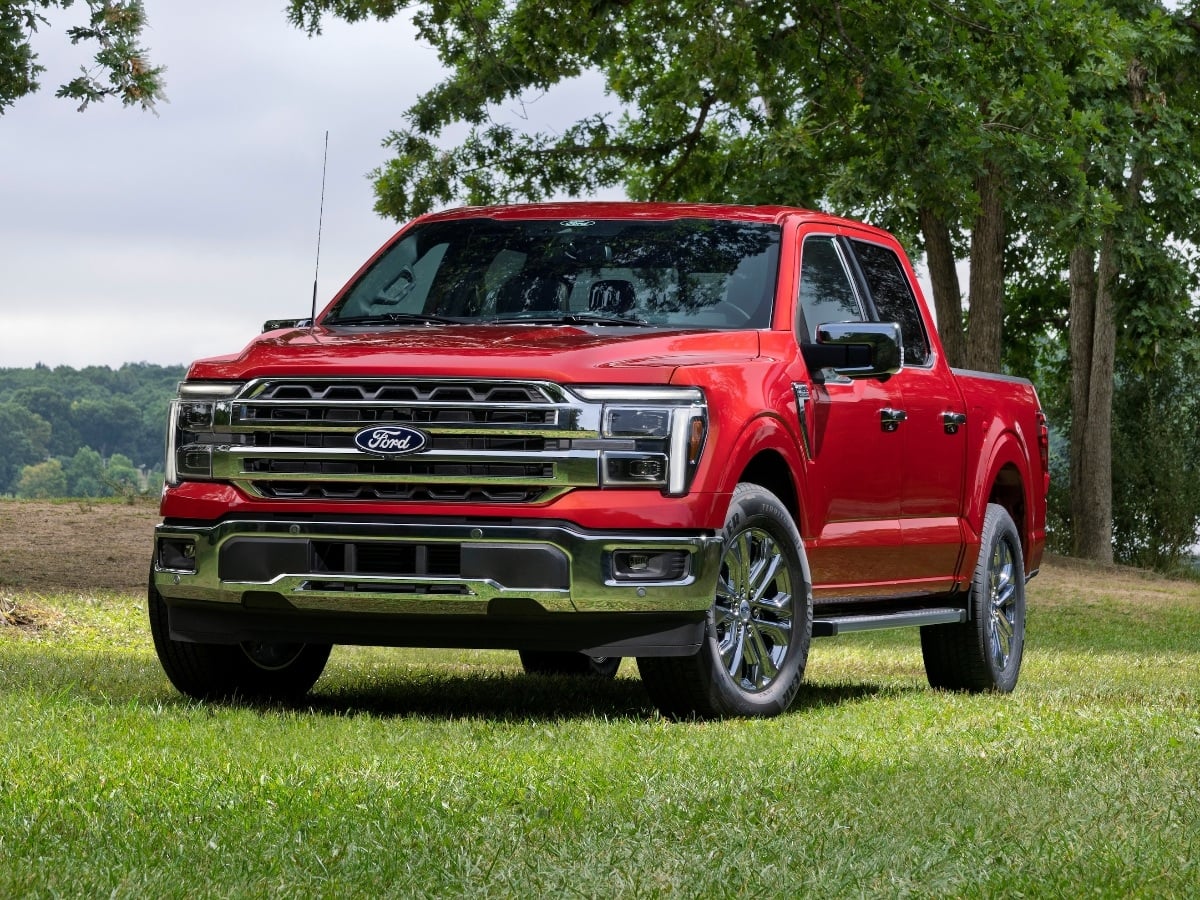
Facing renewed competition in the full-size, light duty pickup truck segment, the 2027 Ford F-150 receives subtle styling updates, a new standard engine, broader availability of its 5.0-liter V8, and ...See More
Read the Full Article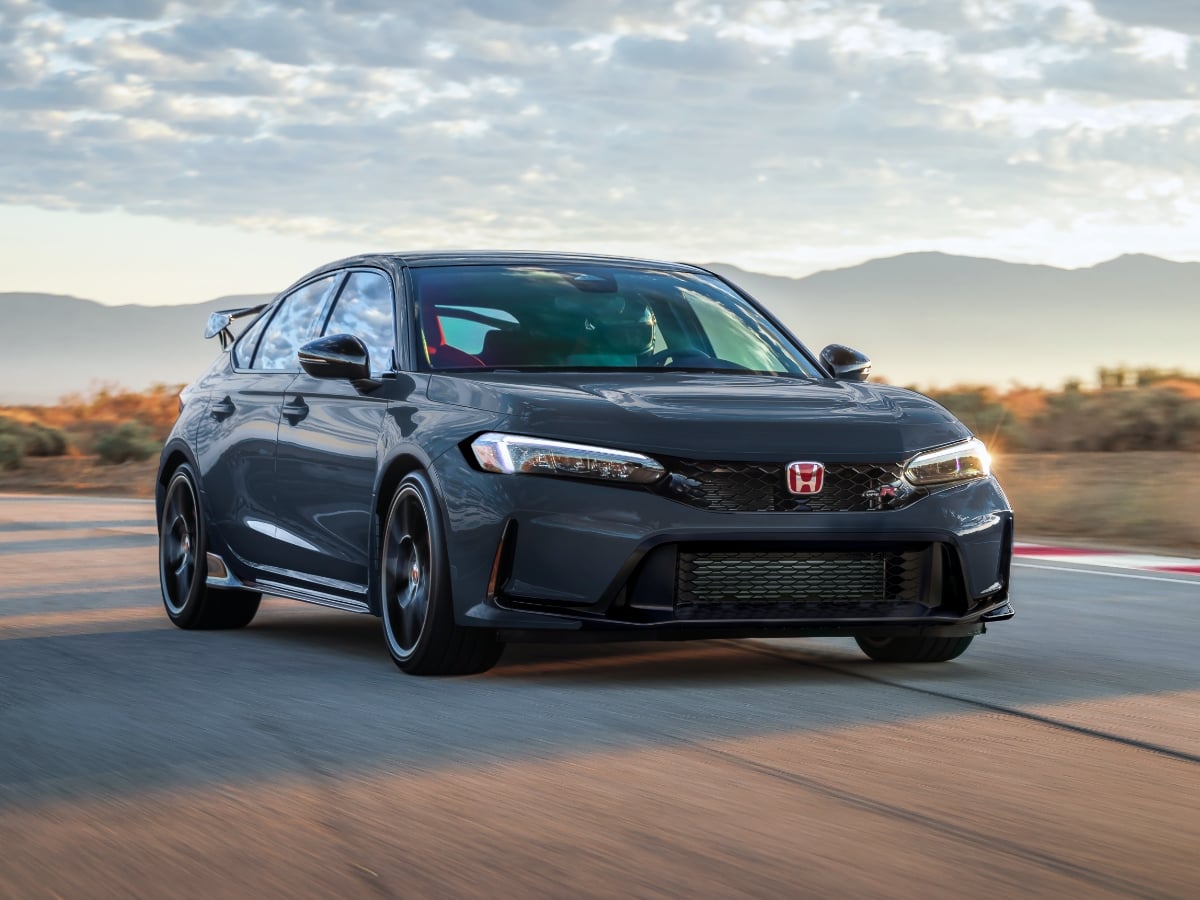
The 2027 Civic Type R goes on sale in October 2026, and it starts at $49,990, including the $1,295 destination charge.
Read the Full Article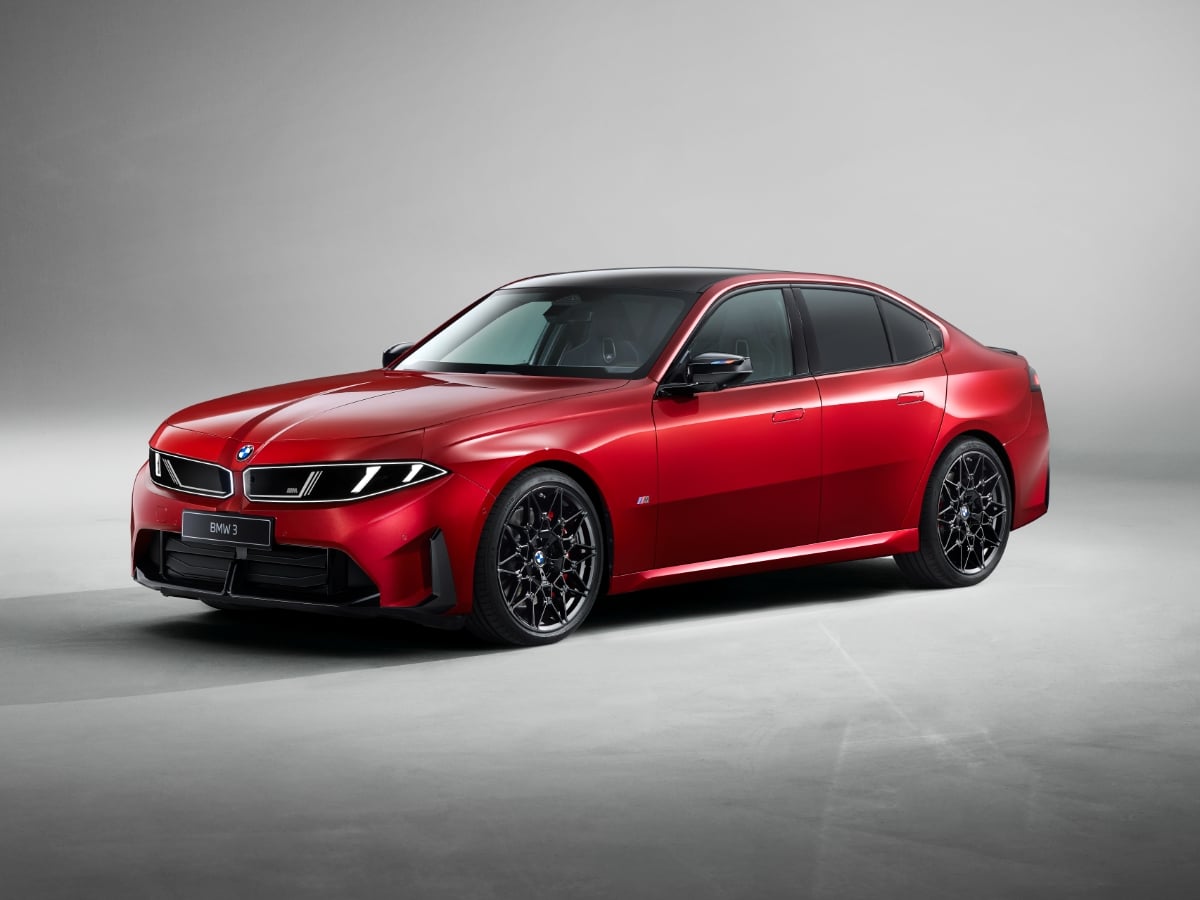
Part of BMW’s Neue Klasse (new class) rollout of redesigned models, the 2027 BMW 3 Series is all-new and goes on sale in the first quarter of 2027.
Read the Full Article