35 - 36
36
245
1 speed, CVT w/OD
Gas/Electric I-4
All Wheel Drive, Front Wheel Drive
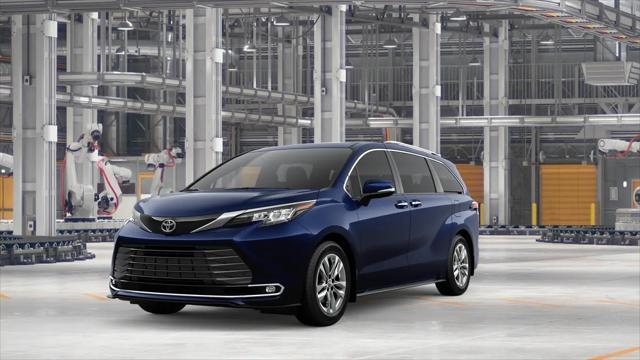
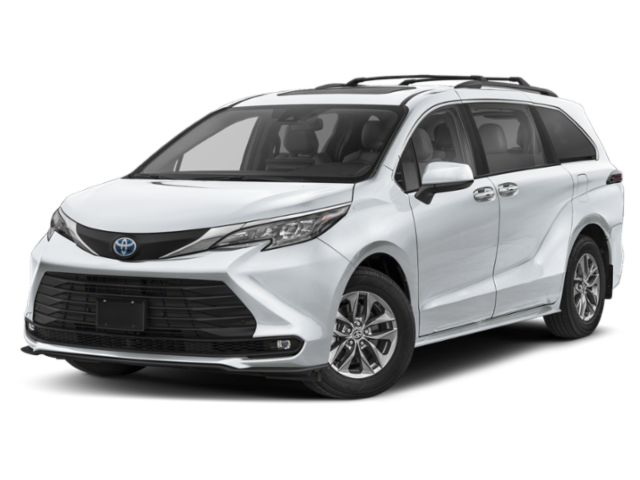
The 2026 Toyota Sienna’s fuel economy is excellent and far better than most other minivans, making it a must-see for prospective buyers. Never mind that it can cost a little more than others; it could save you more than $1,000 a year on gas. Beyond that however, the Sienna is a well-rounded minivan with flaws that probably will not be dealbreakers for many families. One major alternative might be a better choice for some.
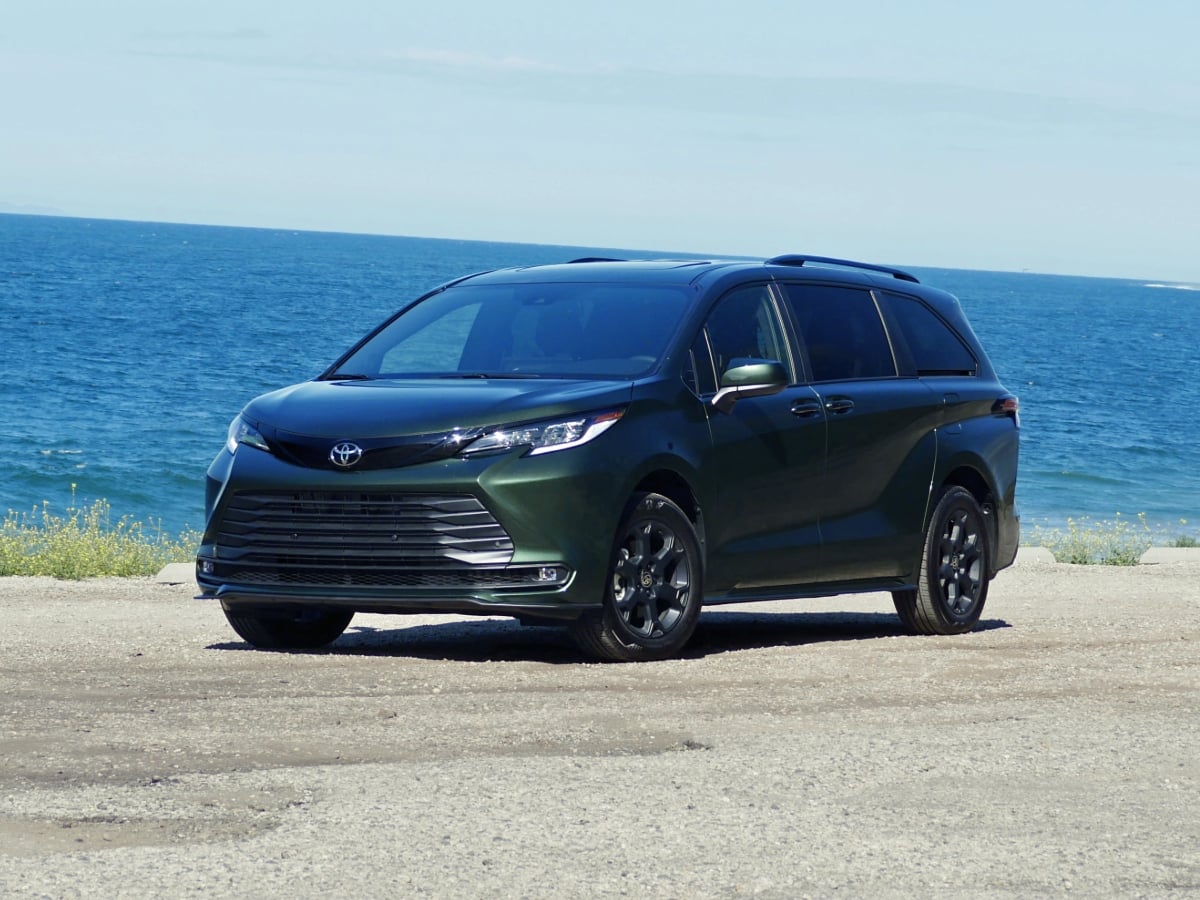
Photo: James Riswick
One reason the Sienna might give you pause is that it has not changed much since its 2021 redesign. That trend continues for 2026, with changes limited to the list of standard features. The base LE gets the lion’s share of the updates.
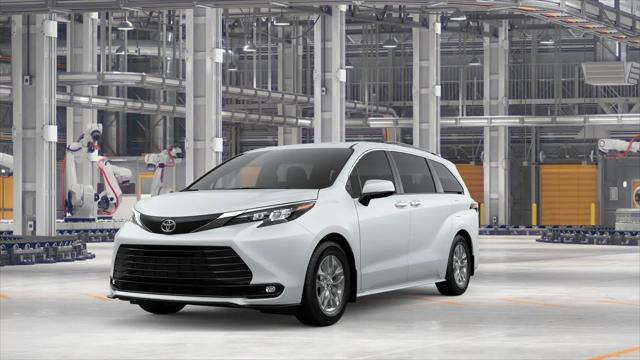
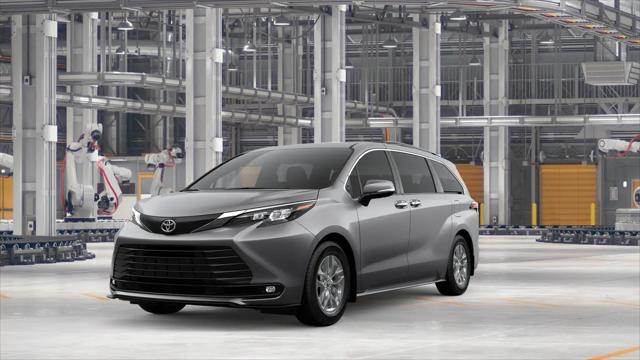
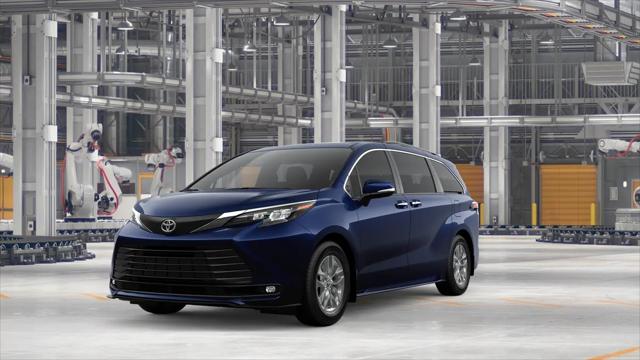
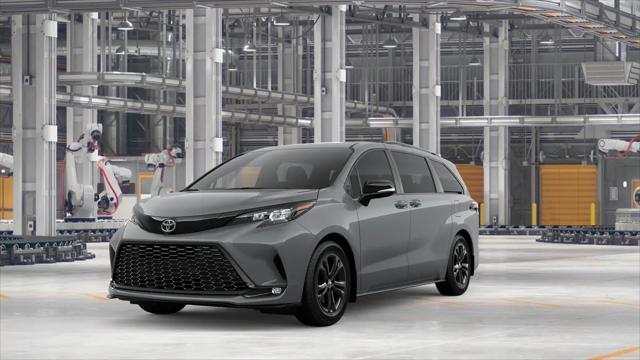
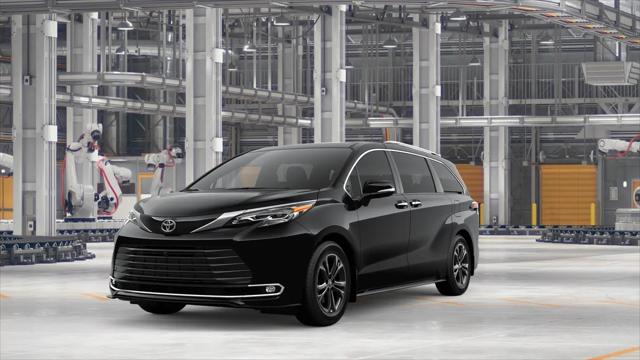
As such, the 2026 Sienna lineup continues to include the LE, XLE, XSE, Limited, Woodland Edition, and Platinum. Base prices range from about $42,000 to just under $60,000, including the destination charge.
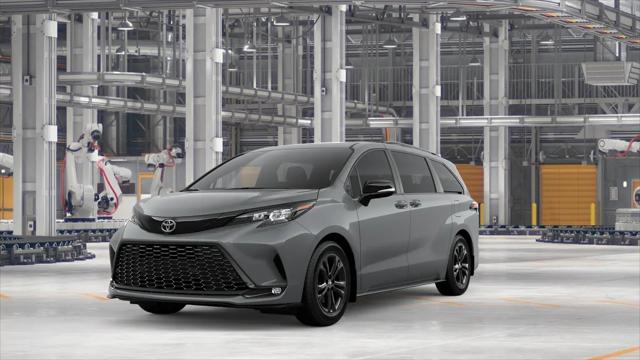
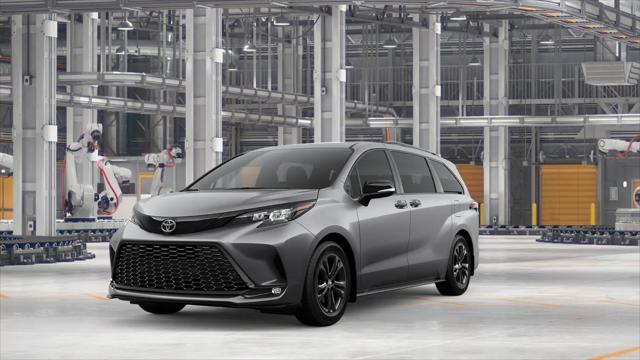
For this 2026 Sienna review, Toyota provided a test vehicle equipped with Woodland Edition trim and no significant options. The Woodland Edition is distinctive because it comes standard with all-wheel drive (AWD), a tow hitch, and two 120-volt AC outlets, plus unique features: a 0.6-inch ground-clearance lift, black 18-inch wheels, black exterior trim, beige interior stitching, and all-weather floor mats.
The test vehicle’s manufacturer suggested retail price (MSRP) was $53,790, including the $1,595 destination charge. The price does not reflect any current rebates, incentives, or price adjustments since Toyota manufactured the test vehicle in Princeton, Indiana.
According to verified owners, the Sienna earns an award as the highest-ranked model in its segment in the JD Power 2026 Vehicle Dependability Study (VDS).
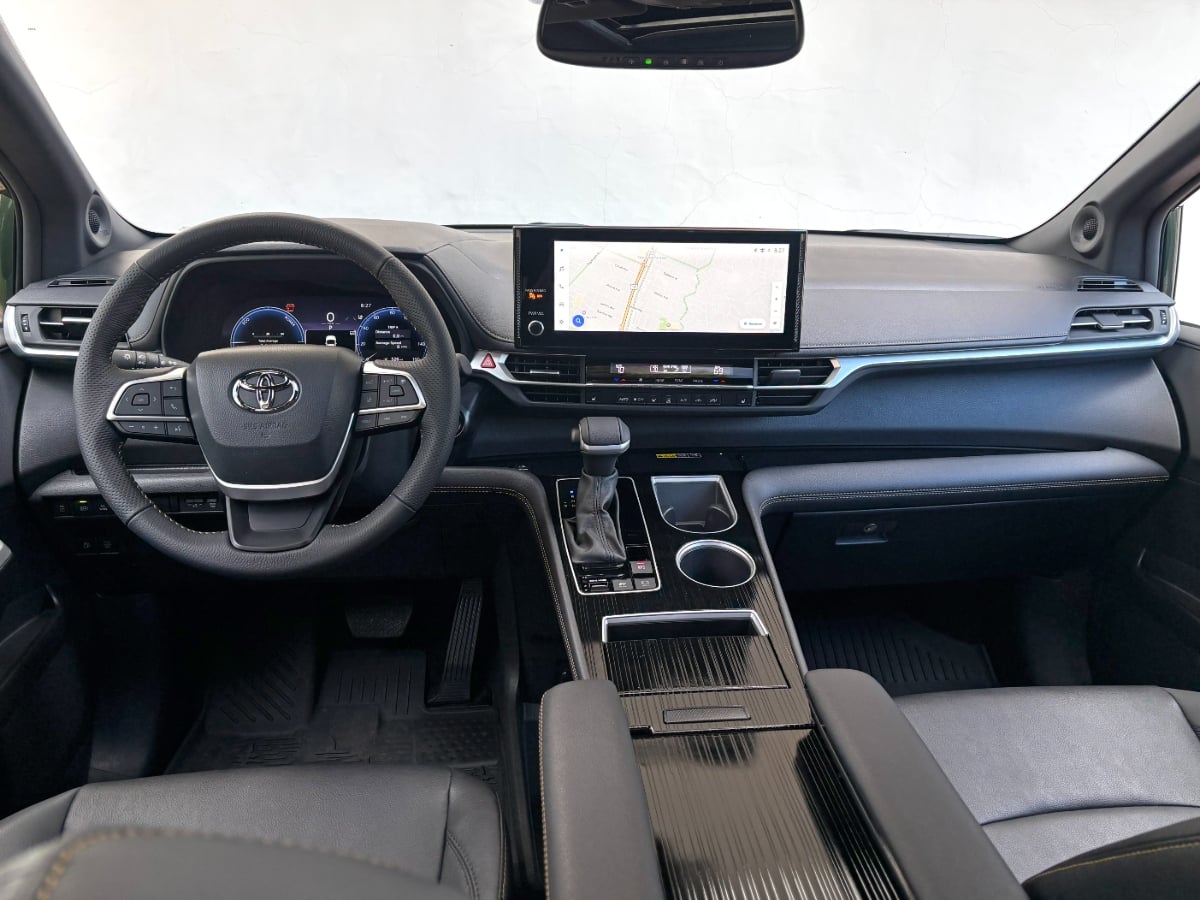
Photo: James Riswick
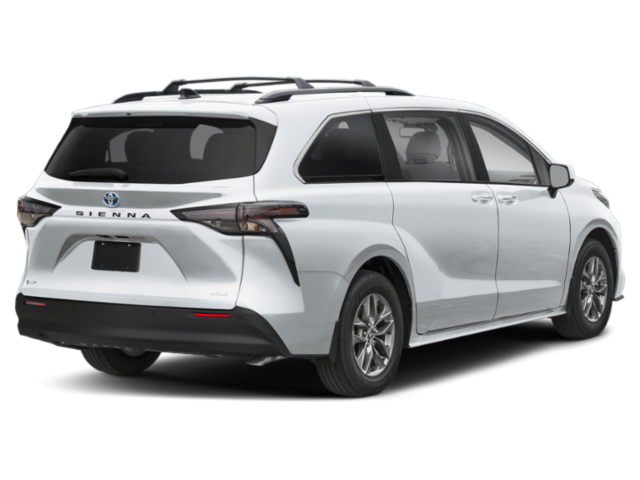
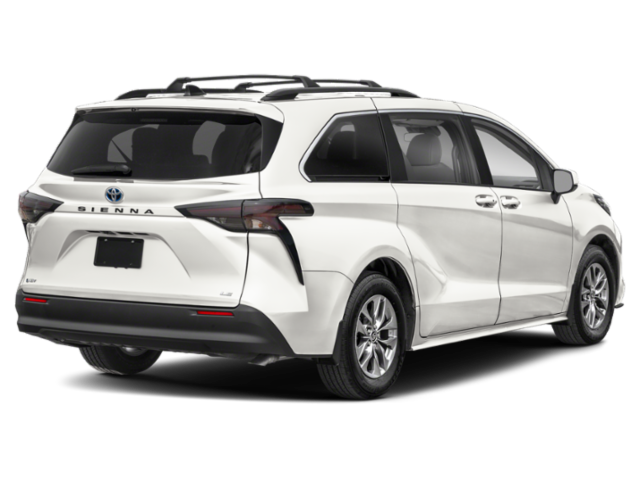
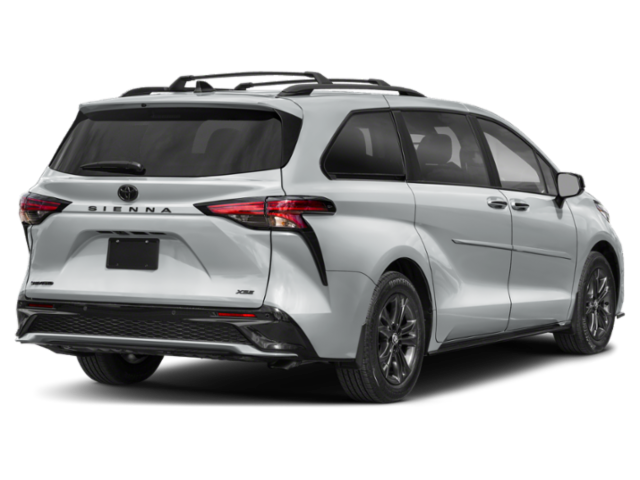
While the Toyota RAV4 Woodland Edition is easy to distinguish from other trim levels, the Sienna Woodland is much harder to spot. The XSE also features black wheels and trim. The 0.6-inch lift is not readily visible to the naked eye, and even the ugly, low-hanging tow hitch bar can be added as an accessory on other trims. The caramel-colored interior stitching is not particularly distinctive, either.
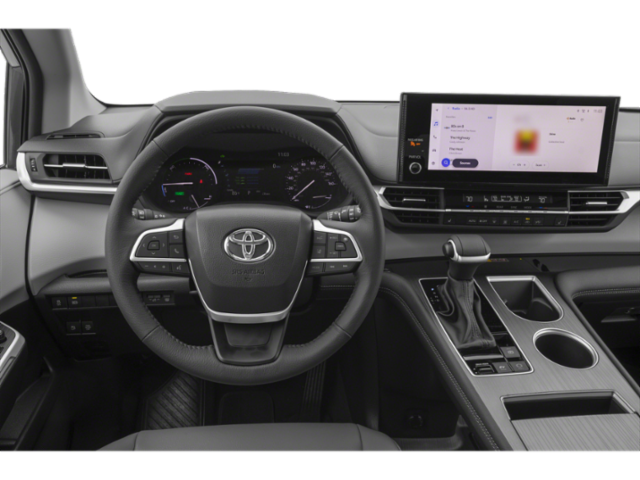
Basically, my Woodland test vehicle is pretty typical for a Sienna. That means it has the same high center console that spans a vast storage space big enough for a sizable purse. The covered center console bin is similarly large, and the grippy, dashboard-spanning storage tray includes a wireless smartphone charging pad. There is also a second phone-holding bin adjacent to the covered cupholder bin.
Speaking of which, the Sienna has plenty of cupholders, but they are not great. Of the four on the center console, only one was barely big enough to hold a 40-ounce jumbo mug and a wine-bottle-sized metal water bottle. They easily fit in all four of the Kia Carnival’s front cupholders. The door bottle holders were wide enough for that bottle, but not tall enough.
The six cupholders in the second row are a bit better, including the odd mesh units attached to each captain’s chair. All could accommodate that big water bottle. However, the ones in the third row are too small. Three of the four can manage only soda cans or coffee cups, and the fourth located on the right side cannot even hold those items.
Thankfully, the Sienna seats people more comfortably than it holds cups. There are two second-row seating arrangements. One has a middle quasi-seat with captain’s chairs on either side. With it, the Sienna seats eight; without it, it seats seven. My Sienna had the unique “Super-Long-Slide” captain’s chairs, which ditch the middle seat in favor of, you guessed it, an extremely lengthy amount of seat travel.
It is a great feature. Pushing the seats all the way back to the third-row seat bottom not only creates enough sprawl-out room for an NBA center, but I also found the resulting massive space between the front and second rows perfect for a large dog bed. During a previous Sienna test, my 20-pound terrier could not have been happier on a long road trip, while my then-toddler son snoozed above her in his car seat.
Regarding car seat fitment, the captain’s chairs’ seat belts are mounted to the seats themselves. That lets you move them even if you have secured the child seat with the seat belt, as I do with my Britax Boulevard. I could not do that in the Kia Carnival, which has the belt attached to the C pillar. For those with LATCH-utilizing child seats, the lower anchors are easy to access.
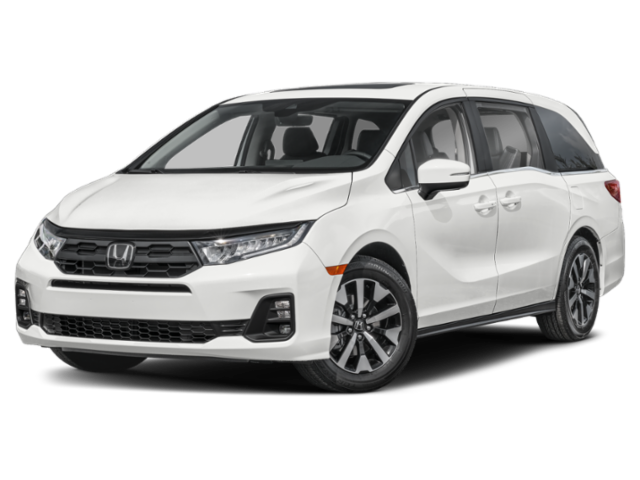
That said, I think the Sienna is a little better suited to families with older kids simply because the Carnival and the Honda Odyssey’s second rows are a little better at accommodating LATCH-utilizing child seats. I found the Odyssey’s three second-row seats that move forward and side-to-side useful for mounting three child seats across (or for people with those child seats), as was the Kia Carnival’s unique second-row setup with a far-sliding middle seat.
The Sienna’s third row is also less appealing. The seat is low to the floor, and the cushion is short, making it less comfortable than the Carnival and Odyssey’s. The rearmost windows are also very small; it can be a tad claustrophobic back there, especially for kids who will likely be staring at a wall of black plastic.
As for cargo space, the area behind the third- and second-row seats is comparable to that of other minivans, and sliding the captain’s chairs forward to their extreme position provides a huge amount of total space. Still, they cannot be removed. In other vans, the captain’s chairs can be removed, making those vans a little better suited to cargo hauling.
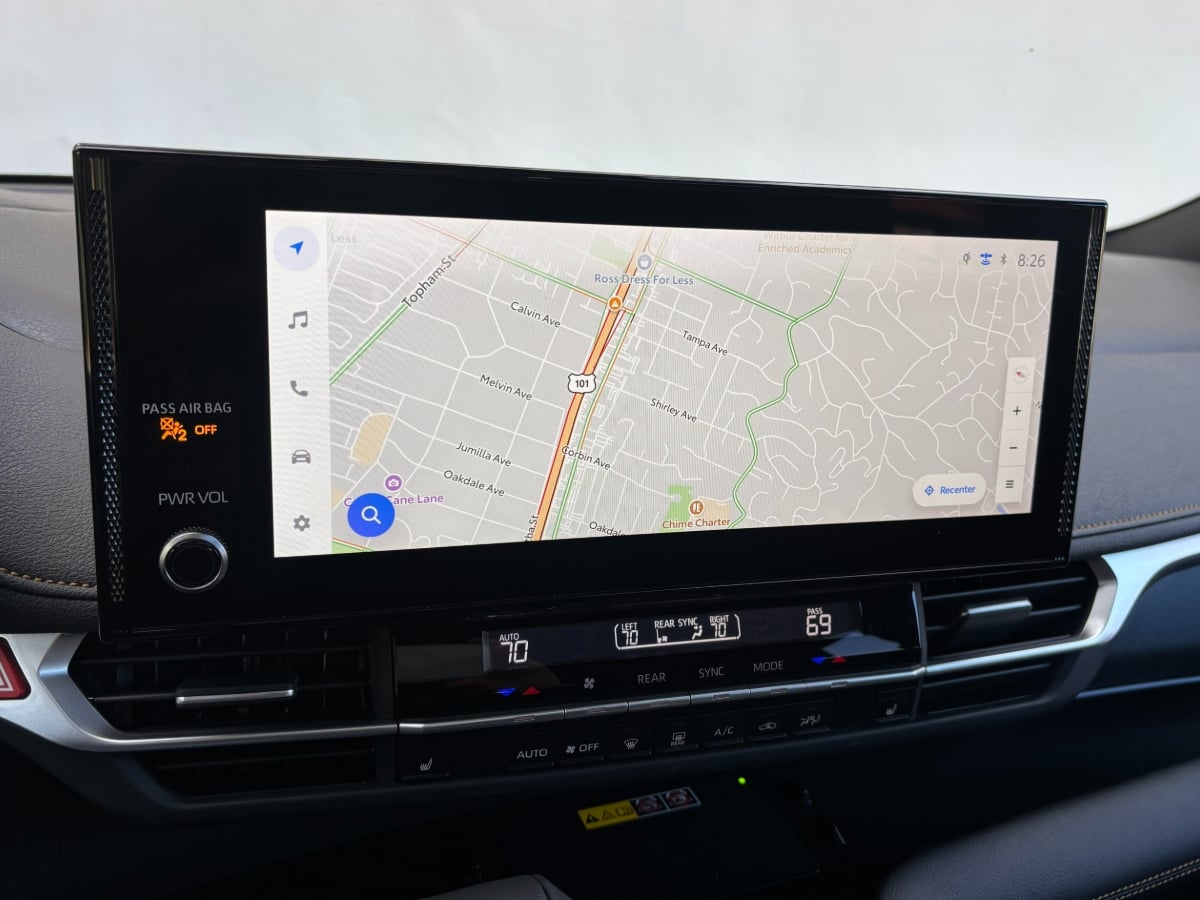
Photo: James Riswick
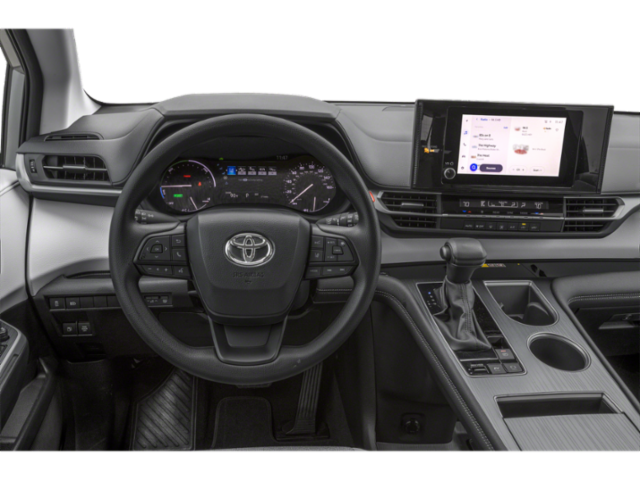
The Toyota Audio Multimedia system in the Sienna comes standard with an 8-inch screen on the base LE, but it is upgraded to 12.3 inches on all other trims. A 12.3-inch digital instrument panel replaces analog gauges on the four top trims, including Woodland. Included features are:
There are also internet-based features that require a subscription. A one-year trial is included with all but the LE. These include:
As with other Toyotas, this technology interface is generally easy to figure out and use. Toyota’s newer RAV4 interface has corrected a few annoyances, such as the lack of a Home screen and Home button, but it is unlikely you will be confused or irked by this system. The voice controls are also serviceable, and I appreciate that the SiriusXM interface is akin to a regular radio and can display both a favorites list and song information at the same time.
I will say, though, that the internet-based, subscription-required navigation system could not search for or enter a destination address when I was in remote areas without cell service during this test. The map view will also always default back to forward up (versus North Up) every time I go to a different menu screen. It drove me bonkers. This is another thing Toyota fixed with its newer system.

Photo: James Riswick
Every 2026 Toyota Sienna is a hybrid. EPA-estimated fuel economy is 36 mpg combined with standard front-wheel drive, or 35 mpg combined with AWD. I averaged 32.6 mpg over 95 miles of mixed driving, which does not translate to a major difference in fuel consumption. I also got 37.9 mpg on the 40-mile highway portion of my evaluation route.
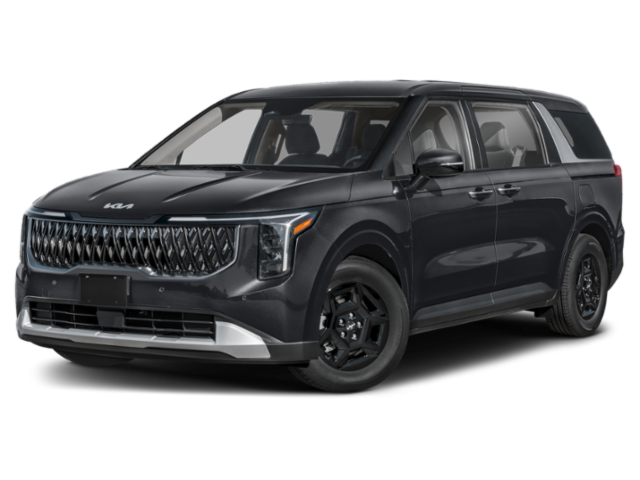
By comparison, the Kia Carnival Hybrid achieves an estimated 32 mpg combined, while all other V6-powered minivans get 21 or 22 mpg combined. According to EPA-estimated annual fuel costs, that could mean spending $1,100 less on gas per year than those vans, or $200 less than the Carnival Hybrid. There would be even greater savings in places with higher gas prices.
However, this thriftiness has a downside: the hybrid powertrain is noisy, and its acceleration is sluggish.
Anything beyond the lightest throttle application summons a raspy, blender-like drone from the engine, which kicks in sooner and more often than I have experienced in Toyotas with next generation hybrid technology, such as the RAV4. Never mind the V6 engines of other minivans; the Carnival’s turbocharged hybrid powertrain with its conventional transmission is smoother, quieter, and generally more refined.
As for acceleration, the Sienna should get the job done for most drivers in most situations, especially at relaxed around-town speeds. It feels strained when accelerating to highway speeds, though, and it only gets worse on long, uphill grades and/or with a full load of people and stuff aboard.
That said, this is a minivan. If you are a lead-footed speed freak, are you really considering one at all? The Sienna’s exceptional fuel economy still tilts the scales firmly in its favor over every other minivan except the Carnival Hybrid.
Moreover, the Sienna is otherwise quite good to drive. The steering is precise and reassuringly weighted, and the body motions are well controlled, unlike some roly-poly Siennas of the past that could get a tad nautical. The ride quality is also very good.
And just in case you are wondering whether the Woodland Edition can do any off-roading, forget about it. Not only does its 0.6 inches of extra ground clearance bring the total to only 6.9 (a Toyota RAV4 Woodland has 8.5), but the ugly tow hitch bar under the bumper also drastically reduces the departure angle. Never mind off-roading; there is a decent chance you will not be able to get up some driveways without scraping the bottom.
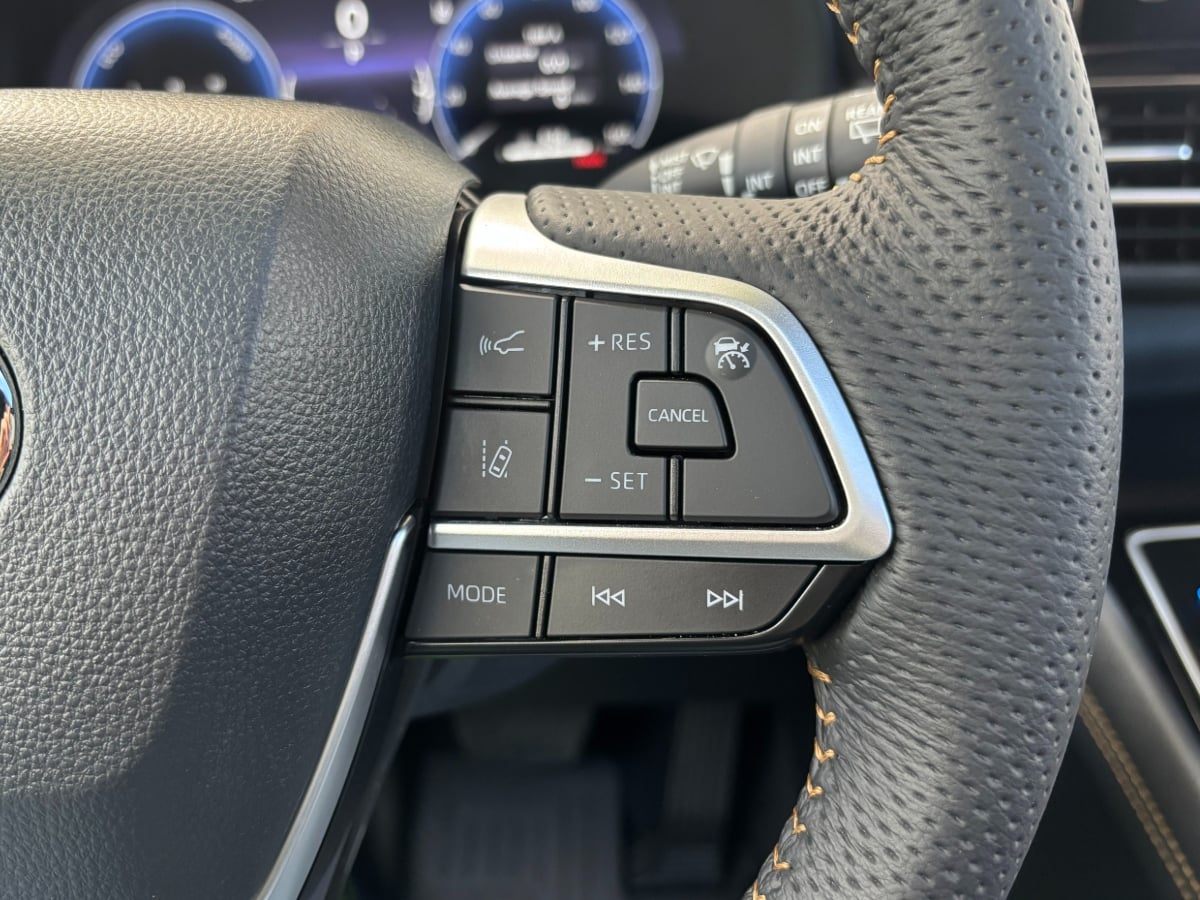
Photo: James Riswick
The Toyota Safety Sense 2.0 (TSS 2.0) suite includes an ample number of standard safety features. They are:
Also included, but not technically part of TSS 2.0:
Additionally, all trims except the LE include rear automatic braking.
While it is great that all of the above are standard equipment, this version of TSS is multiple generations behind Toyota’s latest-and-greatest 4.0 suite. It is easy to see where Toyota has made improvements. The Sienna’s lane keeping system is not as sophisticated or as consistent in its performance; it would intervene too eagerly in some cases and not at all in others. The 4.0 version is much better, as is the Kia Carnival’s.
The adaptive cruise control and its accompanying lane centering assist are less sophisticated, too. The latter was prone to ping-ponging between lane lines and struggled on highway corners.
Regarding safety ratings, the National Highway Traffic Safety Administration (NHTSA) gave the Sienna five out of five stars for overall safety. The Insurance Institute for Highway Safety (IIHS) gave it the best-possible rating of Good in most categories, but a second-worst/third-best Marginal score in the moderate overlap front test and a second-best Average for preventing frontal pedestrian collisions. However, the Chrysler Pacifica, Honda Odyssey, and Kia Carnival all performed worse in IIHS testing.
According to the JD Power 2026 Initial Quality Study (IQS), the Kia Carnival ranks highest in the Minivan segment, with the Honda Odyssey ranked second.
According to the JD Power 2026 Automotive Performance, Execution and Layout (APEAL) Study, the Kia Carnival ranks highest in the Minivan segment, with the Toyota Sienna ranked second.
Other 2026 Sienna competitors include the Chrysler Pacifica.
The 2026 Toyota Sienna’s fuel economy gives it a major advantage over V6-powered minivans, and it is well-rounded enough to be competitive in most other respects. That said, the Kia Carnival Hybrid is more powerful and refined, with only slightly worse fuel economy. It also has better technology and storage, and its second row is more versatile. I would strongly consider both.
James Riswick has been testing and reviewing cars since 2007 and has served as an editor at Edmunds and Autoblog. In addition to jdpower.com, he has also contributed to Autotrader, Autoguide Magazine, Auto Express, Capital One Auto Navigator, Car and Driver, and Hagerty. He resides in Southern California and owns a 1998 BMW Z3, a 2013 Mercedes-Benz E350 Wagon, and a 2025 Cadillac Optiq.