
In the electric vehicle (EV) market, few nameplates carry the weight of Tesla's Model 3 and Model Y. Though the 2026 Model 3 is not the newest face in the showroom, it helped define the genre and continues to hold its ground thanks to Tesla's over-the-air (OTA) updates and a recent revamp. The Model 3 delivers sharp acceleration, long range, and a spartan, screen-focused interior that feels futuristic.
The 2026 Tesla Model Y builds on that formula with a twist. It rides on the same architecture as the Model 3, yet it reshapes it into a crossover that suits American tastes even better. It is slightly bigger, slightly slower, and slightly more expensive, yet also more practical than its Model 3 sister.
Both models have recently received design and feature updates: the Model 3 in 2024 and the Model Y in 2026. The facelifts have given each vehicle a freshened look and feel, making them even more competitive against their burgeoning crop of rivals.
What separates a sedan from a crossover when the underlying DNA is nearly identical? This comparison unpacks the overlapping strengths and subtle differences between these two Teslas to help you decide which might be the right one to plug into your home charging station.

2026 Tesla Model 3
In 2026, the Tesla Model 3 lineup offers four versions: Standard Rear-Wheel Drive, Premium Rear-Wheel Drive, Premium All-Wheel Drive, and the top-tier Performance All-Wheel Drive. Each version shares the same minimalist interior design that defines the Tesla aesthetic. Pricing starts at $38,630 for the new Standard model and rises to a $56,630 base for the Performance variant. All prices include the $1,390 destination charge and $250 order fee.
Ownership coverage includes four years or 50,000 miles of roadside assistance, but routine scheduled maintenance is the owner’s responsibility. All 2026 Model 3 sedans include a 30-day trial of Tesla’s Premium Connectivity suite, which adds features like live traffic visualization and satellite-view maps. After the trial, drivers can continue with free Standard Connectivity or subscribe to the premium service.
The 2026 Tesla Model Y offers buyers five trim levels: Standard Rear-Wheel Drive, Standard All-Wheel Drive, Premium Rear-Wheel Drive, Premium All-Wheel Drive, and Performance All-Wheel Drive. If they sound familiar, it might be because they are almost exactly the same trims as the Model 3. The Standard Rear-Wheel Drive variant is the least expensive, with a suggested starting price of $41,630. The line-topping Performance All-Wheel Drive model starts at $59,130. All prices include the $1,390 destination charge and $250 order fee.
As with the Model 3, Tesla provides four years or 50,000 miles of roadside assistance, but it does not include complimentary scheduled maintenance. Like the Model 3, the Model Y includes a 30-day trial of Premium Connectivity and a 30-day trial of Full Self-Driving (Supervised).
Advantage: Neither
Why? Do you want a five-passenger sedan or a five-passenger hatchback? Everything else is essentially the same, except the Model 3 is more affordable.

2026 Tesla Model Y
The Tesla Model 3 does not rank among the top three models in the Compact Premium Car segment in the JD Power 2026 U.S. Vehicle Dependability Study (VDS), which assesses owner-reported problems after three years of ownership.
The Model 3 also does not rank among the top three models in its segment in the JD Power 2025 U.S. Initial Quality Study (IQS), which tracks problems experienced by owners during the first 90 days.
The Model 3 ranks highest among Premium Battery Electric Vehicles (BEVs) in the 2026 U.S. Electric Vehicle Experience (EVX) Ownership Study.
The 2026 Tesla Model 3 includes a standard four-year or 50,000-mile warranty, along with an eight-year or 100,000-mile warranty for the battery and drive unit.
The Tesla Model Y does not rank among the top three models in its segment in the 2026 VDS or the 2025 IQS. It ranks second among Premium BEVs in the 2026 EVX Study. The Model Y also offers the same warranty coverage as the Model 3.
Advantage: Tesla Model 3
Why? Warranty coverage is the same, but the Model 3 ranks higher than the Model Y in the 2026 EVX Ownership Study.

2026 Tesla Model 3
The 2026 Tesla Model 3 lineup offers four powertrain configurations. Tesla does not publish horsepower figures, but the base Standard Rear-Wheel Drive (RWD) and Premium RWD models use a single motor estimated at 295 horsepower. The Premium All-Wheel Drive (AWD) adds a motor on the front axle, boosting combined output to around 375 hp. At the top, the dual-motor Performance AWD version unleashes about 500 hp for eye-searing acceleration.
Range remains a Tesla hallmark, and the 2026 Model 3 continues that tradition. The Premium RWD variant leads with an EPA-estimated 363 miles of range and 137 MPGe, followed by the Premium AWD at 346 miles and 128 MPGe. Tesla claims 314 miles for the Performance AWD and 321 miles for the Standard RWD trim. All versions support DC fast charging, which replenishes roughly 80 to 90 percent of the battery in about 30 minutes.
Inside, the Model 3’s cabin showcases Tesla’s tech-focused approach with an uncluttered layout centered on a single central touchscreen. Love it or hate it, the screen controls nearly every function, from navigation to entertainment. The airy five-passenger interior includes standard heated rear seats with a 60/40 split-fold design and a sizable 24.1-cubic-foot trunk with hands-free lid operation.
The 2026 Tesla Model Y offers the same four powertrains as the Model 3, plus a Standard AWD configuration. As previously mentioned, Tesla does not publish horsepower numbers, but it hints at it in its claimed zero-to-60-mph acceleration times. Reflecting its larger size, the Model Y is about a second slower to 60 mph than the Model 3 in Standard trim. The other trims are about half a second slower than the equivalent Model 3s. In other words, you are unlikely to notice the difference. Tesla claims the Premium RWD can add up to 182 miles of range in as little as 15 minutes when plugged into one of its Supercharger fast chargers.
The 2026 Model Y Premium RWD trim is EPA-rated at 134 MPGe combined and is estimated by the federal agency to have a total range of 357 miles on a charge. The Premium AWD gets a 123 MPGe rating and a range estimate of 327 miles. Regardless of wheel size, the Standard RWD model has an estimated range of 321 miles. The Performance AWD can travel 306 miles with an MPGe rating of 105.
Tesla has refreshed the Model Y inside and out for 2026. Among the changes is the elimination of the Model Y’s previous three-row option, so, like the Model 3, it is now a five-passenger vehicle. As an SUV, it offers significantly more cargo space behind the rear seats: 33.1 cubic feet versus the Model 3’s 24.1 cubic feet. In total, Tesla says the Model Y offers 76 cubic feet of cargo area with the second-row seatbacks folded.
Advantage: Tesla Model Y
Why? As an SUV with a rear hatch, the Model Y offers more cargo space.

2026 Tesla Model Y
At this point, it is reasonable for any consumer to expect a brand new vehicle to include the following safety features:
So, how do the Model 3 and Model Y stack up? Let's take a look.
Most Model 3s include Tesla's Autopilot, a system that suggests and executes lane changes and guides the vehicle through interchanges on well-marked multi-lane highways. The Standard trim offers a less elaborate advanced driver assistance system (ADAS) package with most of the features listed at the beginning of this section. The pricey Full Self-Driving (Supervised) option enables the Model 3 to handle a wide range of driving situations, from autonomously navigating city streets and intersections to merging onto highways, while requiring the driver's active supervision.
At the time of writing, the National Highway Traffic Safety Administration (NHTSA) has not issued an overall safety rating for the 2026 Model 3. Likewise, the Insurance Institute for Highway Safety (IIHS) has not rated the crashworthiness of the 2026 Model 3. However, it gave the structurally similar 2025 version an Acceptable score in the updated moderate overlap front test and a Good rating in the updated side test. Additionally, the Institute named the 2025 Tesla Model 3 a Top Safety Pick for the 2025 calendar year.
The 2026 Tesla Model Y’s ADAS offering mirrors that of the 2026 Model 3. As with the Model 3, it features virtually all the now-typical ADAS outlined at the top of this section. It then adds more semi-self-driving technology. Autopilot is standard on all trims except the Standard. It does not offer exactly what its name implies, but it does provide semi-autonomous driving on highways. The available Full Self-Driving (Supervised) is among the most sophisticated automated driving systems available anywhere.
The NHTSA gave the 2026 Model Y a perfect five-star overall safety rating. Meanwhile, the IIHS has not issued safety ratings for the 2026 Tesla Model Y. However, the structurally similar 2025 model received a Top Safety Pick+ rating for the 2025 calendar year.
Advantage: Neither
Why? The Model 3 and Model Y have nearly identical ADAS.

2026 Tesla Model 3
Dominating the 2026 Tesla Model 3’s cabin is a 15.4-inch central touchscreen that serves as the car’s digital command center. It manages virtually every vehicle function. The system supports Spotify and Tidal, offers in-vehicle streaming via Netflix or YouTube when parked, has Bluetooth connectivity, and supports voice commands. The most glaring omission is the lack of Apple CarPlay and Android Auto smartphone mirroring. The Standard trim also lacks the FM radio tuner and rear seat display offered in the other trims.
All Model 3s include Tesla’s base connected services, which includes navigation, Bluetooth, Wi-Fi music streaming, USB playback, and continuous OTA updates. Buyers also receive a 30-day trial of Premium Connectivity, which adds live traffic visualization, satellite-view maps, an internet browser, and expanded streaming options.
Supporting the Model 3’s ADAS are an array of eight exterior cameras, 12 ultrasonic sensors, and a forward-facing radar that together provide a full 360-degree field of awareness. These systems work in concert to monitor lane position, detect obstacles, recognize traffic signs, and assist with parking maneuvers. The radar adds an extra layer of awareness in adverse weather.
The 2026 Tesla Model Y includes infotainment features that mirror those in the Model 3. The 15.4-inch centrally mounted touchscreen serves as the gateway to nearly all vehicle functions, including vehicle speed, navigation, climate controls, and media playback. The system eschews Apple CarPlay and Android Auto, and the Standard trim also eliminates the radio tuner. The voice command system allows hands-free control, enabling drivers to avoid a complex touchscreen.
The subscription-based Premium Connectivity package includes live traffic visualization, satellite maps, and in-car streaming services such as Netflix, YouTube, and Spotify. Drivers and passengers can also enjoy Tesla’s built-in “Caraoke” feature or browse the web directly on the vehicle’s touchscreen. The Standard Connectivity package provides basic navigation and system updates.
The Model Y’s Premium Connectivity package includes several features designed to enhance security. When Sentry Mode is active, the system can send a notification to the Tesla app along with a one-minute video clip if an incident occurs. Users can also access a live camera feed to check the vehicle’s surroundings in real time. Additionally, the Tesla app provides alerts for security-related events, such as a triggered alarm or a vehicle left unlocked.
Advantage: Neither
Why? From an infotainment and connectivity standpoint, these two models are two silicon chips in an array.

2026 Tesla Model Y
Though it is far from the newest entry in the segment, the 2026 Tesla Model 3 still commands attention in the EV world for its blend of range, performance, and design. Built from the ground up as a dedicated EV, it is the vehicle that catapulted electric vehicles into the American mainstream.
Adding to its ongoing appeal is Tesla's industry-leading driver assistance technology, which continues to push the boundaries of semi-autonomous capability. Inside, the minimalist cabin emphasizes Tesla's high-tech aesthetic, with an uncluttered, some would say "stark", layout and a digital focus that reflects the brand's forward-thinking approach.
The Tesla Model Y is a microcosm of the evolution of the American auto industry. It is a crossover SUV based on the Model 3’s platform, and despite a slightly higher price, it has become more popular than the Model 3. Recent Model 3 sales have benefited from a 2024 model-year refresh, while the Model Y remained a carryover until Tesla applied a similar revamp in 2026.
There are several reasons crossovers like the Model Y have outpaced the sales of sedans with similar underpinnings. Simply put, they are more versatile. While the 2026 Model Y’s lack of a third-row option limits the seating capacity advantage it used to have over the Model 3, it does not diminish the fact that the Model Y is both easier to load and holds more than its fraternal twin. While the Model Y’s various trims are not quite as quick as the equivalent Model 3’s, they are still plenty fast. From behind the wheel, it is difficult to tell the two vehicles apart.
Advantage: Neither
Why? At only a minor price increase over the Model 3 sedan, the Model Y offers typical crossover SUV advantages.
To learn more about these EVs, read our expert reviews of the 2025 Tesla Model 3 and 2026 Tesla Model Y. To see how consumers rate these models, check out our ratings from verified vehicle owners.
Additionally, please note that while the information in this article was accurate and current as of March 2, 2026, it may have changed since then. Always verify product details and availability on the automaker’s website or with your local dealership.
Jack R. Nerad has reviewed cars, trucks, vans, and SUVs for over three decades. He also managed the editorial efforts of MotorTrend, JD Power, and Kelley Blue Book. Jack currently hosts the Sports Byline Network program “America on the Road,” available on Apple Podcasts, iHeart Radio, Spotify, Audacy, Amazon Music, and other platforms.


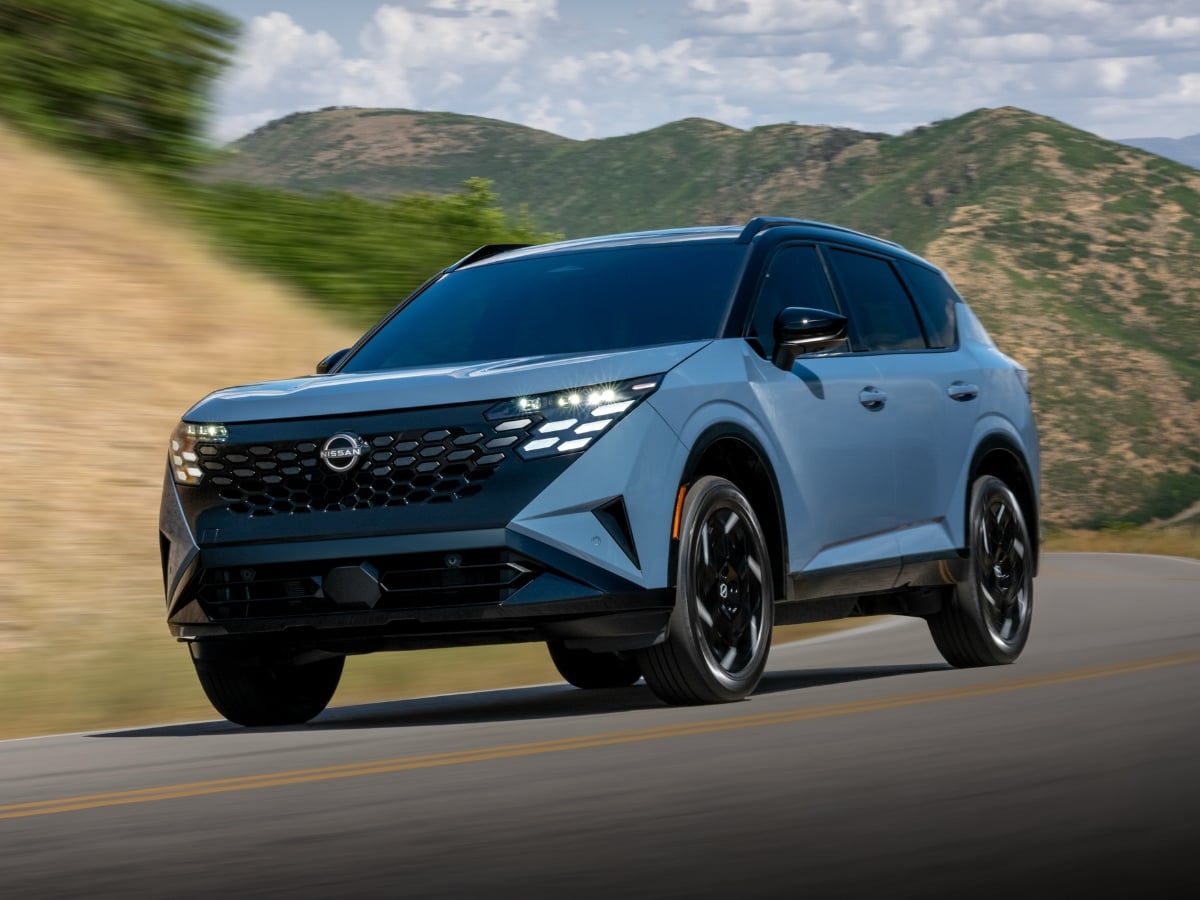
Nissan is about to introduce an innovative new SUV. The 2027 Nissan Rogue Hybrid has a gasoline engine, but it does not power the wheels. Instead, electric motors at each axle provide propulsion, ...See More
Read the Full Article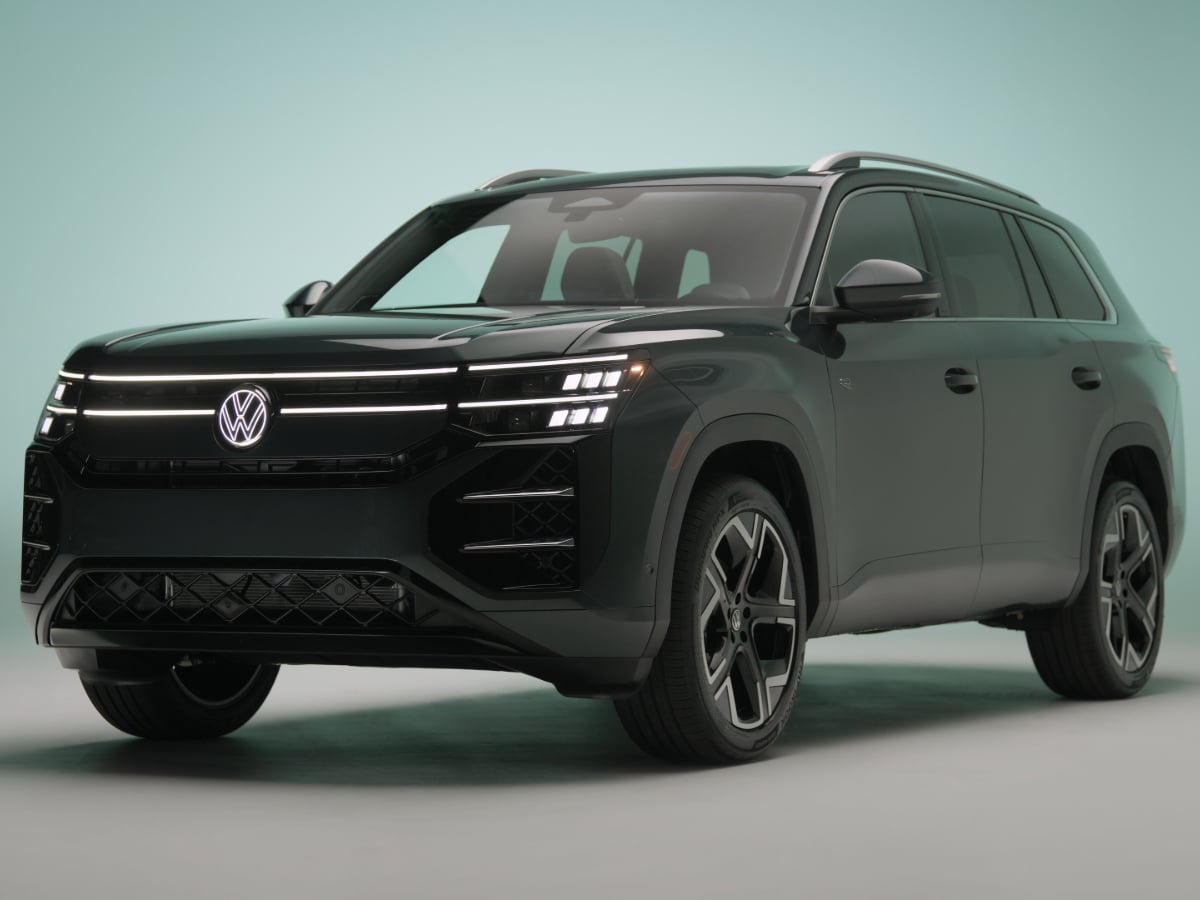
Adding European flair to the otherwise vanilla midsize three-row family SUV market, the redesigned 2027 Volkswagen Atlas debuts with a sharper exterior, an upgraded cabin, more power, and new ...See More
Read the Full Article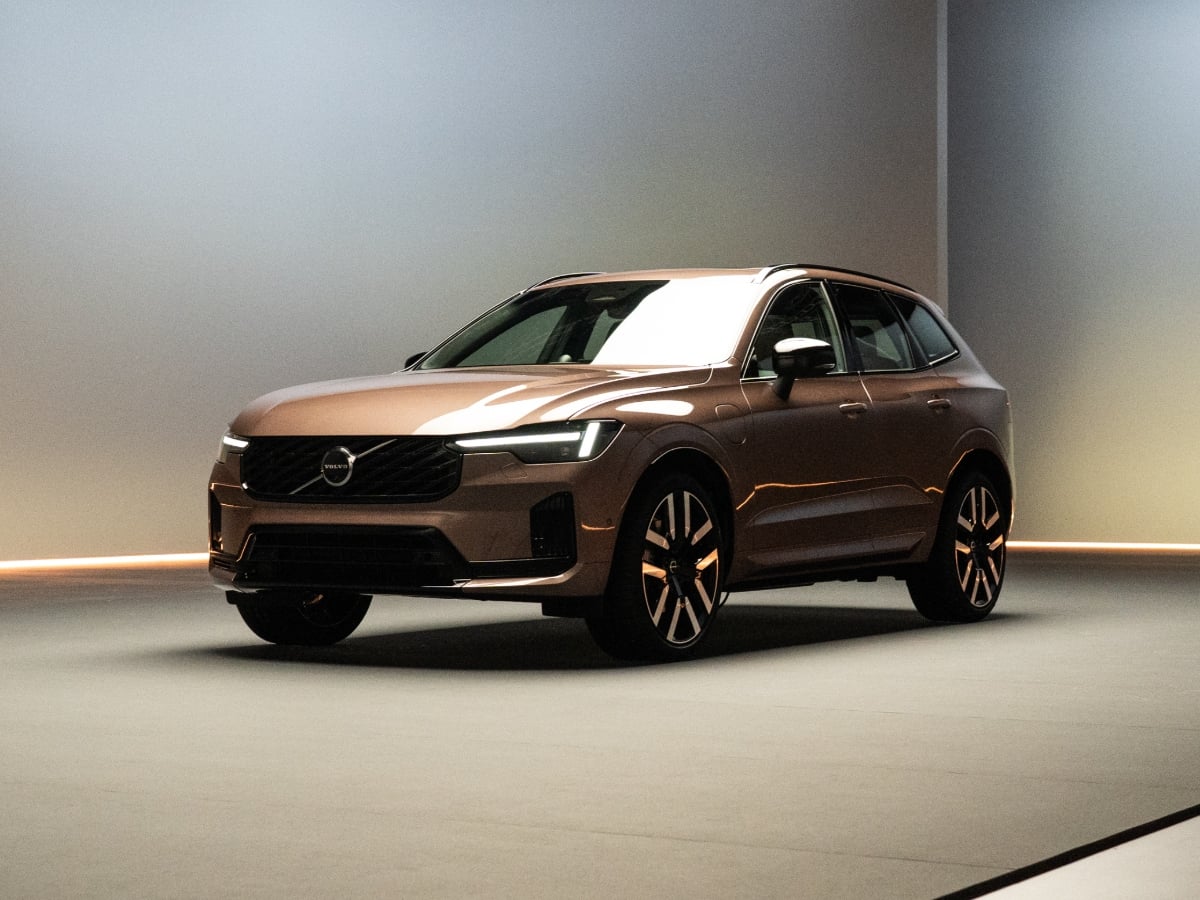
Though the styling stays largely the same, a massive boost in electric range for the plug-in hybrid (PHEV), plus a refined design, helps the 2028 Volvo XC60 stay current and desirable.
Read the Full Article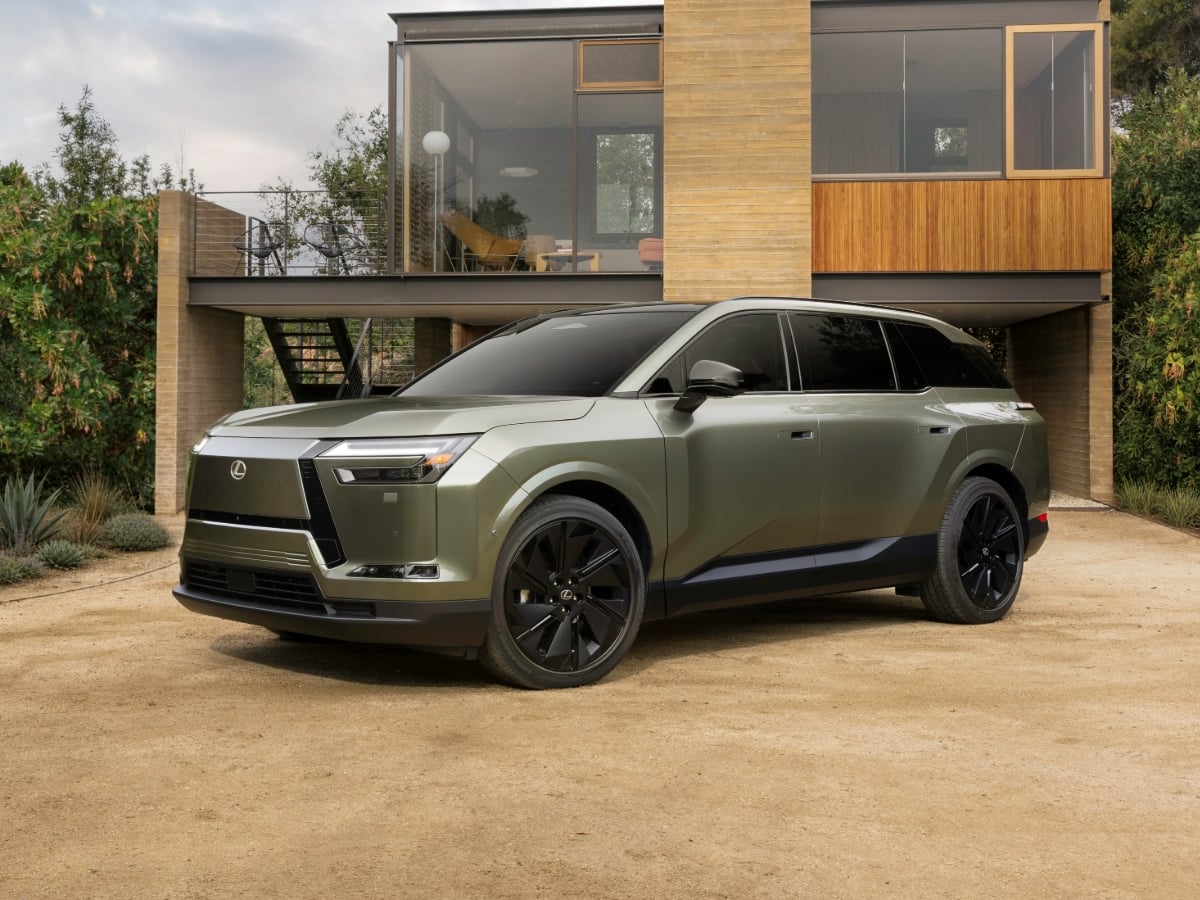
With the 2027 Lexus TZ, Toyota Motor’s luxury division introduces its first three-row all-electric SUV, featuring a lounge-inspired interior, an enhanced all-wheel drive (AWD) system, and up to 300 ...See More
Read the Full Article