
The 2026 Honda Pilot is one of the most cleverly designed three-row SUVs, with a thoughtfully engineered interior that seems ideally suited to growing families. While Honda continues to produce its wildly versatile Odyssey, the Pilot offers shoppers ample passenger space and cargo capacity without the frumpy minivan look.
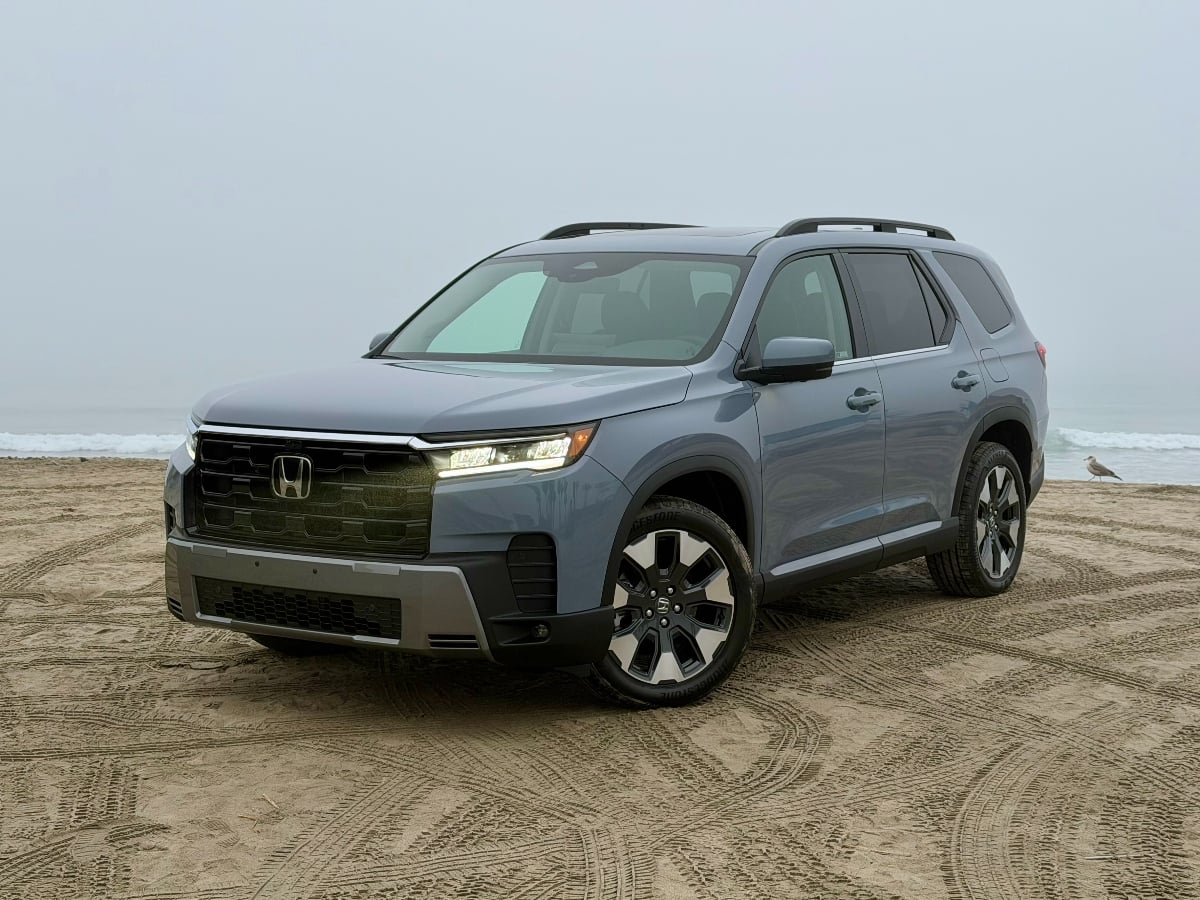
Photo: Mark Takahashi
For 2026, this fourth-generation Pilot receives a styling refresh, a few new or upgraded features, and improvements to comfort and steering. While there are several changes, none fundamentally alter the Pilot. Instead, they represent a slow evolution of an already accomplished family hauler.
The 2026 Honda Pilot is a midsize three-row crossover SUV available in Sport, EX-L, TrailSport, Touring, Touring Blackout, Elite, and Black Edition trim levels. The base Sport trim starts at $43,690, comparable to other well regarded SUVs in its class.
For this 2026 Pilot review, Honda provided a test vehicle equipped with the Elite trim and Sonic Gray Pearl paint available at an extra cost. The test vehicle’s manufacturer suggested retail price (MSRP) was $55,455, including the $1,495 destination charge to ship the crossover SUV from the Lincoln, Alabama, assembly plant to a local dealership. The price does not reflect any current rebates, incentives, or price adjustments since Honda manufactured the test vehicle.
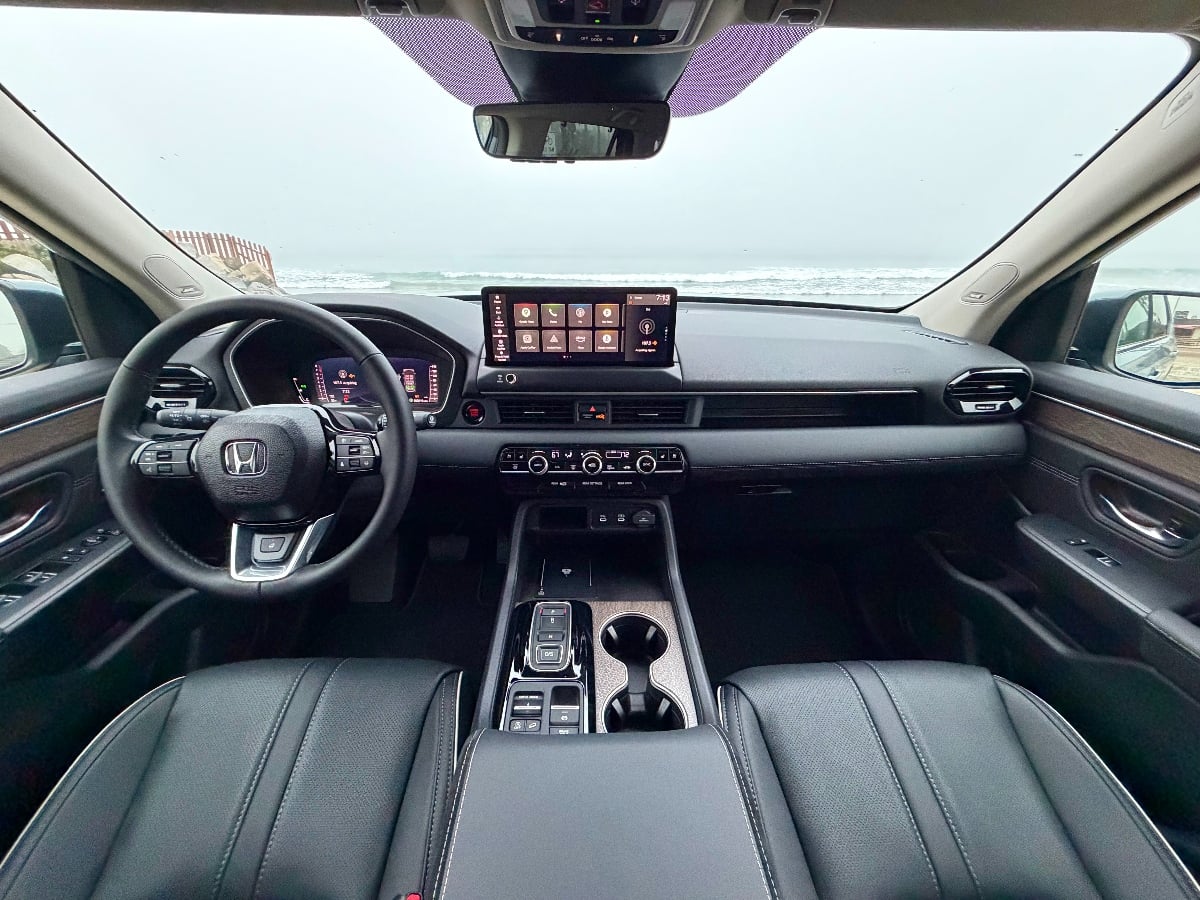
Photo: Mark Takahashi
The most noticeable change for the 2026 Pilot is its front-end styling. It gains a larger, more rectangular grille atop a taller, wider gray plastic scuff plate. These elements, along with standard roof rails, give it a more rugged, truck-like appearance. It is still easily identifiable as a Pilot, as the sides and rear end are mostly untouched.
The Pilot does not stand particularly tall, making it easier for smaller adults or kids to hop in and out. The off-road-capable TrailSport trim rides an inch taller. Once inside, you are treated to a simple cockpit design that blends traditional elements with modern technology. You get a wide infotainment touchscreen atop the dashboard, but physical climate controls are kept in a separate section below, allowing for less distracting adjustments on the fly.
There is ample storage for all your personal effects, including a handy tray in the passenger side dashboard, dual-level door pockets with separate bottle holders, a tray that holds two large smartphones and provides wireless charging for one, Big Gulp-sized cupholders, and a very large, deep center armrest bin. The quality of the materials up front is commendable for the class, but not quite up to entry level luxury standards.
The front seats are roomy, with plenty of padding to keep you comfortable on longer road trips. Heating is standard across all trims, and ventilation is standard on the Elite and above. For 2026, the cabin gets a slight glow-up, with contrasting stitching starting with the Touring trim and unique diamond-quilted faux suede seatbacks on the Elite and Black Edition. A new trim element also debuts for the Touring and Elite interiors, featuring a unique surface treatment that can appear to be wood, stone, or a high-tech snakeskin, depending on the angle.
The second row seats carry over the same seat designs, albeit with flatter cushions and seatbacks. However, the center seat steals the show. It is included on all but the Sport and TrailSport trims and can be easily removed to create a passenger pass-through. When not in use, it fits perfectly in a bin under the cargo floor. This is essentially the Pilot's killer app, as it is the only SUV (except the related Acura MDX) with a removable seat like this one. A few others offer only a removable center console.
Access to the third row is easy, thanks to a button that folds the seatback and slides the seat forward with a single touch. It requires some shimmying to squeeze back there, but once seated, there is adequate space for a 5-foot-10 adult. There is ample headroom, and if the second-row passengers are feeling somewhat charitable, there is plenty of legroom. These seats offer less thigh support because the cushions are mounted lower to the floor, and the material quality also takes a hit, with lots of hard plastics.
Cargo capacity varies with the positions of the seats and seatbacks, but at a minimum, you can fit 18.6 cubic feet behind the third row and a maximum of 22.4 cubic feet. The seatbacks fold flat onto the load floor with a pull of the strap, increasing capacity to between 48.5 and 60.1 cubic feet. With both rows stowed, the Pilot can hold between 87 and 112.1 cubic feet, though these figures vary by trim level.
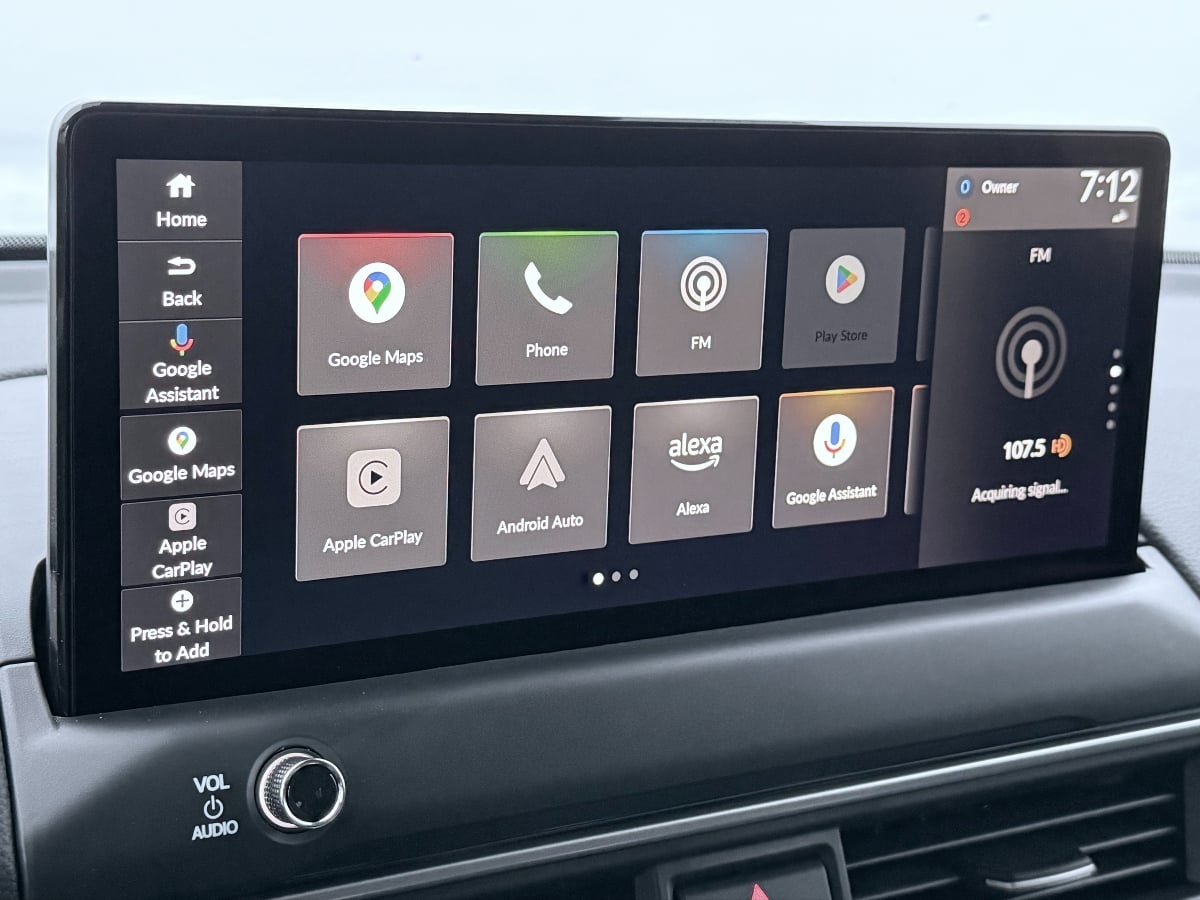
Photo: Mark Takahashi
For 2026, the Honda Pilot receives a few technology upgrades, including a larger 12.3-inch infotainment touchscreen, a larger 10.2-inch digital instrument panel, standard wireless phone integration across all trims, and faster data speeds. Standard tech feature highlights include:
All but the base Sport trim include a wireless smartphone charger, though some users may prefer to stick with a charging cord. That is because the charging pad is very particular about where you place your phone, and the lack of a grippy surface means it will likely move from that spot while driving.
The infotainment system itself functions as it should, with sharp graphics that can be read at a glance, logically arranged menus, and quick responses to inputs. The shortcut buttons and volume knob from the previous year are gone, replaced by a customizable strip of on-screen shortcuts, and the volume knob is now just below the display.
This latest version of Honda's infotainment system also runs Google Built-in, which provides a bit more integration with your existing maps and apps in that environment. It also includes voice activation for certain functions, such as climate control, communication, and navigation, though it will take a few seconds to process.
Touring and higher trim levels also benefit from a 12-speaker Bose premium audio upgrade that delivers punchier bass and better fills the cabin with sound. In another example of how Honda pays close attention to owners' needs, the Pilot also includes CabinTalk. This built-in intercom system allows the front passengers to talk to rear passengers through the speakers, helping maintain order and calm.
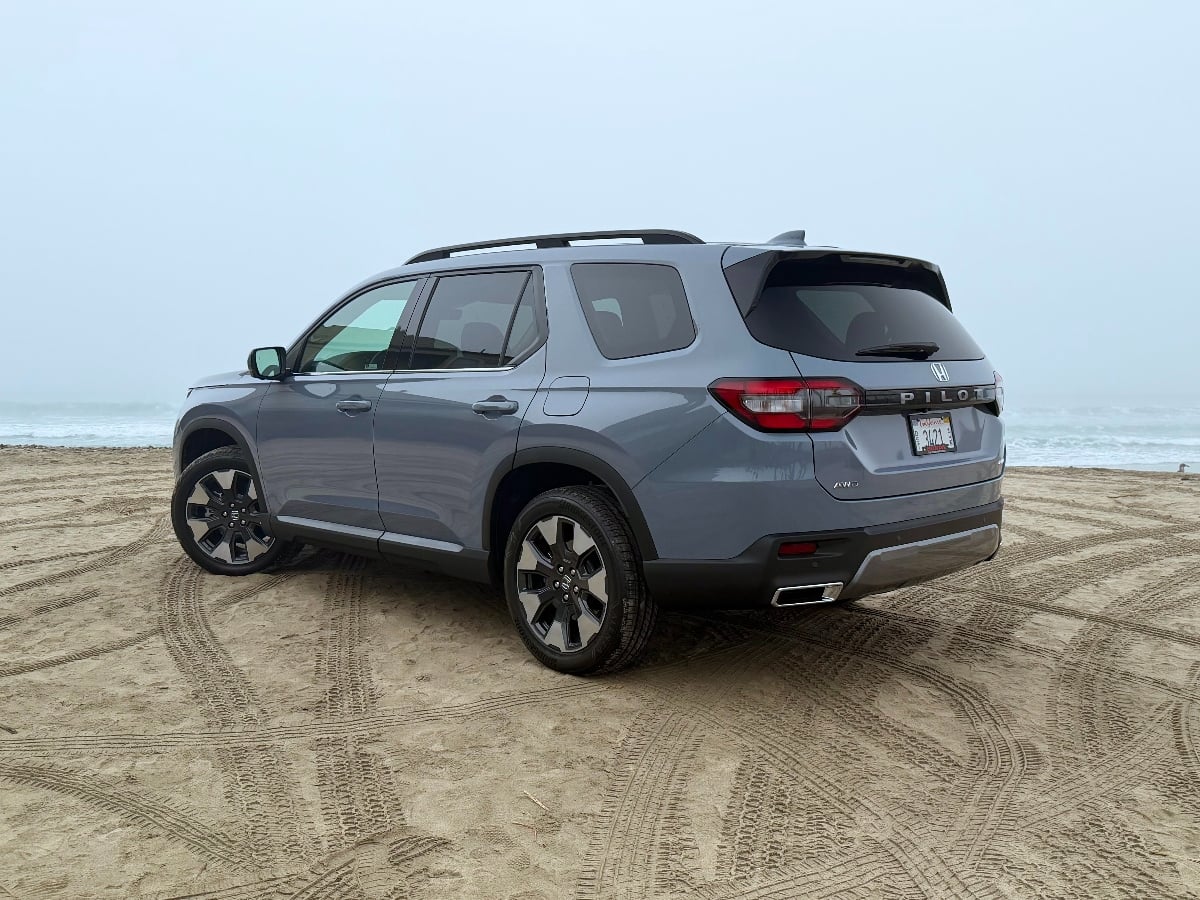
Photo: Mark Takahashi
Under the hood, the 2026 Pilot uses the same powertrain as the 2025 model: a 3.5-liter V6 engine producing 285 horsepower and 262 pound-feet of torque. A 10-speed automatic transmission sends power to the front wheels on the Sport and EX-L trims, with all-wheel drive (AWD) available as an option. All other trim levels come standard with AWD.
The front-wheel-drive Pilots are the most fuel efficient, with an EPA-estimated 22 mpg in combined driving. All-wheel drive drops that figure to 21 mpg combined, and the TrailSport version is rated at 20 mpg combined. My drive in the AWD Pilot was limited to mostly residential neighborhoods and commercial zones, so I only managed 20.5 mpg, according to the Pilot's trip computer.
Overall, I consider the 2026 Honda Pilot more than adequate for most drivers, but not particularly impressive. In this way, it is well suited to its role as a family SUV. Even on an uphill freeway onramp, I never felt the need for more than moderate accelerator pedal pressure, and the same held when passing slower traffic. The V6 engine does not sound overworked, and gear shifts are appropriately quick and smooth.
I was not able to consistently make a perfectly smooth limo stop because of occasional lurches caused by the transmission shifting into lower gears, but they were so subtle that I doubt anyone would notice. The brake pedal effort is on the soft side, which feels appropriate in this setting, and instills confidence when more aggressive braking is required.
As with most three-row SUVs, sporty handling takes a back seat to a comfortable ride, and the Pilot follows that pattern. That said, it tracks through curves with grace and well managed body roll. Road imperfections are reduced to muted thumps, yet the vehicle does not feel mushy or boat-like. I consider it a very good balance of handling and compliance for its intended use.
In previous Pilot evaluations, I noted a rather vague steering feel on the highway that required more steering wheel input than I thought necessary to keep it straight and centered in its lane. Thanks to revised steering tuning, that is no longer an issue, as the Pilot now has a more definite on-center feel and a reduced tendency to wander.
Wind and road noise were well abated in previous Pilot years, but the engineers added more sound insulation and made the laminated windshield standard across all trims. Honda claims it reduced cabin noise by up to 3 decibels, but you would likely have to drive the old and new versions back-to-back to discern the difference.
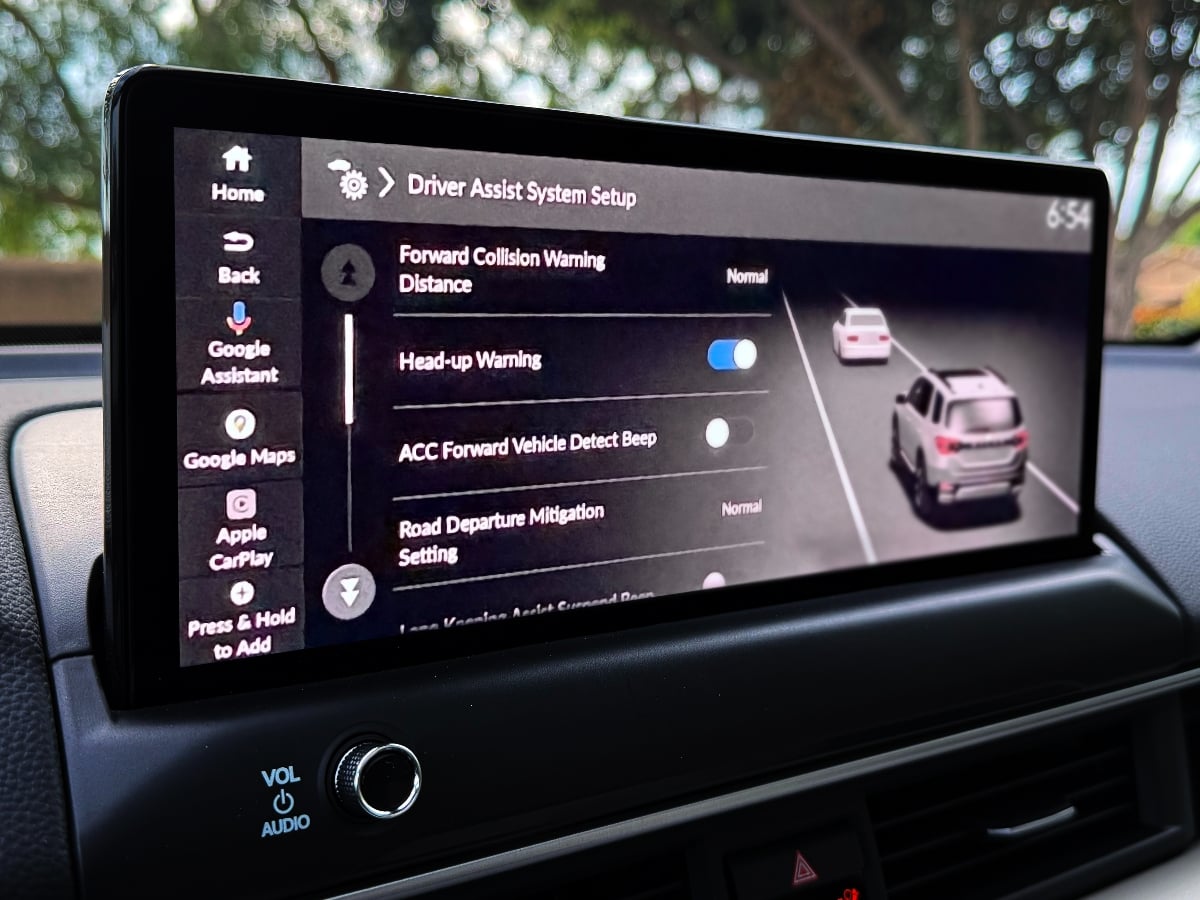
Photo: Mark Takahashi
All 2026 Honda Pilot SUVs come standard with the Honda Sensing suite of safety features and driver assistance technologies. It is as well equipped as most competing SUVs and includes:
Parking sensors and automatic low-speed braking are included with all trims except the Sport, while a multi-view TrailWatch camera system is standard on the TrailSport and higher trims. A head-up display is offered only on the Elite and Black Edition trims.
I have often found Honda's safety feature tuning to be slightly oversensitive, and that also applies to the 2026 Pilot. Once or twice, the forward collision warning system activated as traffic came to a stop, even though I was already slowing with plenty of space to spare. It was somewhat forgivable because it only produced a visual warning on the instrument panel and a beep. I also experienced a similar lane departure warning when I drove a racier line on a curvy road, despite never crossing over a painted line. Neither event activated automatic braking nor steering intervention, though.
As of this writing, neither the National Highway Traffic Safety Administration (NHTSA) nor the Insurance Institute for Highway Safety (IIHS) has published crash test results for the 2026 Honda Pilot. Given how similar this model is to previous years, you can expect similarly commendable results.
According to the JD Power 2025 Initial Quality Study (IQS), the Kia Telluride ranks highest in the Upper Midsize SUV segment. The Subaru Ascent ranks second, and the Hyundai Palisade and the Nissan Pathfinder rank third (in a tie).
According to the JD Power 2025 Automotive Performance, Execution and Layout (APEAL) Study, the Dodge Durango and Hyundai Santa Fe rank highest (in a tie) in the Upper Midsize SUV segment. The Chevrolet Traverse is the next highest-ranked model.
Other 2026 Pilot competitors include the Ford Explorer, Kia Sorento, and Mazda CX-90.
Honda did its homework with the Pilot, delivering innovative solutions to common issues in family-focused SUVs. Its main drawback is the lack of a more fuel efficient hybrid model. Otherwise, it delivers on its promise of comfort, easy driving, and cargo space, with an emphasis on versatility.
Mark Takahashi has been in automotive publishing for over 25 years, contributing detailed written reviews to jdpower.com, Car and Driver, Autoblog, and Capital One, along with video reviews for Edmunds and CarGurus. He has evaluated everything from affordable economy hatchbacks to otherworldly exotic sports cars and everything in between.


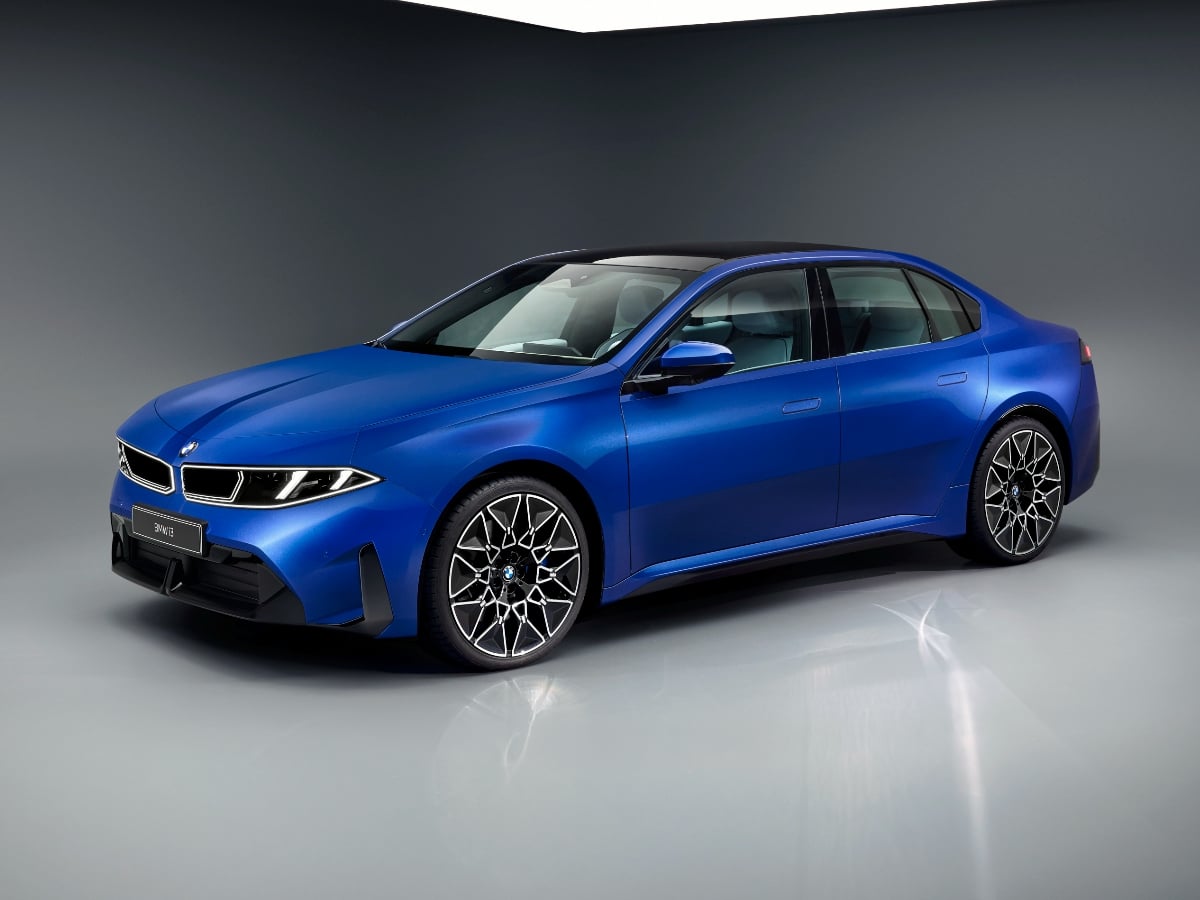
The new 2027 BMW i3 boasts an estimated range of up to 440 miles, 400-kilowatt DC fast charging capability, bidirectional charging to a home or the grid, and next-generation technology.
Read the Full Article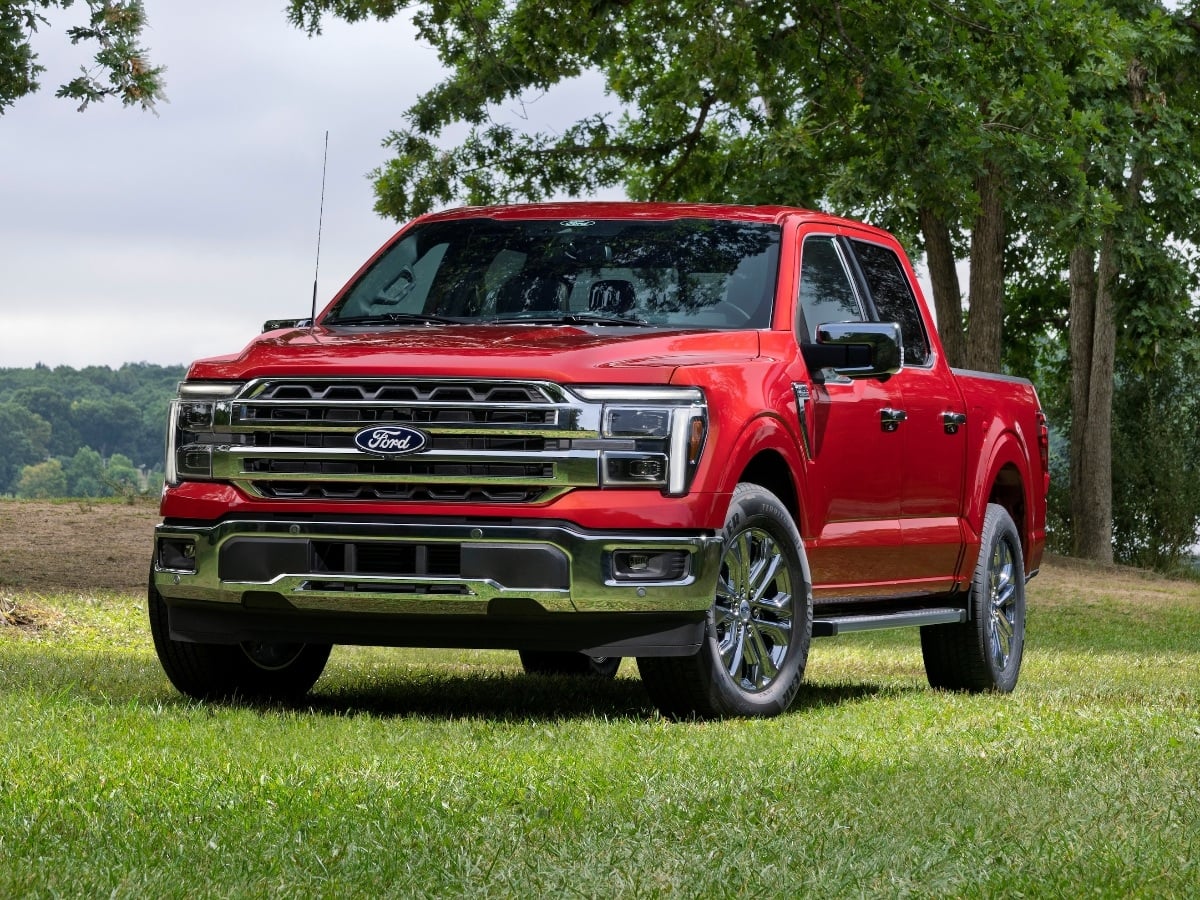
Facing renewed competition in the full-size, light duty pickup truck segment, the 2027 Ford F-150 receives subtle styling updates, a new standard engine, broader availability of its 5.0-liter V8, and ...See More
Read the Full Article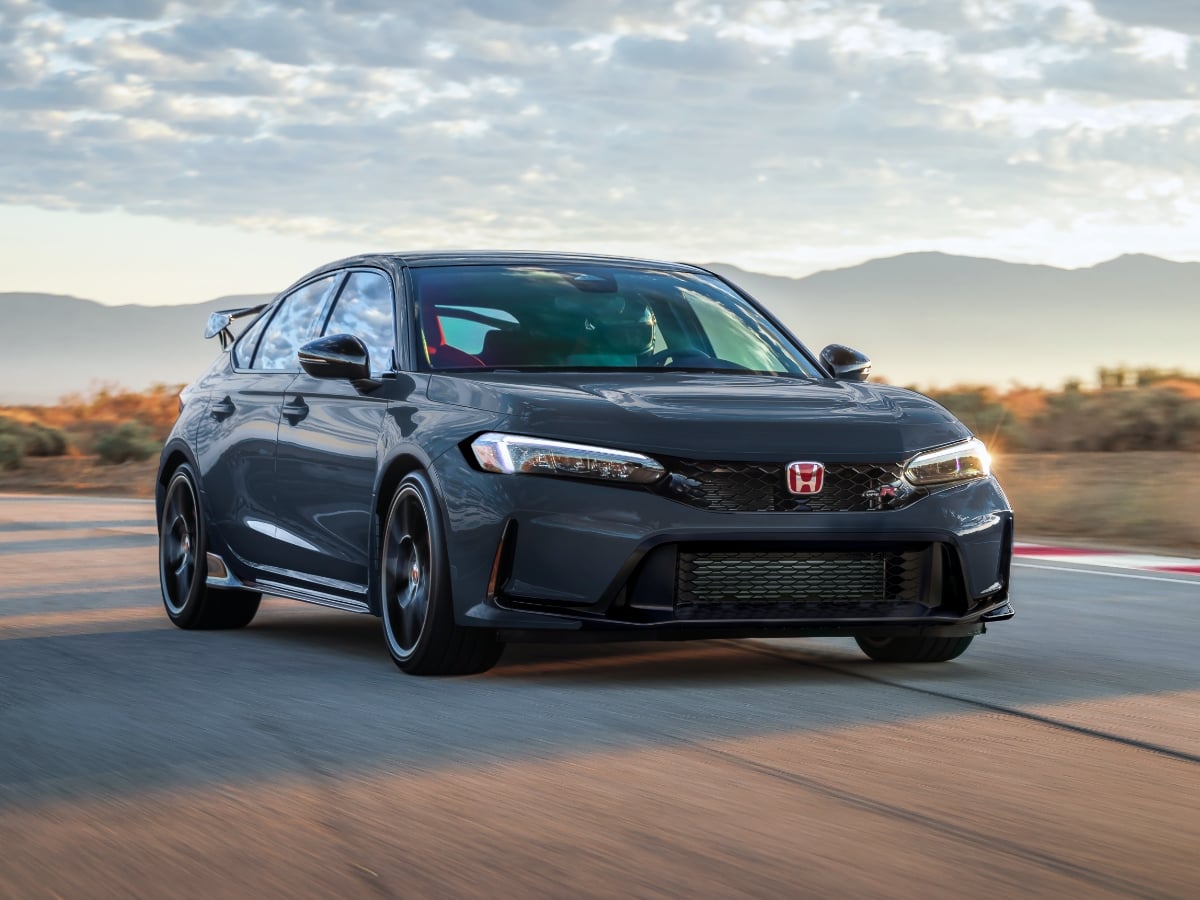
The 2027 Civic Type R goes on sale in October 2026, and it starts at $49,990, including the $1,295 destination charge.
Read the Full Article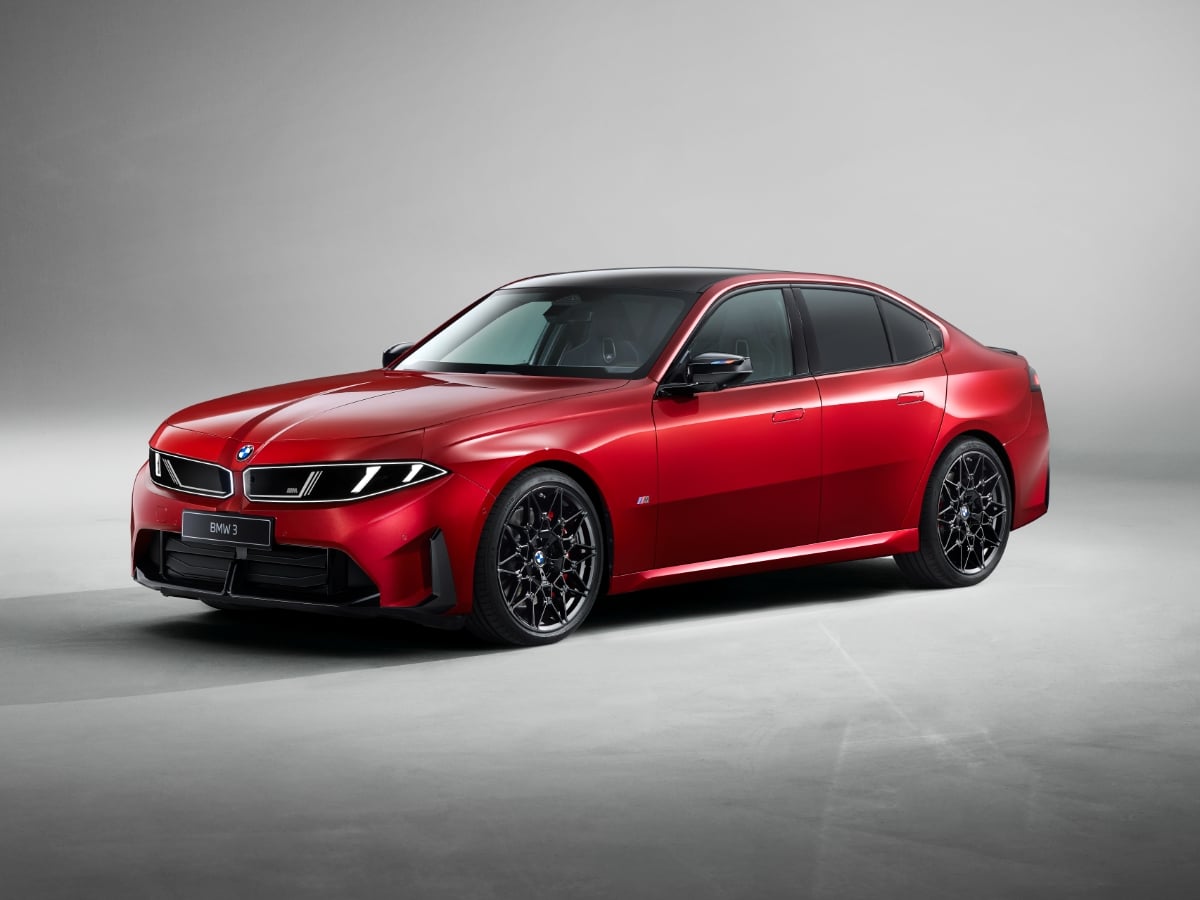
Part of BMW’s Neue Klasse (new class) rollout of redesigned models, the 2027 BMW 3 Series is all-new and goes on sale in the first quarter of 2027.
Read the Full Article