44 - 47
51 - 56
192
6 speed, Automatic w/OD
Gas/Electric I-4
Front Wheel Drive
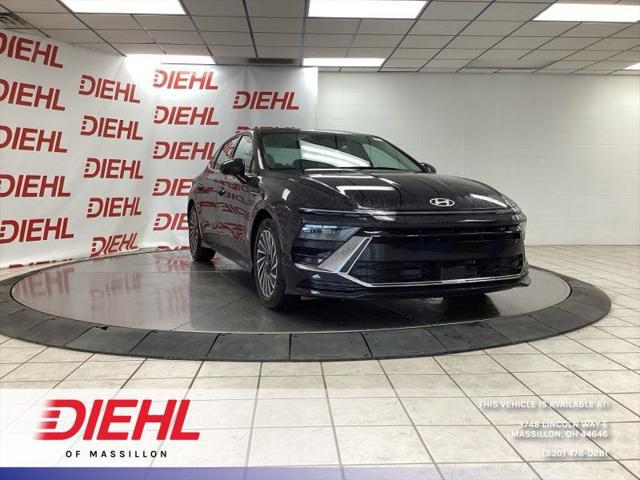
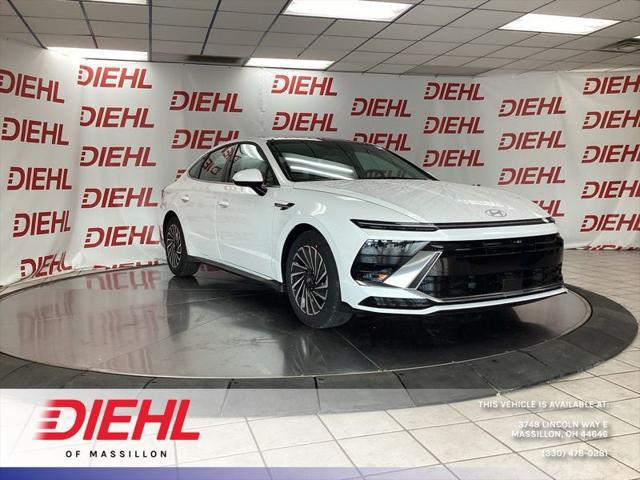
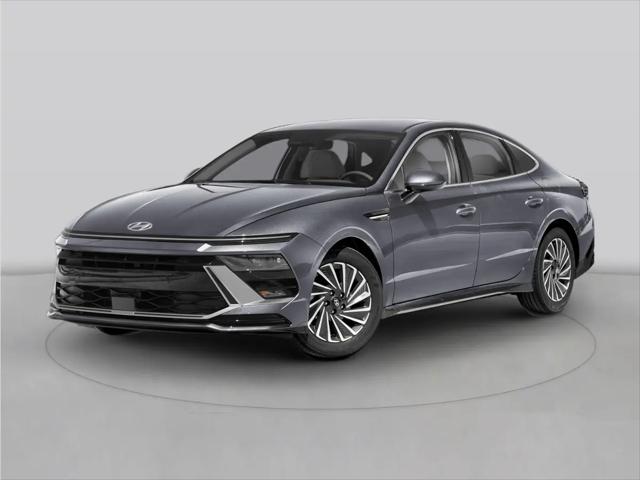
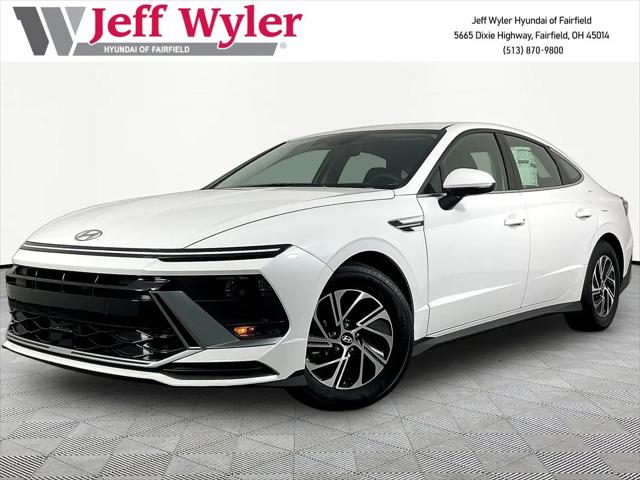
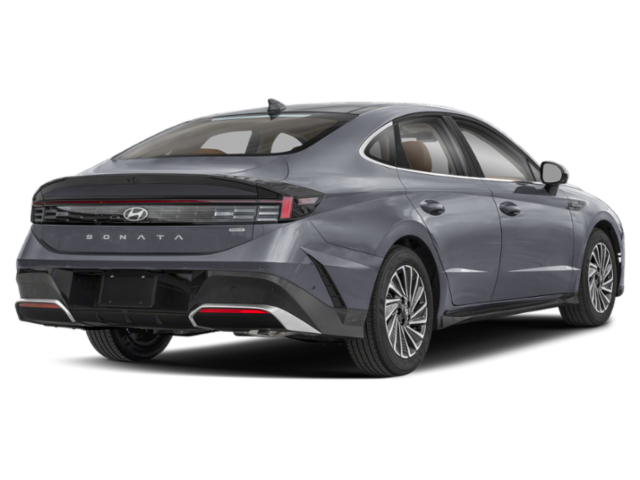
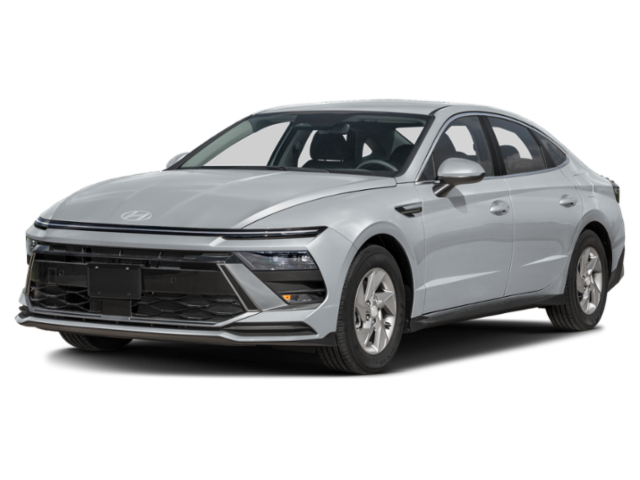
The 2026 Hyundai Sonata Hybrid is one of three midsize sedans available with a fuel efficient electrified powertrain. The other two choices in the segment are the Honda Accord Hybrid and the Toyota Camry, which include hybrid power as standard equipment. The 2026 Sonata Hybrid is comfortable, technologically advanced, safe according to its crash test ratings, and protected by a terrific warranty. But it is boring to drive; much more so than its two rivals.
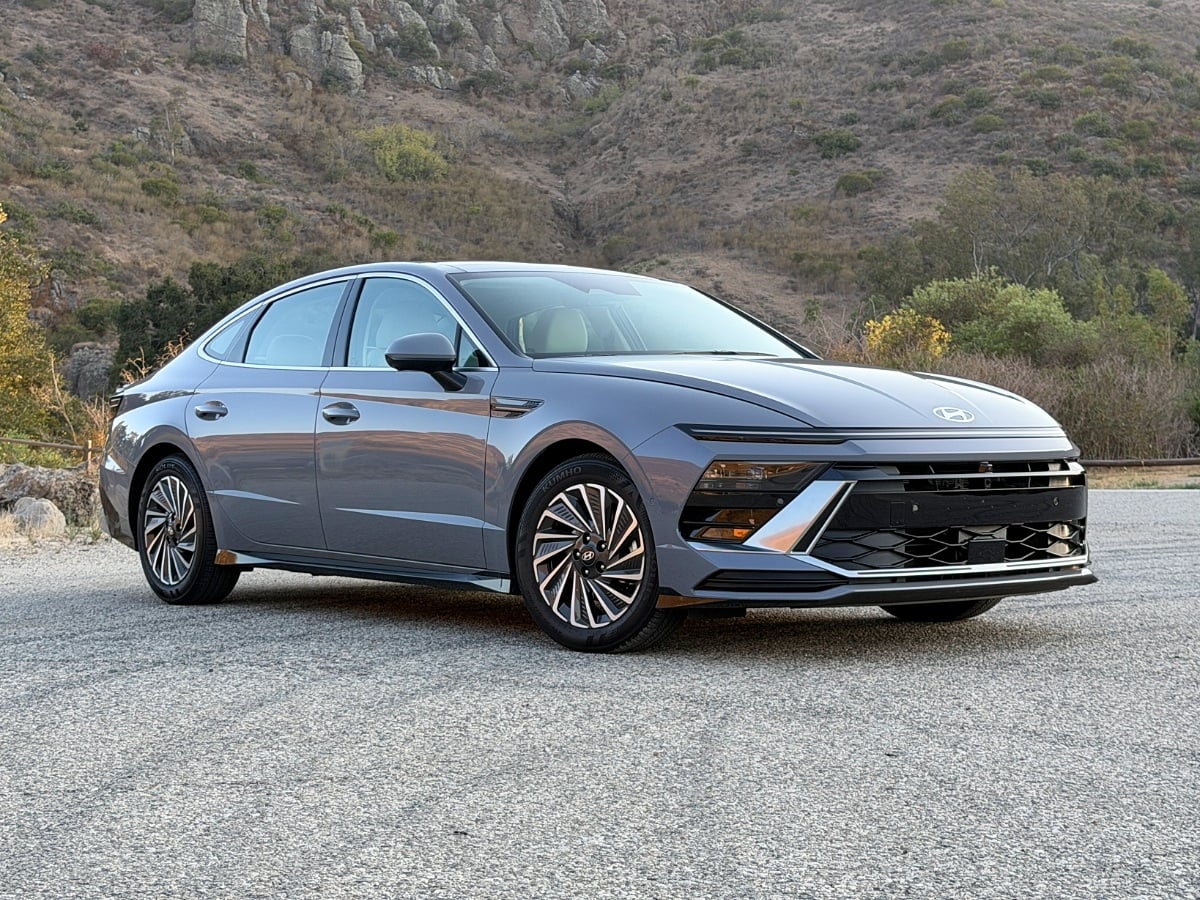
Photo: Christian Wardlaw
Three trim levels are available for the 2026 model year: Blue, SEL, and Limited. The Sonata Hybrid Blue is new for 2026, an entry level trim that costs about $3,250 less than the SEL. For 2026, the SEL adds a standard panoramic sunroof, increasing its price tag and making the Blue appear like a particularly good value. The Limited is the upscale version at the top of the lineup. Prices range from $30,495 to $39,545, including the $1,295 destination charge.
For this 2026 Sonata Hybrid review, Hyundai provided a test vehicle equipped with Limited trim and the optional carpeted floor mats. The test vehicle’s manufacturer suggested retail price (MSRP) was $39,585, including the destination charge to ship the sedan from the Asan, South Korea, assembly plant to a dealership. The price does not reflect any current rebates, incentives, or price adjustments since Hyundai manufactured the test vehicle.
According to verified owners, the Sonata earns an award as the highest-ranked model in its segment in the JD Power 2026 Initial Quality Study (IQS).
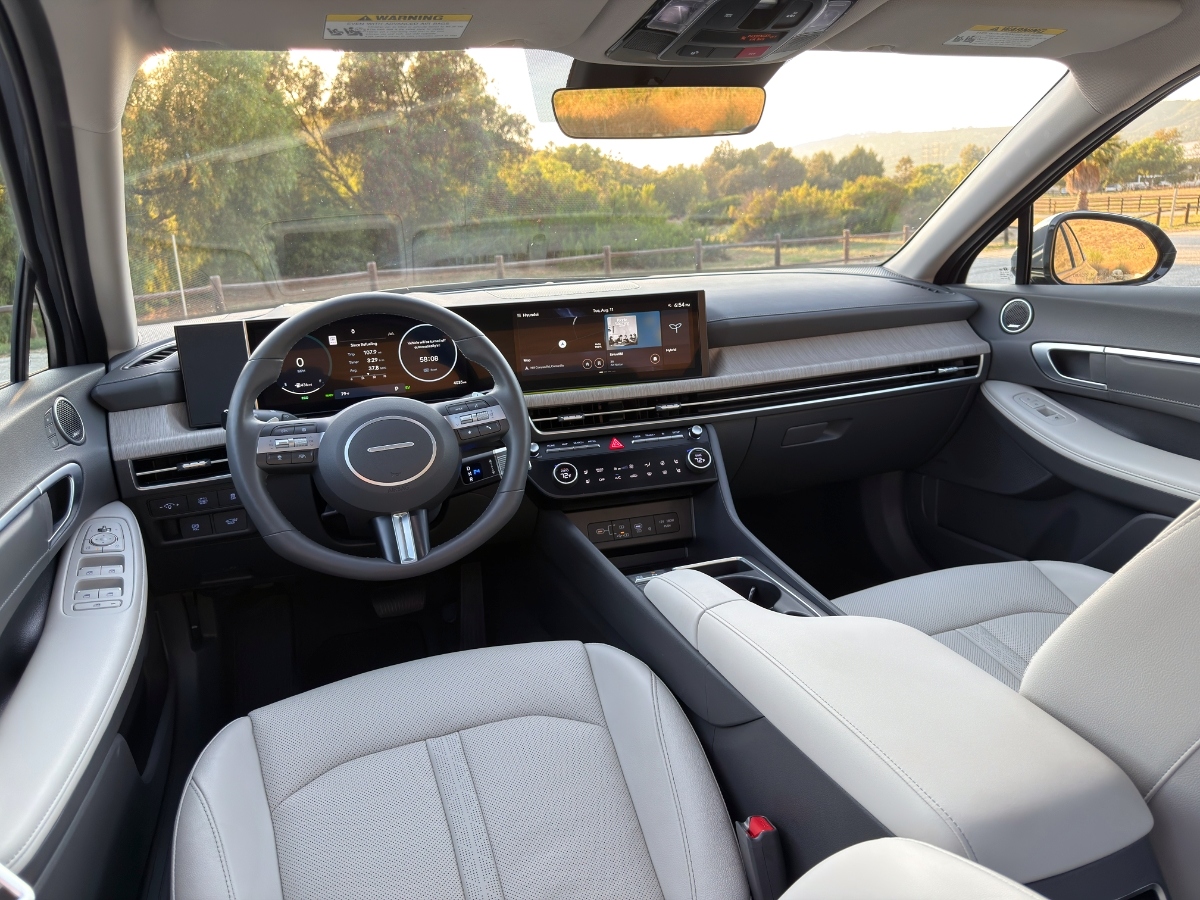
Photo: Christian Wardlaw
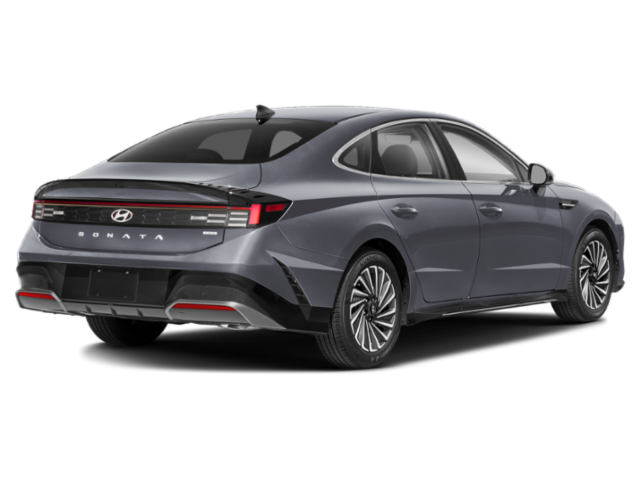
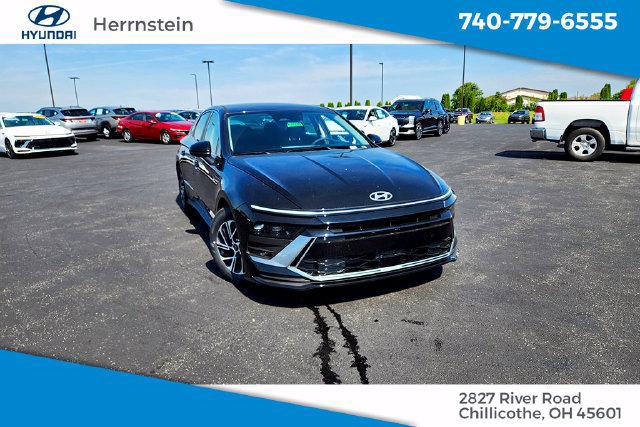
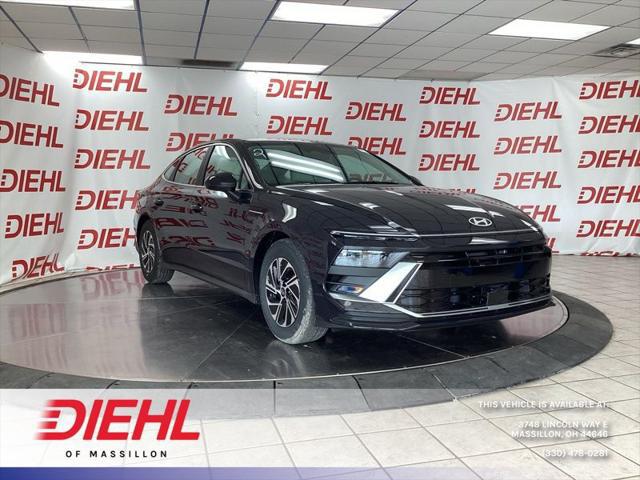
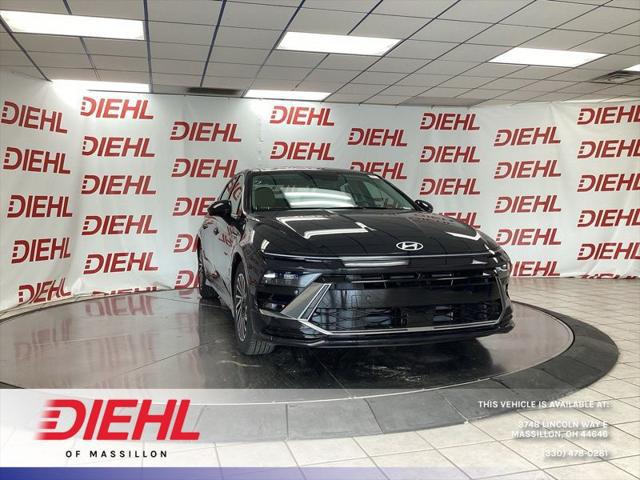
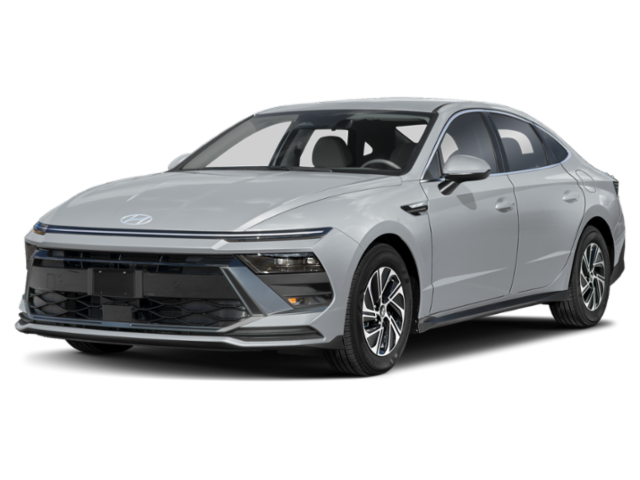
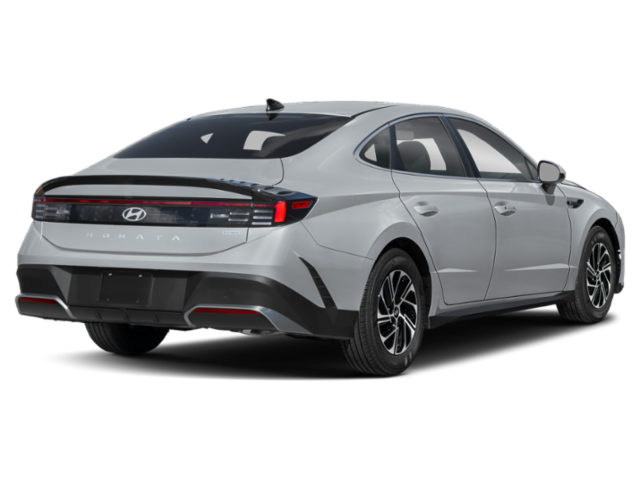
As is true with many Hyundai models, the Sonata Hybrid has a polarizing look. I happen to like the front styling, but the rest of the car feels incongruous to me, with a curvy foundational design decorated with oddly angular details.
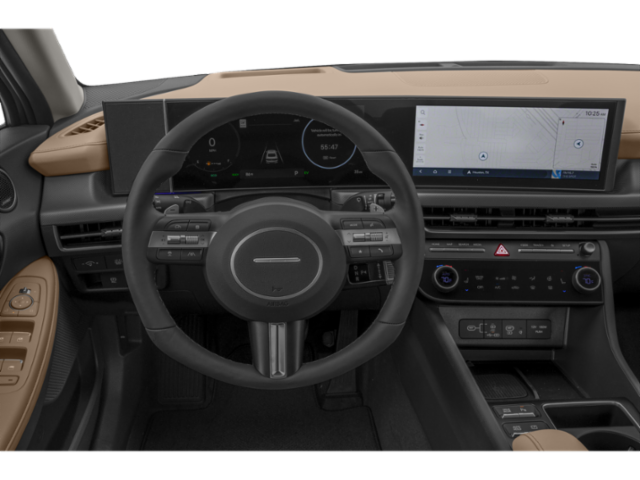
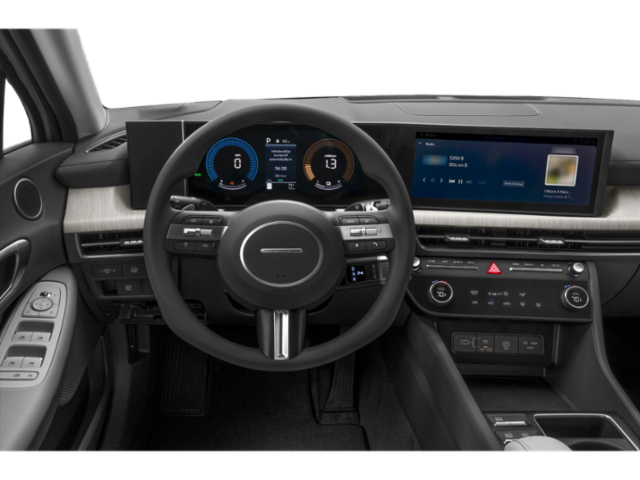
Inside, the Sonata’s cabin continues that theme with softly rounded forms punctuated by sharp-edged detailing. Here, however, the mix of design approaches seems to work better. A panoramic curved display gives the car a technologically advanced look, and the test vehicle’s light gray leather upholstery adds a high contrast, upscale ambiance.
Hyundai uses quality materials in the Sonata Hybrid, and almost without exception, the car is solidly screwed together. For example, the sound the glove compartment door makes when you close it is more refined than some luxury-brand vehicles.
Thoughtful design details include deftly integrated door release handles, an architecturally appealing strip separating the upper and lower sections of the dashboard that contains the air vents, and attractive wood-tone plastic trim. Polished aluminum accents add class to the cabin, and because Hyundai avoids using gloss black trim inside the Sonata Hybrid, there is not much glare from the various interior surfaces. At night, my Limited test vehicle offered appealing ambient cabin lighting with 64 colors to choose from.
Hyundai equips the Sonata Hybrid Limited with a panoramic display with dual 12.3-inch screens, but also retains plenty of traditional switchgear, including stalks, knobs, and buttons. With few exceptions, the controls feature matte black backgrounds with white markings, making it easy to find and use what you need.
Four adults will be comfortable riding in the Sonata, and interior storage space is generous, including the artfully rendered smartphone slots in each door panel armrest.
A height-adjustable driver’s seat makes the car easier to enter and exit, and the center armrest on the driver’s side offers extended padding for the comfort of drivers of all sizes. In the Limited, both front seats offer heating and ventilation, and the heated steering wheel is extremely comfortable to grip.
Getting into and out of the rear seat is no trouble at all, and the Limited has rear side window shades. A fifth person can squeeze into the rear center seating location, but they had better be small.
The trunk holds 15.6 cubic feet of cargo, and a hands-free smart trunk release is standard, which senses the key fob's proximity and popping the lid after a few seconds. In the Limited trim, the trunk lid is power-operated. The trunk lid hinges are enclosed, so you can fill the cargo area without worrying you will crush something fragile when you swing it closed.
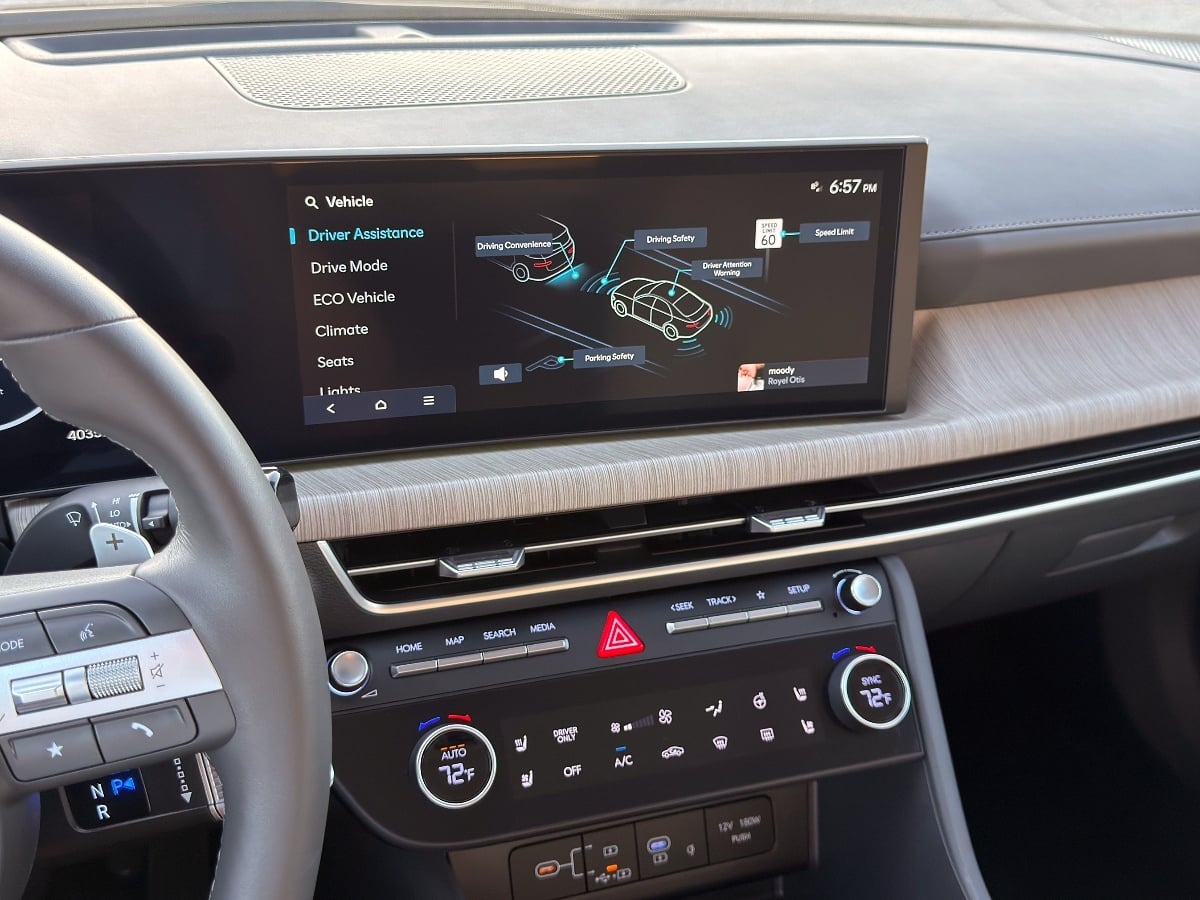
Photo: Christian Wardlaw
With Limited trim, the 2026 Sonata Hybrid pairs a 12.3-inch digital driver display with a 12.3-inch touchscreen infotainment system. The infotainment system includes:
In addition, the Sonata Hybrid Limited has:
During testing, the dynamic voice recognition worked almost flawlessly, responding quickly and accurately to conversational prompts like the digital voice assistant technology on your smartphone. That behavior makes the Sonata’s technology seem familiar and helpful.
Hyundai Pay is an unusual feature that lets you pay for parking, fuel, and other services directly from the infotainment system. Digital key technology is also relatively rare. It turns your smartphone into the vehicle’s key, letting you unlock, start, and drive the Sonata Hybrid without the key fob.
My test vehicle also had a head-up display. In addition to the typical data they usually project onto the windshield, it showed when other vehicles were in the Sonata’s blind spots. That helps to cut down on driver distraction.
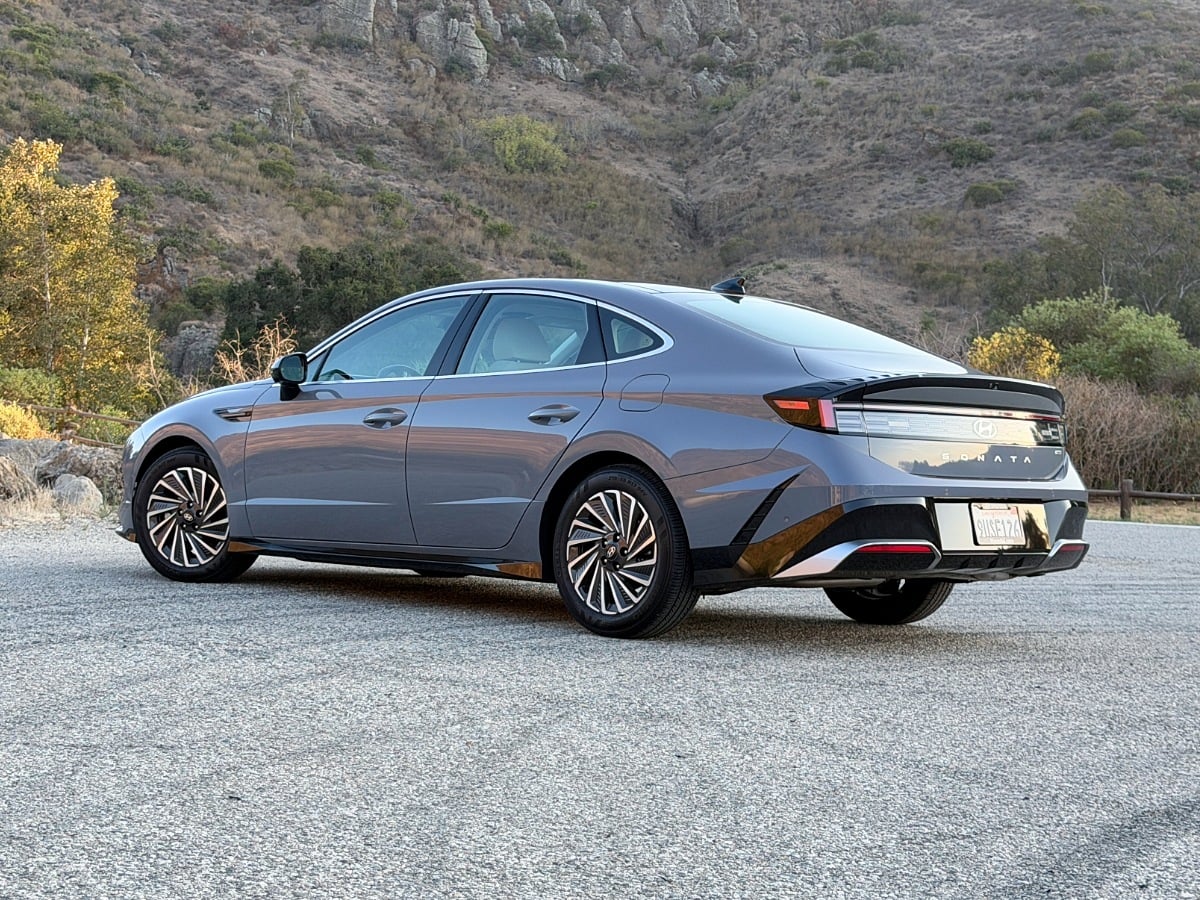
Photo: Christian Wardlaw
The Sonata Hybrid’s powertrain pairs a 2.0-liter four-cylinder gas engine with a 39-kilowatt electric motor and a 270-volt lithium-ion battery to generate 192 horsepower and 151 pound-feet of maximum electric motor torque from 0 to 1,800 rpm. A six-speed automatic transmission powers the front wheels. In that respect, the Sonata is different from the Accord Hybrid, where the electric motor is serving as the transmission, and the Camry, which has a continuously variable transmission.
According to the Environmental Protection Agency (EPA), the Sonata Hybrid Blue should return 51 mpg combined, while the SEL and Limited are rated at 47 mpg. During testing, I saw 42.1 mpg on my fuel economy observation route and 36.8 mpg on my mountainous evaluation loop. It is not uncommon for hybrids to fall short of their official fuel economy ratings when driving in the real world.
While the electric motor assist helps the Sonata Hybrid feel responsive enough in heavy city traffic, in other situations it proved to be one of the slowest and least powerful vehicles I have tested in recent memory. In Eco mode, the transmission seems eager to upshift to conserve fuel. Sport mode holds gears for too long.
The Sonata Hybrid can cruise at highway speeds without trouble, but it takes longer to reach them than most other cars, including the Honda and Toyota. The Hyundai also maintains speed uphill, but if you lose momentum, regaining it takes a long time because of the lack of power. Passing power is also limited, so leave yourself plenty of room.
Fortunately, Hyundai’s conventional automatic transmission reduces powertrain drone when accelerating hard, and the car is remarkably quiet on the highway.
A softly tuned suspension soaks up pavement irregularities, though surface undulations can make the ride occasionally choppy. Pitch the car into a corner or tight curve, and the tires fold over and beg for mercy. The regenerative brakes feel a little funky underfoot, and the steering feels heavy, leaden, and lifeless.
Overall, the Sonata Hybrid is dull to drive. Comparatively, the Accord Hybrid and Camry feel like sport sedans. But those models are not as quiet, plush, and cushy, so choose accordingly.
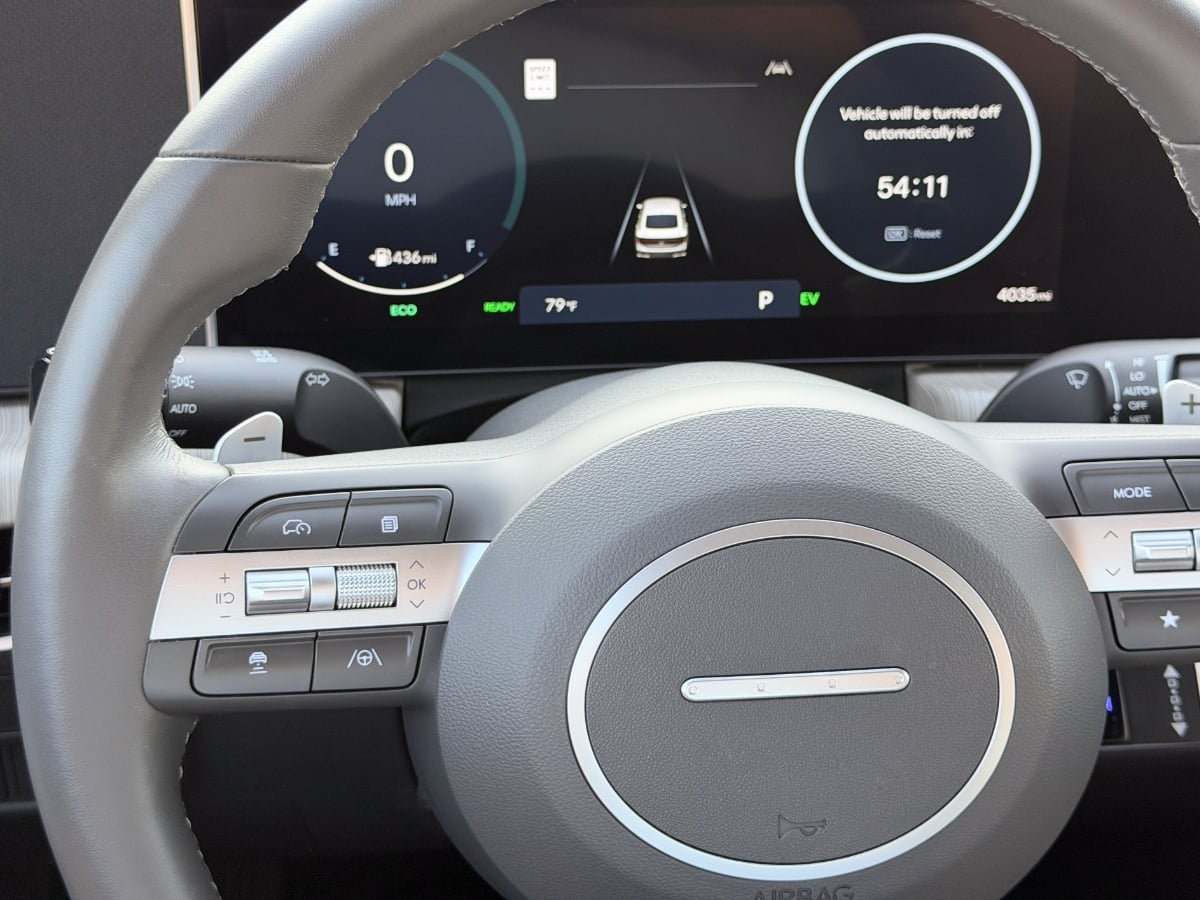
Photo: Christian Wardlaw
Every 2026 Sonata Hybrid has Hyundai SmartSense, a collection of advanced driver assistance systems (ADAS) that includes:
My Limited test vehicle added:
I used SmartSense extensively, and overall, these technologies work well. When I used adaptive cruise control (ACC) and lane centering assistance on the winding Pacific Coast Highway near Malibu, California, the technology felt a little unnatural in the curves, but that is a common observation across automakers.
I also disliked using the lane centering assistance without ACC; it felt unnatural and aggravating when operating solo. The Limited has an automatic curve speed reduction feature, but I turned it off because that system can turn any vehicle into a rolling traffic cone and inspire road rage in motorists behind the car.
On freeways, the Highway Driving Assist system proved excellent, including distance management when lane shoppers cut into and out of the gap ahead in thickening traffic. The test vehicle also had a camera-based Blind Spot View Monitor, which shows a live video feed of what is close to the Sonata in a portion of the digital driver display.
I did not use the car’s Remote Smart Parking Assist, which lets you stand outside the Sonata Hybrid and, using the key fob, command the car to autonomously drive forward or back to park it or retrieve it from a parking spot. I have always found this technology to be a head-scratcher, but after a recent vacation to Korea, where I rented a car for part of the trip, I now understand the value of this feature in the car’s native habitat.
Regarding safety ratings, the 2026 Sonata Hybrid earned top five-star ratings in nearly every assessment conducted by the National Highway Traffic Safety Administration (NHTSA). The only exception is a four-star rating for driver safety in a frontal impact collision. Additionally, the Insurance Institute for Highway Safety (IIHS) gave the 2026 Sonata a “Top Safety Pick+” rating for the 2026 calendar year.
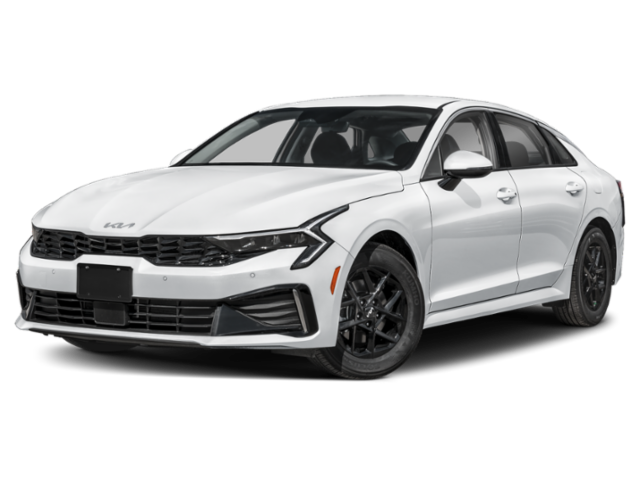
According to the 2026 IQS, the Hyundai Sonata ranks highest in the Midsize Car segment, with the Honda Accord and Kia K5 ranked second and third, respectively. The Kia is not available with a hybrid powertrain.
According to the JD Power 2026 Automotive Performance, Execution and Layout (APEAL) Study, the Kia K5 ranks highest in the Midsize Car segment, with the Hyundai Sonata ranked second.
The 2026 Sonata Hybrid’s only competitors are the Honda Accord Hybrid and the Toyota Camry, which includes a hybrid powertrain as standard equipment.
If you like to drive, the 2026 Hyundai Sonata Hybrid is not for you. My favorite midsize hybrid sedan for driving enjoyment is the Honda Accord Hybrid Sport or Touring, followed by the Toyota Camry in SE, Nightshade, or XSE trim.
Otherwise, if you like how this Hyundai looks inside and out and find it comfortable and easy to use, it is a good, safe choice for a fuel efficient family car. The warranty and roadside assistance plans are generous, as is the Bluelink+ connected services offering, which Hyundai provides at no charge to the original owner for the vehicle's lifetime.
Lastly, though it is a high-tech vehicle, the technology is accessible and easy to use.
Christian Wardlaw is a veteran automotive journalist with 30 years of experience in the field and has held automotive editorial leadership positions at Edmunds, JD Power, and The New York Daily News. Today, Chris owns a content agency called Speedy Daddy Media, and in addition to JDPower.com, his work appears on Capital One Auto Navigator, CarGurus, and Edmunds.