
It is easy to think of the battery in an electric vehicle (EV) as a supersized version of the double-A cell in your TV remote. They are conceptually the same, but instead of a single large battery, EVs have dozens, hundreds, or even thousands of individual batteries connected to form the pack. How those disparate batteries deliver enough current and capacity to drive an EV for hundreds of miles is an evolving art and science. Here is a rundown of a few of the most common types.
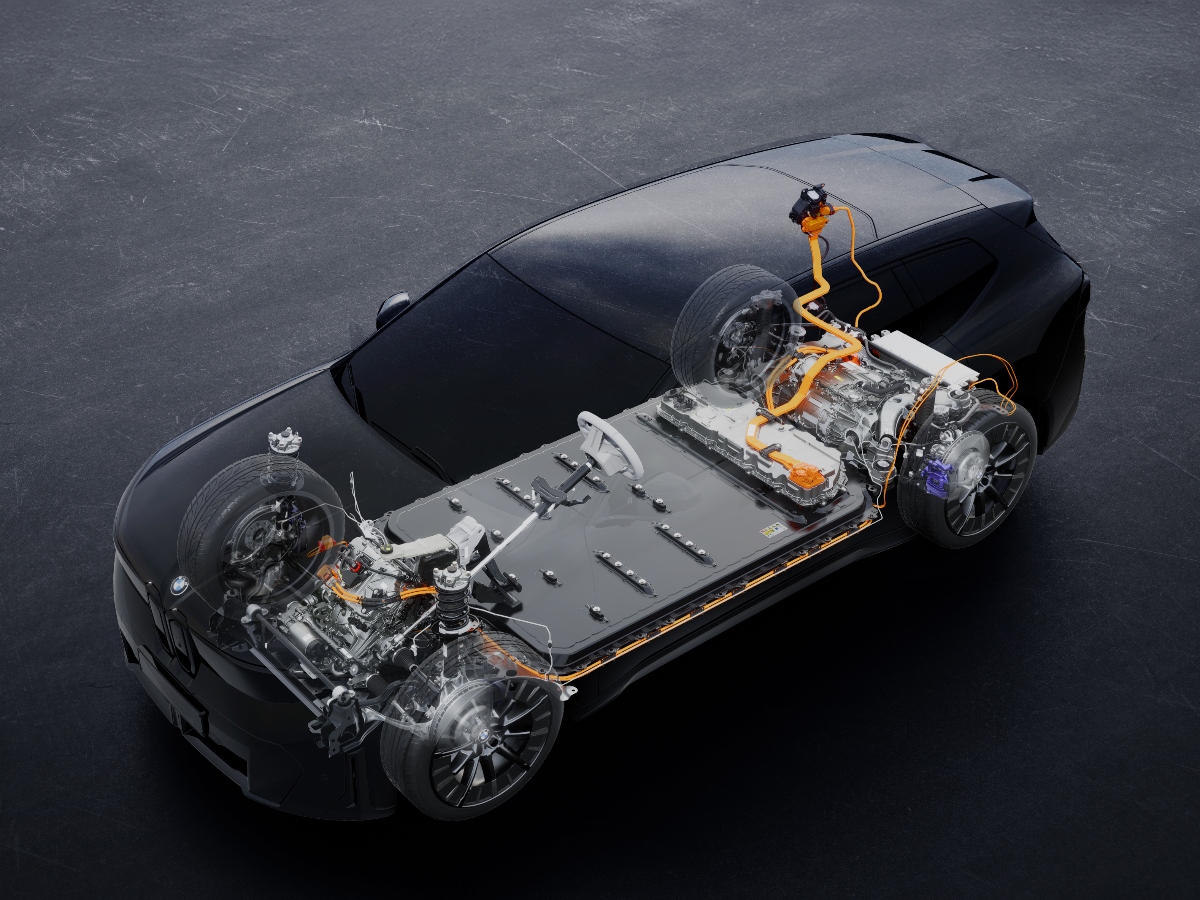
The first important distinction is the components that make up an EV's battery pack. At the smallest level are battery cells, which you can think of as the AA battery mentioned above. Each cell is an insulated, chemical unit capable of storing a charge and sending it through the positive and negative terminals. Cells are the building blocks of batteries.
Cells are made using numerous chemistries, such as Nickel Manganese Cobalt (NMC) and Lithium Iron Phosphate (LFP). They also come in different shapes, including cylindrical (like an AA battery), rectangular prismatic cells, and even simple pouches with just enough structural integrity to hold everything together.
The next step up is modules. Modules are collections of cells, all wired together to deliver a higher total charge. Grouping cells into modules makes it easier to assemble battery packs in stages and, theoretically, to repair them later. The idea is that if one cell goes bad, you can remove the module containing that cell and quickly replace it, getting the car back on the road faster with less waste.
Finally, there is the battery pack, which combines all the cells and modules. When you hear an EV rated for a given capacity in kilowatt-hours, that number specifies the total capacity of the pack's combined cells and modules.
It is the pack design that has been evolving of late. While many manufacturers use a modular battery design, again thanks to the advantages of assembly and repairability, more and more manufacturers, like BMW in the new iX3, are using a module-free design, typically called "cell-to-pack."
These packs ditch modules entirely, essentially merging all the cells into a single unit and often gluing everything together. While this makes the pack harder to repair, it substantially reduces the amount of material required to build it. Volvo takes this a step further in the EX60 with a technique it calls "cell-to-body." In this approach, the battery cells are installed directly into the vehicle's chassis.
A cell-to-pack or cell-to-body design significantly reduces weight and cost, resulting in EVs that go farther on a given battery capacity and are easier on the wallet, too. Batteries will continue to evolve as chemistries change and the EV market grows.
Visit the Shopping Guides section of the website to learn more about different automotive technologies.
Tim Stevens is a veteran automotive and technology journalist with over 25 years of experience covering a wide range of topics, from smartphones to supercars. In addition to jdpower.com, his expert perspectives have appeared in numerous national and international outlets, including print, online, and broadcast television.


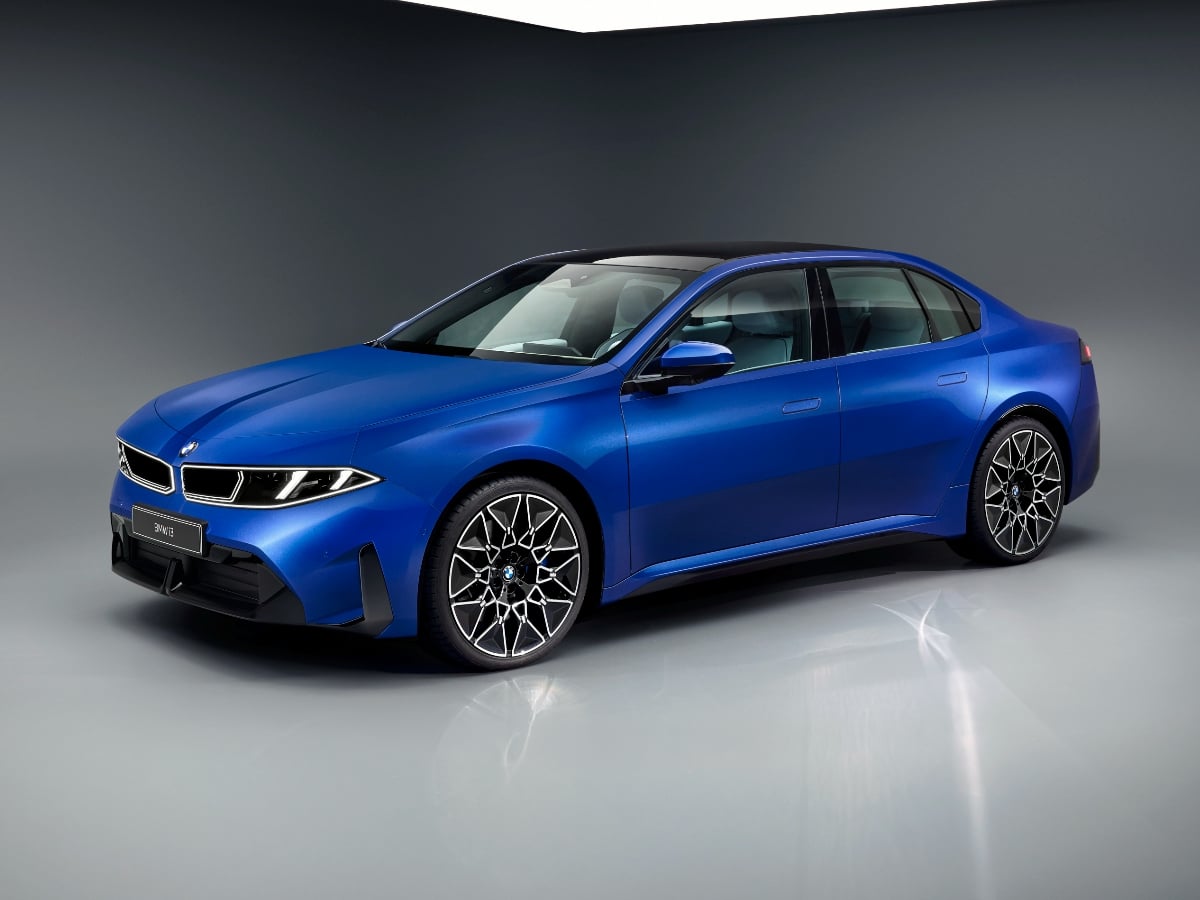
The new 2027 BMW i3 boasts an estimated range of up to 440 miles, 400-kilowatt DC fast charging capability, bidirectional charging to a home or the grid, and next-generation technology.
Read the Full Article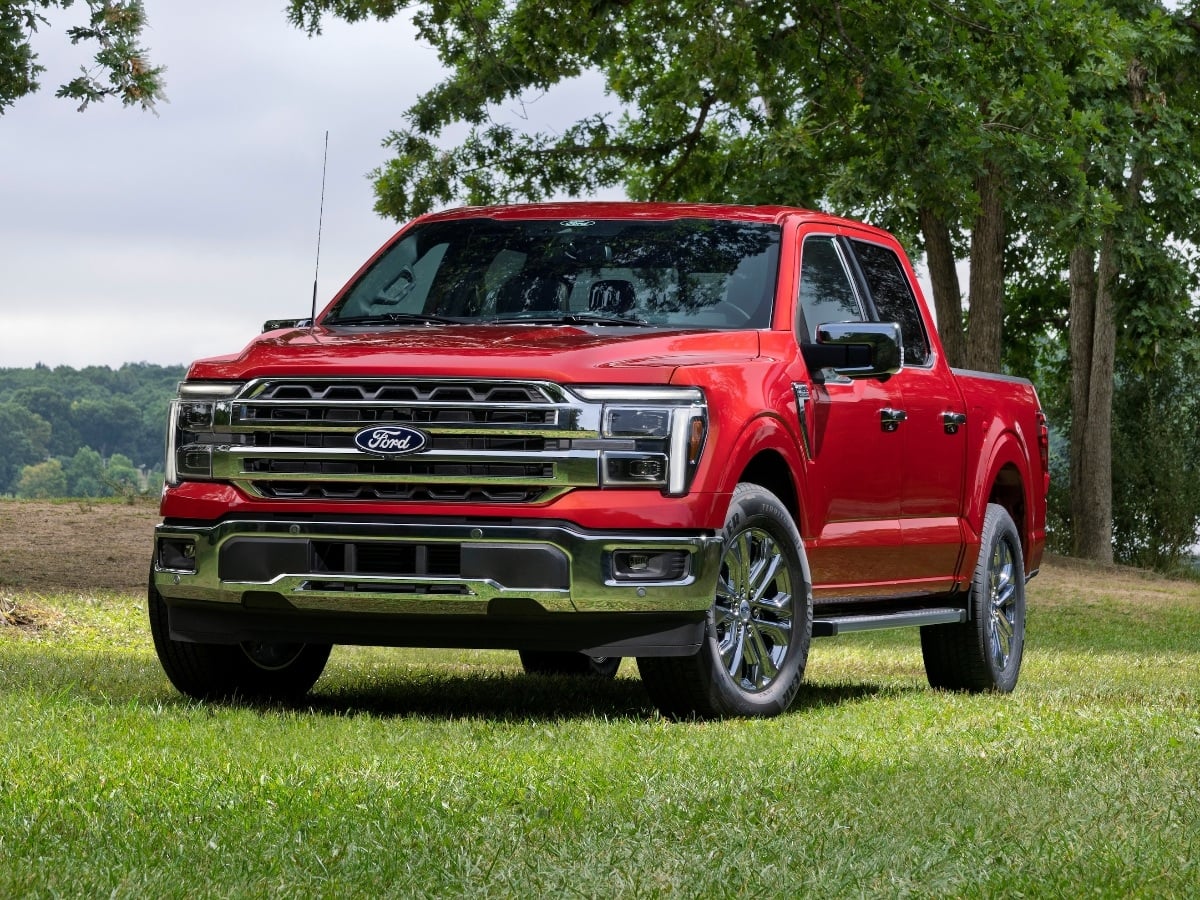
Facing renewed competition in the full-size, light duty pickup truck segment, the 2027 Ford F-150 receives subtle styling updates, a new standard engine, broader availability of its 5.0-liter V8, and ...See More
Read the Full Article
The 2027 Civic Type R goes on sale in October 2026, and it starts at $49,990, including the $1,295 destination charge.
Read the Full Article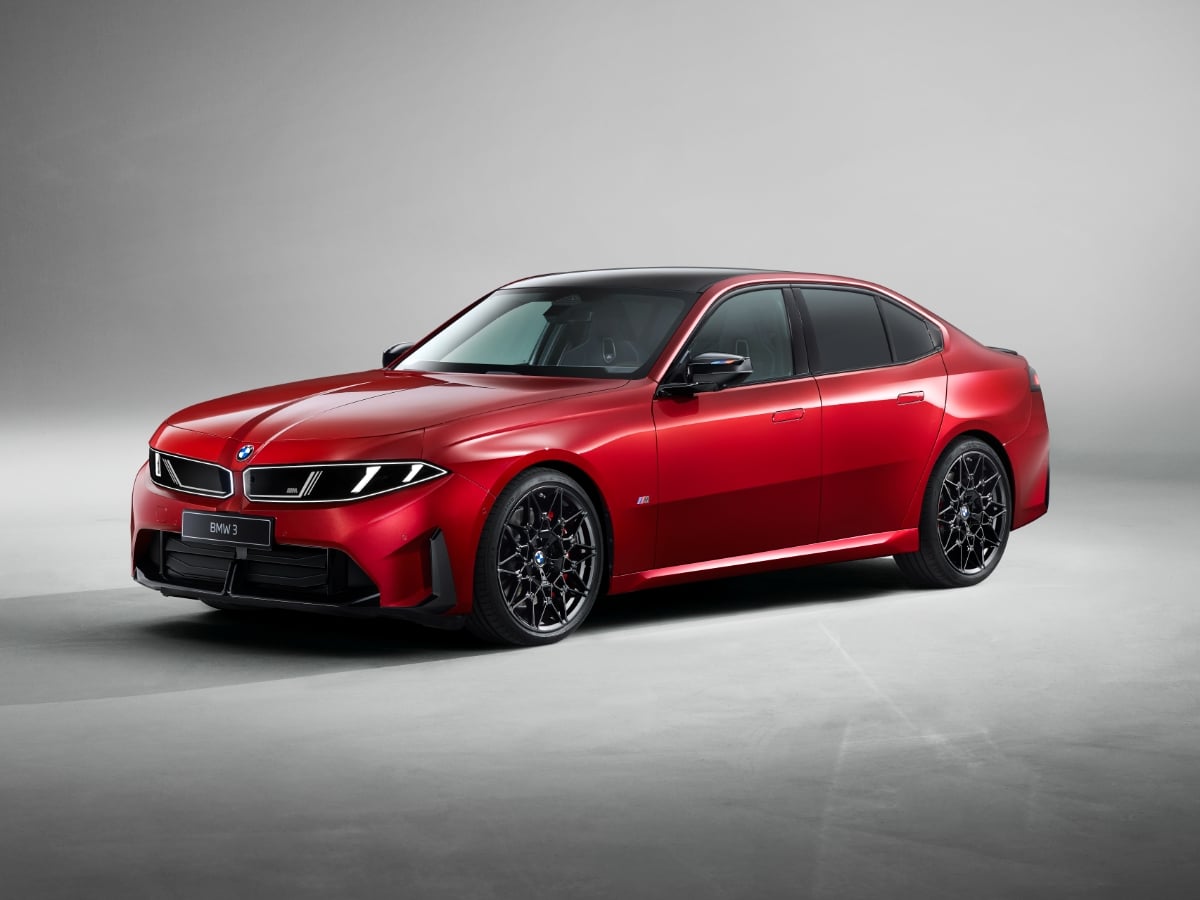
Part of BMW’s Neue Klasse (new class) rollout of redesigned models, the 2027 BMW 3 Series is all-new and goes on sale in the first quarter of 2027.
Read the Full Article