
Created by Hyundai’s high-performance N division, the 2025 Ioniq 5 N combines the standard model’s appealing compact SUV style and ultra-fast charging with lavish upgrades and some world’s firsts in electric-vehicle (EV) technology. Those upgrades include:

Photo: Ben Sager
As a mainstream take on BMW’s M division or Mercedes-AMG, Hyundai’s N division creates specialized performance cars for serious thrills on roads or racetracks. Though it shares a chassis and electrical architecture with the Ioniq 5, the Ioniq 5 N version is a different beast entirely. For one, its 641 hp doubles the maximum 320 hp available on a standard Ioniq 5.
The Ioniq 5 N is a new nameplate for 2025, and Hyundai markets it separately from the rest of the Ioniq 5 lineup. The compact crossover SUV carries a base price of $67,475, including the $1,375 destination charge. That compares with standard Ioniq 5 models, whose base prices range from $43,175 for an SE Standard Range to $60,775 for a D100 Platinum Edition.
Previously, JD Power reviewed the 2022 Hyundai Ioniq 5. This review focuses on the Ioniq 5 N performance variant and how it potentially impacts the model’s overall consumer appeal.
In the following sections, our independent expert analyzes a 2025 Hyundai Ioniq 5 N equipped with the following options:
The test vehicle’s price was $68,685, including the $1,375 destination charge to ship the SUV from the Ulsan, South Korea, assembly plant to your local dealership.

Photo: Ben Sager
From its air-inhaling grille and orange-trimmed body to a 3.2-second sprint to 60 mph and 162-mph top speed, Hyundai created the Ioniq 5 N to make statements. One potential statement will come at Pikes Peak, where the Ioniq 5 N will seek a new record for production electric SUVs at the famous hill climb race in Colorado.
The upshot is an EV that’s faster and more fun to drive than anything in its class. That includes the ability to lap tracks for about 20 minutes, recharge to 80 percent full in 18 minutes (if a powerful 350-kw DC fast charger is nearby), and head back onto the track. Despite an enlarged 84-kWh battery, Hyundai says the Ioniq 5 N charges as quickly as the 77.4-kWh pack in standard models, thanks to its sophisticated 800-volt architecture.
The N version adopts a two-stage electric inverter that squeezes an enormous 601 hp from dual electric motors, making this history’s most powerful Hyundai. Pressing an “N Grin Boost” button on the steering wheel lifts that to 641 hp for 10-second bursts. Another control on the 12.3-inch center touchscreen lets drivers adjust how much power is sent to the front or rear wheels.
The Ioniq 5 N offers the global industry’s first EV transmission that simulates the feel and sound of shifting through eight forward gears through steering-wheel paddle shifters. There’s even a tachometer on the 12.3-inch driver’s display that “revs” toward a maximum 8,000 rpm. In reality, there’s only one forward gear, as in most EVs, and electric motors, in fact, spin as high as 21,000 rpm. A “Drift Mode Optimizer” simulates the effect of a manual-transmission driver dropping the clutch to help the Hyundai slide sideways in Fast and Furious style.
Hyundai beefed up the chassis with 42 additional welding points and 6.9 feet of added structural adhesives. The automaker also sharply upgraded the cooling for the electric motors and the battery, and drivers can choose battery preconditioning settings to optimize temperatures for shorter “Sprint” or longer “Endurance” runs.
Hyundai also retuned the driver-adjustable suspension for sportier handling. The handsomely wedgy crossover gets the largest brakes ever fitted to a Hyundai, including four-piston front calipers with 15.75-inch rotors. Hyundai claims a class high for the power of regenerative brakes that slow the Ioniq 5 N when drivers lift off the accelerator. An onboard i-Pedal setting summons maximum regeneration, allowing one-pedal driving favored by many EV fans.

Photo: Ben Sager
Compared to the standard Ioniq 5, the N variant grows longer, lower, and 2 inches wider to make room for 21-inch forged alloy wheels. A larger front grille integrates active air flaps to reduce aerodynamic drag or boost cooling, while a “Luminous Orange” band wraps the body. At the rear, the Ioniq 5 N gets an elongated roof spoiler and aggressive rear aerodynamic diffuser.
Inside, the minimal, office-cubicle style of the standard Ioniq 5 gives way to a more conventional, cockpit-like vibe. Thickly bolstered, lightweight N sport seats, trimmed in Alcantara and H-Tex fabric, hold occupants in check. A fixed center console replaces the standard Ioniq 5’s open floor plan, with kneepads to brace occupants in fast corners. Larger, aluminum foot pedals give drivers secure grip.
In other respects, the Hyundai remains a functional AWD compact SUV. With its 60/40 split rear seats folded, the N version matches the 59.3 cubic feet of storage of standard models. It loses a negligible 1.1 cubic feet of space behind that second row, at 26.1 cubic feet versus 27.2 for the Ioniq 5.
A 12.3-inch center screen offers pleasing graphics and smooth control over navigation, audio, and standard wireless Apple CarPlay and Android Auto. However, Hyundai’s only major misstep is that the touchscreen is cluttered with show-offy performance screens and submenus that can overwhelm and annoy drivers. There are adjustments for powertrain, steering, brakes, sounds, stability control, battery management, limited-slip differential, launch control, and more. Fortunately, a pair of “N” steering-wheel buttons save preset selections for drivers.
I tested the Ioniq 5 N at Weathertech Raceway Laguna Seca in Monterey, California, with only a brief one-hour drive on public roads. The Hyundai was a revelation on the historic circuit, with feisty handling, tireless brakes, and starship-quick acceleration that defied a chunky 4,861-pound curb weight.
Artificial, digital powertrain sounds can be annoying in some EVs. But Hyundai’s “Ignition” mode, which simulates the sound of the N division’s 2.0-liter gasoline engine, sounds surprisingly natural, played through 10 internal and two external speakers.
“Natural” also describes the ingenious “N e-Shift” transmission. The faux eight-speed convincingly mimics gear changes of a gasoline-powered car, complete with rev-matched downshifts. A simulated rev limiter will even prevent an upshift if the driver waits too long to toggle the steering wheel paddle.
On snaking, scenic public roads near Laguna Seca, the Hyundai stormed through corners with breathtaking ease and confidence, albeit with less steering feedback from the road than the best internal-combustion performance cars.
By prioritizing performance, the Hyundai does sacrifice driving range and energy efficiency. The Environmental Protection Agency (EPA) rates the Ioniq 5 N for 221 miles of range, compared with up to 260 miles for standard Ioniq 5 with AWD and up to 303 miles for rear-wheel-drive models. Its MPGe rating—the electric equivalent of a gallon of gasoline—falls to 78 MPGe in combined driving versus up to 99 MPGe for Ioniq 5 AWD models.

Photo: Ben Sager
Automakers often say a model has no direct competitors, yet in this case, it’s true. No electric SUVs priced below six figures, including a Tesla Model Y or Audi Q8 E-tron, can rival the Hyundai’s power, engaging performance, and hyper-focused tech. None are expressly engineered for robust, reliable driving on racetracks. The closet analog will cost nearly $40,000 more than the Hyundai: the forthcoming Porsche Macan EV will start from $106,950 in its most potent, 630-hp Macan Turbo guise.
The Ioniq 5 N may still strike some mainstream EV shoppers as an overpriced, overpowered indulgence, especially those who can’t imagine driving any 641-hp car. For those consumers, a standard Ford Mustang Mach-E, Ioniq 5, Kia EV6, or Model Y will seem a smarter buy, not least for their ability to drive farther on a charge. That makes the Ioniq 5 N a classic niche-within-a-niche model.
For its self-selecting audience of speed freaks, this Hyundai will seem like a futuristic dream car and reasonably priced considering all you get. The Ioniq 5 N will outpace or outright embarrass several bigger-name SUVs, sedans, or even sports cars. Yet, like a civilian-issue Ioniq 5, the N remains roomy and practical enough for families, foul weather, shopping, or cargo hauling.
Lawrence Ulrich is an award-winning automotive journalist and former chief auto critic at The New York Times and Detroit Free Press. In addition to JDPower.com, his work appears in Road and Track, Car and Driver, Robb Report, and other publications.


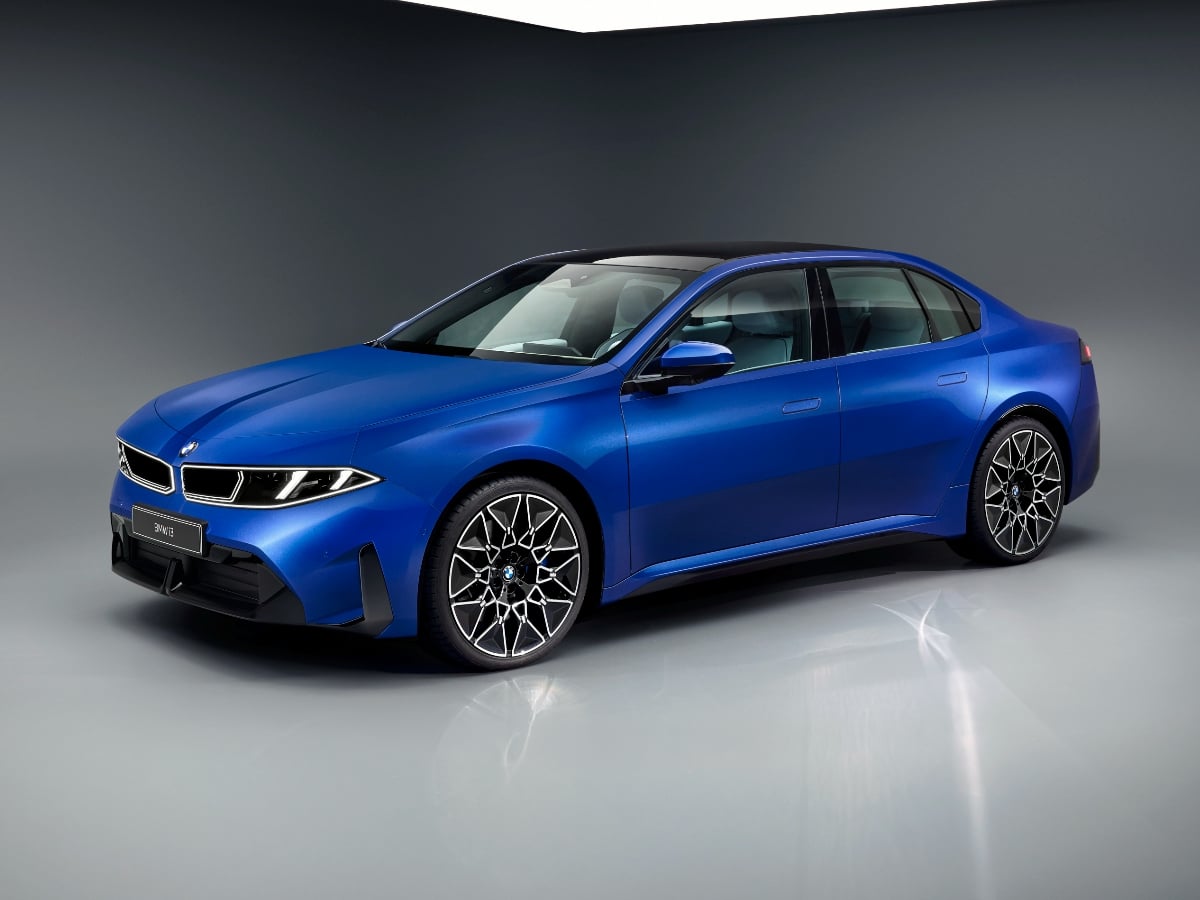
The new 2027 BMW i3 boasts an estimated range of up to 440 miles, 400-kilowatt DC fast charging capability, bidirectional charging to a home or the grid, and next-generation technology.
Read the Full Article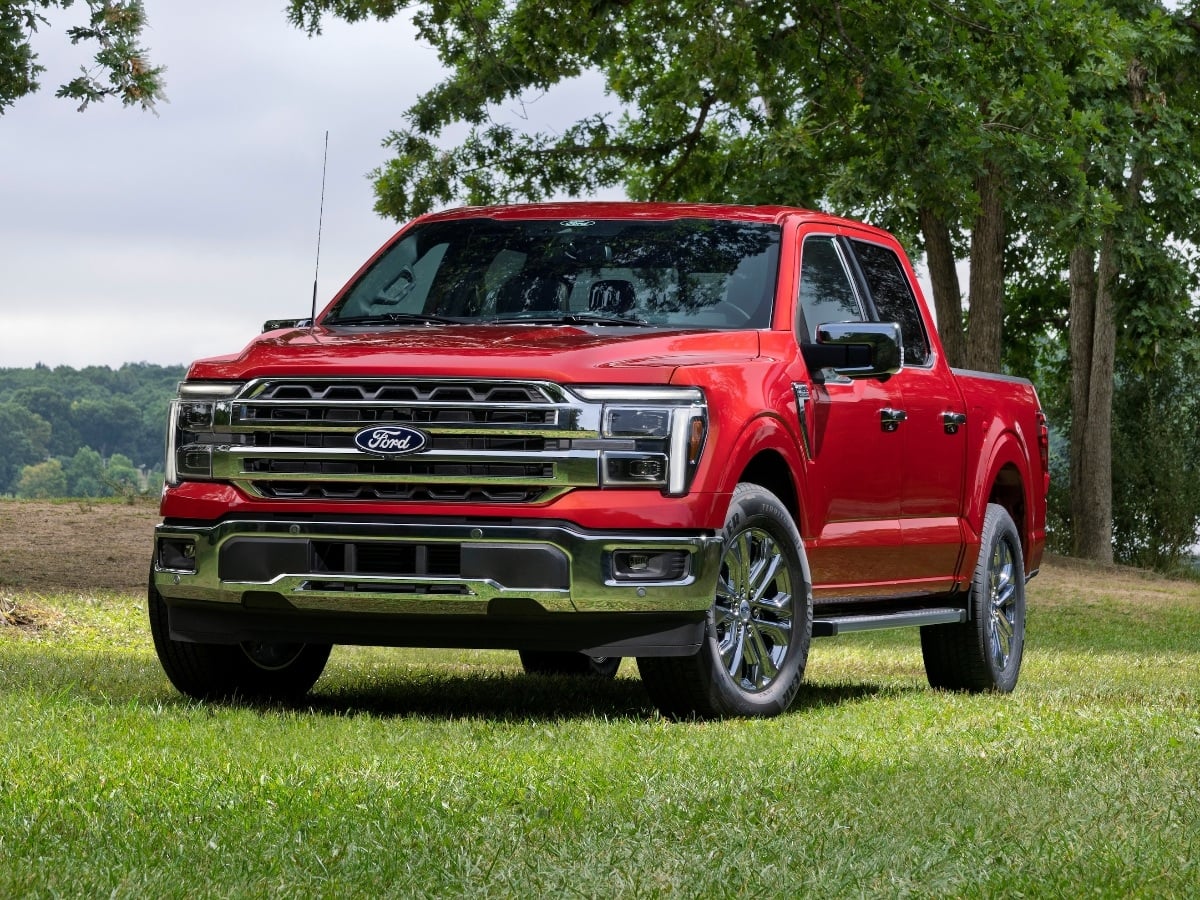
Facing renewed competition in the full-size, light duty pickup truck segment, the 2027 Ford F-150 receives subtle styling updates, a new standard engine, broader availability of its 5.0-liter V8, and ...See More
Read the Full Article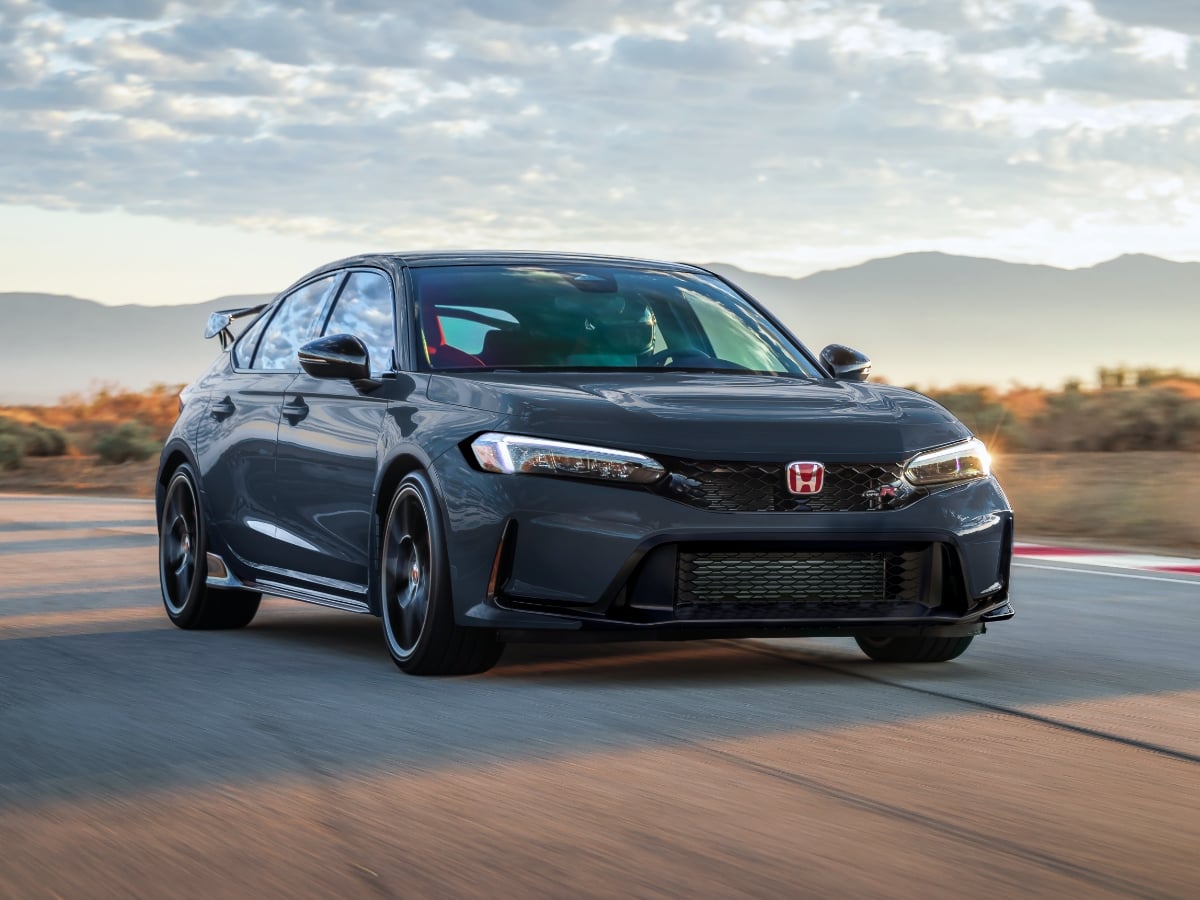
The 2027 Civic Type R goes on sale in October 2026, and it starts at $49,990, including the $1,295 destination charge.
Read the Full Article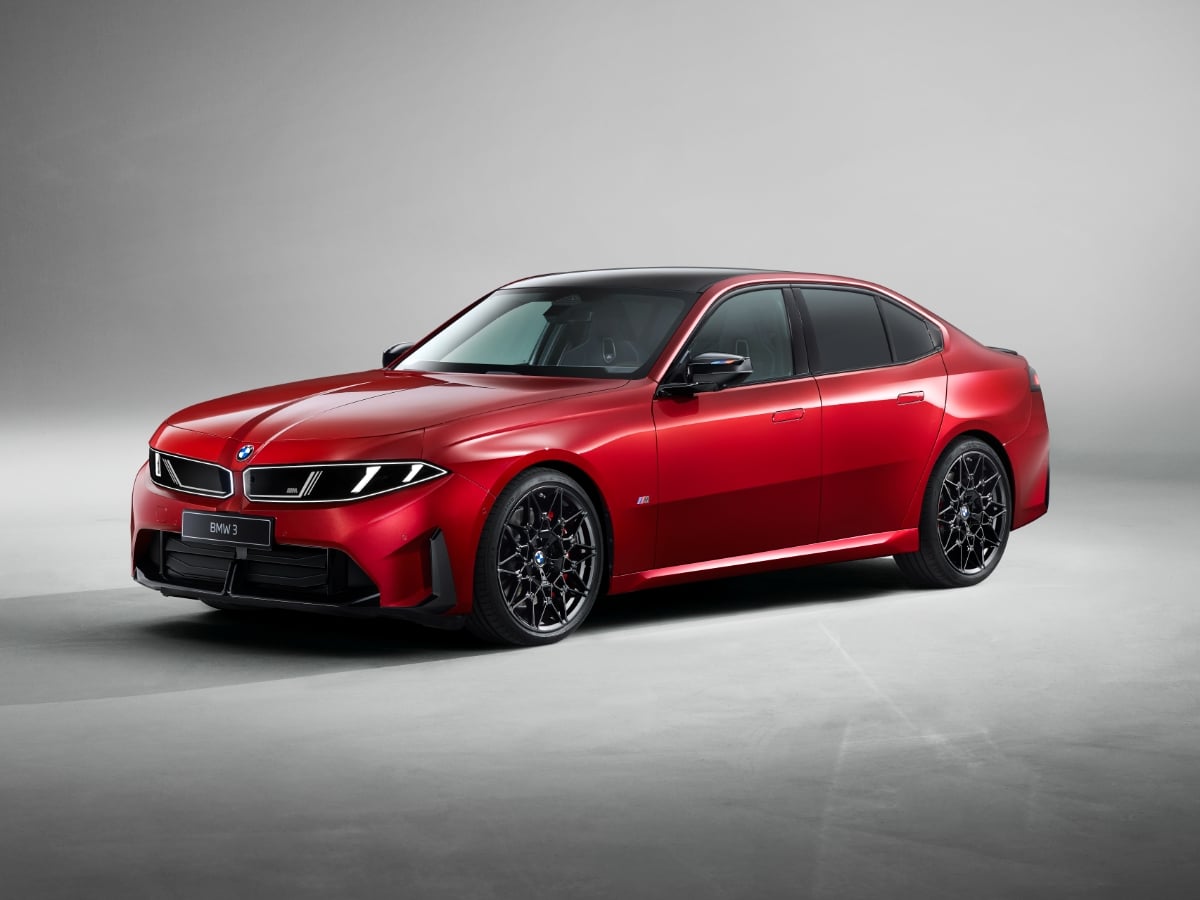
Part of BMW’s Neue Klasse (new class) rollout of redesigned models, the 2027 BMW 3 Series is all-new and goes on sale in the first quarter of 2027.
Read the Full Article