
Three decades ago, the idea of a luxury SUV that didn't say Land Rover on it was laughable. Now, they dominate the segment. People flock to them for their all-wheel-drive systems and added utility, but a handful of cars also offer those traits. The 2025 Audi S7 is one of them.

Photo: Christian Wardlaw
Equipped with a fast roofline and a hatchback that opens to reveal a large cargo area, the 2025 S7 is a sport-tuned version of the Audi A7 but isn't quite as performance-oriented as the Audi RS 7 Performance. Call it a happy medium between the two.
Audi hasn't redesigned the S7 since 2020, and the updates since then mainly relate to added standard equipment.
However, the more affordable Premium trim arrived in 2023, the same year a remote automatic parking assist technology became available. In 2024 and 2025, the S7's Multi Media Interface (MMI) infotainment system added the ability to download apps directly to the native environment. Otherwise, aside from minor cosmetic modifications, the S7 has changed little since 2020.
The S7 comes in Premium, Premium Plus, and Prestige trim levels and costs between $86,995 and $94,395, including the destination charge. For this review of the 2025 S7, Audi provided a test vehicle equipped with Prestige trim and the following options:
The test vehicle was $102,640, including the $1,295 destination charge to ship the car from the Audi assembly plant in Neckarsulm, Germany, to your local dealership.

Photo: Christian Wardlaw
Tuck down into the Audi S7 Prestige equipped with the Luxury Package, and you'll settle into front seats with heating, ventilation, and massage. They're exceptionally comfortable and do a great job of holding you in place when driving with enthusiasm. Unexpectedly, the S7's back seat is also comfortable for adults, though headroom could be tight for taller people.
Quality materials are the rule, not the exception, and though comfortable, the cabin has a coldly technical vibe. Three screens provide access to digital instrumentation, infotainment, and climate controls, and Audi uses a sophisticated mix of leather, gloss black plastic, and metallic surfaces to decorate the interior. Unfortunately, they collect dust, gather fingerprints, and reflect glare.
The Audi S7 user interface is a mixed bag. Some on-screen and physical controls are easy to understand and use, and some are not. In particular, the adaptive cruise control stalk, located low and to the left of the steering wheel, is hard to see and use until you memorize its functions.
Storage space is limited in front but is reasonable in the back. Thanks to its Sportback design, cargo space is generous, measuring 24.6 cubic feet behind the back seat. It folds down to substantially expand the amount of room and give a typical crossover SUV a run for its money.

Photo: Christian Wardlaw
Audi equips the S7 with three display screens. In addition to the 12.3-inch Audi Virtual Cockpit digital instrumentation and a smaller touchscreen climate control system, the Audi MMI infotainment system artfully integrates into the car's dashboard.
With the MMI, you get:
Upgrade to Premium Plus or Prestige trim, and the S7 includes a Bang & Olufsen premium sound system. For an even better audio experience, consider the optional 19-speaker Bang & Olufsen Advanced high-end system.
Audi has enhanced its MMI over the past two years, adding numerous new features, including downloading popular apps such as Spotify to the native environment.
I did not try this since I don't have an Audi app store account. However, I'm happy to report that it's easy to pair an iPhone to the MMI, run Apple CarPlay, and stream music that way. In addition, the MMI's native voice recognition system is excellent, and the Bang & Olufsen Advanced audio system is nothing short of sensational.

Photo: Christian Wardlaw
Audi equips the S7 with a twin-turbocharged 2.9-liter V6 engine. It makes a stout 444 horsepower and 442 pound-feet of torque, flowing through an eight-speed automatic transmission to the standard Quattro all-wheel-drive system. In addition, the S7 recipe includes a sport-tuned adaptive air suspension, six-piston front brake calipers, and a progressive steering system. Audi claims the S7 accelerates from zero to 60 mph in 4.5 seconds.
Four driving modes are available: Comfort, Individual, Auto, and Dynamic. In Comfort mode, the Audi S7 is swift and smooth, soaking up surface anomalies with commendable ease for a low-slung car with 21-inch wheels and performance tires. In addition, the steering effort level is light, making for easy low-speed maneuverability. However, I have a warning for you. At 70 mph on the freeway, the S7 feels like it's traveling 35 mph, so watch your speed.
Switch the car into Dynamic mode, and it comes alive in your hands. Acceleration is immediate, the heavier steering feels quicker and sharper, the suspension firms up and communicates more information about the road surface, and the exhaust system provides a louder soundtrack. While driving the S7 enthusiastically, it was unflappable on Mulholland Highway in the Santa Monica Mountains, feeling every bit as capable as its businesslike demeanor would suggest.

Photo: Christian Wardlaw
Surprisingly, the Audi S7 Premium includes only a handful of standard advanced driving assistance systems (ADAS). They are:
If you get the optional Convenience Package for the S7 Premium, or you upgrade to the Premium Plus or Prestige trim, the car has:
When using the adaptive cruise control system with lane-centering assistance, the S7 provides a hands-on semi-autonomous highway driving system. It doesn't work if you remove your hands from the steering wheel, and you can't upgrade to a hands-free version of the technology. Increasingly, luxury vehicles offer a hands-free system, so its absence from the Audi is notable.
You can activate the lane-keeping and lane-centering assistance system using a button on the tip of the turn signal stalk. Like other German luxury cars, the lane-keeping assistance can provide abrupt, decisive steering corrections. However, that happens only when necessary. So, while they can aggravate a driver, there is a good reason for it.

Photo: Christian Wardlaw
Open the Audi S7's large rear hatchback, and you'll find a trunk that holds 24.6 cubic feet of cargo behind the back seat. Better yet, the area allows you to slide full-size suitcases in on their sides while still fitting under the cargo cover.
You can expand this space by folding the 40/20/40-split folding back seat down. Unfortunately, Audi doesn't provide a maximum cargo volume number. Still, it's clear the S7 offers a lot more utility than an Audi S6 and comes close to matching the company's SUVs in this regard.
According to the Environmental Protection Agency (EPA), the 2025 S7 should get 22 mpg in combined driving. On the evaluation loop, the test car averaged only 17.2 mpg. During a week-long evaluation, I drove the S7 almost 300 miles, and it got 19.1 mpg.
The National Highway Traffic Safety Administration (NHTSA) and the Insurance Institute for Highway Safety (IIHS) typically don't perform crash tests on expensive, low-volume models. So, crash-test ratings for the Audi S7 are unavailable.
To answer this question, I'll say the S7 could be safer. Why? With the base Premium trim, you must pay extra for advanced driving assistance systems such as a blind-spot monitoring system and lane-keeping assistance. If Toyota can include those technologies in every Corolla it sells in the U.S., they should be standard on a car of this Audi's caliber.
The 2025 Audi S7 prices range from $85,700 to $93,100, not including the destination charge of $1,295. If you choose the base Premium trim, know that you'll need to spend another $2,250 on the Convenience Package to get essential safety features that ought to be standard.
In the JD Power 2024 Initial Quality Study (IQS), the Genesis G80 ranks highest in the Upper Premium Midsize Car segment, followed by the BMW 5 Series. In the JD Power 2024 Automotive Performance, Execution and Layout (APEAL) Study, the Porsche Taycan ranks highest in the segment.
None of those are direct rivals to the Audi S7. Consider the Mercedes-AMG GT 4-Door and Porsche Panamera the Audi's closest competitors, followed by the BMW 8 Series Gran Coupe.

Photo: Christian Wardlaw
The Audi S7 is a compelling luxury performance car. Sleek styling belies its practical hatchback and roomy trunk, and despite the rakish roofline, it holds four adults comfortably. It can glide down a freeway like a Lexus or rip down a mountain road like a BMW. Also, because it's a rarity on the road, you won't see many other S7s, giving it some exclusivity.
Christian Wardlaw is a veteran automotive journalist with 30 years of experience in the field and has held automotive editorial leadership positions at Edmunds, JD Power, and The New York Daily News. Today, Chris owns a content agency called Speedy Daddy Media, and in addition to JDPower.com, his work appears on Capital One Auto Navigator, CarGurus, and Edmunds.


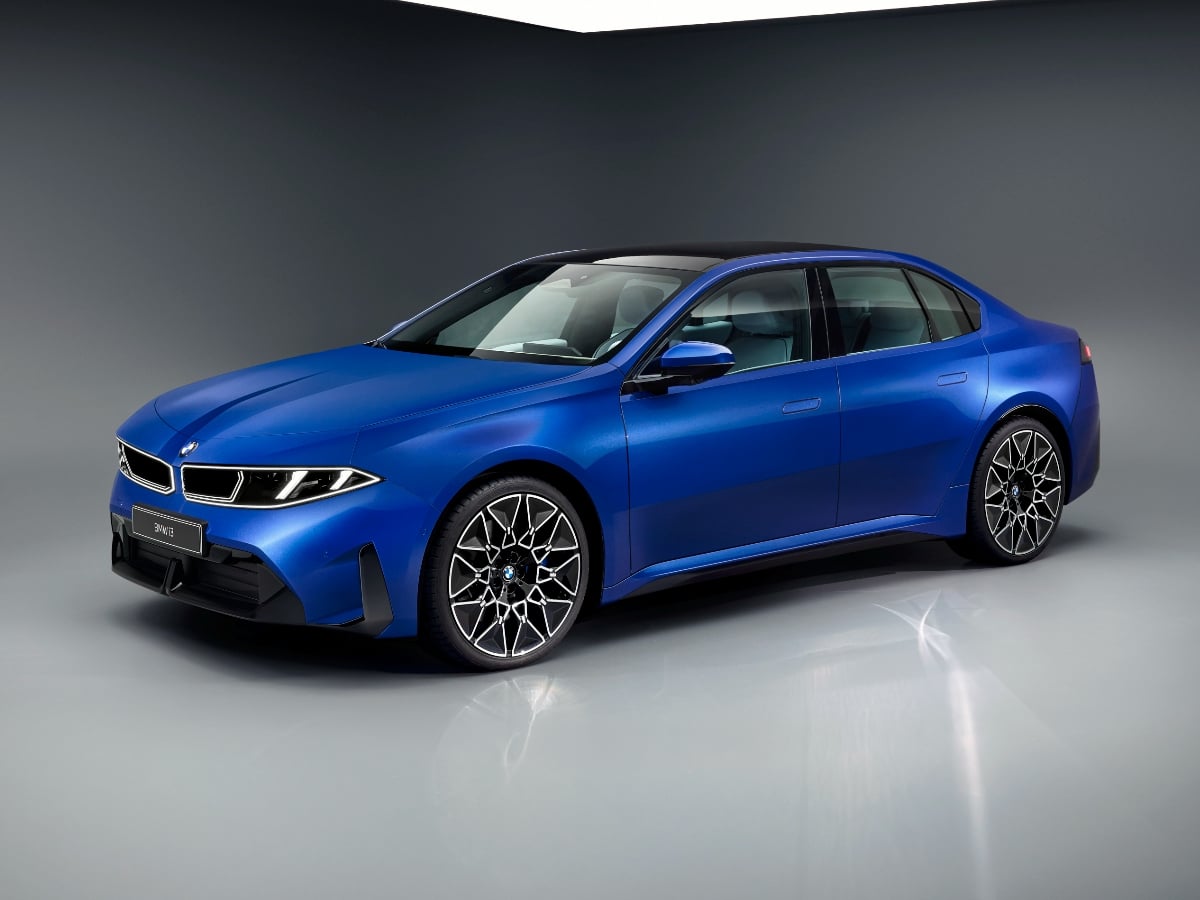
The new 2027 BMW i3 boasts an estimated range of up to 440 miles, 400-kilowatt DC fast charging capability, bidirectional charging to a home or the grid, and next-generation technology.
Read the Full Article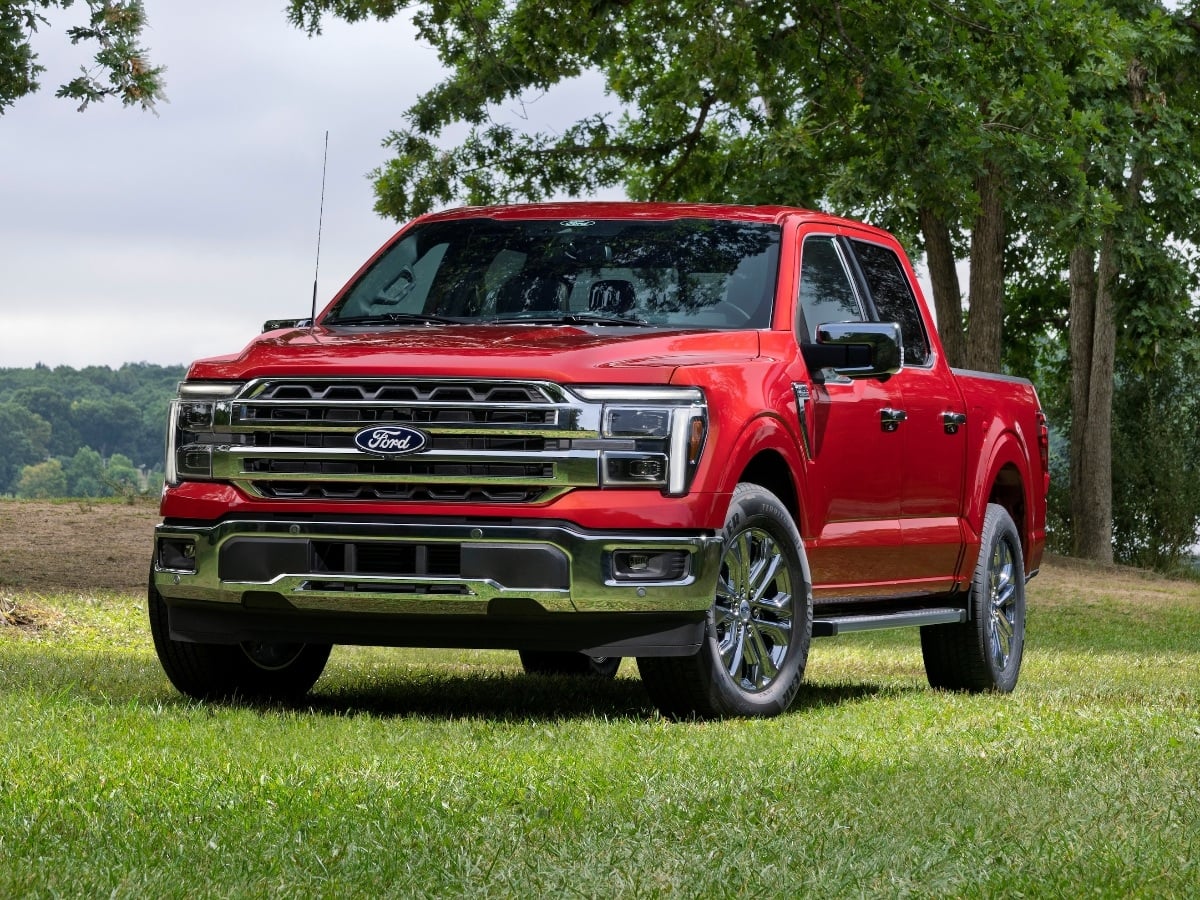
Facing renewed competition in the full-size, light duty pickup truck segment, the 2027 Ford F-150 receives subtle styling updates, a new standard engine, broader availability of its 5.0-liter V8, and ...See More
Read the Full Article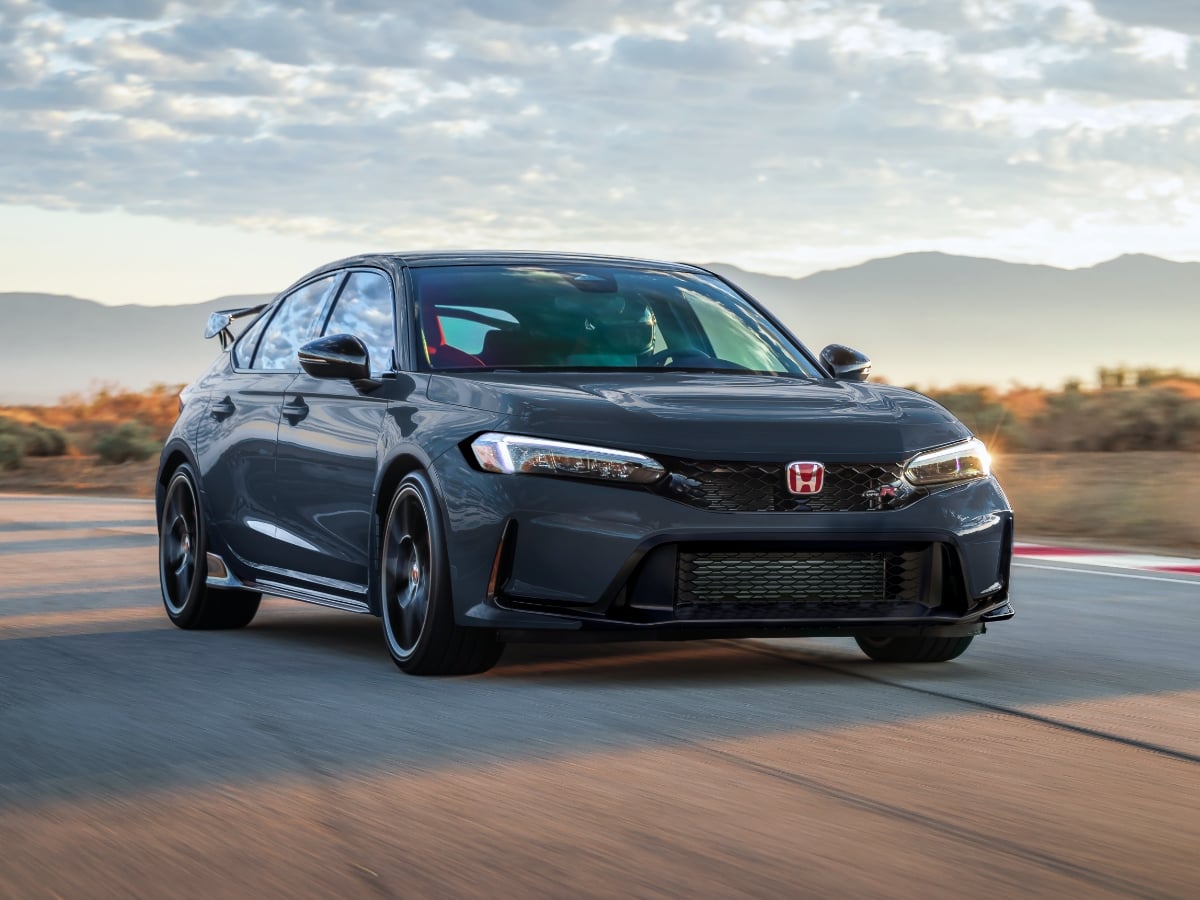
The 2027 Civic Type R goes on sale in October 2026, and it starts at $49,990, including the $1,295 destination charge.
Read the Full Article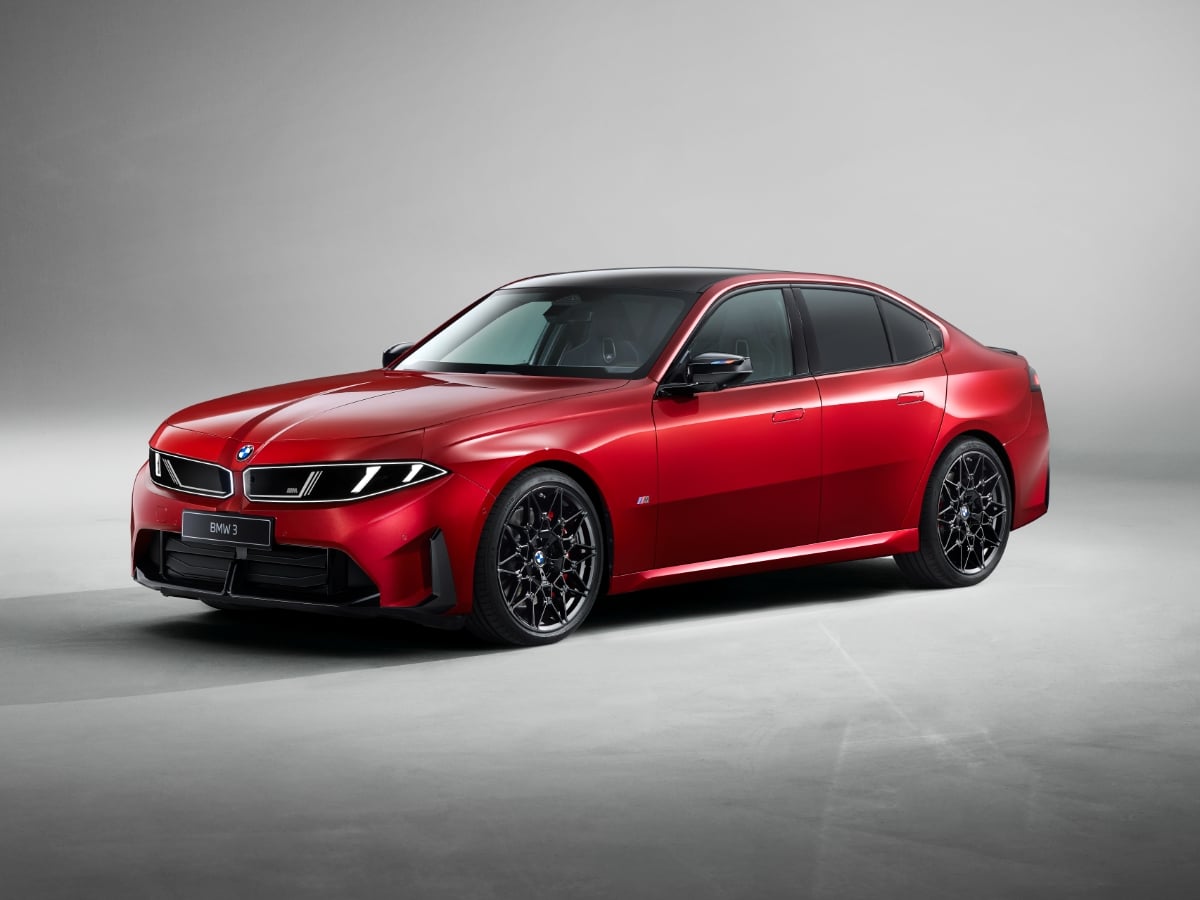
Part of BMW’s Neue Klasse (new class) rollout of redesigned models, the 2027 BMW 3 Series is all-new and goes on sale in the first quarter of 2027.
Read the Full Article