See answers to common EV questions, tax incentives, charging maps & more.
Explore EV
No data
No data
274
8 speed, Automatic w/OD
Turbo Regular Gasoline I-4
All Wheel Drive, Front Wheel Drive
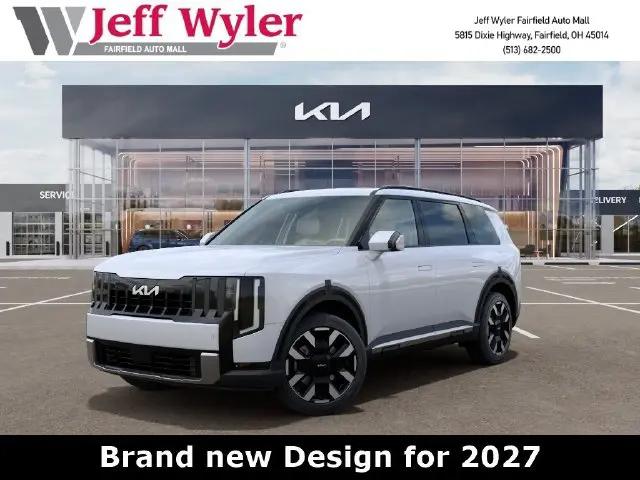
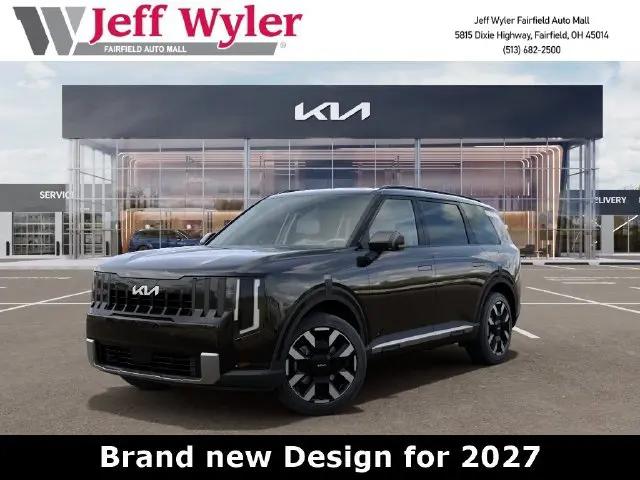
How do you follow up a massive success? Well, you do your best to avoid messing it up, and the 2027 Kia Telluride definitely does that. It builds on its excellent predecessor by enhancing its design and making both the interior and overall driving experience even more luxurious. The addition of a hybrid powertrain also significantly boosts its fuel economy and performance.
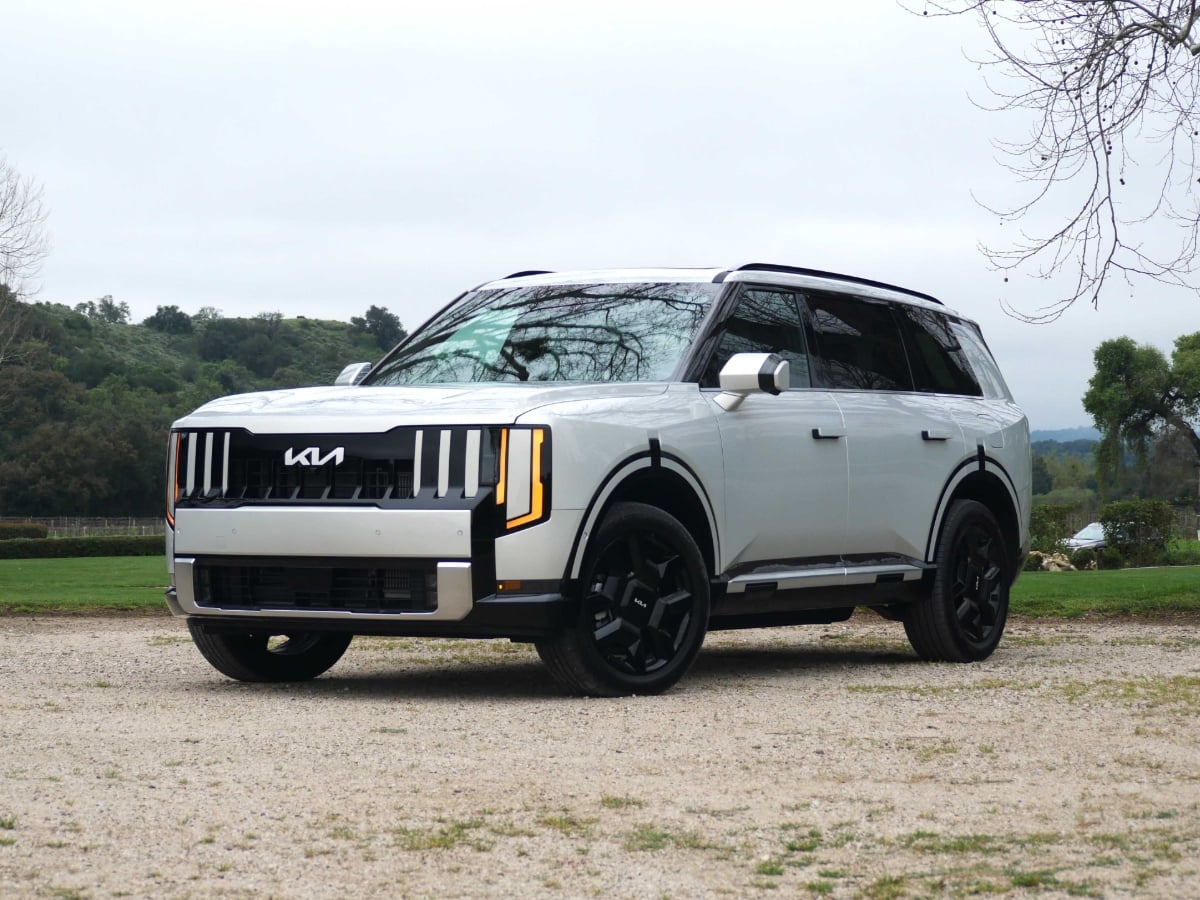
Photo: James Riswick
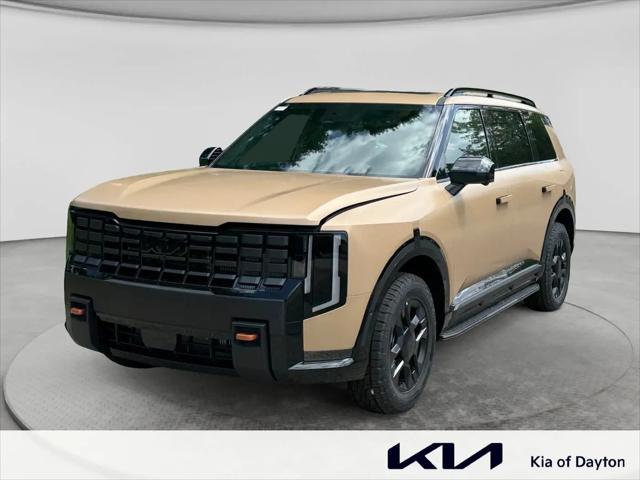
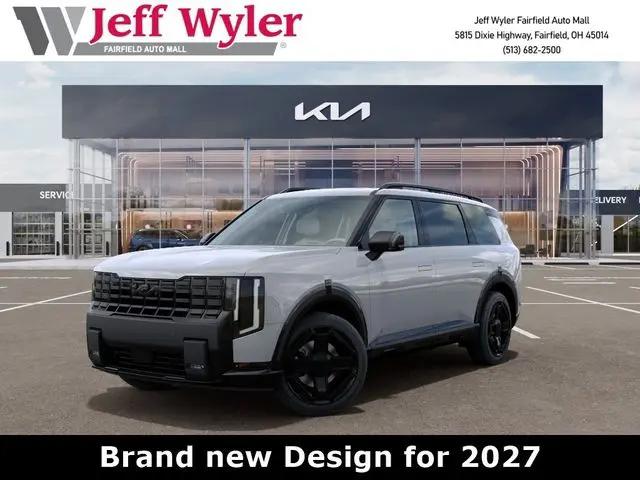
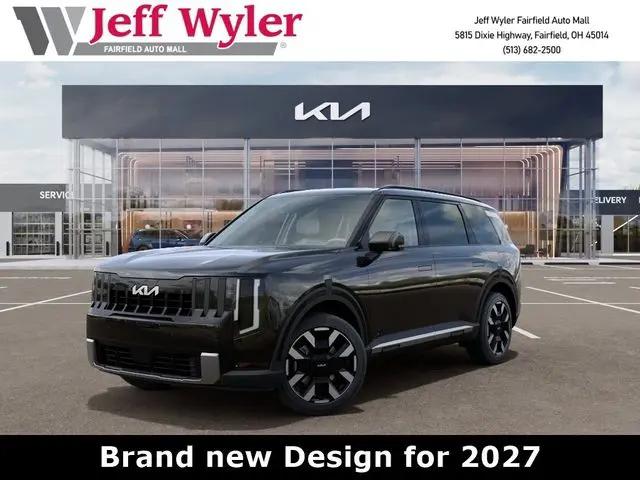
The new design should still be recognizable as a Telluride, but the front is bolder and the rear more refined, with a few more interesting details throughout. The old V6 engine is replaced by a turbocharged four-cylinder and a hybrid option, while the steering and suspension are reworked, resulting in a more premium driving experience. There are plenty of new features, abundant standard technology, improved cabin storage, and a more capable X-Pro off-road trim level.
The addition of the hybrid powertrain also broadens the lineup. Both powertrains are available in EX, SX, X-Line SX, SX Prestige, and X-Line SX Prestige trims, while the standard engine also includes LX and S entry-level trims, along with the X-Line EX, and the off-road-focused X-Pro SX and X-Pro SX Prestige trims. Base prices range from about $40,000 to $58,000 for the gas-only trims and from about $48,000 to roughly $59,000 for the hybrids.
Though I briefly drove an X-Pro SX Prestige off-road, this Telluride review mainly focuses on a Hybrid SX Prestige trim provided by Kia with the following options:
The test vehicle’s manufacturer suggested retail price (MSRP) was $60,210, including the $1,545 destination charge to ship the crossover SUV from the West Point, Georgia, assembly plant to a local dealership. The price does not reflect any current rebates, incentives, or price adjustments since Kia manufactured the test vehicle.

Photo: James Riswick
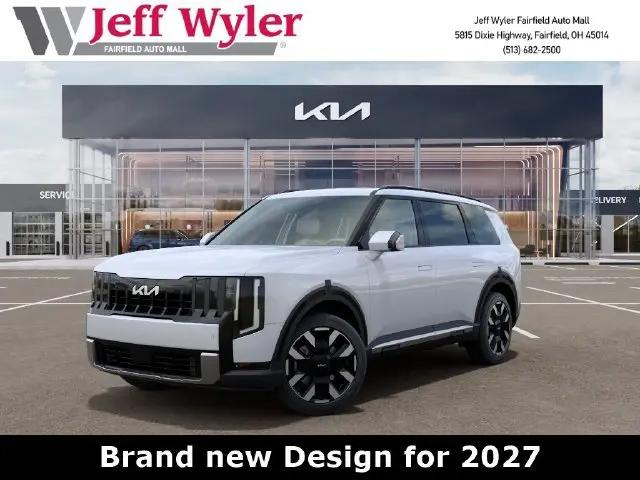
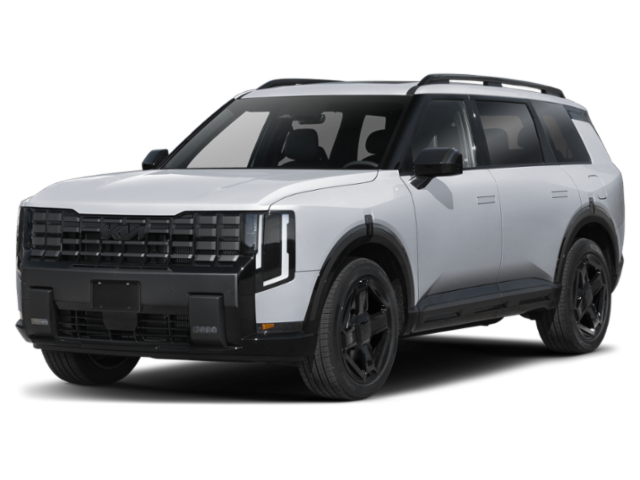
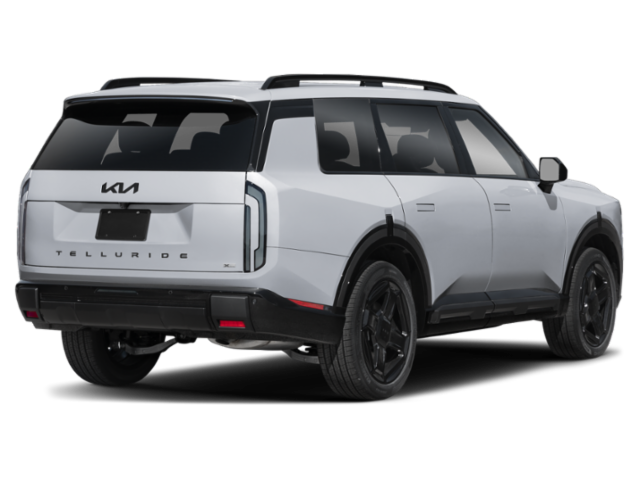
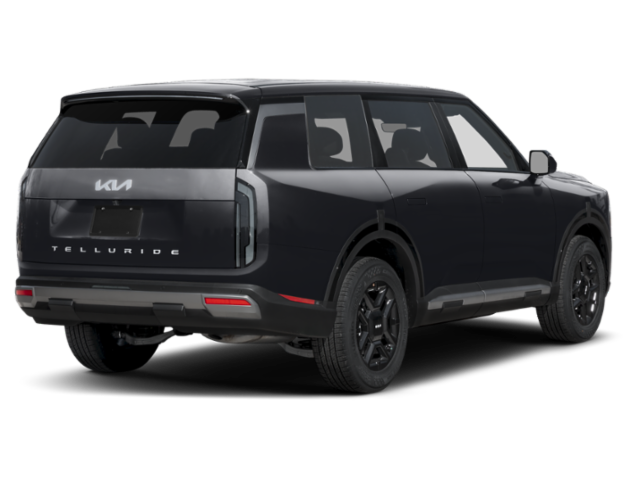
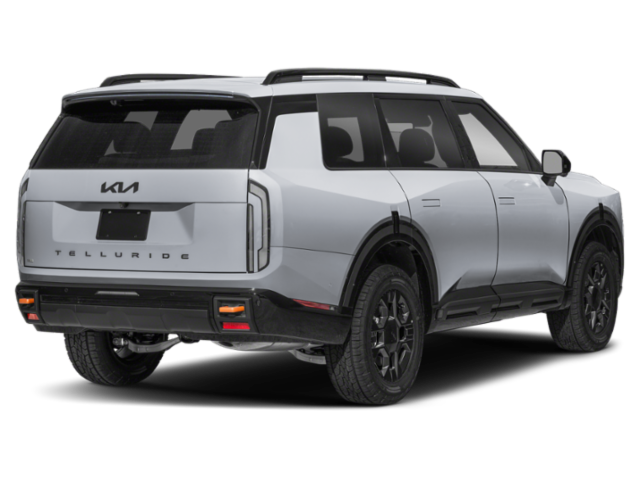
The first-generation Telluride had a hint of Range Rover about it, and there is an even stronger resemblance now at the rear. The front, however, remains distinctly Telluride and varies by trim level. Essentially, it is a bit more rugged in the X-Line and X-Pro (notable for the egg-crate grille and extensive black trim), while other trims appear sleeker and more modern with more body-colored accents. The X-Pro also adds functional upgrades, such as increased ground clearance and all-terrain tires.
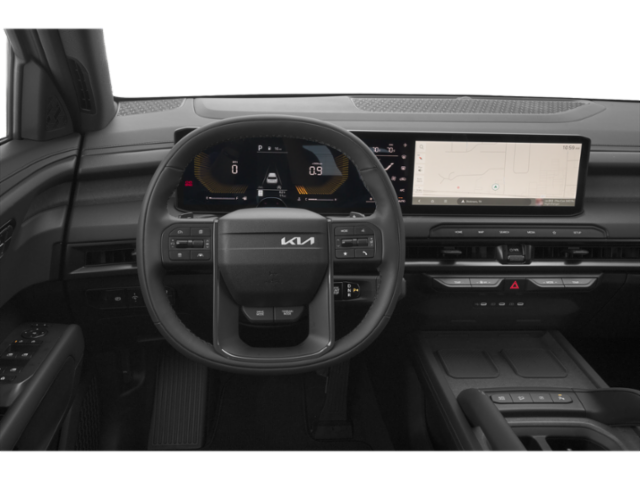
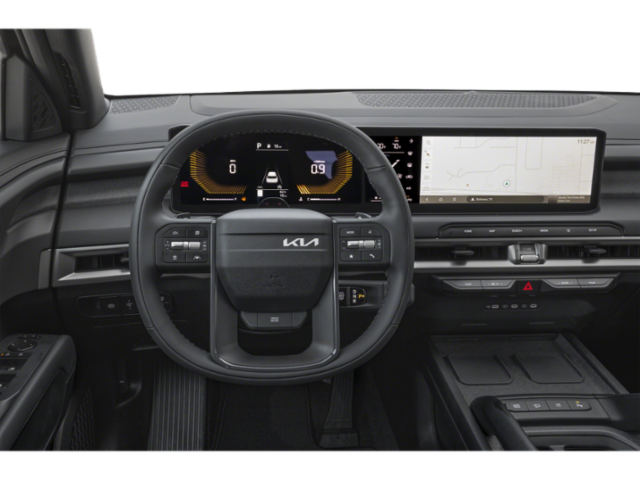
The interior shows a modern update to the first Telluride’s cabin. Removing the separate climate control panel has decluttered the dashboard, but toggles for temperature adjustment and fan speed stay neatly integrated into a dash-spanning trim piece. Other climate controls are on a separate touchscreen panel, which can be hard to see behind the steering wheel. Still, it is a better solution than hiding everything inside the infotainment touchscreen like some other car manufacturers do.
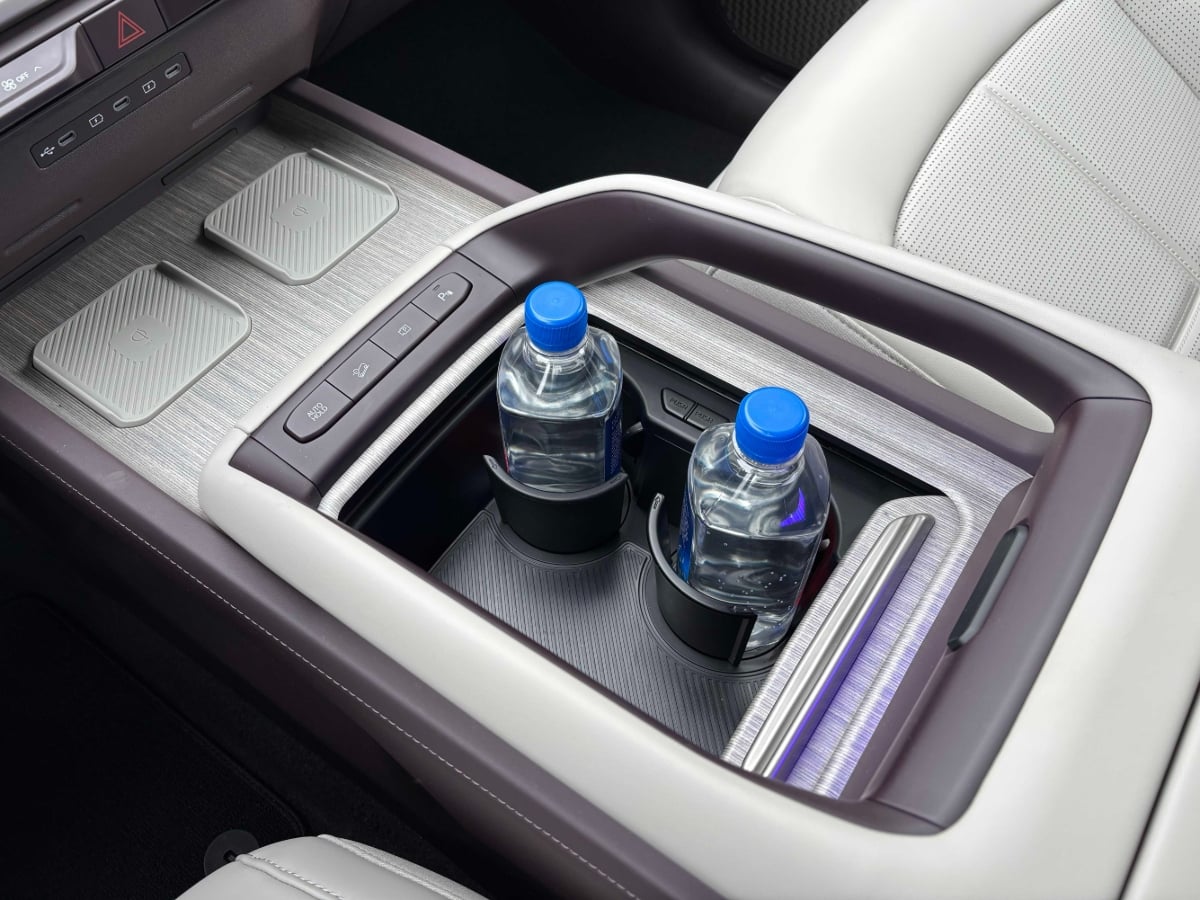
Photo: James Riswick
Ditching the traditional, console-mounted transmission selector has freed up a lot of space on the center console. There are three bins, plus cupholders and two standard wireless smartphone chargers, grippy little pedestals with bumpers that helped keep my phone stay in place and cool. It all seems worth the minor hassle of figuring out the twisty electronic shifter on the steering column.
The quality of basic materials like plastics, switchgear, dashboard, and door trim appears consistent across the entire trim lineup, and it remains very good. Some trims feature colorful two-tone interior options, such as the purple and pale gray of my SX Prestige test vehicle, but their availability is very limited by the choice of exterior color.

Photo: James Riswick
The second row has a three-person bench in the LX and EX trims, but all other trims feature captain’s chairs that Kia redesigned to tilt down and forward without moving the backrest. This change makes it more likely that a LATCH-reliant car seat could stay secured. A belt-reliant car seat like my Britax Boulevard would still prevent the seat from moving.
They are also very comfortable, with a nice, high placement off the floor and plenty of headroom. They can be heated and ventilated in the higher trims, although the available power adjustment is more annoying than helpful, since it takes much longer to move the seat forward for third-row access.
Speaking of which, the gap between the slide-forward second row and the door pillar increases by 2.3 inches. It is a difference I noticed because third row ingress was not great in the original Telluride. It is much better now, and with a handy grip in the door pillar, I was able to hoist myself up.
Once in the third row, legroom increases by 0.7 inches, making it a little easier for a tall person like me to sit comfortably, provided the second row is slid forward a click or two. Teenagers and smaller adults should be perfectly happy, especially with the ample headroom, large windows, roof air vents, and standard USB-C ports.
Cargo space behind the third row officially expands by about one cubic foot, but practically speaking, the Telluride has taken a step backward in this regard. Previously, removing the floor panel effectively lowered the cargo floor and significantly increased luggage-carrying capacity, a feat that few in the segment could match. In the 2027 model, lifting the floor panel reveals walled compartments and the jack, which prevent the area from being used to stack luggage.
Lowering the seats does, in fact, increase the cargo capacity in the 2027 model, but only by a modest 2.7 cubic feet behind the second row and 2.3 cubic feet behind the first.
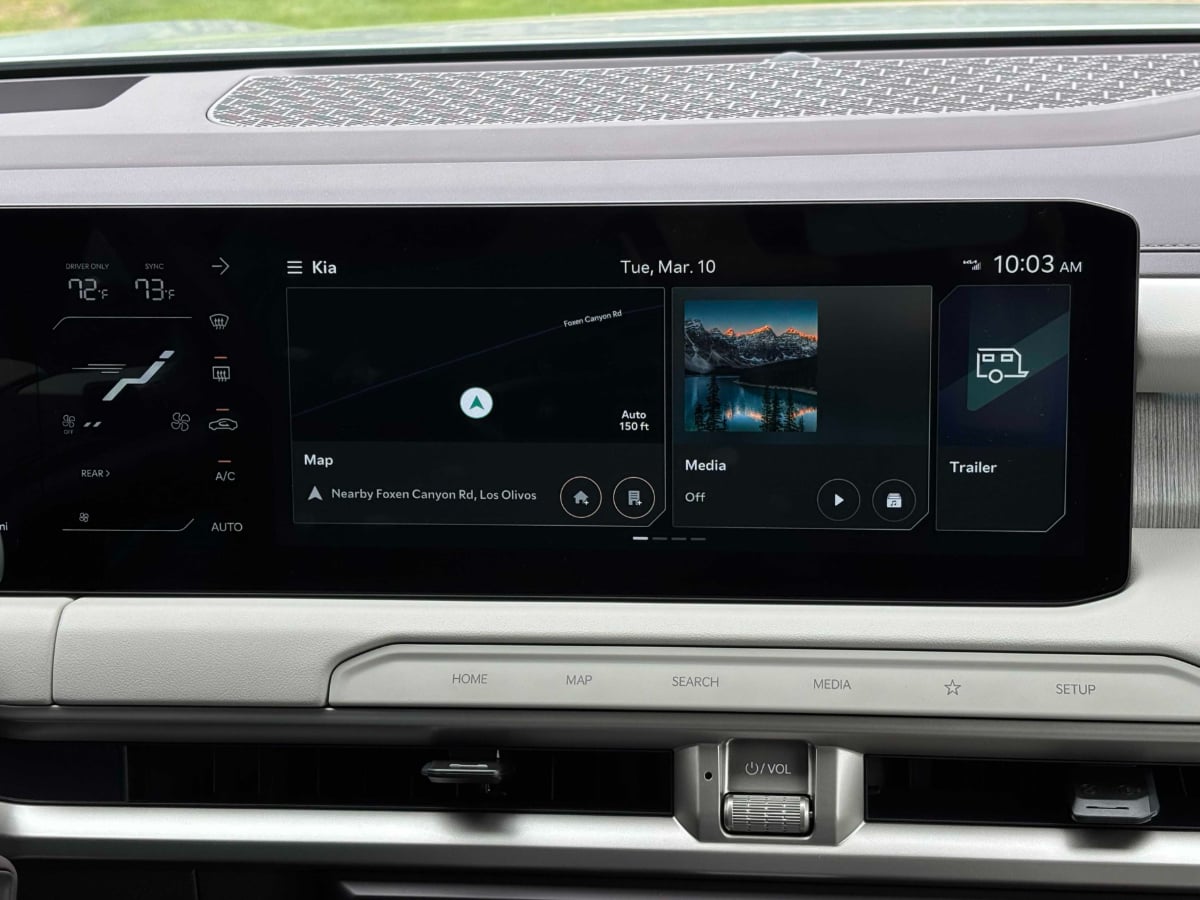
Photo: James Riswick
Every 2027 Kia Telluride comes with a 12.3-inch touchscreen and the features listed below. There are also a smaller climate control touchscreen and a digital instrument panel that varies by trim (it looks more upscale and is more customizable in SX trims). A head-up display is included in the SX Prestige trims.
Standard features include:
The various SX trims include a 14-speaker Meridian sound system, while the SX Prestige trims feature digital key capability, which allows you to use your phone as the key.
I have used this technology interface before, and it was easy to understand the first time; it remains user friendly. The Home screen, which you can access by a haptic button on the dashboard or an on-screen icon, is well organized and displays both the navigation system and audio information. Alternatively, Apple CarPlay was simple to set up and functioned properly. Other menus are also well organized and easy to locate.
The new system features a generative AI voice assistant that enables more natural “conversation” with the car. Ugh. I skipped the small talk and instead asked if it could find the nearest hospital and a Starbucks. It could. Moving on.
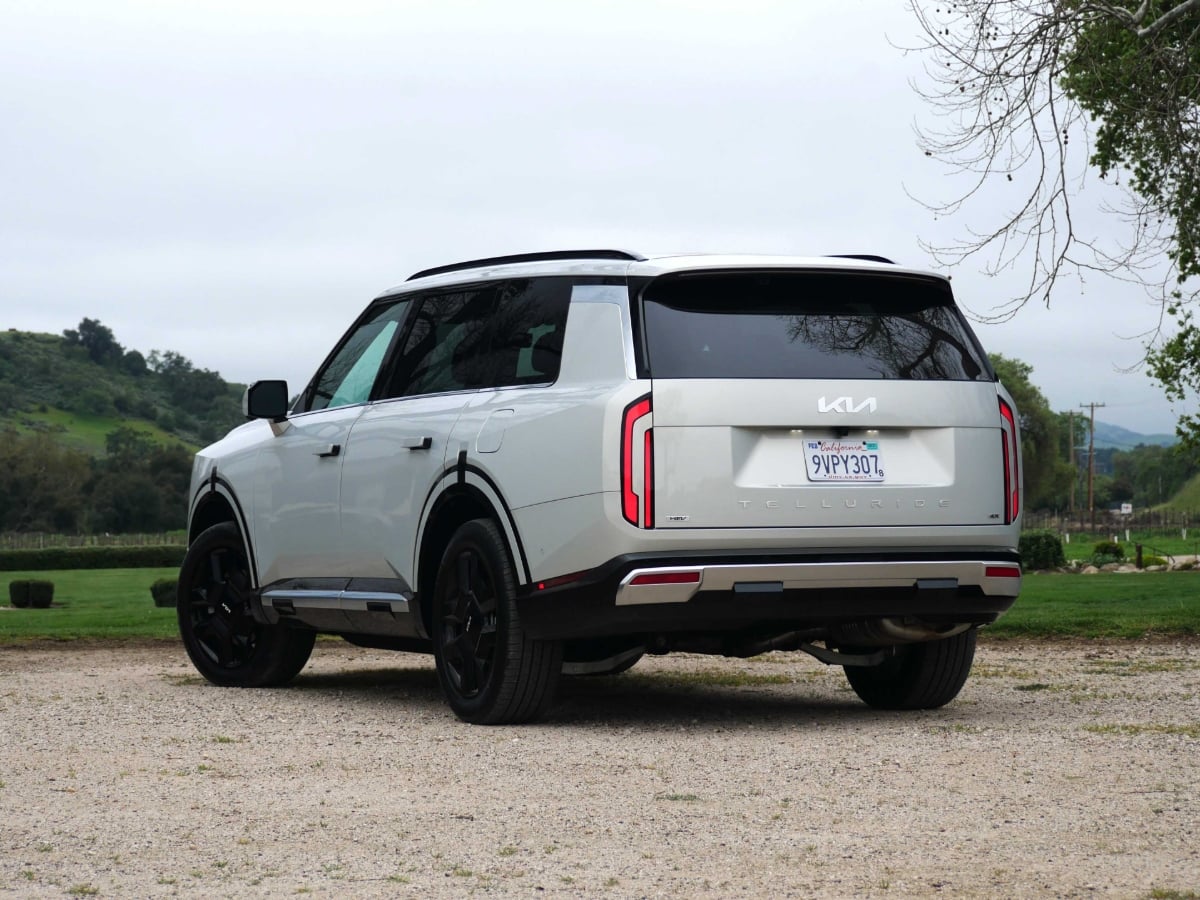
Photo: James Riswick
The standard Telluride engine is now a turbocharged 2.5-liter four-cylinder that delivers 274 horsepower, slightly less than the previous V6, and 311 pound-feet of torque, which is significantly more. Kia estimates it will get 22 mpg combined with front-wheel drive (FWD) and around 20 mpg in most all-wheel-drive (AWD) trims. The X-Pro averages 19 mpg.
During my brief time with this engine, there was a noticeable boost in low-end torque when overtaking and accelerating from traffic lights. It has a slightly gravelly sound, but that is common for big turbocharged four-cylinder engines.
Despite the usual engine improvements, the new Telluride Hybrid is significantly better. As expected, it offers a major fuel economy advantage: Kia estimates 33 or 35 mpg combined with FWD, and 31 mpg with AWD. I came close to that in my 125 miles of driving, averaging 30.7 mpg.
At the same time, it also offers a significant performance benefit with 329 hp and 339 pound-feet of torque. The combination of a turbocharged engine and electric motors delivers smooth, punchy power that even sounds better than the base engine.
It also has a six-speed automatic transmission. It can be a bit slow to downshift, but it does not cause engine drone like the standard Toyota Grand Highlander Hybrid’s transmission. That competitor is also slower. That said, the Grand Highlander does offer the Hybrid Max powertrain option, which greatly outperforms the Telluride Hybrid, but it is limited to the top two trims and has lower fuel economy.
Regarding the rest of the driving experience, a redesigned steering system provides a less artificial feel, better precision, and some real feedback from the road to your hands. I did not like the Sport driving mode, though, as it made the steering too stiff and the throttle response overly sensitive. It is also completely incompatible with the new Telluride’s suspension setup, which favors comfort.
Indeed, I could feel the supple suspension pitch the car laterally when turning into a corner and rock ever so subtly over larger bumps at slow speeds. It does not bounce or float, and its body movements are controlled. It feels like a Range Rover or an older, top tier Mercedes. A BMW X7 also comes to mind. Not bad company overall, and it highlights the sophistication the Telluride has gained in its second generation.
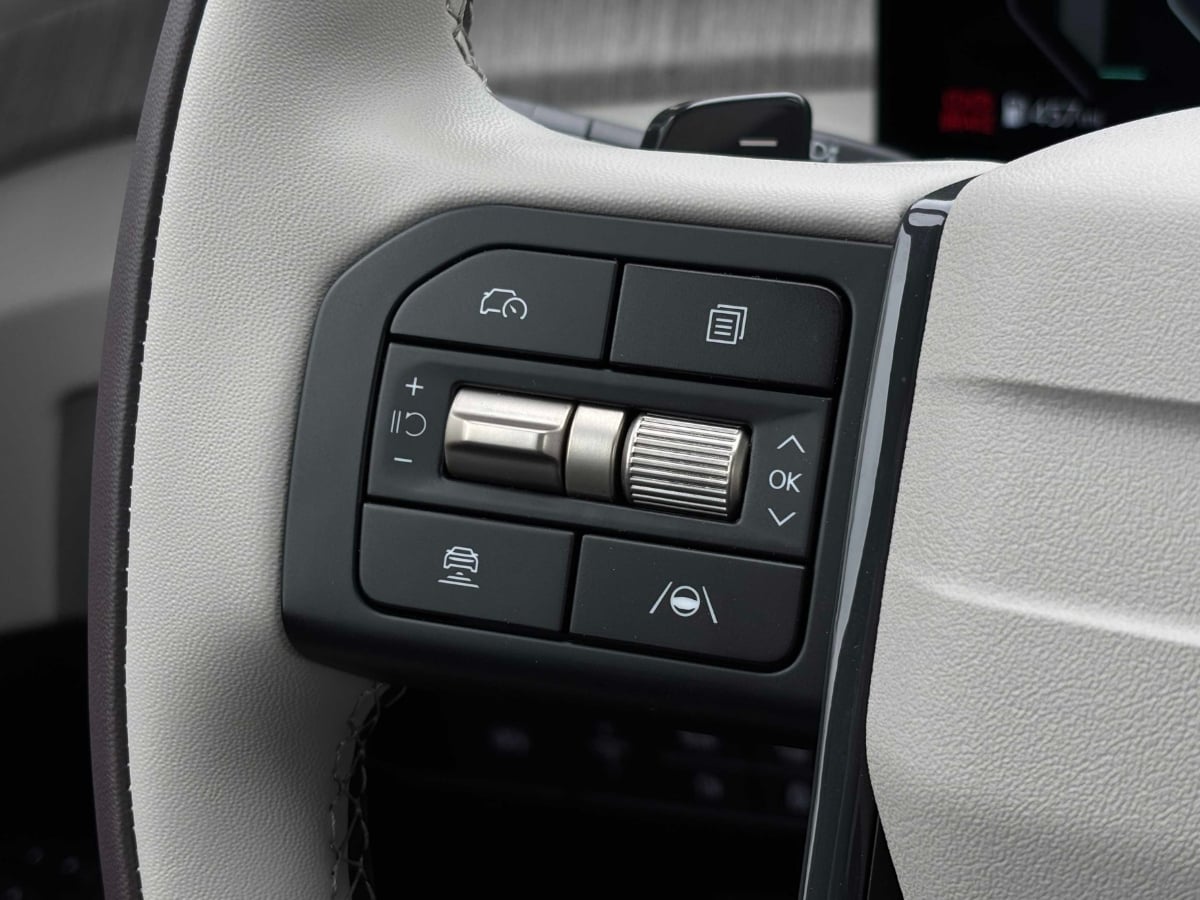
Photo: James Riswick
Kia’s suite of advanced driver assistance systems (ADAS), called Drive Wise, offers a comprehensive list of standard features (see below). The technologies are also very well implemented. In the 2027 Telluride, Drive Wise includes:
Any trim with SX in its name also adds:
As usual, these systems were most appreciated on the highway, especially the blind spot cameras, along with the adaptive cruise control and lane centering systems that essentially allowed the car to drive itself provided I kept a hand on the wheel and eyes on the road. I also experienced no false alarms or overly sensitive reactions from any of the features, although I did turn off lane keeping assistance on tighter roads.
According to the JD Power 2025 Initial Quality Study (IQS), the Kia Telluride ranks highest in the Upper Midsize SUV segment. The Subaru Ascent ranks second, and the Hyundai Palisade and the Nissan Pathfinder rank third (in a tie).
According to the JD Power 2025 Automotive Performance, Execution and Layout (APEAL) Study, the Dodge Durango and Hyundai Santa Fe rank highest (in a tie) in the Upper Midsize SUV segment. The Chevrolet Traverse is the next highest-ranked model.
Other 2027 Telluride competitors include the Ford Explorer, Kia Sorento, and Mazda CX-90.
According to verified owners, the Telluride earns an award as the highest-ranked model in its segment in the 2025 IQS.