
The Range Rover is the flagship of the Land Rover brand. The classic, luxury-focused Range Rover SUV is the one that re-established the Land Rover brand in the United States in the early 1990s after a long absence. Today, Range Rover is really a sub-brand with four distinctly different models: Range Rover, Range Rover Sport, Range Rover Velar, and Range Rover Evoque, each a premium-priced 4-door SUV in its own right, but with unique styling, powertrains, interior layout, and chassis details, and all equipped with 4-wheel drive (4WD). That's a lot of Rovering.
This review covers the flagship Land Rover Range Rover, dubbed the New Range Rover when its maker introduced the current-generation design in 2022. Land Rover shortened its name to just Range Rover for the 2023 model year.
The 2023 Range Rover is available in standard-wheelbase (SWB), long-wheelbase (LWB), and 4-, 5-, or 7-passenger configurations. Powertrain choices include a P400 395-horsepower 3.0-liter inline-6 mild hybrid, a P530 523-hp 4.4-liter gas V8, and, new for 2023, a P440 434-hp 3.0-liter inline-6 plug-in hybrid (PHEV).
Available trim levels include SE, First Edition (now sold out), Autobiography, and the range-topping SV. Not including the $1,475 destination charge, SWB 2023 Range Rover prices are as follows:
Long-wheelbase and 7-seat versions have higher starting prices.

Photo: Ron Sessions
The Land Rover Range Rover competes in the Large Premium SUV market segment. According to data collected from verified new-vehicle buyers for the JD Power 2023 Automotive Performance, Execution and Layout (APEAL) Study, 73 percent of new Land Rover Range Rover buyers are male (vs. 68 percent for the segment), and the median age of a new Range Rover buyer is 53 years (vs. 55).
As part of the APEAL Study, owners rated the Range Rover in 10 primary categories. Listed below in descending order, you'll find their preferences, from their most favorite thing about the vehicle to their least favorite:
In the 2023 APEAL Study, the Range Rover ranks highest out of five Large Premium SUV models.

Photo: Ron Sessions
In the sections that follow, our independent expert analyzes a 2023 Land Rover Range Rover SE PHEV equipped with the following options:
The test vehicle's price was $126,310, including the $1,475 destination charge.

Photo: Ron Sessions
Comfort is what the Range Rover is all about. The luxury SUV isn't one of those high-riding 4x4s, so getting in and out isn't difficult. However, for buyers needing help accessing the cabin, the Range Rover is available with optional deployable running boards. Once situated in one of the Range Rover's plush and luxuriously appointed seats, standard soft-closing doors eliminate the need to slam them shut.
The driver faces a 13.7-inch configurable digital screen that displays pertinent driving information such as vehicle speed, gear selected, driving range, fuel economy, charging status, available driver-assistance systems, currently running audio selections, and more.
The SE test vehicle traded its standard leather seat hides for ultra-soft, wool-like Ultrafabrics premium-blend textile seat coverings that are perfect for any weather. Unlike leather, the textile seat coverings are never chilly in winter or hot and sweaty in warm climates. Ample padding delivers sitting-room-like comfort and support. Each front-seat occupant gets their own folding inboard armrest. Land Rover upgraded the SE test vehicle's heated and 24-way multi-power-adjustable front seats with ventilation and power massage functions—a welcome addition on long treks.
The Range Rover is available in 4-, 5-, and 7-seat configurations, with the 4-passenger layout limited to the ultra-luxurious SV trim and 7-seaters available only in the LWB model. Land Rover upgraded the standard-wheelbase SE test vehicle—generally equipped with a 3-across rear bench seat—with more generously appointed heated and ventilated Executive rear seats with power-reclining seatbacks and a fold-down rear center console. The rear-seat legroom in the 5-passenger version is suitable for tall adults but not exactly limousine-worthy.
The fit, finish, and material quality of cabin elements are excellent and befitting that of a flagship luxury SUV. Buyers can choose from a long list of optional interior trim preferences, including various bespoke leathers, exotic woods, metal and ceramic finishers, and an equally rich selection of colors. Remember to bring your checkbook.
The Range Rover comes with two dash-mounted gloveboxes. The smaller, upper one is a handy space to stash the owner's manual, insurance and registration documents, and any small items you want to keep close at hand. The larger, lower glovebox handles bulkier things like headphones, tablets, and small electronics. Both gloveboxes are flocked, of course, to keep things from rattling. There's more storage in the center console, including USB power points, cupholders, a wireless-device charger, and a deep, covered bin that Land Rover upgraded to an optional refrigerated cool box in the test vehicle.

Photo: Ron Sessions
The 2023 Range Rover comes standard with an infotainment system featuring the latest version of Land Rover's Pivi Pro interface. Elements of the system include:
Optional features include a rear-seat entertainment system with dual 11.4-inch screens and a 1,600-watt, 35-speaker Meridian surround-sound system featuring headrests with active noise-cancellation technology.
Upon recognizing my Samsung Android phone, the system promptly guided me through the simple Bluetooth phone-pairing process. Making calls via voice assistant was a breeze, and I received them loud and clear with one tap on the infotainment screen.
Initially, I elected not to activate Android Auto to assess the performance of the native voice-control system for locating and navigating to local points of interest. Using conversational language and without the benefit of giving a street address, the system had no difficulty discovering and plotting the quickest route to a local restaurant, home improvement store, an obscure natural history museum some 60 miles away, and the city's international airport. The built-in navigation system has a selectable 3D mode that's just too cool for school.
Although it lacks easy-to-use dash-mounted rotary knobs for volume and tuning, there is a radio power on/off and volume adjust knob on the front console, and the Range Rover's steering wheel-mounted tuning button is always close at hand. The 13.1-inch touchscreen proved easy to interact with its large, colorful icons and shortcut tiles along the borders for navigation, audio content, phone, vehicle settings, and more. There is a clearly defined home icon to get you back to square one if you get lost in sub-menus.
The base Meridian audio system provided a premium listening experience with good fidelity, separation, and overall sound quality, whether listening to music on satellite radio or, after activating Android Auto, streaming it from a favorite Pandora station on my phone.

Photo: Ron Sessions
The 2023 Range Rover is available with a choice of three different powertrains: a mild-hybrid, turbocharged 3.0-liter inline-6; a twin-turbo, 4.4-liter gas V8; and a PHEV, turbocharged 3.0-liter inline-6. All connect to an 8-speed automatic transmission and come with standard 4WD featuring Terrain Response with six driver-selectable off-road driving modes. The Range Rover may be a luxury flagship, but at its core, it's still a capable 4WD SUV that can handle challenging terrain and weather conditions, not to mention fording standing water more than 35 inches deep.
The mild-hybrid 3.0-liter turbo 6-cylinder features a 48-volt starter/generator. Output ratings are 395 hp and 406 pound-feet of torque. Land Rover claims the Range Rover equipped with this powertrain can accelerate from zero-to-60 mph in 5.5 seconds.
The plug-in hybrid 3.0-liter turbo 6-cylinder adds a 105-kWh electric motor for a combined system rating of 434 hp and 457 pound-feet of torque. It also offers up to 51 miles of electric-only range. Land Rover estimates the PHEV's zero-to-60-mph acceleration at 5.7 seconds.
The BMW-supplied 4.4-liter twin-turbo V8 has no electric boost but has power ratings of 523 hp and 553 pound-feet of torque. Land Rover says it can scoot from rest to 60 mph in a mere 4.4 seconds.
The SE test vehicle had the new-for-2023 PHEV powertrain. Its power flow is remarkably smooth and quiet thanks to the seamless integration of the gasoline and electric propulsion elements.
The PHEV's main claim to fame is a 51-mile electric-only driving range. You can use this as a range booster or in cases where the vehicle ventures from home only for short trips—one that uses no gasoline at all for days on end.
According to Land Rover, using the supplied charge cable, you can fully charge the underfloor 31.8-kWh lithium-ion propulsion battery at home on 240-volt AC power in five hours. The SE PHEV is also one of the few plug-in hybrids you can charge up to 80 percent in 60 minutes using a 50-kilowatt DC fast charger.
The Range Rover's standard driver-adjustable air suspension delivered a cushy ride on the road, especially in Comfort mode. The adaptive dampers, which continuously adjust the suspension's stiffness individually at each wheel based on body movements and road surfaces, helped the senior Range Rover maintain good vertical body control. Even with the SE's big 275/50R21 all-season tires, the steering response was surprisingly crisp. The Range Rover's 7 degrees of rear-wheel steering at low speeds helped give the big SUV tidy maneuverability akin to a much smaller vehicle. It reduces the turning circle to a midsize sedan-like 36 feet.

Photo: Ron Sessions
Land Rover doesn't have a fancy name for its suite of safety and advanced driver assistance systems (ADAS) in the Range Rover. Still, the collection is comparable to most other models in the large premium SUV segment. Standard items include:
All systems functioned as advertised during my time with the Range Rover SE.
Driving a vehicle this large is sometimes a challenge with today's traffic congestion. Forward visibility is enhanced in the Range Rover courtesy of thin windshield pillars, a hood that's not too tall, front side quarter windows, and free-standing side mirrors. But the generously sized head restraints and dark-tinted privacy glass limit the view out back.
The Range Rover's blind-spot and rear cross-traffic warning systems helped identify and alert me to vehicles, pedestrians, and cyclists approaching from the rear. Another aid was the optional rear camera mirror that turns the rearview mirror into a remote display that projects an image from outside the vehicle, unencumbered by rear passengers, cargo, or headrests.
When parking, the standard front and rear ultrasonic parking aids made pulling into tight spots easier by beeping more fervently the closer the Range Rover's bumper came to an obstacle. Not on the test vehicle but available as an option is a semi-autonomous active parking assistance system that can guide the vehicle into a parking space, operating the accelerator, steering, and brakes.

Photo: Ron Sessions
According to Land Rover, the SWB 5-passenger Range Rover has 41 cubic feet of cargo space behind the rear seat and 83.5 cubic feet with the back seat folded. I could not fold the seat completely flat in the SE PHEV test vehicle equipped with the optional executive rear seat.
Access to the cargo compartment is via a power-operated upper liftgate and lower tailgate, which is great for sitting at roadside picnics and tailgate parties.
Additional hidden storage for small valuables, such as a camera or purse, is available under the cargo floor in spaces around the full-size spare tire.
According to the Environmental Protection Agency (EPA), the combined city/highway estimated fuel economy for the Range Rover SE PHEV test vehicle is 21 mpg. Factoring in its all-electric range of 51 miles on a fully charged propulsion battery, the EPA gives the plug-in version of the Range Rover SE a 51-MPGe rating.
The Range Rover SE PHEV has an 18.9-gallon fuel tank, so using the EPA's 21-mpg estimate for combined city/highway operation of the gas/electric plug-in hybrid model, the theoretical driving range is 397 miles on gasoline plus the 51 miles of all-electric operation. So, nearly 450 miles altogether.
As of the posting of this review, neither the National Highway Traffic Safety Administration (NHTSA) nor the Insurance Institute for Highway Safety (IIHS) had published crash-test results for the 2023 Land Rover Range Rover.
Base prices for the 2023 Range Rover range from $106,500 to $201,500. The destination charge is $1,475.
In the JD Power 2023 Initial Quality Study (IQS), the Cadillac Escalade ranks highest in the Large Premium SUV segment. The Mercedes-Benz GLS and the Land Rover Range Rover are the next highest-ranked models.
In the 2023 APEAL Study, the Land Rover Range Rover ranks highest in the Large Premium SUV segment. The BMW X7 and the Mercedes-Benz GLS are the next highest-ranked models.
Other competitors to the 2023 Range Rover include the Jeep Grand Wagoneer, Lincoln Navigator, and Mercedes-Benz EQS SUV.

Photo: Ron Sessions
In the world of large premium SUVs, the Land Rover Range Rover stands out for its masterful blend of 4WD overlanding ability and sumptuous comfort, whether it's wafting over less-than-perfect road surfaces or just luxuriating its lucky passengers in a whisper-quiet, bespoke cocoon.
The new-for-2023 SE plug-in hybrid gives buyers the option of 51 electric-only miles and reduced fossil-fuel use. Coming in 2024, Land Rover promises an all-electric Range Rover that uses no gasoline at all.
Ron Sessions is a seasoned vehicle evaluator with more than three decades of experience. He has penned hundreds of road tests for automotive and consumer websites, enthusiast magazines, newsletters, technical journals, and newspapers.


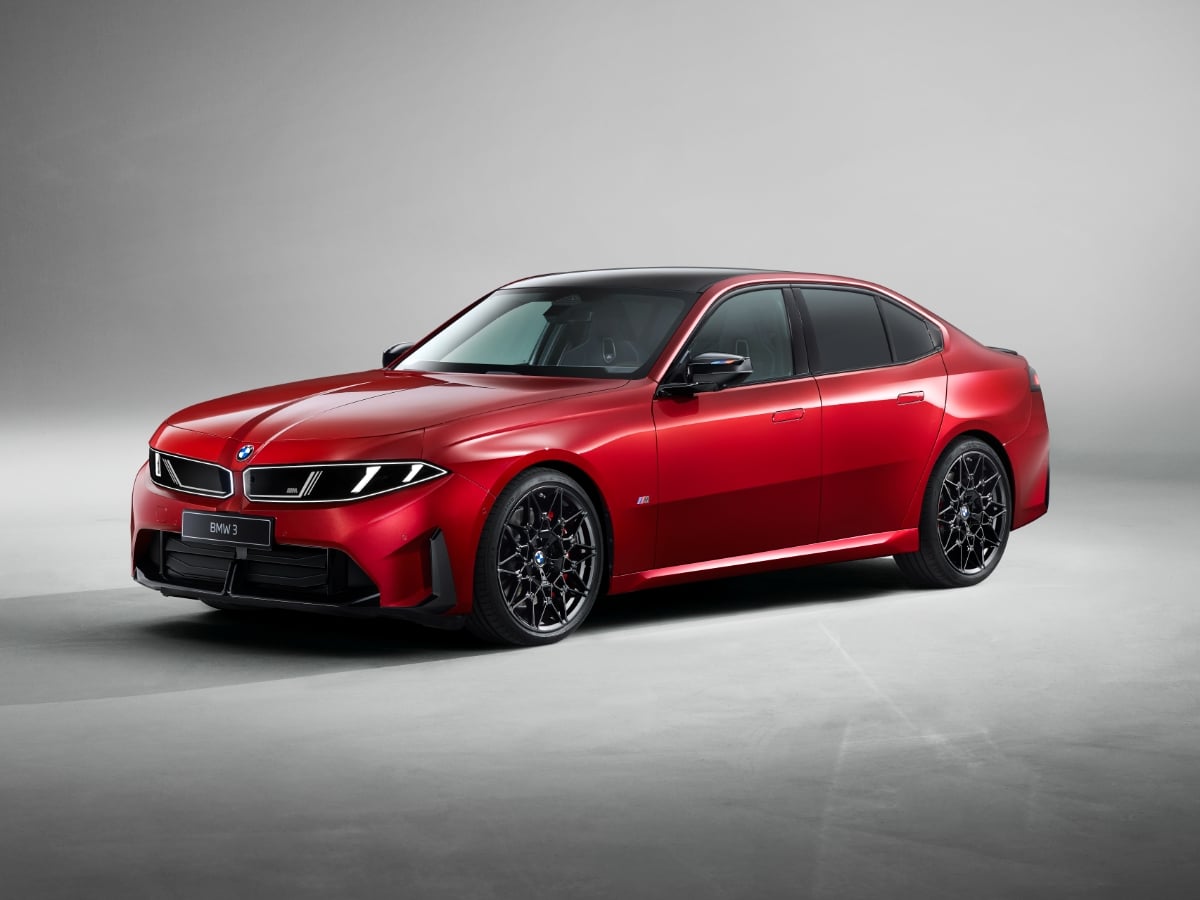
Part of BMW’s Neue Klasse (new class) rollout of redesigned models, the 2027 BMW 3 Series is all-new and goes on sale in the first quarter of 2027.
Read the Full Article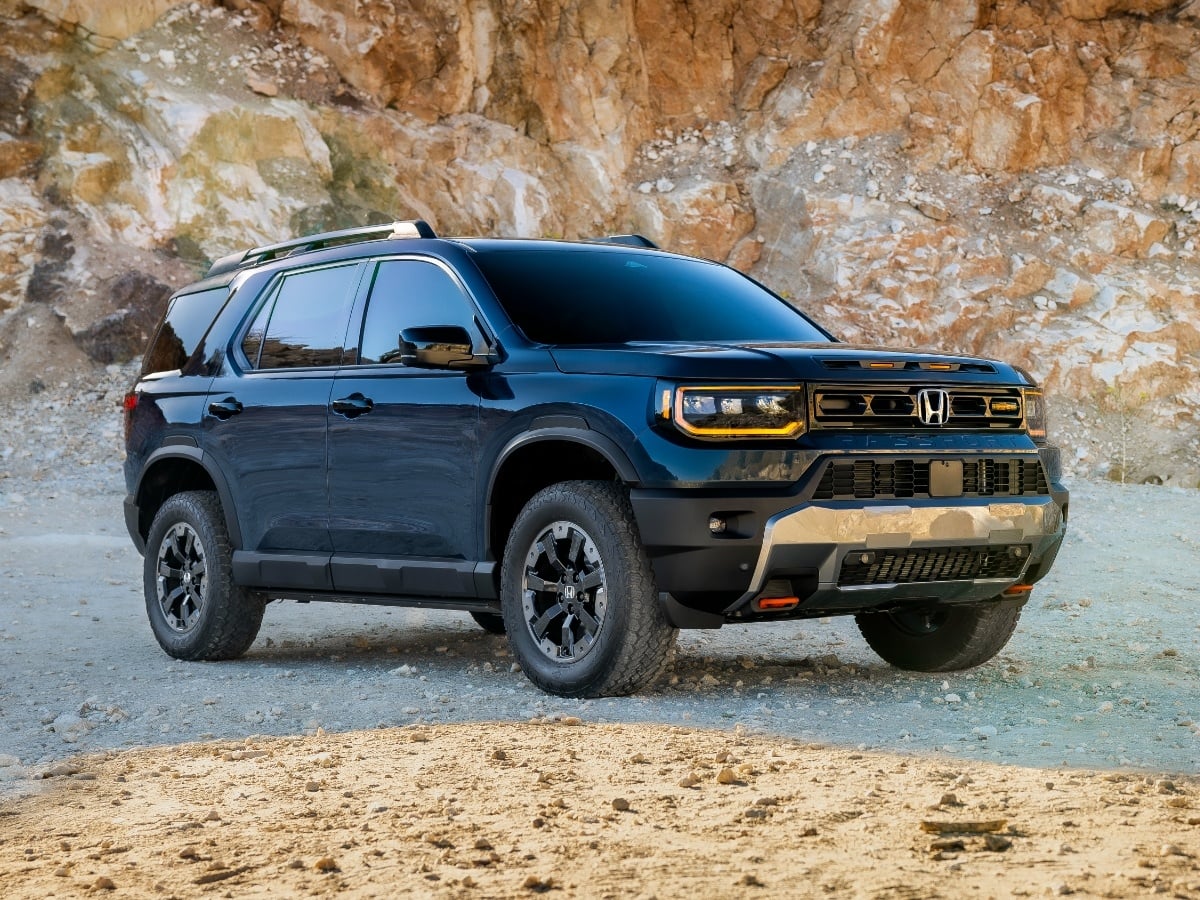
Updates to the 2027 Honda Passport TrailSport include a reworked suspension, improved steering, subtle styling enhancements, and added standard equipment.
Read the Full Article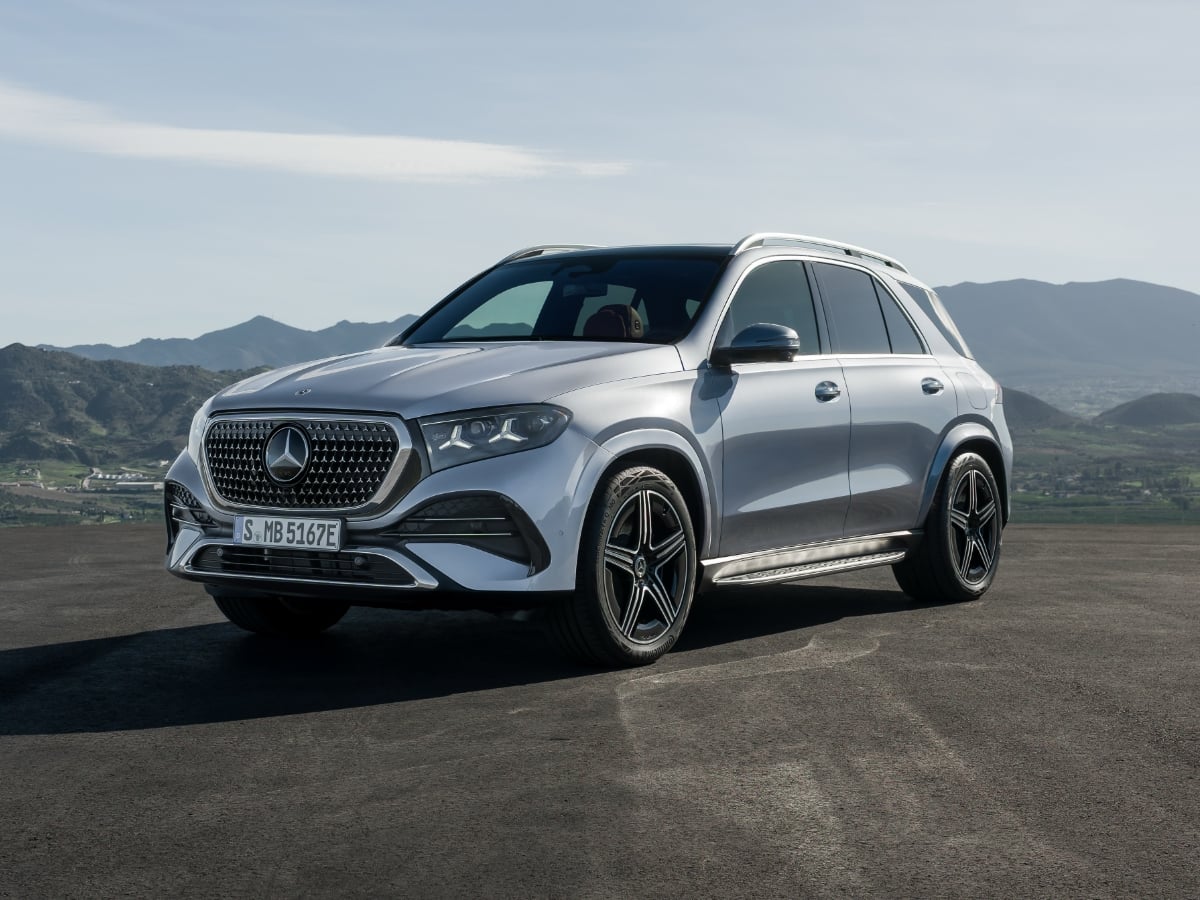
The midsize 2027 Mercedes GLE remains available in original and spicy Coupe recipes, now with standard 4Matic all-wheel drive (AWD), MBUX Superscreen technology, and a panoramic glass sunroof for ...See More
Read the Full Article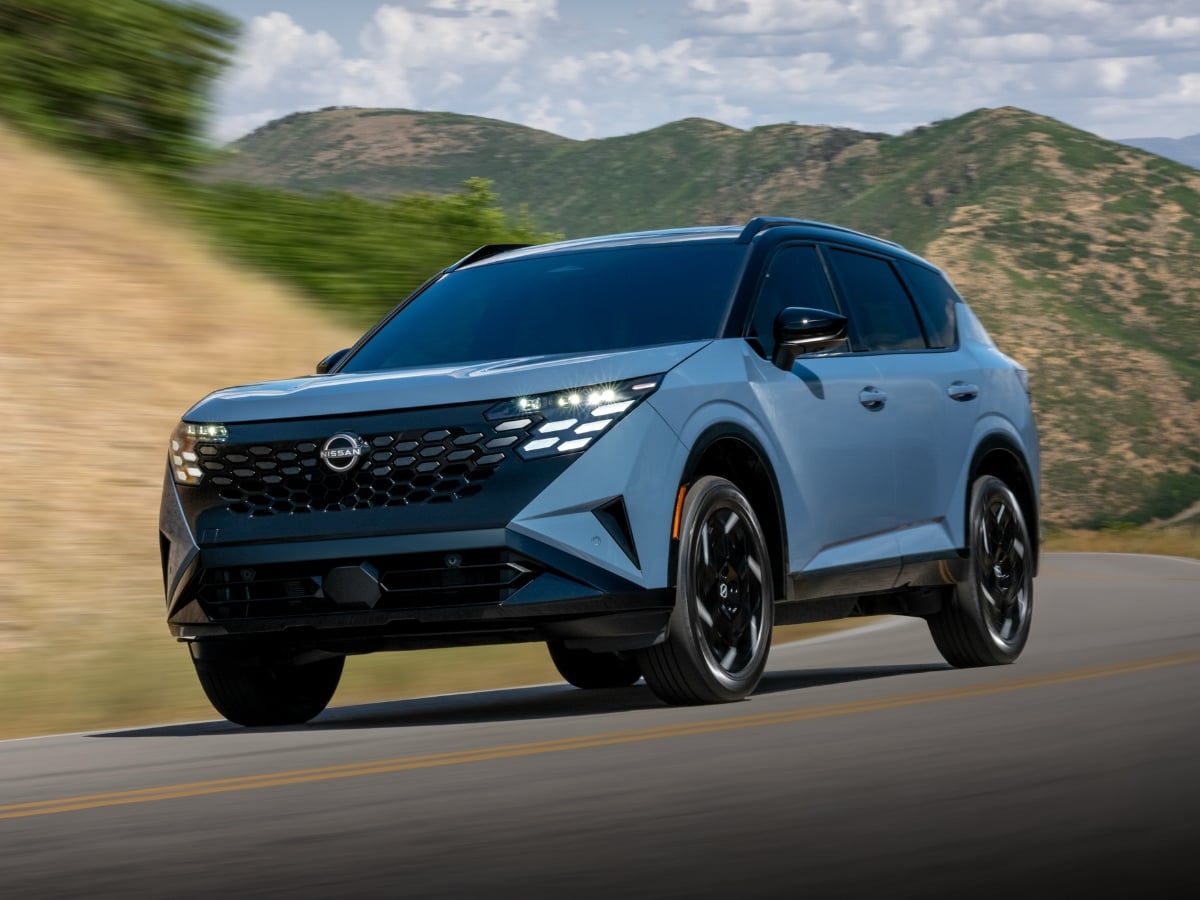
Nissan is about to introduce an innovative new SUV. The 2027 Nissan Rogue Hybrid has a gasoline engine, but it does not power the wheels. Instead, electric motors at each axle provide propulsion, ...See More
Read the Full Article