49 - 57
50 - 56
194 - 196
1 speed, CVT w/OD
Gas/Electric I-4
All Wheel Drive, Front Wheel Drive
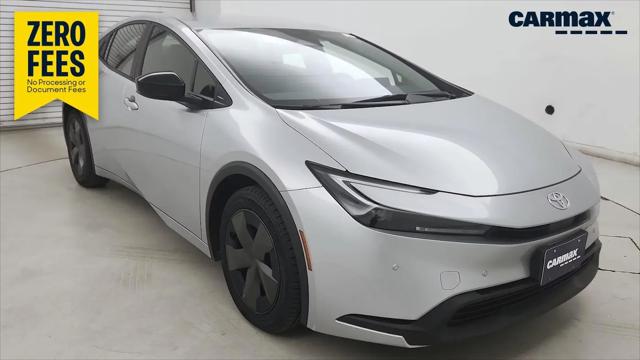
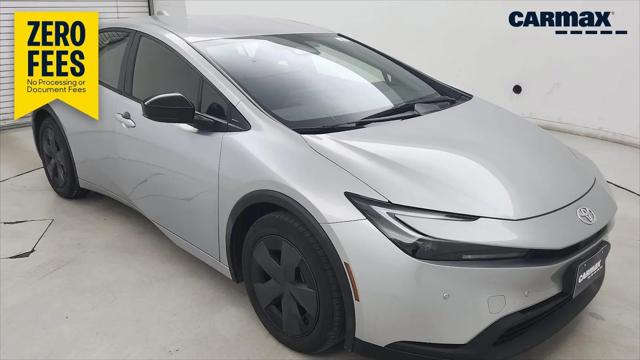
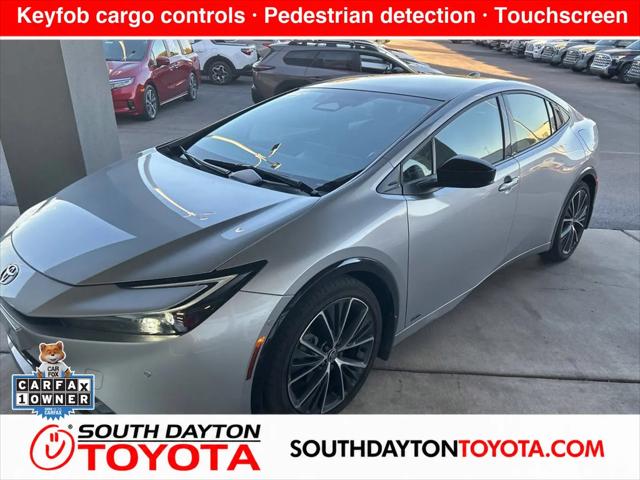
Style, efficiency, utility, and affordability are not mutually exclusive concepts, as the 2026 Toyota Prius demonstrates. This small hybrid-powered car is well known for its impressive fuel economy, 49 to 57 mpg in combined driving. But the latest generation Prius, which debuted in 2023, is genuinely stylish, holds more cargo than a sedan can, and barely breaks the $40,000 threshold when equipped with every option.
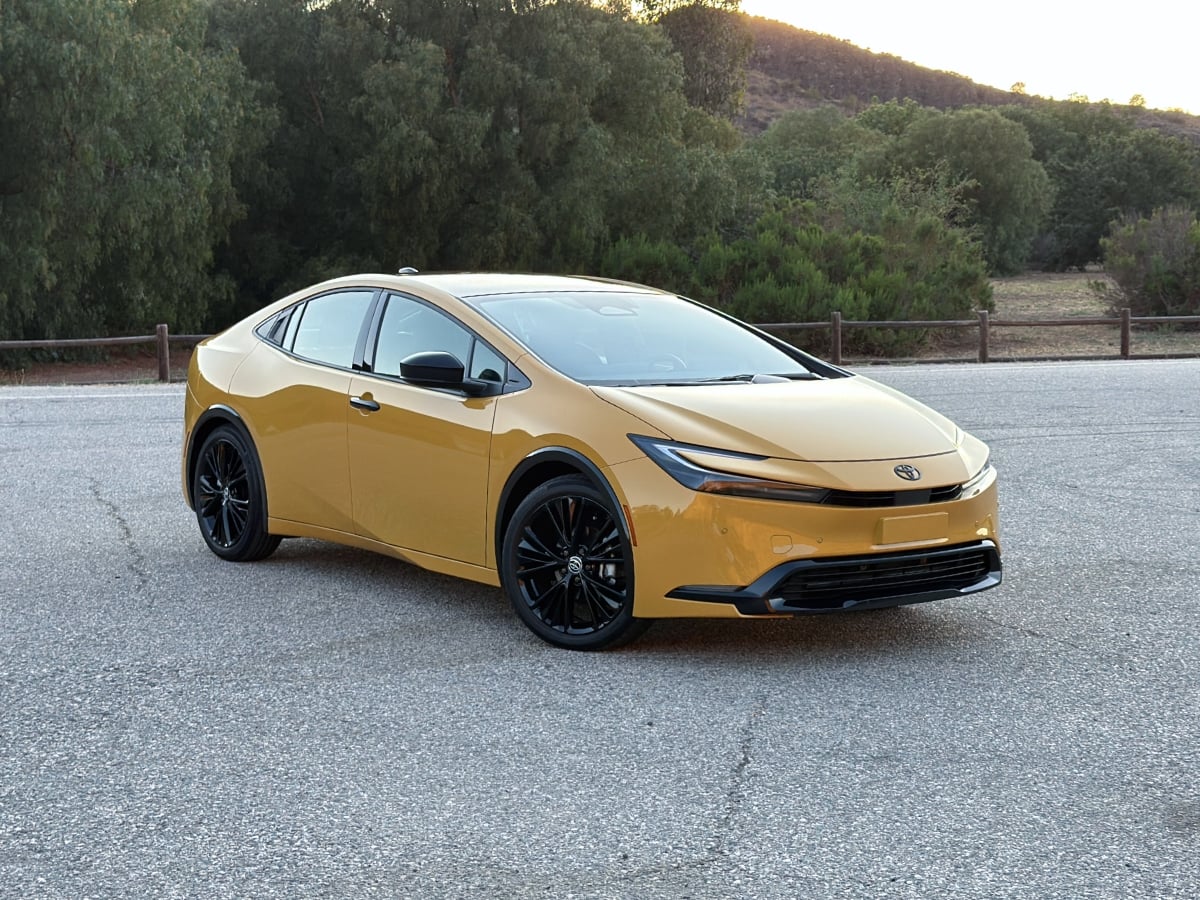
Photo: Christian Wardlaw
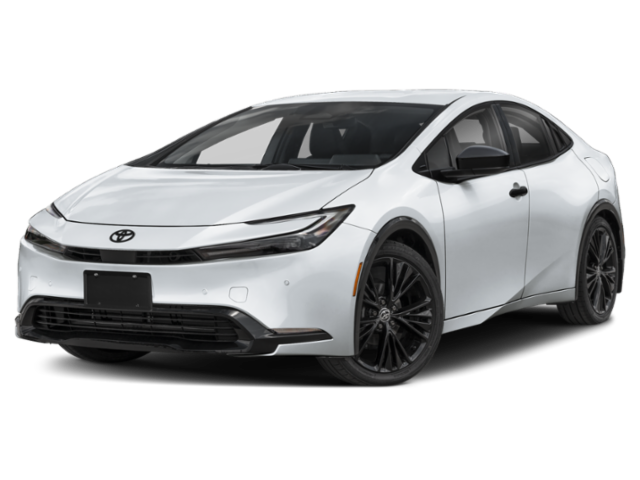
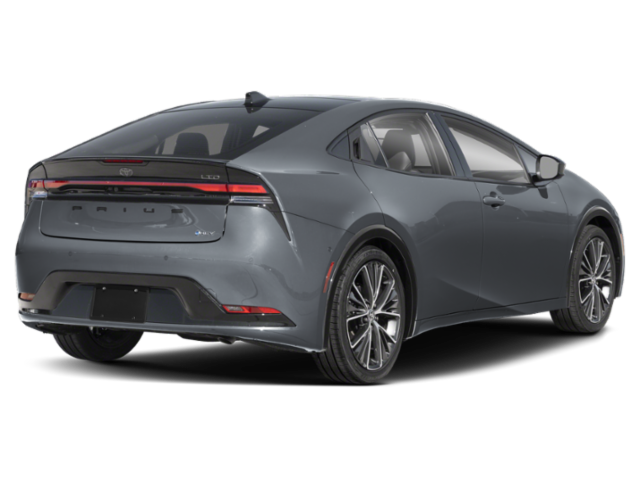
The 2026 Prius is a five-passenger hatchback available as a hybrid or a plug-in hybrid. This review is about the standard hybrid Prius, which comes in LE, XLE, Nightshade Edition, and Limited trim levels. Base prices range from $29,745 to $36,760, including the $1,195 destination charge. Choose the available all-wheel-drive (AWD) system, and it adds $1,400 to the cost of each Prius trim.
For this 2026 Prius review, Toyota provided a test vehicle equipped with the Nightshade Edition trim and the following options:
The test vehicle's manufacturer suggested retail price (MSRP) was $36,628, including the $1,195 destination charge to ship the car from the Aichi, Japan, assembly plant to a local dealership. The price does not reflect any current rebates, incentives, or price adjustments since Toyota manufactured the test vehicle.

Photo: Christian Wardlaw
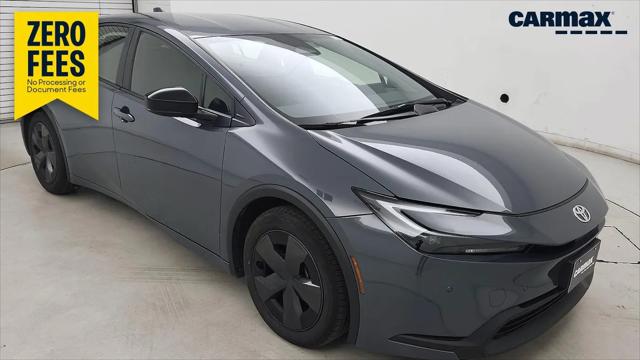
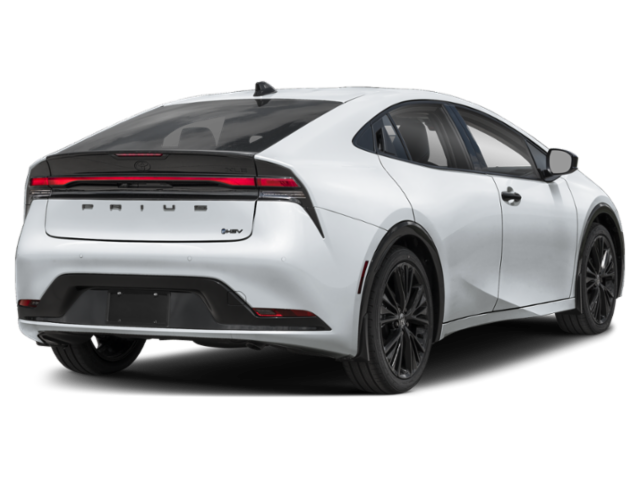
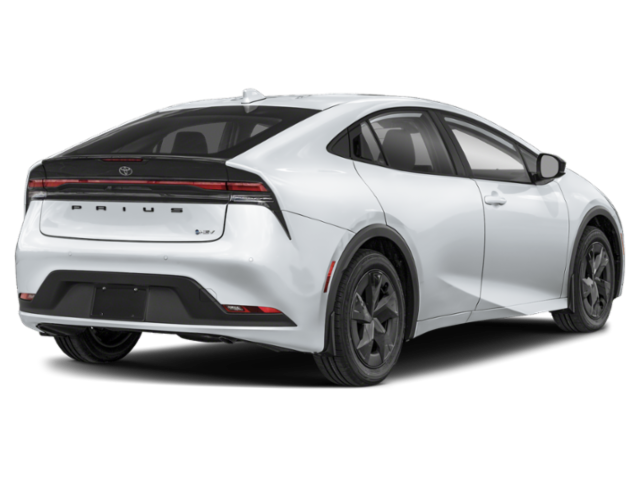
When you choose the Prius Nightshade Edition, you get a Prius XLE with a blacked-out appearance and restricted paint color choices. In addition to white and black, the Nightshade is available in an exclusive hue called Karashi, seen in the accompanying photos.
Similarly, black is the only interior color for the Nightshade. Other Prius trims offer a light gray that significantly contributes to a much-needed sense of space in the car. Pair that color with the optional glass roof, and the small, cramped cabin feels bigger than it is.
The Prius wears rakish good looks, but the car's low stance and dramatic roofline create compromises. For example, I had to watch my head each time I entered the car, ducking under the windshield pillar, bending uncomfortably, and then plopping down into the driver's seat. The car's low ride height and seating position can also make it more challenging to get out of the Prius.
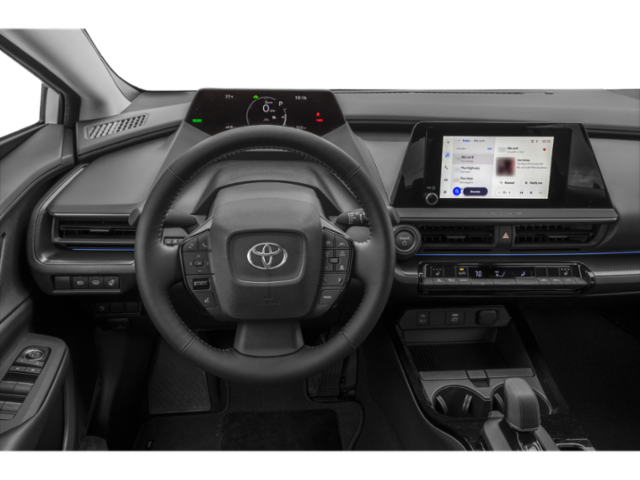
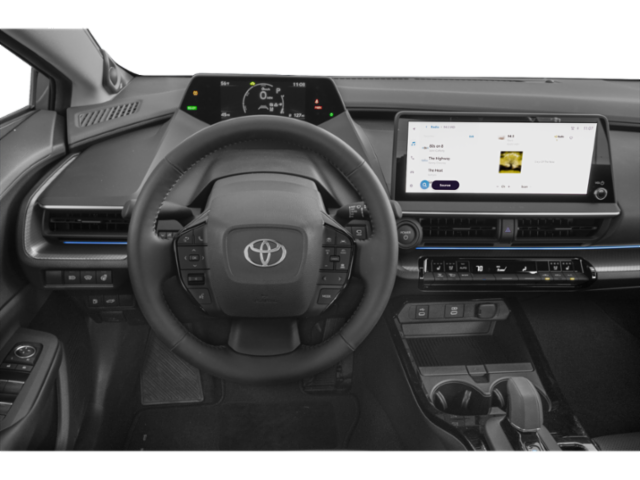
Once situated, you face a huge windshield, a dashboard with what seems to be a surface area the size of Kansas, and a strangely distant, small digital instrumentation display so packed with data that it can be hard to read at a glance. Except for the gray headliner, the Nightshade's interior is relentlessly dark with limited polished metallic accents and white contrast seat stitching. At night, soothing ambient lighting adds an upscale glow.
With eight-way power adjustability, the driver's seat proved comfortable. Unfortunately, the black SofTex artificial leather upholstery felt sticky and trapped sweat during a Southern California heatwave. The front seats (and steering wheel) are heated, but Toyota offers ventilation only with the Limited trim.
Rear seat room is cramped. Taller adults will not like riding back there due to the limited leg, foot, and headroom. Also, unless your passengers are children, the Prius is essentially a four-seater, as grown-ups leave very little room between them for a fifth person.
Toyota reports that cargo space behind the back seat measures 23.8 cubic feet in the LE trim and 20.3 cubic feet for other Prius variants. The automaker does not provide a maximum cargo volume with the back seats folded down, but it is a safe bet that those numbers can nearly double.

Photo: Christian Wardlaw
Two versions of the Toyota Audio Multimedia infotainment system are available in the 2026 Prius. The LE, XLE, and Nightshade have an 8-inch touchscreen display, while the Limited upgrades to a 12.3-inch touchscreen. The larger display is available on the XLE and Nightshade.
Both systems include:
Toyota offers five connected service plans, most of which include complimentary trial subscriptions. They include:
These connected services dramatically improve the usability of the Toyota Audio Multimedia system in situations where you would rather not use Apple CarPlay or Android Auto. For example, Safety Connect equips the Prius with an emergency assistance button, quick access to roadside assistance, and an automatic collision notification system. Remote Connect provides remote starting, a find-my-car feature, and guest driver monitoring.
Drive Connect adds a native cloud-based navigation system and a conversational digital voice assistant. It works well, but so does the wireless smartphone connectivity. I paired an iPhone with the system and used Apple CarPlay and Siri to equal effect.
Toyota equips the Prius with a six-speaker sound system, and an eight-speaker JBL premium audio system is standard on and exclusive to the Limited trim. The standard setup is unsatisfactory, so if you want to enjoy music the way the artist intended, you will need an aftermarket solution.
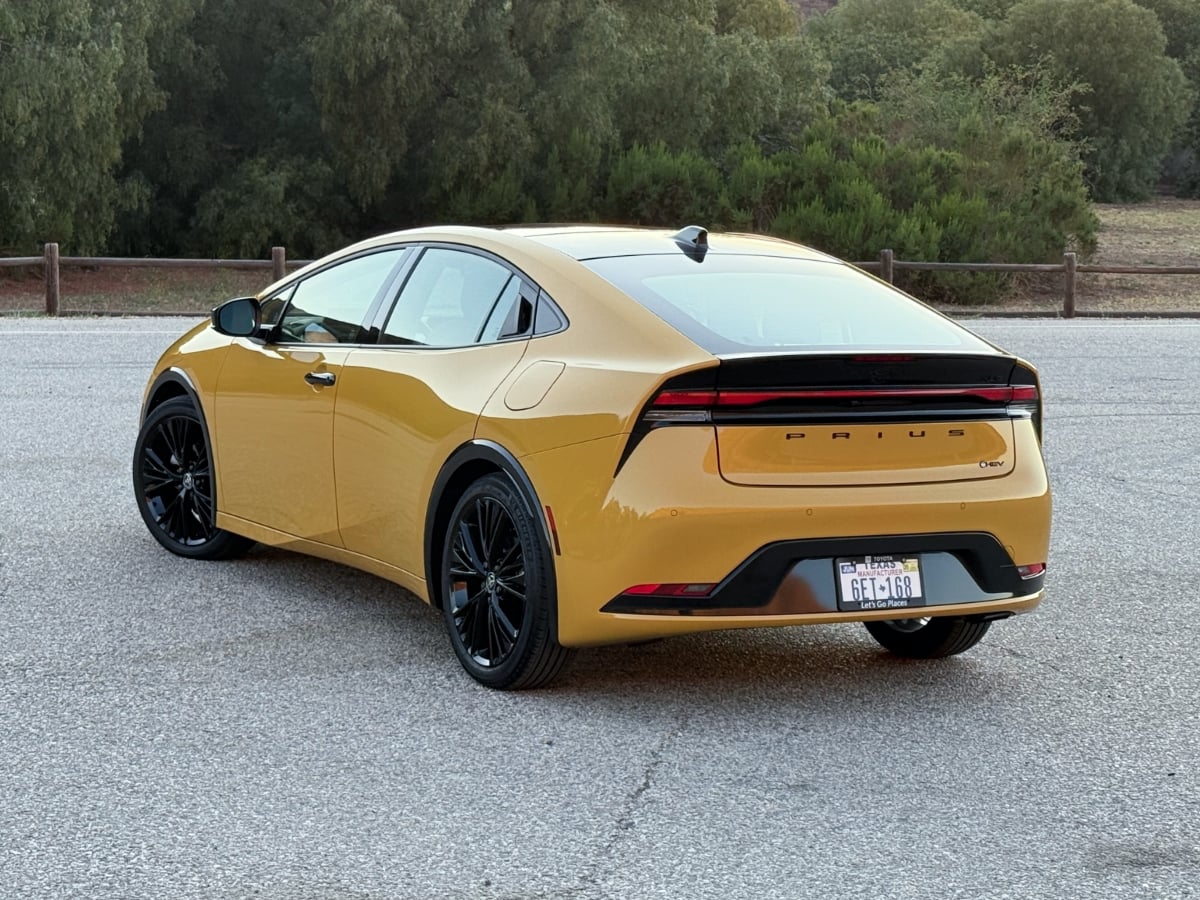
Photo: Christian Wardlaw
A gasoline-electric hybrid drivetrain powers the 2026 Prius. It uses a 2.0-liter four-cylinder engine, an 83-kilowatt (kW) electric motor, and a 222-volt lithium-ion battery to deliver a combined 194 horsepower. With the optional AWD system, Toyota adds a small 30-kW electric assist motor at the rear axle, and the combined power rating rises to 196 hp.
Toyota introduced this new, more powerful hybrid system when it last redesigned the Prius for the 2023 model year, and it has transformed the car's driving dynamics. For comparison, consider the more affordable Toyota Corolla Hybrid, which uses Toyota's old hybrid drivetrain. The Corolla offers only 138 horsepower.
The Corolla Hybrid feels roomier inside than the Prius, but it does not offer the same hatchback utility. Also, the Corolla is less efficient, averaging 44 to 50 mpg in combined driving, depending on the trim level and whether the car has AWD. The Prius should get between 49 and 57 mpg.
On my Southern California evaluation loop, which includes travel across a local mountain range, the Prius Nightshade Edition averaged 39.2 mpg. That is significantly less than the EPA estimate of 52 mpg, and reflects the impact of mountain driving in Sport mode on the car's gas mileage.
Unexpectedly, the current-generation Prius is quick to accelerate and enjoyable to drive. The immediate electric-motor response, 194 ponies in a 3,164-pound vehicle, 19-inch wheels, and the underlying Toyota New Global Architecture (TNGA) make sure of it. Regardless of the situation, you can have some fun with this car, unlike previous generations of the Prius.
There are a few downsides, though. Despite a 0.27 coefficient of drag, wind noise is louder than expected on the highway. Also, when accelerating hard, the continuously variable automatic transmission (CVT) causes an irritating drone. Outward visibility is challenging, too, making it hard to judge the car's corners when parking.

Photo: Christian Wardlaw
Every 2026 Prius has the following safety features, gathered together in a Toyota Safety Sense 3.0 (TSS 3.0) package:
In addition, these technologies are standard equipment:
Front and rear parking sensors with low-speed automatic braking are standard on all but the base LE trim, while the Prius Limited offers exclusive upgrades such as a surround view camera system and Advanced Park, a semi-autonomous parking-assistance technology.
Overall, the Nightshade's safety features worked well. However, the car's lane centering assistance system (Lane Tracing Assist) can become momentarily confused by exit and entrance ramps and can be uncertain in gentle highway curves. The front and rear parking sensors were beneficial when parking; it is a shame Toyota reserves the surround view camera for the Prius Limited.
The standard Proactive Driving Assist technology can automatically add braking and steering input to help drivers avoid potentially dangerous situations, even when they are not using the adaptive cruise control. In some Toyota models, it can be intrusive and irritating. In the Prius, it proved less so. Still, I turned this feature off after several days of driving.
If a collision is unavoidable, the Prius should keep its occupants safe. The National Highway Traffic Safety Administration (NHTSA) gives it a maximum five-star rating in all assessments except rollover resistance, where it earns a four-star rating. As of this writing, the Insurance Institute for Highway Safety (IIHS) has not rated the crashworthiness of the 2026 Prius. In 2025, it earned a Top Safety Pick+ rating, the highest available from the IIHS.
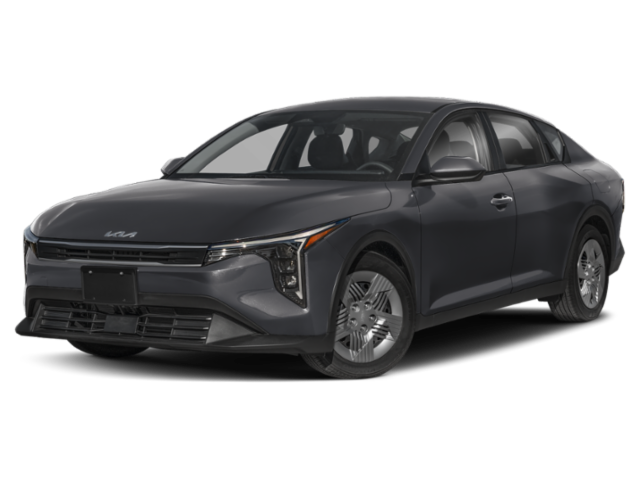
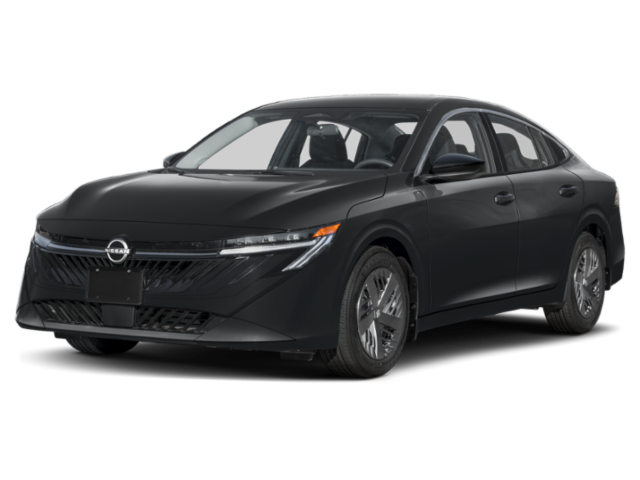
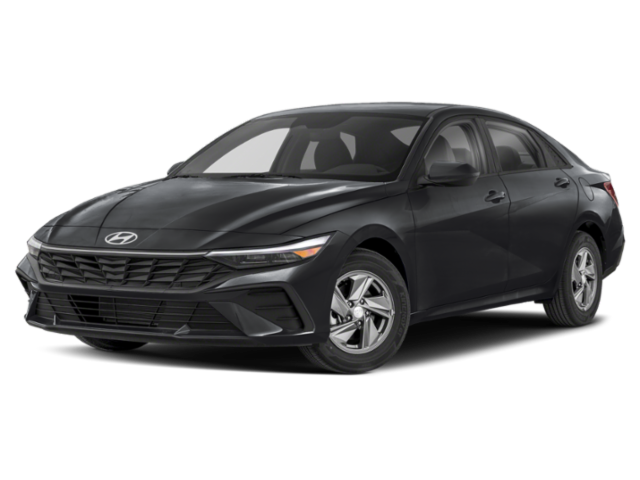
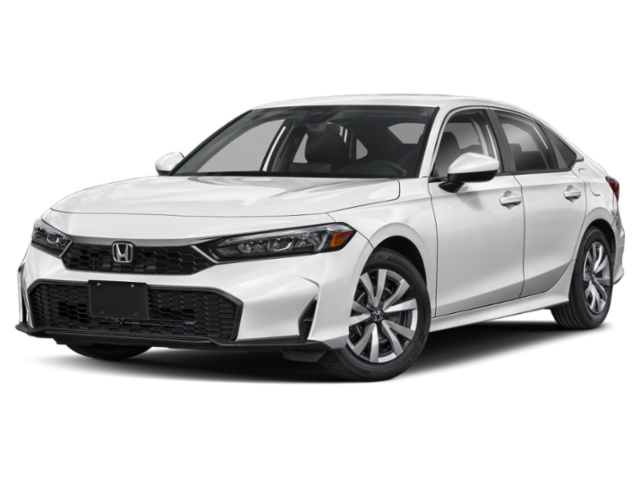
According to the JD Power 2025 Initial Quality Study (IQS), the Nissan Sentra ranks highest in the Compact Car segment. The Kia K4 and the Hyundai Elantra are the next highest-ranked models.
According to the JD Power 2025 Automotive Performance, Execution and Layout (APEAL) Study, the Kia K4 ranks highest in the Compact Car segment. The Honda Civic and the Hyundai Elantra are the next highest-ranked models.
Other 2026 Prius competitors include the Mazda Mazda3, Subaru Impreza, and Toyota Corolla.