110 - 131
96 - 121
174 - 214
1 speed, Automatic
Electric
Front Wheel Drive
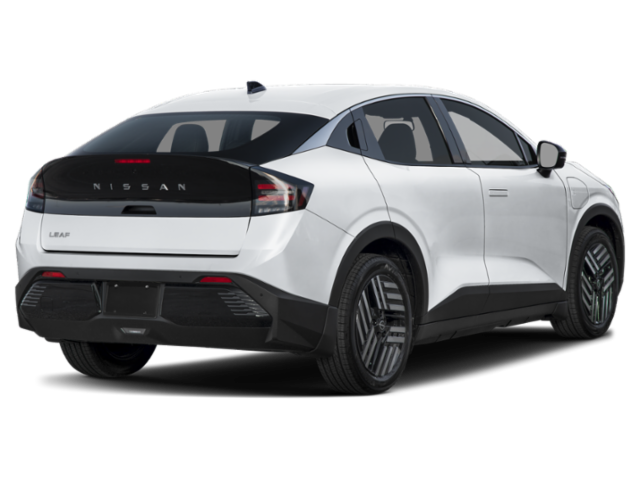
The 2026 Nissan Leaf may have a familiar name, but this all-new, third generation model is fundamentally different from the compact hatchback it replaces. Beyond its radically new look and body shape, the 2026 Leaf’s attractive interior, strong performance, and competitive range have transformed it from a relic of the electric vehicle (EV) market’s early years into one of today’s best options.
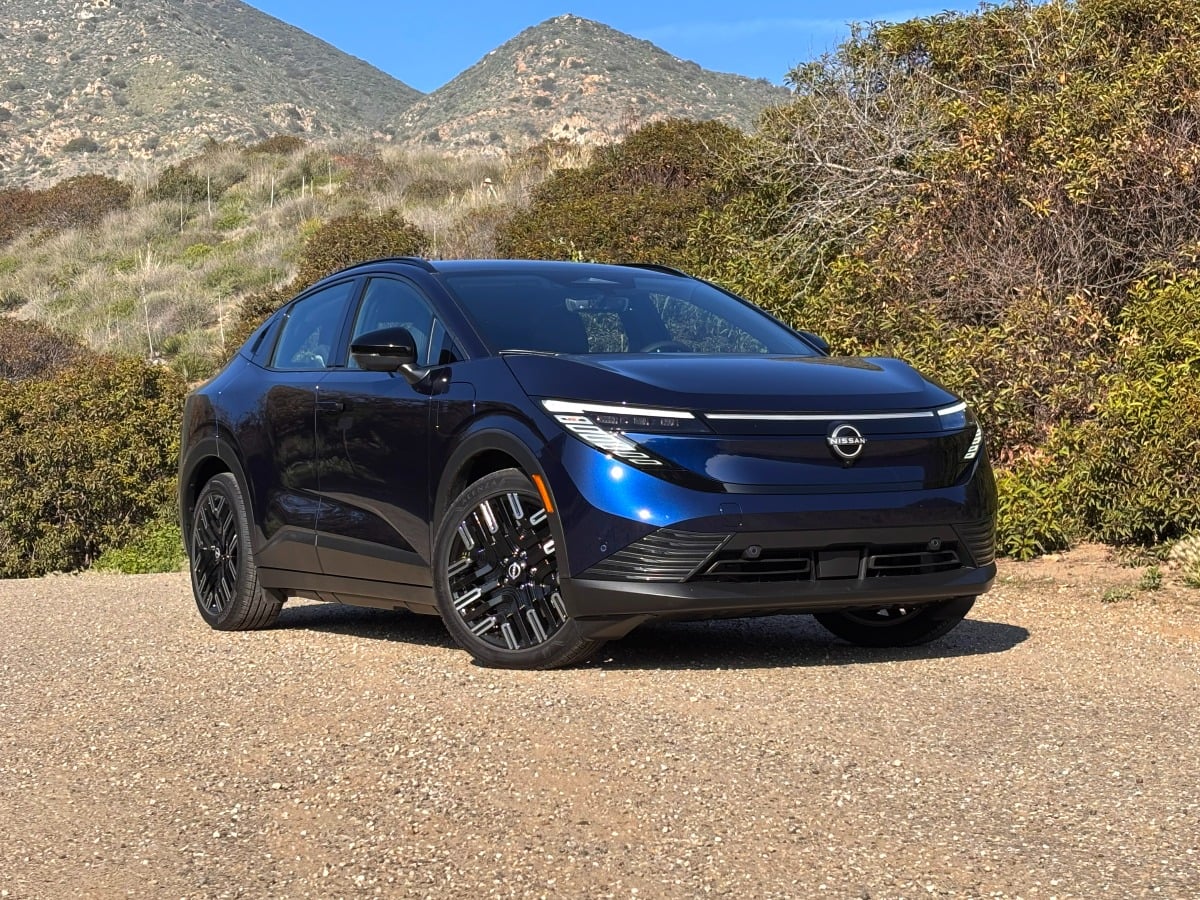
Photo: James Riswick
Although Nissan calls the new Leaf a “crossover,” it actually has less ground clearance than before and is about as tall. If anything, its racy roofline is less SUV-like than before. Either way, this still represents a significant improvement, from its design and interior layout to the increased battery capacity and adoption of the latest charge port standards.
As before, the Leaf offers two battery options, each with a different power output and range. The S trim has a 52-kilowatt-hour (kWh) battery pack and delivers 174 horsepower and 254 pound-feet of torque. The S+, SV+, and Platinum+ trims have a 75-kWh pack and produce 214 hp and 261 pound-feet. The S trim’s base price was not available at the time of this writing, but the + trims range from $31,485 to $40,485.
For this 2026 Leaf review, Nissan provided a test vehicle equipped with the Platinum+ trim and a handful of inexpensive options:
The test vehicle’s manufacturer suggested retail price (MSRP) was $41,835, including the $1,495 destination charge. The price does not reflect any current rebates, incentives, or price adjustments since Nissan manufactured the test vehicle. The test vehicle’s window sticker indicated its final assembly point was Los Angeles, California.
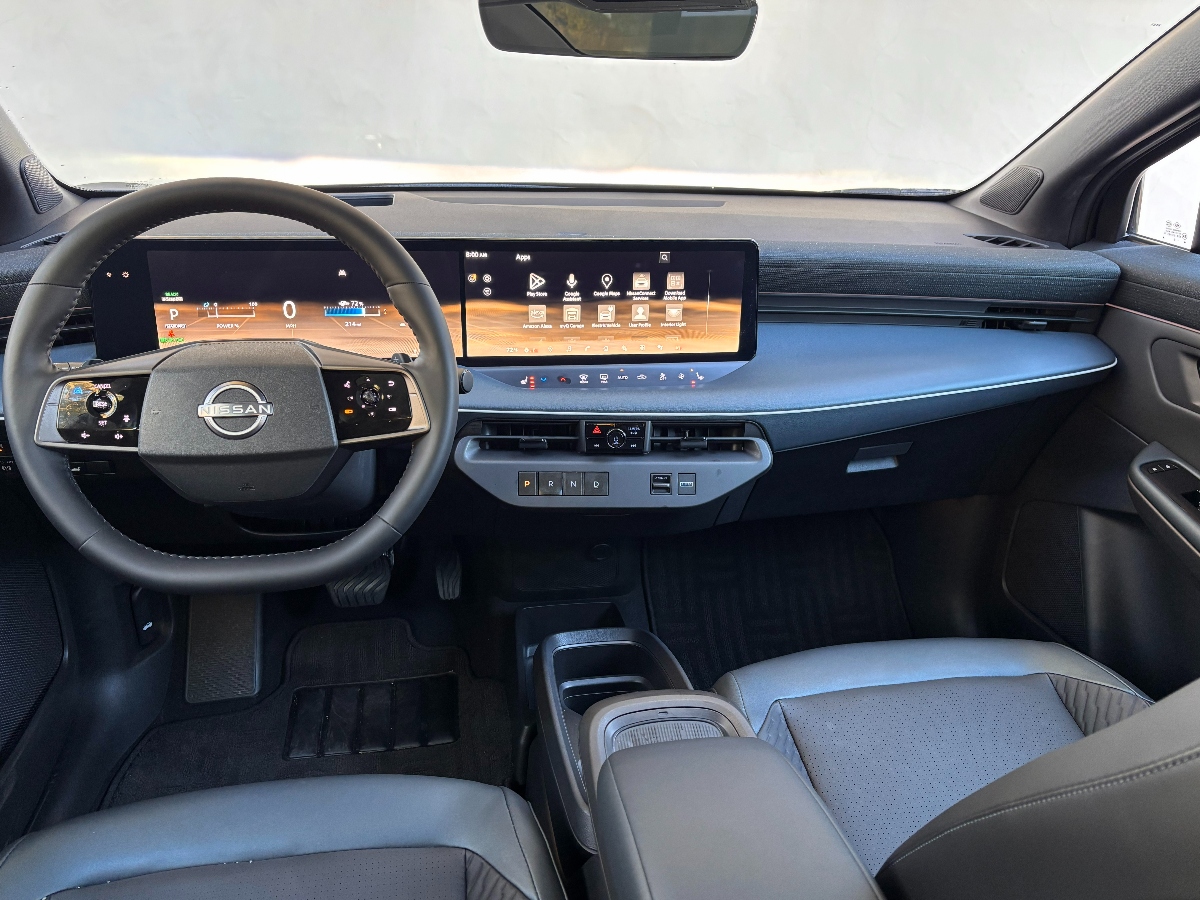
Photo: James Riswick
If the new Leaf looks like a crossover to you, that is terrific. To me, it is pretty car-like when it comes to getting in, the view out, and the cargo area, which is actually smaller than before. Moreover, I was unable to fit my six pieces of test luggage in the back. Most other small crossover SUVs manage to fit them all, if just barely. The Nissan Kicks, for example, could fit an extra roll-aboard suitcase with room to spare.

Photo: James Riswick
However, beyond the cargo area, the Leaf’s new interior generally impresses. It looks modern and cool, with high-quality materials. My test vehicle was a range-topping Platinum+, but all 2026 Leafs have cloth on the front door sills and padded simulated leather on the dashboard, finished in one of two shades of blue. The front armrests match this hue, and this pop of color goes a long way toward giving the interior a distinctive look.
While I commend Nissan for avoiding the trend of putting all controls on the touchscreen, the touch-sensitive climate controls are not as responsive as regular buttons. Neither are those on the steering wheel. The S trim has proper buttons, and I would bet good money that I would prefer them. The individual “PRND” buttons for shifting gears are also a poor user interface.
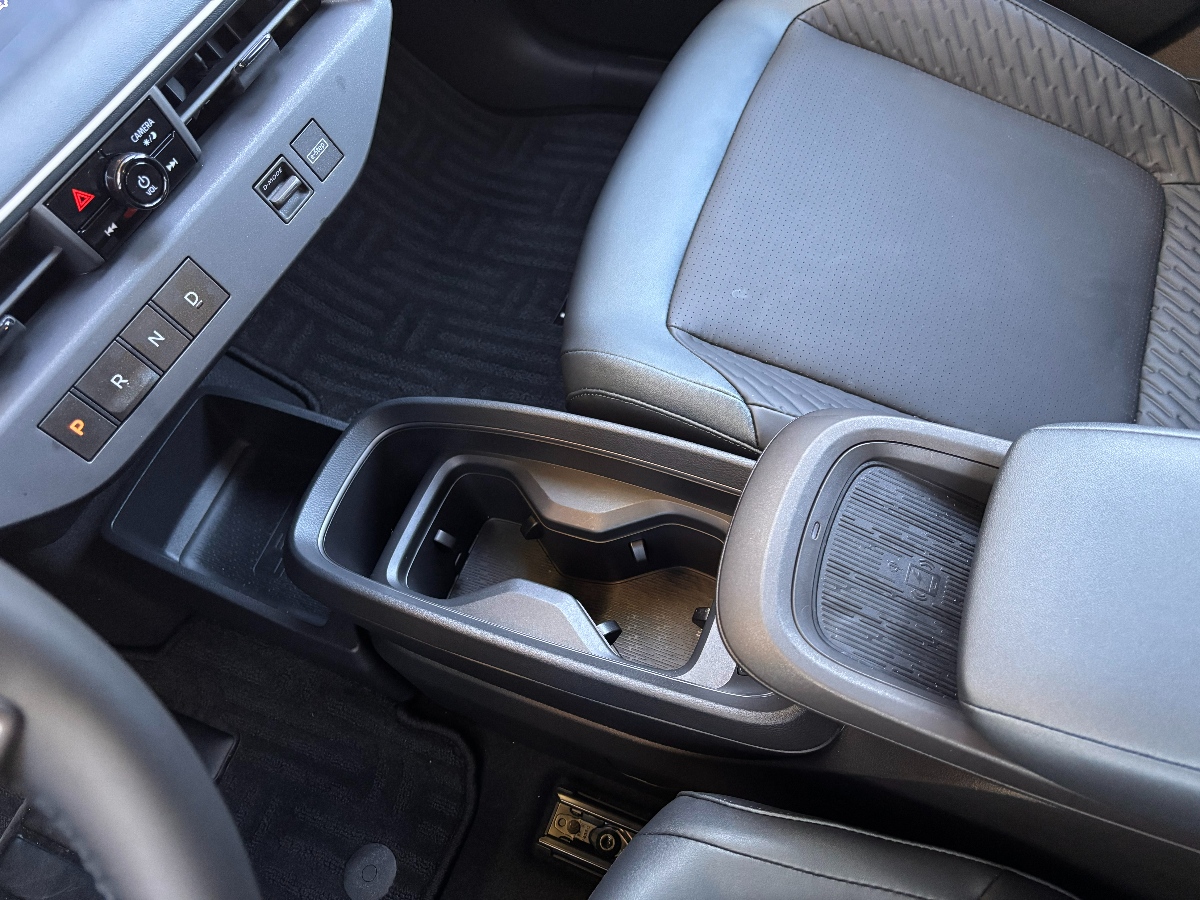
Photo: James Riswick
Interior storage is a mixed bag. There are grippy cupholders that secured my big metal water bottle and 40-ounce jumbo cup, and an accessory bin that fills the otherwise open area between the front footwells. Both are too low, however. There is also a space saving, easily accessible wireless smartphone charging pad in the center console (not available in the S trim), but it made my phone incredibly hot.
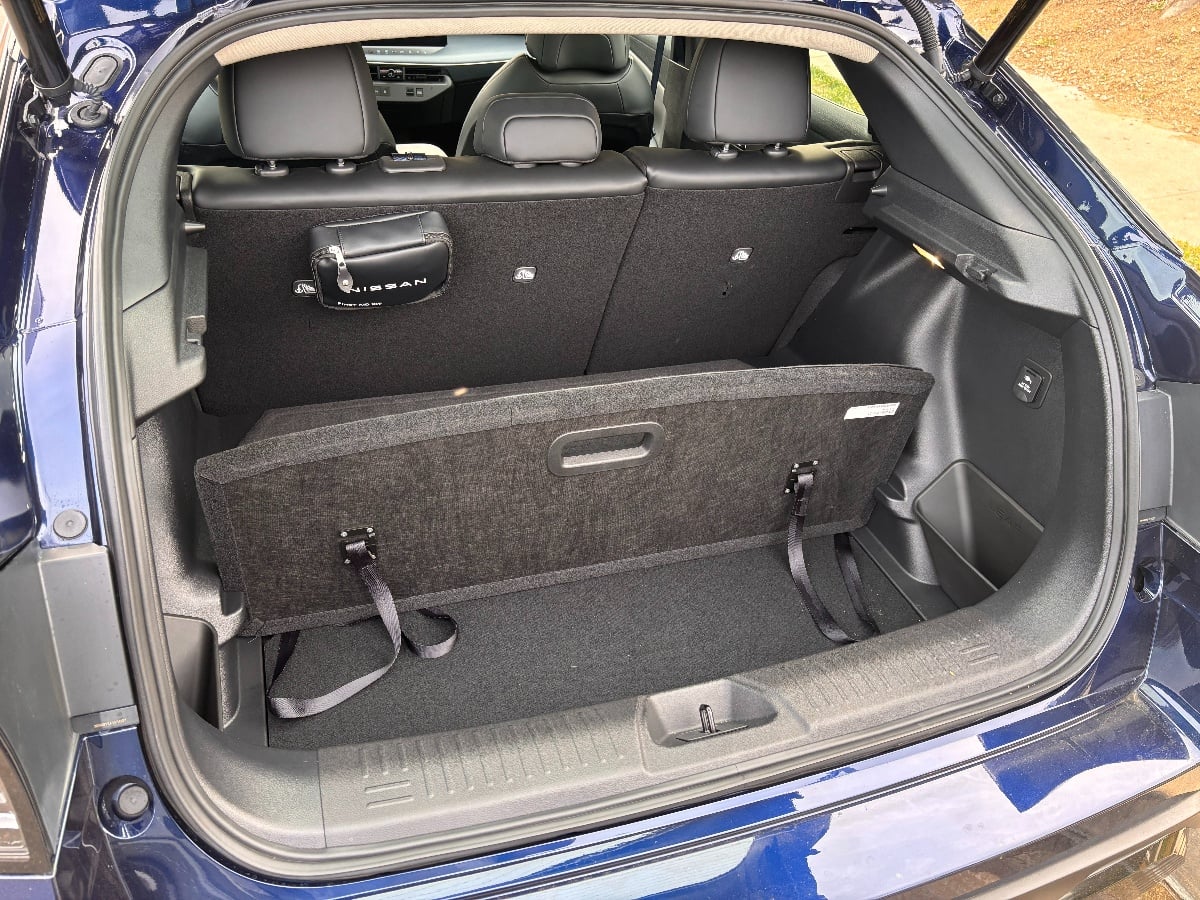
Photo: James Riswick
I had no issues with the clever Divide-N-Hide Cargo System. It essentially splits the cargo floor into two pieces. The one closest to the sill lifts to reveal additional space, expanding the meager overall capacity. I used this during my aforementioned cargo capacity test. Still, it can also slot vertically to split the cargo area and better secure smaller items, such as shopping bags. It was perfect for the multiple Christmas shopping trips I made in the Leaf.
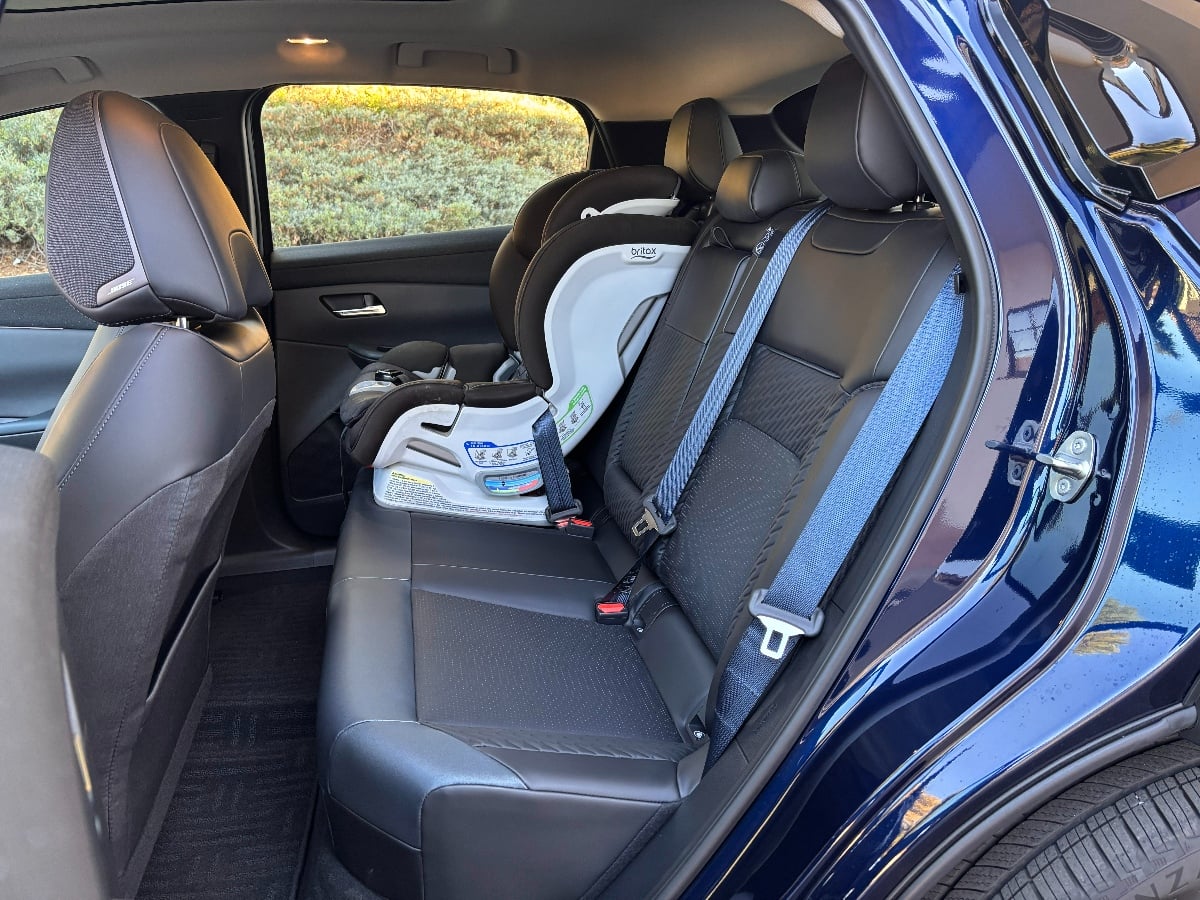
Photo: James Riswick
The Leaf’s size and newly rakish roofline make the back seat feel cramped. You will be hard-pressed to fit someone behind a tall driver like me, but at least Nissan allows the driver’s seat to be pushed back as far as it does for tall drivers. That was not the case with the original Leaf. Rear headroom is also just barely adequate, and the roofline prevents the headrests from being raised. This made it hard to get a child seat’s rear LATCH anchor over the back seatback.
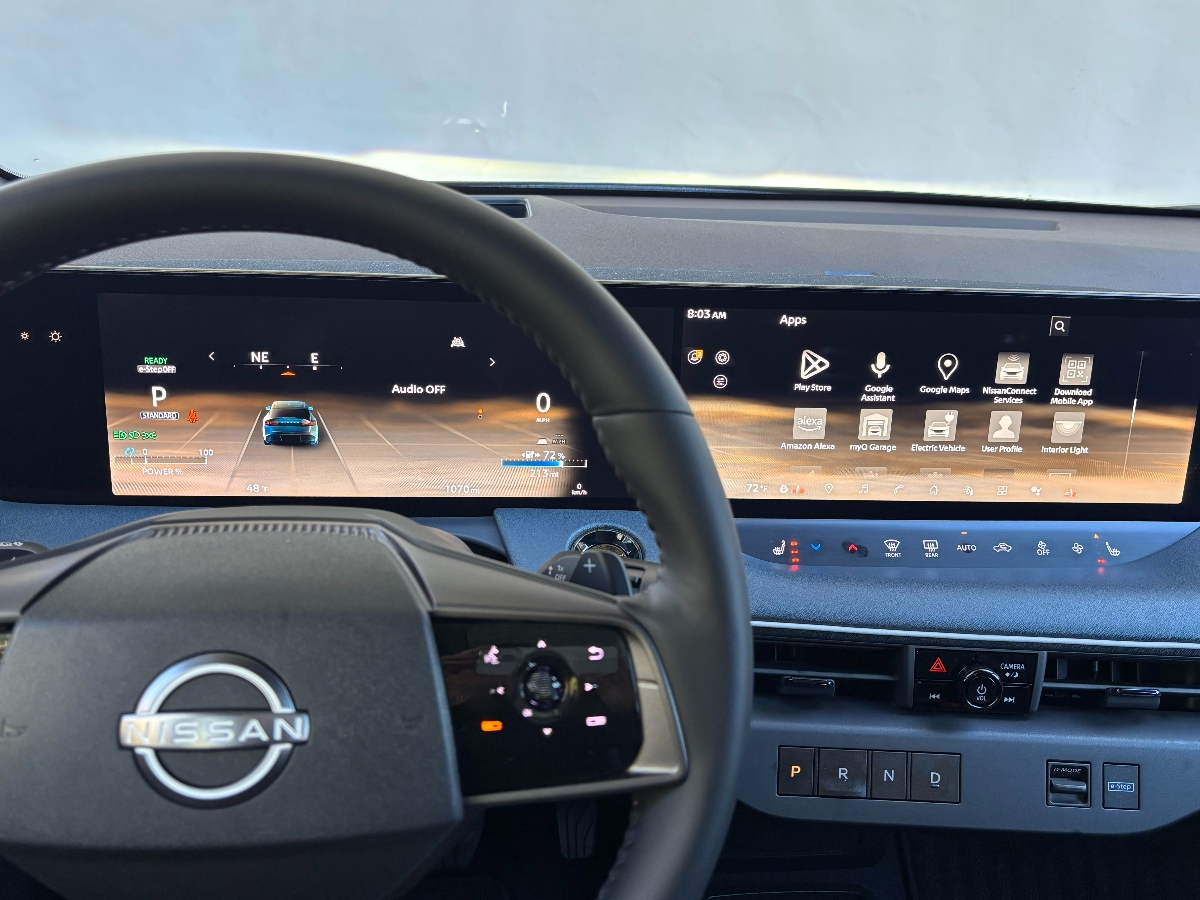
Photo: James Riswick
The base Leaf S has a pair of 12.3-inch screens: one for the instruments and another for the infotainment system’s touchscreen. These screens grow to 14.3 inches in the other trims, but judging by photos, the housing remains the same. There is just more black border space around the smaller screens. Both have an interface dubbed NissanConnect.
All 2026 Nissan Leaf trims include the following features:
The SV+ and Platinum+ add a wireless charging pad, rear USB-C ports, and upgraded sound systems, that is an unbranded six-speaker system in the SV+ and a 10-speaker Bose Personal Plus system with front headrest speakers in the Platinum+. The big-ticket addition, however, is the suite of integrated Google services, including Google Maps, Google Assistant voice controls, and additional apps via the Google Play Store.

Photo: James Riswick
Like other vehicles with integrated Google features, Google Maps integration provides a familiar and reliable navigation system while also increasing capability and performance beyond what you would get by streaming through your phone. It also reduces the strain on your phone's battery.
In general, I really like this system. It quickly made sense and was easy to figure out afterward. The permanently docked row of menu shortcuts definitely helps. I also liked that the radio controls are perfectly normal.
The digital instrument panel graphics are impressively crisp, and there is a lot of information to view, but the interface is confusing, and most of the displays feel like info overload. The speedometer is pushed to the right-hand side of the screen. It should always be front and center.

Photo: James Riswick
The new Leaf is a legitimately quick car. Sure, it is electric, so there is the typical, immediate torque punch off the line, but its vigor does not peter out as speeds rise. Moreover, it is quite smooth and sophisticated in how it doles out its power. There is a bit of torque steer when accelerating out of a corner or gunning it out of a parking lot (the feeling of the wheel tugging back at you), but there is far less than you get in the Kia Niro EV and Chevrolet Equinox EV.
The Environmental Protection Agency (EPA) estimates that a Leaf Platinum+ like the one I tested will travel 259 miles on a charge, with an efficiency of 33 kWh per 100 miles. I significantly beat that, achieving 28.6 kWh per 100 miles on my standardized mixed driving route, including 23.3 kWh per 100 miles on the 40-mile highway portion. Translation: I would have gone significantly further on a charge than 259 miles.
Furthermore, the Platinum+ is the Leaf’s worst-case scenario because of its 19-inch wheels. The SV+ is rated to go an EPA-estimated 288 miles; the S+ is rated at 303 miles. The base S, with its smaller battery, has not yet been rated.
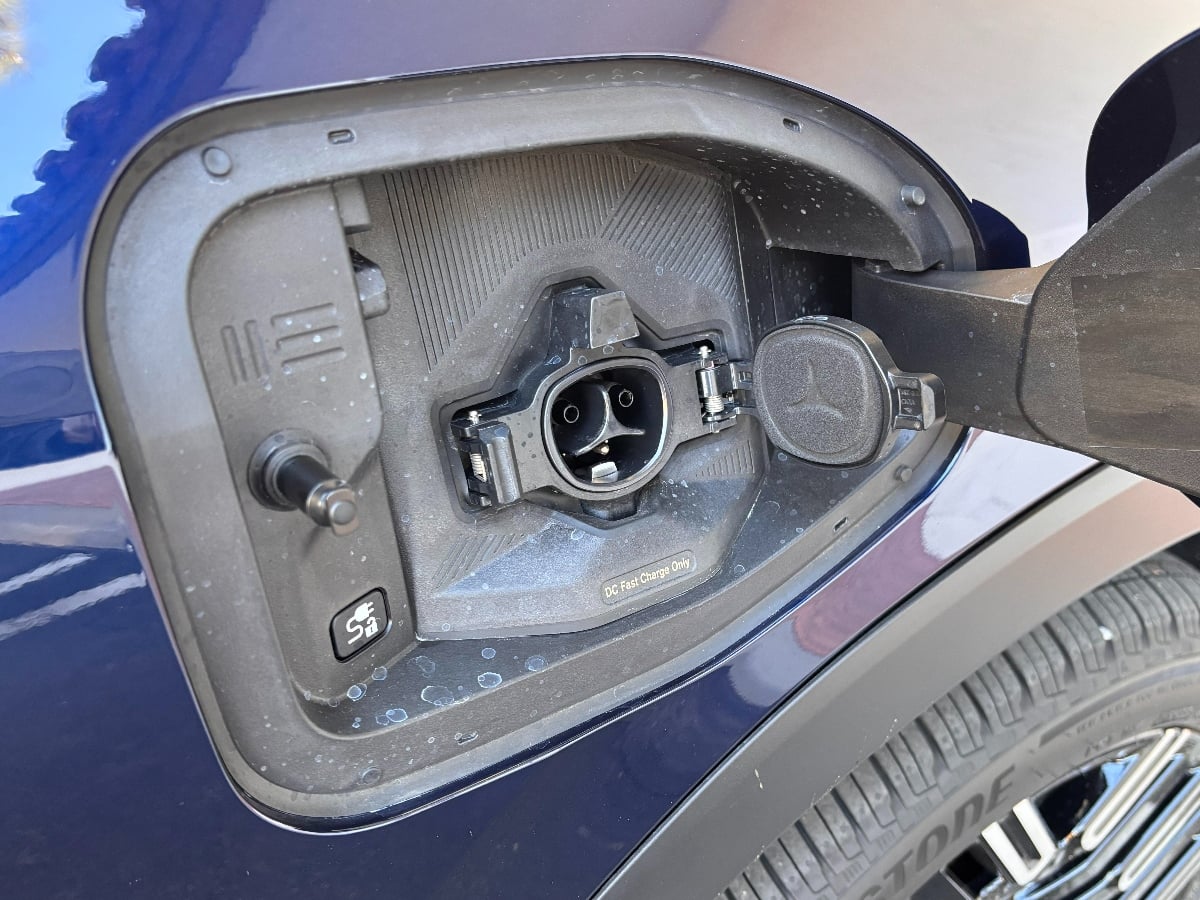
Photo: James Riswick
Charging at home (or at a slow public charger) uses a standard J1772 port on the front left fender, while a Tesla-style North American Charging Standard (NACS) port on the right front fender handles DC fast charging. This is nice because you will not need an NACS adapter if your home charger has a J1772 plug (as mine does), though a CCS adapter is available for use at a CCS fast charger. The last Leaf was an industry oddball because it used a CHAdeMO port.
The Leaf’s handling is another pleasant surprise. There was nothing interesting about driving the previous Leaf. The new 2026 Leaf is genuinely enjoyable to drive. It has responsive steering with spot-on effort, and body motions are well controlled. It also feels light for an EV, and you can feel its smaller dimensions on tighter roads. Maybe it is not as agile as the Niro EV, but again, it feels more sophisticated.
The ride quality is also excellent, even with the largest wheels available. I will come right back to “sophisticated” to describe how this small, relatively inexpensive EV handled the various patches of poor pavement I encountered on concrete highways and patched-up rural roads. The cabin is hushed, too, providing a surprisingly pleasant highway driving experience.
There is one major downside however: the brakes. The Leaf has a feature called “E-Pedal,” which moves the brake pedal while the car uses regenerative braking to slow down, capturing energy to recharge the battery. Having the brake pedal in an unexpected position is just a terrible idea. Even worse, E-Pedal does not actually bring the car to a stop, so you inevitably have to find the wayward pedal.
Thankfully, a simple button turns off the E-Pedal, but the car still defaults to Level 2 of 4 regenerative braking settings every time you start it. You have to pull a wheel paddle twice to engage Level 4, which is comparable to the one-pedal driving modes of other EVs. Still, even that is not a full one-pedal system, and the pedal itself, when not seemingly controlled by a ghost, has a long, mushy travel.
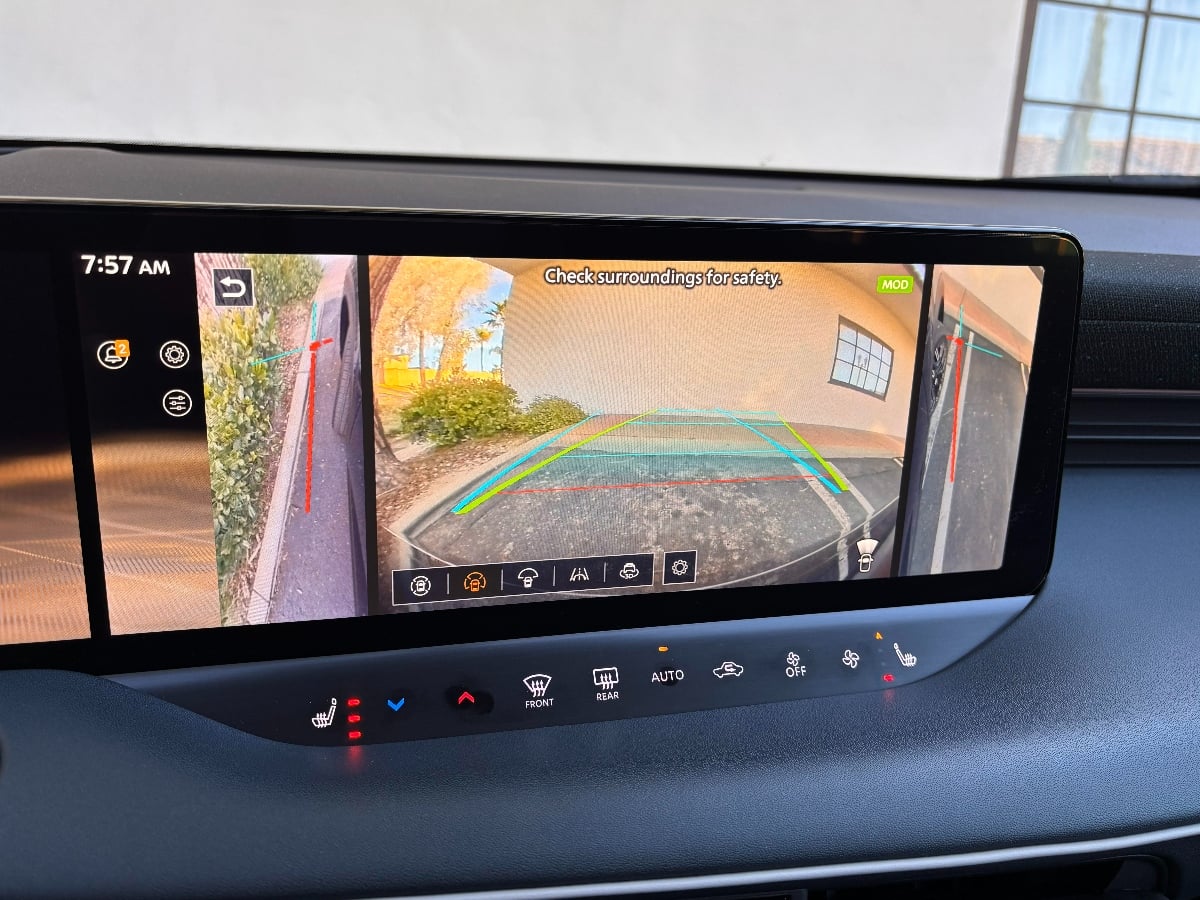
Photo: James Riswick
In addition to the front parking sensors on the Leaf Platinum+, every 2026 Leaf trim includes the same substantial collection of driver assistance features, which Nissan terms Safety Shield 360. That includes ProPilot Assist, an adaptive cruise control system with lane centering assistance.
Included features on the Leaf Platinum+ are:
I would grade these systems' performance as above average. They did not annoy me enough to turn anything off, but the performance of ProPilot Assist could be better. Even its smallest gap to the car ahead is pretty big, and the system was too slow to accelerate again.
ProPilot Assist’s lane centering assistance performed better. It did a good job of staying in the lane while going straight and through corners, and handled particularly tricky lane splits that often flummox such systems.