36 - 38
37 - 38
231
6 speed, Automatic w/OD
Intercooled Turbo Gas/Electric I-4
All Wheel Drive, Front Wheel Drive
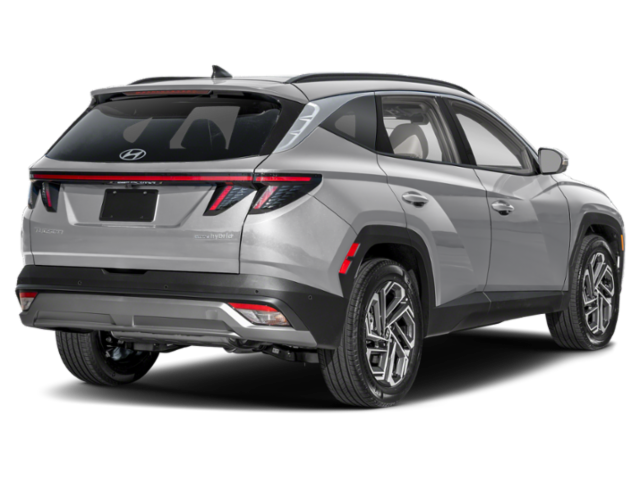
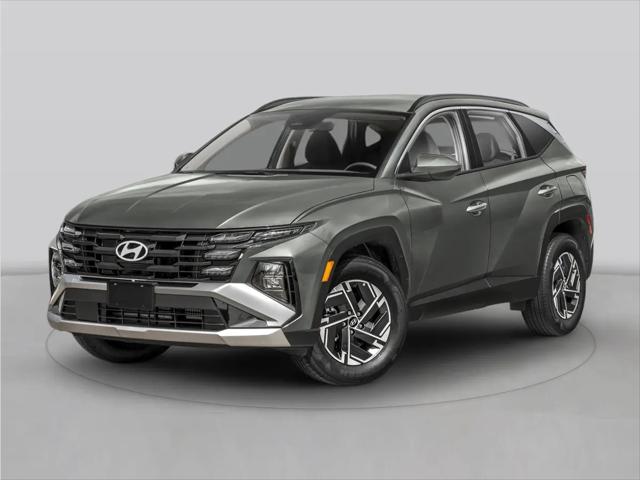
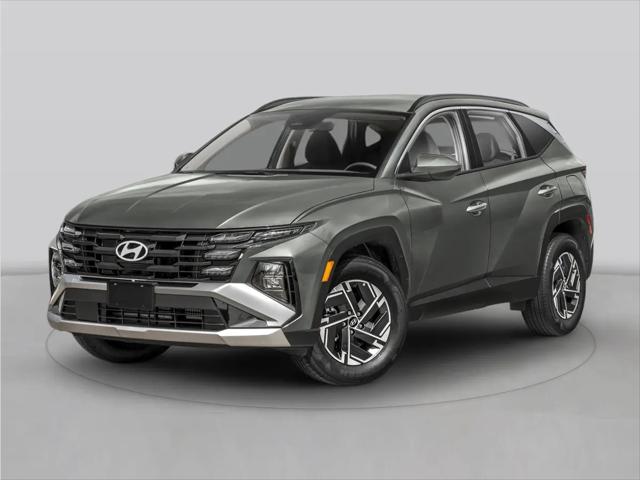
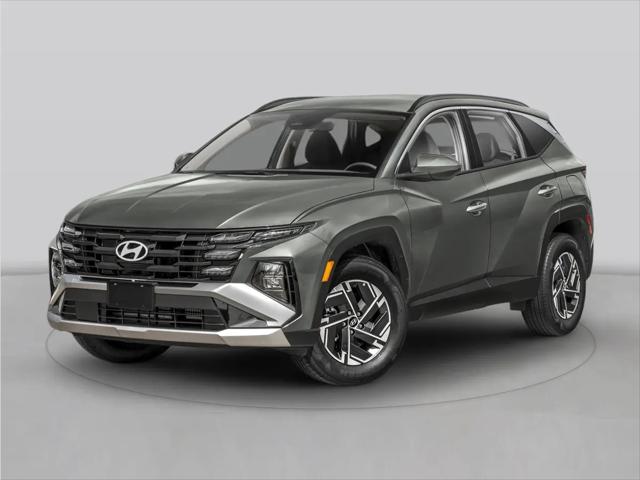
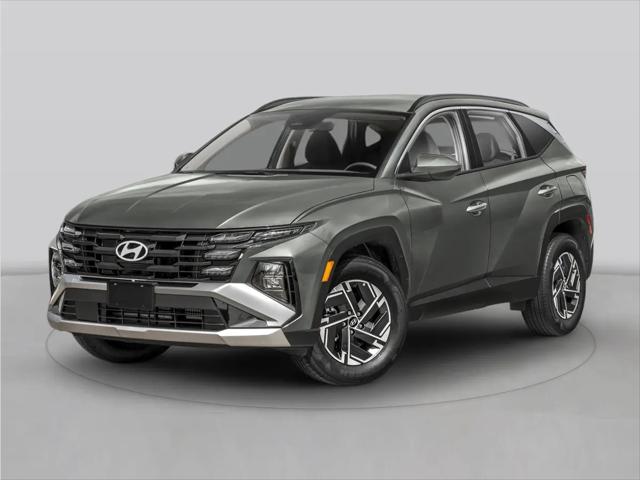
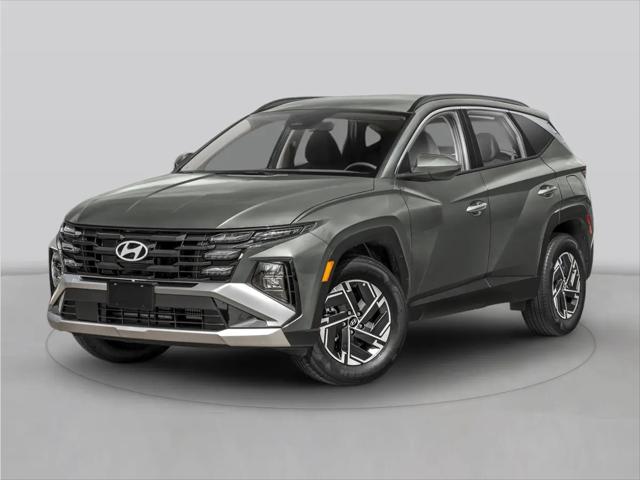
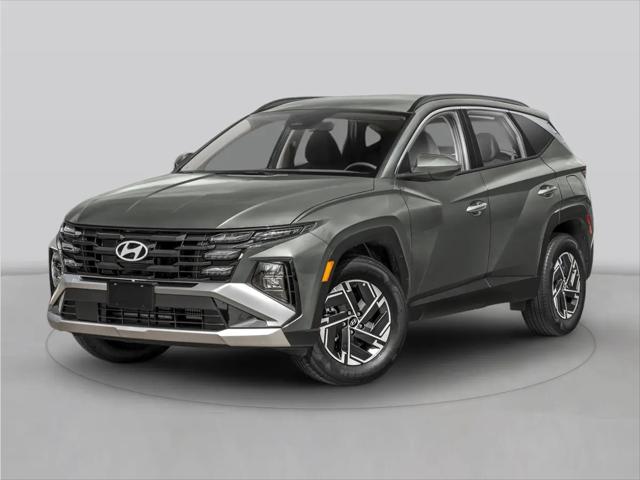
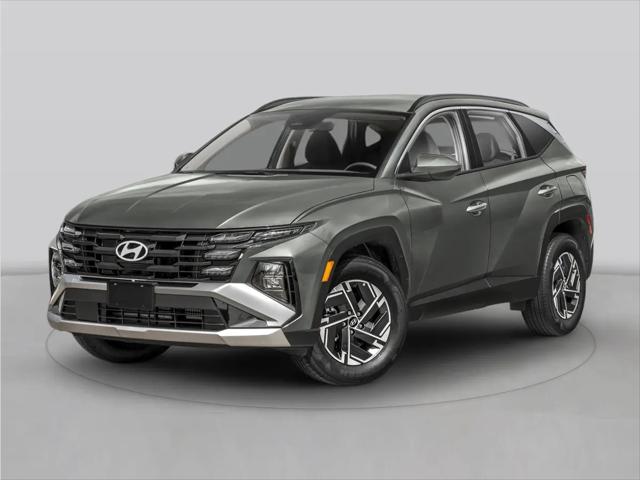
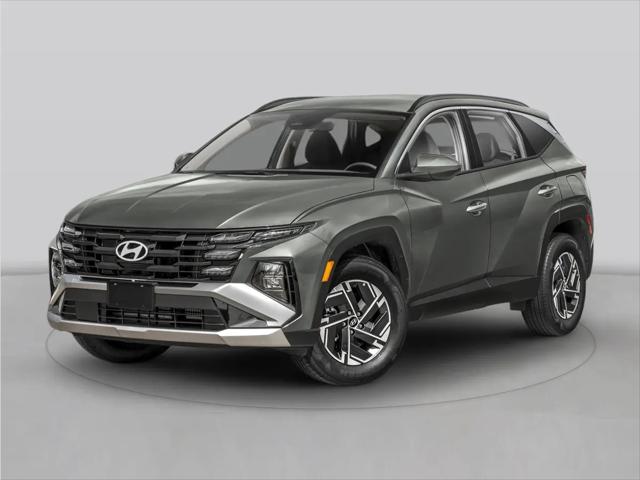
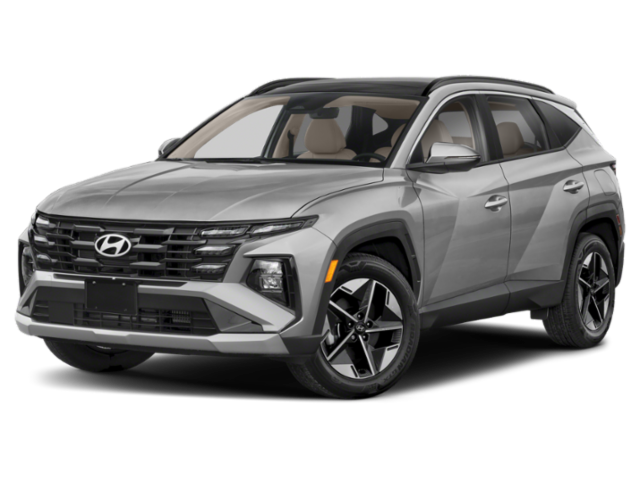
It is hard to beat the 2026 Hyundai Tucson Hybrid. It is among the most spacious compact SUVs on the market, especially when it comes to cargo capacity; it has an attractive, well-equipped interior with ample storage and technology; and its hybrid powertrain delivers stronger performance and better fuel economy than the Tucson’s gas-only version, even though if it fell short of EPA estimates in my testing. Name a box, and it probably checks it.
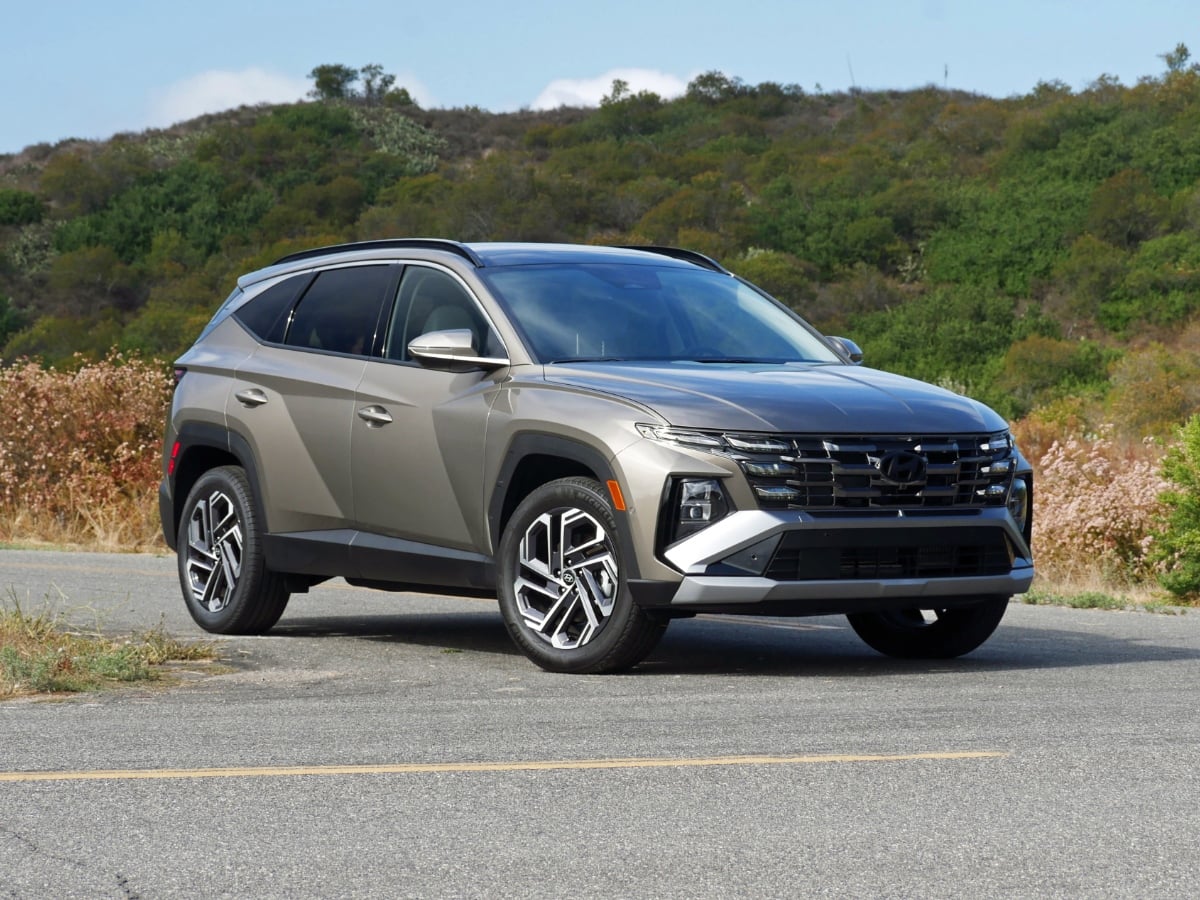
Photo: James Riswick
The biggest change for the 2026 Tucson Hybrid concerns its trim level lineup. A new SE base trim debuts, the old Blue trim is renamed SEL, and the sporty-looking N-Line is discontinued.
As such, the lineup now includes the SE, SEL, SEL Convenience, and the Limited. Base prices range from about $33,000 to around $44,000, including the destination charge.
For this 2026 Tucson Hybrid review, Hyundai provided a test vehicle equipped with Limited trim and no options. The test vehicle’s manufacturer suggested retail price (MSRP) was $44,075, including the $1,650 destination charge. The price does not reflect any current rebates, incentives, or price adjustments since Hyundai manufactured the crossover SUV in Ulsan, South Korea.
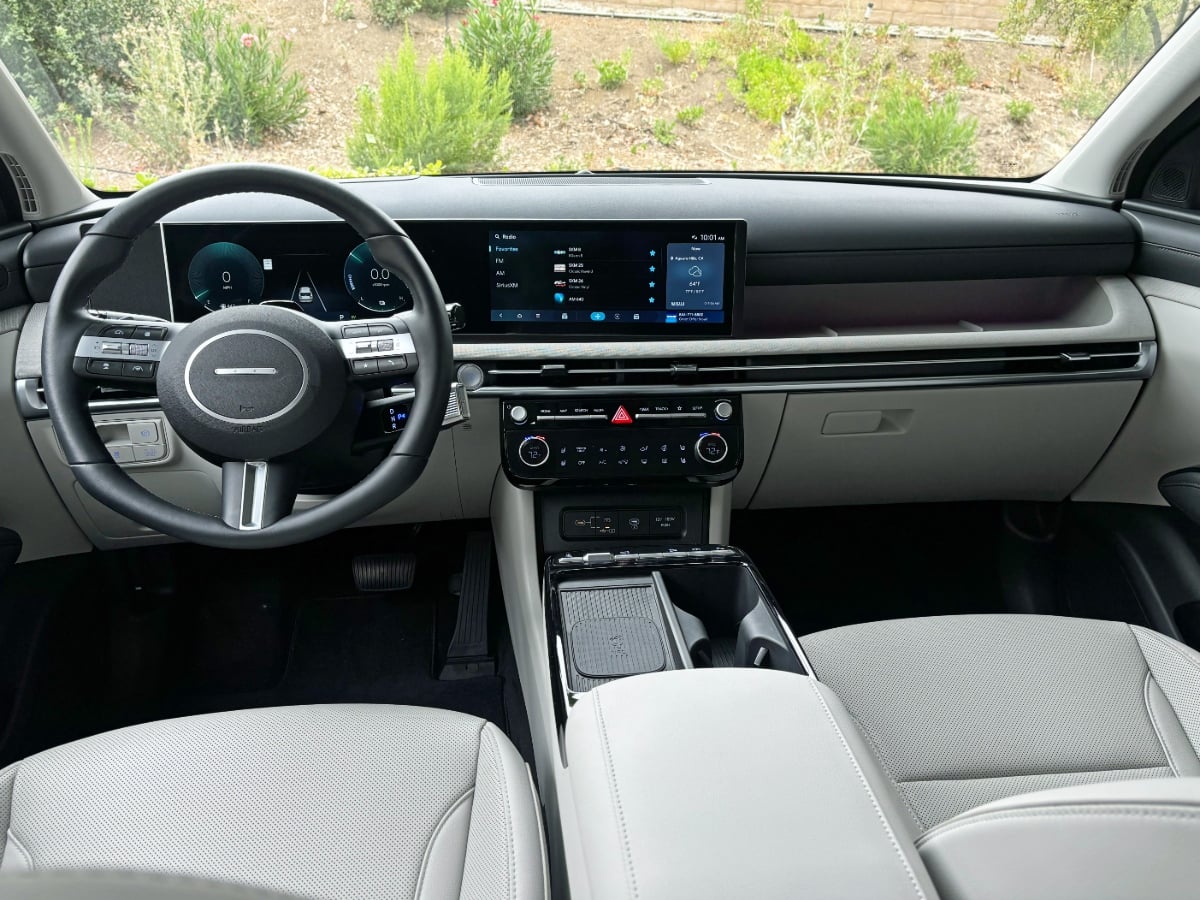
Photo: James Riswick
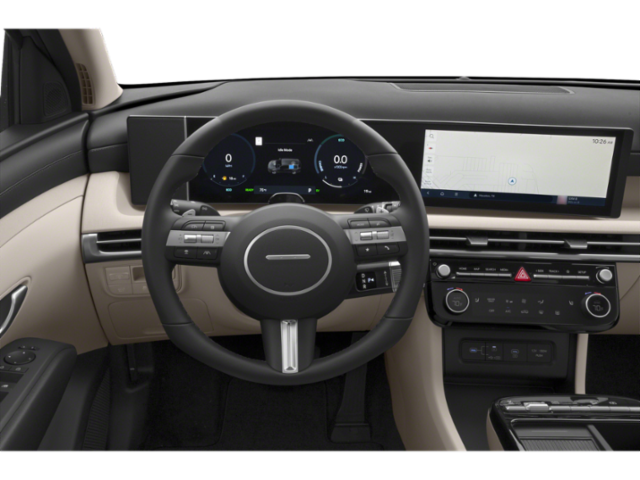
The Tucson Hybrid’s interior features high quality materials throughout, including padded and stitched simulated leather on the dashboard and doors, plus a pretty fabric trim across the middle of the dashboard in my Limited test vehicle. Opting for a two-tone gray interior spruces up the look considerably, though I would be concerned that such a light gray leather would look dirty over time. The simulated leather available in the two SEL trims may fare better.
Most Tucson Hybrid trims have an eight-way power driver’s seat, which provides plenty of adjustability for this 6-foot-3 driver and endless comfort during more than 1,000 miles of driving, including a pair of six-plus-hour jaunts between San Francisco and northwest Los Angeles County. The back seat is also spacious, with plenty of legroom for me to sit behind the driver's seat and for my 5-year-old son’s legs to dangle from his child seat. Fitting that seat and getting it inside was easy.
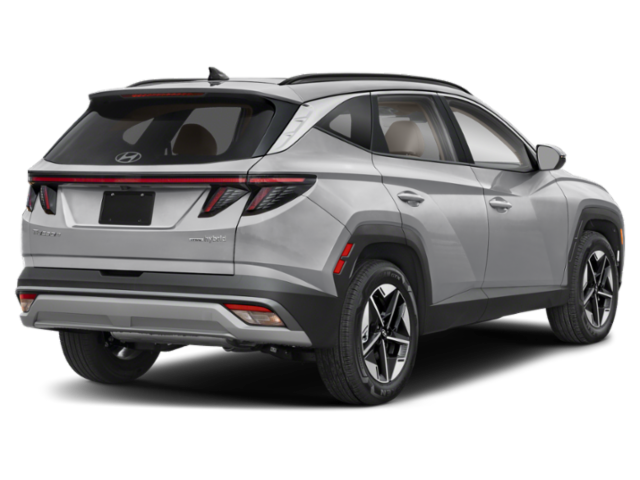
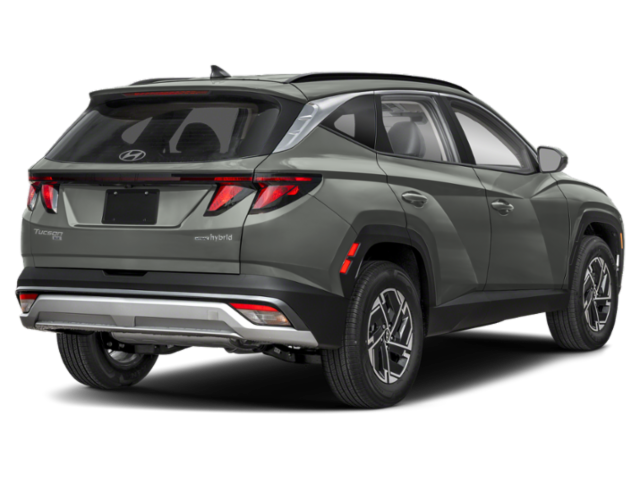
Cargo space is exceptional. The Tucson Hybrid offers 38.7 cubic feet behind the raised back seat, matching the gas-only model. However, it does lose the gas-only Tucson’s spare tire. The Toyota RAV4 and Kia Sportage hybrids retain their spares. Among compact SUVs, only the Sportage and the non-hybrid Honda CR-V can top the Tucson’s cargo volume, a fact I confirmed in my own comprehensive cargo area testing. You have stuff to carry? The Tucson is a great choice.
That goes double for small items. I found the Tucson Hybrid’s interior storage to be best-in-class. Unlike other models, where the area under the console is fully bridged over, there is a wide gap between the console and the dashboard, making the grippy, compartmentalized area more accessible and therefore usable. The cupholders are also big and secure enough for a 40-ounce jumbo mug and a wine-bottle-sized water bottle.
In general, I am a big fan of the phone-holding pad placed right at hand on the center console (the Limited has wireless smartphone charging). There was no way I was going to forget my phone. That said, its placement often put my phone in direct sunlight. Combined with the slightly too powerful wireless charger, my phone warned me about overheating on multiple occasions during my lengthy road trips.
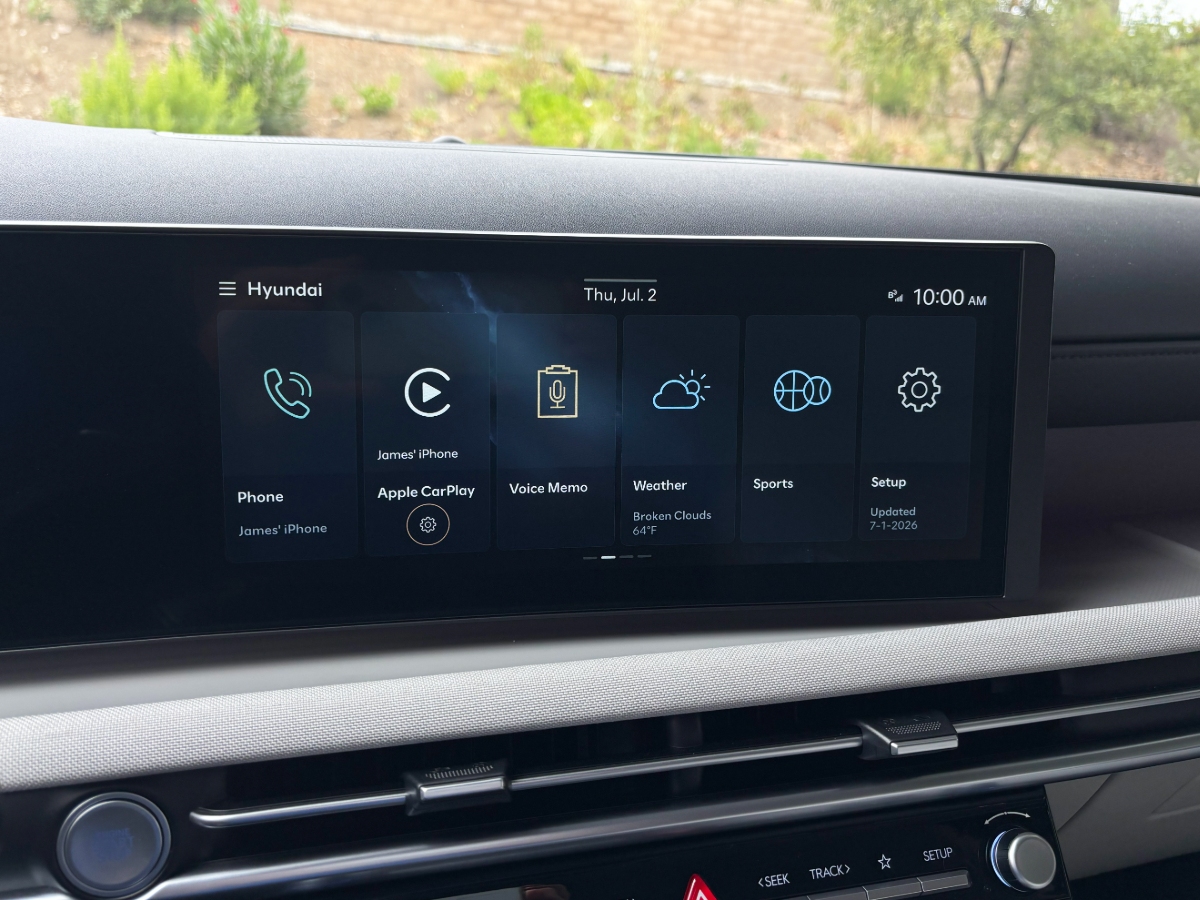
Photo: James Riswick
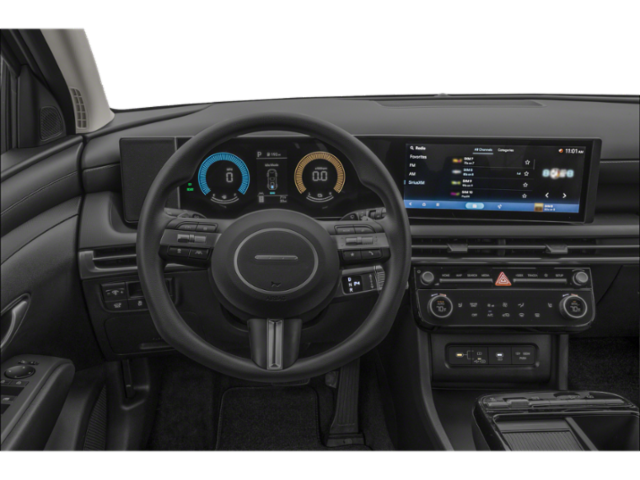
Every 2026 Tucson Hybrid comes with a 12.3-inch touchscreen housed in the same extra-wide housing as the digital instrument panel. However, the panel's look, functionality, and customization options depend on the vehicle trim.
Standard infotainment features include:
The Limited trim adds the following:
First, this touchscreen does not have to house the climate controls, which have dedicated temperature-adjustment knobs and a perfectly acceptable touch panel of their own. It also has physical infotainment menu shortcuts, along with a volume and tuning/selection knob. Big thumbs up here. The touchscreen itself is also well laid out, with crisp graphics and quick responses. Kudos to Hyundai for also making the largest and best touchscreen standard.
I once again noticed a glitch with Hyundai’s system. Switching back and forth between the Apple CarPlay screen (for Google Maps, specifically) and the SiriusXM radio app can cause the system to automatically play whatever was last streaming on my iPhone, like my white noise app, instead of continuing to play SiriusXM. This is not normal. Although there was one specific button/menu selection I could use to prevent it, it was not intuitive, and this is still a glitch that needs a fix.
On a positive note, I liked using the Limited’s navigation system during my road trip. The POI search functionality cannot compare to Google Maps, and it would be nice if it offered multiple route options. Still, I think the graphics are better than Google’s. The directions appear on the instrument panel, and there are nice touches like automatically displaying how far away the next rest area is. I also liked the split-screen capability that showed my location with two zoom/orientation selections.
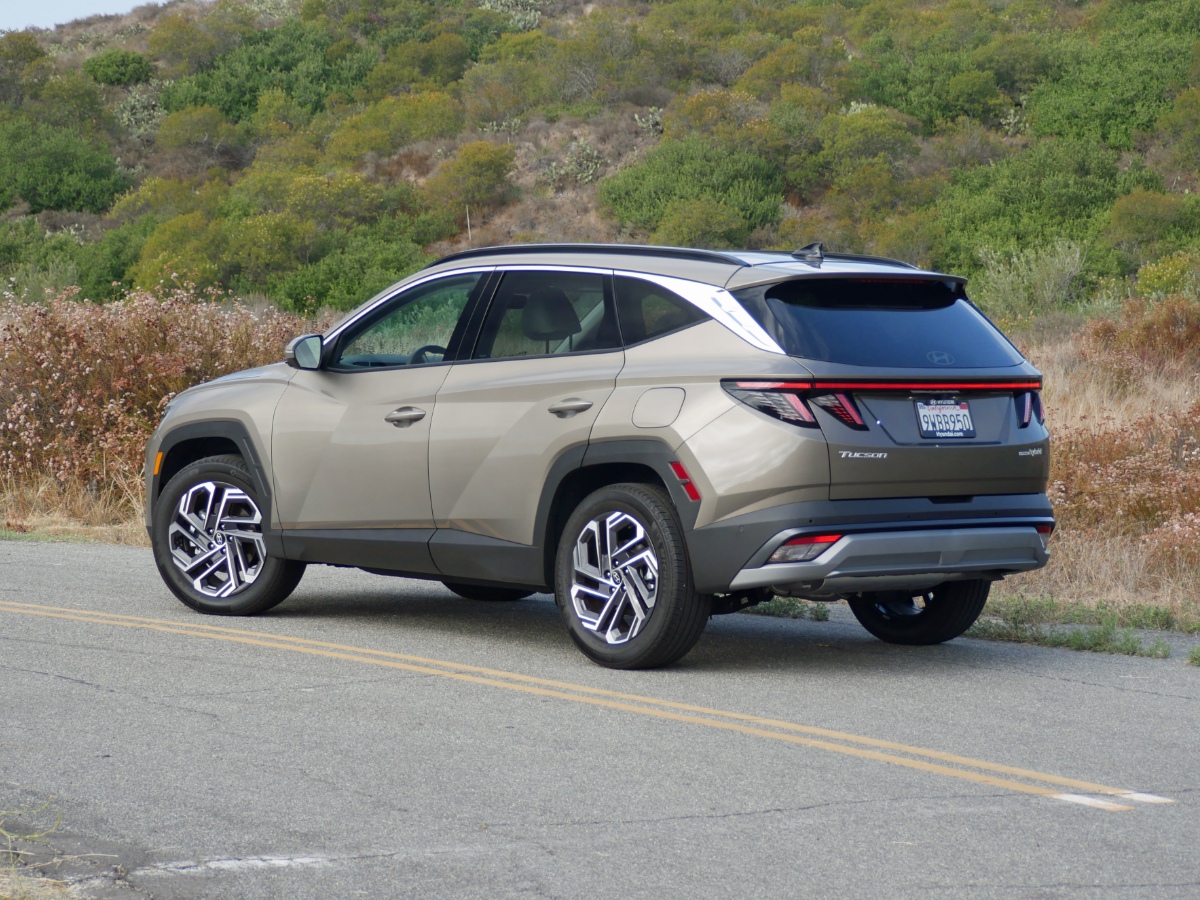
Photo: James Riswick
The Tucson Hybrid does not just provide better fuel economy than the gas-only model; it is also considerably more powerful. The hybrid has 231 horsepower and 271 pound-feet of torque, versus 187 hp and 178 pound-feet for the gas-only engine. That is a difference you can absolutely notice and appreciate; acceleration is not only much better, but it is also smoother and sounds much better.
According to the Environmental Protection Agency (EPA), the Tucson Hybrid with all-wheel drive (AWD) is estimated to deliver 36 mpg combined. However, I only managed 31.9 mpg over 1,066 miles, including 33 mpg on my L.A.-to-San-Francisco road trip. That is certainly disappointing, but there is some context to consider.
First, the AWD gas-only Tucson gets only an EPA-estimated 26 mpg and achieved 24 mpg during my test of a 2025 Tucson XRT. As such, I still saw an almost 8-mpg difference between the gas-only and hybrid Tucsons I tested.
Second, the difference between my observed fuel economy and the EPA estimates is not that large in terms of gasoline consumption. If you compare the EPA’s annual fuel cost estimates for the Tucson Hybrid with those for the Nissan Rogue, which has a 32-mpg combined estimate, the difference is only $200. So, while it is not great news, it is not damning either.
Furthermore, even if other hybrid SUVs burn less gas, I think that is an acceptable trade-off given that the Tucson Hybrid’s combination of a turbocharged engine, electric motor, and conventional six-speed automatic transmission delivers a smooth, torque-rich punch off the line and when passing on the highway. It feels more like a performance upgrade, and less like a hybrid, and I was happy to have it on my road trips instead of a Honda CR-V, a Mazda CX-50 Hybrid, or a Toyota RAV4.
Now, I cannot say the overall driving experience is as engaging as what the Honda and Mazda provide. The steering, in particular, lacks their feedback. However, the Tucson still held its own on the challenging, high-speed, twisting ribbon of road that is the Rim of the World Highway in the mountains northeast of Los Angeles. Plus, its ride was far more composed over big bumps than the Kia Sportage Hybrid’s, and plusher than the CX-50 and Jeep Cherokee’s.
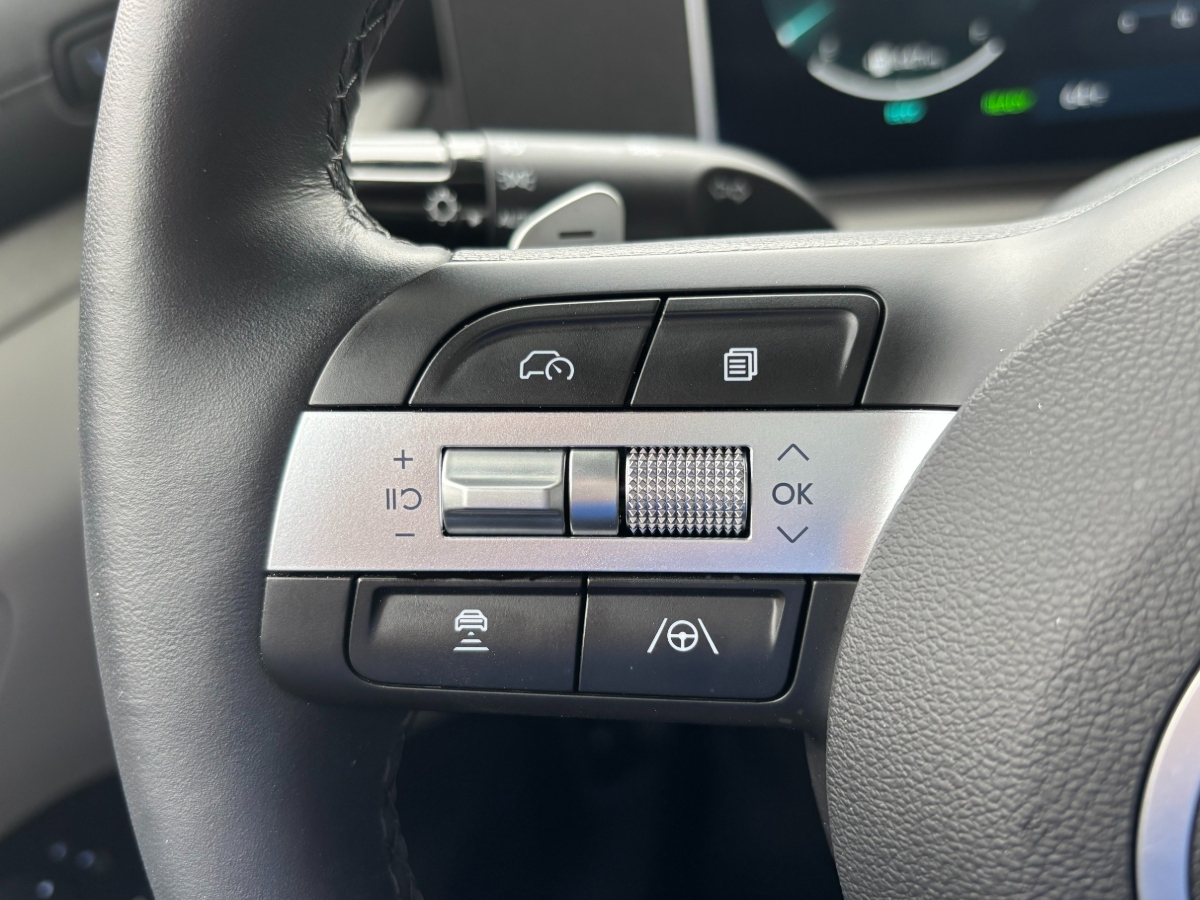
Photo: James Riswick
The 2026 Hyundai Tucson Hybrid comes standard with a comprehensive set of advanced driver assistance systems (ADAS) that are well executed. It includes:
The Limited adds:
Among all these features, I experienced no hyperactivity or false alarms. I happily kept the lane keeping system on, and even the Limited’s camera-based driver monitoring system did not nanny me to “pay attention!” every time I dared to glance at the touchscreen or at a mountain in the distance (unlike Toyota’s infuriating system).
I also put the ACC through a rigorous test during my 1,066 miles in the Tucson Hybrid. It is one of the best hands-on ACC systems, with smart distance control that behaves more like a human driver. It proactively slows when traffic ahead is slowing, rather than braking harder and later when the selected minimum distance is reached. The lane centering assistance did most of the steering as long as I kept a light hand on the wheel.
I cannot say I loved the Limited’s added navigation-based curve slowing function which was often excessive. However, in the realm of driver assistance critiques, that is a pretty soft “con.”
Regarding safety ratings, the 2026 Tucson Hybrid earned five out of five stars for overall safety from the National Highway Traffic Safety Administration (NHTSA). The Insurance Institute for Highway Safety (IIHS) also named it a “Top Safety Pick+” for the 2026 calendar year for its high scores across most crash protection and prevention categories.
According to the JD Power 2026 Initial Quality Study (IQS), the Nissan Rogue ranks highest in the Compact SUV segment, with the Ford Escape and Buick Envision ranked second and third, respectively.
According to the JD Power 2026 Automotive Performance, Execution and Layout (APEAL) Study, the Toyota RAV4 ranks highest in the Compact SUV segment, with the Nissan Rogue and Kia Sportage ranked second and third, respectively.
Other 2026 Tucson competitors include the Chevrolet Equinox, Honda CR-V, and Jeep Cherokee.
If you are looking to maximize your gas savings with a hybrid SUV, the Tucson is not the best choice. However, this compact SUV is so good at so many things, and its hybrid powertrain offers such an appreciable performance upgrade over the gas-only model and other hybrids, that I would happily live with a slightly disappointing mpg reading on the instrument panel.
James Riswick has been testing and reviewing cars since 2007 and has served as an editor at Edmunds and Autoblog. In addition to jdpower.com, he has also contributed to Autotrader, Autoguide Magazine, Auto Express, Capital One Auto Navigator, Car and Driver, and Hagerty. He resides in Southern California and owns a 1998 BMW Z3, a 2013 Mercedes-Benz E350 Wagon, and a 2025 Cadillac Optiq.