
Chances are, if you are not an avid off-road adventurer, the term “skid plate” means little to you. But for those who enjoy crawling over rocky landscapes and navigating trails of rough terrain, skid plates are perhaps the first and most critical line of defense to safeguard a vehicle from getting damaged where it's most vulnerable—its undercarriage.

For many, off-roading is a serious pastime that challenges their four-wheel-drive (4WD) vehicles to go off the beaten path, often consisting of dirt, mud, gravel, sand, rocks, and steep grading. It also requires the driver to have specific technical skills and the desire to push the limits of their vehicle's capabilities in torque, traction, articulation, shock absorption, and clearance.
But regardless of how experienced the driver is and how capable the vehicle may be, proper off-roading requires specialized equipment to withstand the harshness of a rugged and unforgiving wilderness environment. As such, skid plates are essential to this extreme motorized activity, whether at a local off-road park or while traversing the legendary Rubicon Trail.
Skid plates are metal shields installed underneath a vehicle to prevent potential impact damage from rocks and other rigid objects often encountered during off-road driving. Acting as upside-down turtle shells, they are typically located just in front of the cross-member, extending forward to the front bumper and below the transfer case, the fuel tank, and the rear axle.
Skid plates serve as protective armor for components such as the transmission, exhaust system, fuel tank, differentials, and other exposed areas susceptible to cracking or punctures when the vehicle's underside comes into contact with obstacles jutting from the ground. The plates also deflect debris that may fly into vital components, including the engine bay, which could cause mechanical damage.
Skid plates are primarily for vehicles intending to go off-road. They are made to withstand direct hits that would otherwise cause breakage. Therefore, they are generally made from high-strength steel (1/8-inch or 3/16-inch) or aircraft-grade aluminum. They are factory-installed by an OEM or purchased and installed as an aftermarket bolt-on accessory.
Without skid plates, any potential body blow to the undercarriage could result in costly damage to the vehicle. Beyond that, vehicle breakage could leave you stranded in the wilderness with no cell signal. However, skid plates can't protect against every underside impact. Hard collisions have been known to dent, bend, or even break skid plates from time to time.
Aside from the primary purpose of protecting the drivetrain and vital mechanical components under the vehicle, skid plates offer other direct and indirect advantages:
Although skid plates mainly provide an upside for the vehicle, there are a few downfalls:
Consider removing the skid plates if the downsides outweigh the upsides or if you stop off-roading altogether. In that case, there's no need for them.
Many owners will never drive their SUVs off-road, so in many cases, skid plates are unnecessary. But they undoubtedly grant a more rugged and tough-looking vehicle exterior at the front and rear.
For that reason, many OEMs add fake skid plates as part of a vehicle's aesthetic. Automakers build these simulated skid plates into the plastic front and rear fascias simply for their appearance. They will offer the vehicle no extra protection in an off-roading scenario, but they look good.
Aside from skid plates, there is some other protective lower vehicle body equipment used by off-roading enthusiasts:
Skid plates are essential for anyone who frequently drives in off-road environments. They provide protection, capability, peace of mind, resale value, and a rugged look befitting any outdoor adventure.
To learn more about various automotive topics, visit the Shopping Guides section of the website.
Jessica Shea Choksey is an experienced writer in the automotive field. In addition to JDPower.com, she was a correspondent for PBS's MotorWeek, and her work has appeared on AutoTrader.


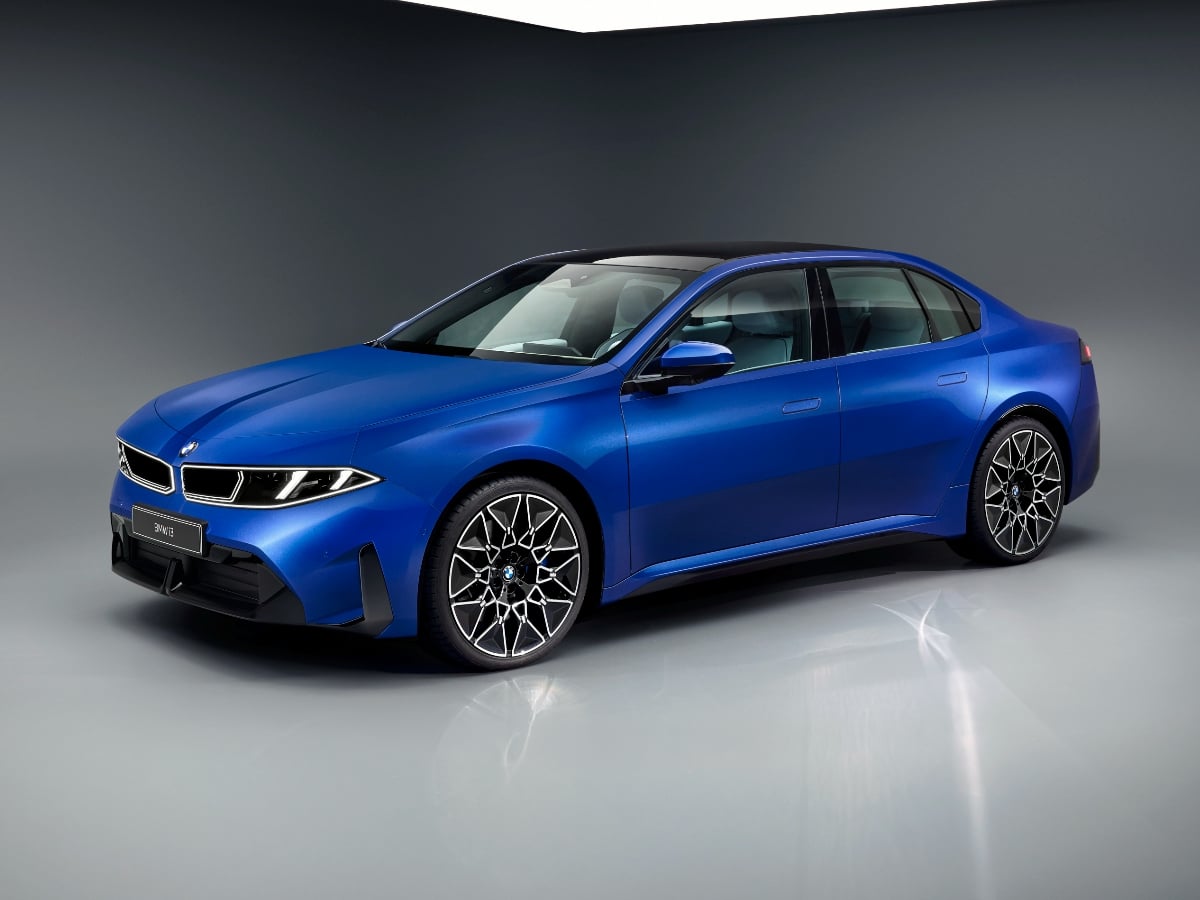
The new 2027 BMW i3 boasts an estimated range of up to 440 miles, 400-kilowatt DC fast charging capability, bidirectional charging to a home or the grid, and next-generation technology.
Read the Full Article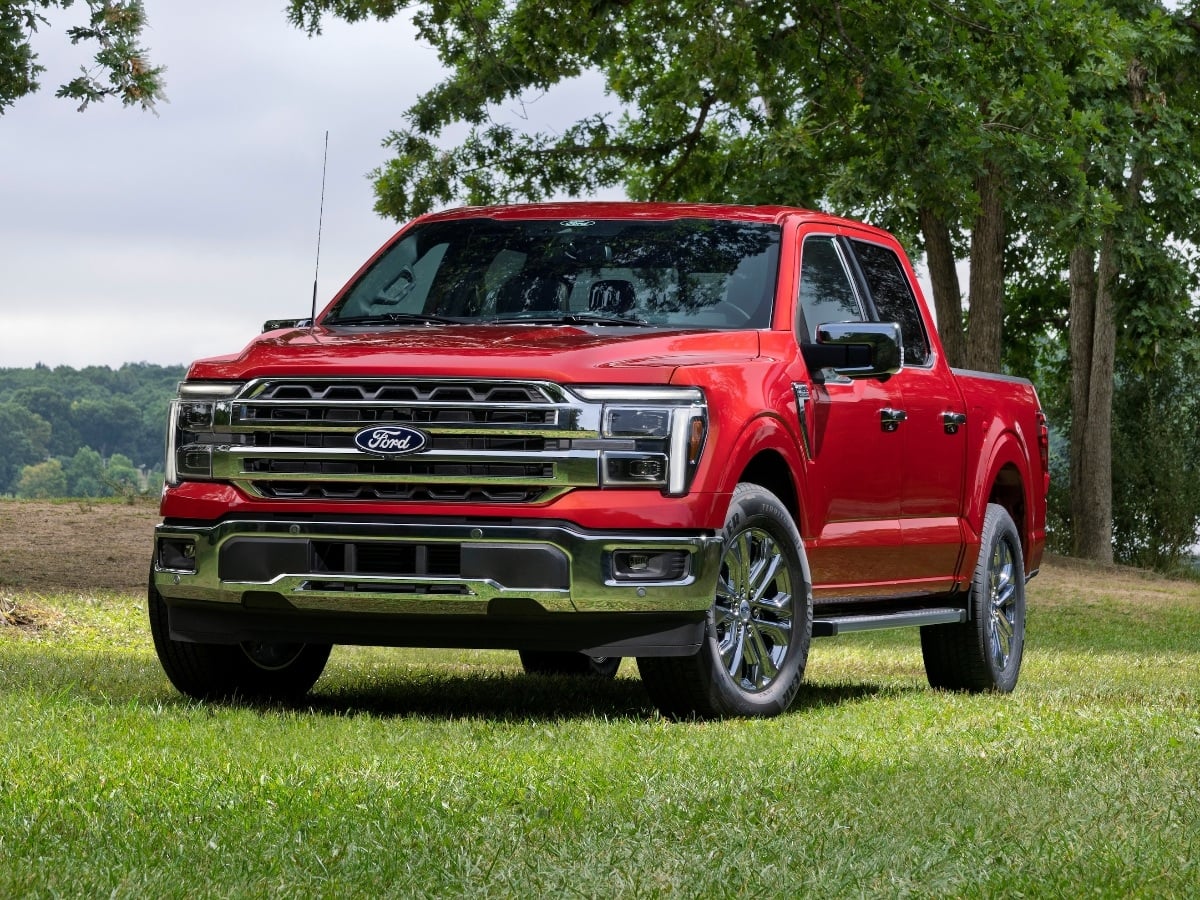
Facing renewed competition in the full-size, light duty pickup truck segment, the 2027 Ford F-150 receives subtle styling updates, a new standard engine, broader availability of its 5.0-liter V8, and ...See More
Read the Full Article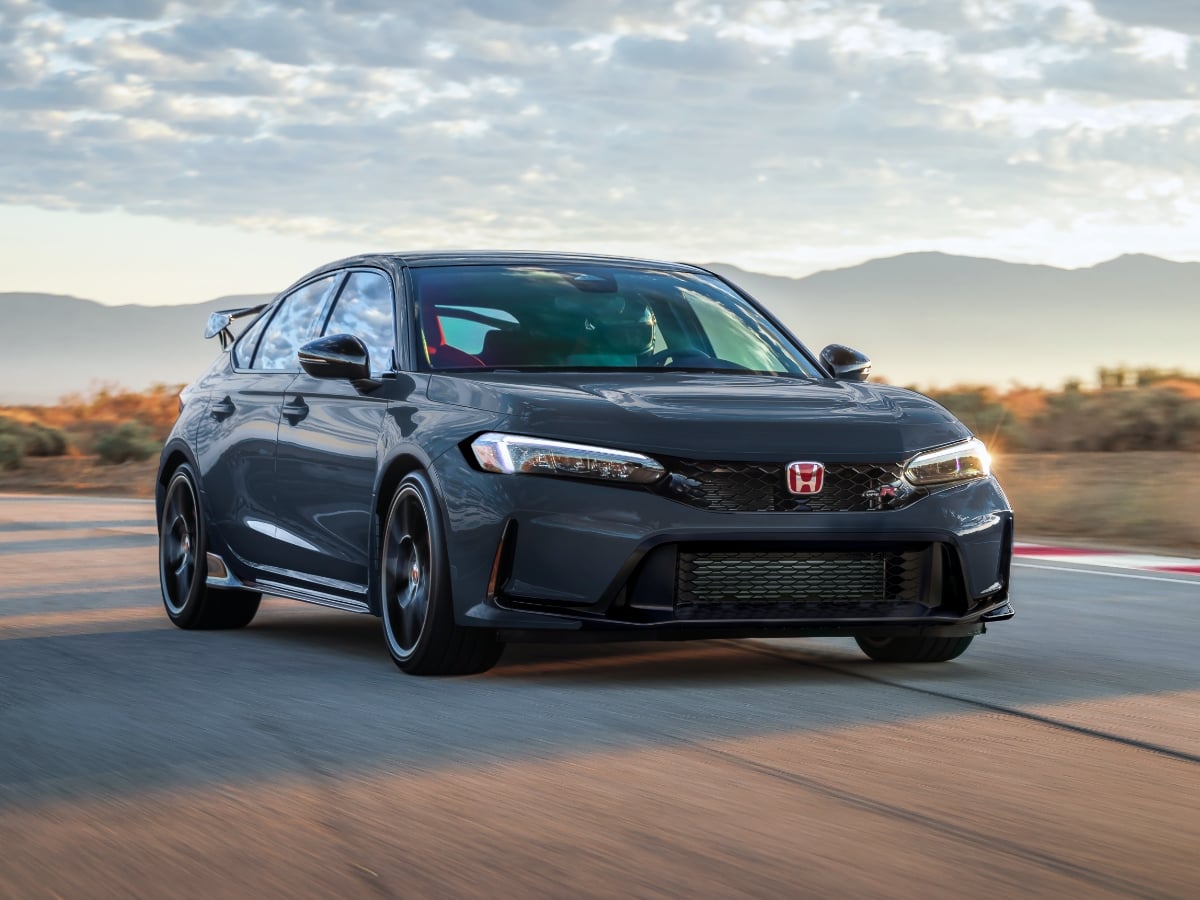
The 2027 Civic Type R goes on sale in October 2026, and it starts at $49,990, including the $1,295 destination charge.
Read the Full Article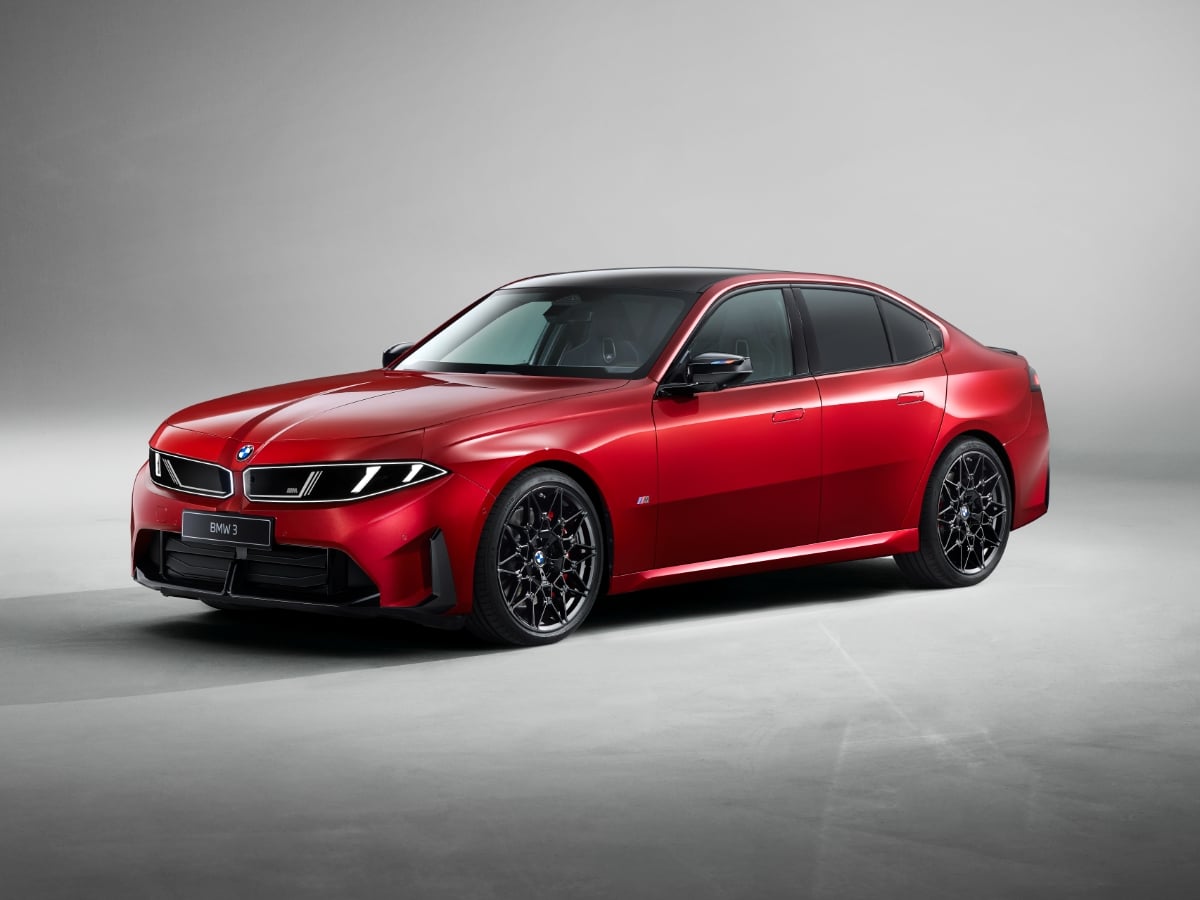
Part of BMW’s Neue Klasse (new class) rollout of redesigned models, the 2027 BMW 3 Series is all-new and goes on sale in the first quarter of 2027.
Read the Full Article