21 - 42
27 - 35
191 - 250
1 speed, CVT w/OD, 7 speed, Automatic w/OD, 8 speed, Automatic w/OD
Gas/Electric I-4, Intercooled Turbo Premium Gasoline I-4
All Wheel Drive, Front Wheel Drive
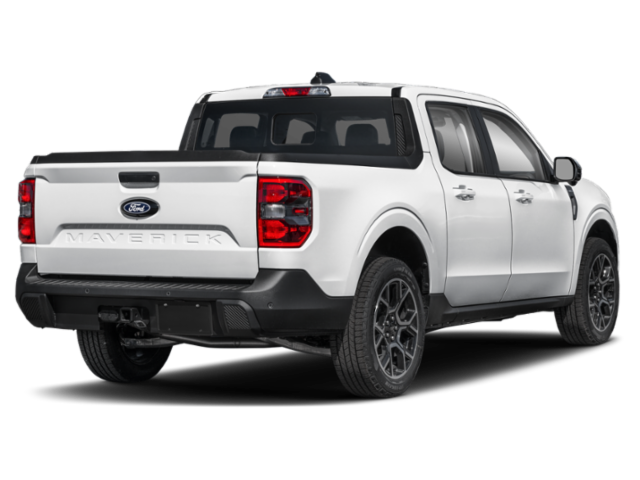
It's rare in today's highly competitive new-vehicle market for a new model to become a bestseller and essentially have a segment to itself. But that's precisely what Ford achieved in 2022 with the Maverick. In a pickup truck market that had become increasingly expensive, with larger offerings that did not align with the genuine needs of a significant group of buyers, the 2022 Maverick was a game changer.
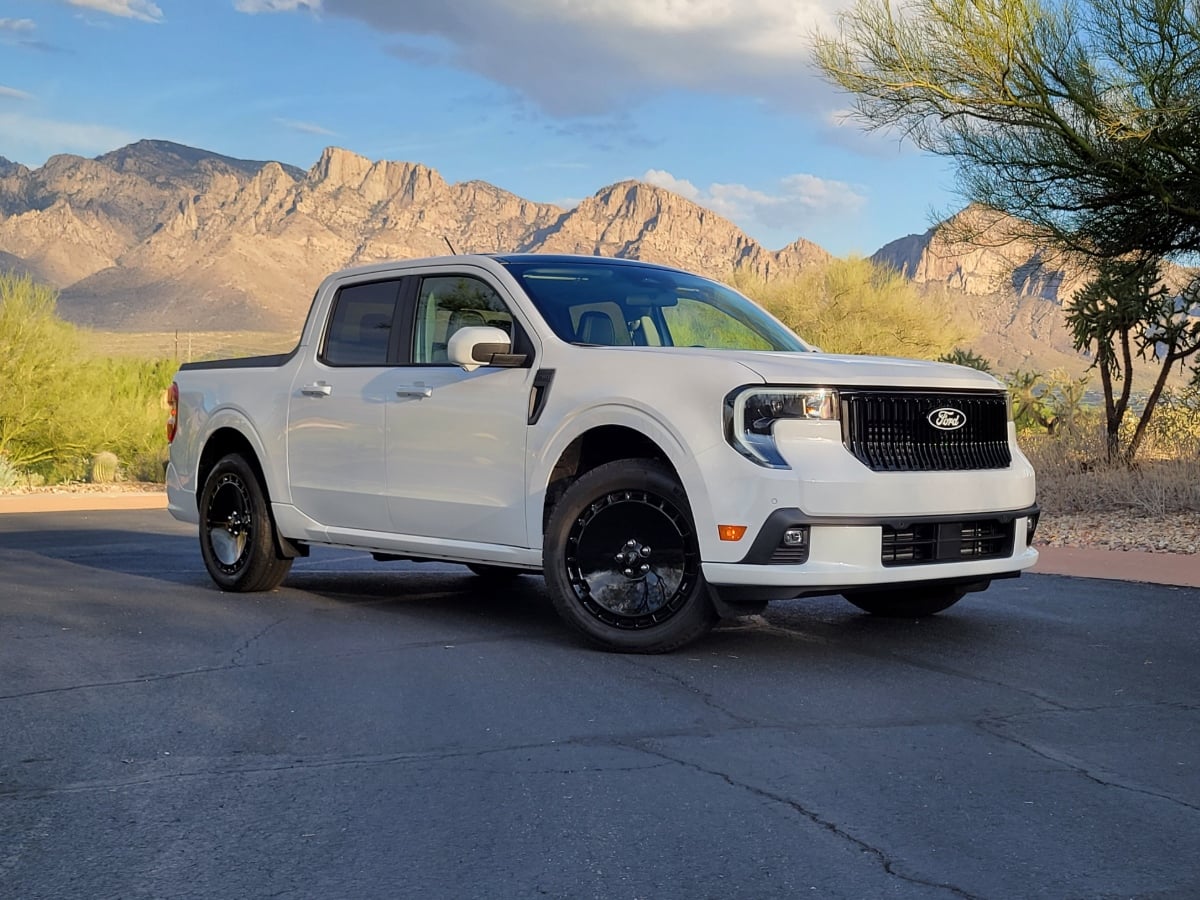
Photo: Ron Sessions
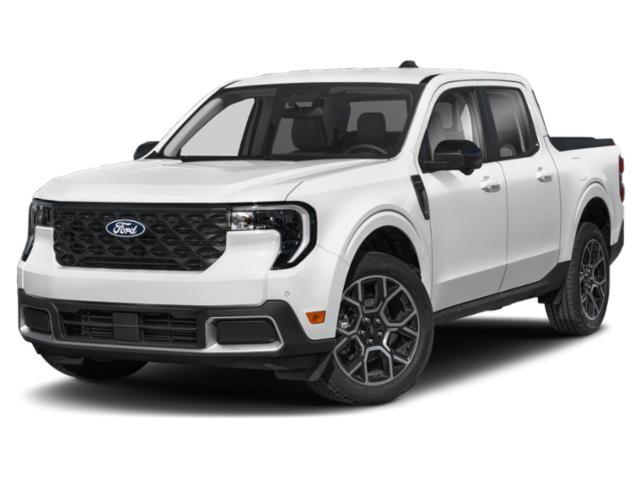
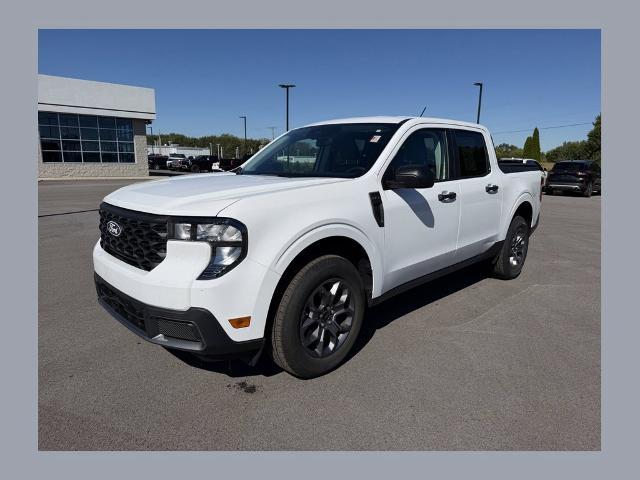
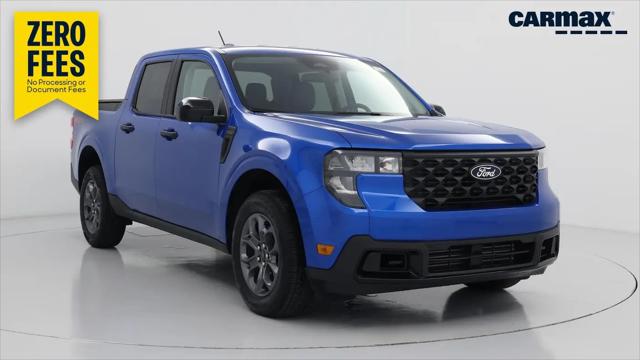
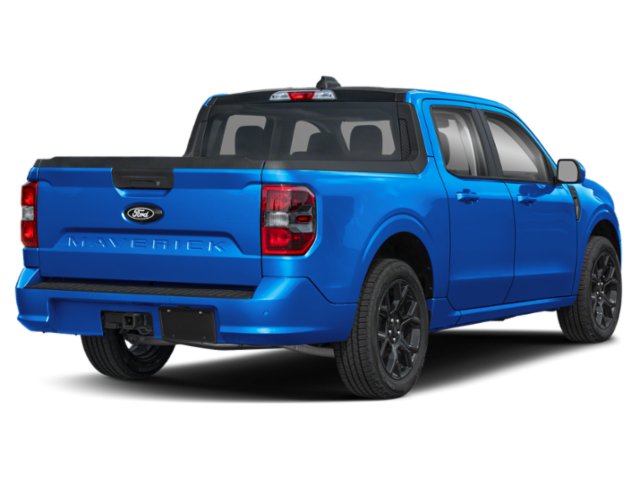
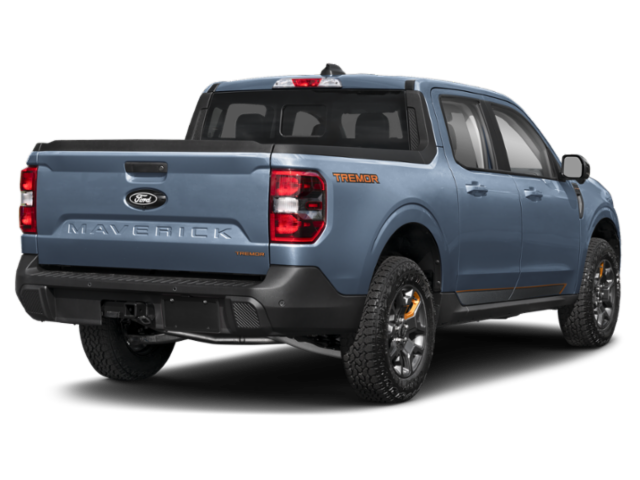
Fast forward to 2025, and the Maverick family has expanded from three to five trim levels, including the base XL, mid-level XLT, and more upscale Lariat, along with the off-road-capable Tremor and the new street performance Lobo. Base prices for the 2025 Ford Maverick range from $29,840 to $42,690, including the $1,695 destination charge.
A significant part of the Maverick's appeal, aside from its compact size and starting price under $30,000, is its fuel-efficient standard gas-electric hybrid powertrain, available in XL, XLT, and Lariat trims. Previously, Ford only offered the hybrid with front-wheel drive. For 2025, Ford adds all-wheel-drive (AWD) availability to the hybrid Maverick models. Besides the clear benefits of AWD for all-weather and off-road driving, hybrid models can tow up to 4,000 pounds when equipped with the available 4K Tow package.
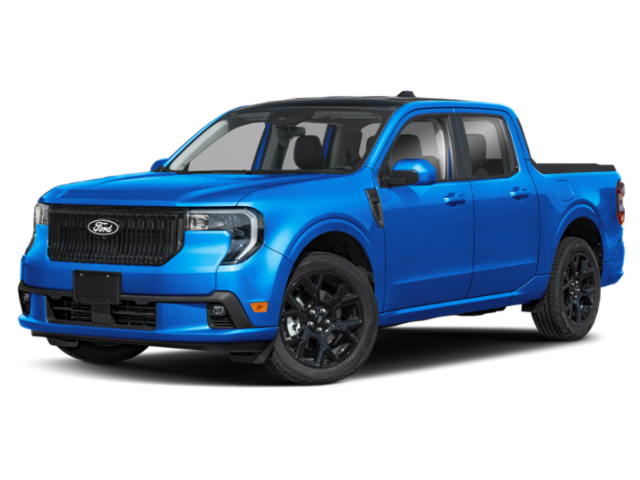
Previously, JD Power reviewed a 2022 Maverick XLT Hybrid and then a 2023 Maverick Tremor. The Lobo is a new trim for the 2025 model year, targeting the street performance market that automakers have delegated mainly to the aftermarket in recent years. Now, Ford is capitalizing on it with a stylish, factory-built street truck that comes with dozens of factory-installed accessories.
The Lobo comes standard with all XLT comfort, convenience, and driver assistance features, and includes the following upgrades:
For this 2025 Maverick review, Ford provided a test vehicle equipped with Lobo trim and the 702A (Lobo High) Equipment Group, which includes the following upgrade features:
The test vehicle's manufacturer's suggested retail price (MSRP) was $43,120, including the $1,695 destination charge to ship the truck to your local dealership from the Hermosillo, Sonora, Mexico, assembly plant.
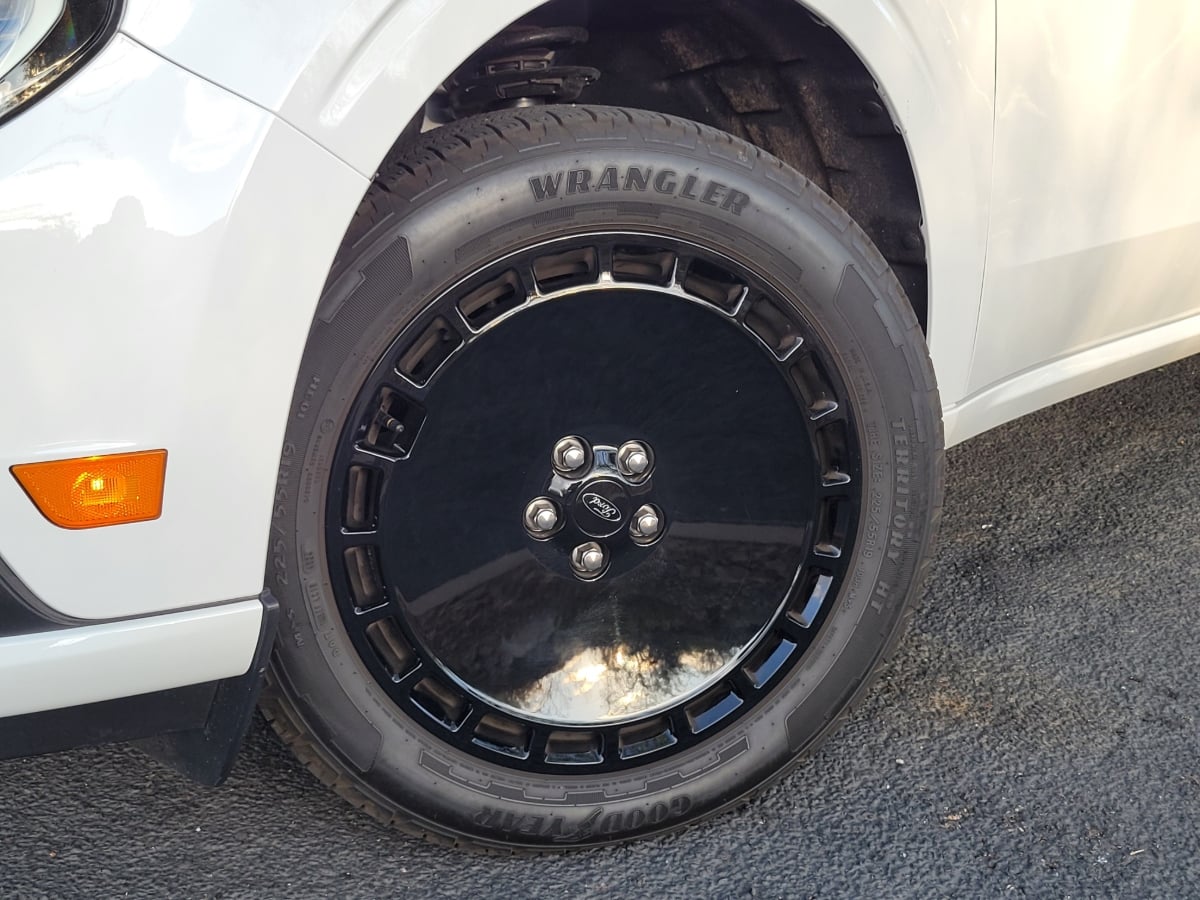
Photo: Ron Sessions
Just when you thought Ford was going to follow the industry trend of offering woodsy-sounding off-road variants with knobby tires, black cladding, and raised ground clearance, the company introduces a lowered, streetwise Maverick onto the pavement. More than just a throwback to low-riding SEMA Show concept trucks from 25 years ago, the 2025 Maverick Lobo is real. It's slammed, too, although not as much as those frame-scraping exercises from the past.
This one is authentic, and buyers can purchase it new, as is, directly from the showroom floor. Ford equipped a 250-horsepower, turbocharged 2.0-liter four-cylinder Maverick with AWD and lowered the ride height by 0.5 inches in the front and 1.12 inches at the rear. The minimum ground clearance is reduced by 0.9 inches during this process.
Engineers then mixed and matched components from other models, such as the Lobo's steering rack, the seven-speed automatic transmission, and paddle shifters from Ford’s performance parts bin. Ford also sourced the monotube gas-pressure rear shock absorbers from the Maverick Tremor.
From the European Focus ST, engineers equipped the Maverick Lobo with dual-piston brake calipers, larger pads and rotors, and a twin-clutch rear drive unit. Additionally, to help the Lobo stay cool under pressure, Ford used the larger radiator, engine cooling fan, and transmission cooler from the Maverick's 4K (4,000 pounds) towing package.
The headline performance addition for the Maverick Lobo is the driver-selectable Lobo drive mode. Its purpose includes unconventional pickup truck functions, such as torque vectoring for tackling sharp turns and reduced stability control intervention for drifting. It is recommended for use in closed courses only.

Photo: Ron Sessions
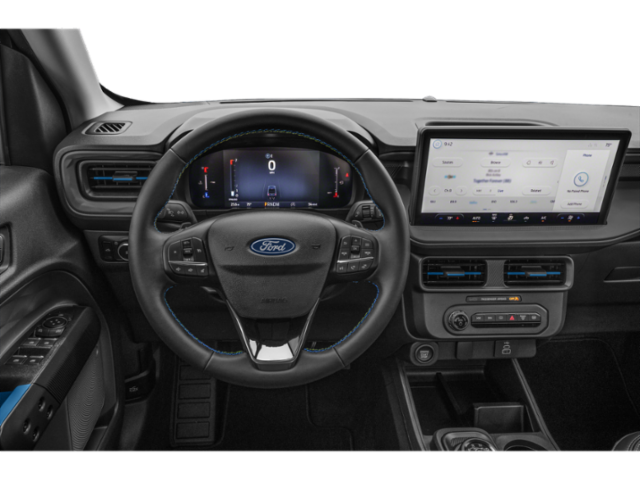
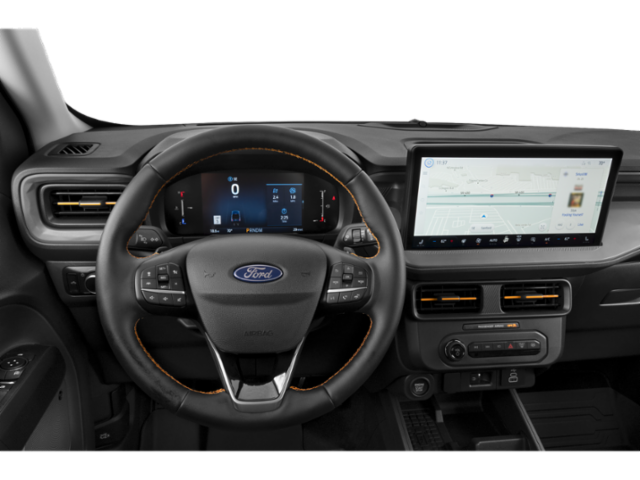
Leading the Maverick's 2025 tech upgrades is a 13.2-inch infotainment touchscreen, which Ford says is the largest in its segment. It replaces the previous 8-inch display and the small, scarcely useful dash cubby to its right. The new screen features brighter colors and more attractive graphics, along with faster response times. The updated Sync 4 system supports wireless Apple CarPlay and wireless Android Auto, eliminating the clutter of USB cables.
Sync 4 also adds cloud-connected navigation and improved voice recognition, which successfully completed a couple of point-of-interest searches on the first try. The new Maverick has a 5G modem onboard for over-the-air software updates.
The move to the larger screen removed the simple volume and tuning knobs from below the old screen, but Ford added a volume knob and tap-left/tap-right hard tuning buttons below the center air vents.
Ford has integrated its advanced towing assist features into the Maverick. The Pro Trailer Hitch Assist lines up the trailer coupler with the hitch using the rear camera and corner radar sensors, while also controlling the truck's throttle, steering, and braking. Once aligned, the Maverick's Pro Trailer Backup Assist allows the driver to steer the truck and trailer using a dashboard-mounted dial, eliminating the guesswork associated with reversing.
Additionally, backing up is easier with the addition of a new surround view camera and front and rear parking sensors in higher Maverick trims. Meanwhile, ACC with stop-and-go capability, lane centering assistance, and traffic sign recognition make their debut.
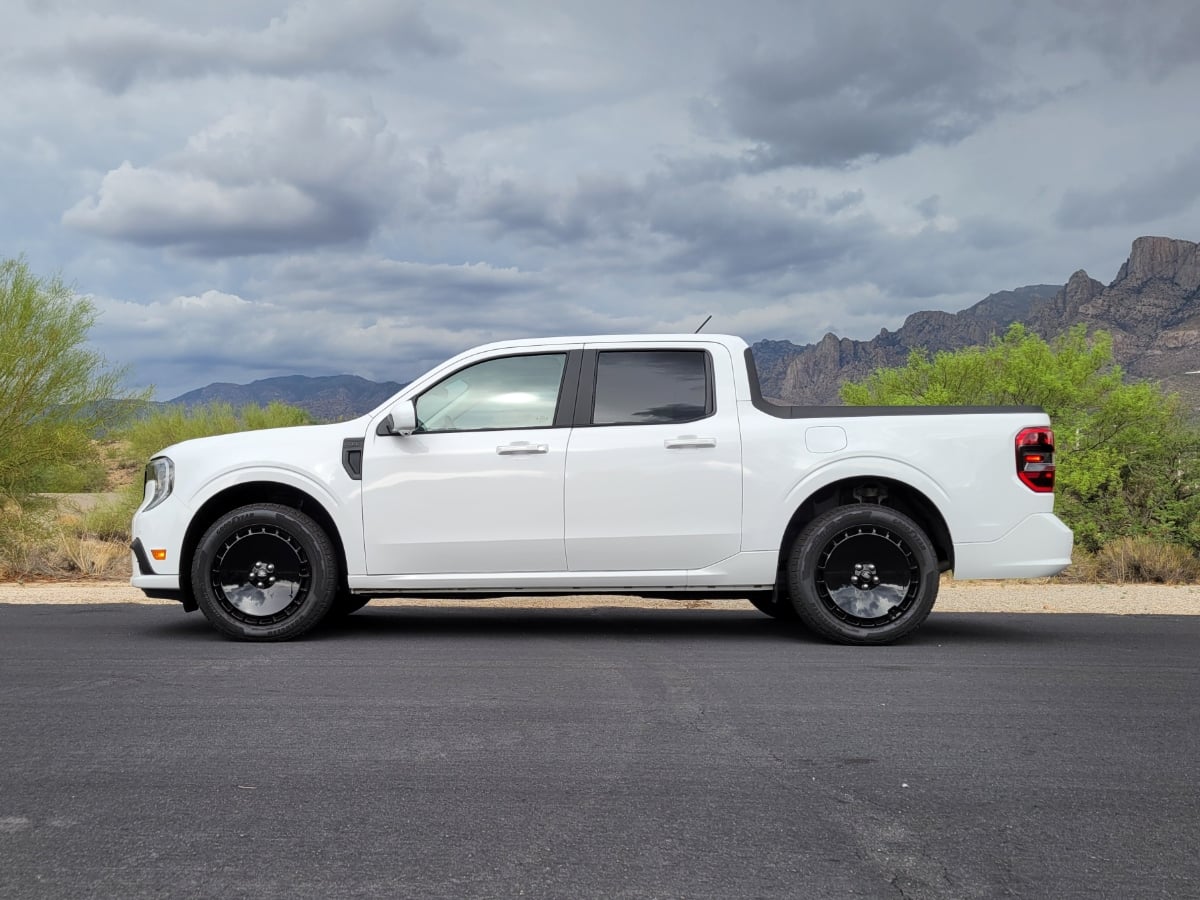
Photo: Ron Sessions
Well, it's no Little Red Riding Hood. The Maverick Lobo's street-performance-tuned suspension provides a firm ride, but it's not overly harsh or jiggly, unlike larger body-on-frame trucks. The electric-boosted rack-and-pinion steering is nicely precise, though it feels a bit wooden when making minor adjustments at the center (switching drive modes doesn't change this). Brake feel is firm with a good top-of-pedal response, smooth operation, easy modulation, and confidence-inspiring deceleration.
One of my favorite Lobo attributes is its deep, baritone exhaust sound, which is lively when accelerating, much like the trombone section opening up in a big band. However, it doesn't drone on at highway speeds. You hardly hear any exhaust rumble from outside the vehicle. The Lobo feels nimble when it's time to move. It reaches sixty miles per hour from a standstill in about six seconds, according to my phone's stopwatch.
As tempting as it is, watch how often you stomp on the accelerator pedal. Over 62 miles of driving on a loop that includes an interstate, city and residential streets, and rural two-lane roads, the Lobo achieved 22.9 mpg, slightly below its EPA combined estimate of 24 mpg. Still, that's better than the fuel economy most mid- or full-size pickups typically achieve.
In normal driving, selecting Lobo drive mode feels similar to another Sport mode, as it holds lower gears longer. It also encourages the use of paddle shifters and actively downshifts during deceleration. The big Lobo mode lift activates during off-road operation, allowing you to utilize the torque vectoring feature of the twin-clutch rear differential to overdrive the outside rear wheel, which enhances steering response, reduces understeer in tight corners, and aids in rotating the Maverick through curves.
Similar to Track mode in other vehicles, Lobo mode reduces stability control intervention, allowing a skilled driver to slide the truck's rear end while accelerating and perform power drifts around tighter turns. Ford warns against using this feature on public roads.
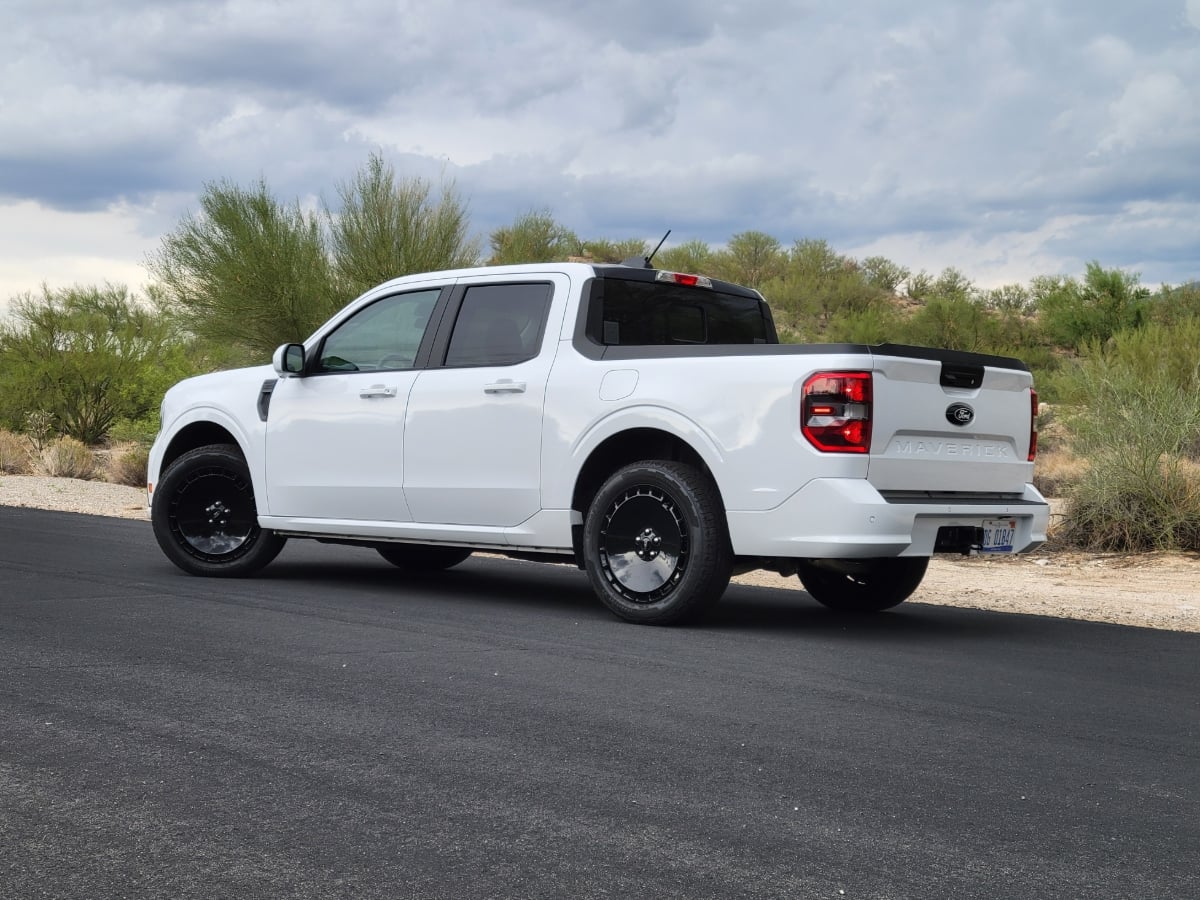
Photo: Ron Sessions
With the Lobo, Ford introduces a street performance version of its smallest and most affordable pickup truck. It also adds a strong attitude and street-smart flair for entry-level pickup buyers. The Hyundai Santa Cruz comes closest to the Maverick in layout but falls short in utility, or, in the case of the Lobo version, in terms of curb appeal on cruise night.
Unlike in the 1990s, when Chevrolet, Ford, GMC, Dodge, and Toyota all offered their own factory-built street-performance small pickups, the Maverick Lobo now stands alone in its category. You might even call it a lone wolf.
Ron Sessions is a seasoned vehicle evaluator with over four decades of experience. In addition to his contributions to JDPower.com, he has penned hundreds of road tests and buyer's guide reviews for Road & Track, MotorTrend, Car and Driver, and Autotrader.