See answers to common EV questions, tax incentives, charging maps & more.
Explore EV
18 - 22
26 - 30
191 - 281
8 speed, Automatic w/OD, 8 speed, Auto-Shift Manual w/OD
Intercooled Turbo Regular Unleaded I-4, Regular Unleaded I-4
All Wheel Drive, Front Wheel Drive
Decades ago, I was an avid mountain biker, riding the trails of South Mountain Park near Phoenix on any day the temperatures were in the double digits. I wish the 2025 Hyundai Santa Cruz existed then. It would have been perfect for that purpose, as well as tubing adventures on the Salt River, trips to the Arizona Snowbowl, weekends exploring Sedona, and more.
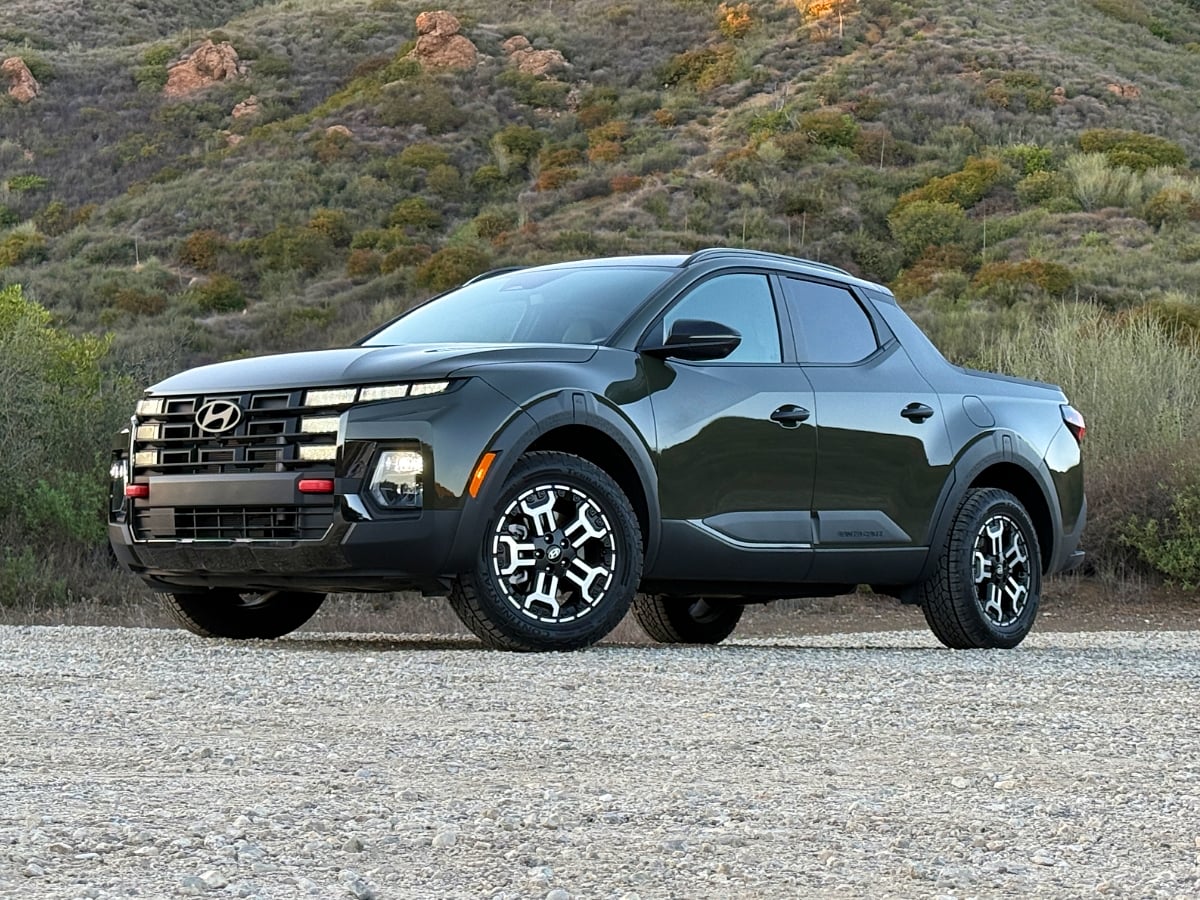
Photo: Christian Wardlaw
While those days are behind me, I still think the Santa Cruz is a pretty terrific little truck, especially with its available turbocharged engine. Hyundai bases it on the Tucson compact crossover SUV, but the Santa Cruz is uniquely styled, configured, and equipped to serve as a small, lifestyle-oriented pickup truck. And for 2025, Hyundai has made it better than ever.
This year, updates to the 2025 Santa Cruz include:
In addition, since JD Power previously published a review of the 2022 Hyundai Santa Cruz, the truck has seen these changes:
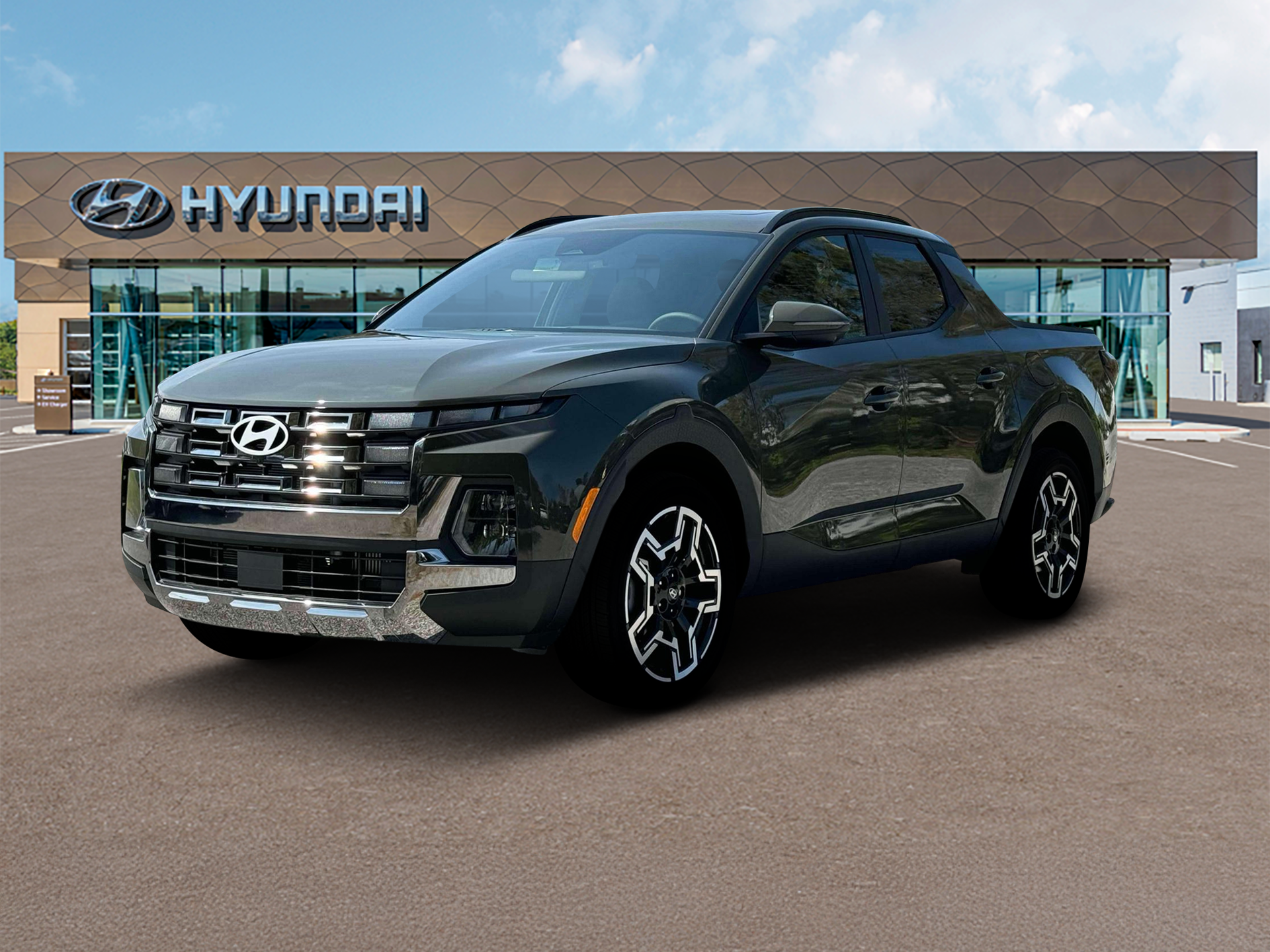
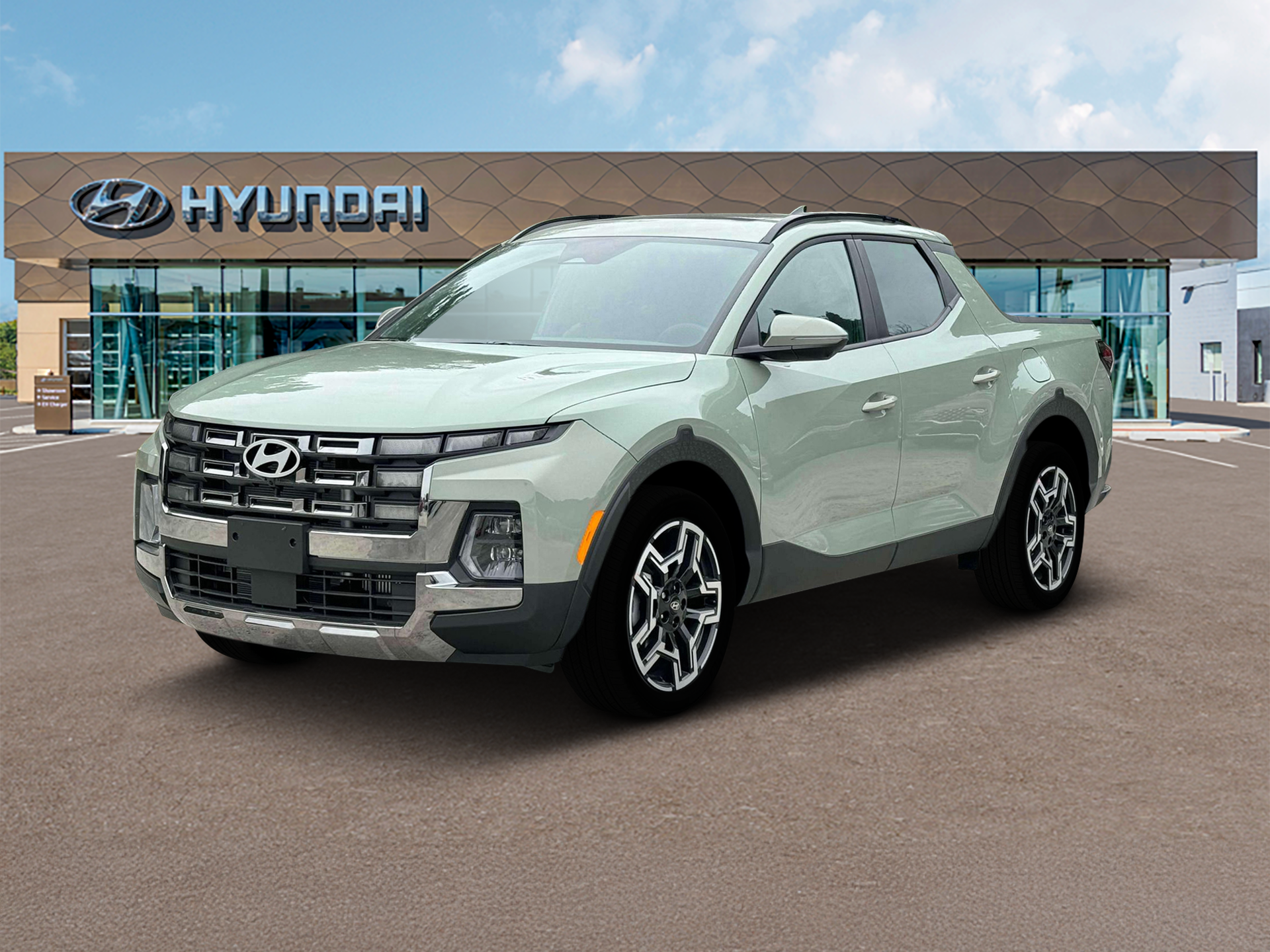
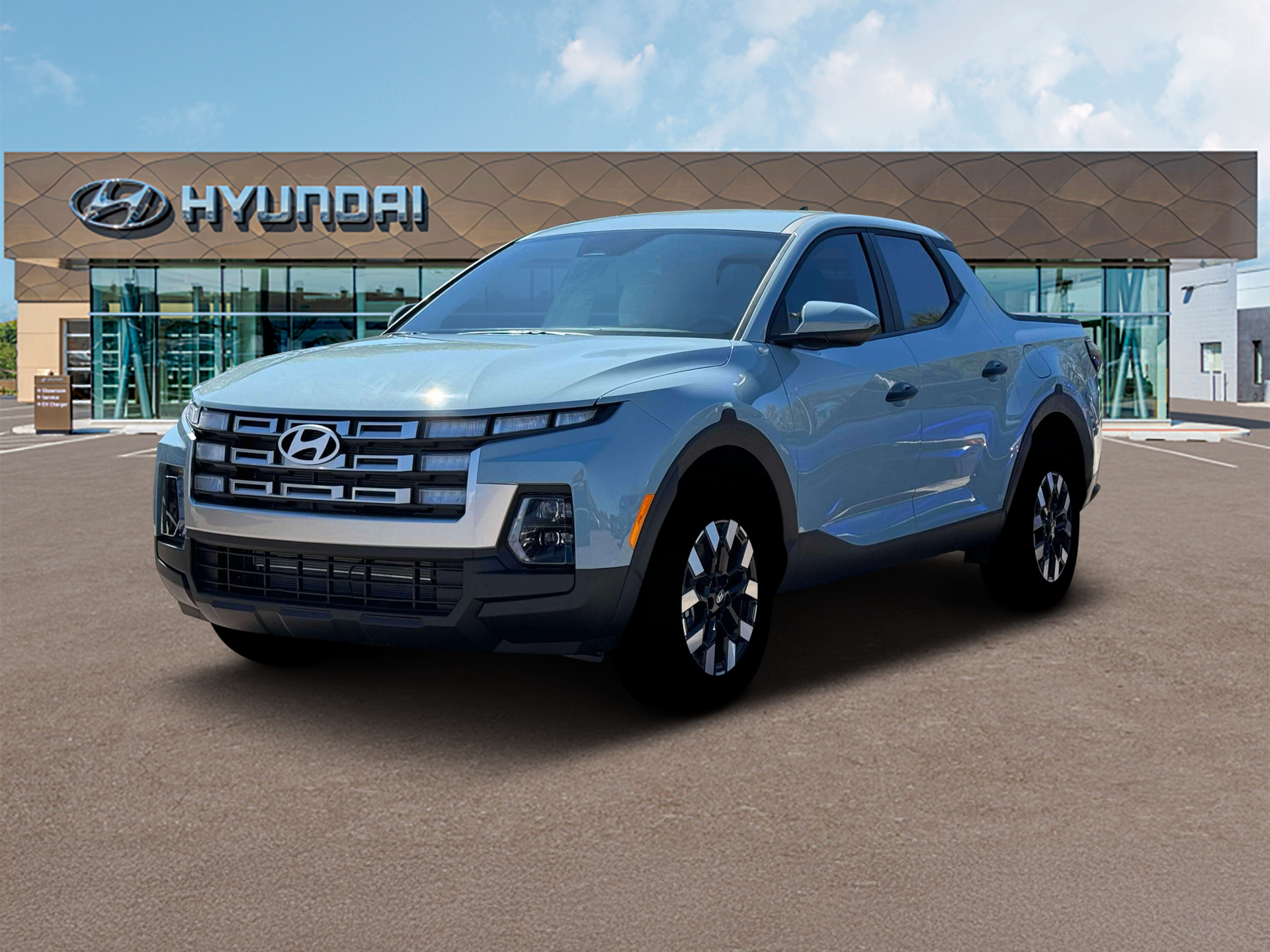
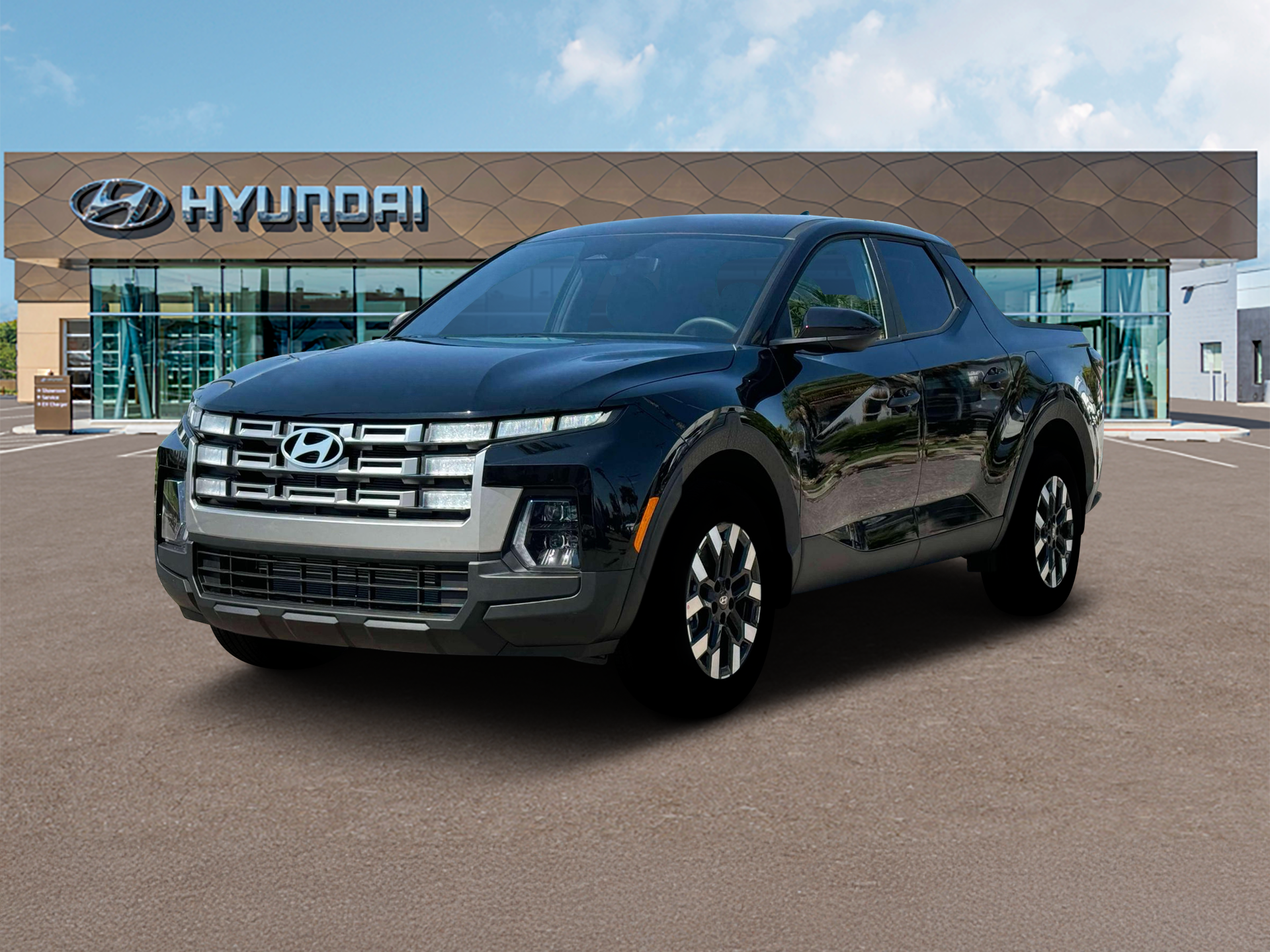
Hyundai offers the 2025 Santa Cruz in SE, SEL, SEL Activity, XRT, and Limited trim levels. Base prices range from $30,200 to $44,200, including the destination charge. Depending on the version you choose, the Santa Cruz comes with front-wheel drive (FWD) or all-wheel drive (AWD), and a turbocharged engine is available.
For this review of the 2025 Santa Cruz, Hyundai provided a test vehicle equipped with XRT trim and optional carpeted floor mats. The manufacturer's suggested retail price (MSRP) of the test vehicle was $41,925, including the $1,450 destination charge to ship the truck to your local dealership from the Montgomery, Alabama, assembly plant.
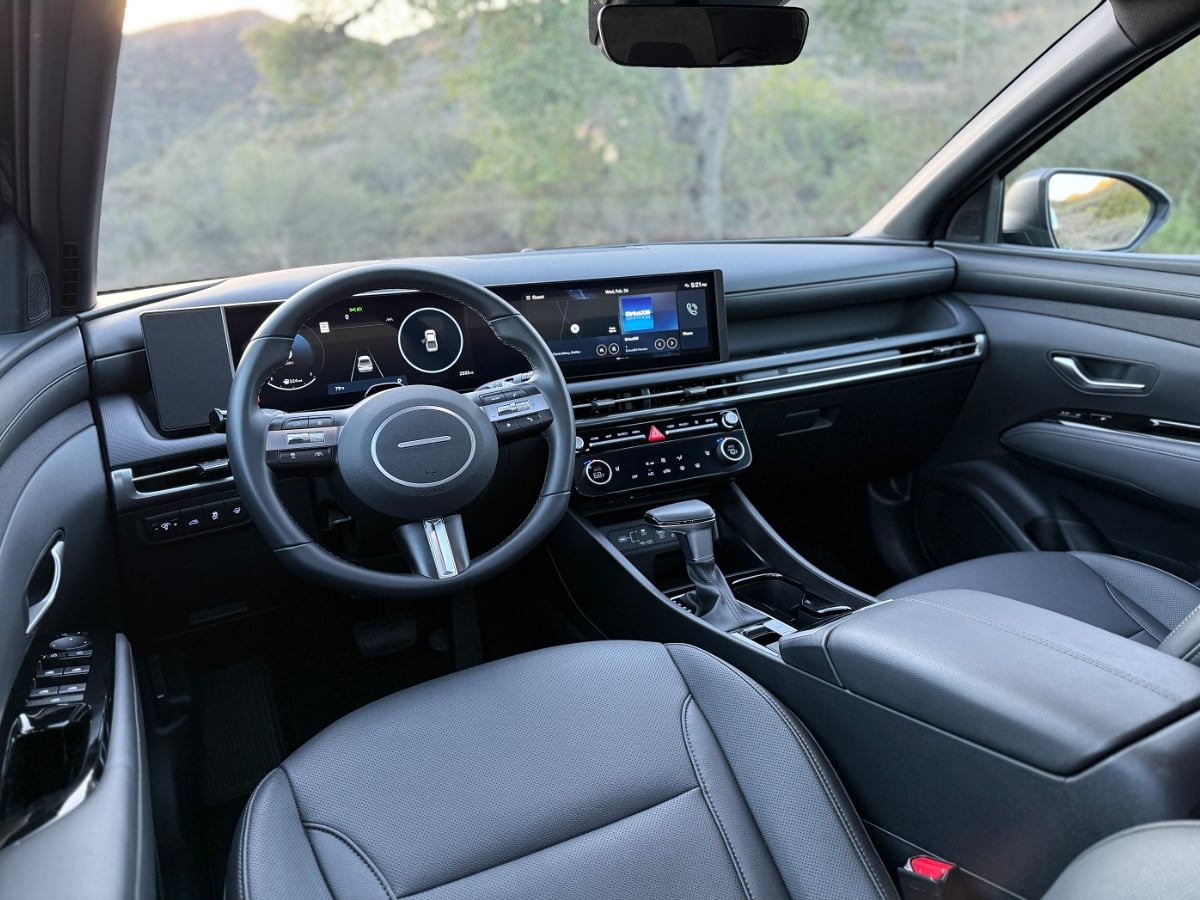
Photo: Christian Wardlaw
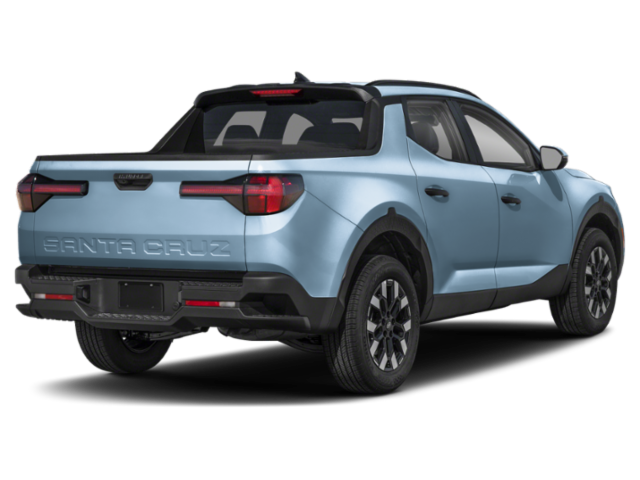
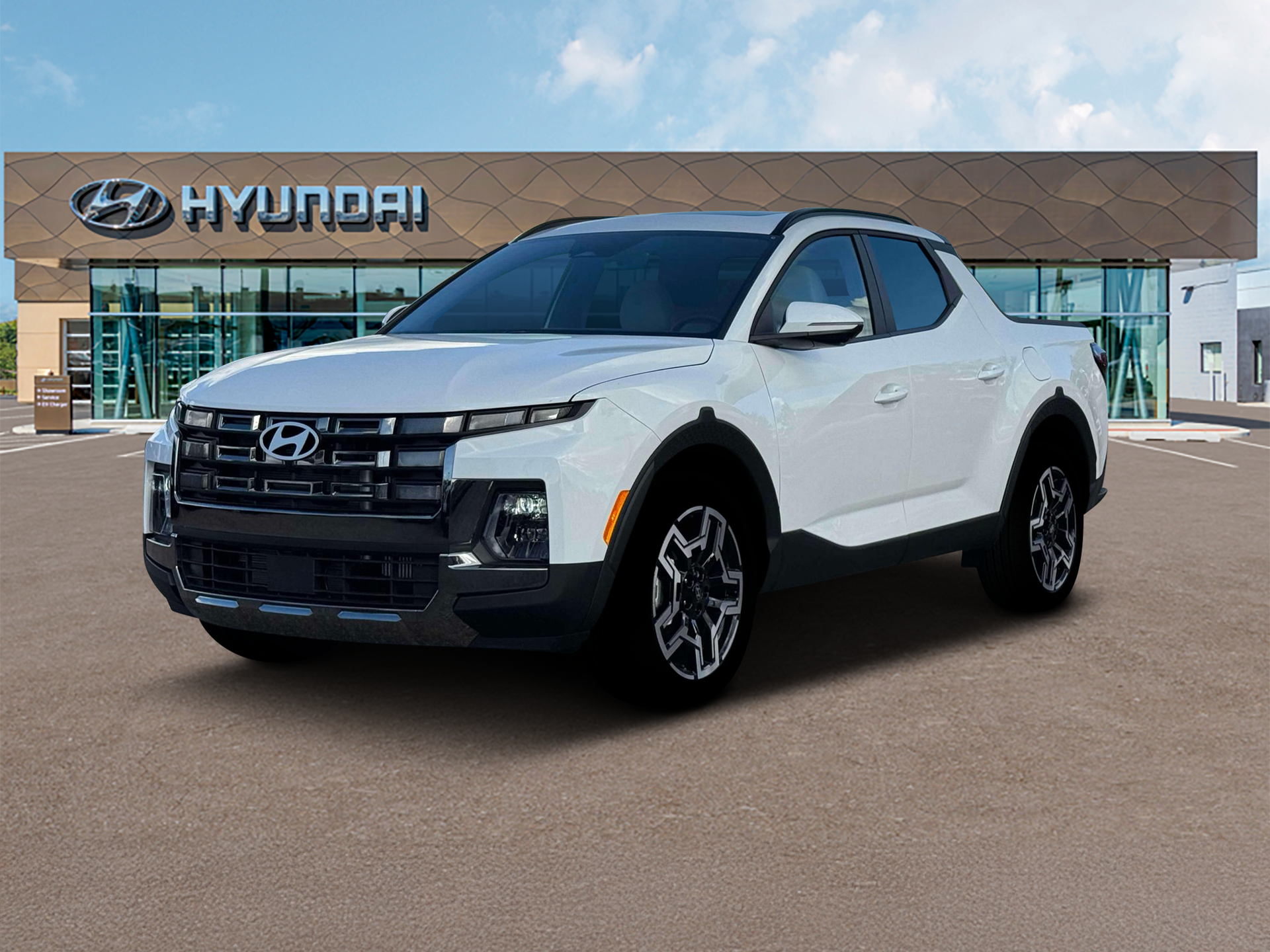
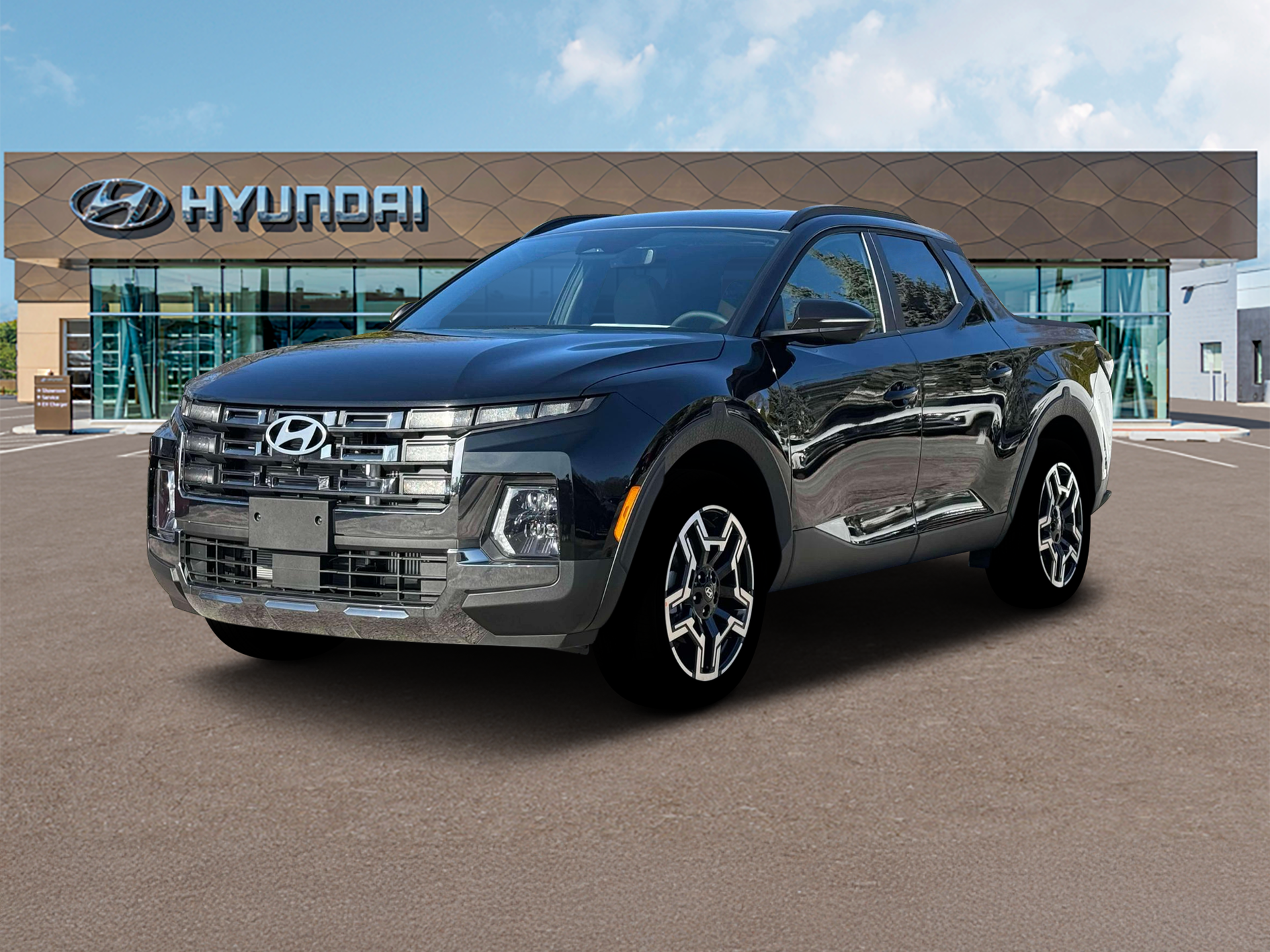
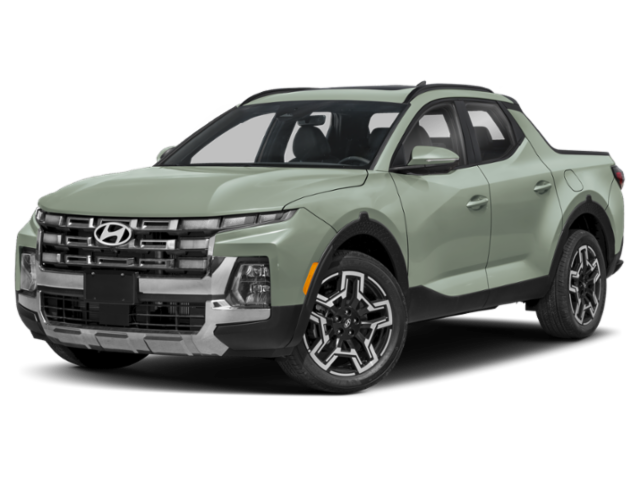
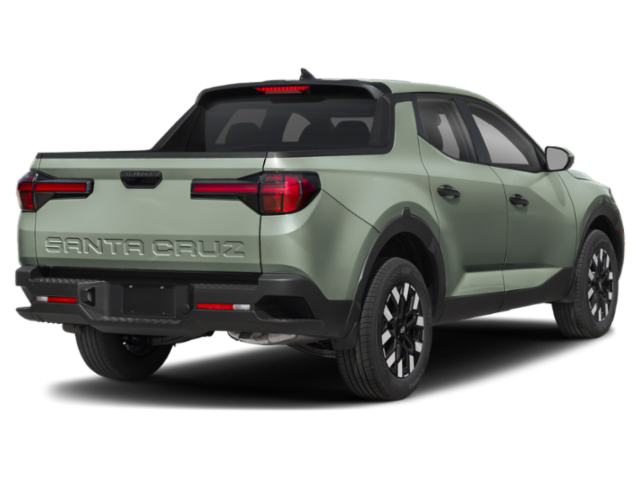
Hyundai introduced the Santa Cruz for the 2022 model year, equipping it with the same polarizing design themes evident across the automaker's lineup. Those remain for 2025, but Hyundai has restyled the truck's front end and redesigned the wheels to give the Santa Cruz a bolder and more aggressive appearance.
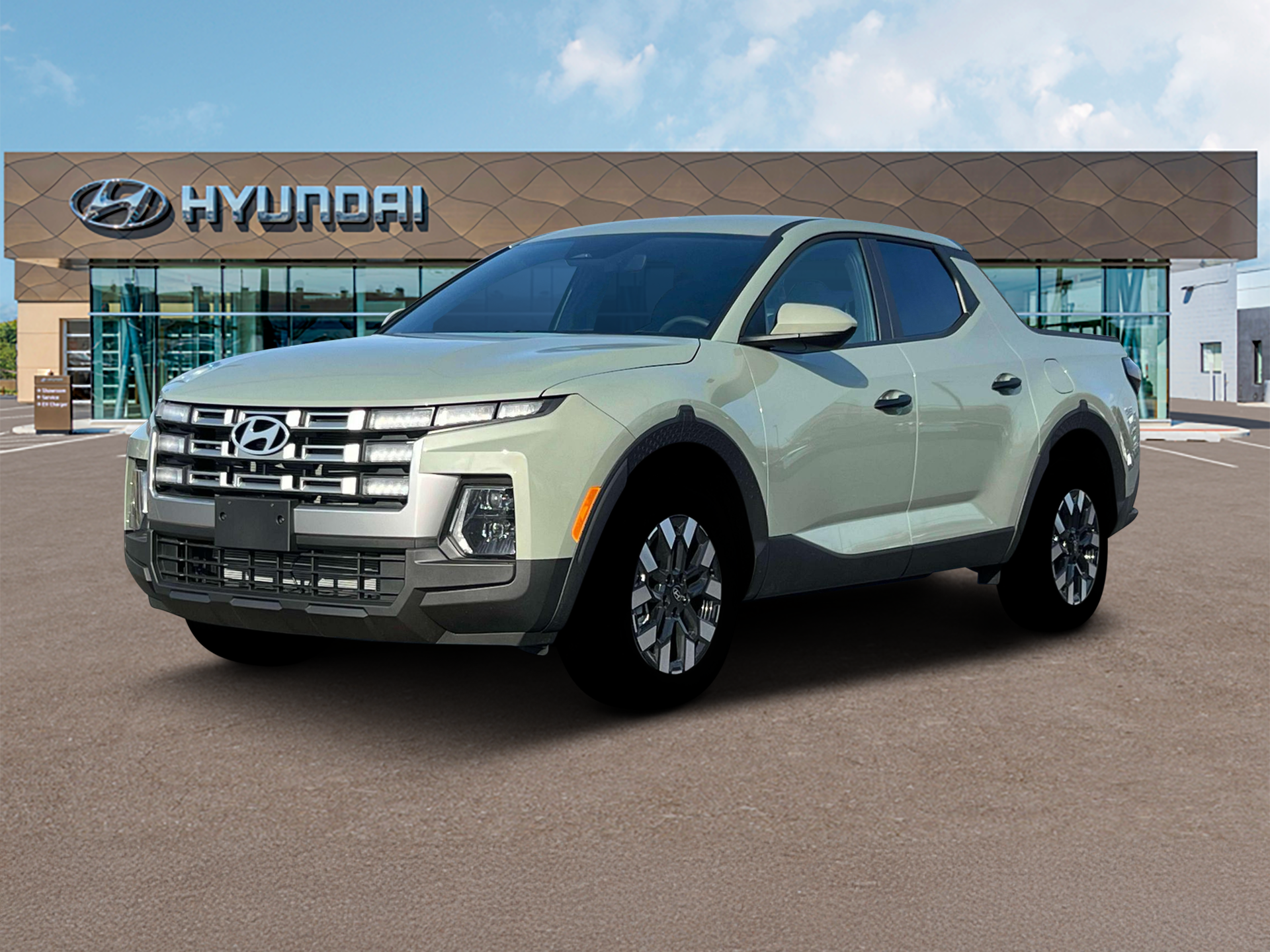
I think the updates work, but I will miss the discontinued California Sand paint color. The new Rockwood Green hue seen on my test vehicle hasn't been popular since my late-1990s mountain biking days, and the new Canyon Red is more of a sunset orange. Darker red and blue shades would have been better for this truck, like the Ultimate Red or Atlantis Blue that Hyundai offers on the Tucson SUV. Hyundai's Amazon Gray paint would also look great on the Santa Cruz.
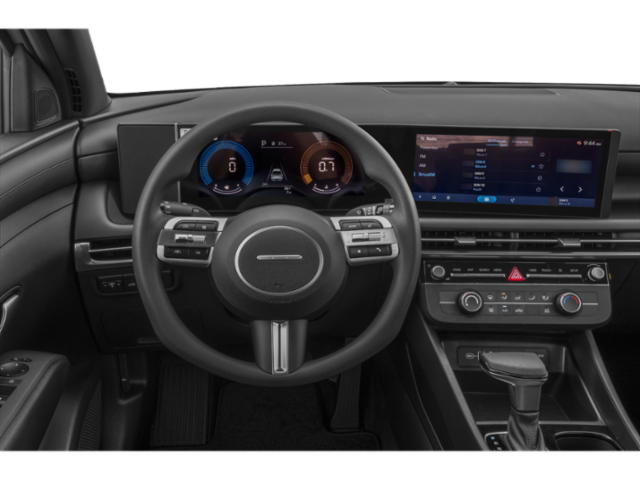
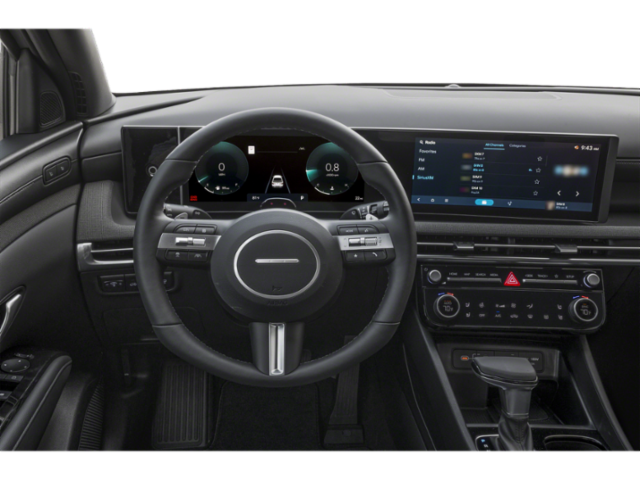
More meaningful changes occur within the cabin, where a new dashboard, switchgear, and technology further modernize the Santa Cruz. A new panoramic glass display pairs a 4.2-inch or 12.3-inch digital instrumentation panel with a 12.3-inch touchscreen infotainment system, giving the truck's interior a high-tech look. To the right of the display, a new shelf adds welcome storage, and polished metallic trim spans the dashboard's width while hiding the air vents.
Below the center vents, physical knobs and buttons control the stereo, infotainment system, and cabin temperature, while a user-friendly, touch-sensing panel provides access to other climate control functions. A new steering wheel features buttons and thumb wheels for quick access to driving assistance, stereo, and digital instrumentation functions.
Hyundai provides remarkable configurability for the tech, allowing Santa Cruz owners to tailor it to a long list of personal preferences. In addition, the digital instrumentation and infotainment systems are intuitive, and the native digital voice assistant works well enough that you won't immediately decide to rely on the newly standard wireless Apple CarPlay and Android Auto connectivity.
You'll minimally interact with the screen once you set things up the way you want them. I used the Santa Cruz for a Southern California road trip, leaning extensively on voice commands issued to the native assistant and Apple CarPlay to find my way. Between that and the physical stereo and climate controls, I didn't touch the touchscreen much. Also, I appreciated how the wireless charging pad communicates its status and activity.
The Santa Cruz's list of Hyundai SmartSense advanced driving assistance systems (ADAS) is just as impressive as the infotainment system. Highlights include Highway Driving Assist (HDA), which combines adaptive cruise control with lane-centering assistance, and the Blind Spot View Monitor, a camera-based blind-spot monitor. I admit, however, that I relied on neither while driving across metropolitan Los Angeles.
On the clogged multi-lane freeways of that region, the last thing you have time for when attempting a lane change is to look down at the display to see what might be next to the Santa Cruz. Instead, I relied on properly adjusted side mirrors and the blind-spot warning system. Therefore, I found the Blind Spot View Monitor a novelty instead of a necessity.
Highway Driving Assist is an effective hands-on semi-autonomous driving aid when you're in the sticks, but it causes too much aggravation in the cut-and-thrust of L.A. freeway warfare. Other motorists are simply too unpredictable, and it's easier to drive the truck without the tech rather than subject yourself to the added stress of evaluating HDA's behavior and response to the constantly changing conditions, continuously on alert to take control and avoid catastrophe when necessary. No thanks, I'll pass.
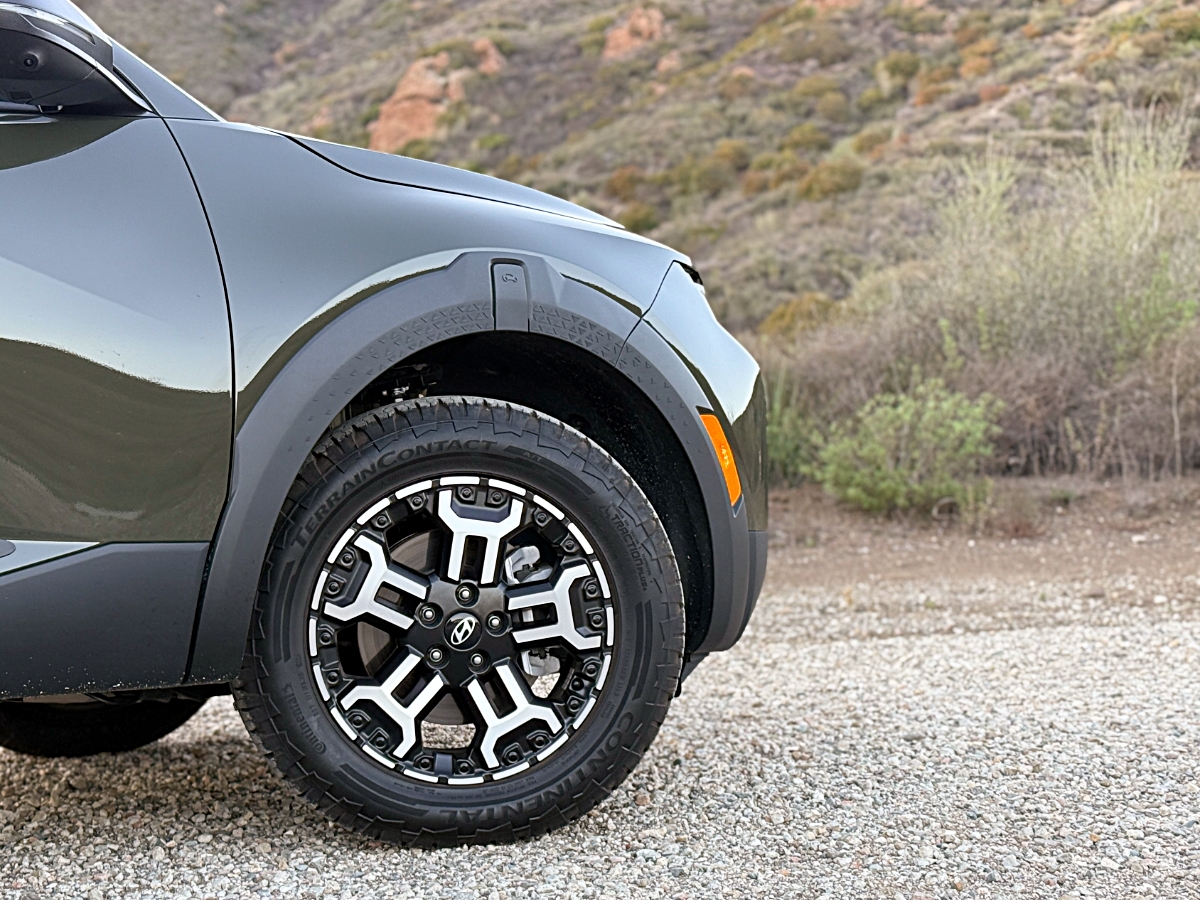
Photo: Christian Wardlaw
Hyundai introduced the Santa Cruz XRT in 2024, but it was mostly about looks instead of off-roading capability. That changes a bit for 2025, thanks to exclusive styling modifications, an improved approach angle, front tow hooks, a standard surround-view camera that can show what's ahead on the trail, and all-terrain tires.
Every Santa Cruz provides 8.6 inches of ground clearance, including the XRT. That's not bad, but the Santa Cruz XRT's arch-rival, the 2025 Ford Maverick Tremor, beats it at 9.1 inches. The Tremor's approach and breakover angles are more generous than the XRT's, but Hyundai offers a superior departure angle.
Hyundai equips the XRT with standard AWD and a turbocharged 2.5-liter four-cylinder engine supplying more power than you'll find in the Maverick Tremor. Turbocharged Santa Cruzes make 281 horsepower at 5,800 rpm and 311 pound-feet of torque from 1,700 rpm to 4,000 rpm, while the Maverick Tremor offers 238 hp at 5,500 rpm and 275 lb-ft of torque at 3,000 rpm. The Santa Cruz can tow up to 5,000 pounds , while the Maverick Tremor tops out at 2,000 lbs.
On the Santa Cruz's center console, you'll find a center differential lock and a hill descent control button. I didn't need these during testing on a crossover-friendly trail. The XRT performed well, soaking up the bumps and ruts without punishing occupants. The truck didn't glide over them, nor did it pound mercilessly.
The XRT's Continental TerrainContact tires offered good grip in the kinks of the trail, and on washboard gravel, they helped to keep the truck on the road as I tossed it through a set of gentle bends. Overall, when driving off the pavement, the Santa Cruz XRT proved to be plenty of fun.
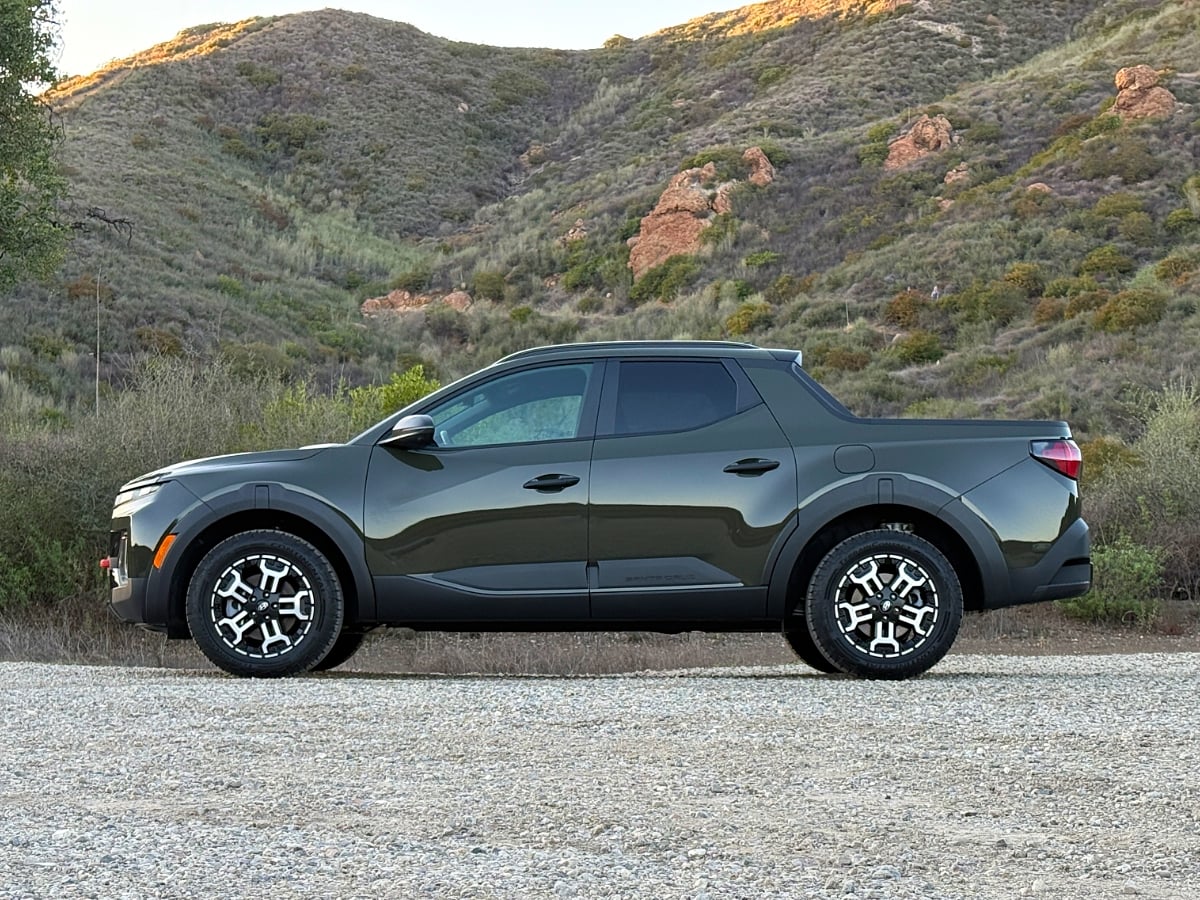
Photo: Christian Wardlaw
This Hyundai is a hoot to drive on the pavement too, though I would choose the Limited trim level for its grippier, lower-profile all-season tires. The XRT's all-terrain tread contributes no better than modest adhesion in curves and corners, though the truck's handling is predictable and consistent.
You'll want the turbocharged engine, which requires AWD. It provides 90 more horsepower and a whopping 130 more lb-ft of torque than the Santa Cruz's standard 2.5-liter four-cylinder, and the turbocharged versions of the truck add less than 200 pounds of weight. As a result, a Santa Cruz XRT or Limited feels quick and responsive, and if your travels take you into the mountains or regions at high elevation, the turbocharger resists the power-sapping effects of altitude.
Turbo lag and occasional hesitation from the eight-speed dual-clutch automatic transmission (DCT) are sometimes evident, but switching into Sport mode helps resolve some of the drivetrain's unevenness. Drivers can also choose from Normal, Smart, and Snow modes.
Fuel economy also takes a minor hit with the turbo four, dropping to 21-22 mpg in combined driving compared to 24 mpg with the standard engine and AWD. However, the speedy acceleration and effortless passing power are worth the added fuel expense. My test truck returned 21.1 mpg on the evaluation loop, beating the 21 mpg estimate for the XRT despite my off-roading jaunt.
No matter where you drive the Santa Cruz XRT, the ride quality is commendable, and the brake pedal feels good underfoot. The suspension soaks up the wiggles and jiggles of city pavement, and the raised ride height makes it less likely that you'll scrape something on a parking or street curb. I had no trouble slotting the Santa Cruz into spaces either, in part thanks to its four visible corners but also due to the excellent surround-view camera.
On the freeway, the steering lacks on-center directional stability. I don't know if that's due to the all-terrain tires or the column-mounted rather than rack-mounted electric steering, but my XRT test vehicle displayed a regularly irritating disconnectedness on center.
Also, when driving down a mountain road from elevation to sea level, the test truck's brakes heated up, rumbled, vibrated, and faded a bit. A vehicle rated to tow up to 5,000 pounds should resist such traits entirely with just a driver aboard, especially on a cool SoCal winter day.
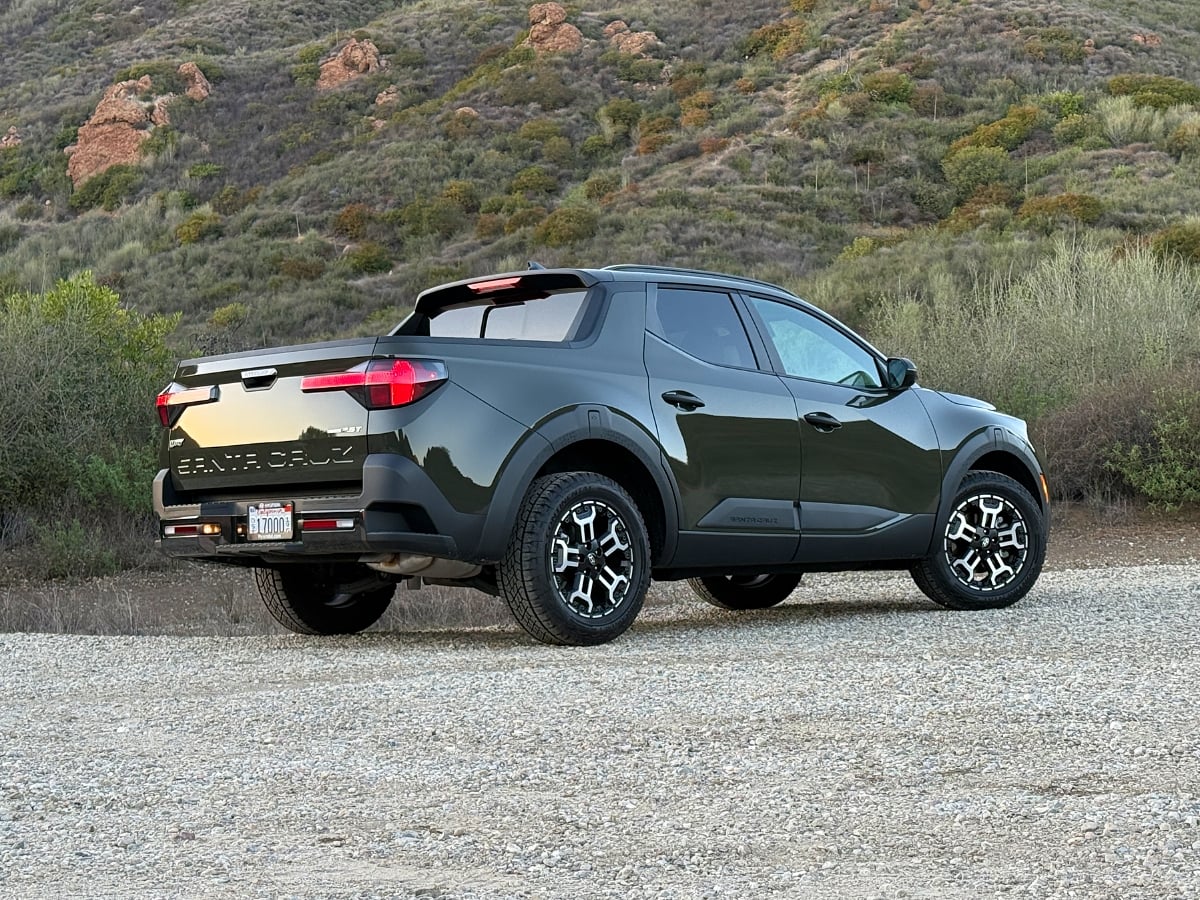
Photo: Christian Wardlaw
The 2025 Hyundai Santa Cruz is a small truck with a big personality, a ton of fun to drive with the available turbocharged engine, and loaded with modern technology and amenities. I would buy it for myself if I wanted a small, affordable, light-duty pickup.
In addition, it is extremely practical inside and out, from the storage bins tucked under the rear seat cushions to the locking in-bed trunk, similar to what the Honda Ridgeline offers. My test truck even had a standard locking metal tonneau cover to help keep whatever you've put into the 4-foot cargo bed in the cargo bed.
The Honda Ridgeline is bigger than the Hyundai Santa Cruz but has a lofty starting price of $41,600 in base Sport trim. However, the Honda is less powerful and less fuel efficient than the turbocharged Hyundai, and it tows the same amount of weight. The Ridgeline's payload capacity is higher though, ranging from 1,509 lbs to 1,583 lbs compared to the Santa Cruz at 1,411 lbs.
The Hyundai's natural rival is the similarly sized Ford Maverick. The 2025 Maverick gets several overdue upgrades this year, but it still looks and feels less refined and sophisticated than the Santa Cruz. It can't tow as much weight but offers a maximum payload of 1,500 pounds. The Ford is also more affordable, and an available hybrid powertrain gets significantly better fuel economy.
Christian Wardlaw is a veteran automotive journalist with 30 years of experience in the field and has held automotive editorial leadership positions at Edmunds, JD Power, and The New York Daily News. Today, Chris owns a content agency called Speedy Daddy Media, and in addition to JDPower.com, his work appears on Capital One Auto Navigator, CarGurus, and Edmunds.