29 - 42
32 - 41
236 - 340
1 speed, CVT w/OD, 6 speed, Automatic w/OD
Gas/Electric I-4, Intercooled Turbo Gas/Electric I-4
All Wheel Drive
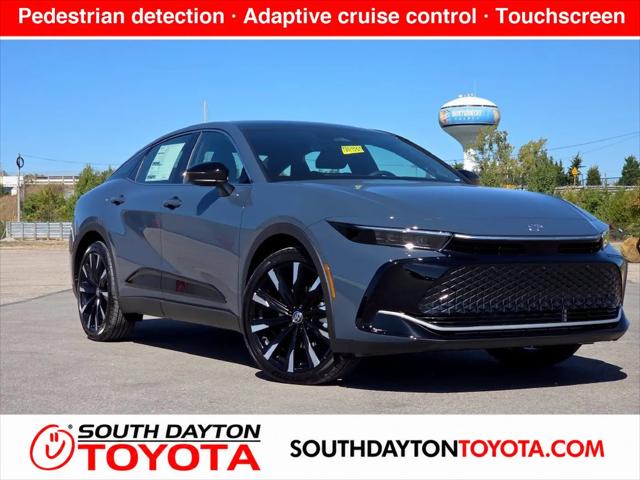
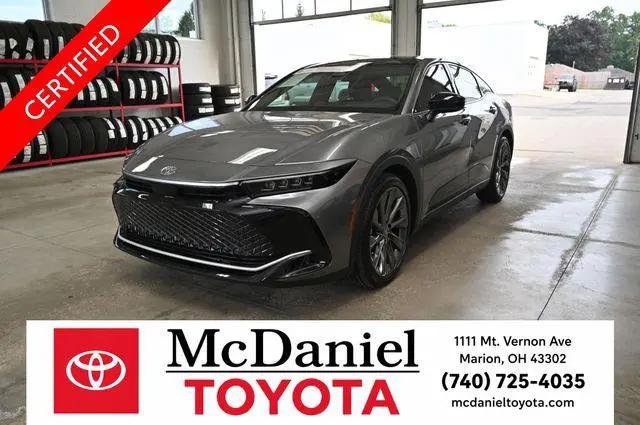
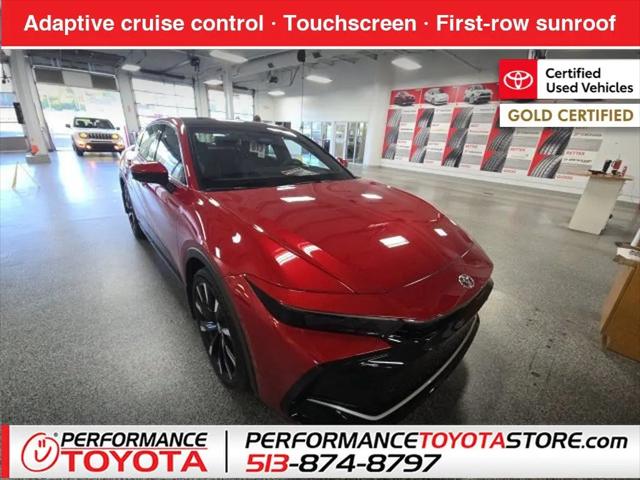
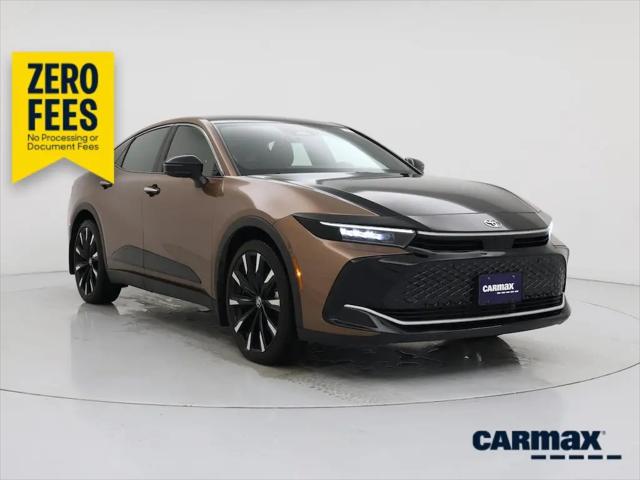
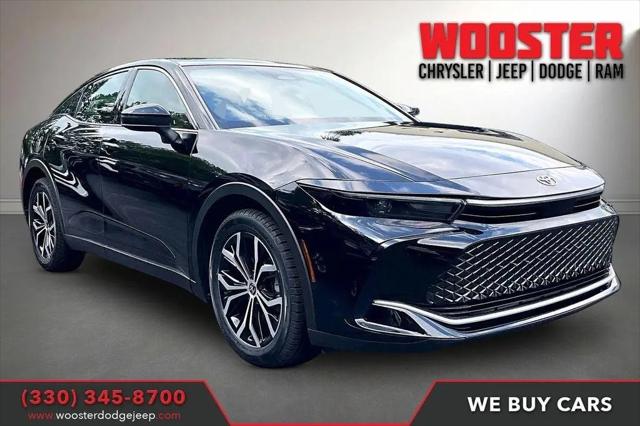
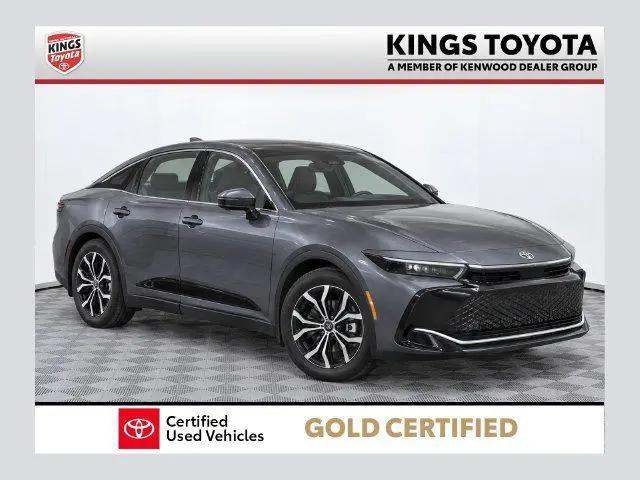
The 2026 Toyota Crown Signia is often an overlooked, enigmatic yet compelling alternative to the most popular crossovers. More of a station wagon than an SUV, the 2026 Crown Signia features midsize interior seating for five people, compact cargo area dimensions, and a standard hybrid powertrain.
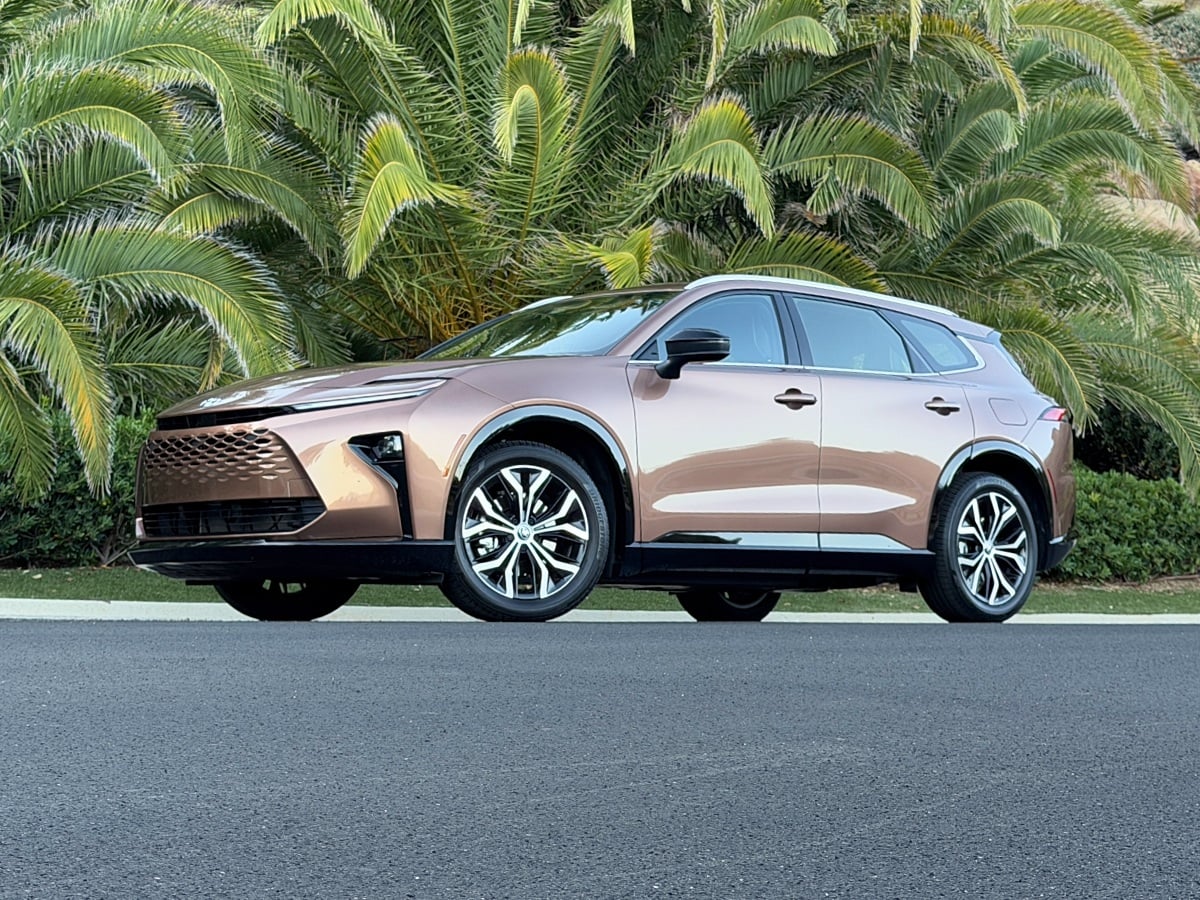
Photo: Christian Wardlaw
Available in XLE ($46,285) and Limited ($50,685) trim levels, the Crown Signia has a premium look, feel, and price tag, so it is not for bargain hunters. Instead, people seeking an efficient, practical, and upscale ride that is unlike what everyone else is driving will find this unusual vehicle appealing.
For this 2026 Crown Signia review, Toyota provided a test vehicle equipped with XLE trim and the following options:
The test vehicle’s manufacturer suggested retail price (MSRP) was $47,199, including the $1,495 destination charge to ship the crossover from the Aichi, Japan, assembly plant to a dealership. The price does not reflect any current rebates, incentives, or price adjustments since Toyota manufactured the test vehicle.
According to verified owners, the Crown Signia earns an award as the highest-ranked model in its segment in the JD Power 2026 Automotive Performance, Execution and Layout (APEAL) Study.
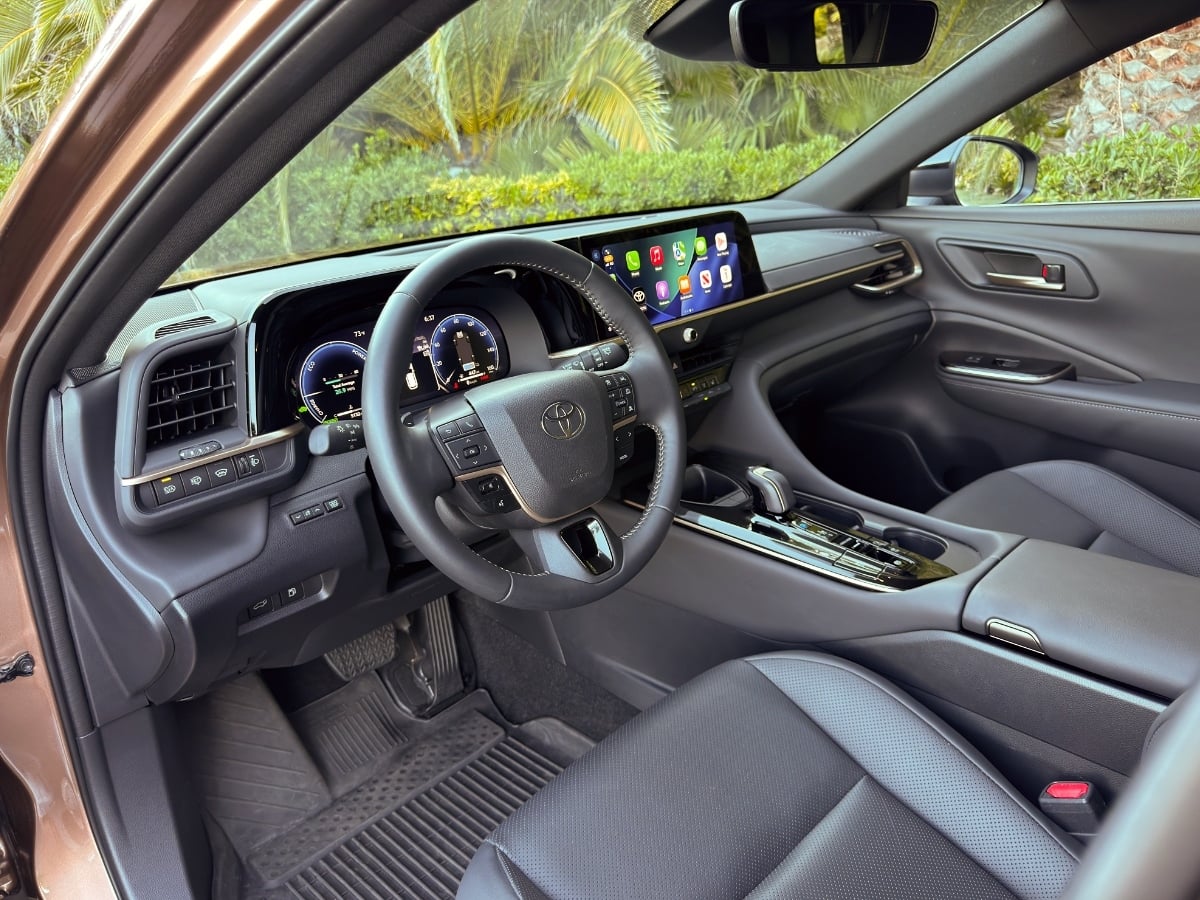
Photo: Christian Wardlaw
Though I am typically not a fan of dark finish wheels, the larger 21-inch rims included with the Limited trim are undeniably compelling. They alone might be a good reason to upgrade from the XLE. In my opinion, they give the stylish Crown Signia a custom look that the XLE’s 19-inch machined-finish wheels do not.
Beyond that, one thing you should know is that the Crown Signia does not include dark-tinted rear privacy glass like other crossover SUVs do. The photography on Toyota’s website is misleading; if you want darker glass, you will need to arrange it yourself.
Inside, the Crown Signia has a sophisticated look, but the test vehicle’s Black leather interior looked too glossy in spots for a vehicle carrying a $47,000 price tag. Saddle Tan leather is the alternative interior color, providing richer contrast and helping to hide some of the low-rent materials. No matter which color you choose, the glove compartment door sounds and feels cheap every time you use it.
The control layout is simple and straightforward, though like so many modern vehicles, the Crown Signia lacks a radio tuning knob. Also, the glossy surfaces on the upper climate controls and the center console might look fancy, but they are a source of glare and reflections, which make it hard to see markings for features like electric vehicle (EV) driving mode or the heated and ventilated front seats.
Getting into and out of the Crown Signia is easy enough. It sits higher off the road than a typical car but is not as tall-riding as most crossover SUVs. However, because of that, the front fascia does not clear taller curbs when slant parking, and after parking the Crown Signia in a parallel space, you must be careful not to hit the bottoms of the doors on the curb.
Up front, the Crown Signia XLE features power-adjustable heated and ventilated seats and a heated steering wheel. It was easy to find a comfortable position behind the steering wheel, but after hours on the road, soreness set in, forcing me to stop, get out, and stretch.
Also, the heel of my right foot kept slipping on the test vehicle’s all-weather floor mat, requiring frequent readjustment. And when they are wet, the sliding is worse. For that reason, unless you live someplace where it rains and snows a lot, I would recommend sticking with the standard carpeted mats. They look nicer, anyway.
In the back seat, passengers enjoy good legroom and support. Rear air conditioning vents, dual USB charging ports, and heated outboard seats are standard, but the Crown Signia lacks rear window sunshades. That omission, coupled with the lack of dark tint privacy glass, makes this Toyota a poor choice for carrying children, especially babies who do not know better than to look directly at the sun.
Storage space is reasonable and practical within the cabin. Open the Crown Signia’s liftgate, and 25.8 cubic feet is available for luggage (24.8 cubic feet with Limited trim). That is not a lot of room, especially compared to a Toyota RAV4, which offers up to 37.8 cubic feet behind the back seat. Also, because the Crown Signia lacks dark-tinted rear privacy glass, you will want to conceal items under the cargo cover, which further reduces usable cargo space.
Fold the Crown Signia’s rear seats down, and the cargo room expands to 68.8 cubic feet (66.1 in the Limited). That is a lot more competitive with the RAV4, which offers as much as 70.4 cubic feet.
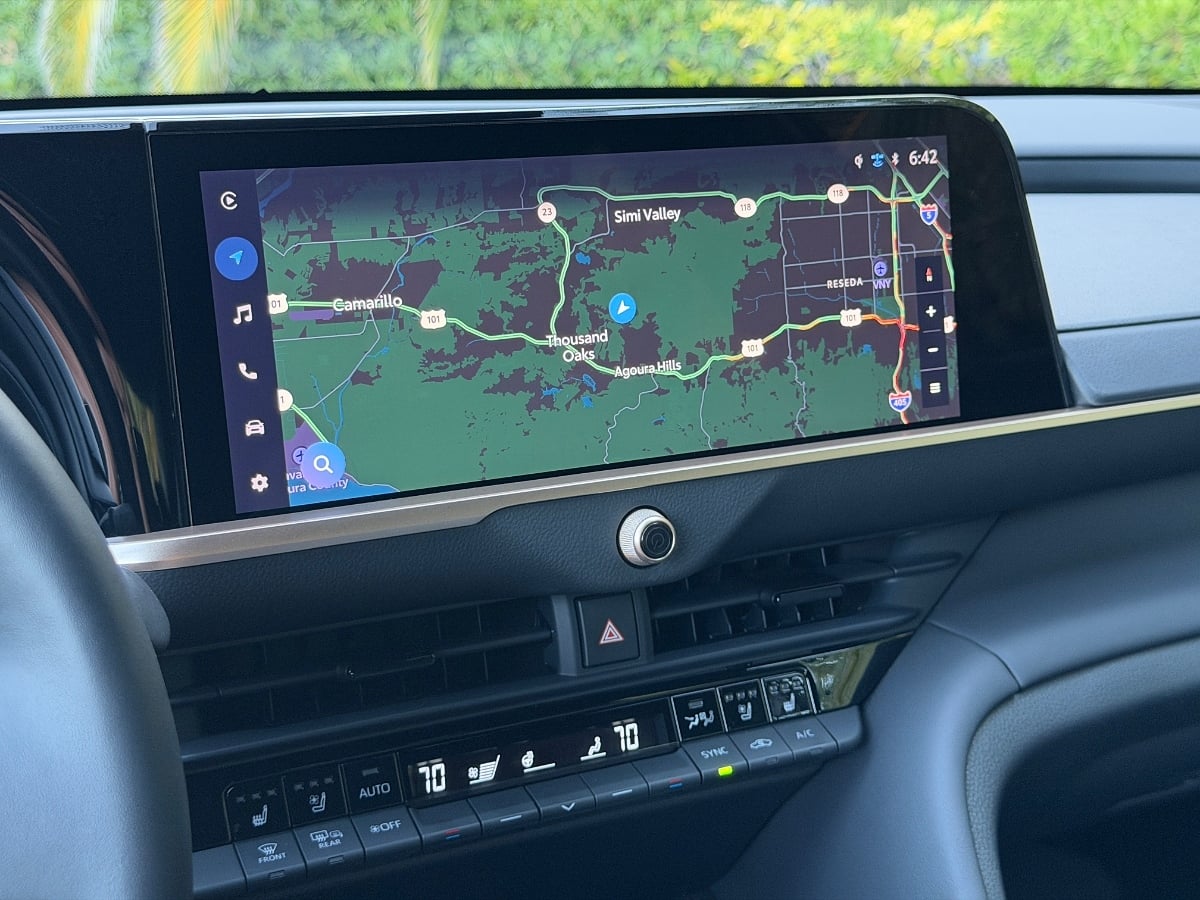
Photo: Christian Wardlaw
In addition to a 12.3-inch digital driver display, the Crown Signia includes a Toyota Audio Multimedia (TAM) infotainment system with a 12.3-inch center touchscreen. It includes:
One connected service plan is called Drive Connect, and it is free for one year before you must pay for a subscription. Drive Connect equips the Crown Signia with a native navigation system, an Intelligent Assistant with conversational voice-recognition capability, and Destination Assist technology. During testing, the digital voice assistant quickly and accurately responded to nearly all my evaluation commands and prompts. It is helpful technology.
Nevertheless, I used wireless Apple CarPlay most of the time when I drove the Crown Signia. The TAM system does not let you display more than one information tile at a time, but Apple CarPlay lets you show a map and music at the same time.
As for the voice recognition, Siri is not as good as it used to be, but it still works reasonably well. My family and I spent a day in Los Angeles and used CarPlay to navigate to places we had not been before while also avoiding traffic tie-ups during the region's first rainstorm in months.
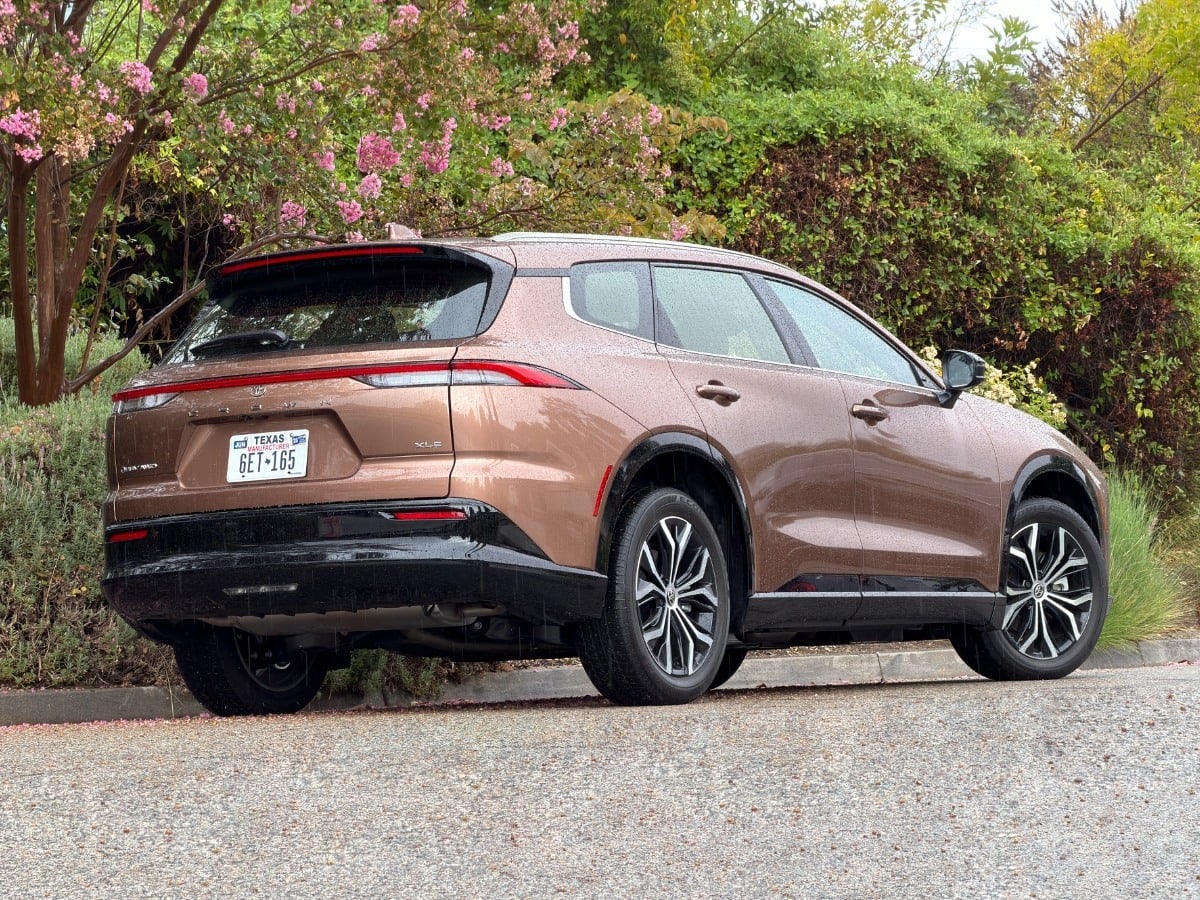
Photo: Christian Wardlaw
Every 2026 Crown Signia has a hybrid powertrain combining a 2.5-liter four-cylinder gas engine, two electric motors, one of which is at the rear axle to give the crossover standard all-wheel drive, a nickel-metal hydride battery pack, and an electronic continuously variable automatic transmission (CVT). Total output is 240 horsepower, and Toyota claims the Crown Signia will reach 60 mph in 7.1 seconds.
Since it is a hybrid, you expect the Crown Signia to be fuel efficient. The Environmental Protection Agency (EPA) gives it an official rating of 38 mpg combined, and I observed 35.8 mpg on a 30-mile fuel economy route with an even split of city and highway driving. On the longer, mountainous vehicle evaluation loop, the Crown Signia returned 33.2 mpg. Weather conditions on testing day were unusually hot and muggy for Southern California. More like Miami than Malibu.
The Crown Signia is quick enough, but it does not sound very good when accelerating. Like most Toyotas with a CVT, steady engine drone accompanies freeway merging, highway passing, and hill climbing. Fortunately, it is muted, but it does detract from the driving experience. Switching to Sport mode only seems to produce more noise instead of improved responsiveness.
Soft suspension tuning produces a cushy ride quality, and the tires scrub and squeal if you take a corner or curve too fast. The brakes can feel a little grabby, too, and the steering is dull and lifeless. While traveling into the city with four aboard in the driving rain, none of this mattered, and the Crown Signia soaked up the worst pavement L.A. had to offer.
Still, this Toyota provides a forgettable driving experience. It was the dullest vehicle I have tested in a while, seemingly tuned for people who treat their vehicle only as an appliance. Drink coffee before pressing the engine start button; you are going to need it.
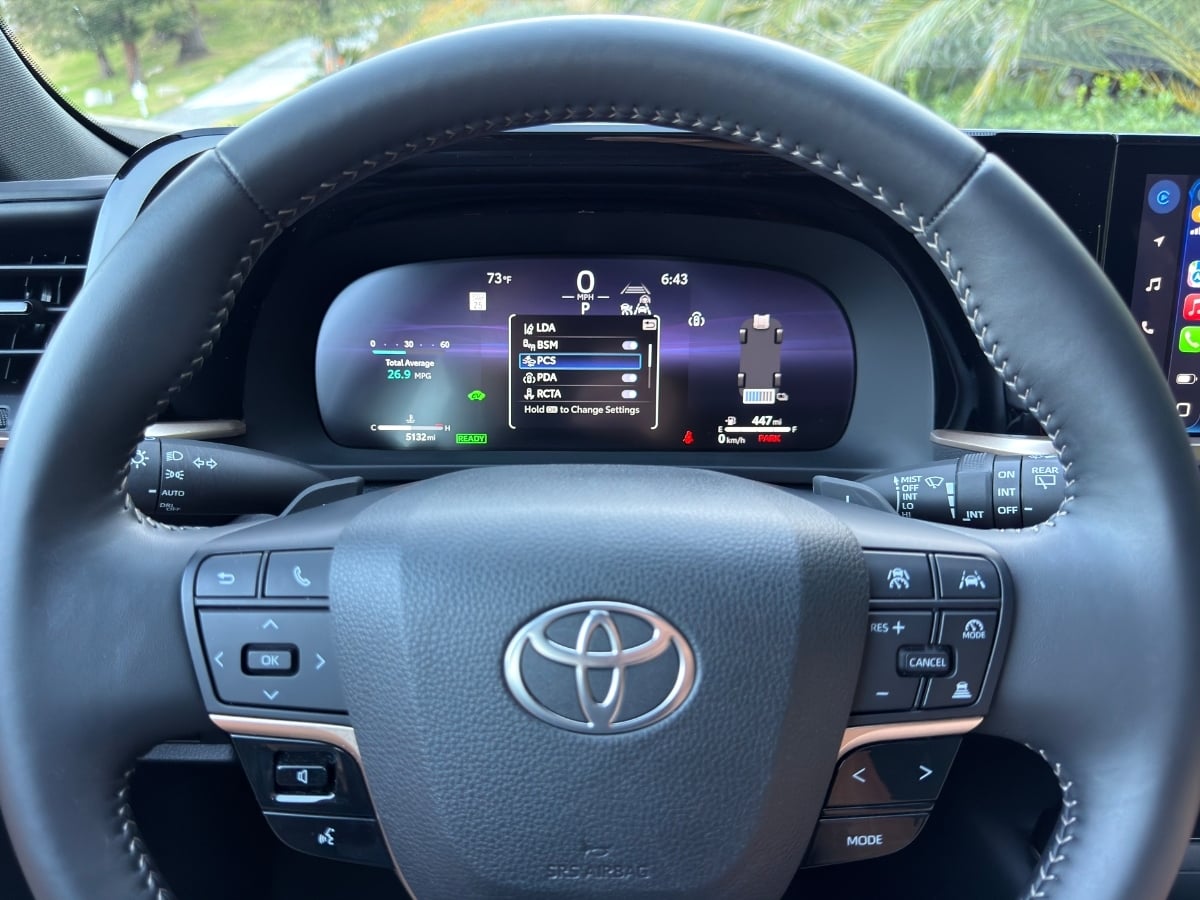
Photo: Christian Wardlaw
Toyota Safety Sense 3.0 (TSS 3.0) is standard on every 2026 Crown Signia. This collection of advanced driver assistance systems (ADAS) includes:
Blind spot warning with rear cross-traffic warning is also standard on the Crown Signia, though it is not technically part of TSS 3.0.
Upgrade to the Limited trim and choose the Advanced Tech package to install:
Proactive Driving Assist will automatically add braking and steering assistance to provide an extra measure of safety while you are driving. In some Toyota models, it is quite intrusive, but in the Crown Signia, it did not bother me much. Still, I ultimately turned it off, mainly because the braking assistance that helps maintain safe following distances tends to anger drivers behind the Toyota.
Overall, the TSS 3.0 driving assistance systems work well. However, I experienced one unwarranted automatic braking event on a wide suburban boulevard. As I drove past a shopping mall, the Crown Signia suddenly braked hard for no apparent reason. It was a brief event, but illustrative of the state of ADAS capabilities today when used on a sunny, late summer day, let alone when inclement weather conditions exist.
Another item of note: the Crown Signia does not have a touch-sensing steering wheel. So, when you are using the adaptive cruise control and lane centering assist systems, you must regularly add some steering effort to tell the tech you are still alert and ready to take full control. Otherwise, the technology warns you to hold the steering wheel and pay attention, and that can get tiresome enough that you might decide not to use the lane centering function.
As of this writing, the National Highway Traffic Safety Administration (NHTSA) has not published an overall safety rating for the Crown Signia because it has not assessed the crossover for rollover resistance. In crash tests, it earns the highest possible five-star rating in every evaluation.
In testing conducted by the Insurance Institute for Highway Safety (IIHS), the Crown Signia receives Good ratings in all assessments except for the updated moderate overlap frontal impact evaluation. In that test, the crossover earns a Marginal rating.
According to the JD Power 2026 Initial Quality Study (IQS), the Chevrolet Blazer ranks highest in the Midsize SUV segment, with the Toyota Crown Signia and Subaru Outback ranked second and third, respectively.
According to the 2026 APEAL Study, the Chevrolet Blazer, Nissan Murano, and Toyota Crown Signia rank highest (in a tie) in the Midsize SUV segment.
Other 2026 Crown Signia competitors include the Honda Passport, Hyundai Santa Fe, and Jeep Grand Cherokee.
Samsung is a mass-market appliance brand that makes a range of bespoke refrigerators. They are stylish and Energy Star certified, with plenty of features, upscale details, and Wi-Fi-enabled smartphone notification capabilities. But ultimately, they keep your food cold and look good doing it.
The 2026 Toyota Crown Signia is like that, but in automotive form. It is an efficient and functional appliance wrapped in appealing packaging and sold at a premium price.
Christian Wardlaw is a veteran automotive journalist with 30 years of experience in the field and has held automotive editorial leadership positions at Edmunds, JD Power, and The New York Daily News. Today, Chris owns a content agency called Speedy Daddy Media, and in addition to JDPower.com, his work appears on Capital One Auto Navigator, CarGurus, and Edmunds.