
Rivian has become a serious contender in the electric vehicle (EV) space over the past few years. The brand has pushed the envelope to innovate within its model lineup. One of the automaker’s standout features is Rivian Highway Assist, a semi-autonomous technology designed to improve highway driving that has recently undergone a significant software update.

Rivian Highway Assist is a component of the automaker's Drive+ advanced driver assistance system (ADAS) suite. It comprises adaptive cruise control (ACC), lane-centering assistance, lane-changing assistance, and automatic braking into one comprehensive technology.
Utilizing cameras, radar, and ultrasonic sensors to monitor the vehicle's surroundings, Highway Assist interprets data in real time to make choices that govern its movements on the road. The system assists with steering, speed control, and lane placement, enabling the vehicle to travel a steady path with reduced driver input.
Rivian designed its Highway Assist technology to function on highways and high-speed freeways with clear lane markings. The goal is to alleviate the mental and physical effort of long-distance driving.
Benefits of Rivian Highway Assist to the driver include a higher sense of confidence and safety, less fatigue during long road trips or difficult morning and evening commutes, and an overall feeling of driving enjoyment. That notwithstanding, the driver must remain attentive to the road ahead when using Highway Assist.
Rivian Highway Assist consists of several cornerstone functionalities. These include:
Rivian's system uses machine learning algorithms to refine its abilities over time. The more you use the system, the more it can learn and enhance its ability to predict road conditions, traffic flow, and driver habits.
As of a March 2025 software upgrade, Rivian now boasts Enhanced Highway Assist, aiming for a safer, seamless, and intuitive highway driving experience. Enhanced Highway Assist brings the fundamental ingredients of Rivian's Highway Assist and adds hands-free highway driving for greater autonomy.
With hands-free highway driving available on Rivian's second-generation R1T truck and R1S SUV, the new software now offers Level 2 autonomous capabilities on more than 135,000 miles of highways in the United States and Canada. Soon, it will expand its reach to more interstate routes.
The hands-free mode only applies to second-generation Rivian models; earlier offerings are ineligible for the technology. In other words, the software is unavailable through over-the-air updates on Rivian's first-generation models.
The electric automaker's existing Highway Assist software is restricted to highways and cannot navigate intersections or interchanges. Enhanced Highway Assist is similarly limited. The software will steer down the interstate and make lane changes, but it's up to the driver to take over once back on surface streets.
Aside from a more powerful computer, the refreshed Rivian models have a new driver monitoring system hidden within the rearview mirror to ensure the driver is paying attention to the road ahead. While the system encourages drivers to maintain their hands on the wheel, it can support steering, braking, and acceleration functions, taking away a significant amount of the burden of driving during long highway travel.
It is important to remember that when a driver activates Highway Assist, they are still the primary operator of the vehicle. The system is merely an assistant and reduces stress on the driver, but it does not take full driving responsibility. When the system detects that the driver is distracted or not keeping their hands on the steering wheel as required, it alerts the driver and, if necessary, turns off after multiple warnings.
With hands-free driving, Rivian's Enhanced Highway Assist technology brings the EV maker in direct competition with other auto manufacturers operating in the Level 2 space with comparable technology. The best-known and most sophisticated systems are:
The Rivian Highway Assist feature is an ADAS technology that elevates safety and reduces fatigue when driving on interstates. With the introduction of Rivian Enhanced Highway Assist, the system adds hands-free Level 2 autonomous capabilities to Rivian's newest-generation models for an even more intuitive on-road experience.
To learn more about various automotive technologies, visit the Shopping Guides section of the website.
Jessica Shea Choksey is an experienced writer in the automotive field. In addition to JDPower.com, she was a correspondent for PBS's MotorWeek, and her work has appeared on Autotrader.


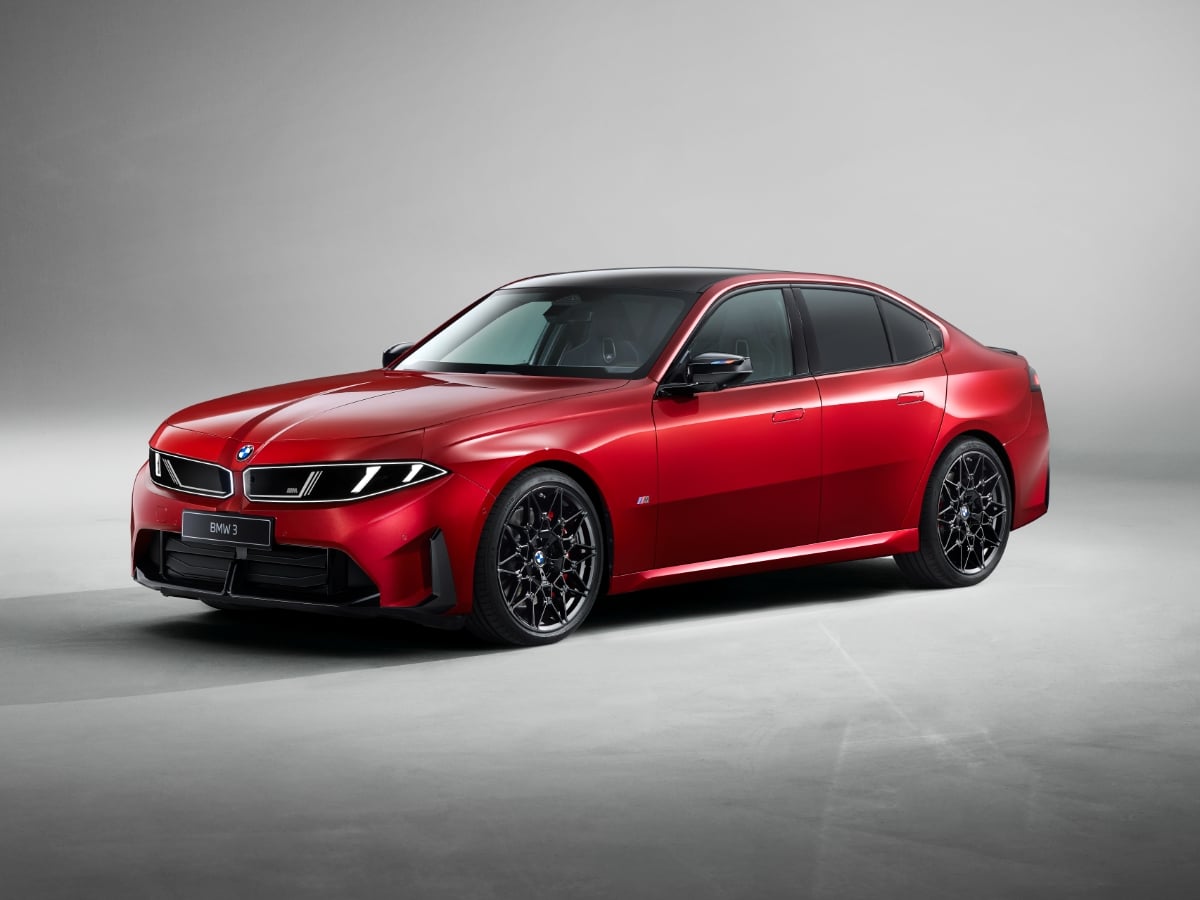
Part of BMW’s Neue Klasse (new class) rollout of redesigned models, the 2027 BMW 3 Series is all-new and goes on sale in the first quarter of 2027.
Read the Full Article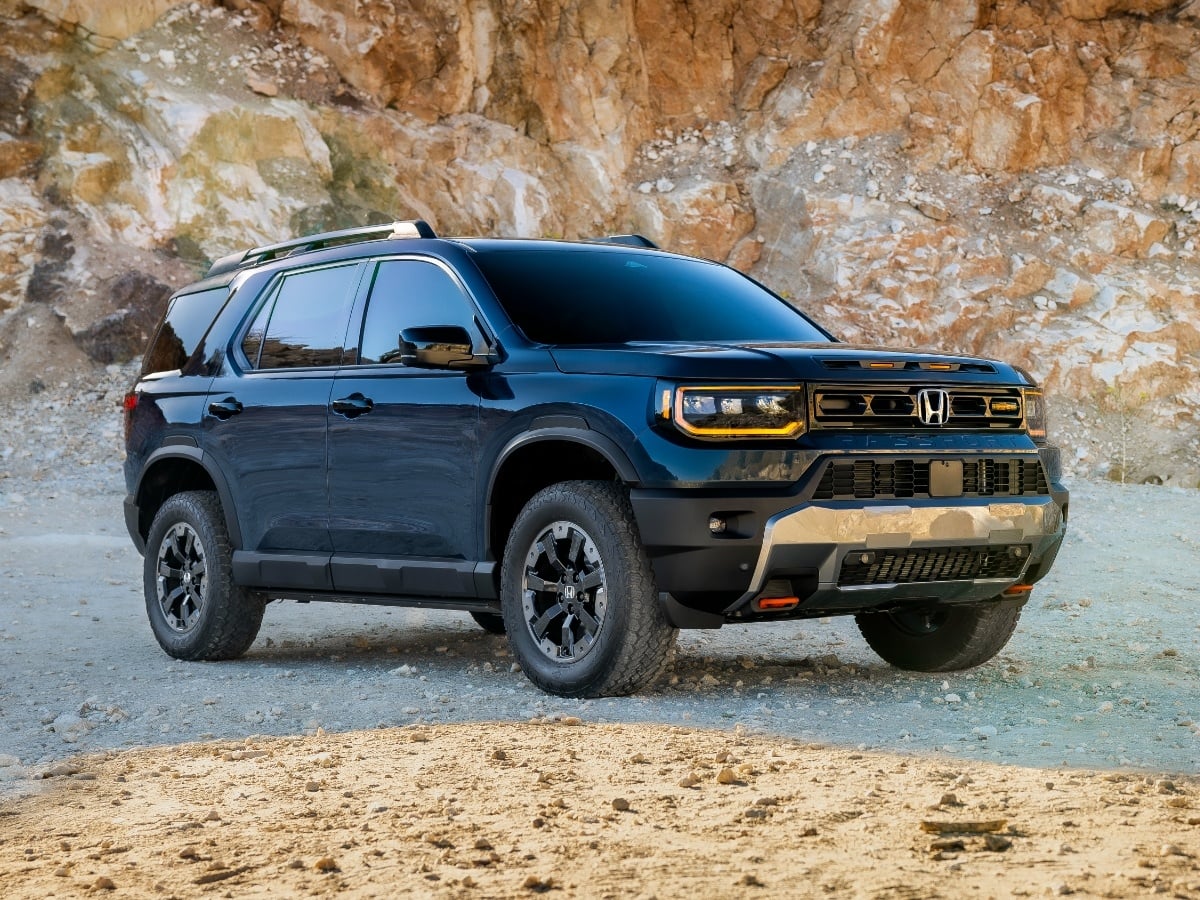
Updates to the 2027 Honda Passport TrailSport include a reworked suspension, improved steering, subtle styling enhancements, and added standard equipment.
Read the Full Article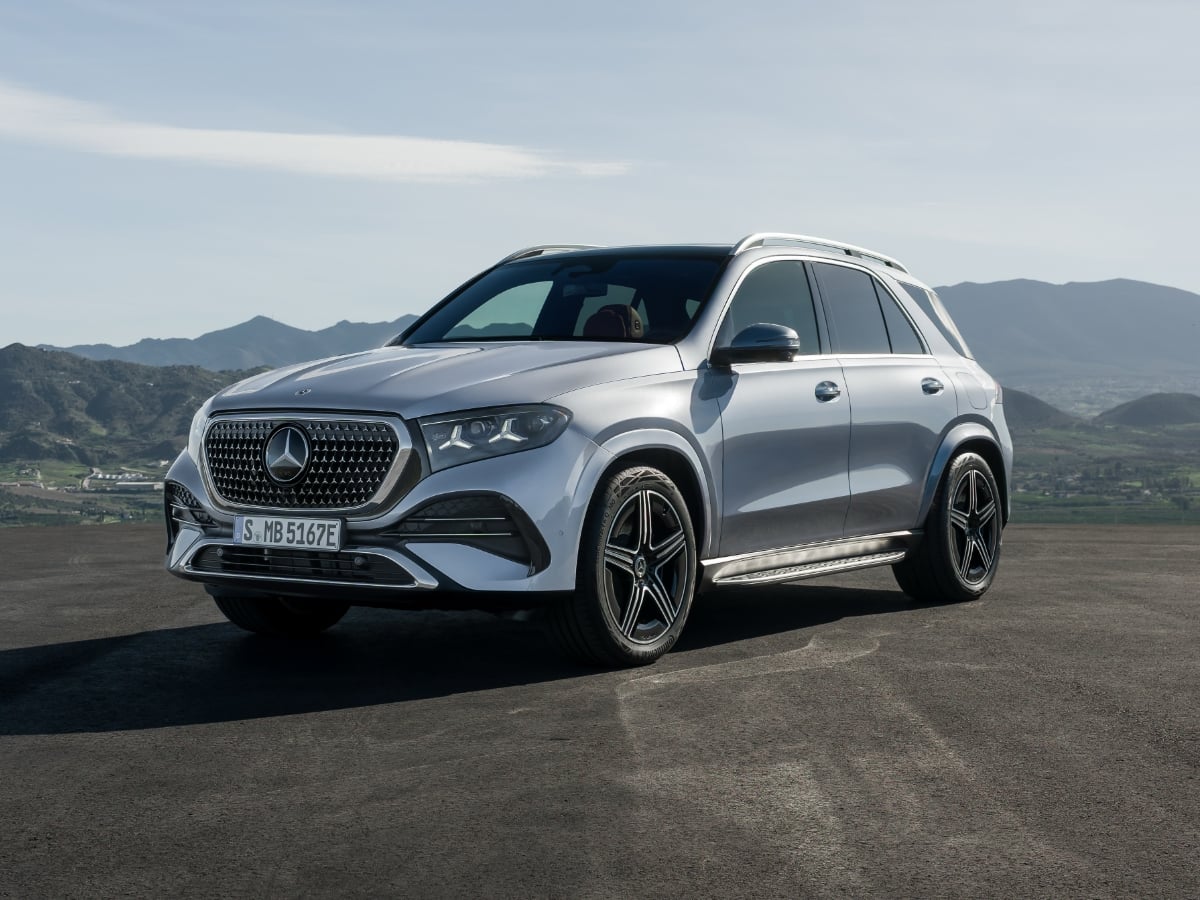
The midsize 2027 Mercedes GLE remains available in original and spicy Coupe recipes, now with standard 4Matic all-wheel drive (AWD), MBUX Superscreen technology, and a panoramic glass sunroof for ...See More
Read the Full Article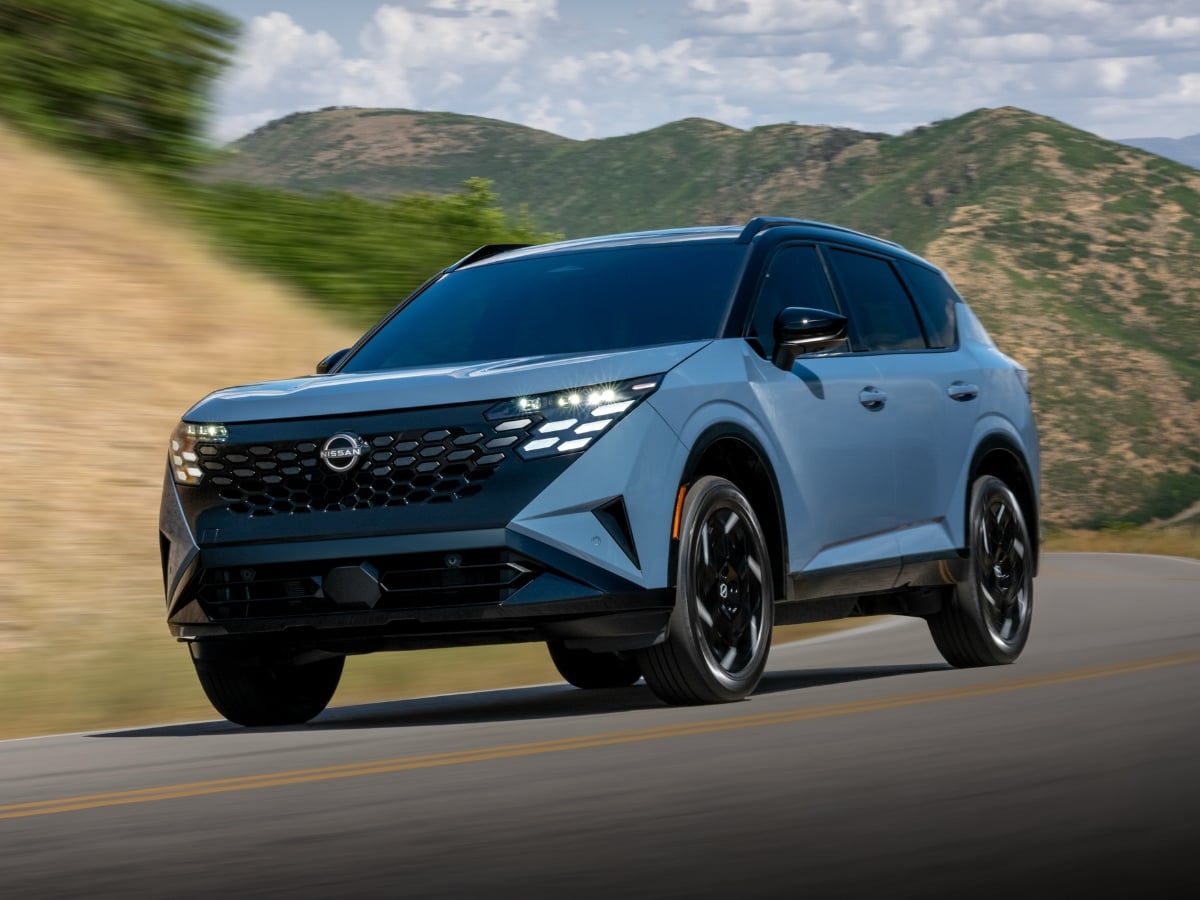
Nissan is about to introduce an innovative new SUV. The 2027 Nissan Rogue Hybrid has a gasoline engine, but it does not power the wheels. Instead, electric motors at each axle provide propulsion, ...See More
Read the Full Article