
Self-driving cars, also known as autonomous cars, have created lots of buzz in the car industry. While fully autonomous vehicles are not available on the consumer market yet, manufacturers are making big strides in automotive technology to make autonomous cars safe for the general public.

There are six levels of autonomous driving, from Level 0 to Level 5. The Society of Automotive Engineers (SAE) has outlined this system to not only properly classify it, but to better frame how its technology progresses and create a clear scale on how much the driver will contribute to the process.
Level 0-2: The driver must be active and engaged to safely navigate the public road. They’re always responsible for the vehicle’s operation and must supervise the technology’s support features at all times. Additionally, they must take complete control of the vehicle when necessary.
Level 3-5: In this range, autonomous driving technology takes complete control of the vehicle without human supervision. However, at Level 3, the driver must be prepared to take control of the vehicle if alerted to. There is currently only one vehicle that’s sold to the public that possesses Level 3 autonomy, the Mercedes-Benz EQS, and stipulations apply.
It’s important to break down what each level of autonomy means to understand why only Level 3 is on the market, as well as what drivers must be prepared for when piloting a self-driving vehicle.
Level 0 is the most common form of vehicle driving assistance—notice no use of the term autonomy here. Instead, it’s made up of systems that drivers have generally accepted as standard equipment on a very wide range of vehicles. Electronic stability control, traction control, and standard cruise control are examples of assistance tools that still depend on human input to function properly.
Stability and traction control augment vehicle inputs, such as acceleration, braking, and steering, but the inputs originate from the driver. Automatic emergency braking and lane-keep assistance are also classified as Level 0 because they provide warnings and momentary assistance. All of these systems require the driver to be fully involved.
The first level of actual autonomy has rapidly developed in recent years and is often standard equipment on many new cars. The vehicle is providing one input—steering or braking/accelerating—but the driver is still responsible for ensuring it does so properly. That’s the key difference. The driver must be ready to intervene at any time.
The most common example of Level 1 autonomy is adaptive cruise control. Based on a host of cameras, sensors, and advanced software, the vehicle can maintain a safe following distance from traffic ahead without any intervention by the driver. Another common example is lane-centering assistance, which provides steering input to maintain position in the center of the lane. With both systems, the driver must keep their hands on the wheel.
At this degree of autonomous technology, the vehicle is equipped with a suite of advanced driver assistance systems (ADAS) that can take over steering and braking/accelerating, though the driver must remain alert and ready to take over at any moment.
A good example of this is Hyundai’s Highway Driving Assist, which can perform certain maneuvers, such as changing lanes on the highway, but the driver’s hand must be on the wheel. On Ford’s BlueCruise, the system can take over certain systems and doesn’t require the driver to have their hand on the wheel. However, this is limited to certain highways across America (also known as geo-fenced) during certain traffic conditions.
This level is incredibly rare, with the key word being conditional. The vehicle will safely drive down the road at certain speeds, on specific types of roads, and only in particular conditions and geo-fenced areas, without any input from the driver.
However, the system must be requested—or enabled—by the driver, and the driver must take over when asked to. This means that there is still a steering wheel, gas, and brake pedal. The best example is the Mercedes’ Drive Pilot.
Level 4 autonomy means the vehicle is equipped with a steering wheel, brake, and gas pedal, but it can safely navigate down the road without driver input and does not require the driver to be alert and ready.
Level 4 is actually navigating America’s roads now, but it’s not for consumer use. Driverless taxis, such as those operated by Waymo, utilize it, and are programmed to travel between Point A and Point B within specific geo-fenced areas. Weather conditions, such as heavy rainfall, may limit or cancel their use.
Level 5 is the highest form of autonomous driving; the vehicle has no control equipment available to the people in the vehicle. Since there are no means to input steering, braking, and acceleration, the driver variable is no longer part of the equation.
It’s important to properly discern each of the six levels of autonomous driving to fully understand the driver’s role in each, and marvel at how far technology has progressed. Drivers can expect to see dramatic advancements in this area of automotive innovation in the near future. Additionally, it allows humankind to understand where it’s headed, what it may look like in practice in the near future, and how to discern if something truly is self-driving if it is marketed as such.


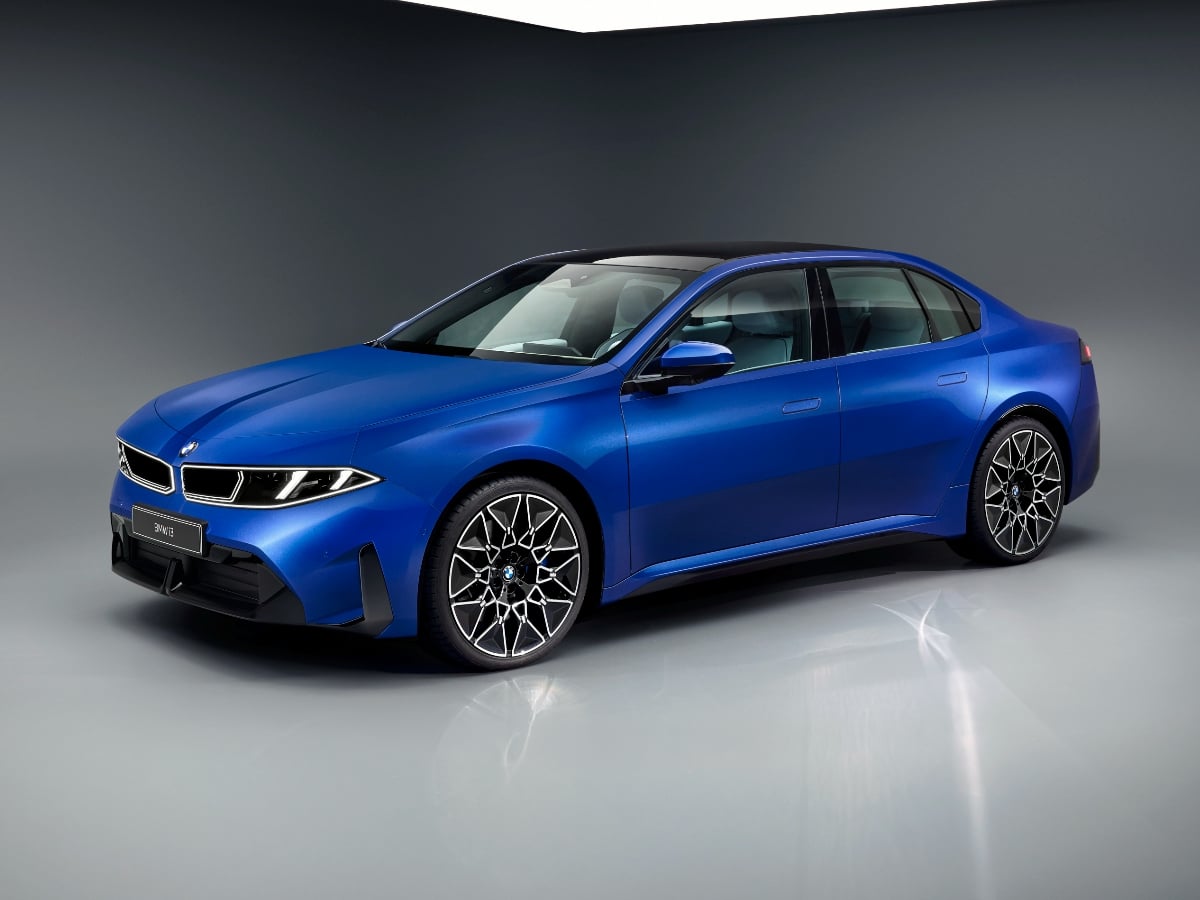
The new 2027 BMW i3 boasts an estimated range of up to 440 miles, 400-kilowatt DC fast charging capability, bidirectional charging to a home or the grid, and next-generation technology.
Read the Full Article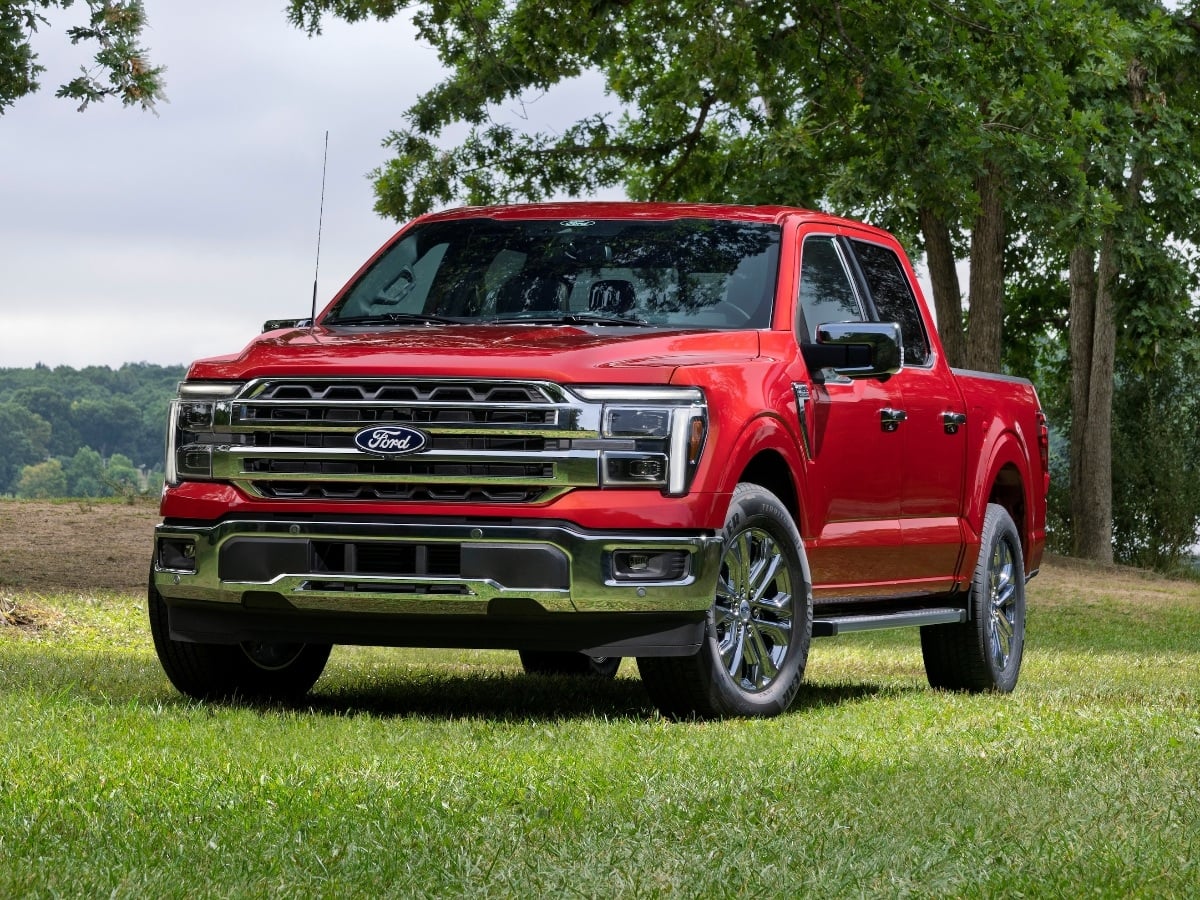
Facing renewed competition in the full-size, light duty pickup truck segment, the 2027 Ford F-150 receives subtle styling updates, a new standard engine, broader availability of its 5.0-liter V8, and ...See More
Read the Full Article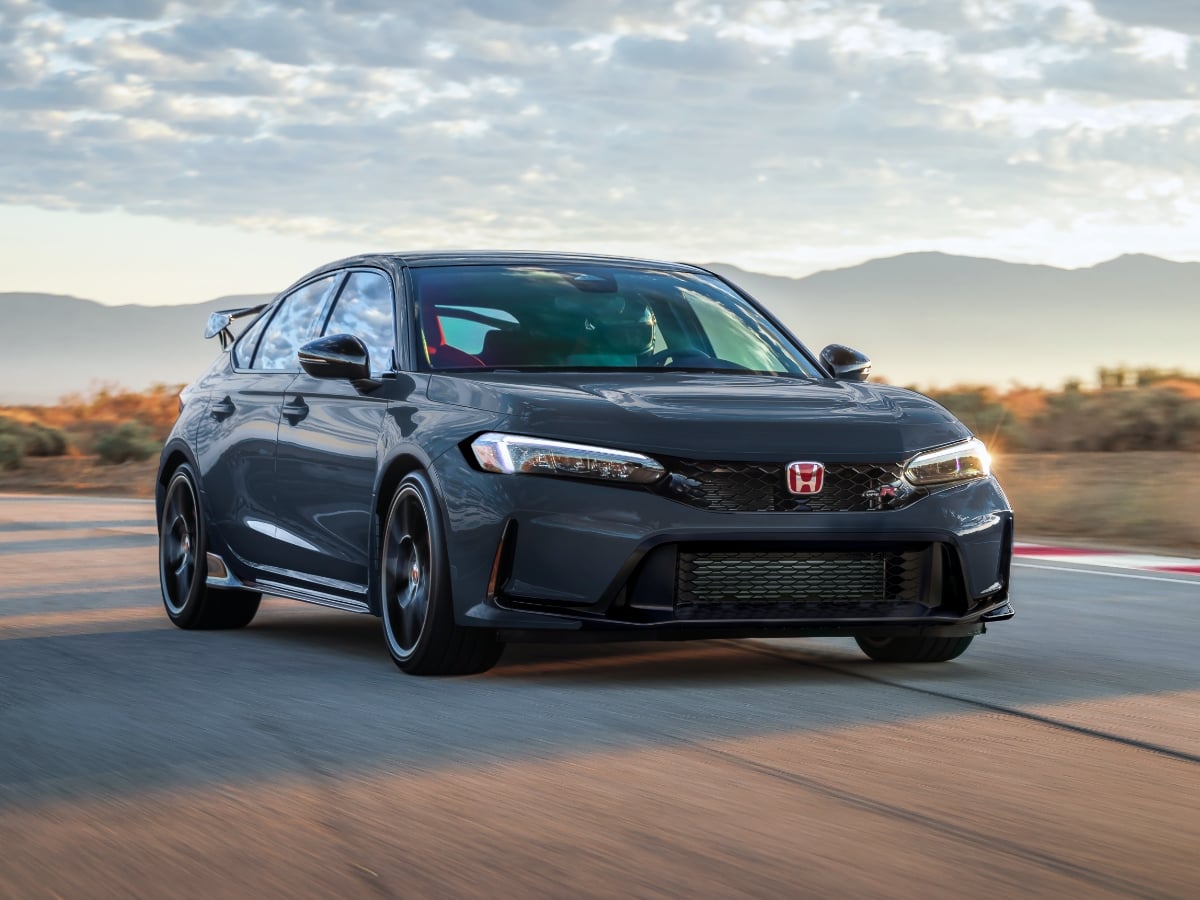
The 2027 Civic Type R goes on sale in October 2026, and it starts at $49,990, including the $1,295 destination charge.
Read the Full Article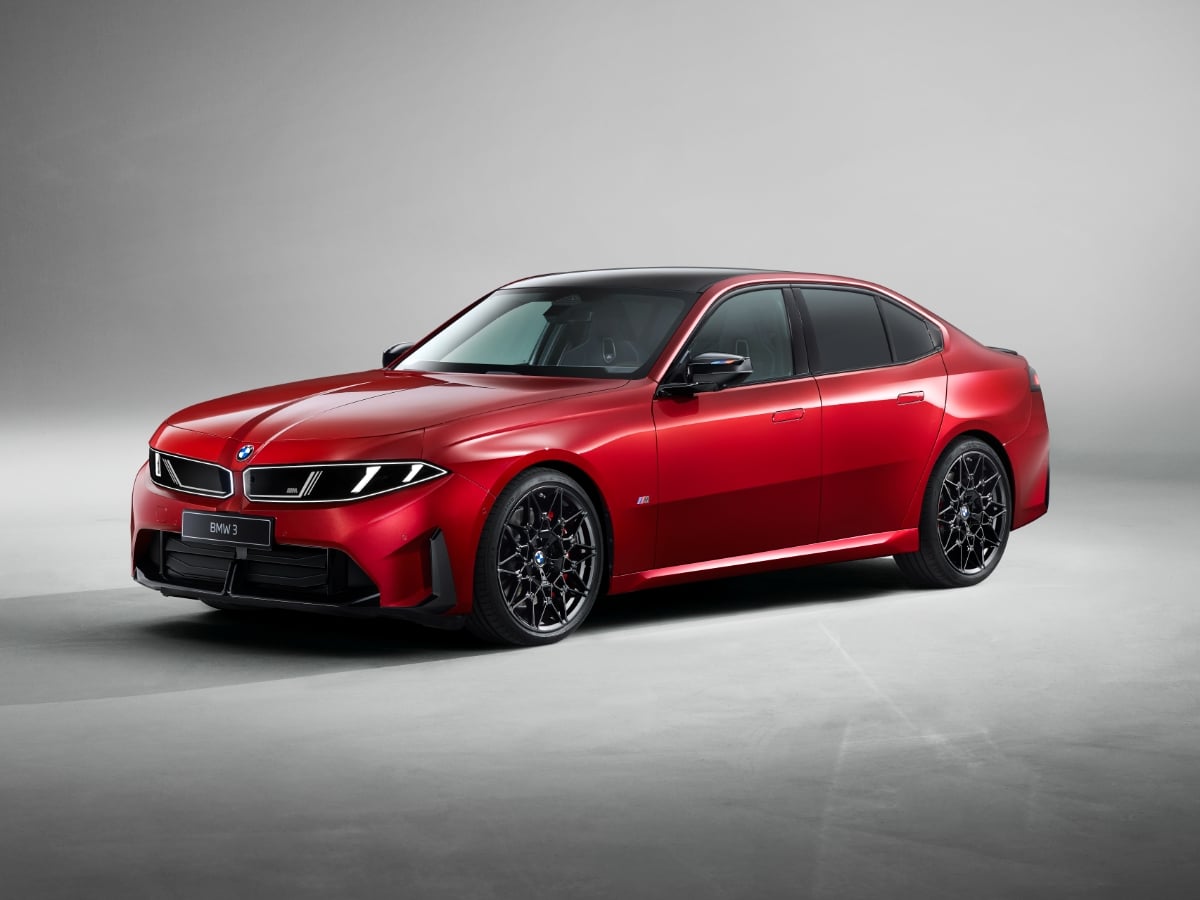
Part of BMW’s Neue Klasse (new class) rollout of redesigned models, the 2027 BMW 3 Series is all-new and goes on sale in the first quarter of 2027.
Read the Full Article