
As the automotive landscape shifts toward a greater emphasis on electric power, batteries have become more important than ever. EVs and hybrids embrace electric propulsion at varying levels through their batteries. The batteries that EVs and hybrids employ are leveraged to reduce, or in the case of EVs, replace the power that would have come from the gas engine.
Hybrids (HEVs), Plugin-Hybrid Electric Vehicles (PHEVs), and Battery Electric Vehicles (BEVs) all use a high-voltage battery in addition to a low-voltage battery. While the traditional low-voltage car battery used in internal combustion engine (ICE) vehicles is made up of lead-acid, the high-voltage hybrid and EV batteries are composed of lithium-on. This composition provides an increased energy density which enables the battery to retain longer charges than the lead-acid batteries.
The high-voltage hybrid battery packs are made up of a series of connected modules.
Each module contains a series of connected low-voltage battery cells. EV batteries are similarly constructed of modules that contain cells, but their modules house hundreds to thousands of battery cells which contain cathodes, anodes, and an electrolyte and separator.
In addition to employing lithium-ion batteries, other similarities between hybrid and EV batteries include the use of regenerative braking as a method to charge the battery.
Regenerative braking captures kinetic energy that is lost when a vehicle brakes and stores it in the battery. This is one of the reasons that hybrids see more noticeable fuel economy improvements in stop-and-go city traffic than in highway driving. This is because the hybrid’s electric motors act as generators by converting energy from braking and the gas engine into electricity reducing the usage of fuel.
EVs and PHEVs differ from traditional hybrids in that their batteries can be charged by plugging the vehicle into an appropriate charging station. The capacity of these larger, high-voltage batteries is measured in kilowatt-hours (kWh) which is akin to using an ICE vehicle’s fuel tank size to measure fuel capacity. Here, the difference between Hybrid, PHEV, and EV battery capacities is quite obvious. The Toyota Prius Hybrid has only a 0.91-kWh battery pack while the Toyota Prius Prime PHEV has a 13.6 kWh battery pack. Meanwhile, the Hyundai Ioniq 5 SE Standard Range EV comes with a 58.0-kWh battery pack – almost 60 times the size of the Prius hybrid battery’s capacity.
With a smaller battery, comes less electric range. The Toyota Prius Prime PHEV has an estimated range of 44 miles. While this is an impressive electric-only range for a Plug-In hybrid, it is not a match for even a shorter-range EV such as the Hyundai Ioniq 5 SE Standard Range which comes with a range of 220 miles. However, for the Ioniq, electric charging is the only option. Whereas once the charge is depleted on the Prius Prime, it operates as a gasoline-powered hybrid vehicle.
With increased power comes increased weight. The weight of the batteries varies greatly between hybrids, plug-in hybrids, and EVs. To put things in perspective, the standard 12-volt car battery weighs around 30-50 pounds. For a traditional hybrid vehicle like the Toyota Prius, the battery pack weighs approximately 118 pounds – about three times the size of the standard low-voltage car battery. A plug-in hybrid adds the ability to drive on electric power alone which means a larger battery to store energy. The battery pack in a Toyota Prius Prime weighs 284 pounds. Weighing the heaviest is an EV battery which on average weighs about 1,000 pounds.
There are a few maintenance tricks that should hopefully extend the life of the hybrid battery. Cleaning the battery using a sponge and a dry towel once a month to remove grime and moisture will help avoid a leakage that can lead to short-circuiting. Checking the voltage using a voltmeter or digital multimeter will also provide the driver with insight into the battery’s health. Reducing the use of in-car electronics and lights when the engine is turned off will limit the drain on the battery. Drivers should also regularly drive their hybrids so the battery recharges.
Driver behavior is important with EV Batteries as well. To extend the life of an EV battery, drivers should avoid frequent use of Fast-Charging stations and maintain a 20% to 80% charge. Drivers should also avoid letting the battery drop to a 0% charge and should limit charging up to 100%.
Given that an EV battery replaces many ICE components at once, it should not come as a surprise that its replacement cost is significant. With hybrids and EVs, the greater dependency on batteries mirrors the greater cost of replacement. When hybrids first became popular about two decades ago, battery replacement cost was a concern for buyers. While the price disparity between hybrid vehicles and traditional ICE vehicles has shrunk, a high-voltage battery replacement is still a repair that one wouldn’t have to worry about with a traditional non-hybrid ICE vehicle. The estimated battery replacement cost for a Toyota Prius is around $1200 whereas a Toyota Camry Hybrid battery replacement might cost $3,000 or as high as $5,000.
The cost of replacing an EV battery is intimidating at $4,000 to $20,000. But there are also maintenance expenses that EV owners won’t need to worry about. For instance, replacing an ICE engine can cost $4,000-10,000.
Fortunately, both hybrid and EV batteries come with substantial warranty coverage. Most EV and hybrid batteries have a manufacturer warranty of at least 8 years or 100,000 miles whichever comes first. Toyota’s hybrid battery warranty is 10 years or 150,000 miles whichever comes first. Considering Toyota makes more hybrid models than any other carmaker, this should give buyers confidence in the durability of their batteries.
Hybrids, Plug-in Hybrids, and EVs leverage high-voltage batteries to reduce or replace power that would have been sourced from a gas engine. These batteries differ in power, capacity, weight, and range. While the greater power and capability of high-voltage batteries comes with higher replacement costs, these batteries fortunately come with a considerable manufacturer warranty.
Matt Yantakosol is a lifelong automotive enthusiast and former consultant focused on the consumer aspect of the industry. He has traveled to New York, Detroit, Chicago, L.A., Paris, Geneva, Frankfurt, and Tokyo Auto Shows to track and observe the newest industry innovations. In addition to JDPower.com, Matt's writing has appeared on Pcarmarket.com.


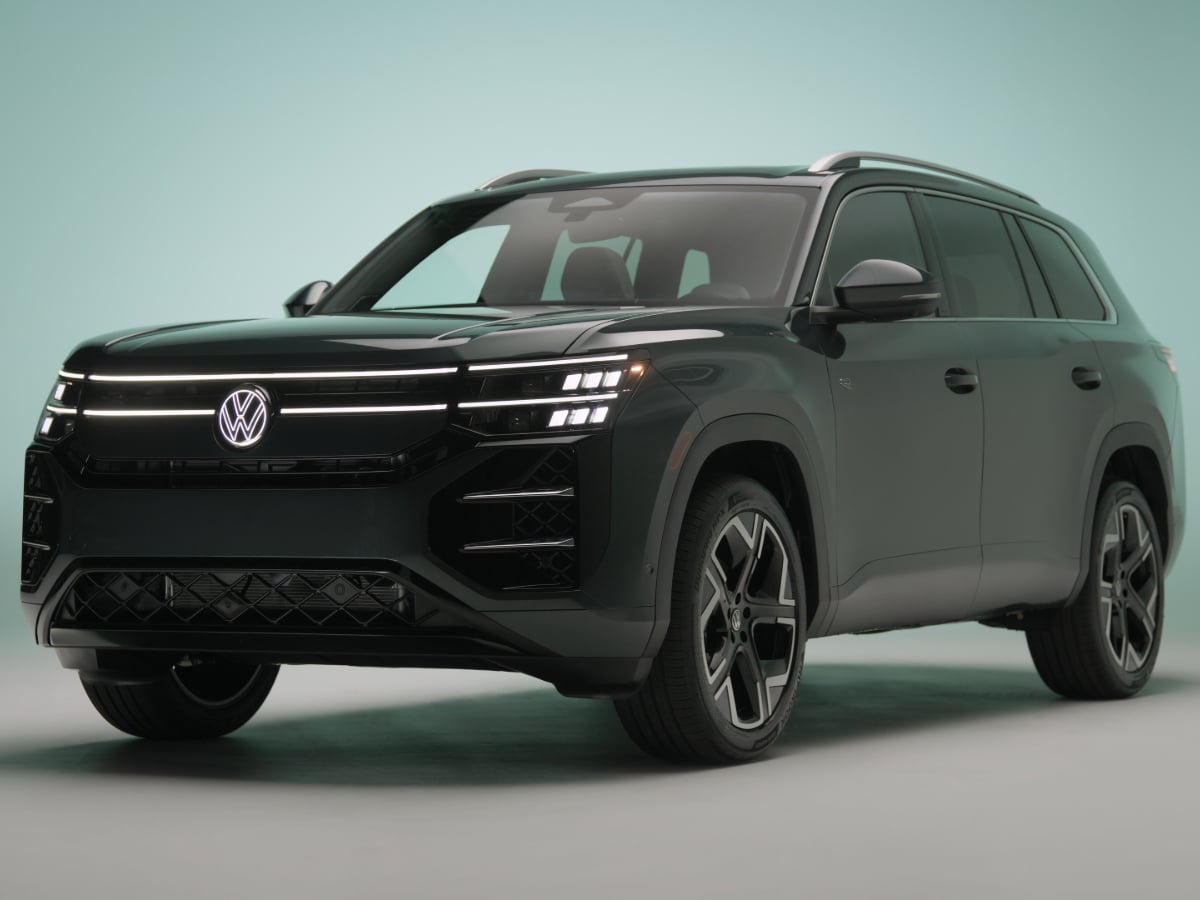
Adding European flair to the otherwise vanilla midsize three-row family SUV market, the redesigned 2027 Volkswagen Atlas debuts with a sharper exterior, an upgraded cabin, more power, and new ...See More
Read the Full Article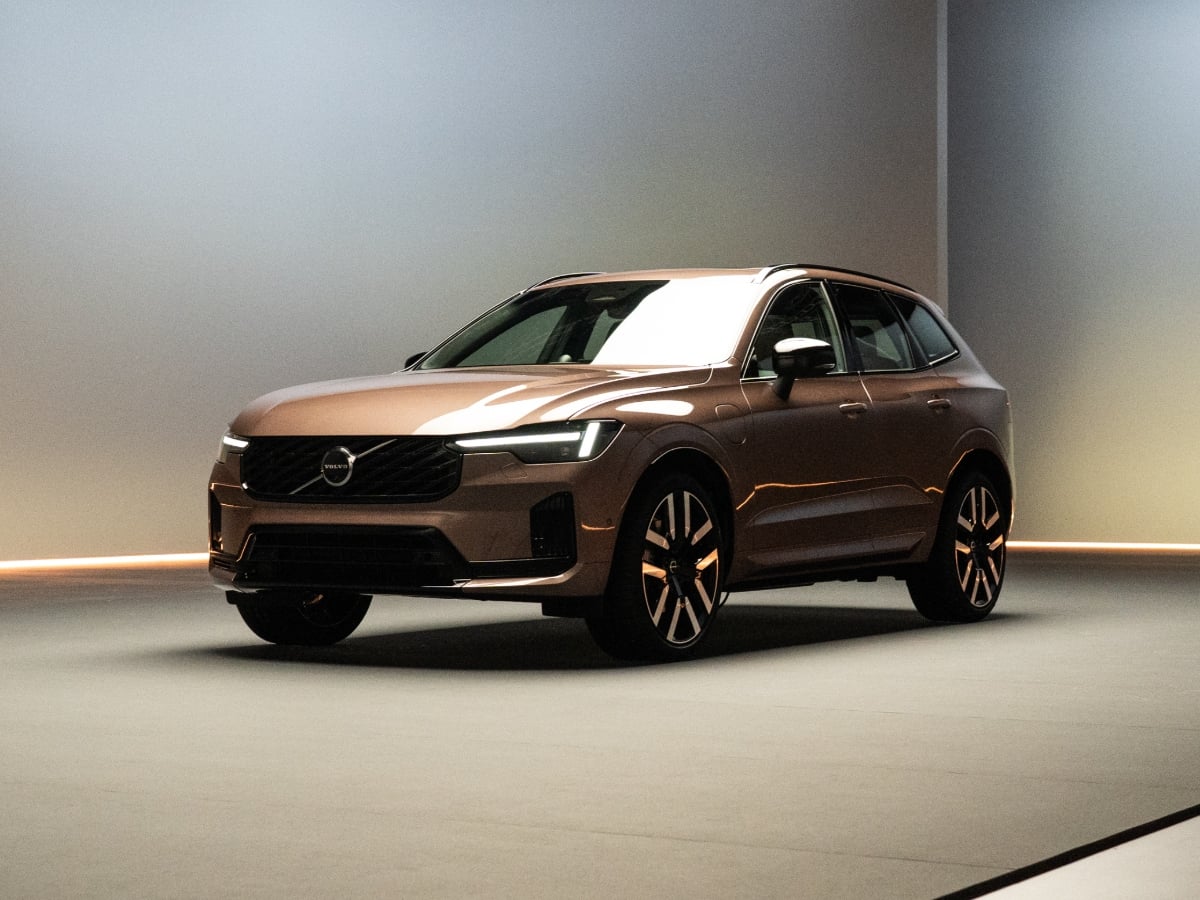
Though the styling stays largely the same, a massive boost in electric range for the plug-in hybrid (PHEV), plus a refined design, helps the 2028 Volvo XC60 stay current and desirable.
Read the Full Article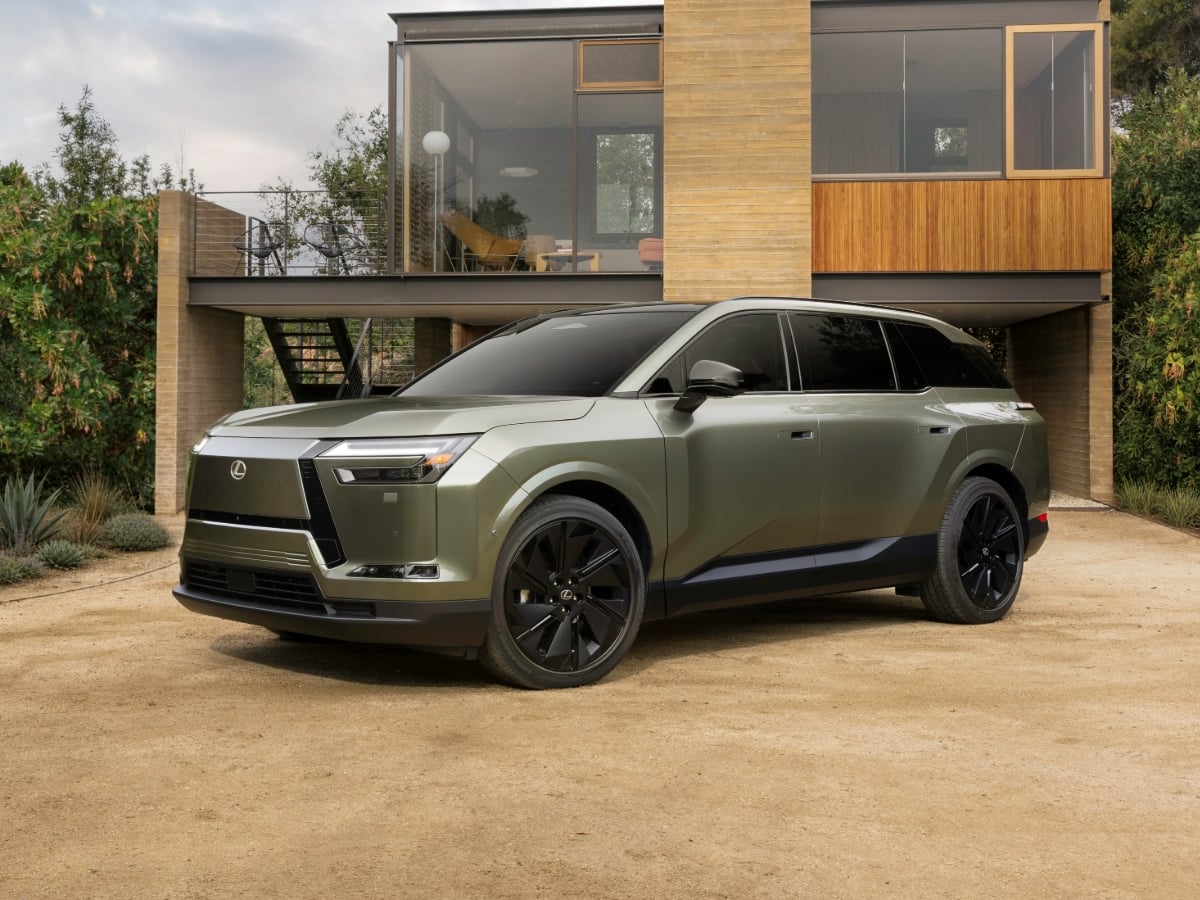
With the 2027 Lexus TZ, Toyota Motor’s luxury division introduces its first three-row all-electric SUV, featuring a lounge-inspired interior, an enhanced all-wheel drive (AWD) system, and up to 300 ...See More
Read the Full Article
With the all-new 2027 Kia EV3 small crossover SUV, the Korean automaker continues to expand its all-electric lineup while keeping prices accessible.
Read the Full Article