
With each day passing, more and more electric cars are on the road. Some consider them a greener mode of transportation, while others simply join the trend due to growing gas prices and lower electricity costs, suggesting it’s cheaper to maintain an EV. But is it true?

Not entirely, as electric vehicles come with high hidden costs, such as fast charging or, the topic of the article, the batteries. If you suddenly start having problems with the battery, you may be surprised to know that replacing it will set you back by a significant sum of money. And, if you wonder just how much it will be, read on to find out more.
Electric vehicles are the most expensive when it comes to battery costs. A battery might cost between $4,000 and $20,000, depending on the brand and model of your vehicle. So, if you have owned the car for a while, and the warranty is void, you have no choice but to pay the asking price.
The materials used to produce EV batteries are the root cause of their high cost, as they include manganese, cobalt, and lithium, which aren’t cheap. Such materials are more expensive to obtain and work with, but the most expensive component of the battery is the cathode electrode found in each cell (51% of the battery cost).
However, the batteries gradually become cheaper as the manufacturing process becomes more and more refined. Because fewer precious materials are required, the general availability of these cars expands, forcing further financing and technological developments.
Due to the hundreds of softly topped-up cells inside an EV battery, each battery pack can maintain its charging-discharging capacity for 60,000 to 120,000 miles. Most electric cars come with an extended warranty of eight years or 100,000 miles since manufacturers are certain the battery will last for a while. And rightfully so, as most EV batteries today have a service life of 15 to 20 years.
It's also worth mentioning that EV battery technology is continuously changing, so as technology advances, you can expect batteries to last longer while also becoming cheaper, smaller, and lighter.
As you can tell, the batteries will last you for a while. Even if they don’t, you should have a warranty for eight years or 100,000 miles, which should cover the costs. For that matter, if you have any technical problems, its extensive coverage should more than deal with repair costs.
Even after eight years pass, the batteries will still have about 70% of their original capacity. And just because of that, you might not need a new battery for ten years or longer, with the only exception being the limited starting range of your car. In this case, you must consider getting a replacement out of pocket.
Now that we’ve dealt with one of the hidden costs let’s turn to another - charging. Depending on the network and location of the charge points, the cost of charging your electric vehicle at a charging station will vary. The price of charging stations also varies based on the power rating and whether they are fast or rapid, as there’s a charge time difference. Many local governments offer on-street chargers a pay-per-session option. If you have access to a network subscription, you may occasionally be able to use them for free.
Although they can occasionally be free for some drivers, rapid charge terminals are typically found at highway service stations and are generally regarded as one of the more expensive options. They are more expensive since they offer a quicker charge (drivers can often charge an electric car to 80% in 20–40 minutes) and greater convenience.
EV batteries are costly to replace out of pocket, and the prices can generally be between $4,000 to $20,000, with your vehicle’s year, make, and model directly influencing the final sum. However, the prices are expected to decrease gradually with time, and the warranty comprehensively covers any part replacement within the first eight years.


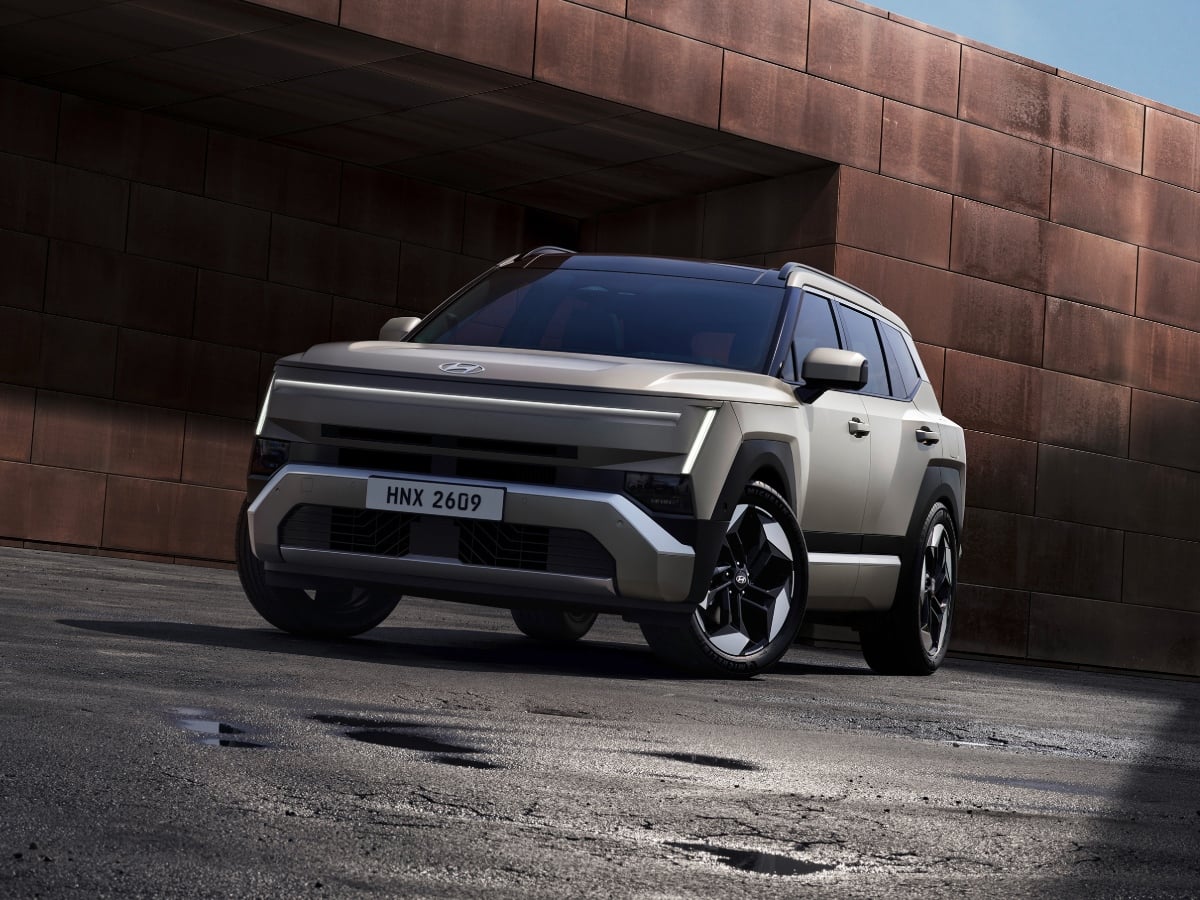
With a purposeful new design and some trail-ready upgrades, the 2027 Hyundai Tucson is pushing the brand's best-selling crossover SUV into more aggressive territory.
Read the Full Article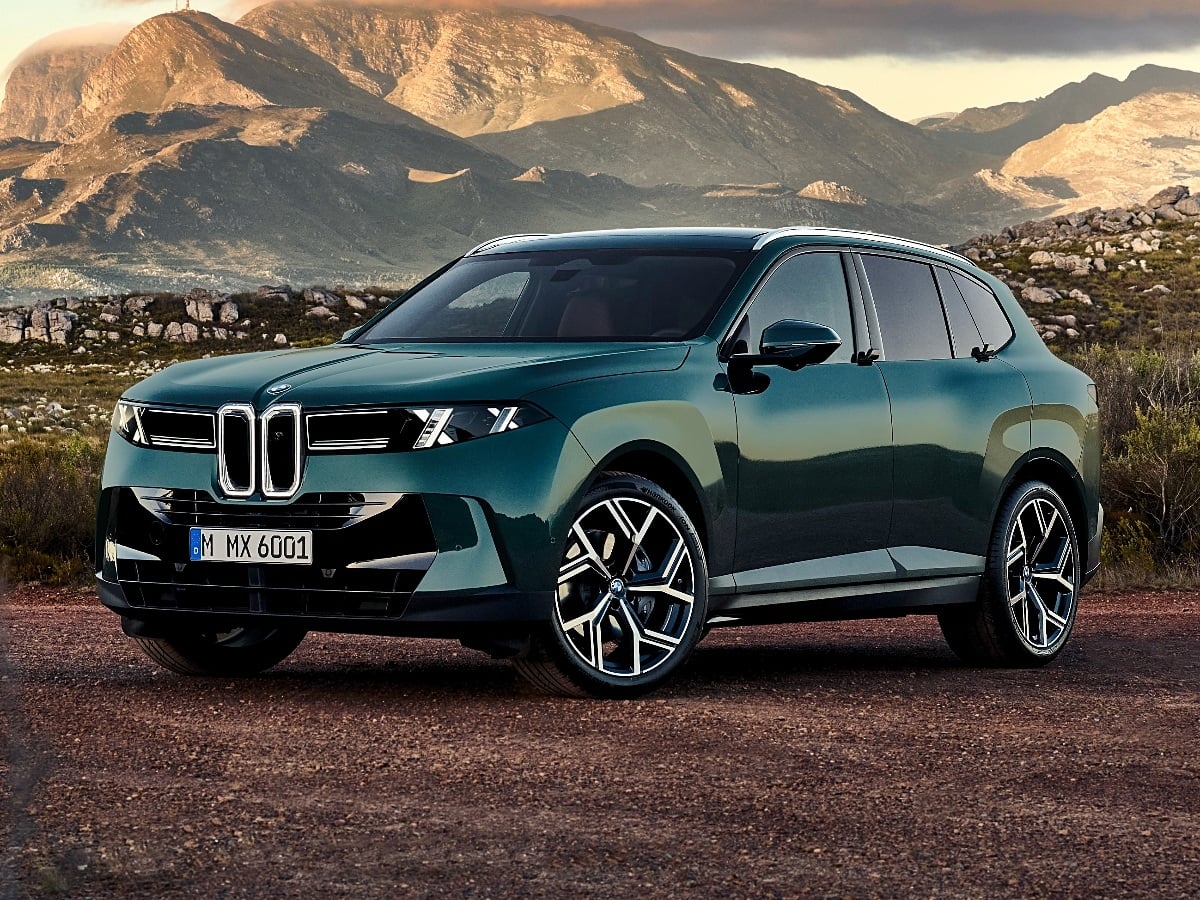
For more than 25 years, the BMW X5 has helped to define the luxury SUV segment. Now, the redesigned fifth-generation 2027 BMW X5 arrives with the automaker’s Neue Klasse styling, a roomier interior, ...See More
Read the Full Article
One of Lexus's most popular models, the NX crossover SUV is also one of the most affordable in the company’s lineup. The 2027 Lexus NX transitions to hybrid-only powertrains, and gets revised ...See More
Read the Full Article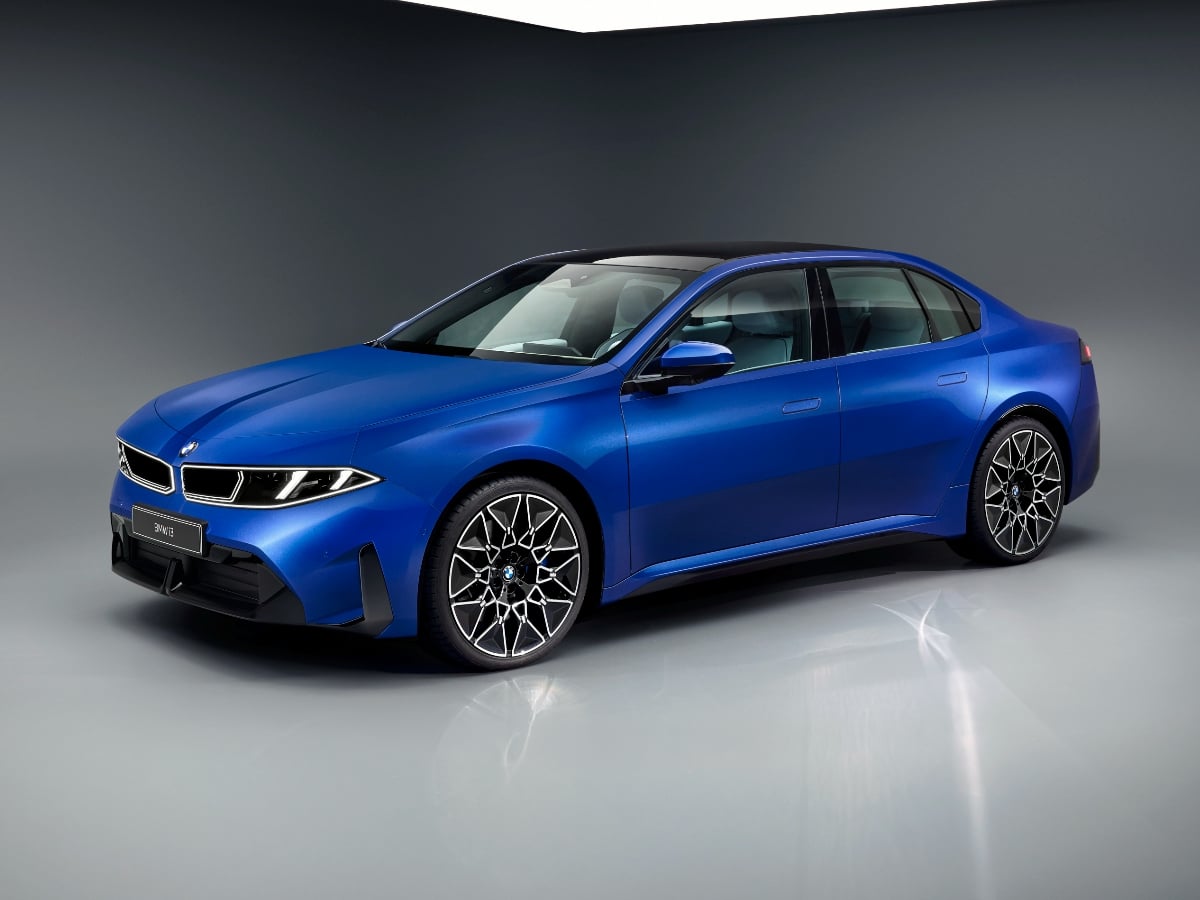
The new 2027 BMW i3 boasts an estimated range of up to 440 miles, 400-kilowatt DC fast charging capability, bidirectional charging to a home or the grid, and next-generation technology.
Read the Full Article