
Today's electric vehicles (EVs) use lithium-ion batteries, developed in the 1990s and widely used in smartphones and laptops. A next-generation technology called solid-state batteries is currently undergoing testing by multiple automakers because it promises to make EVs cheaper, better, and safer.
Solid-state battery packs will not be in production EVs for many years but are on the horizon. Here's an overview of the technology and a glimpse at what's likely down the road.
As heavy and solid as today's large EV batteries may appear, they contain a liquid electrolyte. Battery makers can produce this electrolyte from different chemicals, but in all cases, the purpose is to carry "charged" lithium ions from one of two terminals inside the battery to another. These terminals are called the anode and the cathode. The charged ions move back and forth between the two, causing reactions that either store the energy during charging or discharge it when the EV moves.
In a solid-state battery, a solid electrolyte replaces the liquid one. Some solid-state batteries use ceramic for this electrolyte. Others use minerals like argyrodite.
The lack of a liquid electrolyte in solid-state batteries means they are less likely to catch fire. For example, a ceramic electrolyte in a solid-state battery helps prevent dendrites from growing the way they do in a liquid electrolyte battery, reducing the likelihood of an internal short. A solid electrolyte also makes the battery safer because there is less leakage and corrosion near the electrodes. Auto manufacturers can also incorporate solid-state batteries into a vehicle's structure, improving safety.
Scientists investigated the first solid electrolytes in the 1800s, and there have been various solid-state battery tests and experiments in the intervening decades. It wasn't until laboratory breakthroughs in the 2000s that researchers seriously considered using solid-state batteries in EVs. Multiple automakers have since announced research and test projects for solid-state batteries, but no EVs with the technology are yet available to buy.
That said, the market for solid-state batteries is experiencing a boom, growing from just over $600 million in 2021 to an expected revenue forecast of over $5 billion in 2028.
Numerous automakers have announced that EVs with solid-state batteries will arrive in some form around 2025, with more on the way by 2030. Some automakers are developing their own solid-state technology, while others are working with partners, including start-ups and established companies. Some automakers and their partners are taking things a step further, forming entirely new joint ventures to get solid-state batteries into production EVs.
As mentioned, solid-state batteries can be safer than li-ion batteries. They can also have a higher energy density, using a 3D battery architecture design with a higher theoretical capacity. For drivers, this will mean more range from a battery the same size as today's li-ion packs. Future research and development projects are also working to reduce the cost of solid-state batteries. Some estimates say the final cost could be 30 percent lower than today's conventional batteries.
Once solid-state technology lives up to these promises, there will be little reason for automakers to keep using traditional li-ion batteries in future EVs.
Meeting those promises will take time. Battery makers need a significant breakthrough to bring solid-state batteries to production EVs.
One problem is that some solid electrolytes are too brittle to charge more than a few dozen times. Research conducted in 2021 proved that solid-state batteries could recharge and discharge at least 10,000 times, far more than solid-state test batteries, allowing for packs lasting 10-15 years.
While researchers expect solid-state batteries to eventually cost less than today's batteries, currently, this is not the case. Automakers don't regularly publicize their battery costs. Still, a longstanding industry target says that li-ion batteries would make EVs comparable to gasoline cars if the packs cost under $100 per kilowatt-hour (kWh).
In 2021, the United States Department of Energy released the "National Blueprint for Lithium Batteries, 2021–2030." According to this document, the U.S. will support efforts to make solid-state and other advanced battery types a reality for production EVs at less than $60 per kWh without using any cobalt or nickel.
Real hurdles remain for solid-state batteries to overcome before they start powering our EV fleet. Once battery makers sort out these problems, companies must find sources for the needed materials and then build factories to mass-produce the packs. The promise of solid-state batteries outweighs these challenges, though, and a new generation of EVs is coming.
Based on current trend lines, future EVs will use solid-state batteries. The industry is working to determine when the first mass-produced passenger EV with a solid-state battery will arrive and exactly which of the many possible benefits it will bring. To learn more about the types of electric cars, EV tax credits and incentives, EV charging, and more, check out our Shopping Guides section.
Sebastian Blanco has covered the auto industry for over 15 years. His reviews and articles have appeared in Car and Driver, The New York Times, Automotive News, Reuters, Autoblog, InsideEVs, Trucks.com, Car Talk, and other outlets.


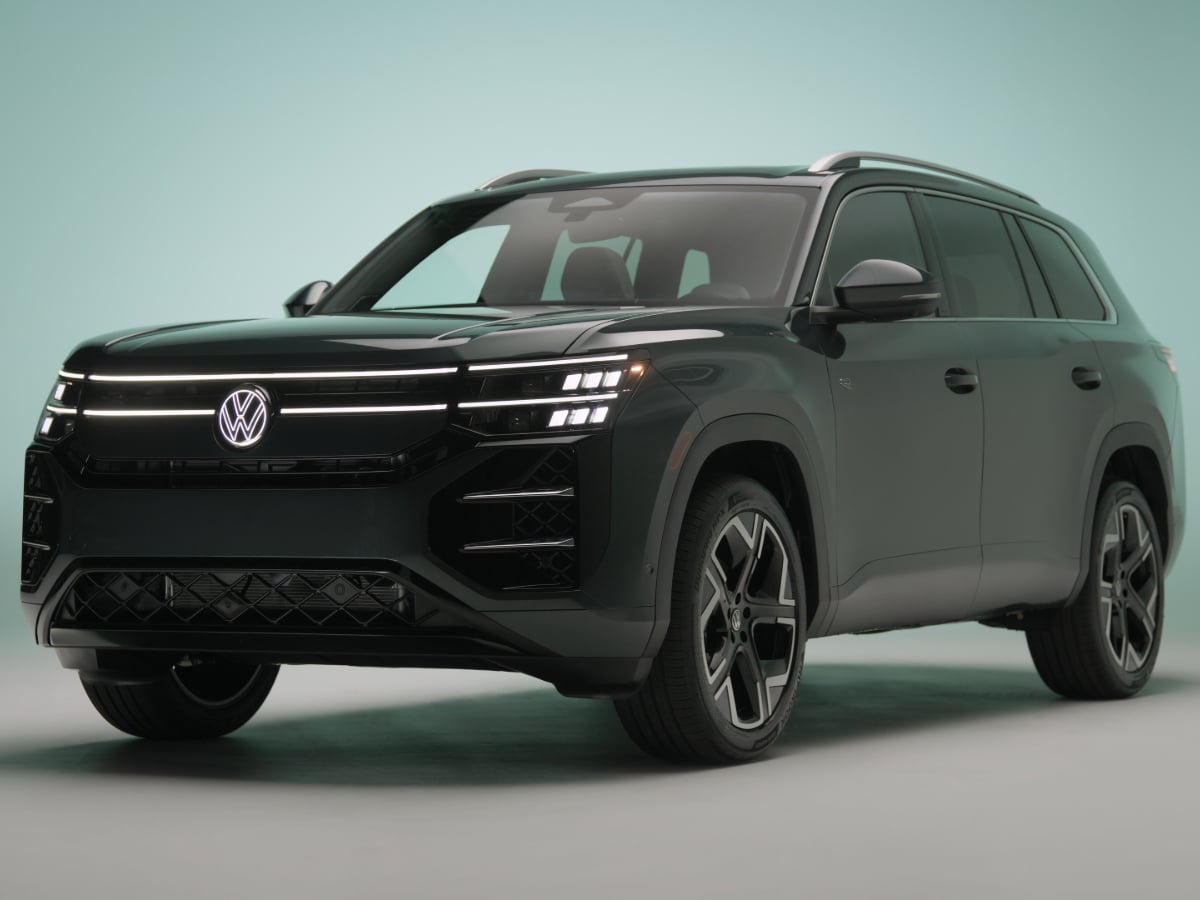
Adding European flair to the otherwise vanilla midsize three-row family SUV market, the redesigned 2027 Volkswagen Atlas debuts with a sharper exterior, an upgraded cabin, more power, and new ...See More
Read the Full Article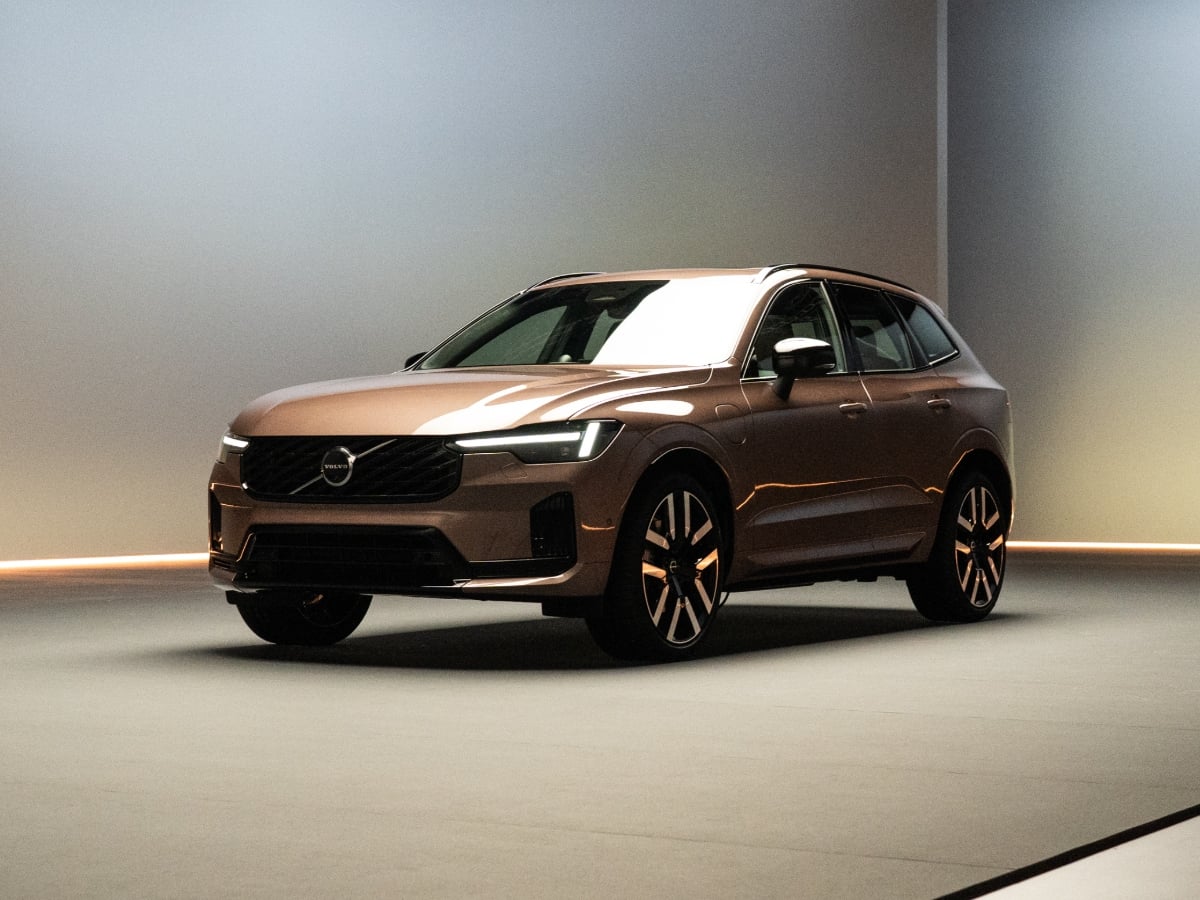
Though the styling stays largely the same, a massive boost in electric range for the plug-in hybrid (PHEV), plus a refined design, helps the 2028 Volvo XC60 stay current and desirable.
Read the Full Article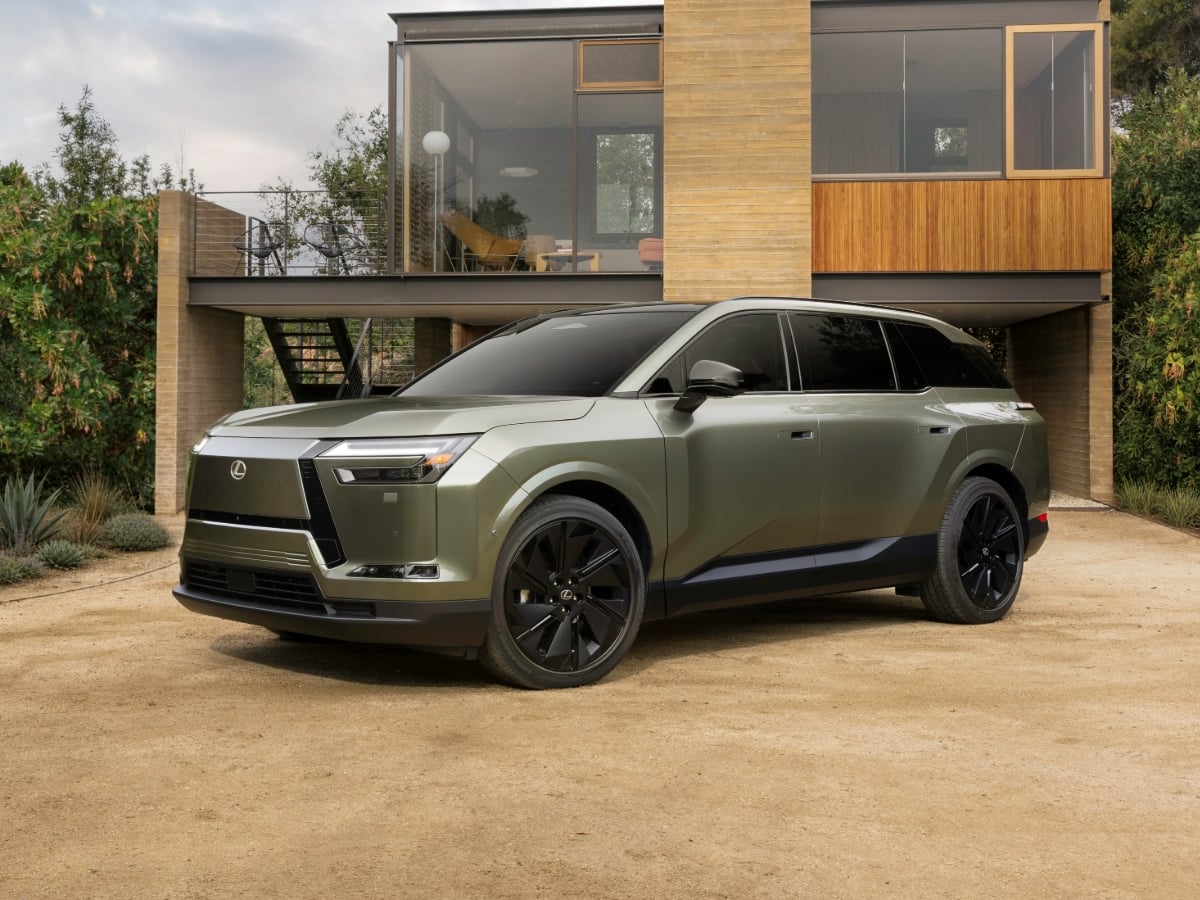
With the 2027 Lexus TZ, Toyota Motor’s luxury division introduces its first three-row all-electric SUV, featuring a lounge-inspired interior, an enhanced all-wheel drive (AWD) system, and up to 300 ...See More
Read the Full Article
With the all-new 2027 Kia EV3 small crossover SUV, the Korean automaker continues to expand its all-electric lineup while keeping prices accessible.
Read the Full Article