
Electric vehicles (EVs) can be an absolute joy to drive, but the rush of adrenaline you experience from a 4-second zero-to-60-mph run comes at a cost: draining precious energy from the battery. To maximize your battery's state of charge as much as possible and to promote long-term battery health, here are some best practices for driving, charging, and maintaining your EV to maximize its range.

You can improve the efficiency of your EV the same way you would a gas-powered car. That means removing any excess weight and keeping your tires properly inflated. Keeping up with scheduled maintenance is also essential, even though EVs typically require less servicing than conventional vehicles.
As with any vehicle, gradual acceleration and gentle stops are more efficient than sudden speed changes. Some EVs have an "eco" mode to improve efficiency. Eco mode uses powertrain software to smooth out acceleration or deceleration, which both saves and regenerates battery power. Also, driving at or below the speed limit will help extend the range of your EV.
Many EVs can also provide tips on driving more efficiently, displayed on the instrument gauge cluster or infotainment touchscreen. Some embedded vehicle navigation systems can even plan the most efficient route to your destination (avoiding significant elevation changes, for example).
In a gas-powered vehicle, the interior's heater draws warmth from the engine. While some EVs can use residual heat generated by the battery to condition the cabin, there is not as much of it available compared to gas cars. That's why moderate instead of heavy use of the heater in cold weather will extend your EV's range. The same goes for the air conditioner in warm weather.
Therefore, the more you use your EV's climate-control system, the more it affects range. That is why buying an EV with heated and cooled seats might make sense.
Electric vehicles can do something that standard gas-powered cars simply cannot: recapture energy. Using regenerative braking, the car's electric motor(s) can slow it down and send up to 70 percent of the energy it would otherwise lose back into the battery to recharge it.
Many new EVs also offer different levels of regenerative braking. The strongest settings might allow for one-pedal driving, wherein you don't have to touch the brake pedal at all because releasing the accelerator pedal slows the car considerably. Regenerative braking also extends the service life of your brakes, saving you money because you can drive your car further before replacing the pads.
Like smartphone batteries, an EV's battery will last longer if you prevent it from charging 100 percent or running it down to zero. To extend your EV battery's life, remember the 80/20 rule, which means not charging past 80 percent and not letting it drop below 20 percent.
Many EVs allow the driver to use an app or the car's touchscreen to tell it to stop charging when it achieves a certain charge level. Using the 80/20 rule, if your battery can provide 250 miles of range on a full charge, charging to 80 percent will still give you 150 miles of range before you deplete it to 20-percent full. You will have to decide if starting your trip with a battery that's not full makes sense based on how far you are going and your driving patterns. If you manage it properly, you can extend the life of your EV's battery.
The 80/20 rule does have exceptions, however. EV drivers should consult their owner's manual for charging information on their specific car. Tesla, for example, recommends charging the battery in its rear-wheel-drive vehicles to 100 percent, even for daily driving.
Like humans, EV batteries work best when they're at a comfortable temperature. Just as a human's heart pumps blood, EV batteries have internal circuits that automatically keep them warm in cold weather.
When it's cold outside, EVs cannot go as far as they can when it's warm. That said, EVs work perfectly fine in cold weather and are incredibly popular in Norway, where over half of the new cars sold each month are all-electric.
How much does cold weather affect EV range? The Norwegian Automobile Federation conducted a real-world test that found winter weather can reduce an EV's range by around 25 percent. Other organizations have found that cold weather can reduce the range by 40 or 50 percent. Though the exact percentages may vary, there's no question that cold weather harms EV battery performance.
If you must drive your EV in the cold, here are a few simple ways to improve its range:
Driving an EV efficiently is similar to how you would do it in a gas-powered car. While it is true that EVs present different challenges and opportunities, thankfully, there are best practices you can implement to make the most of a battery's life, both in the long and short term. If you're shopping for an efficient EV, be sure to check out our Shopping Guides section to learn more.


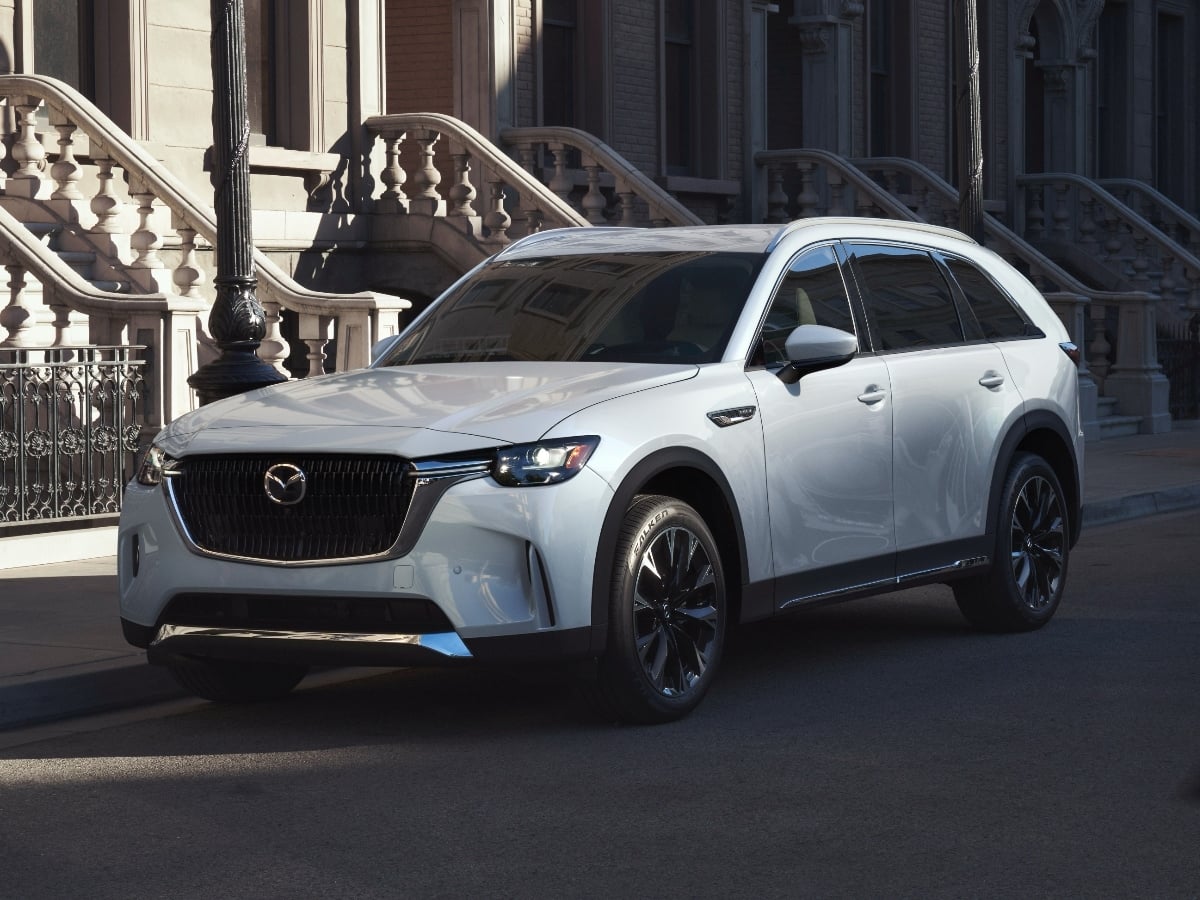
Mazda is discontinuing the five-passenger midsize CX-70 crossover SUV for the 2027 model year. But do not worry. The automaker is moving that configuration to the CX-90 lineup, where it will be ...See More
Read the Full Article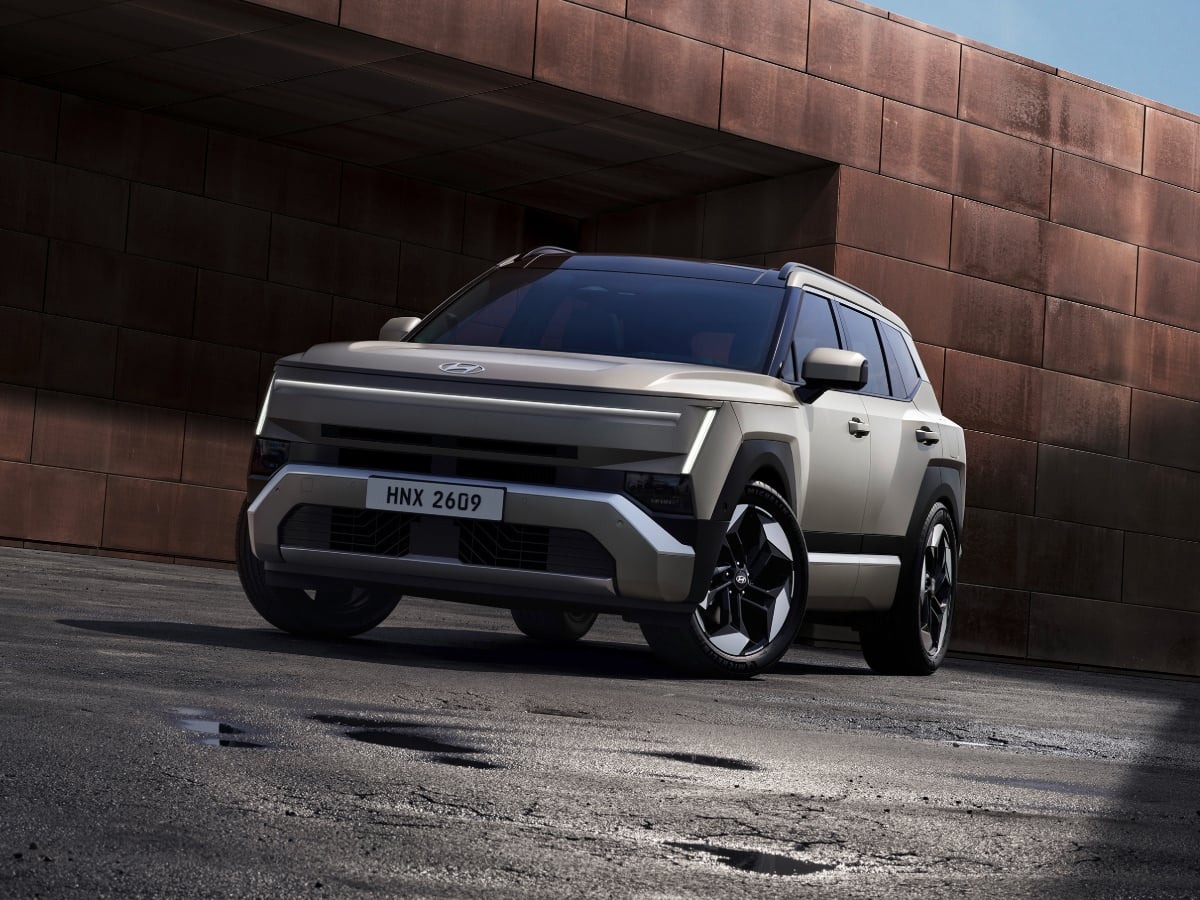
With a purposeful new design and some trail-ready upgrades, the 2027 Hyundai Tucson is pushing the brand's best-selling crossover SUV into more aggressive territory.
Read the Full Article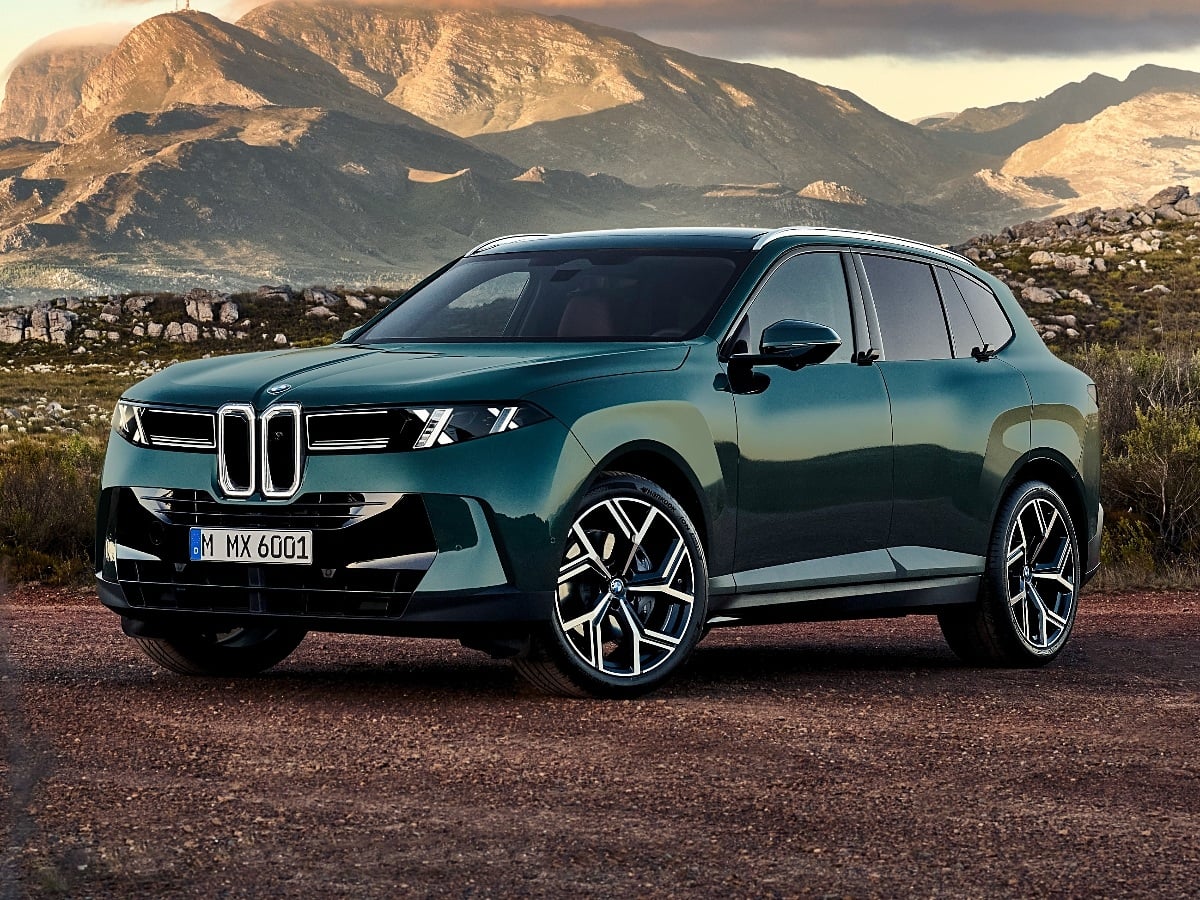
For more than 25 years, the BMW X5 has helped to define the luxury SUV segment. Now, the redesigned fifth-generation 2027 BMW X5 arrives with the automaker’s Neue Klasse styling, a roomier interior, ...See More
Read the Full Article
One of Lexus's most popular models, the NX crossover SUV is also one of the most affordable in the company’s lineup. The 2027 Lexus NX transitions to hybrid-only powertrains, and gets revised ...See More
Read the Full Article