
Before purchasing an electric vehicle (EV), it’s important for drivers to understand how long an electric car battery maintains peak charge over the course of its life. Determining this depends on several variables, including charging rate, the different levels of charging, and battery capacity. This article breaks down how each of these variables affect the battery’s overall length of use.

First and foremost, it’s important to understand how EV batteries’ capacity is measured. In an internal combustion engine (ICE), which are used in most gas-powered cars, fuel economy and gas tank size affect overall range. For EVs, a battery’s kilowatt-hour (kWh) rating is like a gas tank’s capacity in gallons. The higher the kWh number, the further it can travel on a single charge.
Based on the vehicle’s design, size, weight, aerodynamic efficiency, and other factors (such as available technology in the battery realm), engineers determine the best size for the job. Then there’s gross and net battery capacity; the former is the total amount of charge it will hold, whereas the latter is the maximum amount owners may charge up. Manufacturers recommend EV owners charge up below full capacity because 100 percent usage makes the battery degrade faster.
EV batteries slowly lose their charge capacity over time, just like lead-acid batteries (which provide electricity for most ICE vehicles’ functions), cell phones, and conventional AA and AAA batteries. Thanks to continually advancing technology, EV batteries last much longer than when they first entered the market. Just a few years ago, car batteries degraded at roughly 2.3 percent every year. For example, if a 2018 model year EV started out with 200 miles of range, by 2024, the mileage range would be around 173 miles.
However, degradation on newer EVs is closer to 1.8 percent per year on average, with many just a little above 1 percent. That may not seem like much of a difference, but a 2024 model year vehicle with 200 miles of range might only lose 12 miles after six years.
Research also suggests that mileage doesn’t have as much of an impact on range as previously thought. Whether an EV travels 25,000 or 100,000 miles over the course of a five-year ownership experience, there are other factors that have more of an impact on range.
Besides the basics of modern battery chemistry, temperature contributes to long-term health. Similar to ICE cars, heat cuts down on efficiency and degrades internal components. Typically, a battery that is cooled down by water as opposed to air will last substantially longer. This is because water-cooling is far more effective; the water/coolant mix pulls the heat out as it circulates back to its cooler.
There are several ways to care for batteries to ensure that they last as long as possible.
The 80 Percent Rule: Typically, charging up to only 80 percent helps prolong the life of the battery. In fact, it’s often more convenient to only charge to 80 percent, as even while plugged into the fastest Level 3 DC fast chargers, the charging rate slows down significantly above 80 percent. If it takes 40 minutes to charge from 10 to 80 percent, it’ll potentially take another 40 minutes just to charge from 80 to 100 percent. The same applies on the low-end; it’s best to not let charge level drop below 10 percent. Many manufacturers highlight their 10-80% charging rate as normal marketing now, and even outline these as indices on vehicles’ charging screens.
Don’t rely on DC Fast Charging: While it is often the most convenient way to charge and most closely resembles quickly filling up an ICE vehicle at a gas station, Level 3 DC Fast Charging causes a lot of heat, which in turn wears out the battery more than Level 1 or Level 2 charging. However, many manufacturers have designed EVs to run added cooling during DC Fast Charging.
Don’t fret about long-term life: For many years, the actual life of a battery was a major concern for potential EV buyers, and thus dissuaded drivers from considering them. But new legislation now requires batteries to have very long warranty periods. Automakers must include an eight-year/100,000-mile warranty for EVs’ batteries, which extends to ten-year/150,000-mile in California. This helps promote long-term ownership and helps alleviate potential buyers’ fears.
Mind the climate: Generally speaking, keeping the vehicle cool in summer months helps maintain its battery’s life. Parking in shaded areas or covered parking means the vehicle soaks up less heat that eventually makes its way to the battery. For at-home charging, leaving it plugged in—even while not charging—often puts the EV in charging mode, which provides additional cooling.
When it comes time to replace an EV’s battery, it generally costs around $500 per kWh. This means that a 75 kWh battery might cost as much as $37,000 to replace. Luckily, warranty periods are long, and the hope is that with ever-advancing technology, that price drops significantly in the coming years. Third-party companies are starting to offer original equipment-quality replacements for older EVs at a fraction of the cost from the dealership parts counter.
Technology has allowed for much more consumer-friendly EV ownership attributes. These include slower degradation, which leads to a much faster charge time. Taking care of the battery will also extend its life, and ensure the car lasts for many years before its owner needs to consider replacement.


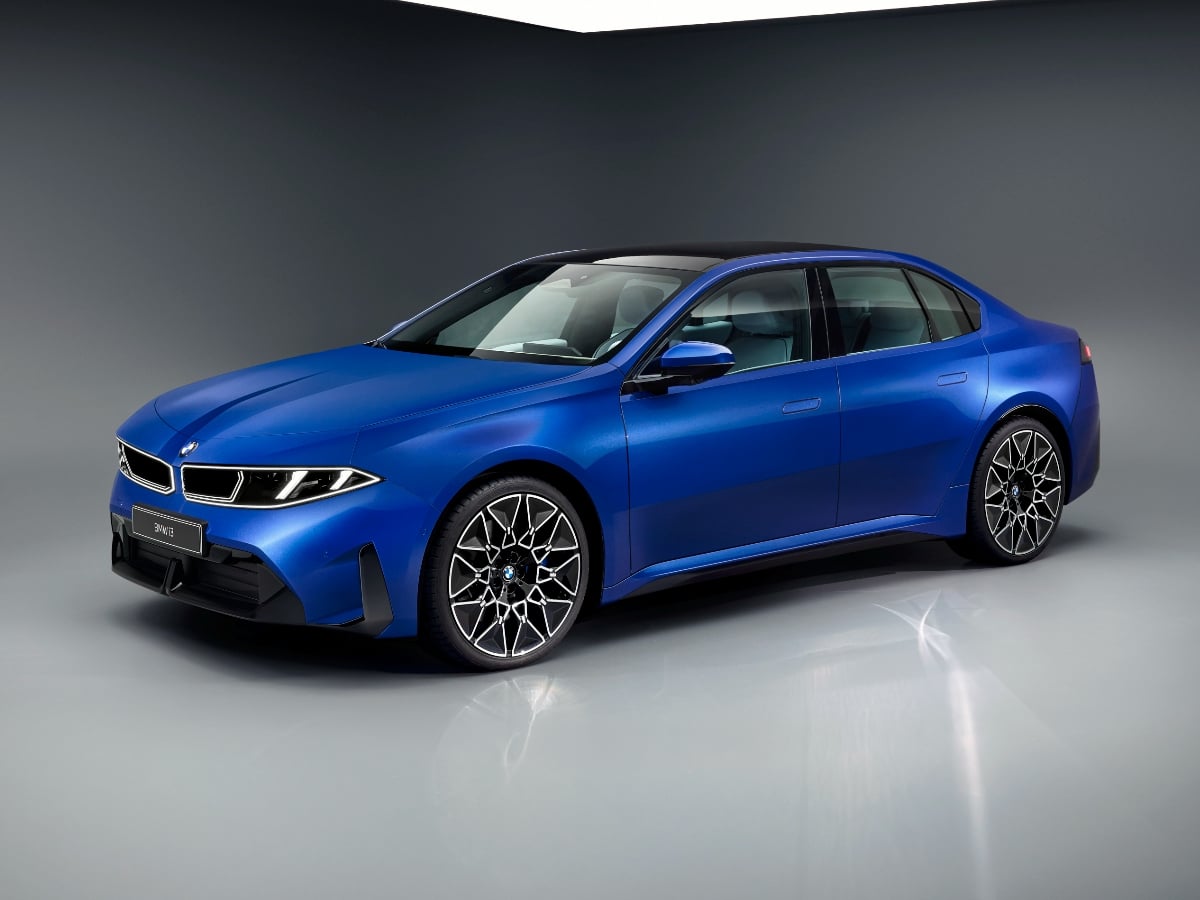
The new 2027 BMW i3 boasts an estimated range of up to 440 miles, 400-kilowatt DC fast charging capability, bidirectional charging to a home or the grid, and next-generation technology.
Read the Full Article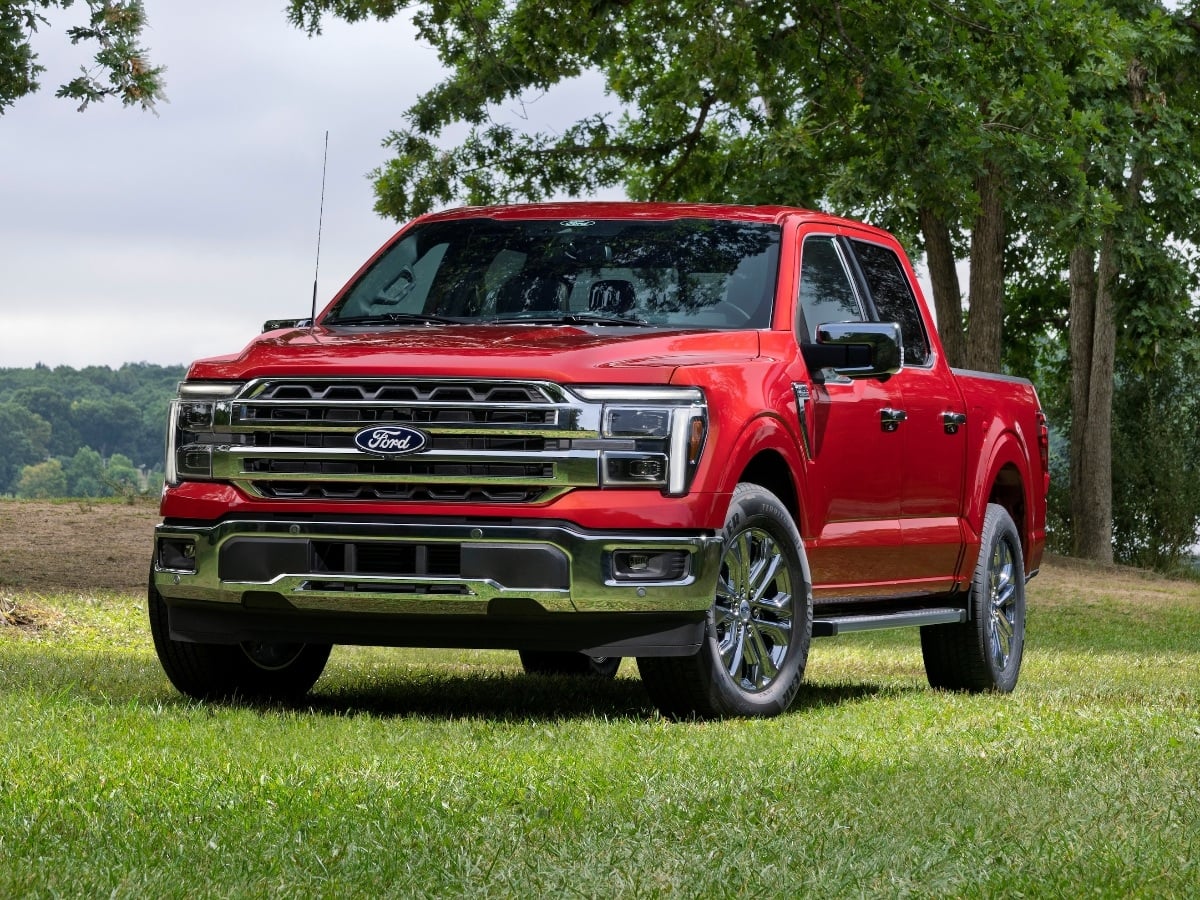
Facing renewed competition in the full-size, light duty pickup truck segment, the 2027 Ford F-150 receives subtle styling updates, a new standard engine, broader availability of its 5.0-liter V8, and ...See More
Read the Full Article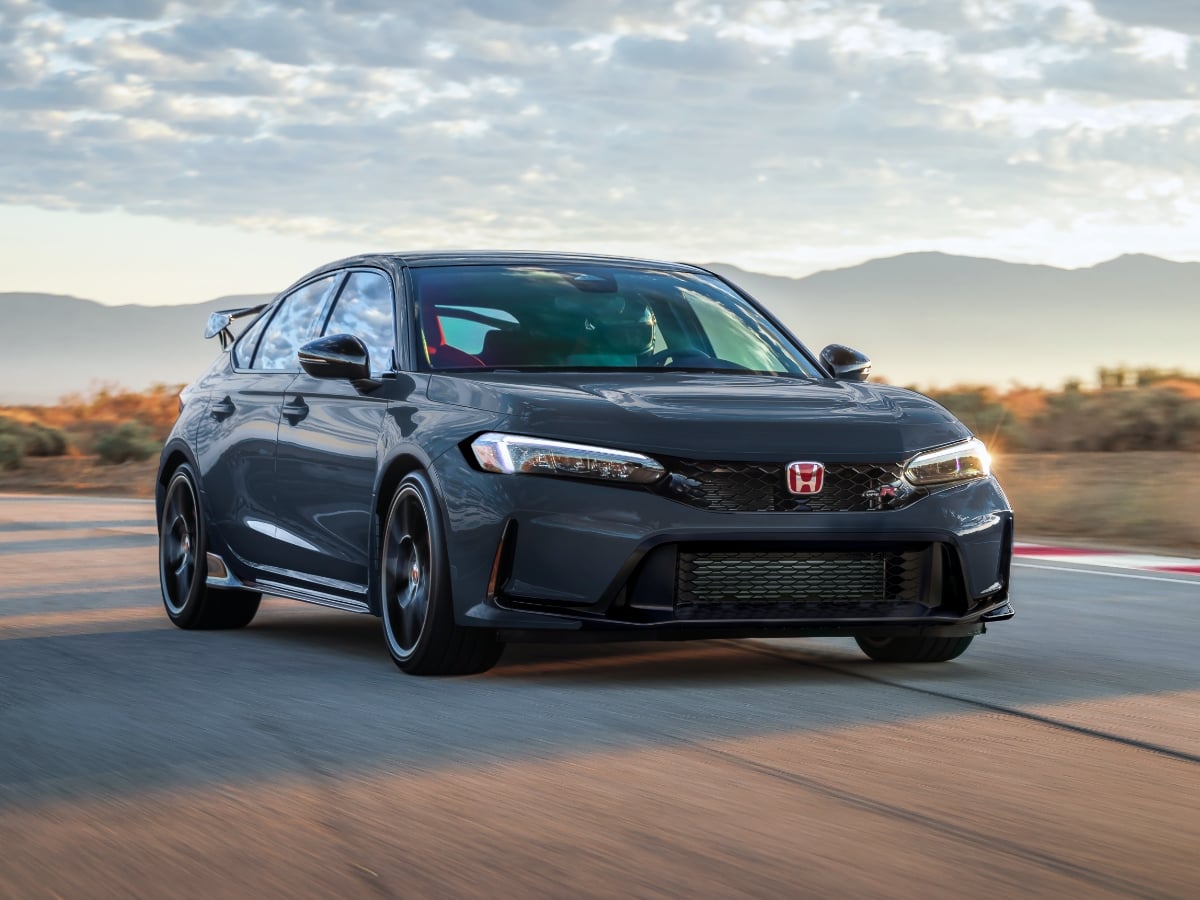
The 2027 Civic Type R goes on sale in October 2026, and it starts at $49,990, including the $1,295 destination charge.
Read the Full Article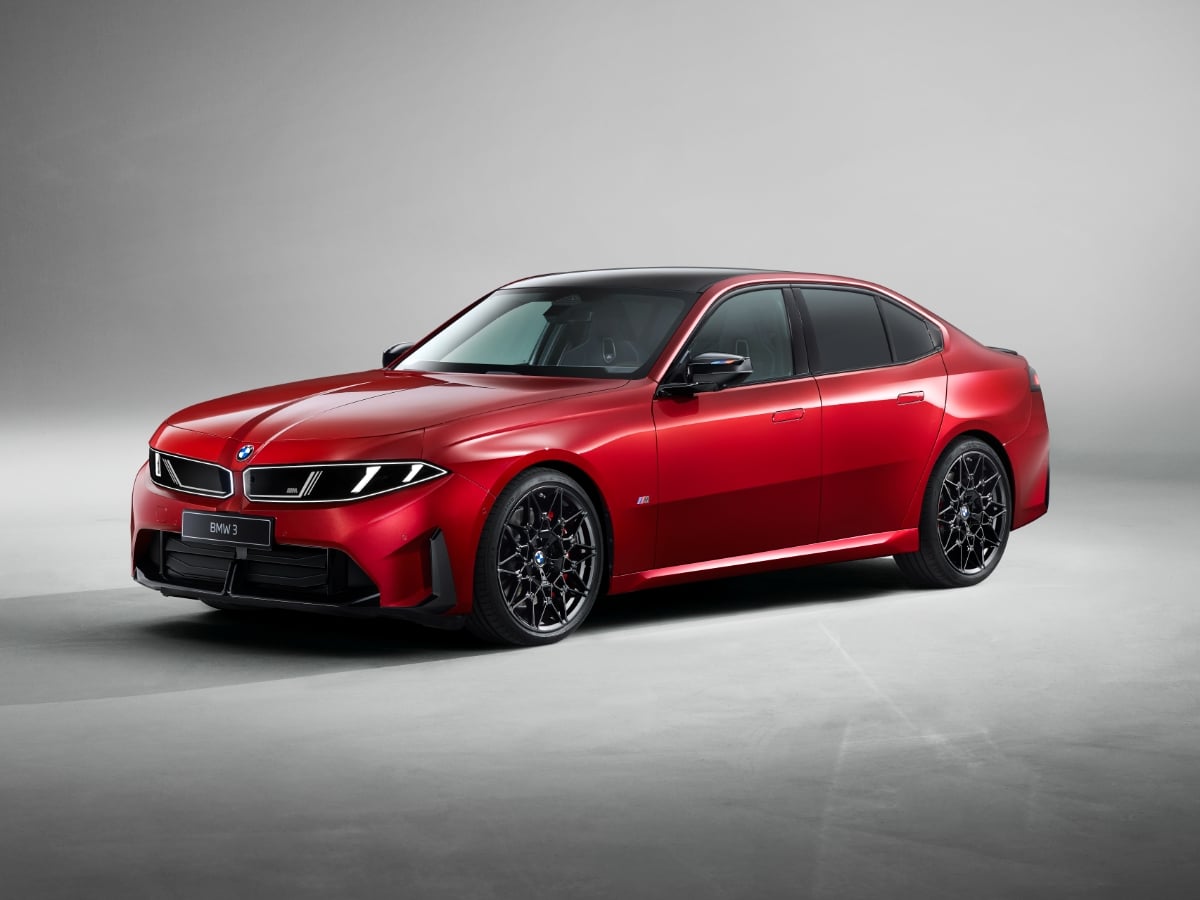
Part of BMW’s Neue Klasse (new class) rollout of redesigned models, the 2027 BMW 3 Series is all-new and goes on sale in the first quarter of 2027.
Read the Full Article