
For the 2024 model year, Hyundai introduces an all-new second-generation Kona available in gas-powered and battery-electric versions. The stylish and sporty entry crossover SUV is the brand’s least expensive electric vehicle (EV) model in the United States. Hyundai equips the Kona EV exclusively with front-wheel drive.
Among affordable, small electric crossover SUVs with similar driving range, the 2024 Kona EV competes with the mechanically similar Kia Niro EV, the upcoming Volvo EX30, the soon-to-be-paused Chevrolet Bolt EUV, and the Nissan Leaf.
The all-new 2024 Hyundai Kona EV arrives with the following updates and improvements:
Including the $1,335 destination fee, prices for the 2024 Hyundai Kona EV models are as follows:
Unusual in these days of rising prices, the base price for each 2024 Kona EV trim is lower than that for the corresponding 2023 model. These represent an $875 reduction for the base SE, a $625 drop for the mid-level SEL, and a $505 haircut for the range-topping Limited.
Because Hyundai currently does not assemble the 2024 Kona EV in the U.S., the SUV does not qualify for the $7,500 federal tax credit if purchased under current rules. However, you can apply the $7,500 credit if you lease the vehicle.
Although the previous-generation Kona EV was only available for sale in 26 states in the U.S., Hyundai will sell the 2024 version in 48 states.
Previously, JD Power reviewed the gas-powered versions of the 2024 Hyundai Kona. This review focuses on the 2024 Kona Electric’s features and driving impressions, and how they potentially impact its overall consumer appeal.

Photo: Ron Sessions
The 2024 Hyundai Kona competes in the Small SUV market segment. According to data collected from verified new-vehicle buyers for the JD Power 2023 Automotive Performance, Execution and Layout (APEAL) Study, Small SUV owners rated their vehicles in 10 primary categories.
Listed below in descending order, you’ll find their preferences, from their most favorite thing about the vehicle to their least favorite:
In the 2023 APEAL Study, the Kona ranks 13th out of 16 Small SUV models.
In the following sections, our independent expert analyzes a 2024 Hyundai Kona Electric Limited with standard equipment. The test vehicle’s price was $42,380, including the $1,335 destination charge.

Photo: Ron Sessions
With a mission to give the all-new second-generation 2024 Kona a clean, futuristic look, Hyundai designers penned the EV version first, then spun the styling details of the gas-powered models off that basic canvas. The 2024 Kona EV, however, is recognizable by its unique, pixelated front and rear fascia details, available horizon-line LED running lamps, body-color fender flares, aero-look alloy wheels, and, of course, the lack of an exhaust tailpipe.
As with the gas-powered versions of the 2024 Kona, the EV model gains nearly half a foot in length with smaller increases in width and height. The result is a roomier cabin with substantially more rear-seat legroom and a larger cargo area.
My 6-foot frame slid easily into the 3-across back seat, with foot space increased even for the middle seat position due to the EV model’s flat floor. The rear seatbacks also recline, all the better for cloud-gazing via the EV Limited model’s standard power tilt-and-slide sunroof.
Although they’re not as comfy as those in the Nissan Leaf, the Kona EV’s form-fitting front bucket seats offer a decent blend of comfort and support. The Limited’s heated and ventilated front chairs are height-adjustable—manually for the front passenger—and power-operated for the driver, along with power tilt, fore-aft, and recline driver seat adjustments. Hyundai’s H-Tex faux leather seat coverings also upgrade the look and feel inside the Limited.
The cargo hold now offers 25.5 cubic feet of space behind the rear seat and 63.7 with the 60/40 back seat folded flat—increases of 33 percent and 39 percent, respectively. The Kona EV’s underfloor propulsion battery doesn’t intrude on cargo space.
The 2024 Kona EV has no spare tire; Hyundai equips it with a tire mobility kit (leak sealer and inflator) instead. This opens up generous storage space under the cargo floor with room to stash a briefcase, purse, laptop bag, and other valuables. One can set the height of the cargo floor in one of two positions, the lower of which allows for accommodating taller items.
Because there is no engine in the Kona EV, there’s also a front trunk or “frunk,” ideal for carrying the charge cord, which is especially helpful if the cargo bay is full.
Hyundai increased front-seat storage in EV models by moving the drive-by-wire shifter to the steering column. As a result, the Kona EV front console gets an extended open tray with a pair of half-ring retractable cupholders. A second open tray under the dash accommodates small items and the available wireless phone charger.
For 2024, the Kona EV expands its powertrain choices to include two battery sizes and two motor outputs. The base SE gets a new standard-range 48.6-kWh lithium-ion propulsion battery with a Hyundai-estimated 197 miles of range. It teams with a new 133-horsepower permanent-magnet synchronous motor. Other than the lower cost for metropolitan buyers who don’t need much driving range, I’m not sure what the appeal of this powertrain combo is. As of the posting of this article, the Environmental Protection Agency (EPA) had not yet given the shorter-range SE drivetrain MPGe or kWh/100 miles ratings.
The SEL and Limited versions of the 2024 Kona EV utilize a long-range 64.8-kWh lithium-ion battery paired with a 201-hp motor. For context, Hyundai also equipped all 2023 Kona EV trims with a 201-hp propulsion motor. According to EPA estimates, this combination delivers a class-competitive maximum driving range of 261 miles, up from 258 in the 2023 model. The EPA also gives the long-range model 116 MPGe and 29 kWh/100-mile efficiency ratings, down slightly from the 2023 model’s 120 MPGe but still good enough for the agency to list the long-range 2024 Kona EV as number eight among the top ten most efficient battery-electric vehicles, right behind versions of the Hyundai Ioniq 6, Kia EV6, Lucid Air, and BMW i4.
Both battery types offer 100-kW Level 3 DC fast charging, which Hyundai says can take them from 10 to 80 percent charge in 45 minutes.
New for 2024 for the Limited trim is a vehicle-to-load (V2L) function. With an available bi-directional V2L adapter, a parked Kona EV Limited can now help charge campsite equipment, electric bicycles, and even a limited number of home appliances during a power outage.

Photo: Ron Sessions
The 2024 Kona EV gets Hyundai’s most advanced dashboard display as standard fare, consisting of two high-definition landscape-format 12.3-inch color monitors, butted end to end. This includes a driver-configurable digital cluster incorporating system power, regenerative braking level, charge level gauges, and the usual digital speedometer, transmission gear, odometer, and key telltales.
The 12.3-inch infotainment touchscreen enables wireless operation for Apple CarPlay and Android Auto smartphone mirroring for the first time. In 2023, the large infotainment screen required a USB data connection for those popular applications.
In addition to standard embedded navigation and a simple-to-use AM/FM stereo with HD Radio and SiriusXM satellite radio connectivity, the large center screen includes EV-centric features, enabling the user to find nearby charging stations and choose charging preferences. Drivers can customize the screen appearance, and Hyundai says the system offers faster processing speeds. There are four USB-C ports—two up front and a pair in the back. Hyundai includes a wireless phone charger with Limited trim.
As with the gas-powered 2024 Kona, the EV model has complimentary Bluelink 4G broadband access to 19 connected services, including remote vehicle access, an intelligent voice assistant, map updates, and over-the-air software updates.
Hyundai has long been a leader in offering an extensive array of safety and advanced driver assistance system technology, even in its entry-level and lower-priced models.
For 2024, the Kona EV adds standard Highway Driving Assist, which combines adaptive cruise control and lane-centering assistance with GPS and highway data. It also expands standard forward-collision avoidance assist to all trims, and upgrades include cyclist detection, intersection turn assistance, and oncoming vehicle detection.
Hyundai also expands park distance warning—standard on Limited trim—from rear-only to include side and front detection. Another standard feature on the Limited trim for the 2024 model year is Remote Smart Parking Assist, which allows the vehicle operator to pull the Kona EV into and out of a parking spot from outside the vehicle using the vehicle remote.
Like all EVs, the new Kona provides turbine-smooth acceleration and a quiet cabin. By my stopwatch, the 2024 Kona EV Limited can reach 60 mph from rest in less than 7 seconds. While that’s less thrilling than the head-snapping acceleration of the new Volvo EX30 and many more expensive EVs, it’s entirely in line with that offered by other low-cost EVs. And frankly, the instant response and healthy available torque of the new Kona EV make it just fine for the carbon-free daily commute.
Even with its larger footprint and roomier interior for 2024, the new Kona EV is a great size for city dwellers, offering good maneuverability around town compared to larger SUVs.
Making the drive even easier for 2024 is the Kona EV’s new standard i-PEDAL feature. Using steering wheel paddles, the driver can adjust the level of brake regeneration. In the most aggressive setting, it allows one-pedal driving and will bring the Kona EV to a complete stop as the driver eases up on the accelerator pedal. It’s a handy feature, especially in monotonous stop-and-go driving.

Photo: Ron Sessions
Especially in SEL and Limited trims with the long-range battery, the expressively styled and roomier 2024 Hyundai Kona EV offers a solid choice among entry crossover SUV EVs with ample performance, competitive range, and an expanded array of standard features.
Ron Sessions is a seasoned vehicle evaluator with more than three decades of experience. He has penned hundreds of road tests for automotive and consumer websites, enthusiast magazines, newsletters, technical journals, and newspapers.


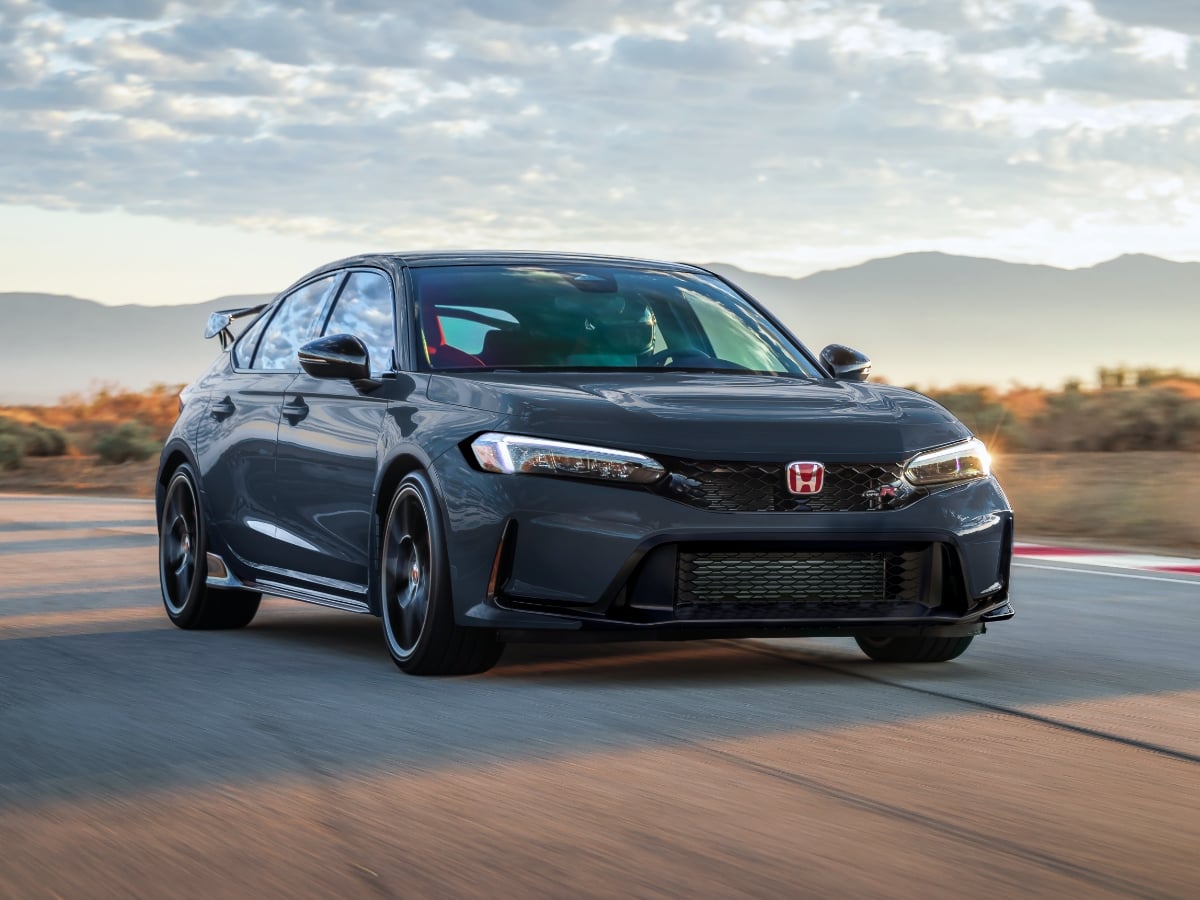
The 2027 Civic Type R goes on sale in October 2026, and it starts at $49,990, including the $1,295 destination charge.
Read the Full Article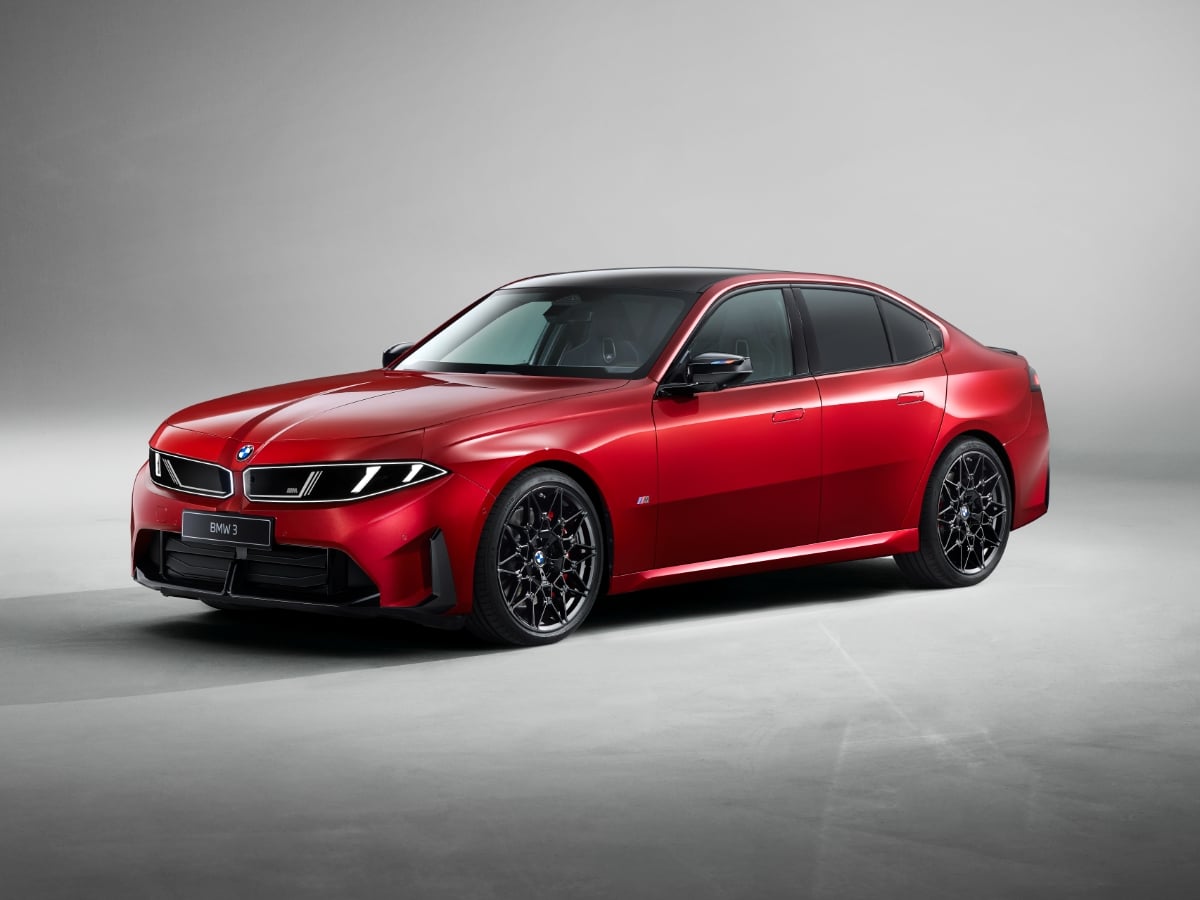
Part of BMW’s Neue Klasse (new class) rollout of redesigned models, the 2027 BMW 3 Series is all-new and goes on sale in the first quarter of 2027.
Read the Full Article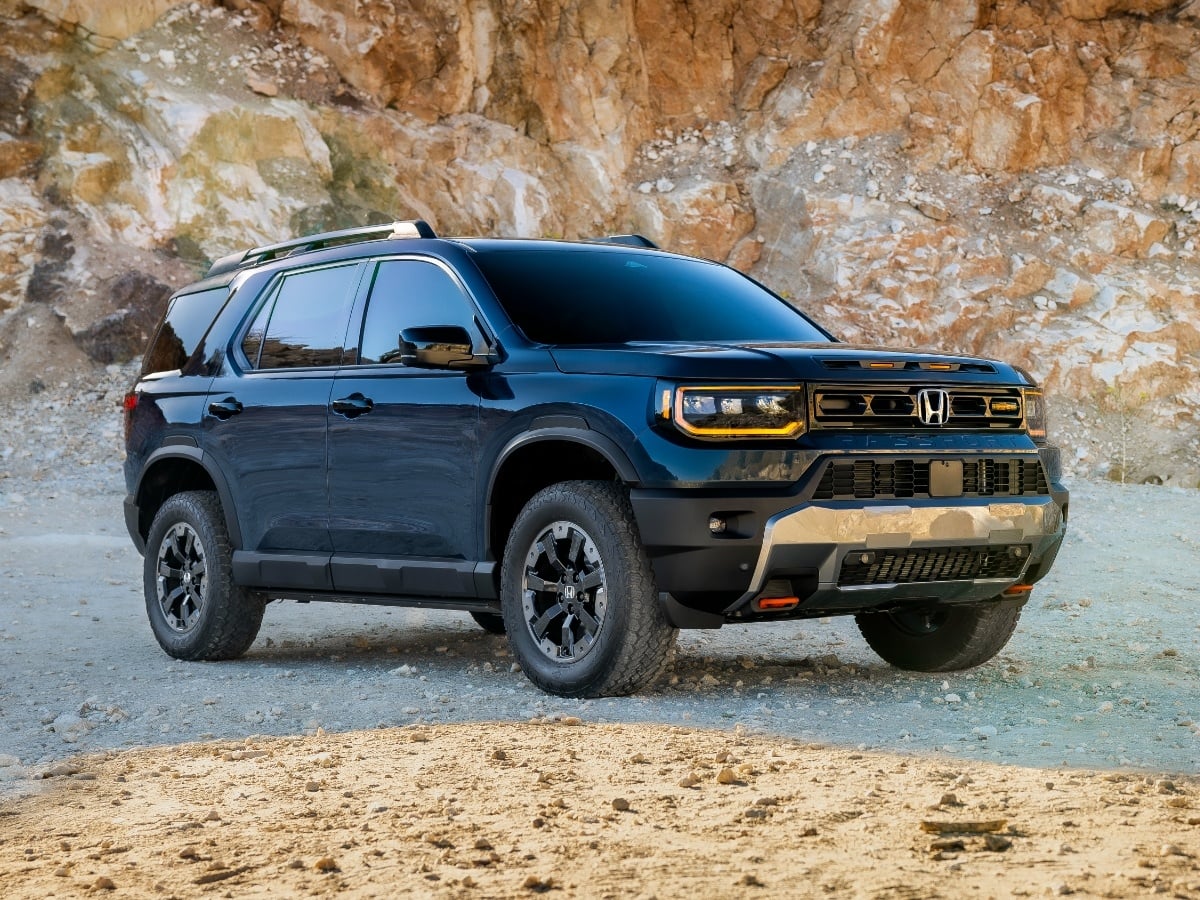
Updates to the 2027 Honda Passport TrailSport include a reworked suspension, improved steering, subtle styling enhancements, and added standard equipment.
Read the Full Article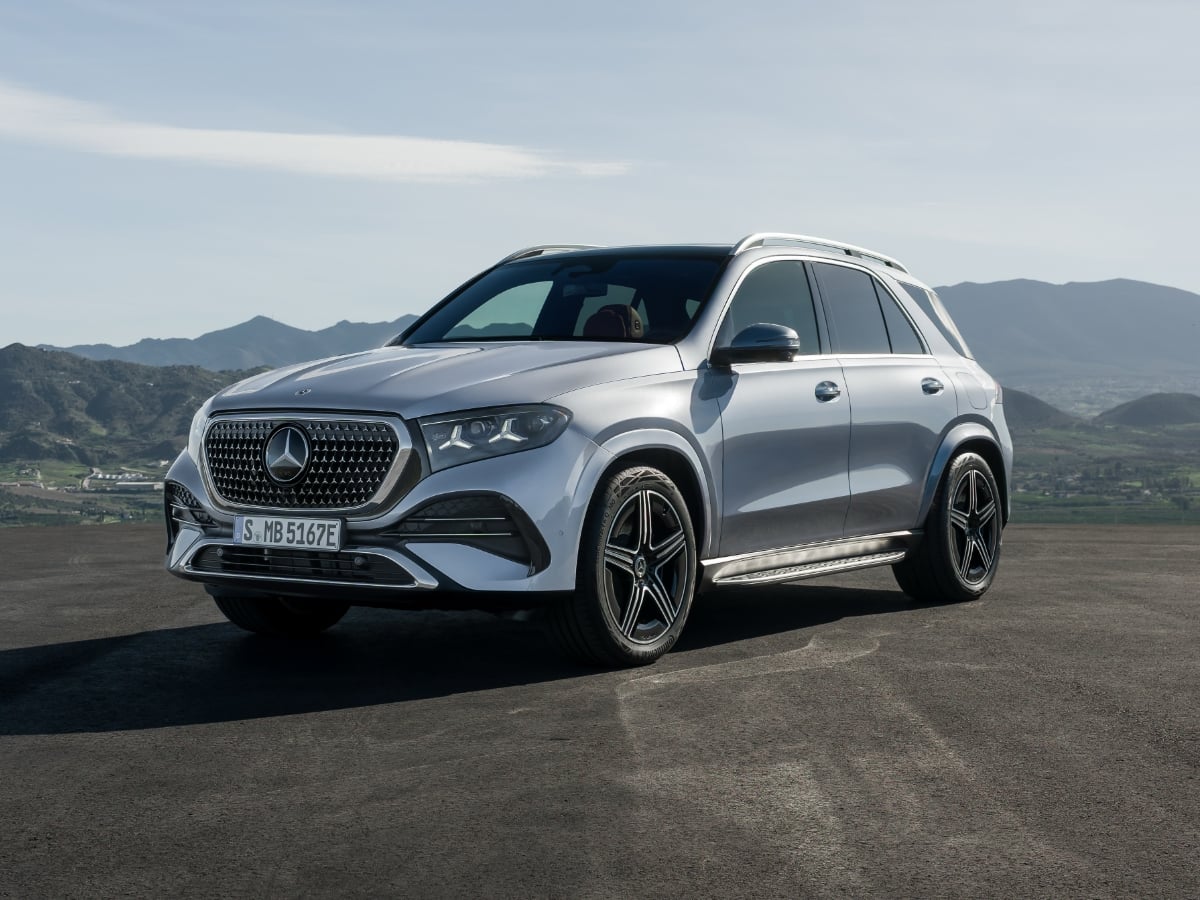
The midsize 2027 Mercedes GLE remains available in original and spicy Coupe recipes, now with standard 4Matic all-wheel drive (AWD), MBUX Superscreen technology, and a panoramic glass sunroof for ...See More
Read the Full Article