See answers to common EV questions, tax incentives, charging maps & more.
Explore EV
14 - 22
22 - 33
315 - 795
10 speed, Automatic w/OD, 6 speed, Manual w/OD, 7 speed, Auto-Shift Manual w/OD
Intercooled Supercharger Premium Gasoline V-8, Intercooled Turbo Premium Gasoline I-4, Premium Gasoline V-8
Rear Wheel Drive
As the world's best-selling sports car, the Ford Mustang does not have much to prove when it comes to sales. However, since its introduction for the 2024 model year, Ford's current-generation pony car has not changed much. No revolution is coming in 2026, but thankfully a new range of personality-filled packages and trim levels is keeping this aging stallion feeling fresh.
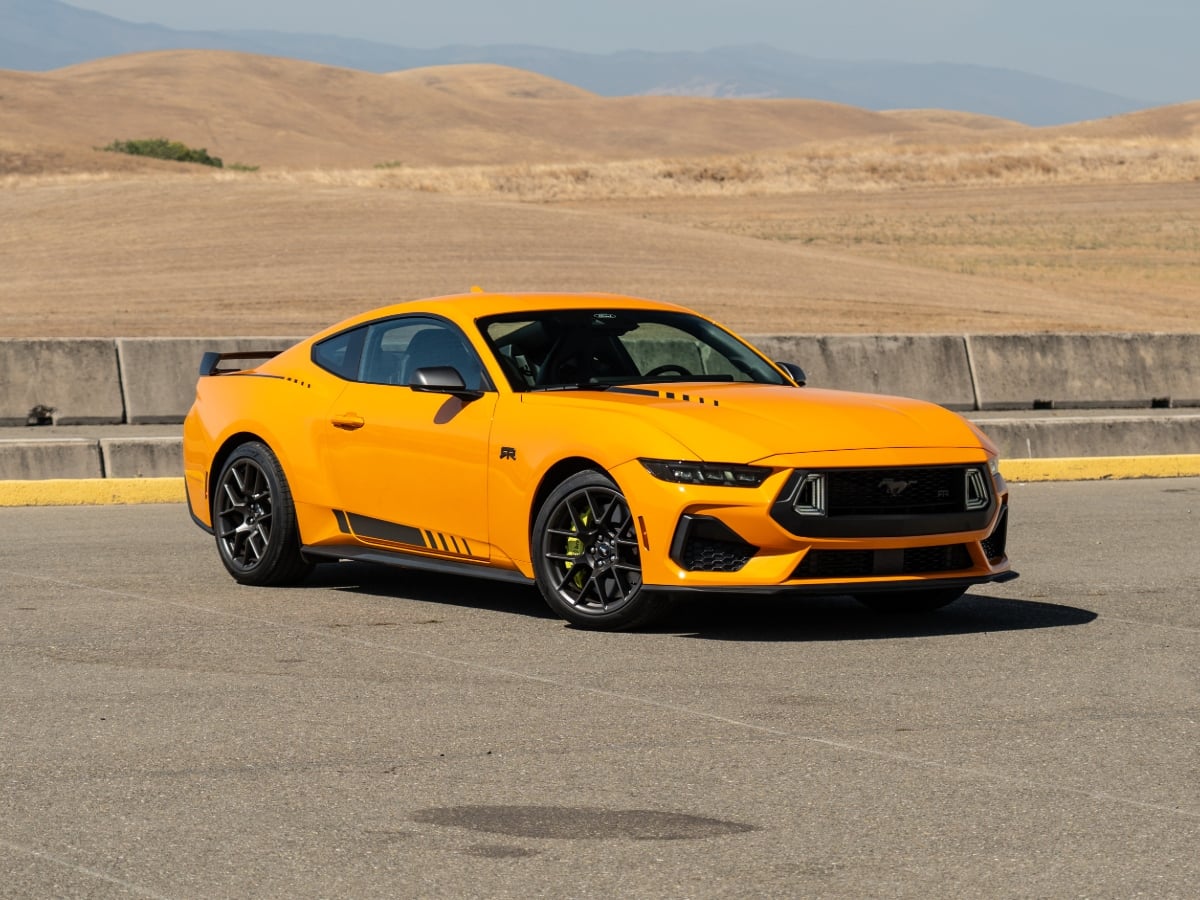
Photo: Tim Stevens
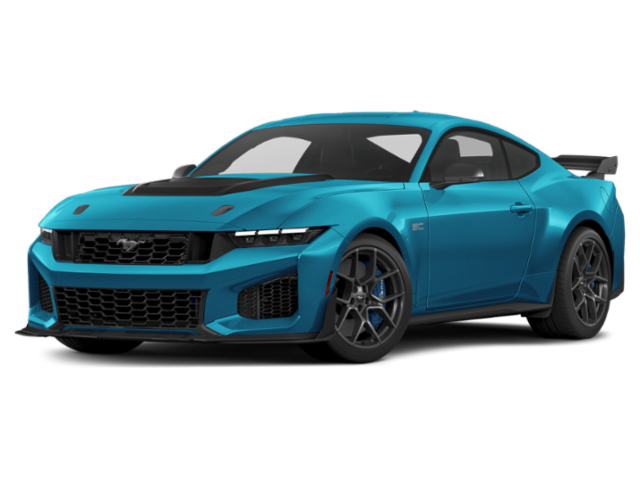
Some of those new packages are focused on fun, like the '90s-fresh FX that draws inspiration from the Fox-body era. There is also the drift-minded RTR, with style and upgrades selected by professional drifter Vaughn Gittin Jr. Finally, Ford has added the supercar-challenging Dark Horse SC, which sends nearly 800 horsepower to its rear wheels.
The 2026 Mustang is available in seven trims, starting with the four-cylinder EcoBoost at roughly $35,000 including destination, then stepping up to the EcoBoost Premium for roughly $2,800 more. The V8-powered GT starts just under $50,000, with the GT Premium about $4,200 more.
Next up are the Dark Horse in the mid-$60,000 range, the Dark Horse Premium in the low $70,000s, and the newly introduced Dark Horse SC, which starts just shy of $110,000.
For this 2026 Mustang review, Ford provided a test vehicle equipped with EcoBoost Premium trim and the new RTR package, plus the following significant options:
The Premium High package adds Ford's Co-Pilot360 Assist+ active safety system, leather-trimmed seats, and other niceties. The RTR includes 19 x 9.5-inch wheels on all corners with summer performance tires, Brembo brakes, a sport exhaust, upgraded suspension components borrowed from the Dark Horse, and graphics and badges to help it stand out.
The test vehicle’s manufacturer suggested retail price (MSRP) was $55,850, including the $1,995 destination charge to ship the coupe from the Flat Rock, MI, assembly plant to a local dealership. The price does not reflect any current rebates, incentives, or price adjustments since Ford manufactured the test vehicle.
According to verified owners, the Mustang earns an award as the highest-ranked model in its segment in the JD Power 2026 Automotive Performance, Execution and Layout (APEAL) Study and the JD Power 2026 Initial Quality Study (IQS).
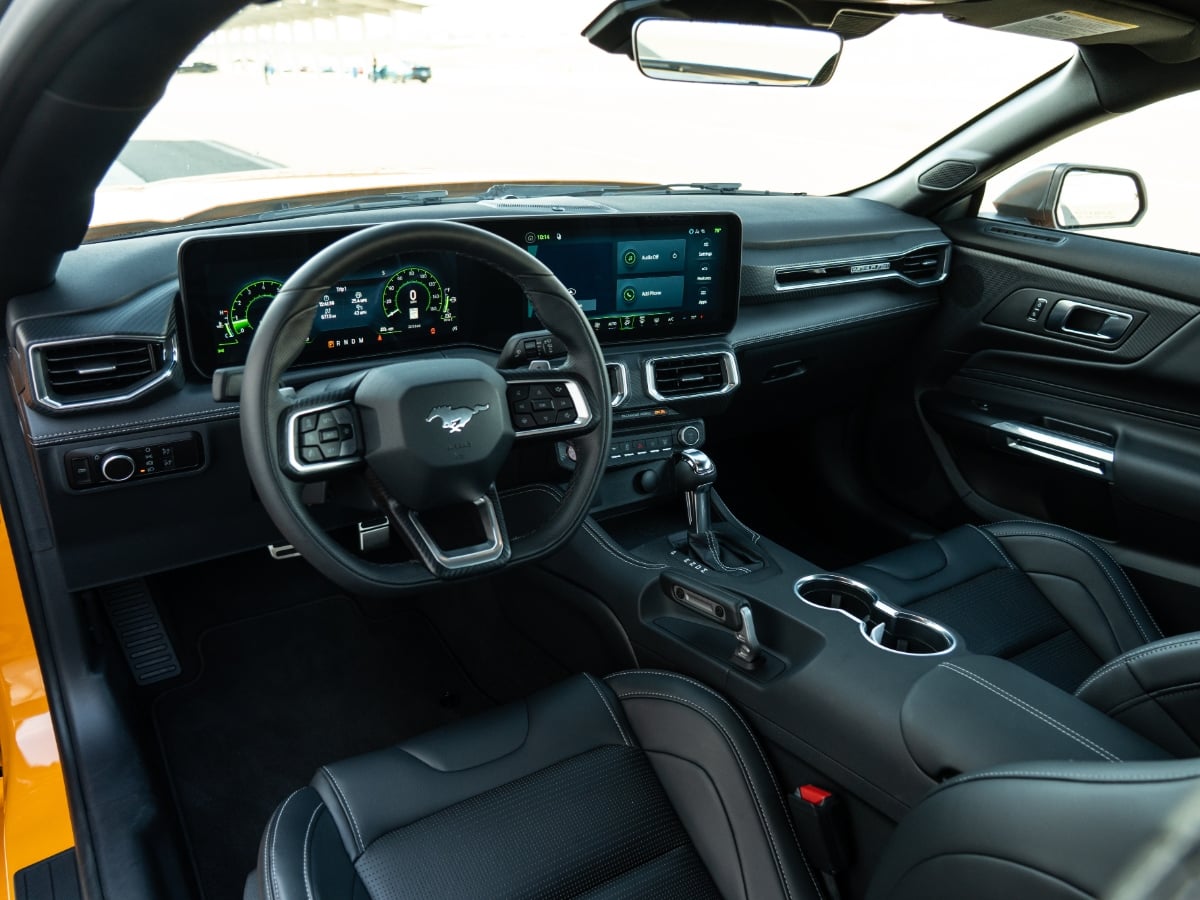
Photo: Tim Stevens
Other than the addition of the Dark Horse SC, with its 795-hp supercharged V8, the Mustang lineup remains largely the same for the 2026 model year, and the core design stays unchanged.
Thankfully, Ford is mixing things up with some fresh editions. The new RTR package is the big story, but Ford has also added the purely cosmetic FX package, which adds Fox-body-era flair with white wheels and graphics, plus vintage style plaid seats. That is only available on the V8-powered GT.
Other than the FX's seats, not much has changed in the interiors of any of these cars. The RTR I drove is a special series personally designed by professional drifter Vaughn Gittin Jr., but from the inside, you would never know it. Other than a small plaque on the dashboard and a custom graphic that plays when you power up the car, there is nothing special inside the RTR.
You still get the same mix of middling plastics and fake carbon-fiber trim pieces found on the lowest end Mustangs, but the one I drove at least had Recaro seats. Larger drivers may find them a bit restrictive, but my 170-pound frame fit perfectly between the bolsters. They were quite comfortable for both road and track use.
Up front, there is generous legroom and headroom, even with a helmet, but as always with the Mustang, the rear seats are all but useless. With the front seat positioned as I wanted it, there was effectively no legroom in the back, making it more of a parcel shelf than a passenger seat.
There is, at least, a good sized trunk in the back. The 2026 Mustang in the Fastback body style offers 13.3 cubic feet of cargo space. It is shallow but wide, and it will easily swallow most suitcases or even handle your monthly Costco run.
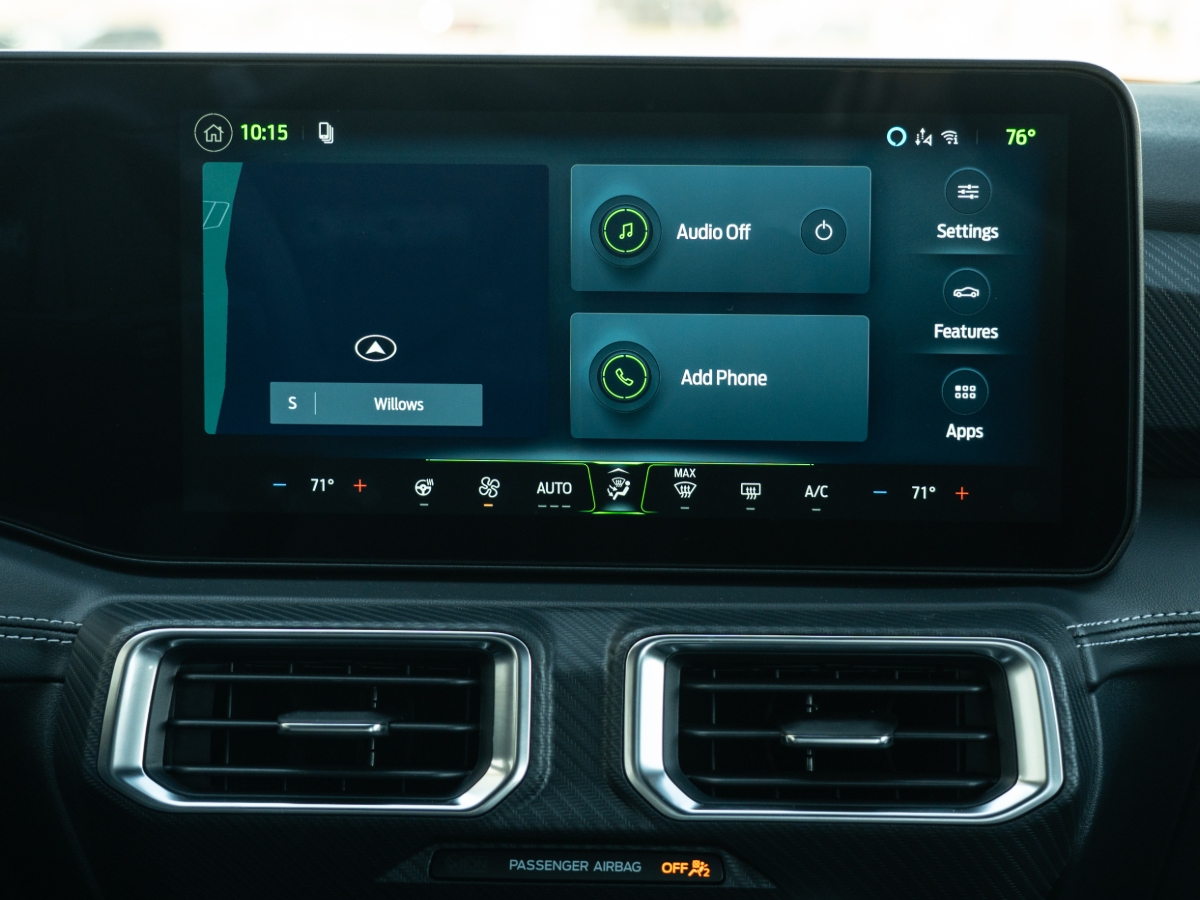
Photo: Tim Stevens
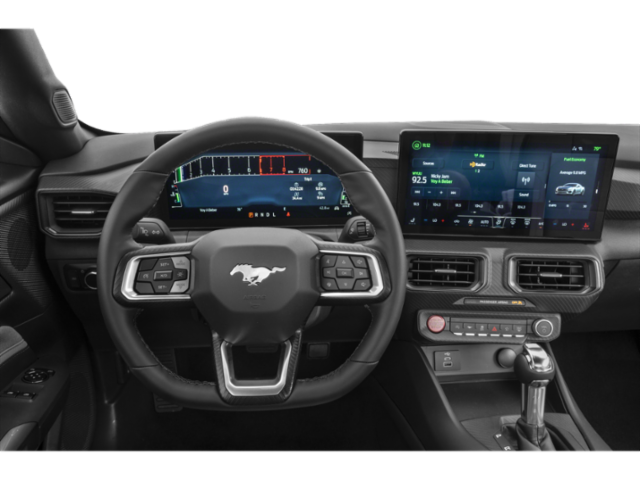
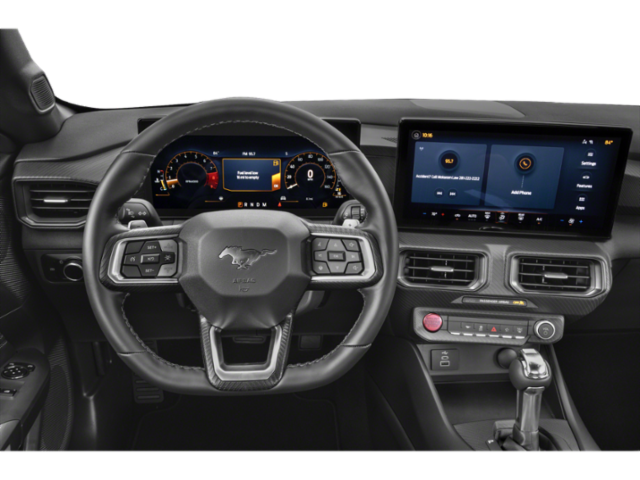
Ford's Sync 4 infotainment system continues into 2026. It runs on a 13.2-inch touchscreen in the center of the dashboard, paired with a 12.4-inch digital gauge cluster behind the steering wheel.
The Sync 4 system includes:
Though there is not much to get excited about here, the interface still looks clean and, more importantly, is easy to navigate. I never struggled to find the settings I needed, and I found the integrated navigation easy to use. The voice assistant also worked well, handling all my queries without issue.
That said, the software often felt sluggish, especially when scrolling the map or entering destinations. For a car that is all about performance, it is a shame that performance is not more of a priority in the digital experience.
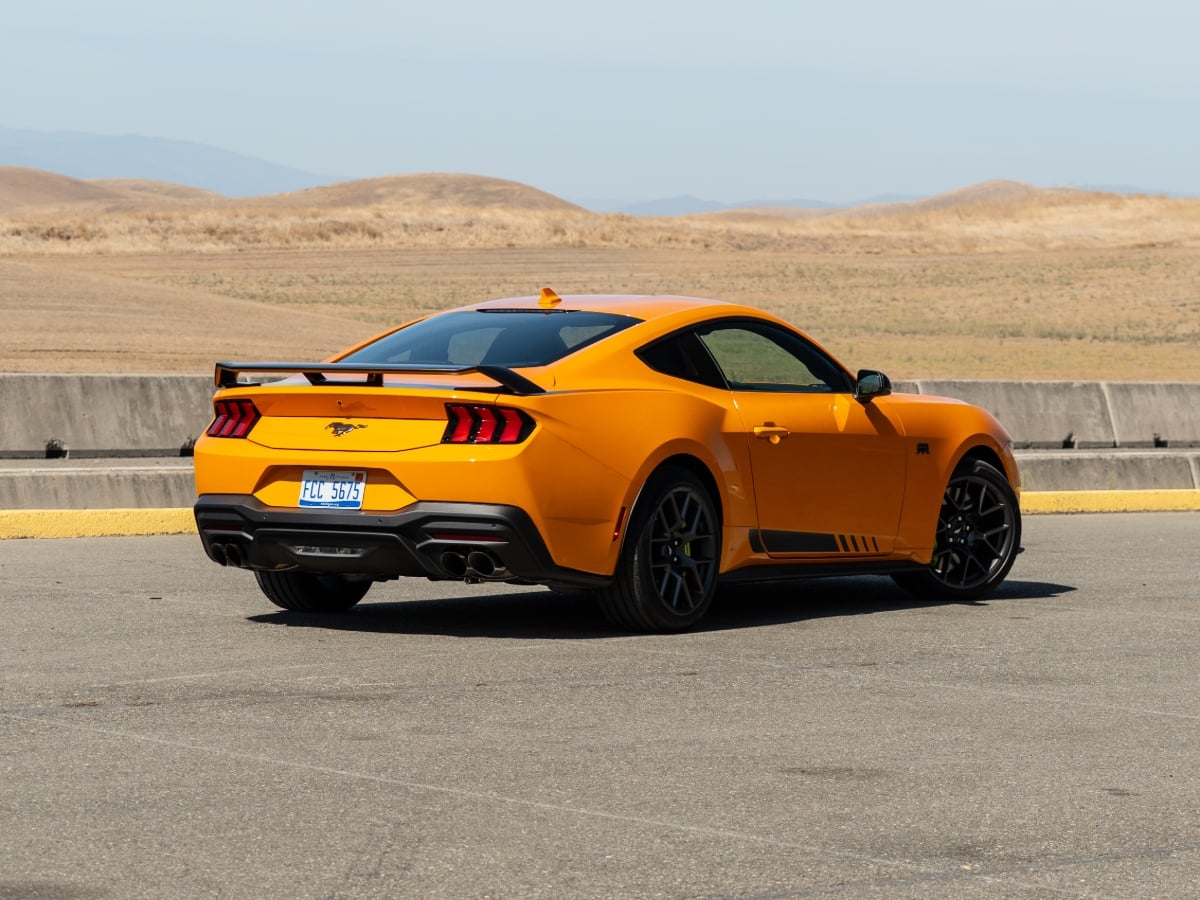
Photo: Tim Stevens
While you can build your Mustang in many ways, the EcoBoost-powered RTR is available only with a 10-speed automatic transmission. Though I prefer cars with three pedals, I did not mind my test car having only two when I headed out for an early-morning drive to Thunderhill Raceway Park, nearly three hours away from my starting point.
In traffic and while idling through town, the RTR is easy and docile, with its adaptive MagneRide suspension doing a good job of soaking up asphalt imperfections and railroad crossings. There is a bit more road noise than you would expect from your average Ford, but the stiffer suspension did not kill the ride quality.
That 10-speed automatic also slipped into the background during the more urban portions of my drive. It shifted quickly and smoothly as I moved through traffic and navigated towns, again making the car every bit an everyday machine.
I was surprised to find I did not hate that transmission, even after I escaped society and headed into the hills, where the roads take on the manic character unique to rural California. Winding up and down through the golden terrain, I quickly fell into a good rhythm with the RTR.
Though the EcoBoost is far from the most responsive variant in the Mustang lineup, it makes enough power, delivers solid torque, and lacks the weight of a big V8 under the hood. That made it a lot of fun even through the tightest bends.
Here, the transmission proved perhaps a bit too eager to upshift into higher gears, even in Sport and Track modes. Thankfully, paddles let you address that. An automatic will never be as quick or as aggressive as a dual-clutch automated transmission like the one found in the Dark Horse SC, nor is it as fun as a manual, but I never found it annoying.
To truly test Track mode, you need a racetrack, and thankfully Ford secured the sinuous Thunderhill West for playtime. It is small enough that the RTR's 315 hp felt like plenty, and the weight savings over the V8 versions showed in the tighter corners of the track. The RTR's balanced feel was genuinely fun on the track.
It was even more fun on the skidpad. RTR is again Vaughn Gittin Jr.'s company, so it had to be drift-capable. With a firm tug on the electronic handbrake, the EcoBoost-powered Mustang slid into a massive, smoky drift. Even with the stability control system still enabled, it was very happy to let me spin and drift with wild abandon.
With just a little practice, I was quickly sliding the car around cones and having a grand time. It is no hardcore drift machine, but it is surprisingly capable.
And then, at the end of the day, it once again turned into a perfectly acceptable cruiser, a tolerably frugal one, too. The 2026 Mustang in RTR trim is EPA-rated at 25 mpg combined. In my mixed testing, I did just a little better, averaging 25.1 mpg.
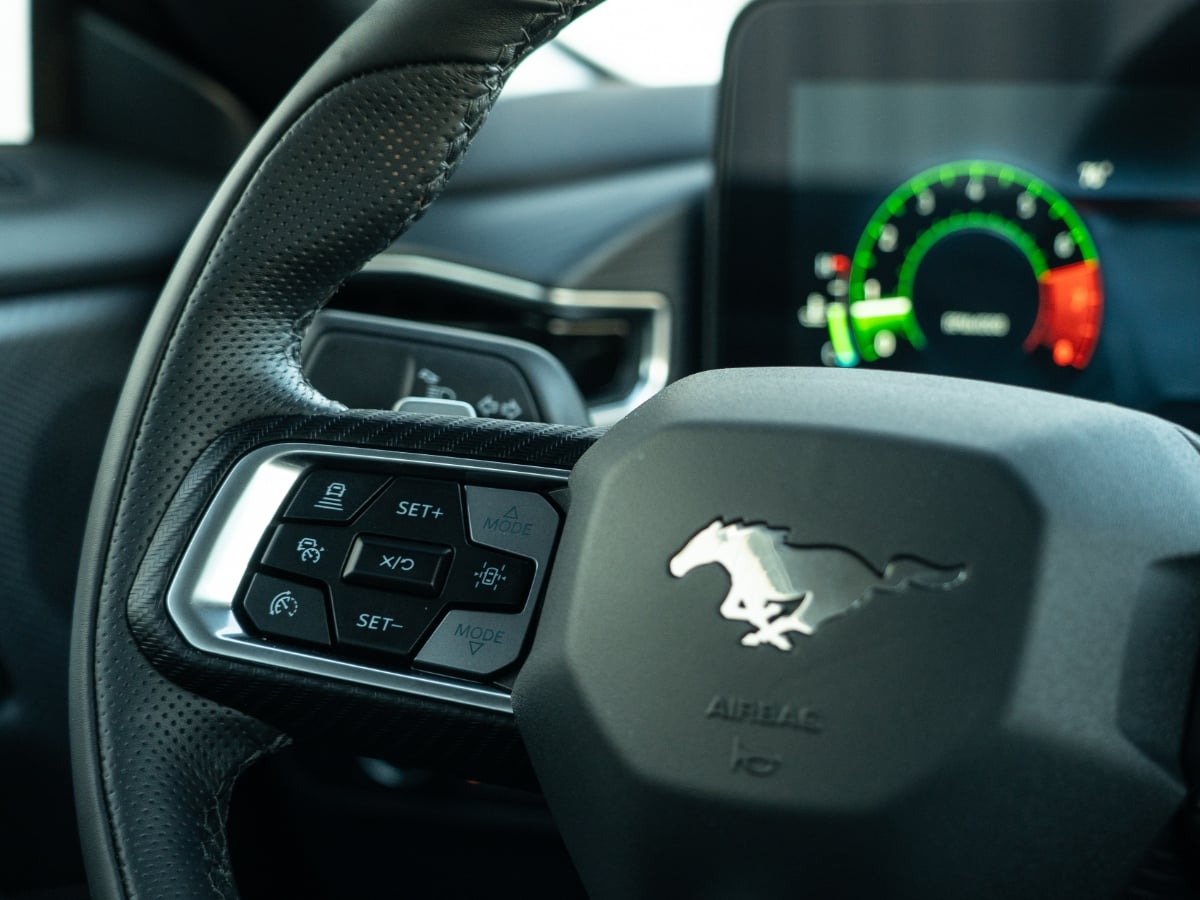
Photo: Tim Stevens
The 2026 Ford Mustang features Ford Co-Pilot360, a comprehensive safety system. Standard features include:
The Mustang I drove included the Premium High package, which included Co-Pilot360 Assist+, adding:
For a sports car, this is an exceptionally comprehensive list of active safety systems. During my time in the test car, I could not test the lane centering or adaptive cruise control. However, I have experienced both in other Mustangs from this generation and found them to work quite well. I am confident they will do as well in production versions of the RTR-equipped Mustang.
The National Highway Traffic Safety Administration (NHTSA) gave the 2026 Ford Mustang five out of five stars for overall safety. However, the Insurance Institute for Highway Safety (IIHS) has not fully tested the 2026 Ford Mustang, so it did not receive a “Top Safety Pick” designation.
According to the 2026 IQS, the Ford Mustang ranks highest in the Sporty Car segment, with the Toyota 86 ranked second.
According to the 2026 APEAL Study, the Ford Mustang ranks highest in the Sporty Car segment, with the Mini Cooper ranked second.
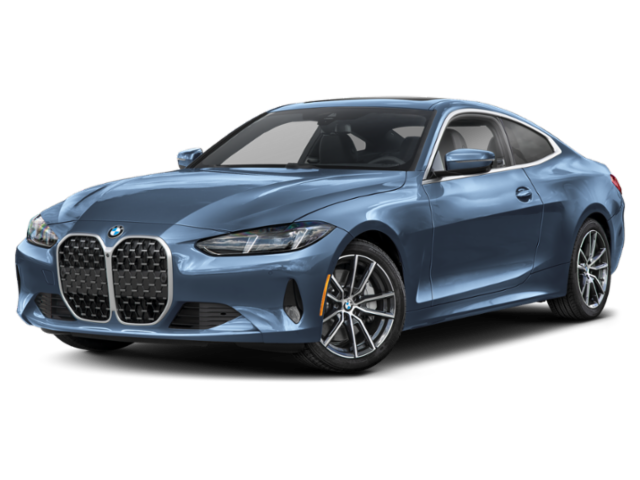
Other 2026 Mustang competitors include the Dodge Charger, Nissan Z, and the Toyota GR Supra.
With the lineup extensions Ford is making for the 2026 model year, the Mustang is looking to add some fresh blood to the model's clientele, and the RTR is a good first step in that direction. I wish it had a bit more performance and personality, especially inside, but it should help catch the eye of some younger additions to the Mustang owners' family.
Tim Stevens is a veteran automotive and technology journalist with nearly 30 years of experience covering a wide range of topics, from smartphones to supercars. In addition to jdpower.com, his expert perspectives have appeared in numerous national and international outlets, including print, online, and broadcast television.