See answers to common EV questions, tax incentives, charging maps & more.
Explore EV
23 - 28
32 - 38
191 - 290
8 speed, Automatic w/OD, 8 speed, Auto-Shift Manual w/OD
Intercooled Turbo Regular Gasoline I-4, Regular Gasoline I-4
All Wheel Drive, Front Wheel Drive
Sedans of any kind are becoming increasingly difficult to find, but budget friendly cars with performance goals are even rarer. It is increasingly challenging to find a vehicle that combines fun and practicality without costing a fortune. Fortunately, Hyundai still has you covered. Since the 2021 model year, the Sonata N Line has offered a sportier alternative to the base Sonata for those seeking something more aggressive, but without the need to go all the way to the edgier Elantra N.

Photo: Tim Stevens
The 2025 Sonata N Line still uses the same basic turbocharged 2.5-liter four-cylinder engine paired with an eight-speed dual-clutch automatic transmission, just like it did when JD Power last covered the N Line in 2021. It retains the same major updates we discussed in the 2024 Sonata review, including:
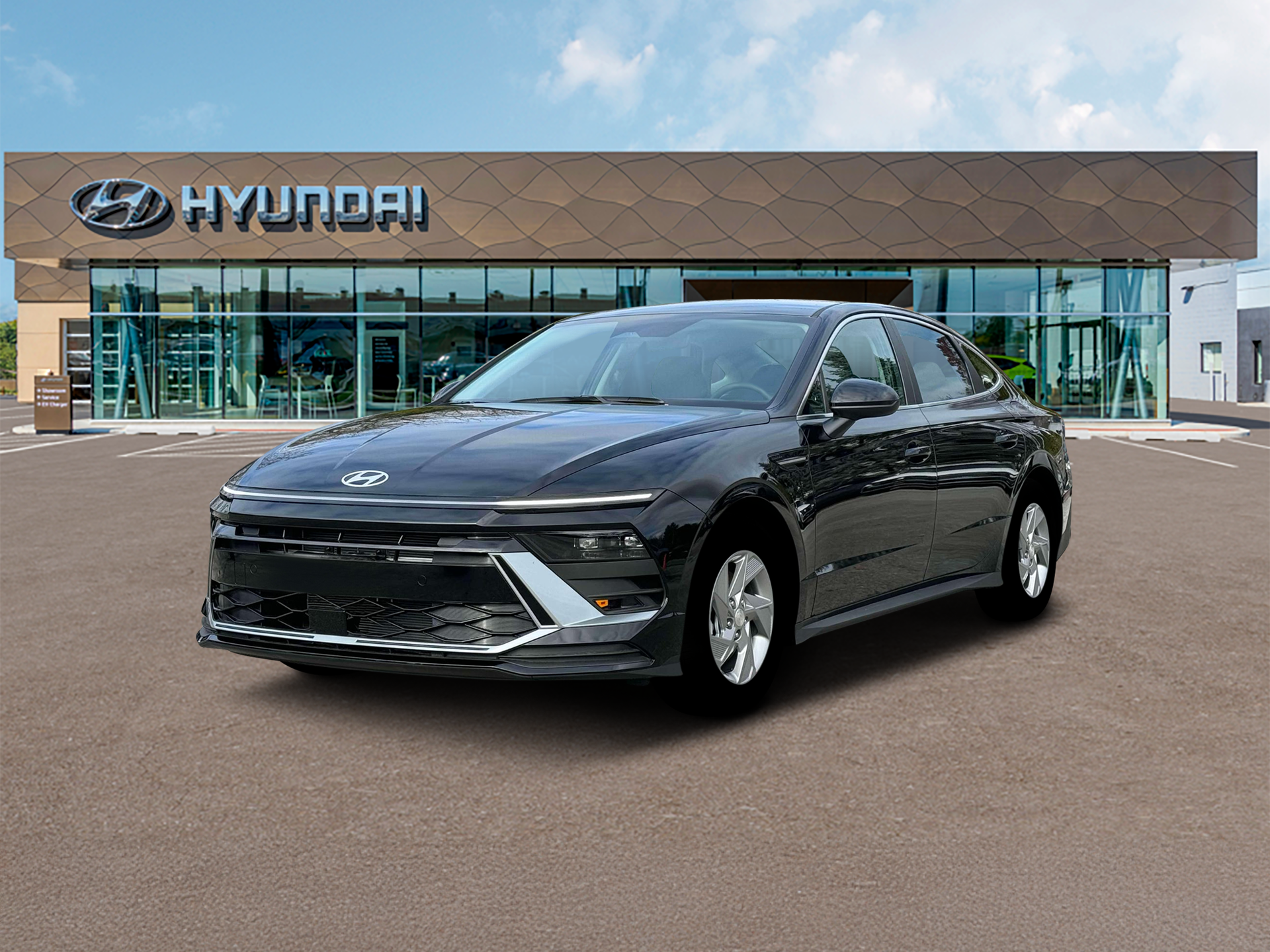
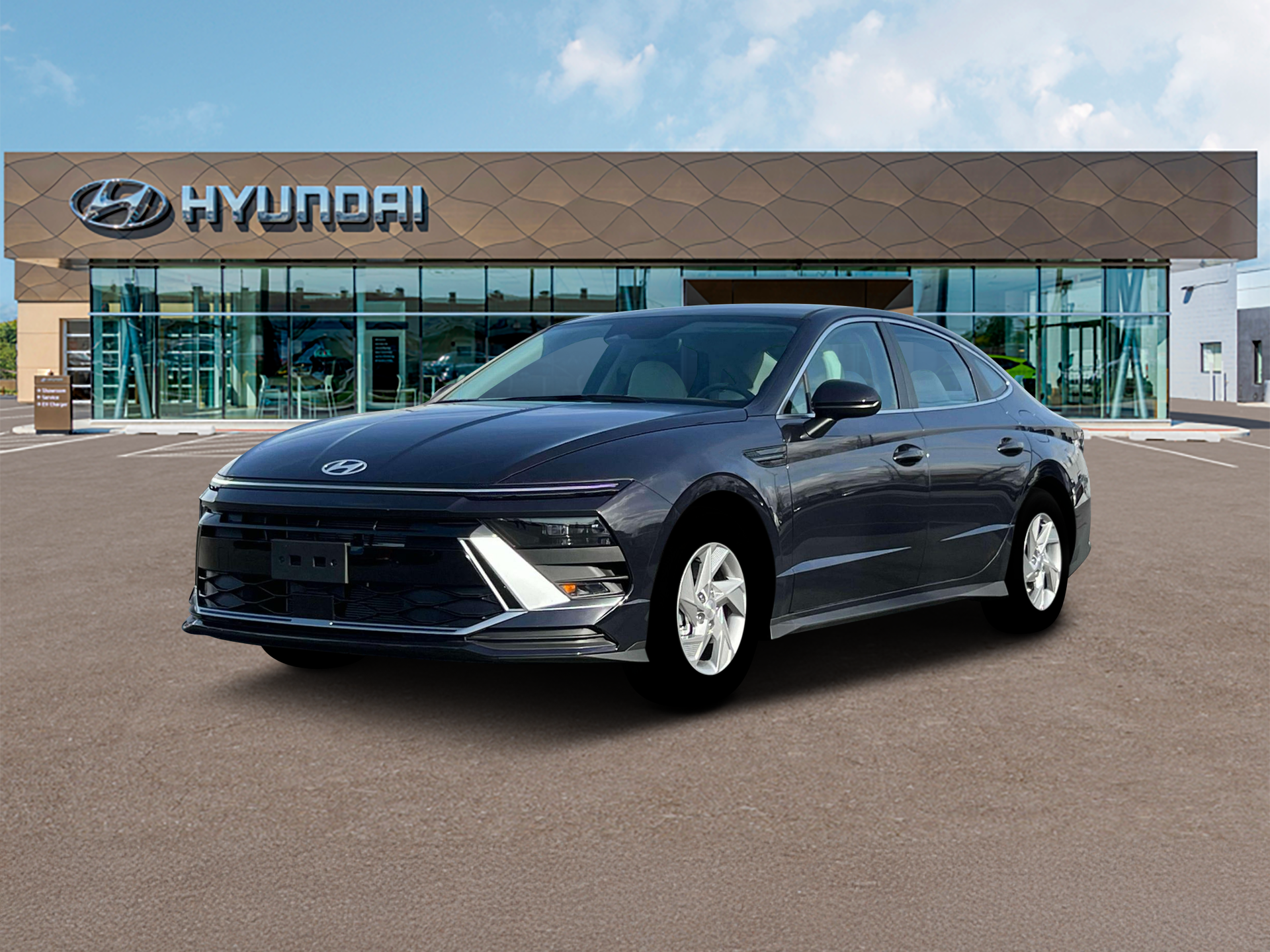
For 2025, the Hyundai Sonata midsize sedan is available in six trim levels: SE, SEL, SEL Convenience, SEL Hybrid, N Line, and Limited Hybrid. Including the $1,245 destination charge, 2025 Hyundai Sonata prices are as follows:
For this 2025 Sonata review, Hyundai provided a test vehicle equipped with N Line trim and two options:
The test vehicle's manufacturer's suggested retail price (MSRP) was $37,985, including the $1,245 destination charge to ship the sedan to a local dealership from the Ulsan, Korea, assembly plant.

Photo: Tim Stevens
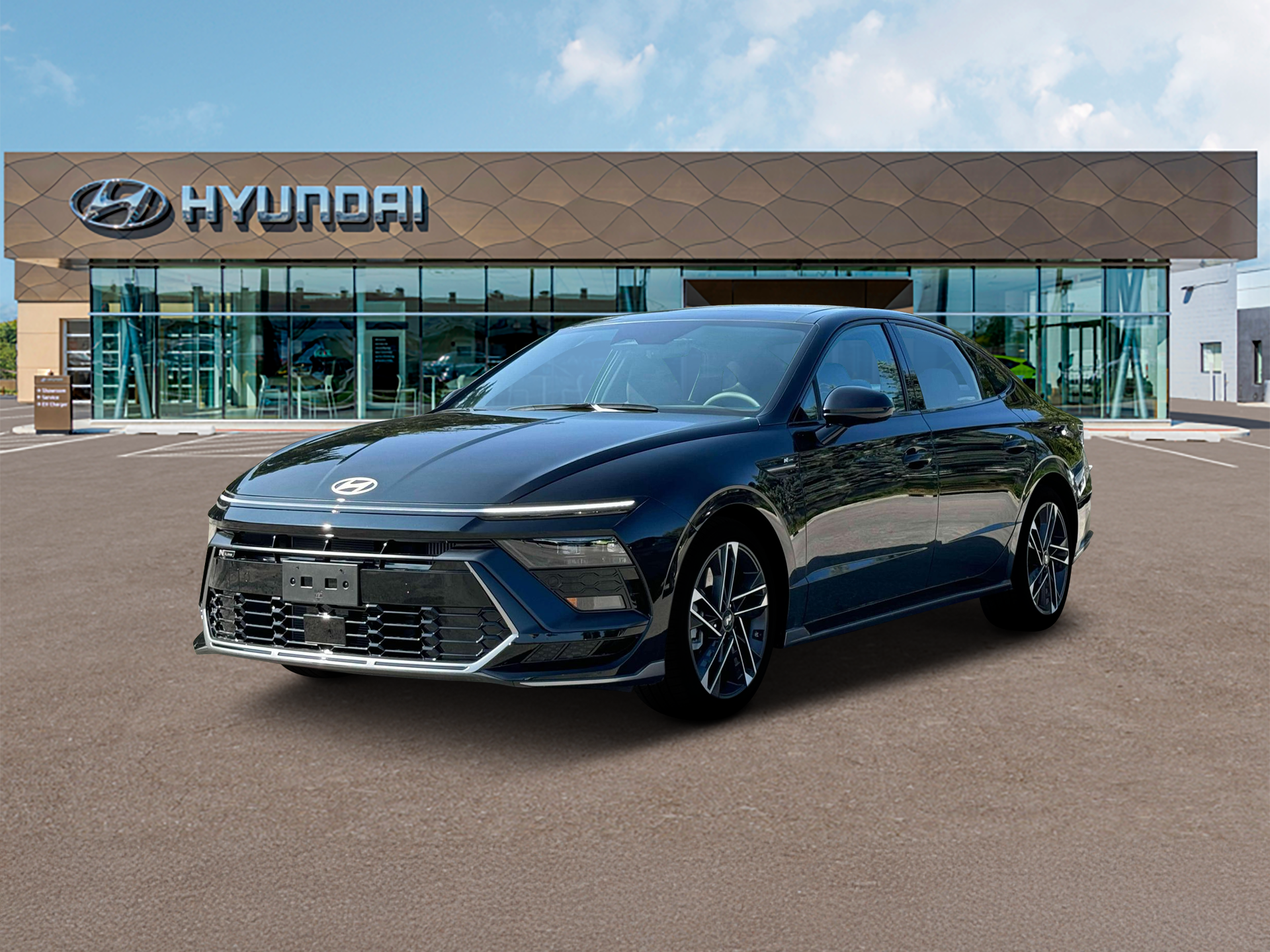
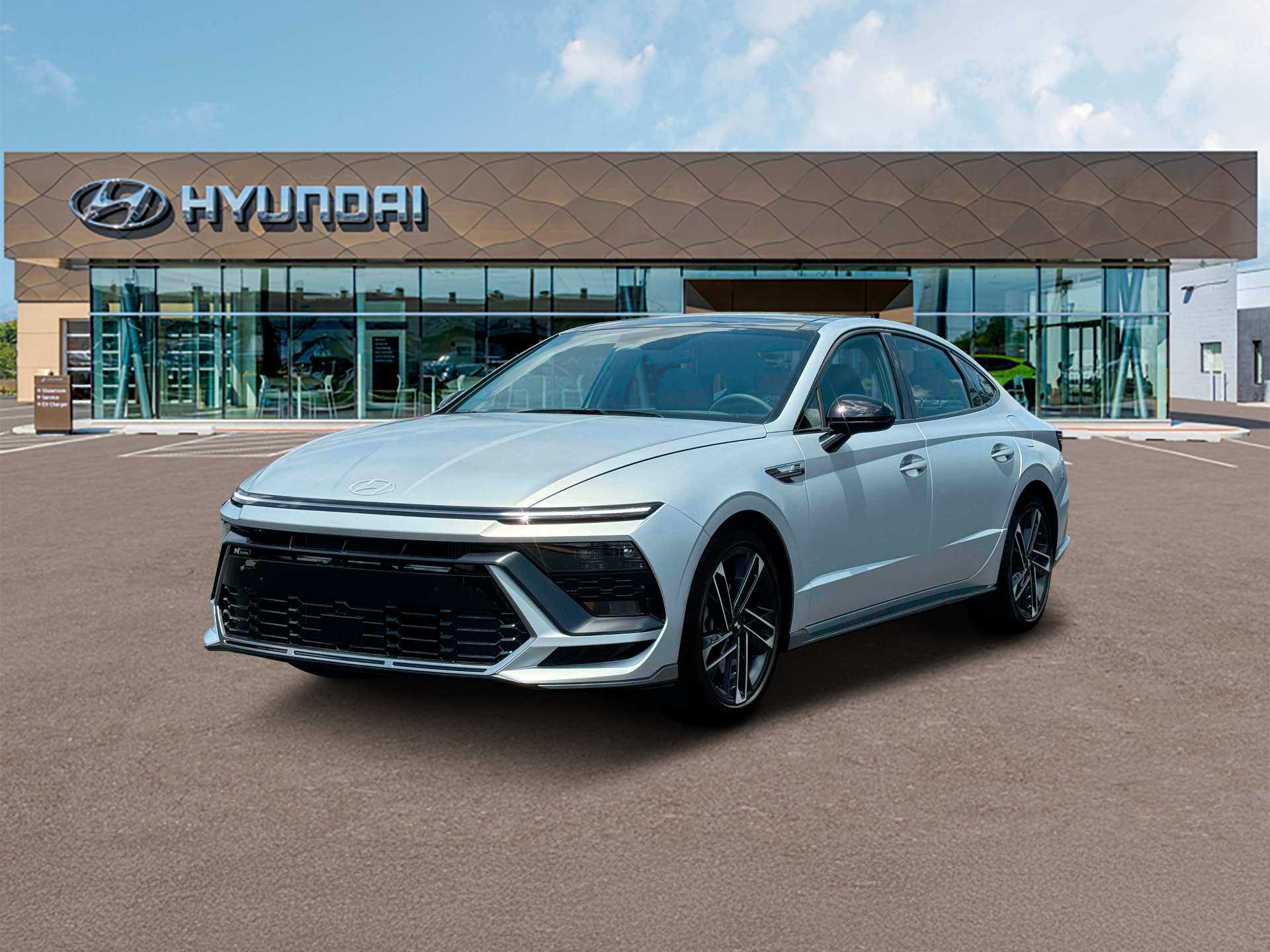
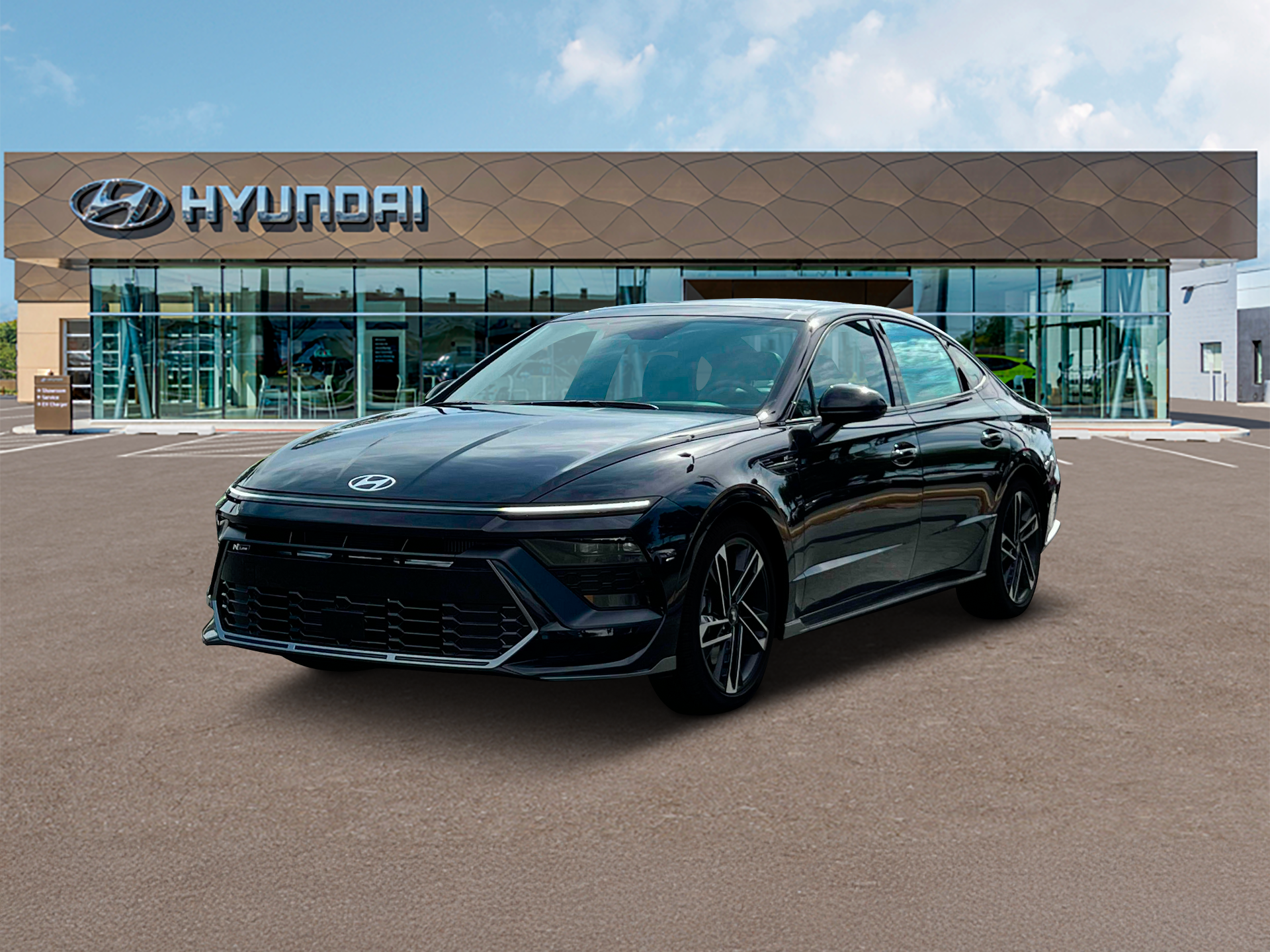
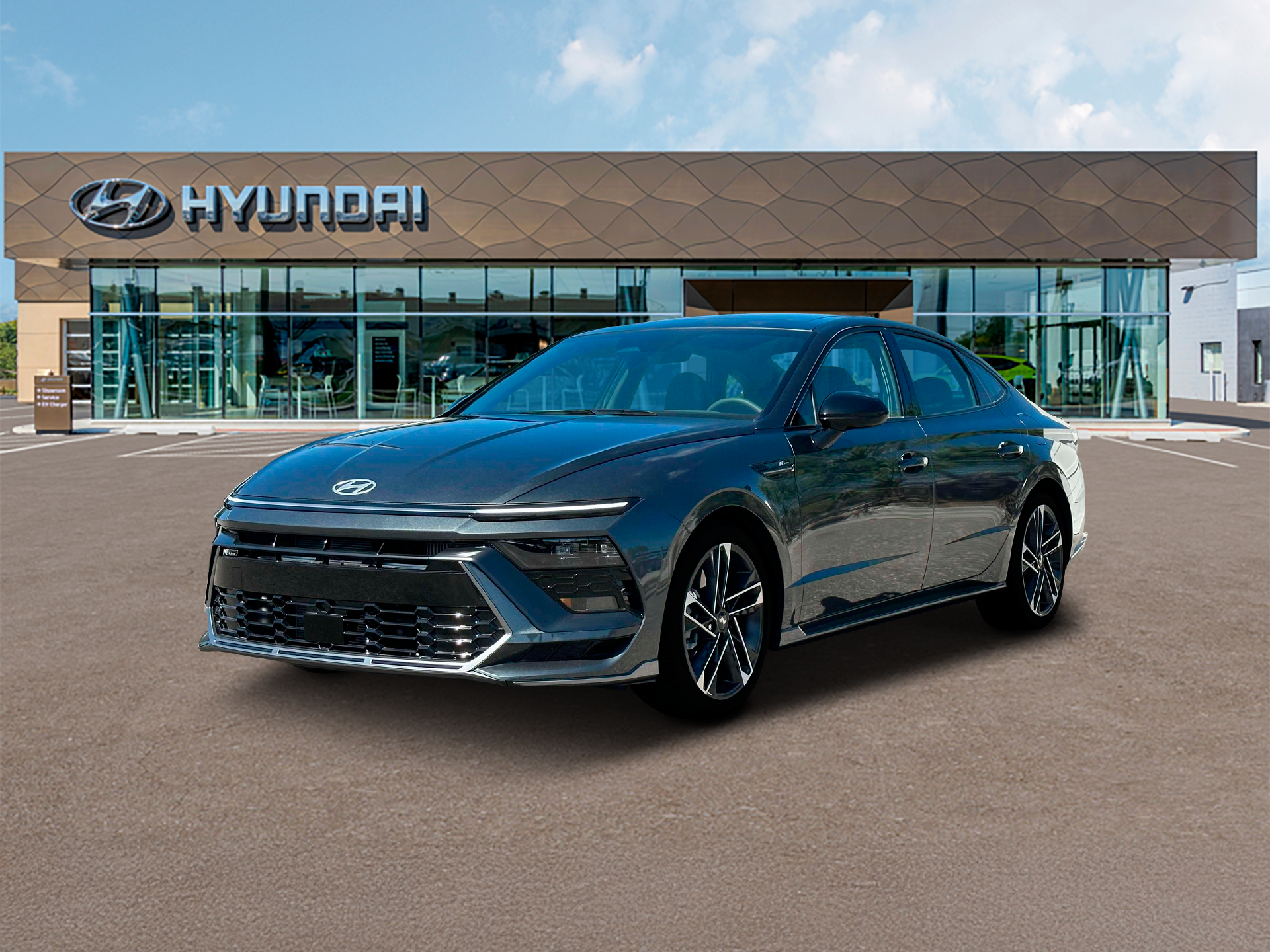
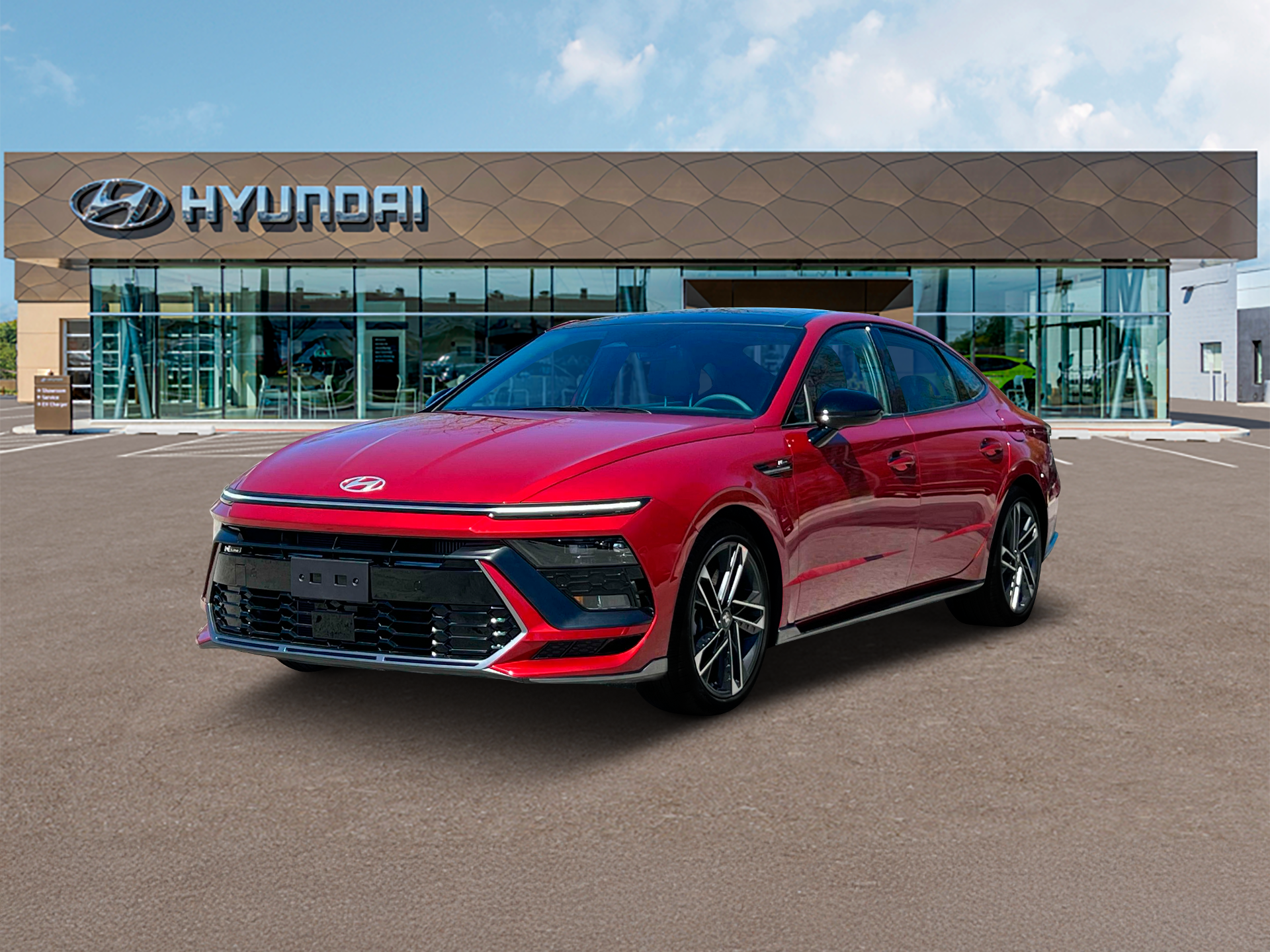
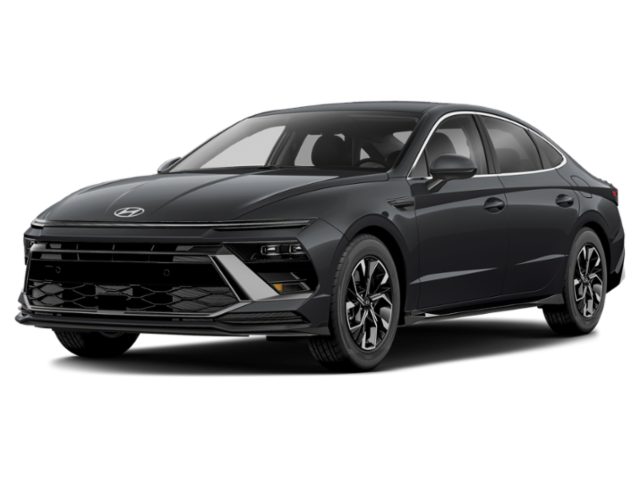
Hyundai continues to excel in design across its lineup, and this latest Sonata is no exception. Compared to the 2021 N Line, the 2025 model retains the same basic shape, but the updates over the years have made it look much more modern.
The headlights are the most notable change, creating a bold line across the sedan's front. The nose gives a low and confident first impression, fitting well with the N Line's character. At the back, the updates are subtler, but the redesigned lights and additional details in the rear bumper add more personality.
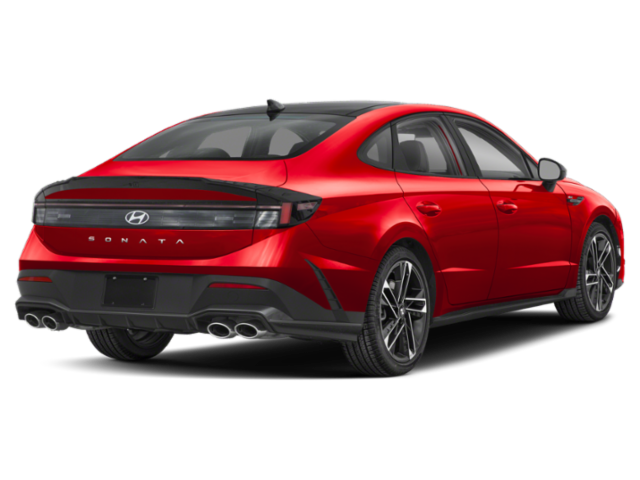
It's a minor update from the non-N Line 2025 Sonata, but the more aggressive front and rear design, along with the quad exhaust tips at the back, really make it stand out.
The wheels are similar too. The N Line features 19-inch wheels, similar to those seen in 2021, but with a new, geometric design. Sadly, however, while the earlier model we tested featured summer performance tires, the 2025 model comes only with all-season tires. Those wanting a better grip in good weather will need to stop at the tire shop on the way home from the dealer and switch to something stickier.

Photo: Tim Stevens
From a dimensions and comfort perspective, the 2025 Sonata N Line offers nearly the same features and specs as the 2021 model. The trunk provides 15.6 cubic feet of storage, which is down 0.4 cubic feet since 2021, but that's a minor difference. Inside, the cabin features reasonably comfortable seating for five, with adequate headroom and legroom at the rear.
Rear-seat passengers now have a pair of vents to maintain airflow in the back, along with two USB-C ports to keep their devices charged.
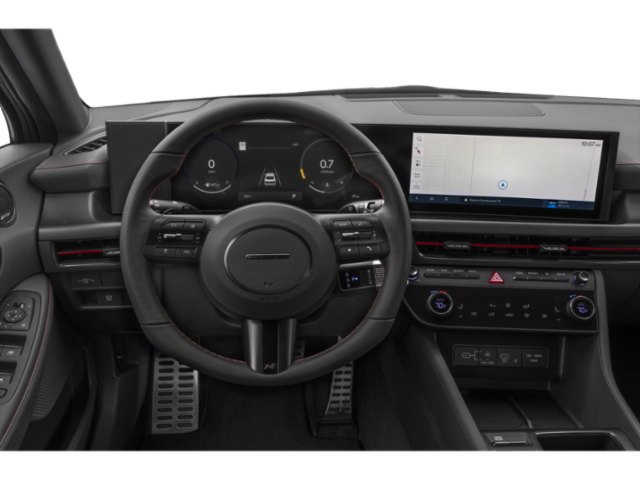
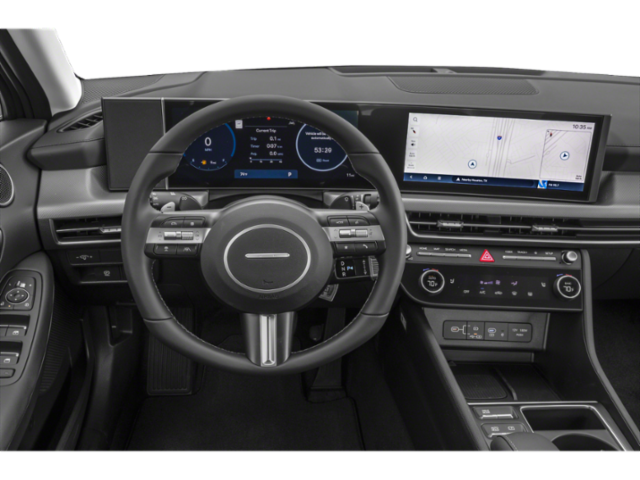
Changes are more noticeable up front. The 2025 Sonata features Hyundai's dual display setup, combining a 12.3-inch gauge cluster with a 12.3-inch central infotainment screen in a single, subtly curved panel. Hyundai's infotainment system is simple but functional, including:
The integrated navigation system is easy to operate, and the car's voice assistant can handle general requests, such as "I'm hungry" or "I'm cold," without issue. It did have some difficulty understanding more complex addresses, but overall, it made programming the navigation by voice quick and simple.
Wireless Android Auto and Apple CarPlay are available, along with a matching wireless charging pad and an additional pair of USB-C ports located in the front. Media is delivered through a 12-speaker Bose Premium Audio sound system, with plenty of bass for your most banging tunes. It has more than enough power for the Sonata's cabin.
When it comes to materials, the Sonata is somewhat of a mixed bag, featuring hard plastics on the center console and door trim, as well as some unfortunate fake carbon fiber running across the center of the dashboard. However, the suede seat inserts and woven headliner feel nicer to the touch, and the red cross-stitching, along with the crimson stripe across the vents, subtly hint at the car's sporty nature.
Controlling the Sonata's heating and ventilation depends on a mostly touch-based panel located below the dashboard. The shifter, which was previously situated lower down, has now been moved to the steering column. It is the same mechanism used on many of Hyundai's other models, a simple and intuitive stalk that you twist forward for Drive, pull back for Reverse, and push inward for Park.
This is a car, though, that you will want in Drive.

Photo: Tim Stevens
Punch the red-highlighted “Engine Start/Stop” button, twist that new shifter forward, and you are in for a good time in the 2025 Hyundai Sonata N Line. At least, that is, if you take the time to tap one more button: the Drive Mode selector. Give that a tap, and the Sonata switches over to Sport mode.
This commands the engine to deliver its power with the most aggressive throttle curve, meaning you don't need to press as far into the accelerator to reach the full 290 horsepower and 311 pound-feet of torque.
Hard launches do cause some wheelspin, followed by a noticeable chirp again on shifting to second gear. For those seeking ultimate performance, these sounds will serve as regular reminders to consider sportier tires.
However, the stock all-season rubber performs well when you are not pushing it to the absolute limit, resulting in a car that feels balanced and engaging without being too harsh for daily driving.
The N Line's transmission also does a good job of striking a balance between performance and compliance. It is smooth and gentle when driving leisurely, yet it shifts quickly from one gear to the next. It also effectively selects the right gear at the right time, though you can override its choices at any moment thanks to the paddles mounted on the back of the steering wheel.
And you will want to ensure you are cycling through the eight available speeds to keep the turbocharged engine in its optimal state. Let the revs drop too low, and you will begin to notice the lag creeping into the system. That lag is the delay between pressing the gas pedal and the turbocharger delivering enough boost to accelerate the car.
But that delay is not too annoying, and the boost once the turbo kicks in is definitely worth the wait. The car really accelerates strongly, making it a pleasure to weave through traffic or twisty roads. It even sounds good, though you can tell there is quite a bit of digital enhancement around that engine note.
Dial it back to Normal mode, and it is not a drastic behavior change, but things do settle down. The Sonata N lacks adaptive suspension, so the ride quality stays consistent. Fortunately, those all-season tires have enough sidewall flexibility to avoid being too punishing over rough surfaces. Combine that with a moderate tune to the springs and shocks, and you have a car that is perfectly pleasant to drive, and reasonably quiet, too.
There is also a My Drive Mode, but since you can only adjust the powertrain aggression and steering resistance, there is not much tunability available. However, since I prefer lighter steering and more responsive throttle, I was able to set my Sonata exactly how I wanted.
Regarding efficiency, the Sonata N Line has an Environmental Protection Agency (EPA) rating of 27 mpg in combined driving. During my mixed testing loop, which included rural roads and highways, I achieved 25.9 mpg, just below the official EPA combined rating.

Photo: Tim Stevens
The 2025 Hyundai Sonata N Line is a joy to drive, offering a great mix of fun and practicality. It is quick and enjoyable enough to keep you entertained, yet comfortable and practical enough to be a realistic daily driver and a perfect all-in-one car.
The only thing truly missing here is all-wheel drive, which is only available on the SEL trim. On the other hand, those seeking a more exciting experience might consider the car's sister, the Elantra N, which is slightly smaller, significantly more expensive, and considerably wilder. Volkswagen's Jetta GLI is probably this car's closest competitor and is a strong alternative.
At $37,985 as configured, the N Line hits the perfect balance between fun and practicality, and looks great doing it.
Tim Stevens is a veteran automotive and technology journalist with over 25 years of experience covering a wide range of topics, from smartphones to supercars. In addition to JDPower.com, his expert perspectives have appeared in numerous national and international outlets, including print, online, and broadcast television.