
If you're of a certain age, you can remember when midsize sedans were the bread-and-butter of the U.S. car market. Year after year, models such as the Ford Taurus, Honda Accord, and Toyota Camry would compete for the hearts and dollars of the American car-buying public. But tastes and preferences change, and now crossover SUVs are en vogue, effectively relegating the familiar midsize sedan to also-ran status.
This is not to say that the midsize sedan is on its death bed. On the contrary, sales of midsize cars are still substantial. However, in today's automotive marketplace, it's not enough to be fuel-efficient, comfortable, and safe. You have to stand out from the crowd—especially when it's getting tougher and tougher to grab consumers' attention.
Enter the 2021 Hyundai Sonata N Line. In an effort to expand the appeal of its midsize sedan, Hyundai gives the Sonata N Line an injection of performance that stops short of qualification into Hyundai's high-performance N brand. The new Sonata N Line slots between the SEL Plus and Limited in the sedan’s lineup, and is priced from $33,300 (not including the $1,005 destination charge).
Compared to the mainstream Sonata sedan lineup, the new Sonata N Line bumps up the sporting factor with the following upgrades:
Previously, JD Power reviewed the 2021 Hyundai Sonata Hybrid, as well as the 2020 Hyundai Sonata. This review focuses on the all-new Sonata N Line performance variant and how it potentially impacts the Sonata's overall appeal to consumers.

Photo: Jeff Youngs
According to data collected from verified owners for the J.D Power 2020 Automotive Performance, Execution and Layout (APEAL) Study, 65 percent of Hyundai Sonata owners are male (vs. 60 percent for the segment), and the median age of a Sonata owner is 61 years (vs. 55).
Owners say their favorite things about the Sonata are (in descending order) the:
Owners indicate their least favorite things about the Sonata are (in descending order) the:
In the 2020 APEAL Study, the Sonata ranked highest out of 10 Midsize Cars.
In the sections that follow, our independent expert provides an analysis of a 2021 Sonata N Line equipped with the following options:
The price of the test vehicle came to $34,674, including the $1,005 destination charge.

Photo: Jeff Youngs
Although the new performance variant of Hyundai's midsize sedan is immediately identifiable as a Sonata, there's no mistaking the N Line's sporty intentions.
Distinguishing itself from the other, more mainstream versions of the Sonata, the N Line includes a tasteful body kit with revised front and rear fascias, gloss black side mirrors and window surrounds, a rear spoiler, and N badging on the grille, front fender, and wheel center caps. Speaking of the wheels, the N Line rolls on unique 19-inch alloys with 245/40 R19 all-season or summer performance tires. The test car came equipped with the optional summer tires.
The N Line also comes standard with a panoramic sunroof, and, around the back, the car sports full LED taillights and dual exhaust with four outlets (rather than two for all other Sonatas).
Slide inside the Sonata N Line, and the sporty theme continues, with dark chrome trim and red stitching on the steering wheel and seats. Front-seat occupants nestle into unique N brand sport seats with premium leather bolsters and simulated suede inserts, while drivers enjoy a leather-wrapped sport steering wheel with an N logo and aluminum sport pedals.
A distinctive feature is the N Line's digital instrument display, which changes the appearance of the gauges when toggling through the various driving modes, which include Normal, Sport, Sport +, and Custom. Using Custom, drivers can choose specific settings to tailor the car to personal preferences.

Photo: Jeff Youngs
Some "sport" sedans do a great job of looking sporty, employing all means of styling add-ons, sport seats with fancy stitching, and shiny badges. While these visual elements may give the appearance of sportiness, if there's no substance to go with the style, ultimately, the car will fail to win over consumers, and it will be forgotten within a year or two.
While the Hyundai Sonata N Line does have the obligatory body kit, sport seats, stitching, and badges that you'd expect on any modern sports sedan, it also has the mechanical chops to make good on those aesthetic promises.
Starting with the Sonata's base 2.5-liter 4-cylinder engine as a foundation, Hyundai engineers added a turbocharger, installed a different cylinder head and other unique internal engine parts, and lowered the compression ratio (lower compression equals more power). The result? Nearly 100 more horsepower (290 vs. 191) and 130 more pound-feet of torque (311 vs. 181) than THE Sonata's base engine.
Hyundai engineers didn't stop once they squeezed more power out of the Sonata N Line's engine. Indeed, the Sonata N Line is one of the first Hyundai models to use a new dual-clutch automatic transmission (DCT) to help funnel all the additional power to the car's front wheels. After all, an engine is only as good as the transmission to which it is paired.
Not only is the N Line's DCT unique in the Sonata lineup, but it is also distinctive because it is a "wet" design. Unlike a dry setup, a wet design uses oil to improve lubrication and cooling performance in high-torque applications. According to Hyundai, the wet DCT results in "increased thermal endurance and reduced direct parasitic drag on the powertrain." In other words, it can run hotter without power losses.
The wet DCT found in the Sonata N Line is similar to the one Hyundai uses in the high-performance 2021 Veloster N. It has manual (via paddle shifters mounted on the steering wheel) and fully automatic modes and is equipped with electronic actuators that "provide ride comfort, fuel efficiency, and driving fun," according to Hyundai.

Photo: Jeff Youngs
There is no denying that there's something unique about the 2021 Hyundai Sonata N Line. While it's unmistakably a Sonata, the body kit, badges, sporty wheel and tire combination, and some of the interior bits hint at the car's sporting intentions. However, it's not until you start the car and hear—and, more importantly, feel—the exhaust rumble that you begin to suspect something special might be about to happen.
But even then, engineers can do amazing things with exhaust tuning, luring driving enthusiasts in with visions of smoky burnouts and breathtaking acceleration, only to be disappointed by the underwhelming performance from an anemic powertrain. Thankfully, this is not the case with the Sonata N Line. One stab of the throttle made this abundantly clear, as acceleration is brisk, and the engine note is sweet, even if it's somewhat artificial, thanks to an Active Sound Design (ASD) engine note enhancement system.
There's a bit of torque steer both off the line and when accelerating out of a corner, but it's not surprising, nor is it an issue. Turbo lag is minimal. The 8-speed wet dual-clutch transmission was up to the task, providing crisp shifts in Sport+ mode and a serene, smooth drive when driving was less spirited.
In terms of ride, steering, and handling, the N Line is balanced and composed, both when cruising on rough pavement as well as under hard acceleration and braking. Ride quality with the summer performance tires was firm, but that's to be expected and a welcome tradeoff for the athletic handling.
In terms of comfort and convenience, the N sport seats were supportive and, thanks to the suede inserts, held me in place when taking tight corners. I particularly liked the steering wheel, which had a sporty look and feel and was just the right thickness.
Lastly, I would be remiss if I did not mention the Bose premium audio system. The 12-speaker system is, without a doubt, one of the better audio systems on the market, providing unexpected power and clarity. The only reason you'd ever need to turn down the volume would be so you can hear the engine and exhaust under wide-open throttle.
Jeff Youngs has more than 25 years of experience in the auto industry, including 19 years with JD Power in both marketing and editorial management roles. He also spent nearly six years with General Motors as a media relations pro.


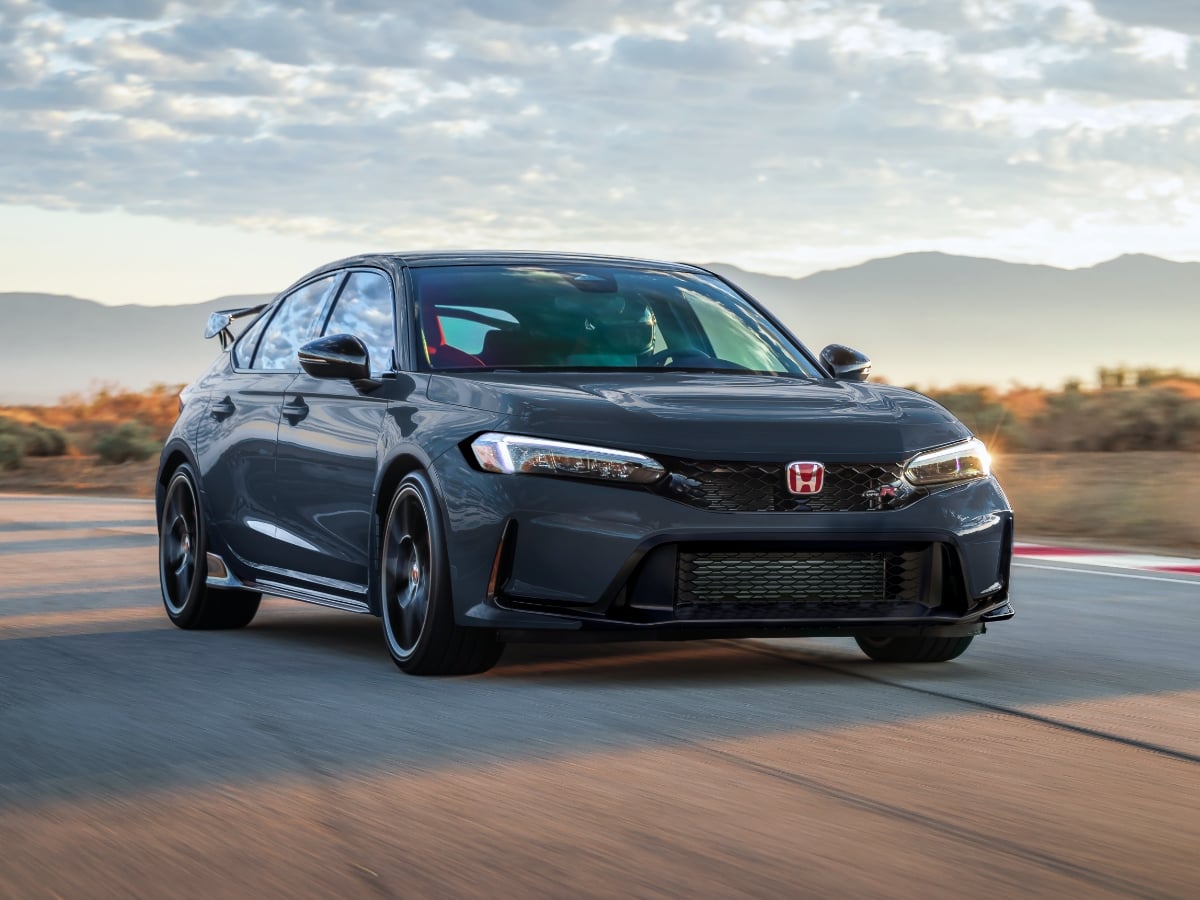
The 2027 Civic Type R goes on sale in October 2026, and it starts at $49,990, including the $1,295 destination charge.
Read the Full Article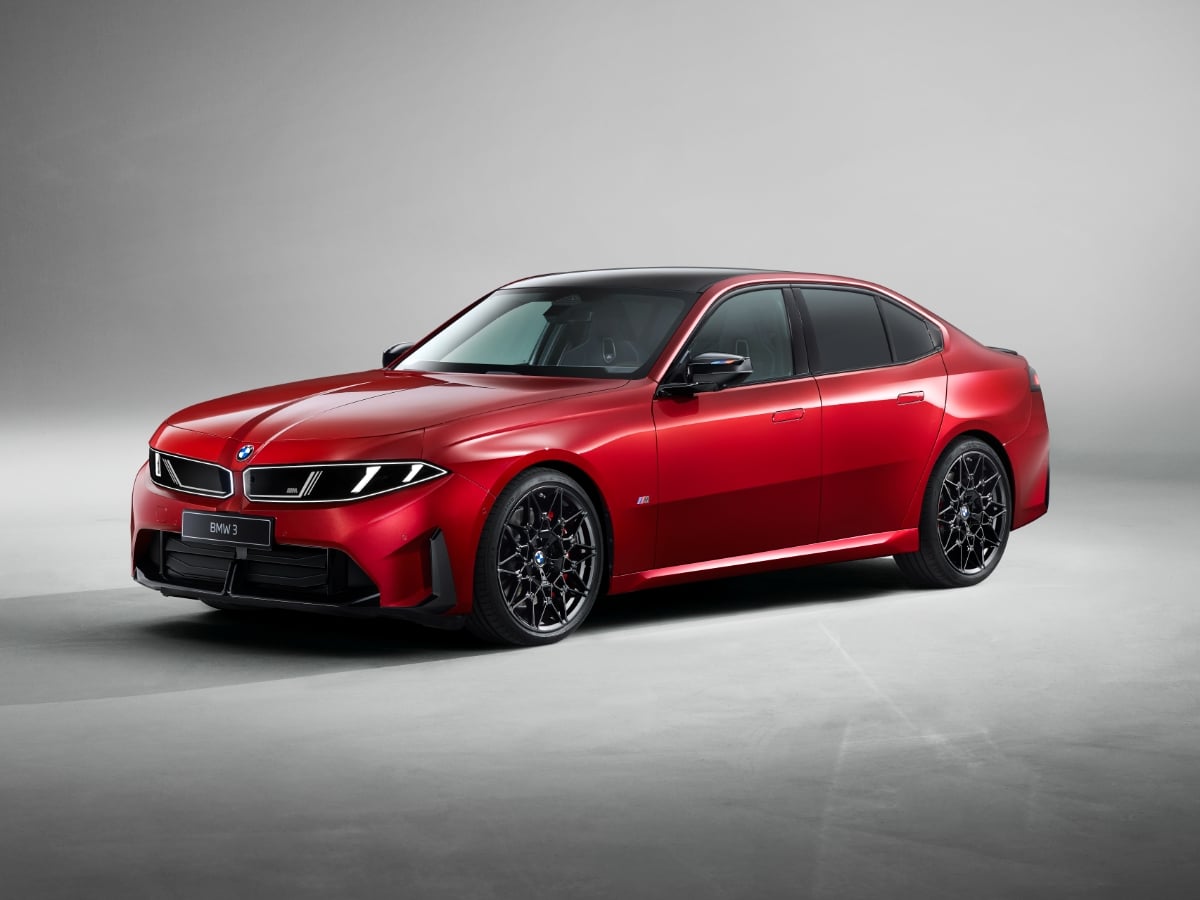
Part of BMW’s Neue Klasse (new class) rollout of redesigned models, the 2027 BMW 3 Series is all-new and goes on sale in the first quarter of 2027.
Read the Full Article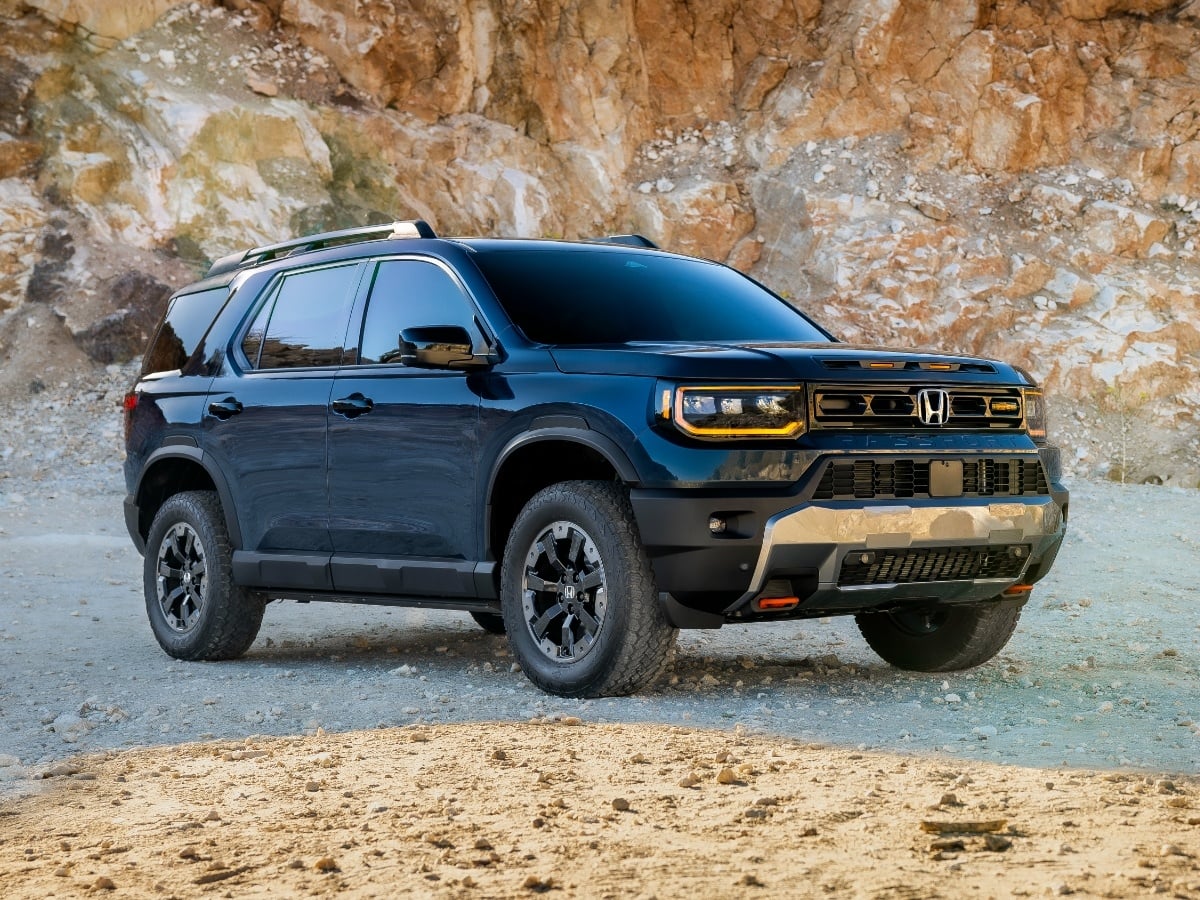
Updates to the 2027 Honda Passport TrailSport include a reworked suspension, improved steering, subtle styling enhancements, and added standard equipment.
Read the Full Article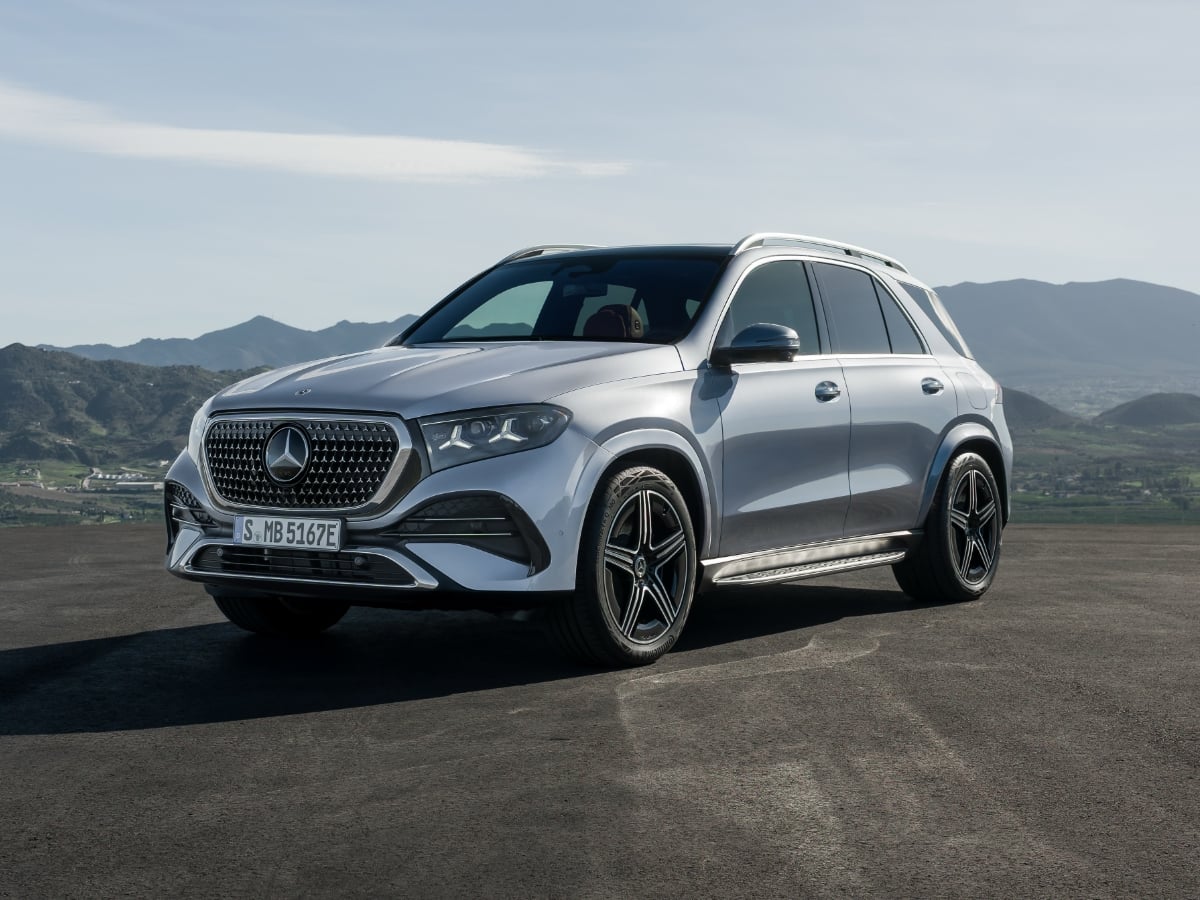
The midsize 2027 Mercedes GLE remains available in original and spicy Coupe recipes, now with standard 4Matic all-wheel drive (AWD), MBUX Superscreen technology, and a panoramic glass sunroof for ...See More
Read the Full Article