
Honda’s i-VTM4 is an advanced all-wheel-drive (AWD) system designed to enhance performance, stability, and traction in various driving conditions. Offering superior handling on off-road trails and slippery surfaces, it utilizes torque vectoring to distribute power actively between the axles and wheels to maximize control.

Found in models like the Honda Pilot, Passport, and Ridgeline, this system provides drivers with increased control and confidence, whether navigating through wintery weather, mud, or challenging terrain. Honda first introduced i-VTM4 in 2015 with the third-generation Pilot, replacing the SUV’s traditional AWD system.
Unlike earlier systems, i-VTM4 automatically adjusts the torque between the front and rear axles and even between the left and right rear wheels to optimize traction. This is known as torque vectoring.
The roots of the i-VTM4 system are directly linked to earlier Honda AWD technologies. In 1997, the Active Torque Transfer System (ATTS) debuted in the Honda Prelude Type SH, which used electronically controlled clutches to send torque to the outside wheels in corners and turns.
ATTS later evolved into the Variable Torque Management (VTM-4) system. Both systems laid the groundwork for the torque vectoring and traction management in i-VTM4.
The i-VTM4 system directs torque from the engine to the front and rear axles. This power travels to the rear wheels via a torque transfer unit mounted beside the front transaxle. The system can send up to 70 percent of power to the rear axle and then distribute up to 100 percent of the rear power flow to either of the two back wheels. This distribution helps maintain forward momentum and can prevent the vehicle from losing control or getting stuck.
Hydraulically operated clutch packs at the rear axle control how power is distributed to each wheel. These clutch packs are powered by an electric motor and controlled by the i-VTM4 Electronic Control Unit (ECU), which monitors various sensors to determine the most effective torque distribution. Under typical driving conditions, i-VTM4 routes power to the front wheels or maintains a 50/50 front-to-rear split.
The i-VTM4 system offers several modes designed to optimize performance in different conditions. Each mode adjusts the torque split and other vehicle parameters to match the driving environment:
The i-VTM4 system has pluses and minuses, making it ideal for some and not for others.
Pros:
Cons:
Honda’s i-VTM4 system is an AWD technology that enhances stability and handling. The system uses torque vectoring to ensure greater capability across various driving conditions, from slippery roads to loose surfaces to rugged trails.
To learn more about various automotive technologies, visit the Shopping Guides section of the website.
Jessica Shea Choksey is an experienced writer in the automotive field. In addition to JDPower.com, she was a correspondent for PBS's MotorWeek, and her work has appeared on Autotrader.


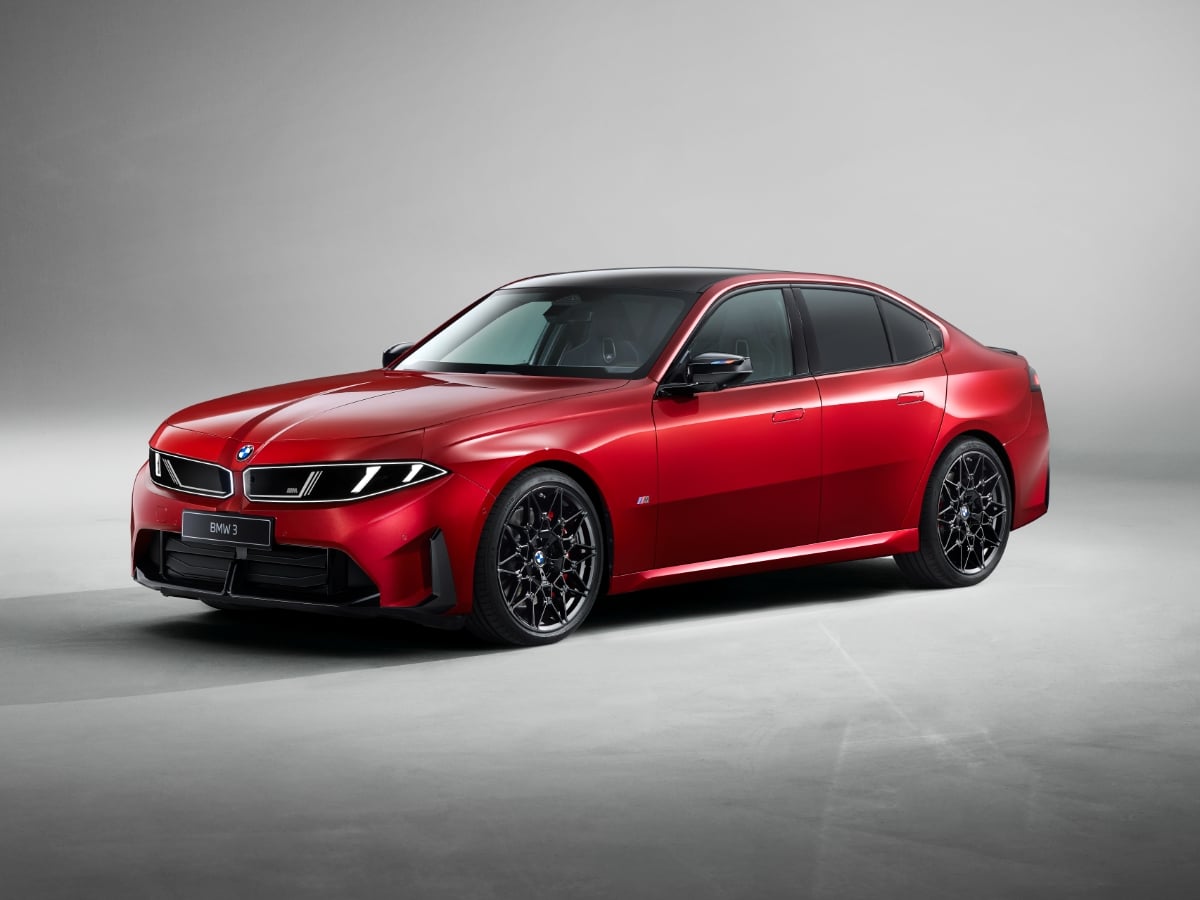
Part of BMW’s Neue Klasse (new class) rollout of redesigned models, the 2027 BMW 3 Series is all-new and goes on sale in the first quarter of 2027.
Read the Full Article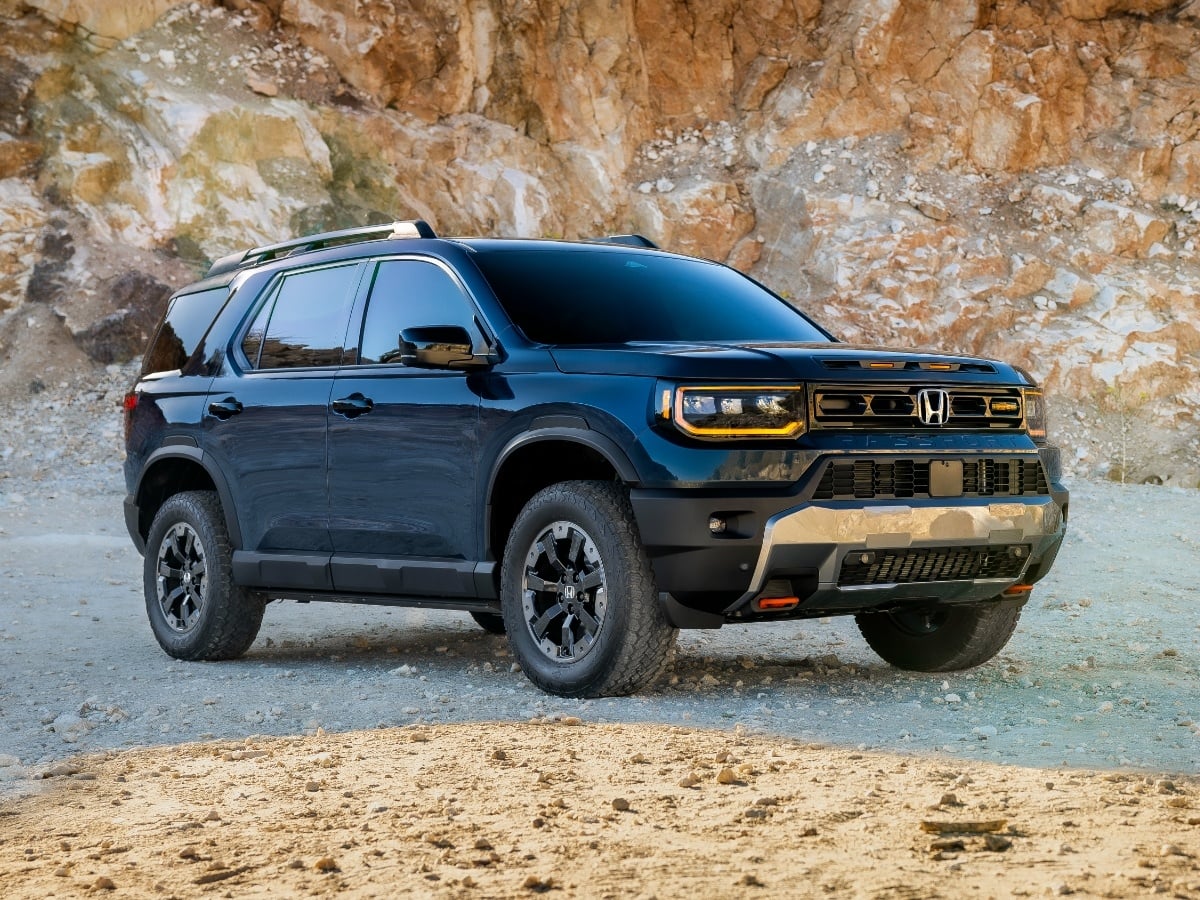
Updates to the 2027 Honda Passport TrailSport include a reworked suspension, improved steering, subtle styling enhancements, and added standard equipment.
Read the Full Article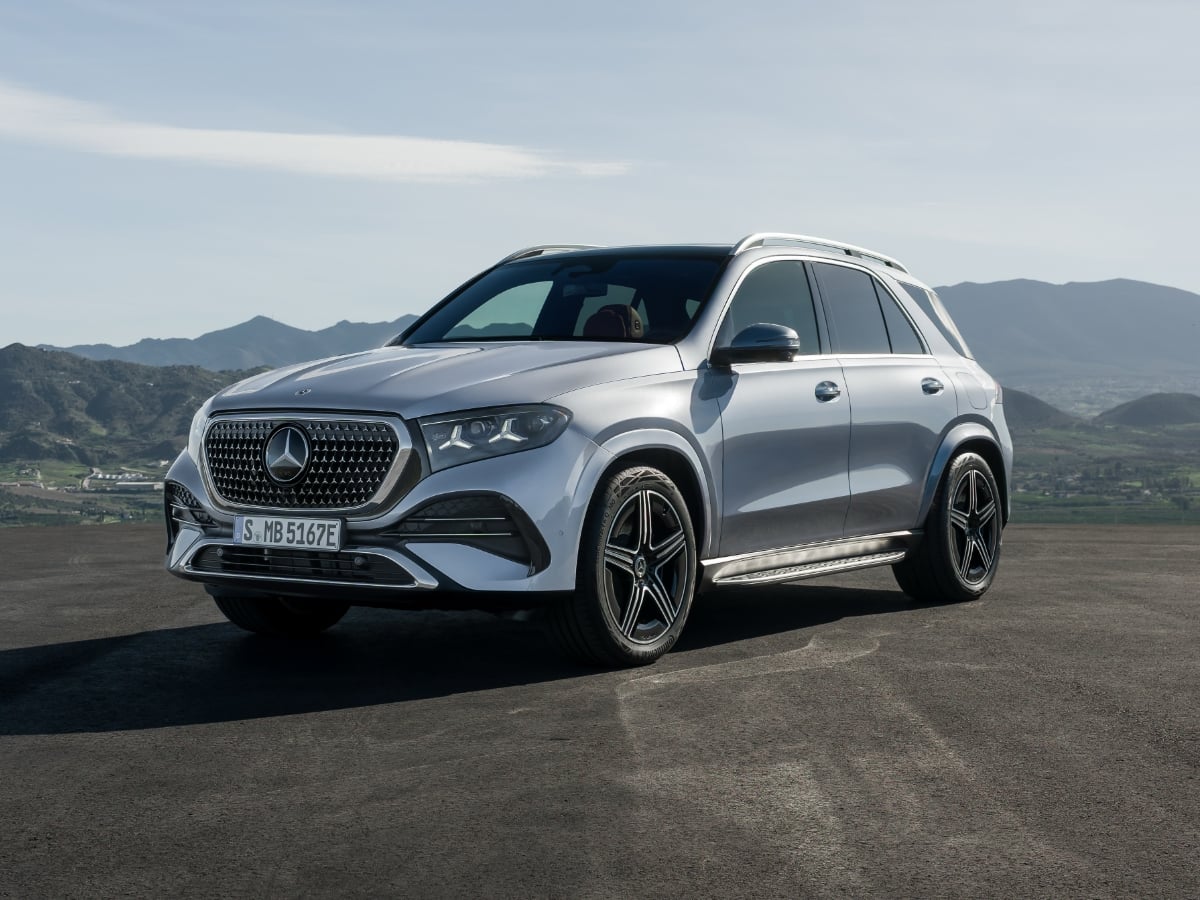
The midsize 2027 Mercedes GLE remains available in original and spicy Coupe recipes, now with standard 4Matic all-wheel drive (AWD), MBUX Superscreen technology, and a panoramic glass sunroof for ...See More
Read the Full Article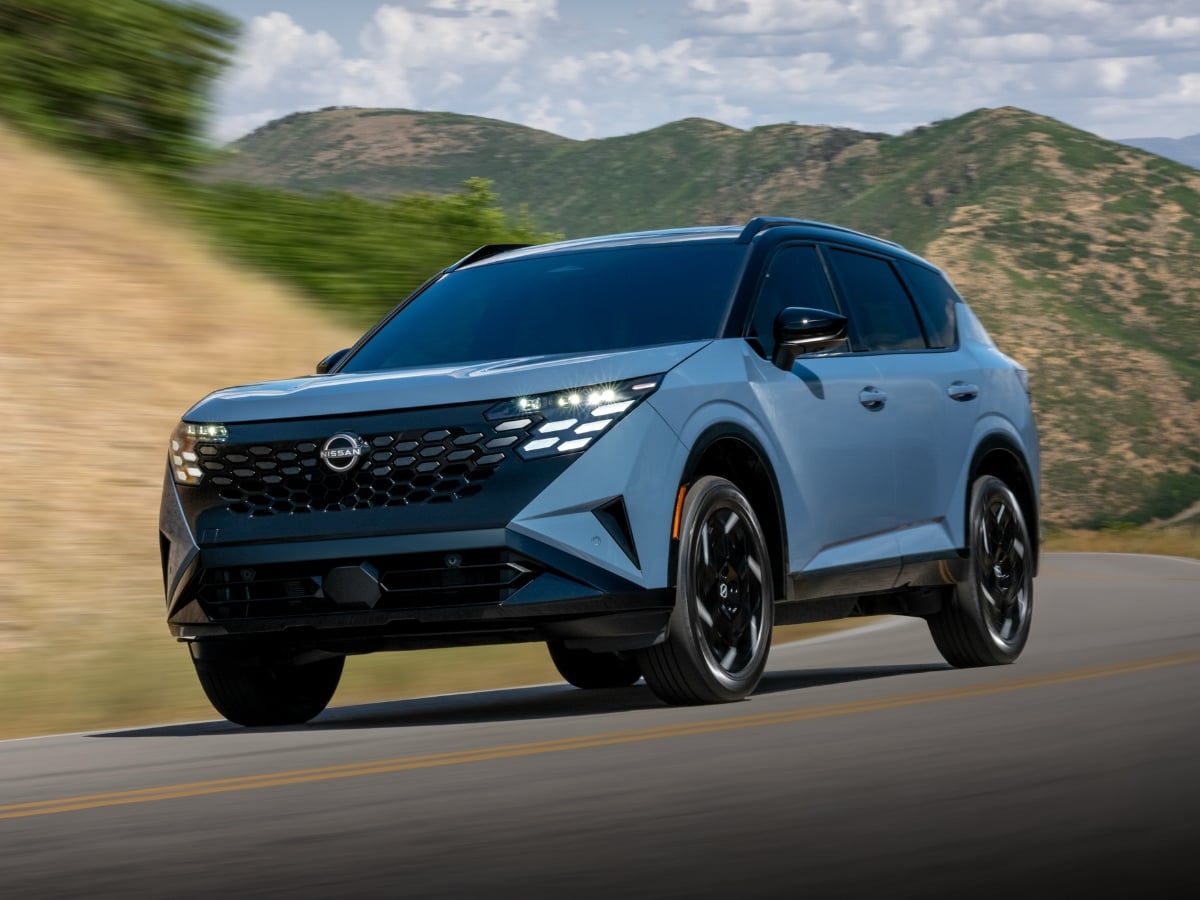
Nissan is about to introduce an innovative new SUV. The 2027 Nissan Rogue Hybrid has a gasoline engine, but it does not power the wheels. Instead, electric motors at each axle provide propulsion, ...See More
Read the Full Article