
The redesigned 2024 Mercedes-Benz E-Class represents the latest member of a midsize luxury car family that dates back more than 75 years. Mercedes calls the E-Class the best-selling model in the company's history, so while today's consumers have shifted preference to SUVs wearing the three-pointed-star emblem, this car remains a vital part of the automaker's lineup.

Photo: Christian Wardlaw
With the 2024 E-Class, Mercedes sticks to the script. The redesign brings S-Class-inspired styling, improved passenger comfort, and new AI-infused technology, and the car includes standard mild-hybrid powertrain technology and 4Matic all-wheel drive.
This year, the new E-Class comes in E 350 4Matic and E 450 4Matic sedan models. A station wagon version called the All-Terrain arrives later in the year, in E 450 4Matic specification. Sedan prices range from $63,450 to $69,250, including the destination charge of $1,150.
In the sections that follow, our independent expert analyzes a 2024 Mercedes-Benz E 350 4Matic sedan equipped with the following options:
The test vehicle's price was $82,450, including the $1,150 destination charge to ship the car from the Sindelfingen, Germany, assembly plant to your local dealership.

Photo: Christian Wardlaw
The E-Class has retractable door handles that rest flush with the door panel surfaces. As you approach, the car senses the key fob, and the handles extend for use. At some point during my time with the car, just as I placed my fingers behind the handle to pull the door open, they started to retract for an unknown reason, and it took some effort to override the action. That experience did not endear me to the design.
Once seated behind the steering wheel, you'll use the adjusters on the upper door panel to find a proper driving position. Those controls are touch-sensing and respond to pressure, and I found it challenging to fine-tune the seat position.
Though my test car did not have the optional multi-contour massaging seats, the E-Class proved comfortable, and the extra-cost Tonka Brown leather felt supple yet durable. The car's center console is wide where it meets the dashboard, and my right leg rests uncomfortably against it while driving. A smoother surface and extra padding could resolve that.
Unlike the electric Mercedes EQE sedan, the mild-hybrid E-Class models have a long hood leading into a cabin placed further back on the car's platform. The result is a long and low appearance, but it also causes the rear wheel wells to intrude upon rear-seat entry and exit. However, the accommodations are just roomy enough for comfortable long-distance travel once you're seated. The bottom cushion offers plenty of support, and you sit high in the car with a good view out.
As with the front seat adjusters, nearly everything about the E-Class uses touch-sensing controls, including the stereo volume. As I discovered with the seat controls, fine-tuning volume input was a challenge whether I used the touch slider on the steering wheel or the one on the lower dashboard. Neither is an acceptable substitute for a traditional knob.
Despite the preponderance of screens and touch-sensing controls, the E-Class is easy to understand and operate as long as you're comfortable with modern smartphone technology. In addition, the quality of the materials is top-notch, except for a shiny plastic steering column housing that needs an anti-glare coating to avoid an inexpensive appearance.

Photo: Christian Wardlaw
Mercedes equips every 2024 E-Class with a next-generation version of its Mercedes Benz User Experience (MBUX) infotainment system. Improvements include faster response to spoken commands by the digital voice assistant, third-party app integration, the ability to program repetitive "routines," and an available Superscreen upgrade. It also boasts advanced artificial intelligence to "learn" over time, improving system performance.
In standard spec, MBUX includes:
When you choose the Superscreen option, the E-Class gets:
My test car had the Superscreen option, and it's impressive. When a passenger sits in the right front seat, the screen offers access to functions like the navigation system, the ability to change the music and source, embedded games like Sudoku, the ability to surf the web using a Vivaldi web browser, and popular video platforms including Tik Tok and YouTube. You can also attend meetings via Webex or Zoom via the center screen and the dashtop camera.
Remarkably, this tech is easy to use if you're familiar with modern smartphones. Thanks to a zero-layer menu design, primary functions are always visible and easy to access. The MBUX system presents deeper functions as large, legible icons that you can swipe through to find and use what you want.
In addition, the digital voice assistant is quick to respond, delightfully conversational, and accurate when issuing commands or requesting assistance. However, it can intrude when you haven't summoned it with a "Hey, Mercedes," which I assume is the AI listening for key phrases and learning whether you want help or not. It is a little creepy.
I used the MBUX to find a retail store an hour from home. With nothing more than the name of the business and the city in which it is located, the digital assistant programmed the directions. They appeared on the test car's oversized head-up display, and the center screen showed the augmented video from the front camera with direction overlays at crucial freeway junctions and turns. It should be hard to get lost while using this technology.
My test car also had the optional Burmester 4D surround-sound audio system with 17 speakers. It features Dolby Atmos and Apple Spatial Audio technology and is utterly sensational. I streamed music via the embedded Apple Music app, and the Burmester speakers thundered with exceptional depth and clarity.
But wait, there's more! You can also program the digital instrumentation display to show a Classic, Sport, Navigation, or Assistance theme. Classic presents traditional gauges, Sport has a technical look with a red-accented appearance, Navigation transforms the panel into a map, and the Assistance theme shows the status of the advanced driving assistance systems (ADAS). Switching between them is quick and easy using the appropriate touch-sensing button on the steering wheel.
Undoubtedly, the new E-Class is a high-tech masterpiece. The automaker has simplified complexity and made it easily accessible to anyone familiar and comfortable with modern technology.

Photo: Christian Wardlaw
Push the E 350 4Matic's engine start button, and a turbocharged 2.0-liter four-cylinder comes to life. It provides 255 horsepower at 5,800 rpm and 295 pound-feet of torque between 2,000 rpm and 3,200 rpm. A nine-speed automatic transmission powers all four wheels through the 4Matic all-wheel-drive system.
New for 2024, the E 350 adds a 48-volt mild-hybrid system with an integrated starter/generator (ISG). The ISG provides 23 hp and 151 lb-ft of torque, which helps to launch the car from a stop and contributes to the automaker's claim the E 350 4Matic can accelerate to 60 mph in 6.1 seconds.
Indeed, the car feels quick enough to satisfy the needs of most buyers. At higher engine revs, the note sounds a little unpleasant and unbecoming of the vehicle, but there is a solution. It's called the E 450 4Matic, which has a turbocharged 3.0-liter inline six-cylinder with 375 hp and 369 lb-ft and can rush to 60 mph in a claimed 4.4 seconds. In 2025, an AMG E 53 Hybrid model will join the lineup, supplying even faster acceleration.
My test car also had the Airmatic Package, which installs a brilliant adaptive air suspension and rear-wheel steering with 4.5 degrees of input to make the E-Class more maneuverable in urban driving situations and more stable at higher speeds while cornering. In addition, it sat on the optional 21-inch staggered-width wheels wrapped in 245/35 front and 275/30 rear tires.
When driving in Comfort mode, the E-Class glides from place to place, isolating occupants from impact harshness and eradicating unwanted body motion. Better yet, Airmatic delivers an unfettered ride without numbing the driver from what's happening at the road surface.
Switch to Sport mode, and the suspension firms up while the powertrain response sharpens. Add the tires' grip, capable brakes, and active steering, and the E 350 4Matic turns in a commendable performance on a twisty mountain road. Significant heaves and dips in the blacktop reveal Airmatic's efforts to quell excess body motions, but otherwise, the car feels natural and fluid, if not particularly engaging. Competence does not always translate into driver involvement.

Photo: Christian Wardlaw
Every 2024 Mercedes E-Class includes the following selected driver assistance and safety features:
An optional Driver Assistance Package adds 15 more features. Noteworthy highlights include:
My test vehicle had all these features, and I used the ADAS extensively. The active speed-limit assistance and route-based speed adaptation proved troublesome on Los Angeles freeways and Pacific Coast Highway (PCH), where Southern Californians routinely ignore official speed limits. The features turned the E-Class into a motorist-angering obstacle, so I turned them off via the MBUX center display screen.
I also disliked the car's new Automatic Lane Change system. However, I suspect that's only because of L.A.'s multi-lane freeways and my distrust of what people two lanes over are doing as they aggressively slice and dice through moderate traffic. That function would likely be helpful on a long journey on a typical Interstate with two lanes of travel in each direction.
As is typical with lane-centering assistance systems, the tech in the E-Class felt a little uncertain in some of the curves on PCH and the 101 freeway as it climbs the Conejo Grade in Ventura County. But, overall, the ADAS performs to modern expectations and rarely produces a false alert. The lane-keeping assistance acts decisively and expertly differentiates between intended and unintended lane departures. In my experience, it works only when you really need it.

Photo: Christian Wardlaw
Mercedes reports that the trunk of an E-Class sedan holds 19.1 cubic feet of cargo. However, it does not appear that the measurement adheres to the official SAE J1100 standard the Society of Automotive Engineers set forth because the trunk seems smaller than that. Nevertheless, it accommodates full-size suitcases stowed on their sides, and the lid hinges are fully enclosed so you can maximize the use of the space.
According to the EPA, the Mercedes E 350 4Matic should get 27 mpg in combined driving. The test vehicle returned 23.8 mpg on the evaluation loop, falling short of expectations. I drove the car in the Individual mode, with the powertrain on the Comfort setting and the suspension calibrated to the Sport setting.
The E-Class has a 17.4-gallon fuel tank. Based on my observed result, the car provides 414 miles of maximum range, but you'll stop to fill up around the 375-mile mark.
As demonstrated above, the new 2024 E-Class is loaded with technology to help a driver prevent a collision. Standard and available Pre-Safe features aim to limit injury if a crash is unavoidable. However, I cannot state whether the car is safe without official crash-test ratings from the National Highway Traffic Safety Administration (NHTSA) and the Insurance Institute for Highway Safety (IIHS).
The first examples of the redesigned E-Class on sale are the E 350 4Matic ($63,450) and the E 450 4Matic ($69,250). Those prices include the $1,150 destination charge.
In the JD Power 2023 Initial Quality Study (IQS), the Genesis G80 ranks highest in the Midsize Premium Car segment. The previous-generation Mercedes-Benz E-Class ranks second highest, and the Audi A6 and previous-generation BMW 5 Series tie as the third highest-ranked models.
In the 2023 APEAL Study, the Porsche Taycan ranks highest in the Midsize Premium Car segment. The Genesis G80 is the next highest-ranked model.
Another competitor to the 2024 Mercedes-Benz E-Class is the Volvo S90.

Photo: Christian Wardlaw
The redesigned 2024 Mercedes-Benz E-Class is an excellent example of a premium midsize luxury car. Its clean and contemporary design lacks drama, which will help it age well. The in-car technology is approachable if you're comfortable with modern smartphones. The ADAS is effective, and you can adjust many of the settings to modify its behavior or turn some features off entirely. And it drives like a dream, emphasizing luxury and comfort over outright performance.
Christian Wardlaw is a veteran automotive journalist with 30 years of experience in the field and has held automotive editorial leadership positions at Edmunds, JD Power, and The New York Daily News. Today, Chris owns a content agency called Speedy Daddy Media, and in addition to JDPower.com, his work appears on Capital One Auto Navigator, CarGurus, and Edmunds.


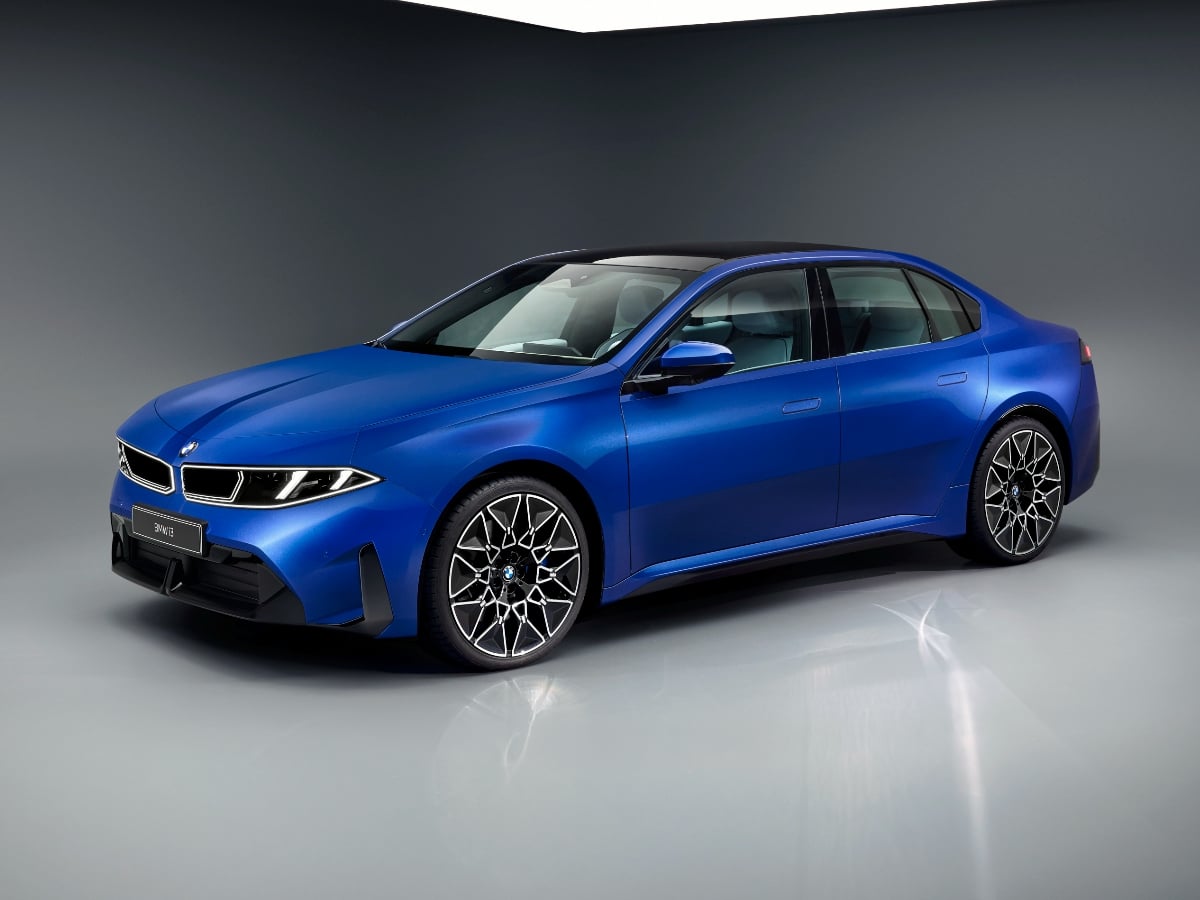
The new 2027 BMW i3 boasts an estimated range of up to 440 miles, 400-kilowatt DC fast charging capability, bidirectional charging to a home or the grid, and next-generation technology.
Read the Full Article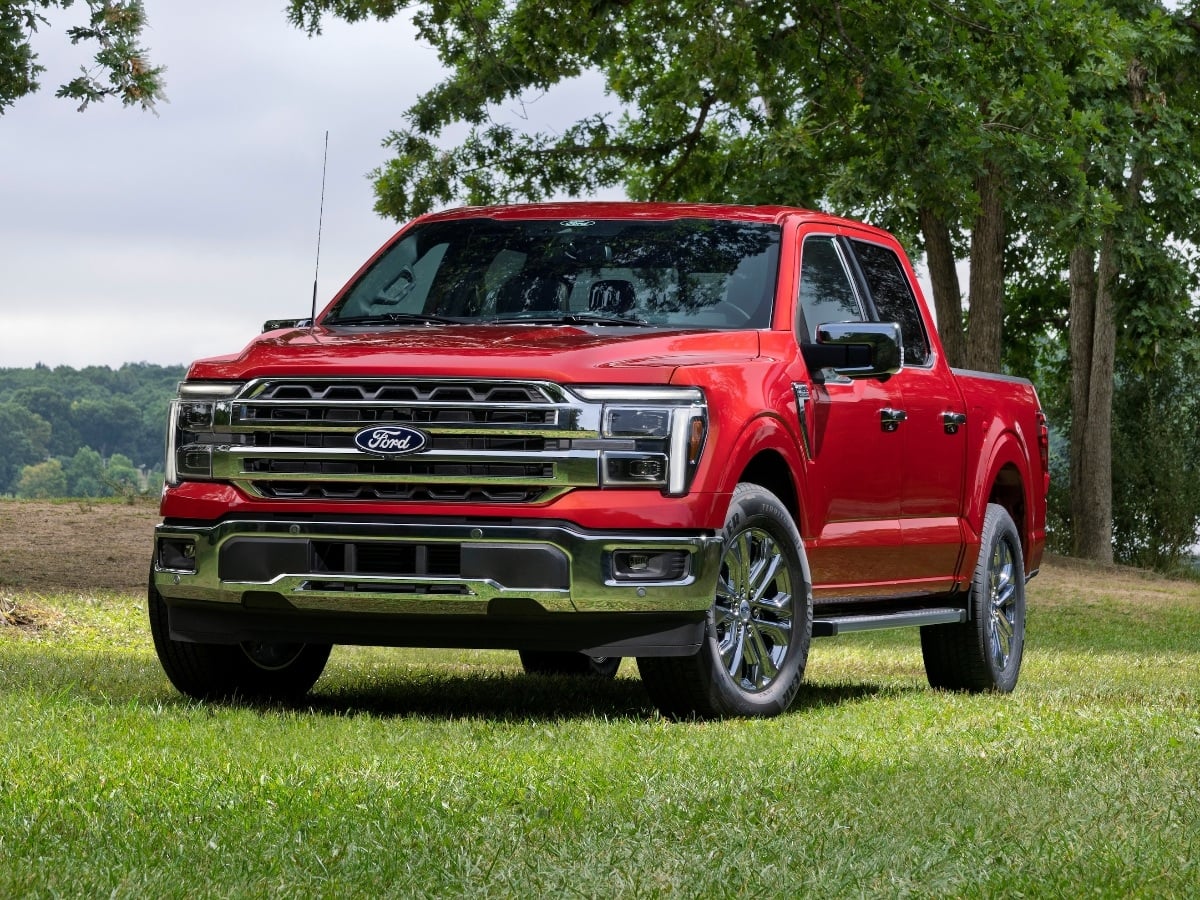
Facing renewed competition in the full-size, light duty pickup truck segment, the 2027 Ford F-150 receives subtle styling updates, a new standard engine, broader availability of its 5.0-liter V8, and ...See More
Read the Full Article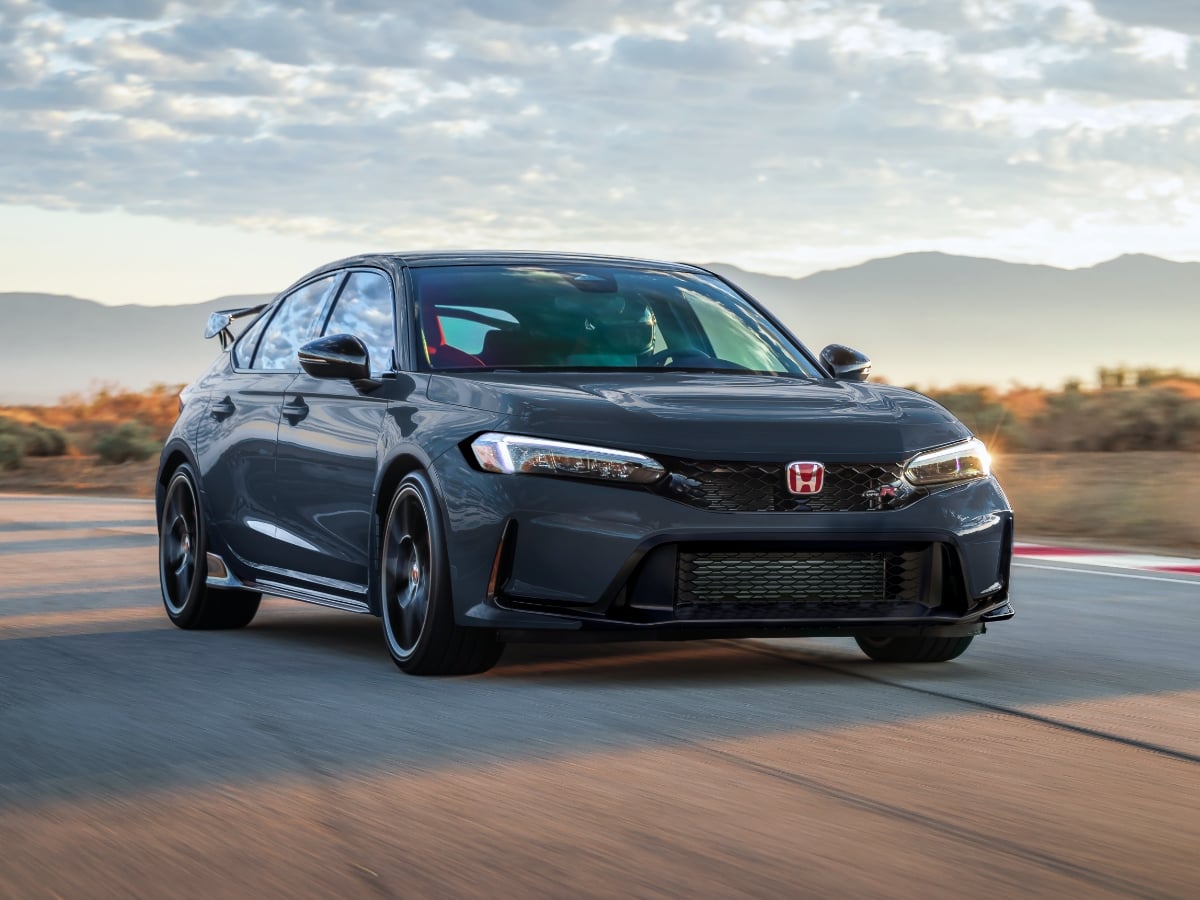
The 2027 Civic Type R goes on sale in October 2026, and it starts at $49,990, including the $1,295 destination charge.
Read the Full Article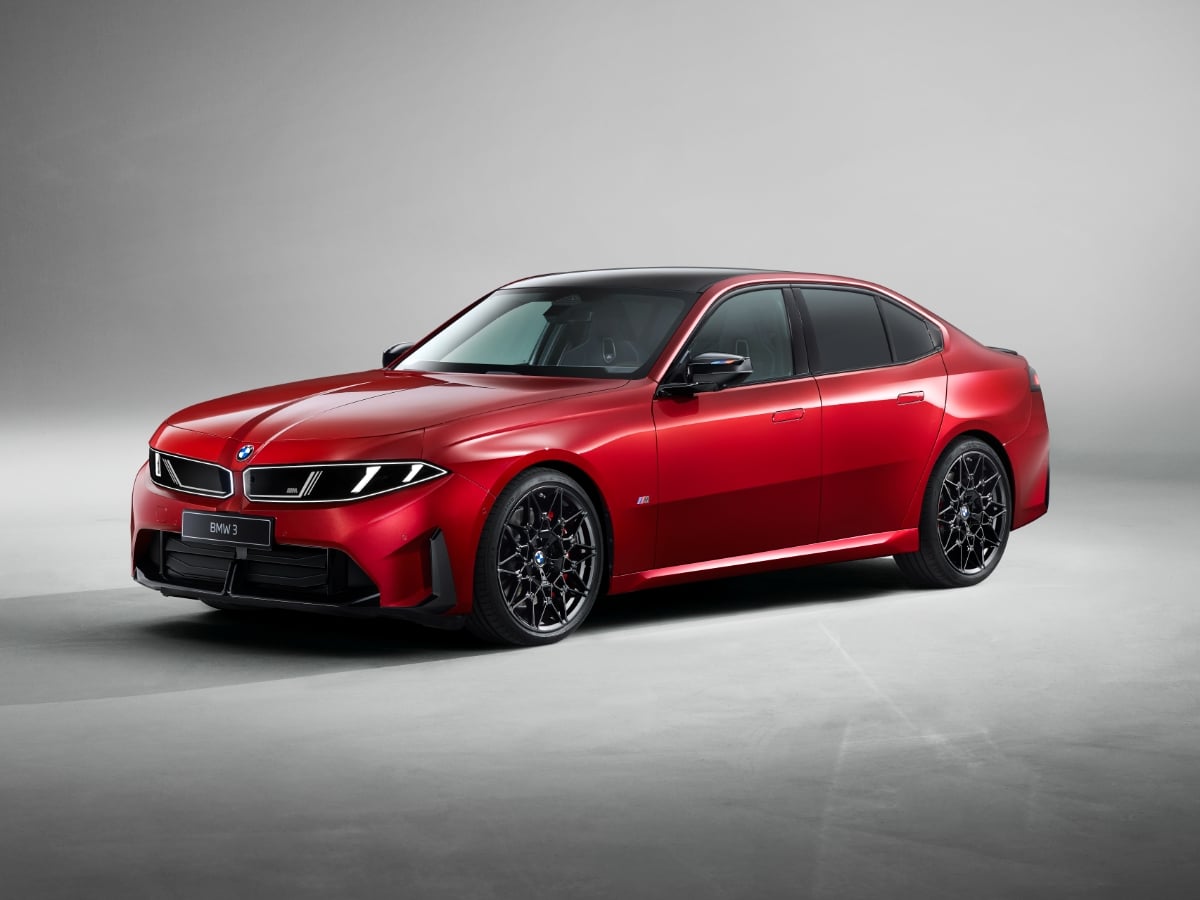
Part of BMW’s Neue Klasse (new class) rollout of redesigned models, the 2027 BMW 3 Series is all-new and goes on sale in the first quarter of 2027.
Read the Full Article