
If you’re a car enthusiast, you know what a Dodge Challenger is. The nameplate first appeared in 1970 on Dodge’s rival to the Chevrolet Camaro, Ford Mustang, and Pontiac Firebird, but it lasted only through 1974.
Then, in 1978, a new Dodge Challenger appeared, based on a two-door Mitsubishi coupe. This one, not nearly as cool, lasted a year longer than the original, until 1983.
In a classic case of the third time being the charm, Dodge resurrected the Challenger name once again in 2008. This time, the model enjoyed a 16-year run, seemingly ending only because Dodge owner Stellantis is preparing a shift to electrified vehicles. Dodge updated and upgraded the Challenger during that span, but today’s Challenger is fundamentally the same two-door coupe it was in 2008.

Photo: Christian Wardlaw
Dodge hasn’t changed the Challenger much since our last review, but collectors have enjoyed numerous special-edition models:
Since the third-gen Challenger is going out of production, I wanted to drive the car one last time. Dodge provided me with a Black Ghost special edition, the rarest of the Last Call models, as only 300 rolled off the assembly line. This review focuses on the Black Ghost, what makes it special, and how it potentially impacts the Challenger’s overall appeal to consumers.

Photo: Christian Wardlaw
The Dodge Challenger competes in the Midsize Sporty Car market segment. According to data collected from verified new-vehicle buyers for the JD Power 2023 Automotive Performance, Execution and Layout (APEAL) Study, Challenger owners rated the car in 10 primary categories.
Listed below in descending order, you’ll find their preferences, from their most favorite thing about the Challenger to their least favorite:
In the 2023 APEAL Study, the Challenger is the top-ranked model of three Midsize Sporty Cars.
In the following sections, our independent expert analyzes a Challenger Black Ghost equipped with standard equipment and no options. The test vehicle’s price was $103,010, including the $1,595 destination charge and $2,100 gas guzzler tax.

Photo: Christian Wardlaw
Godfrey Qualls owned a legendary black 1970 Dodge Challenger RT SE known as the Black Ghost. The way Dodge tells the story, Qualls would flex his car’s 426 Hemi muscle on Detroit’s Woodward Avenue in the 1970s, where impromptu stoplight drag races were common. Then, the car would disappear for months, leading to its nickname. That 1970 Challenger remains with the Qualls family today and is now listed on the National Historic Vehicle Register.
The 2023 Dodge Challenger Black Ghost is what the automaker calls a “modern manifestation” of the legendary historical model. Based on the SRT Hellcat Redeye Widebody, the Black Ghost is one of the most potent examples of the Challenger ever made.
Naturally, Dodge dips the car in Pitch Black paint, but from there, the Black Ghost takes a retro path with classic chrome script Challenger nameplates, chrome D-O-D-G-E block lettering on the leading edge of the hood, a chrome fuel door, Mopar-sourced hood pins, white fender graphics, and an unusual “gator skin” vinyl roof graphic. The car sits on 20-inch Satin Carbon Warp Speed wheels that sparkle in the light.

Photo: Christian Wardlaw
Dodge bases the Black Ghost on the SRT Hellcat Redeye Widebody. That means it has a high-output supercharged 6.2-liter V8 engine under its dual-scooped hood, dialed up to 807 horsepower and 707 pound-feet of torque. An eight-speed automatic transmission feeds that force to the car’s rear wheels, which struggle mightily to get it to the ground.
Three driving modes are available: Auto, Sport, and Track. You can use a Custom mode to calibrate settings to personal preferences. The Black Ghost also has a 3.09:1 rear axle ratio, quick-ratio steering, a Bilstein adaptive damping suspension, and a high-performance Brembo braking system with black-painted calipers. The test car sat on 305/30 Z-rated Pirelli PZero tires.
You’ll be able to identify an authentic Black Ghost by the brushed aluminum underhood plaque that all Last Call Challengers have.

Photo: Christian Wardlaw
The Challenger Black Ghost is a six-figure car, but that money pays for something other than limited-production exclusivity, otherworldly acceleration from one of the last Hemi V8 engines, and exclusive design details. Inside, you’ll find premium materials, though they’re an overlay on top of the same plastic panels you’ll find in a Challenger SXT rental car.
For example, Dodge upholsters the seats in soft, supple, semi-aniline Laguna leather with Alcantara artificial suede inserts and light gray contrast stitching. Alcantara also covers the steering wheel, while a Dynamica premium headliner adds a touch of luxury and class. Real carbon fiber trim and light gray stitching decorate the dashboard and center console. The upgrades don’t completely mask the Black Ghost’s humble origins but make a difference.
With an interior styled to recall the original Challenger, climbing into Dodge’s big coupe is like strapping into a time machine. From the driver’s seat, facing a cockpit and center console canted toward the driver, checking traffic in the oval pedestal-style side mirrors, and peering out through nearly pillar-less side windows, you’d swear Dick Nixon or Jimmy Carter was still in the White House. And the engine and exhaust note amplify that effect.

Photo: Christian Wardlaw
Still, the first-generation Challenger had nothing like Uconnect 4C mounted in the middle of its dashboard. That’s the name of the Black Ghost’s infotainment system, featuring an 8.4-inch touchscreen display. It includes wireless Bluetooth connectivity, wired Apple CarPlay and Android Auto, satellite radio, a navigation system, connected services, and a bass-heavy Harman Kardon premium sound system. The tech isn’t the latest and greatest from the Stellantis parts bin, but it remains modern enough to satisfy most people.
There is also some driving assistance technology in the Black Ghost, but not much. Though the 807-hp Hemi can easily overwhelm them, traction and stability control systems are standard. You also get a low-resolution reversing camera and rear parking sensors, important features considering how poor rear visibility is. The test car also had automatic high-beam headlights and a blind-spot warning system with rear cross-traffic warning.
What’s missing? Everything else you’ve come to expect in a modern automobile. A forward-collision warning system, automatic emergency braking, and adaptive cruise control are optionally available on most Challengers, but not the SRT Hellcat Redeye (or, by extension, the Black Ghost). And the Challenger’s Insurance Institute for Highway Safety (IIHS) crash-test ratings are nothing for Dodge to brag about.
The Challenger is the roomiest model in its class, offering five-person seating and a large 16.2 cubic-foot trunk. Four adults can ride in a Challenger in reasonable comfort, something I cannot say for the car’s primary rivals, the Chevy Camaro and Ford Mustang.

Photo: Christian Wardlaw
Before this, the most powerful Challenger I’d ever driven was the 392 Scat Pack. That car is tame compared to the SRT Hellcat Redeye on which Dodge bases the Black Ghost.
For example, you must closely monitor pressure on the accelerator pedal in everyday driving. This version of the Challenger can leap forward without much provocation, and if you push too hard from a stop or after you’ve launched the car, the rear end gets greasy without much warning. Are you planning to explore the full capability of the supercharged Hemi? Use the launch control system, and then pray to your god.
Fortunately, the tire grip, the suspension, and the brakes behave like they’re from this century and not the 20th. The steering is decent too. But this car is loosey-goosey compared to vehicles that can cost the same money, like the Audi RS 5 Coupe or BMW M4.

Photo: Christian Wardlaw
You can firm things up by choosing Sport or Track mode. But when you do that, a traction and stability control warning light illuminates within the gauges. That made me nervous, so I drove Mulholland Highway in the Santa Monica Mountains for a long enough time in each mode to assess that, yes, the Challenger Black Ghost does feel tauter, more athletic, and more responsive in these modes. Then, I switched back to Auto mode for the full safety-nanny experience.
The car is louder in Sport and Track mode, too. And that’s saying something because in Auto mode, during cold starts in my driveway, the Black Ghost was anything but stealthy. My daughter needs to be at school by 7:15 a.m., so let’s just say Dodge provided my neighbors with a complimentary alarm clock that week.
On a straight, deserted highway, I did exercise the 807 hp and 707 lb-ft of torque. Between the supercharger whine, the exhaust roar, the relentless thrust, and the constant threat of mortal danger, it was a once-in-a-lifetime experience. I didn’t want to repeat it.

Photo: Christian Wardlaw
The 2023 Dodge Challenger represents a pinnacle in street-legal, internal combustion engine (ICE) performance.
That’s especially true in the Last Call Challenger Demon 170, which produces an astonishing 1,025 hp and 945 lb-ft of torque on E85 ethanol blend fuel. Sure, there are gas burners that exceed those numbers, but they’re all high-end exotics or tuner cars unavailable for anywhere close to the price.
Nevertheless, sunset descends on the ICE era, at least in its current form. Though this car fits my personality like an extra-small T-shirt on the Incredible Hulk, I’m glad I took one more trip in Dodge’s four-wheeled time machine, especially one modeled after an obscure but legendary 1970 original that once ruled the roads in my hometown of Detroit.
A Dodge Challenger might not be my thing, but you can’t help but love this car if you’ve got motor oil and gasoline running through your veins.
Christian Wardlaw is a veteran automotive journalist with nearly 30 years of experience test-driving vehicles. He began his career at Edmunds and now owns Speedy Daddy Media, Inc., an automotive content creation company serving several automotive publishers. In addition to JDPower.com, his work has appeared in numerous new- and used-car buying guides, newspapers, and automotive industry trade journals.


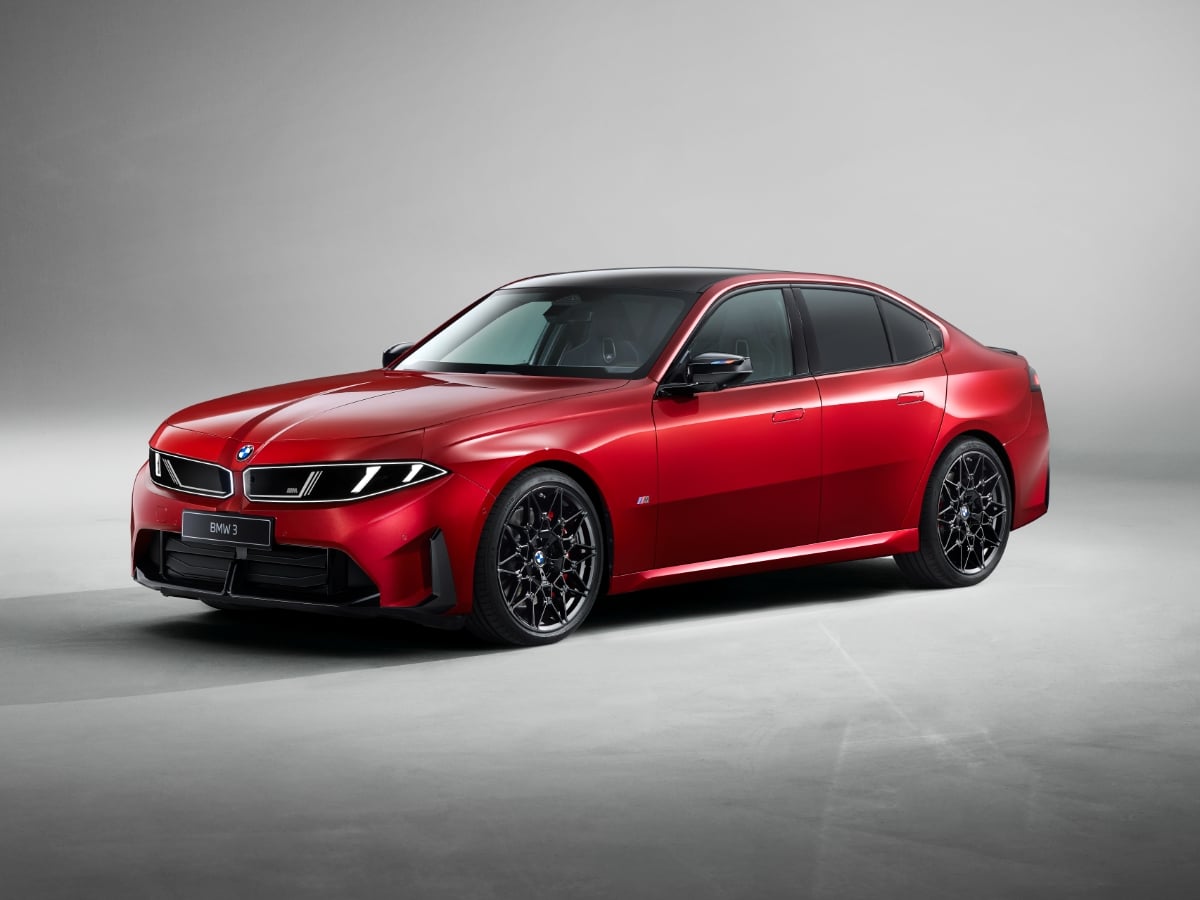
Part of BMW’s Neue Klasse (new class) rollout of redesigned models, the 2027 BMW 3 Series is all-new and goes on sale in the first quarter of 2027.
Read the Full Article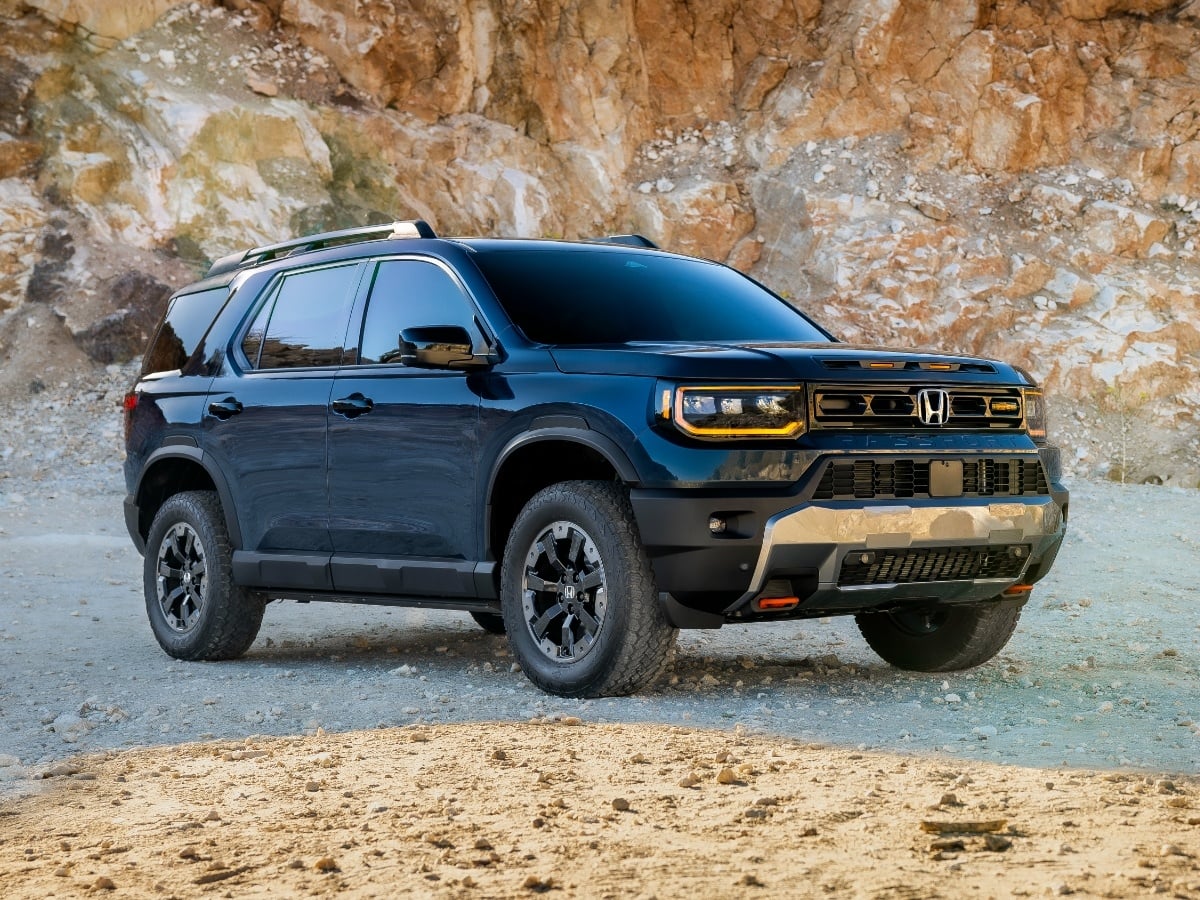
Updates to the 2027 Honda Passport TrailSport include a reworked suspension, improved steering, subtle styling enhancements, and added standard equipment.
Read the Full Article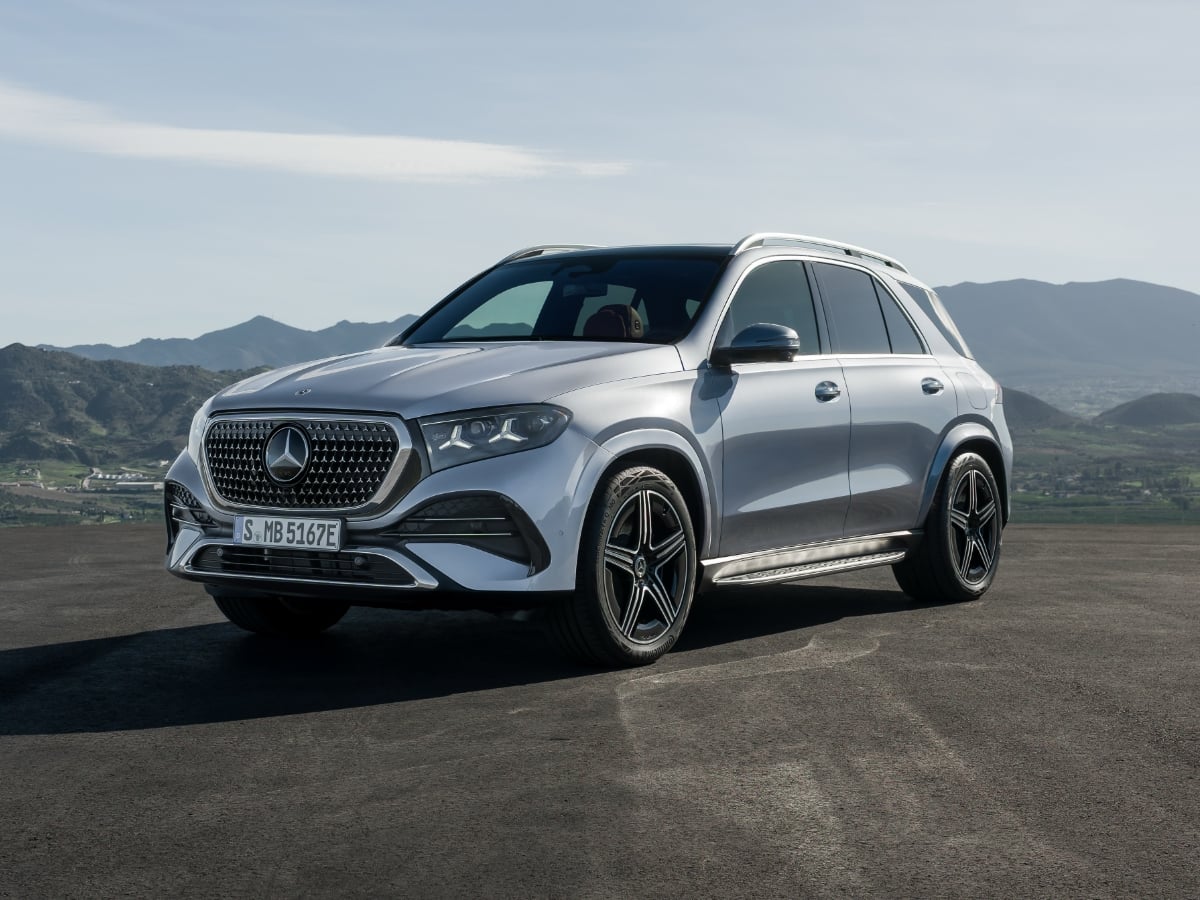
The midsize 2027 Mercedes GLE remains available in original and spicy Coupe recipes, now with standard 4Matic all-wheel drive (AWD), MBUX Superscreen technology, and a panoramic glass sunroof for ...See More
Read the Full Article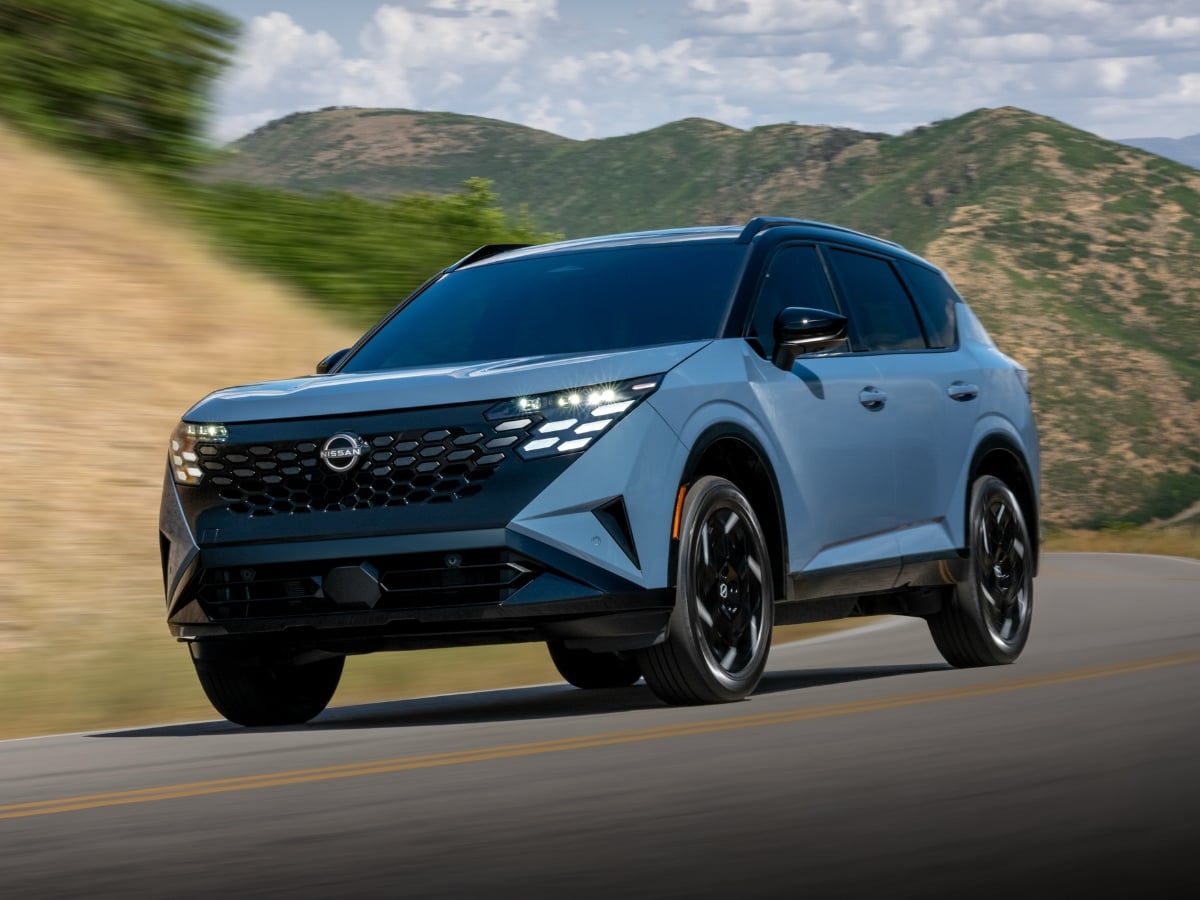
Nissan is about to introduce an innovative new SUV. The 2027 Nissan Rogue Hybrid has a gasoline engine, but it does not power the wheels. Instead, electric motors at each axle provide propulsion, ...See More
Read the Full Article